
Comparing Independent and Assisted Senior Living
Opening Doors to Empowered Senior Living Choices
Defining the Continuum of Care from Rental Housing for Seniors to Long Term Care
Independent living and assisted living sit on a broad continuum of care in senior housing. Understanding the levels of care in senior housing helps families match needs with services. At one end, rental housing for seniors offers privacy, social connection, and minimal oversight. At the other end, long term care facilities deliver intensive nursing oversight for chronic conditions. When completing an independent living vs assisted living comparison, consider daily living assistance options early to reduce stressful moves later.
Long term care planning for seniors must also weigh aging in place versus relocating as health changes. A clear cost comparison-independent vs assisted living-reveals hidden fees, such as medication reminders or added safety features in assisted living locations. Financial planning for senior housing should factor in insurance coverage for assisted living and potential veterans’ benefits for senior housing. Families also gain clarity by comparing contract terms in senior leases before signing.
How Senior Living Facilities Platform Simplifies the Search for Senior Living Near Me
Choosing between independent and assisted senior living can feel overwhelming, yet the Senior Living Facilities platform removes guesswork. Families start by browsing its nationwide senior living directory to see communities within preferred zip codes. Detailed profiles outline personal care services in assisted living, community culture, and evaluating staff to resident ratios. Interactive filters support senior living tours and questions to ask, ensuring users see only locations that fit their wish lists.
The platform also encourages family involvement in care planning through side-by-side comparisons of amenities, contract terms, and transportation services for older adults. Guided prompts highlight autonomy in senior living decisions while noting triggers for transitioning from independent to assisted living. By centralizing information on medical support in assisted living facilities and insurance coverage, the site streamlines every step toward confident choices.
Current Trends in Active Aging Communities for Seniors 55 Plus
Today’s active aging communities elevate amenities in independent senior communities far beyond shuffleboard. Residents enjoy senior wellness programs and fitness classes designed by certified trainers, pet friendly senior living options with dog parks, and accessible walking trails. Social activities in independent living communities now include creative studios, language clubs, and volunteer projects that deepen community culture and resident engagement.
Amenities expand into safety features in assisted living locations as well. Memory care considerations when choosing housing drive specialized wings with secured courtyards and sensory gardens. Renting senior apartments with support services means built-in accessibility design in senior apartments-lever handles, zero-entry showers, and smart-home alerts. As health needs grow, personal care services in assisted living and nursing oversight maintain dignity without sacrificing independence. These advances prove that modern communities for seniors 55+ blend lifestyle freedom with proactive health protection.
Independent Living Explored Freedom Friendship and Fit
Amenities That Elevate Daily Life Fitness Classes to Pet Friendly Paths
Independent living communities compete to delight residents with thoughtful perks. Modern amenities in independent senior communities span resort-style gyms, art studios, and on-site spas. Certified trainers design senior wellness programs and fitness classes that respect joint safety while boosting heart health. Beyond exercise, landscaped dog parks and walking trails make pet friendly senior living options feel like true neighborhoods. Consequently, residents embrace routines that sharpen strength, nurture companionship, and ignite daily joy.
Technology further enriches these communities. Smart-home systems adjust lighting with voice commands and alert staff if motion patterns change, adding peace of mind. Garden terraces feature raised beds, enabling residents to cultivate herbs without kneeling. Makerspaces supply 3-D printers and sewing machines, encouraging creativity across generations. Families touring these amenities can consult a helpful step by step guide to comparing nearby senior options to align offerings with personal hobbies.
Social Activities and Community Culture Crafting Purposeful Days
Community culture takes shape through intentional programming. Coordinators survey interests, then schedule book clubs, language circles, and volunteer outreach. Such social activities in independent living communities cultivate purpose and reduce isolation. Regular intergenerational events invite local students to perform music or tutor technology, strengthening external bonds. As friendships flourish, newcomers integrate swiftly and feel valued.
Diverse calendars also support cognitive wellness. Residents join debate forums, memory games, and documentary screenings that spark lively discussion. Travel clubs plan weekend excursions, providing adventure without logistical stress. Holiday celebrations honor various traditions, reinforcing inclusion. When choosing between independent and assisted senior living, families should evaluate whether the social framework mirrors personal passions. Authentic community spirit often predicts long-term satisfaction.
Safety and Accessibility Design in Senior Apartments
Accessibility design in senior apartments begins at the curb. Wide, well-lit walkways reduce trip hazards, and automatic doors welcome mobility devices. Inside, zero-entry showers, lever handles, and adjustable countertops promote self-reliance. Designers prioritize contrasting colors for depth perception and install glare-free lighting. Such thoughtful elements quietly support independence every hour.
Emergency preparedness remains paramount. Apartments feature discreet pull cords, wearable pendants, and monitored smoke detectors. Staff train regularly in first aid and evacuation protocols. Secure entry systems balance privacy with rapid assistance when needed. These safety features present clear advantages during an independent living vs assisted living comparison, emphasizing proactive risk mitigation.
Financial Snapshot Renting Senior Apartments with Support Services
Understanding costs early prevents unwelcome surprises. Monthly fees for rental housing for seniors usually bundle utilities, maintenance, and amenities. Optional support services-housekeeping, personal laundry, or meal packages-carry tiered pricing, allowing customization. Some communities offer buy-in models with refundable portions, while others remain strictly rental. Prospective residents should examine contract clauses on annual increases and service changes.
Financial planning for senior housing benefits from professional guidance. Certified planners weigh pensions, social security, and long-term care insurance benefits. Veterans may qualify for aid that offsets rent or daily living assistance options. Tax advisors explain deductions related to medical expenses within senior housing. Transparent calculations empower families to compare value, not just sticker price.
Autonomy in Decision Making When Independence Matters Most
Autonomy sits at the heart of independent living. Residents decide meal times, visitor policies, and participation levels in community events. Staff respect these choices, intervening only when health or safety dictates. This balance preserves dignity while offering a cushion of support. Older adults who value self-direction often thrive under such arrangements.
However, autonomy does not mean isolation. Resident councils collaborate with management on policies and propose new programming. Transparent feedback loops reinforce mutual respect and continuous improvement. When health changes arise, open dialogue ensures smooth transitioning from independent to assisted living without abrupt disruption. Ultimately, autonomy in senior living decisions empowers residents to write their next chapter with confidence.
 Assisted Living Examined Support Security and Specialized Care
 Assisted Living Examined Support Security and Specialized Care
Levels of Care Personal Care Services and Nursing Oversight
Assisted living communities offer tiered support that flexes as health needs evolve. Entry levels may include light housekeeping, while advanced tiers add hands-on aid with dressing or mobility. This graduated model lets residents pay only for needed help, protecting budgets without sacrificing safety. Because professional assessments occur regularly, families gain clarity about the appropriate level of care in senior housing at every stage. Consequently, residents avoid disruptive moves and maintain cherished routines.
Clinical supervision also distinguishes assisted living plans from purely independent settings. Licensed nurses oversee medication protocols, wound care, and chronic disease monitoring, coordinating closely with outside physicians. Their presence guarantees a rapid response when health status shifts, nurturing peace of mind for both residents and relatives. Additionally, interdisciplinary committees review incident reports, fine-tuning practices to reduce falls or infections. Transparent data sharing reinforces trust and underscores the community’s commitment to continuous improvement.
Daily Living Assistance Bathing to Medication Management
Daily living assistance options cover a broad spectrum, starting with gentle morning reminders and extending to complete bathing support. Caregivers receive specialized training in transfer techniques, skin integrity, and respectful communication, ensuring dignity during intimate tasks. Because many older adults value privacy, staff knock, announce, and document each interaction, reinforcing resident autonomy. Families should verify how communities track service minutes to prevent surprise charges later. Clear documentation promotes accountability and aligns expectations.
Medication management represents another cornerstone of personal care services in assisted living. Automated dispensing carts, barcode verification, and double-sign procedures reduce errors. Furthermore, pharmacists conduct quarterly reviews that flag duplicate therapies or risky combinations. Residents who previously juggled complex regimens often feel immediate relief once professionals assume this responsibility. As a result, adherence improves, and avoidable hospital visits decline.
Safety Features and Staff to Resident Ratios Evaluating Quality
Robust safety features in assisted living locations start with the building envelope. Secured entrances require coded access, while CCTV covers common zones without intruding on privacy. Inside apartments, motion-activated nightlights, grab bars, and low-threshold showers mitigate fall risk. Environmental sensors detect smoke, water leaks, and prolonged inactivity, triggering an instant staff alert. These layered protections create an ecosystem where accidents become rare exceptions.
Yet hardware means little without skilled humans behind it. Therefore, evaluating staff to resident ratios remains critical when choosing between independent and assisted senior living. Communities should publish daytime and overnight staffing matrices, highlighting credentialed positions. Prospective families can deepen their research through tips for evaluating the quality of care offered by Senior Living Facilities. This guidance encourages on-site observations during shift changes to gauge responsiveness and morale. Data plus observation equals informed confidence.
Medical Support and Memory Care Considerations in Assisted Living Locations
Medical support in assisted living facilities extends beyond routine health checks. On-call nurses coordinate laboratory draws, oxygen management, and post-surgical care, eliminating frequent clinic trips. Telehealth suites connect residents with specialists, shrinking geographic barriers and accelerating treatment plans. For chronic conditions like diabetes or heart failure, evidence-based protocols standardize monitoring and intervention. Consequently, residents experience continuity that rivals outpatient settings.
Memory care considerations when choosing housing deserve special attention. Dedicated wings employ color-coded hallways, secured gardens, and sensory stations that soothe agitation. Staff receive cognition-focused certifications, learning redirection techniques and behavior mapping. Scheduled, small-group activities avoid overstimulation while nurturing engagement through music, aroma therapy, and tactile crafts. Families appreciate that loved ones remain on campus, minimizing confusion during potential transitions.
Transportation Meal and Wellness Programs Building Holistic Support
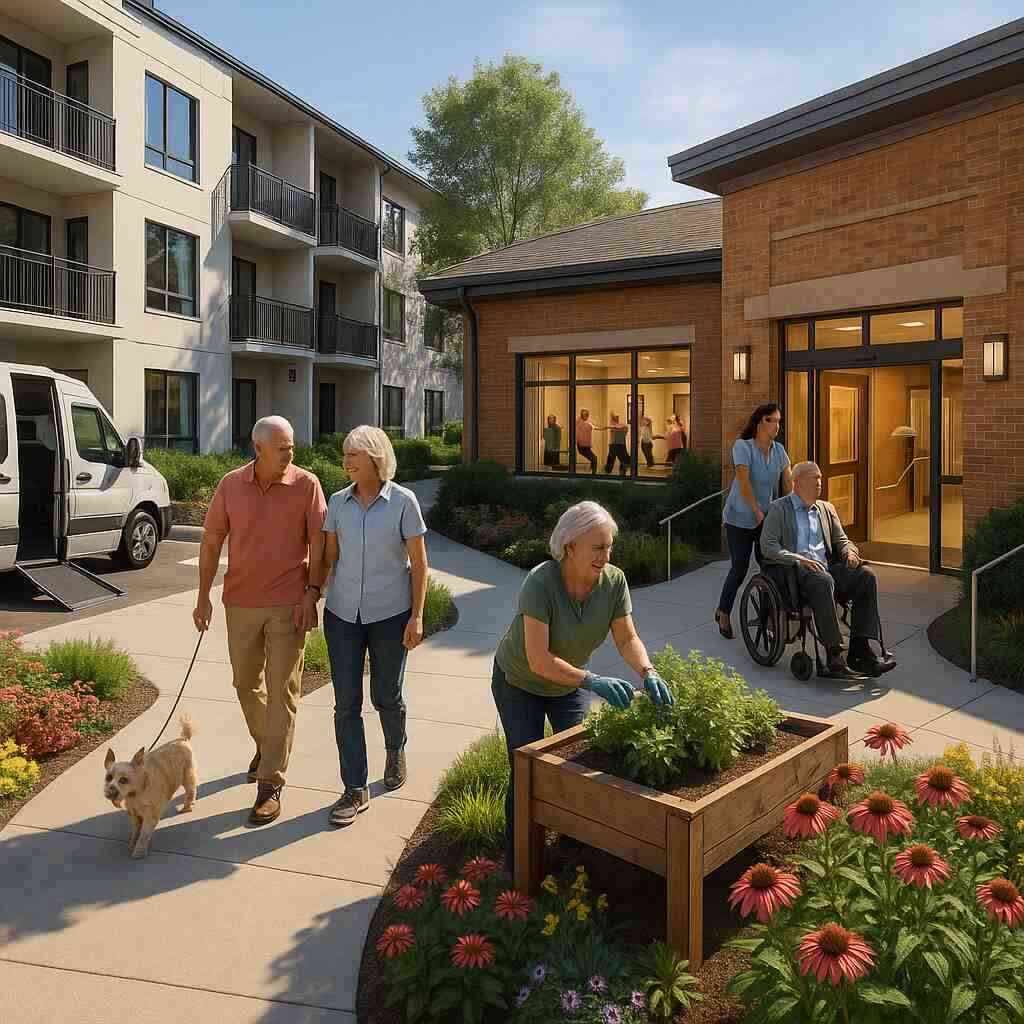
Comprehensive assisted living programs address life outside the apartment walls. Transportation services for older adults include wheelchair-accessible vans, ride scheduling apps, and trained drivers familiar with medical equipment. Regular outings to pharmacies, cultural venues, and houses of worship preserve community ties and independence. When residents can no longer drive safely, these options prevent isolation and maintain dignity. Families should review mileage limits and escort policies in advance.
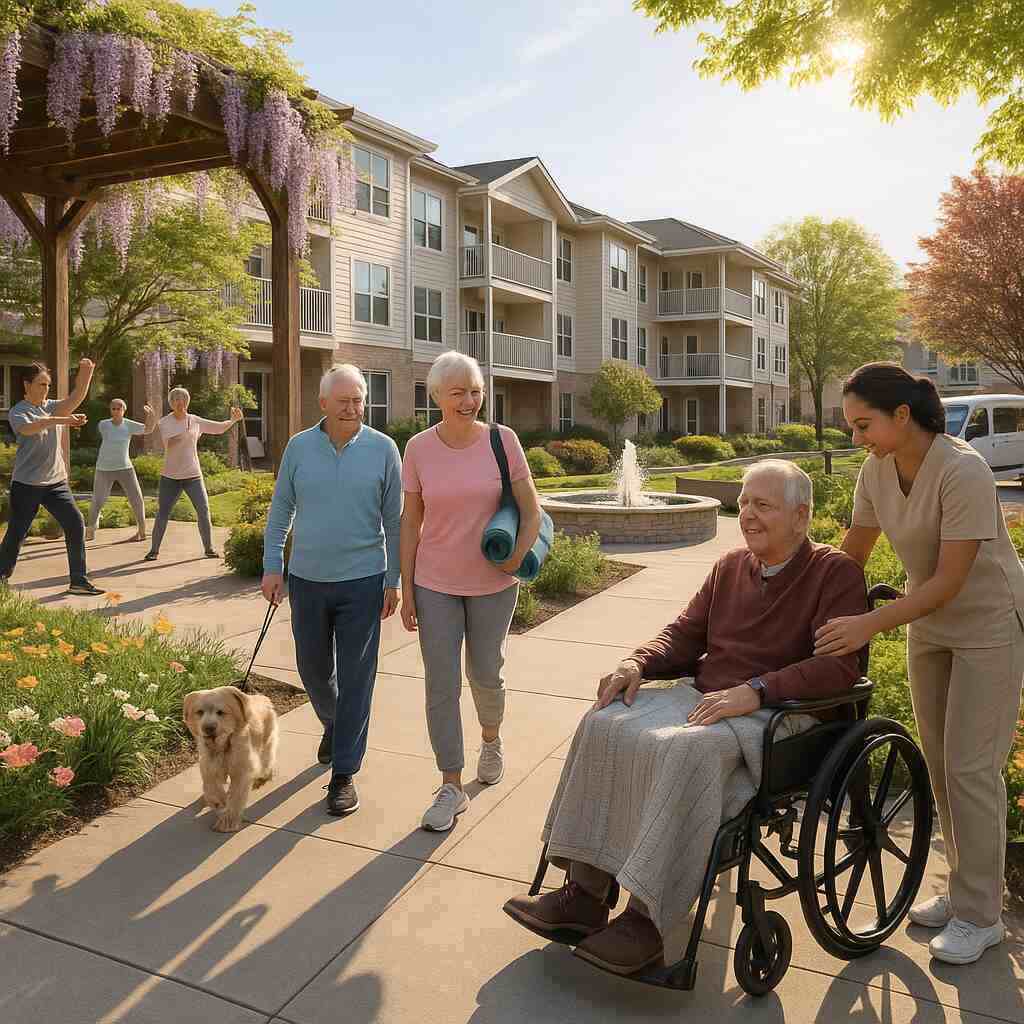
Holistic support also encompasses nutrition and movement. Meal services in senior living communities now feature chef-driven menus, heart-healthy options, and regional favorites honoring cultural heritage. Dietitians collaborate with physicians to tailor textures and sodium levels, ensuring therapeutic compliance without sacrificing flavor. Complementing nutrition, senior wellness programs and fitness classes incorporate balance training, tai chi, and aquatic therapy. Such integrative offerings nurture body, mind, and spirit, reinforcing every resident’s capacity to thrive.
Converging Paths Cost Clarity and Confident Next Steps
Cost Comparison Independent versus Assisted Living and Managing Budgets
Smart planning starts with a transparent cost comparison independent vs assisted living that captures every recurring expense. Monthly rent, utilities, and meal plans in an independent senior apartment may appear lower at first glance. However, periodic à-la-carte charges for housekeeping, transportation, or wellness classes can narrow the gap. Assisted living plans bundle many of those services, yet tiered care levels may raise the overall bill as needs change. Use our concise guide outlining the key differences between independent and assisted lifestyles to frame a realistic budget.
Families should also review entrance fees, refundable deposits, and contractual escalation clauses before signing. Some communities cap annual increases, while others link them to inflation. Schedule a financial review with a certified planner who understands senior housing so hidden costs never catch you off guard. Building a three-year projection provides breathing room for unexpected health events. Finally, maintain an emergency fund equal to six months of community fees for added security.
Insurance Coverage and Veterans Benefits Unlocking Hidden Resources
Many older adults overlook how long-term care insurance can offset assisted living costs. Policies vary, yet most reimburse a daily amount once documented help with activities of daily living begins. Medicare does not cover room and board, but supplemental policies occasionally fill partial gaps. Always verify waiting periods and benefit caps before assuming coverage. Keep copies of assessments, invoices, and care plans to streamline claims.
Separate from insurance, veterans’ benefits for senior housing deliver meaningful relief. The Aid and Attendance pension boosts monthly income for qualified veterans and surviving spouses needing personal care. Applicants must document service history, medical necessity, and financial status. Engage a VA-accredited representative to avoid common paperwork errors. Combined with state housing grants, this benefit can reduce out-of-pocket costs dramatically. Even if prior applications were denied, policy updates merit a fresh review.
Aging in Place versus Relocating Planning for the Long Term
 Aging in Place versus Relocating Planning for the Long Term
Transitioning from Independent to Assisted Living Timing and Triggers
Recognizing the right moment for transitioning from independent to assisted living protects safety without sacrificing dignity. Red flags often involve medication mismanagement, repeated falls, or neglected housekeeping. Annual functional assessments quantify changes in mobility, cognition, and nutrition. When two or more areas decline, a move toward additional support may be prudent. Discuss findings openly to keep the resident involved in decisions.
Communities on one campus simplify transitions because familiar faces and routines stay intact. Ask whether leases allow seamless shifts between levels of care in senior housing. Confirm how pricing adjusts during the change and if preferred floorplans remain available. Early deposits or waiting lists can secure priority placement. Timely action prevents crisis-driven moves that strain emotions and finances.
Touring Senior Living Near You Questions That Reveal the True Fit
Tours transform abstract research into tangible insight. Begin with online search phrases like senior living near me, then schedule on-site visits during meal or activity times for authentic observation. Prepare a checklist focused on daily living assistance options, resident interaction, and staff responsiveness. Notice whether hallways feel vibrant or quiet and whether dining smells fresh and inviting. Ask residents what surprised them after moving in.
Specific questions expose hidden realities. Inquire about staff-to-resident ratios at different times, fall response protocols, and contract cancellation terms. Request a sample monthly statement that itemizes every possible fee. Evaluate transportation services for older adults by inspecting vehicles and meeting drivers. Finally, compare community culture and resident engagement with personal passions to ensure a genuine match.
Family Involvement and Shared Decision Making Across the Care Journey
Successful moves result from collaborative communication among seniors, relatives, and professionals. Establish a weekly check-in schedule to discuss concerns, celebrate milestones, and adjust plans. Encourage the resident to voice preferences about décor, routines, and social circles. Families who listen first and advise second nurture autonomy in senior living decisions. Document agreements in writing to minimize misunderstandings later.
Many communities host care conferences that unite nurses, life enrichment staff, and family members. Use these sessions to review goals, therapy progress, and potential upgrades in personal care services. Bring a list of questions and remain solution-focused. When disagreements arise, an impartial social worker can mediate toward consensus. Consistent collaboration fosters trust and ensures needs remain centered.
Embracing Community While Honoring Individual Choice
An excellent senior living facility balances collective energy with personal space. Organized events, fitness classes, and volunteer teams encourage residents to nurture purpose and friendship. At the same time, private apartments, flexible dining hours, and self-directed hobbies preserve individuality. This mix supports mental well-being and prolongs independence.
Ultimately, choosing between independent and assisted senior living involves aligning lifestyle goals with evolving care requirements. By leveraging expert resources, transparent budgets, and open dialogue, families can craft a journey that celebrates agency. Senior Living Facilities stands ready to guide every step, connecting you to communities where support and freedom coexist beautifully.
Frequently Asked Questions
Question: How do Senior Living Facilities help families perform an independent living vs assisted living comparison when starting their search for senior living near me?
Answer: Our online assisted living locator begins by asking you to enter a zip code, instantly displaying both independent living communities and assisted living locations within your chosen radius. You can filter results by amenities in independent senior communities, personal care services in assisted living, pet friendly senior living options, or even memory care considerations when choosing housing. Side-by-side comparison charts show rental rates, staff-to-resident ratios, transportation services for older adults, and on-site medical support in assisted living facilities. Because every listing is verified, families gain confidence that the information is current and transparent before scheduling senior living tours and questions to ask.
Question: What levels of care in senior housing can I explore through Senior Living Facilities, and how do daily living assistance options evolve if my loved one transitions from independent to assisted living?
Answer: The Senior Living Facilities platform covers the full continuum-from active communities for seniors 55+ focused on wellness programs and fitness classes to long-term care facilities with 24-hour nursing oversight in assisted living plans. Each community profile outlines tiered daily living assistance options such as housekeeping, medication management, or full bathing support. If needs grow, you can review how transitioning from independent to assisted living is handled on the same campus, what additional costs apply, and whether the resident can keep their current apartment. Knowing these details early lets families craft long term care planning for seniors without last-minute stress.
Question: In the article Comparing Independent and Assisted Senior Living, cost emerged as a major concern; how do Senior Living Facilities clarify the cost comparison independent vs assisted living and highlight insurance coverage and veterans’ benefits?
Answer: Each listing on Senior Living Facilities contains a financial snapshot that separates base rent, bundled services, and à-la-carte fees so you can see the real bottom line. We provide downloadable worksheets for financial planning for senior housing that include columns for long-term care insurance reimbursements, Aid & Attendance veterans benefits for senior housing, and potential tax deductions. Our live advisors will even review policy language with you to confirm which personal care services in assisted living qualify for reimbursement-saving you hours of research and helping stretch your budget further.
Question: What safety features in assisted living locations and accessibility design in senior apartments should we look for, and how do Senior Living Facilities evaluate staff to resident ratios to ensure quality?
Answer: We flag communities that offer zero-entry showers, lever handles, smart-home motion sensors, secured entrances, and 24/7 emergency response systems-key safety features in assisted living locations. Our quality score also weighs published staff to resident ratios for every shift, licensure levels, and incident report transparency. During a scheduled tour, our checklist prompts you to observe hallway lighting, meet overnight caregivers, and confirm evacuation procedures. By blending hardware safety with human oversight, we help you choose housing options for seniors that truly safeguard your loved one.
Question: How can Senior Living Facilities support ongoing family involvement in care planning and ensure autonomy in senior living decisions as health needs change?
Answer: The moment a resident moves into a senior living facility we connect families with the community’s care team through a secure portal. You can view wellness updates, activity participation, and upcoming care conferences in real time, fostering family involvement in care planning. Because autonomy in senior living decisions matters, we encourage residents to set personal goals-whether it’s attending specific social activities in independent living communities or choosing meal services in senior living communities that match dietary preferences. Continuous feedback loops keep everyone informed, respect the resident’s voice, and ensure care evolves gracefully as circumstances shift.
Admin
Expert contributor specializing in senior living care. Dedicated to providing families with clear, actionable advice.