Exploring Senior Living Facilities’ Evolving Roles

From Rocking Chairs to Smart Homes Reimagining Senior Living Facilities
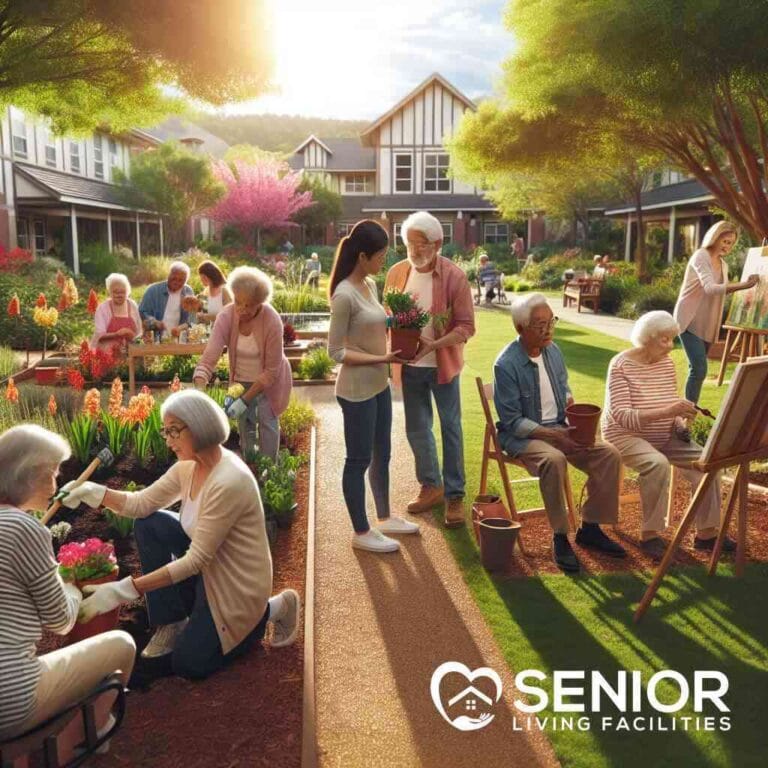
Demographic shifts fueling demand for dynamic senior communities
The American population aged sixty-five and older is expanding faster than any other age cohort. Families now consult a national senior living directory to keep pace with the swelling demand for well-designed senior living facilities. As lifespans lengthen, seniors expect vibrant environments that promote purpose, not passive retirement. Forward-thinking communities for seniors 55+ blend hospitality, healthcare, and education, creating neighborhoods that feel both secure and stimulating. Consequently, investors and municipalities are racing to develop adaptive campuses that can flex with demographic momentum.
Longevity also reshapes economic forecasts, pushing policymakers to rethink infrastructure around wellness-centric senior housing options. More adults remain employed longer, influencing location preferences near transit and cultural hubs. Aging-in-place solutions, including universal design and smart home adaptations for elders, help delay costly institutional care. These innovations reduce strain on long-term care facility capacity while boosting independence. Together, demographic reality and technological possibility create unprecedented opportunities for dynamic senior communities.
Evolving expectations of Baby Boomers and Gen X caregivers
Boomers grew up challenging norms, and they carry that mindset into decisions about where they will age. They demand tech-enabled assisted living with reliable Wi-Fi, telehealth access, and on-demand concierge services. At the same time, adult children from Generation X juggle remote work and caregiving, favoring seniors living near me searching for tools that simplify oversight. Both groups value holistic eldercare models that integrate preventative healthcare for seniors with flexible lifestyle programming. The result is a market pivot toward experience-driven campuses rather than one-size-fits-all institutions.
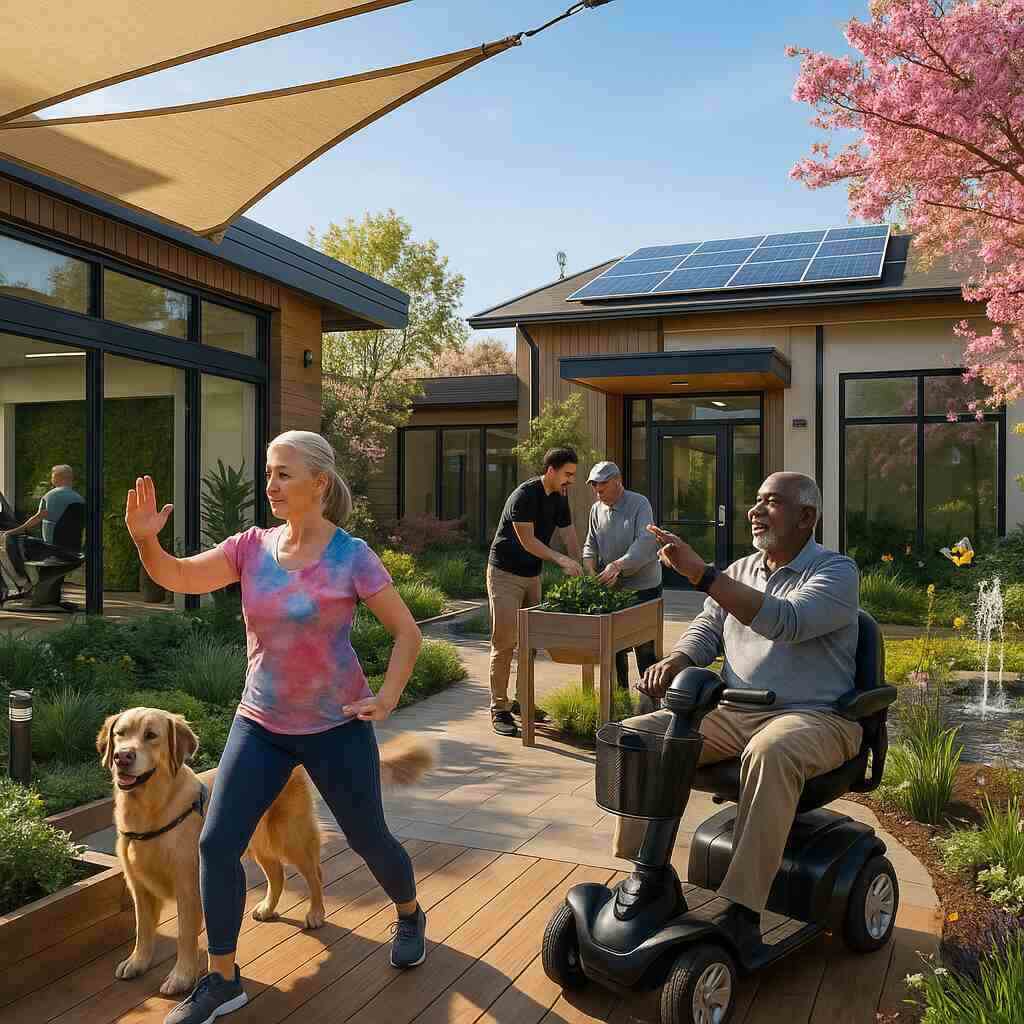
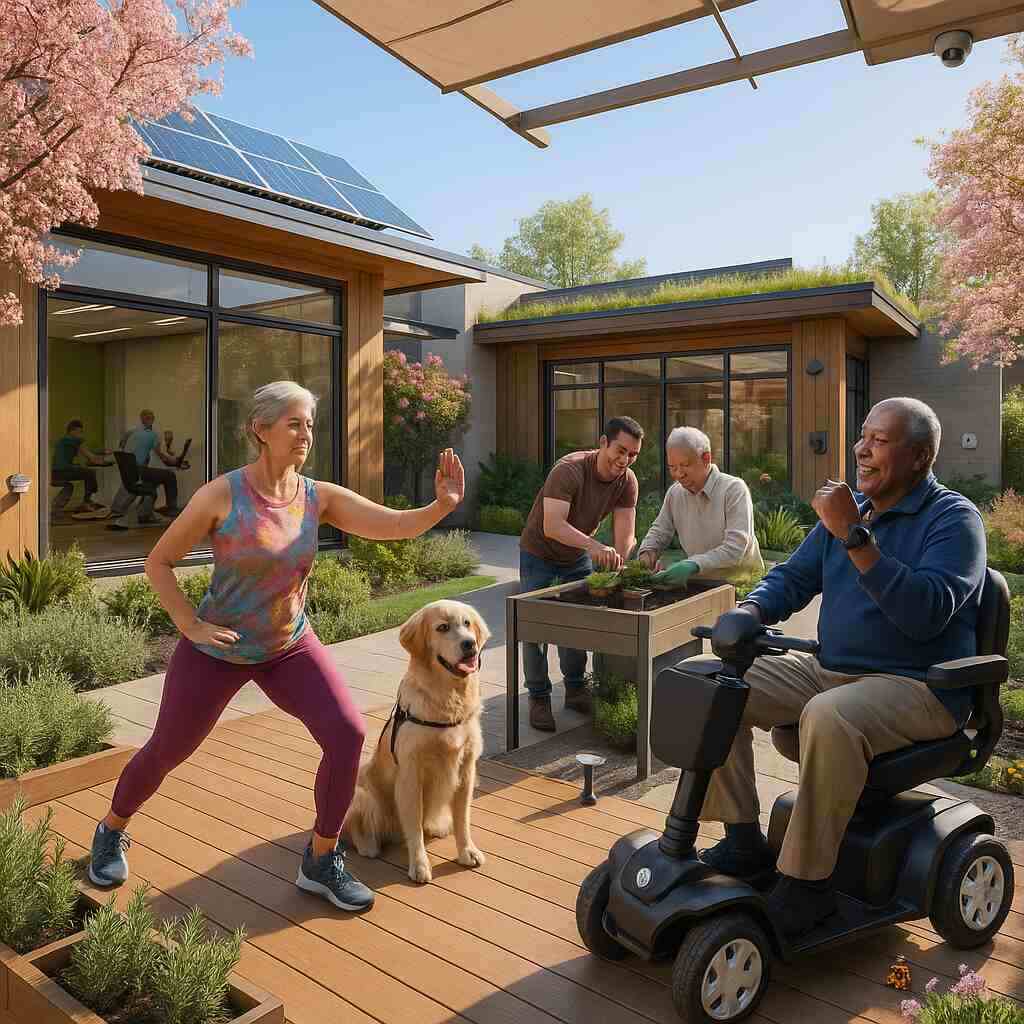
Personalization also extends to culture, diet, and spirituality, driving more culturally inclusive senior communities nationwide. Facilities now host language-specific clubs, plant-based culinary classes, and faith-based meditation rooms. Adaptive fitness for adults 55 plus offers tai chi, virtual cycling, and aquatic therapy instead of outdated calisthenics. Pet-friendly senior apartments recognize emotional bonds by accommodating companion animals and offering dog parks. These expanded amenities demonstrate how consumer expectations reshape every layer of modern senior housing.
The rise of housing options for seniors beyond traditional nursing homes
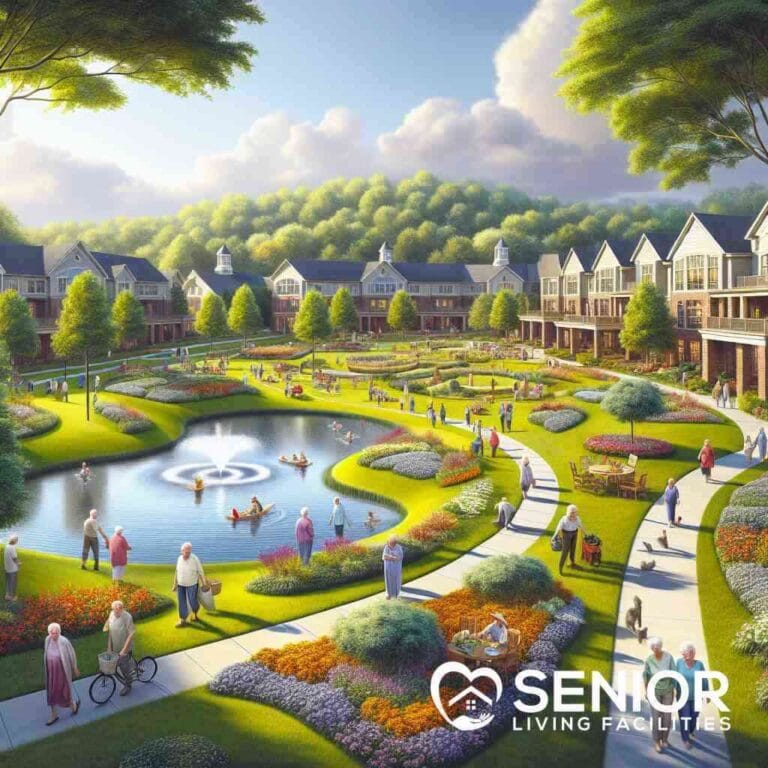
Demand for diverse housing options for seniors sparks growth in luxury independent living residences, affordable rental housing for seniors, and continuum of care communities. Developers retrofit downtown high-rises into senior apartment rentals featuring rooftop gardens, co-working lounges, and accessible kitchens. Suburban campuses integrate memory care innovations, post-acute rehabilitation services, and integrated hospice support, creating seamless transitions as residents’ needs change. This tiered approach delays or replaces moves to nursing homes for the elderly, aligning care intensity with personal preference.
Simultaneously, emerging models like intergenerational senior housing pair older adults with students or young professionals, combating loneliness while reducing rent. Green-certified long-term care facility design introduces solar arrays, recycled water systems, and biophilic architecture that improve air quality and mood. Communities leverage technology in modern senior living facilities to monitor ADLs, prevent falls, and streamline medication management. Such advancements illustrate how holistic eldercare in senior communities now transcends the historical image of rocking chairs on a porch. Residents instead enter smart homes programmed for safety, engagement, and environmental stewardship.
Designing Wellness Centric Senior Living Ecosystems
Holistic eldercare models that integrate preventative healthcare for seniors
Comprehensive wellness begins with medical integration that feels supportive, not clinical. Modern communities employ onsite nurse navigators who coordinate primary care, therapy, and specialist visits, reducing stressful off-site travel. Regular screenings flag chronic issues early, letting residents adjust lifestyle plans before crises escalate. Nutritionists design menus rich in anti-inflammatory foods while pharmacists oversee medication reconciliation to prevent adverse interactions. Because health education workshops remain interactive, residents learn practical strategies, building confidence in managing personal conditions.
Equally important, holistic eldercare models foster emotional resilience through counseling and mindfulness sessions. Licensed counselors host small group discussions that address grief, loneliness, and changing identity after retirement. Meditation gardens provide serene spaces where residents practice breathing techniques taught by wellness coaches. Frequent art therapy classes help seniors externalize feelings and maintain cognitive flexibility. By normalizing emotional support, facilities destigmatize mental health conversations and nurture community empathy.
Adaptive fitness for adults 55 plus and senior social connectivity programs
Physical activity shapes longevity, yet traditional gyms often intimidate older adults. Adaptive fitness studios, therefore feature low-impact hydraulic machines, balance boards, and programmable resistance bands scaled to individual strength. Certified trainers specialize in the biomechanics of aging, coaching residents through personalized routines that protect joints while enhancing muscle mass. Water aerobics, tai chi, and chair yoga diversify options, ensuring every body type finds a comfortable challenge. Biometric wearables track progress and sync with personal health records, letting clinicians refine exercise prescriptions.
Senior social connectivity programs run parallel, turning workouts into community rituals. Walking clubs schedule morning routes through landscaped paths, encouraging accountability and conversation. Evening dance classes blend cardiovascular benefits with nostalgic music, sparking shared memories. Facilities also pair new residents with seasoned “wellness buddies” who introduce amenities and celebrate milestones. Such layered interaction combats isolation, a known risk factor equal to smoking in health impact.
Smart home adaptations for elders with tech enabled assisted living
Safety and independence rise dramatically when residences incorporate smart infrastructure. Motion-sensing lighting eliminates dark hallways, reducing falls during nighttime bathroom trips. Voice-activated thermostats and blinds accommodate limited dexterity, allowing effortless environmental control. Refrigerator sensors monitor food freshness, prompting caregivers when supplies dwindle or spoiled items linger. Even infusion pumps connect to centralized dashboards, ensuring accurate dosage without intrusive supervision.
Beyond hardware, advanced platforms harness data analytics to predict emerging needs. Machine-learning algorithms detect subtle changes in gait speed, flagging early mobility decline so therapists can intervene swiftly. Digital care portals let families view wellness metrics in real time, easing anxiety for far-flung relatives. Most notably, communities study emerging research on dementia and tailor cognitive-supporting lighting rhythms to improve sleep quality. Readers seeking deeper insight into smart amenities can explore technology in modern senior living facilities.
Sustainable senior housing options and green certified long term care facility design
Residents increasingly ask whether their homes respect the planet they hope to preserve for their grandchildren. Sustainable senior housing options therefore prioritize energy efficiency, water stewardship, and healthy materials. Solar arrays on rooftops offset electricity usage while battery storage systems guarantee continuity during outages. Greywater irrigation nourishes native plant gardens that double as therapeutic landscapes and pollinator habitats. Low-VOC paints and formaldehyde-free cabinetry protect respiratory health and reduce allergen triggers.
Green-certified long-term care facility design extends beyond construction to operations. Dining services source produce from onsite hydroponic farms, shortening supply chains and providing ultra-fresh nutrition. Composting programs divert waste, and residents participate in gardening classes that turn scraps into soil amendment, reinforcing environmental citizenship. Building automation platforms track carbon footprints, generating monthly sustainability scorecards celebrated at community forums. Through transparent metrics, seniors witness the tangible impact of collective stewardship.
Pet friendly senior apartments enhancing mental health and purpose
Companion animals deliver unmatched emotional benefits, and many seniors refuse to move without them. Pet-friendly senior apartments feature durable, non-slip flooring that withstands claws while preventing falls. Fenced dog runs and indoor agility zones encourage daily movement for residents and pets alike. Grooming stations with adjustable tubs eliminate heavy lifting, making routine care safe and enjoyable. Monthly veterinary clinics visit the community, providing convenient vaccinations and wellness checks.
Beyond housing logistics, structured animal-assisted therapy sessions cultivate connection among residents who may not otherwise interact. Trained volunteers bring certified therapy dogs to memory care wings, triggering joyful recollections in residents with cognitive decline. Meanwhile, cat cafés within lounges offer quiet companionship for introverted seniors, aligning with diverse personality types. By honoring pet relationships, facilities acknowledge an often-overlooked source of purpose, elevating mental health alongside physical wellness.
 Building the Continuum of Care and Community
 Building the Continuum of Care and Community
Continuum of care communities offering personalized care plans for older adults
Lifestyle flexibility defines a successful continuum of care communities. Upon move-in, geriatric specialists assess functional status, medication regimens, and life goals. That baseline informs a living document that updates quarterly, seamlessly adapting to evolving care needs. Families access the same dashboard, encouraging transparent decision-making and reducing emergency phone calls. Because adjustments happen proactively, residents view support as empowerment rather than loss.
Multidisciplinary teams meet weekly to review biometric trends, social engagement reports, and feedback from culinary staff. If an older adult shows reduced grip strength, occupational therapists add adaptive utensils before dining anxiety develops. Should gait speed decline, wellness coaches integrate balance drills into daily walks around the seniors living community. This anticipatory rhythm prevents cascading health events while safeguarding dignity. Moreover, it helps financial planners project costs, letting families navigate senior living near you with clear expectations. Online search tools for senior communities near you reflect these updates, presenting real-time snapshots of evolving support.
Memory care innovations and dementia friendly design strategies
Memory care wings within modern senior housing borrow lessons from neuroscience and hospitality. Hallways curve gently, eliminating confusing dead ends that can trigger agitation in residents with dementia. Color-coded door frames anchor spatial memory, while familiar artwork evokes personal history. Circadian lighting mimics natural dawn and dusk, stabilizing sleep cycles without medication. Combined, these dementia-friendly design strategies transform once-institutional corridors into intuitive neighborhoods.
Technology deepens that environment. Smart wristbands unlock individual suites, preventing wandering yet sparing residents from remembering keys. In-ceiling sensors recognize agitation patterns and cue calming music rather than loud alarms. Simultaneously, memory care innovations include virtual reality reminiscence therapy, allowing a retired pilot to revisit his favorite runway. Families witnessing these tailored interventions gain confidence in the long-term care facility and feel invited to participate.
Integrated hospice support and post acute rehabilitation services
Eventually, many residents require palliative attention or short-term medical recovery. Integrated hospice support embedded within the same campus spares families from difficult transfers during fragile moments. Board-certified teams provide pain management, spiritual counseling, and bereavement resources in familiar surroundings. Because staff already know personal routines, they honor cultural or religious rituals without missteps. This seamless transition exemplifies holistic eldercare models that respect body, mind, and spirit.
Adjacent rehabilitation suites address injuries or surgeries that formerly demanded outside skilled nursing. Physical therapists collaborate with culinary teams to deliver protein-rich menus supporting tissue healing. Advanced motion-tracking treadmills rebuild gait mechanics while recording progress for physicians. Once residents regain baseline strength, discharge planners coordinate in-home therapy visits, reinforcing aging-in-place solutions beyond campus walls. The cycle illustrates how senior living facilities can manage acute events without fracturing community bonds. These capabilities surpass traditional nursing homes for the elderly, where siloed departments can delay recovery.
Telehealth in senior living facilities is expanding medical reach
Even the most comprehensive onsite clinic cannot house every specialist. Telehealth in senior living facilities bridges that gap through high-resolution video exams and remote diagnostic peripherals. Residents consult neurologists, dermatologists, or cardiologists without leaving their apartments, reducing transportation stress. Clinicians gain instant access to electronic health records, allowing nuanced guidance for dosage or imaging requests. Consequently, hospitalization rates decline while residents retain confidence that expert care remains one click away.
Operators also deploy virtual group visits that blend education with peer support. Diabetic residents, for instance, join cooking demonstrations streamed from celebrity chefs who understand older palates. Interactive polls track carbohydrate knowledge, and nurses immediately clarify misconceptions. Such senior social connectivity programs convert clinical learning into lively events, reinforcing preventive healthcare for seniors. Additionally, tele-rehabilitation sessions extend post-acute therapy, sustaining momentum between in-person appointments. Insights from these calls also feed advanced assisted living locator platforms, guiding prospective families toward data-verified communities.
Intergenerational senior housing and culturally inclusive senior communities
Many continuum of care communities now reserve apartments for graduate students who trade reduced rent for mentorship hours. This intergenerational senior housing model injects fresh energy and combats ageist stereotypes. Residents co-teach language classes, resume writing workshops, or guitar lessons, turning corridors into collaborative studios. Shared experiences enhance cognitive flexibility for elders and emotional intelligence for youth. The resulting tapestry of relationships reinforces that aging is a chapter, not a cage. Flexible leases resemble senior apartment rentals, letting newcomers test the environment before committing long term.
Culturally inclusive senior communities further personalize belonging by honoring dietary customs, faith observances, and linguistic nuances. Menus rotate through regional cuisines, and prayer rooms adjust signage into multiple scripts. Bilingual concierge desks ease medical translation, ensuring personalized care plans for older adults remain accurate. Festival calendars highlight Diwali, Juneteenth, and Lunar New Year with equal flair, celebrating the nation’s mosaic. As inclusion expands, occupancy rises because seniors see reflections of their identities, not erasure.
Transportation and community based elder support networks are boosting independence
Mobility determines participation. Therefore, continuum of care communities invest in layered senior transportation solutions using electric shuttles, rideshares, and volunteer drivers. Real-time apps display vehicle locations, allowing residents to time departures with minimal wait. Accessible vans feature low steps, swivel seats, and secure mounts for mobility aids. By removing transit barriers, operators open doors to concerts, medical appointments, and family events across the wider city.
Community based elder support networks complement transportation by sending resources inward. Local libraries run pop-up branches in the clubhouse twice weekly, offering audiobooks and tech tutoring. University interns lead free tax clinics each spring, relieving financial stress. Faith groups coordinate meal trains when residents recover from hospitalization, ensuring nutrition never lapses. Such networks weave external assets into the seniors living community, multiplying independence without multiplying cost.
Future Proof Paths for Senior Living Facilities and Families
Luxury independent living residences versus affordable rental housing for seniors
Luxury independent living residences now resemble boutique resorts with concierge desks, curated dining, and rooftop meditation decks. Developers integrate smart home adaptations for elders, allowing residents to control lighting, security, and climate with simple voice commands. These upscale senior living facilities often border cultural districts, giving art lovers quick access to galleries and theaters. However, premium price points can intimidate middle-income retirees who still crave similar autonomy and enrichment. Therefore, balanced regional planning must protect socio-economic diversity while honoring consumer desire for elegant, purpose-filled aging.
Affordable rental housing for seniors answers that challenge through tax incentives, creative land trusts, and partnerships with nonprofit sponsors. Designers stretch budgets with modular construction and energy-efficient envelopes, reducing long-term utility costs for residents. Communities for seniors 55+ share gymnasiums, co-working pods, and teaching kitchens, proving that affordability does not equal austerity. Because subsidies fluctuate, advocates work closely with municipal leaders to shield operating budgets from political whiplash. The result is a spectrum of housing options for seniors, ensuring every household can choose the dignity of independence.
Advanced assisted living locator platforms and senior living near me search tools
Families already stressed by caregiving cannot waste weeks deciphering fragmented information on each senior living facility. Consequently, advanced platforms aggregate licensing data, staffing ratios, and resident reviews into intuitive dashboards. Senior Living Facilities refines the experience further by layering predictive algorithms that match lifestyle preferences with community cultures. Users launch the journey with search tools for senior communities near you, then filter by faith programming, pet policies, or proximity to grandchildren. Transparent cost breakdowns reduce sticker shock and allow earlier financial planning.
Because decision timelines compress during health crises, real-time availability matters as much as glossy brochures. Assisted living locator technology syncs directly with operators’ reservation systems, flagging open suites before competitors advertise them. Families can compare assisted living locations side by side, weighing care acuity and amenity packages without toggling multiple windows. Interactive maps guide virtual tours, and chatbots answer policy questions twenty-four hours a day. These senior living near me search tools empower adult children to transition from overwhelmed researchers to confident advocates.
Data driven operations powering future proof nursing homes for the elderly
Modern long-term care facility management increasingly mirrors aerospace dashboards, continuously capturing resident, building, and workforce metrics. Sensors track hydration intake, sleep patterns, and gait speed, giving clinicians early warnings of urinary infections or fall risk. Predictive maintenance programs analyze elevator vibrations and HVAC efficiency, preventing costly shutdowns that disrupt comfort. Administrators blend these data streams into unified command centers, allocating nursing resources where acuity surges. Consequently, future-proof nursing homes for the elderly transform reactive care into proactive wellness stewardship.
Artificial intelligence also accelerates compliance reporting, reducing paperwork fatigue that pulls nurses away from residents. Algorithms flag anomalies in medication timing, highlighting potential discrepancies before regulators discover them. Data visualizations help directors benchmark against regional senior housing competitors, driving continuous improvement initiatives. Importantly, privacy safeguards encrypt personal records and restrict access through tiered permissions, reinforcing family trust. By weaving technology with compassionate practice, nursing teams deliver holistic eldercare models that feel both personal and precise.
Sustainable business models and workforce strategies for long term viability
Financial resilience begins with diversified revenue streams, including adult day services, outpatient therapy, and community memberships for nearby retirees. These additions spread fixed costs, lowering monthly fees for full-time residents and strengthening cash flow during occupancy fluctuations. Green-certified long-term care facility design slashes utility bills through solar microgrids and rainwater recapture, buffering budgets against energy volatility. Operators redirect savings toward wellness-centric senior living initiatives, such as cognitive training labs or adaptive fitness for adults 55 plus.
Workforce stability remains equally vital, given national shortages of geriatric specialists. Providers therefore build scholarship pipelines with vocational schools, guaranteeing job placement upon graduation. Mentorship programs pair novice aides with seasoned caregivers, accelerating skill mastery while reinforcing mission culture. Competitive wages matter, yet flexible scheduling and mental-health supports sustain morale amid demanding shifts. Together, these strategies craft sustainable senior housing options that honor both residents and frontline heroes.
Empowering families to navigate senior living near you with clarity
Even with advanced tools, families still rely on empathetic guidance when reviewing assisted living plans. Senior Living Facilities complements digital resources with seasoned advisors who decode medical jargon and insurance stipulations. Consultants outline ADLs in senior care planning, clarifying thresholds that might trigger higher service tiers. They also explain the differences between aging-in-place solutions and continuum of care communities, helping relatives forecast future transitions.
After community tours, advisors provide personalized care plans for older adults that integrate social, cognitive, and financial goals. They recommend senior transportation solutions or community-based elder support networks to bolster independence outside campus walls. Finally, they remind clients that evaluating the quality of senior care goes beyond luxury finishes or promotional photos. By combining data analytics with human compassion, the platform transforms uncertainty into informed action. Families emerge confident, knowing every decision honors their loved one’s dignity and aspirations.
Frequently Asked Questions
 Frequently Asked Questions
Question: How do Senior Living Facilities incorporate tech-enabled assisted living and smart home adaptations for elders so my parents can embrace aging-in-place solutions instead of moving repeatedly?
Answer: Senior Living Facilities partners with forward-thinking senior living facilities that embed motion-sensing lighting, voice-activated thermostats, medication-dispensing hubs, and fall-detection wearables directly into each residence. When you use our advanced assisted living locator platform, you can filter for communities that offer these smart home adaptations for elders, ensuring your loved ones enjoy safety, autonomy, and seamless connection to caregivers. Because our database spans all 50 states, you can compare tech-enabled assisted living options side by side and even schedule virtual tours that highlight how each device supports daily activities and preventative healthcare for seniors.
Question: The blog Exploring Senior Living Facilities’ Evolving Roles mentions wellness-centric senior living-what specific senior social connectivity programs and adaptive fitness for adults 55+ can I expect when I search senior living near me through your site?
Answer: Wellness isn’t an add-on; it’s the heartbeat of the communities we list. Many of our featured seniors living communities run daily tai chi on landscaped paths, aquatic therapy in saltwater pools, and small-group strength sessions that use hydraulic equipment tailored to joint health. Socially, residents enjoy intergenerational book clubs, gardening collectives, and tech cafés where volunteers teach video-chat skills that keep family ties strong. When you enter a ZIP code in our senior living near me search tools, you’ll see which facilities host dance nights, art therapy, or pet-friendly meet-ups-making it simple to match lifestyle goals with adaptive fitness and connectivity offerings.
Question: Can Senior Living Facilities guide us through a continuum of care communities that offer memory care innovations, dementia-friendly design strategies, and integrated hospice support so we never have to restart the search as needs evolve?
Answer: Absolutely. Our platform highlights continuum of care communities that layer independent living, assisted living, post-acute rehabilitation services, and hospice under one roof. We flag features such as color-coded hallways, circadian lighting, VR reminiscence therapy, and on-site palliative teams. By reviewing personalized care plans for older adults during your consultation call, our advisors help you forecast future requirements and budget accurately. This proactive approach ensures your family transitions smoothly from early wellness-centric living to specialized memory care innovations without leaving a familiar environment.
Question: What sets your assisted living locator apart when evaluating sustainable senior housing options-from affordable rental housing for seniors to luxury independent living residences with green-certified long-term care facility design?
Answer: Transparency and breadth. Senior Living Facilities aggregates verified data on energy efficiency ratings, solar utilization, water-recycling systems, and indoor air-quality metrics for thousands of properties. Whether you’re exploring upscale pet-friendly senior apartments with rooftop gardens or budget-friendly senior apartment rentals built with modular, carbon-neutral materials, our comparison dashboard shows environmental credentials next to pricing, staffing ratios, and resident reviews. Because we service every U.S. region, you can quickly identify sustainable senior housing options that fit your financial plan and eco values-then connect directly with community representatives or our in-house advisors for next steps.
Admin
Expert contributor specializing in senior living care. Dedicated to providing families with clear, actionable advice.