
How Do Senior Living Facilities Define Care?
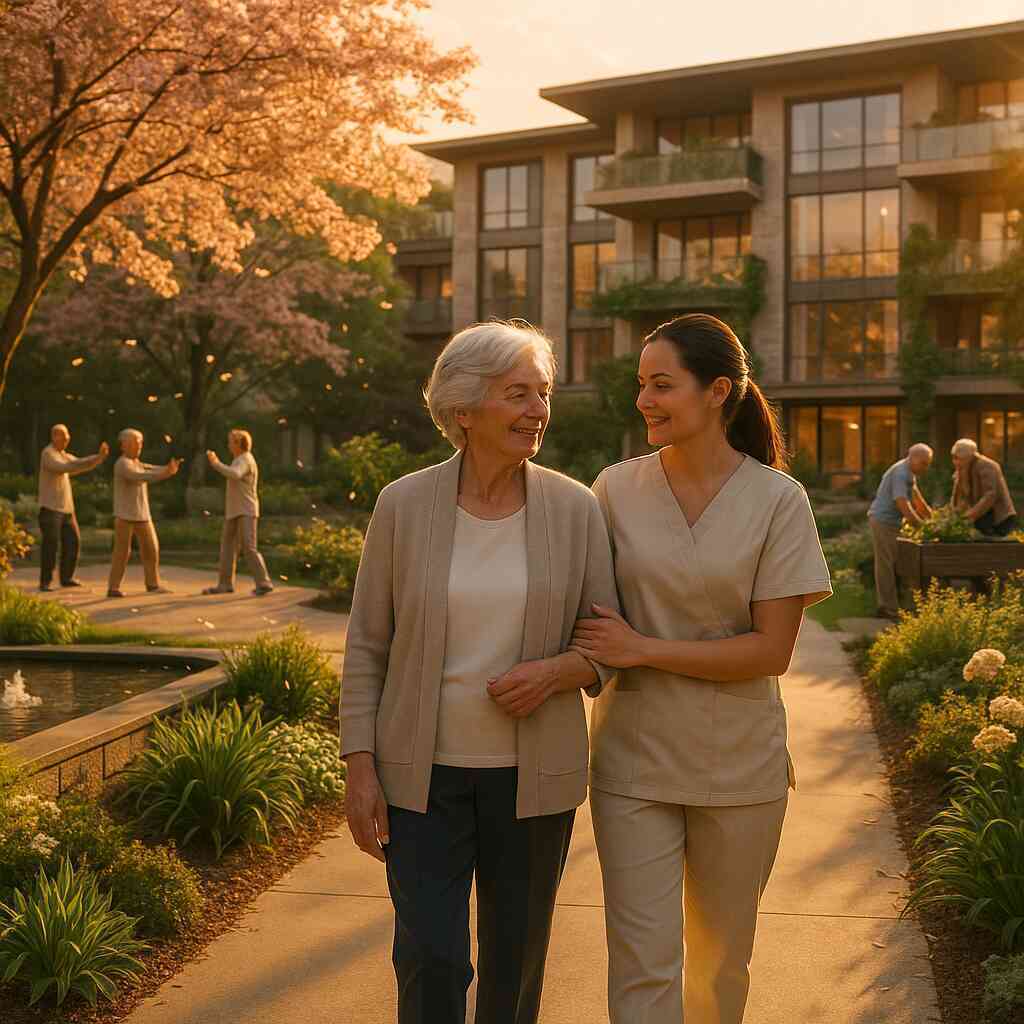
Reframing Care: A New Lens on Senior Living Support
Defining person centered care in modern senior housing
True person-centered care means more than adding residents’ photos to charts. It demands deep listening, shared decision-making, and respect for lifelong identities. Clinical teams collaborate with residents to co-create daily routines that balance safety with cherished rituals, such as morning yoga or gardening. By honoring personal history, staff transform routine assistance with daily living tasks into opportunities for dignity and joy. The approach increases satisfaction, reduces agitation, and supports measurable quality outcomes.
Assessment drives personalization. Upon move-in, interdisciplinary teams review medical histories, social interests, and spiritual traditions. Caregivers then craft individualized medical oversight plans aligned with desired lifestyles. Regular check-ins adjust those plans as health changes, ensuring support remains empowering rather than restrictive. Families appreciate seeing clear continuity between stated values and delivered services.
The evolution from nursing homes for the elderly to vibrant communities for seniors 55 plus
Historical nursing homes for the elderly prioritized illness management in institutional settings. Hallways felt clinical, and schedules revolved around staff convenience. Today’s communities for seniors 55+ feel more like boutique neighborhoods, with libraries, bistros, and art studios replacing sterile corridors. This transformation grew from research showing that social connection programs for seniors enhance cognition and longevity. Operators now design campuses featuring green spaces, intergenerational events, and flexible dining to nurture holistic wellness for older adults.
Regulations also played a role. States expanded licensure categories, enabling a continuum of care model that includes independent living, assisted living locations, memory support, and rehabilitation services in one place. Residents benefit by aging in place without disruptive moves, while organizations foster cultures of lifelong learning. The result is a vibrant ecosystem where health care integrates seamlessly with purposeful living.
Why finding senior living near you starts with clarifying what care means
Families often begin searches by typing “senior living near me” into a browser, yet every community defines care differently. Some prioritize hospitality amenities; others focus on skilled nursing standards and chronic disease management for seniors. Clarifying desired outcomes-whether social engagement, medication management services, or advanced memory care best practices-helps align expectations early. Doing so prevents mismatched placements and supports long-term satisfaction.
Prospective residents should create a checklist of must-have services before touring properties. Comparing staff credentials, caregiver-to-resident ratio benchmarks, and technology-enabled care monitoring systems reveals how each provider operationalizes its philosophy. Transparent discussions about fall prevention strategies in assisted living and palliative care options in senior communities further illuminate organizational commitment. Armed with clear criteria, families can use assisted living locator tools with confidence, ensuring the chosen senior living facility delivers the precise definition of care they seek.
Layers of Assistance: Understanding Levels of Care in Senior Living Facilities
Resident assessment tools that shape individualized medical oversight
Effective senior housing always begins with information. Intake nurses use standardized resident assessment tools, including cognitive screenings and functional mobility scales, to capture a holistic snapshot. These metrics reveal how many daily cues someone needs, whether medication reminders suffice, or if round-the-clock supervision feels safer. Because data alone cannot tell every story, teams also document life histories, cultural preferences, and favorite morning rituals. Consequently, individualized medical oversight becomes both clinically precise and emotionally respectful, embodying true person-centered care in senior living.
Interdisciplinary conferences then convert assessments into action. Physicians outline preventive visits, while therapists flag fall risks and recommend adaptive devices. Nutritionists review swallowing status, aligning menus with dietary and nutrition services for seniors who require modified textures. Meanwhile, the social worker verifies mental health resources and palliative care options that honor the resident’s goals. The resulting plan offers levels of care explained in plain language, ensuring families understand each support layer and can track progress confidently.
From independent living to skilled nursing a continuum of care model is explained
Senior living facilities rarely exist as one-size-fits-all environments. Instead, they operate on a continuum that spans the independent senior housing model, assisted living plans, memory care neighborhoods, and skilled nursing standards. Residents may enter campus life fully independent, enjoying concierge transportation and robust wellness programming for seniors 55 plus. When health evolves, they simply add services-perhaps help with dressing or medication management services-without uprooting friendships or routines. This fluid design reduces hospital readmissions and sustains social connection programs for seniors.
Licensing rules drive subtle variations by region, yet families can preview expectations online. For instance, care levels for senior living in Florida outline everything from minimal assistance to complex wound care. Understanding such gradations empowers families to budget accurately, negotiate contracts, and confirm caregiver-to-resident ratio benchmarks. Moreover, transparent tier descriptions support the aging in place philosophy, reassuring residents that changing needs will not compromise lifestyle or dignity.
Activities of daily living support and assisted living care plans in action
Support with daily living tasks-bathing, grooming, toileting, and mindful mobility-often marks the entry point into assisted living locations. Professional caregivers receive training on evidence-based transfer techniques, infection control, and compassionate communication. They log interventions digitally, allowing technology-enabled care monitoring to flag trends like declining appetite or increased pain. In turn, nurses adjust assisted living care plans proactively, preventing small concerns from escalating into emergency room visits. Families review summaries through secure portals, promoting transparency and trust.
Daily rhythms matter as much as clinical charts. Staff schedule assistance around resident preferences, not institutional timetables. If someone prefers a late breakfast after tai chi, caregivers adapt, supporting holistic wellness for older adults. Recreational therapists weave instrumental activities-gardening, poetry workshops, and intergenerational game nights-into calendars, reinforcing purpose alongside physical support. Such integration proves that defining care in nursing homes today extends beyond tasks; it embraces agency, identity, and joy.
Memory care best practices and dementia specific programming
Cognitive changes demand specialized strategies. Dedicated memory support suites use color-coded cues, contrasting linens, and circadian lighting to reduce confusion. Team members complete dementia communication certification, learning to replace open-ended questions with gentle prompts and validating language. Structured Montessori-based activities encourage residents to lead baking sessions or seed the courtyard garden, fostering competence despite memory loss. By tailoring environments and interactions, communities meet rigorous memory care best practices while nurturing dignity.
Safety protocols in senior housing intensify within these neighborhoods. Door alarms prevent wandering, and wearable devices provide discreet emergency response systems in senior apartments. Yet freedom remains central; secured gardens enable spontaneous walks, and pain-free music therapy calms sundown restlessness. Families appreciate real-time updates and support groups that explain progressive symptoms and respite care offerings in senior communities. Ultimately, dementia-specific programming illustrates how layered care adapts while honoring each resident’s lifelong narrative.
Rehabilitation services and chronic disease management for seniors
Acute setbacks do not mandate permanent nursing home stays. On-site rehabilitation services in long-term care settings deliver physical, occupational, and speech therapy just steps from residents’ suites. Therapists coordinate with attending physicians, calibrating strength goals to support safe transfers back to independent dining. Because sessions occur within familiar hallways, participation rates soar, translating to faster recoveries and fewer hospital rebounds. The proximity also eases family involvement in care planning, enabling loved ones to observe progress.
Chronic disease management for seniors operates concurrently. Nurses employ evidence-based protocols for diabetes, heart failure, and COPD, adjusting interventions as real-time vitals stream into cloud dashboards. Pharmacists reconcile medications monthly, seeking deprescribing opportunities that minimize side effects. When conditions advance, palliative teams introduce comfort-focused options without abandoning curative therapies entirely. This seamless blend of rehabilitation and medical oversight exemplifies a modern long-term care facility committed to holistic, adaptable service.
 Beyond the Stethoscope: Holistic Wellness and Social Connection
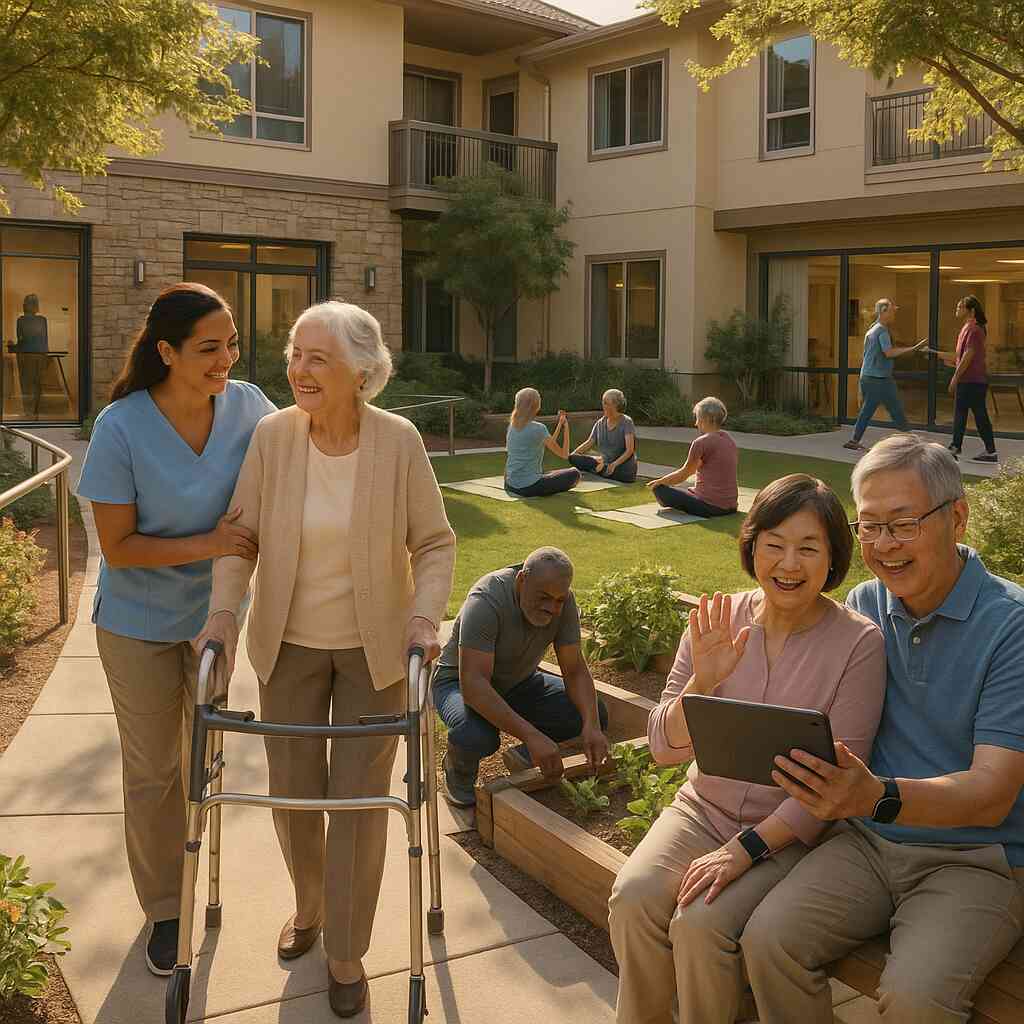 Beyond the Stethoscope: Holistic Wellness and Social Connection
Wellness programming for seniors 55 plus embracing mind body spirit
Holistic wellness for older adults begins long before a doctor checks vital signs. Progressive senior living facilities weave movement, mindfulness, and meaning into every calendar day. Yoga at dawn, poetry after lunch, and sunset walking clubs spark social connection programs for seniors. Such variety keeps hearts strong and curiosity alive. Resident surveys drive the schedule, ensuring personal passions never get lost. Communities tracking holistic senior living trends in Colorado showcase how engagement accelerates healthy aging. The result is whole-person energy that radiates through corridors and gardens alike.
Mind, body, and spirit integration hinges on professional collaboration. Fitness coaches coordinate with chaplains and art therapists during weekly planning meetings. These discussions synchronize assisted living care plans with evolving wellness goals. They analyze individualized medical oversight notes to tailor intensity and adapt equipment. Residents recovering from surgery might swap cardio dance for chair Pilates without losing community inclusion. This responsive approach supports aging in place while honoring all faiths and philosophies. Care teams celebrate every milestone, whether mastering balance class or performing original music at open-mic night.
Dietary and nutrition services that honor preferences and clinical needs
Food fuels vitality and memories simultaneously. Experienced dietitians interview newcomers about childhood flavors, medical allergies, and religious guidelines. Menus then merge culinary nostalgia with evidence-based macronutrient targets. At table service, residents can order spicy gumbo, low-sodium salmon, or plant-based tacos without hesitation. Showcasing Southern comfort dishes, premium retirement homes in Alabama prove that healthful meals never sacrifice taste. Personalized plating reduces malnutrition risk and heightens mealtime joy.
Clinical collaboration remains essential throughout nutritional planning. Speech therapists alert kitchens to residents needing puree or thickened beverages. Certified diabetes educators adjust carbohydrate exchanges when medication regimens shift. Meanwhile, sustainability initiatives source local produce, reinforcing community ties and ecological responsibility. Families appreciate transparent nutrient tracking that aligns with caregiver-to-resident ratio benchmarks for oversight. The dining room becomes a lively classroom where wellness education happens organically between bites.
Mental health resources and palliative care options within a senior living facility
Emotional well-being is inseparable from physical health within any seniors living community. Licensed counselors offer confidential sessions, grief circles, and coping workshops. Residents facing isolation find purpose through volunteer mentoring and peer support groups. Communities modeled on community-based elder care in South Carolina demonstrate that belonging counteracts depression. Art therapy, guided meditation, and pet visits further fortify resilience. Staff monitor mood changes within technology-enabled dashboards, prompting timely interventions.
When chronic disease advances, palliative care options in senior communities offer comfort without abandoning hope. Interdisciplinary teams manage pain, breathlessness, and spiritual distress using evidence-based protocols. Family conferences ensure goals of care remain resident-directed. By normalizing these conversations early, facilities reduce emergency transfers and preserve dignity. Residents continue attending favorite activities, supported by adaptive scheduling and attentive observation. The continuum of care model thus proves its worth when life’s priorities shift.
Technology enabled care monitoring and emergency response systems in senior apartments
Smart sensors now discreetly guard health without intruding on privacy. Bed exit alerts, hydration trackers, and gait analysis feed real-time dashboards. Nurses review trend lines daily, intervening before minor issues escalate. Families examining tools to evaluate assisted living care appreciate transparent data and rapid follow-up. Emergency response systems in senior apartments connect wearable pendants to on-site paramedics within seconds. Such infrastructure supports safety protocols in senior housing and strengthens regulatory compliance.
Technology never replaces human touch; it augments attentive caregiving. Alerts route directly to assigned aides, respecting caregiver-to-resident ratio benchmarks. Predictive analytics identify residents who may benefit from strength training or medication reviews. Dashboards also track participation in social events, revealing hidden patterns of loneliness. Data thus guides continuous quality measures in senior living facilities without overwhelming staff.
Family involvement in care planning fosters transparency and trust
Open communication turns relatives into allies rather than anxious observers. Senior living facilities schedule quarterly conferences and offer secure chat portals for updates. Family stories enrich person-centered care in senior living by revealing lifelong hobbies and preferences. Shared decision-making documents clarify expectations around activities of daily living support and budget. This clarity prevents misunderstandings and strengthens the aging in place philosophy.
Care teams invite relatives to wellness classes, cooking demos, and holiday concerts. Such invitations nurture intergenerational bonds, amplifying social connection programs for seniors. Regular surveys measure satisfaction, guiding and adapting communities for evolving needs. Transparent pricing statements further build loyalty and protect long-term affordability. When families feel informed, residents flourish, and the entire seniors living community thrives.
Safety Quality and Transparency: Setting Benchmarks for Senior Housing
Safety protocols and fall prevention strategies in assisted living
Senior living facilities place safety protocols in senior housing at the forefront of every operational decision. Comprehensive orientation teaches staff to recognize trip hazards, assess gait changes, and document incidents within minutes. Communities analyze incident data monthly, then update flooring materials, lighting, and grab-bar placement to address emerging patterns. Families appreciate that these procedures align with benchmarks for quality care today and deliver measurable peace of mind. Regular emergency drills, coupled with resident education workshops, create a culture where everyone participates in prevention, not just response.
Effective fall prevention strategies in assisted living extend beyond physical modifications. Wellness coaches lead balance classes, while occupational therapists introduce adaptive devices that maintain independence without sacrificing dignity. Technology-enabled motion sensors flag unusual nighttime activity, allowing caregivers to intervene before accidents occur. Residents also receive personalized footwear fittings that reduce slipping and support joint health. By blending proactive education with smart design, senior housing communities turn potential hazards into opportunities for empowerment.
Medication management services and caregiver to resident ratio benchmarks
Medication management services protect residents from adverse drug interactions and hospital readmissions. Licensed nurses use barcode scanning and electronic MAR systems to verify each dose against physician orders. Pharmacists conduct monthly reviews, deprescribing unnecessary medications and educating residents about side effects. The approach meets skilled nursing standards while honoring individualized medical oversight principles. In states emphasizing transparency, public dashboards display caregiver-to-resident ratio benchmarks, reassuring families that staffing supports consistent, error-free delivery.
Maintaining optimal ratios requires strategic scheduling and continuous training. Administrators analyze peak assistance times, then adjust shifts to ensure prompt response to call buttons. Cross-training aides in dementia communication and chronic disease management for seniors enhances flexibility without inflating costs. Facilities also partner with nursing schools to create internship pipelines, securing a steady flow of qualified talent. When staffing practices remain visible and data-driven, trust grows between residents, families, and care teams.
Regulatory compliance and quality measures in senior living facilities
Regulatory compliance for senior housing sets the minimum, yet progressive providers aim higher. They voluntarily adopt national quality measures in senior living facilities, tracking pressure ulcer rates, hospital transfers, and satisfaction scores. Independent auditors review documentation, observe care interactions, and interview residents for firsthand feedback. Communities then publish scorecards alongside improvement plans, demonstrating accountability and a commitment to defining care in nursing homes with modern standards. These efforts cultivate credibility with physicians, insurers, and future residents alike.
Collaboration with state surveyors further elevates performance. Leadership hosts pre-inspection walkthroughs where staff discuss updated fire codes, infection control protocols, and emergency response systems in senior apartments. Continuous education modules keep employees current on evolving legislation, reducing citation risk. By treating compliance as an ongoing dialogue rather than a yearly event, facilities embed quality into daily routines, not just binders on a shelf.
Pricing clarity and aging in place philosophy ensuring long term affordability
Transparent billing strengthens the aging in place philosophy by eliminating surprises. Detailed statements break costs into housing, activities of daily living support, and clinical add-ons, allowing families to forecast expenses accurately. Many communities also include rate-lock options or tiered service packages that scale with changing needs, ensuring affordability as residents progress along the continuum of care model. Prospective clients exploring aging in place options in North Carolina often cite clear pricing as a deciding factor when comparing properties.
Financial transparency pairs with proactive resource planning. On-site counselors help residents navigate long-term care insurance, veterans’ benefits, and Medicaid waiver programs. Flexible meal credits and à-la-carte service menus prevent residents from paying for assistance they do not use. Annual budget forums invite families to review operational costs and suggest efficiency improvements. This open dialogue supports community stewardship while protecting residents’ financial well-being for the long haul.
Towards a Continuum of Caring Aging in Place with Confidence
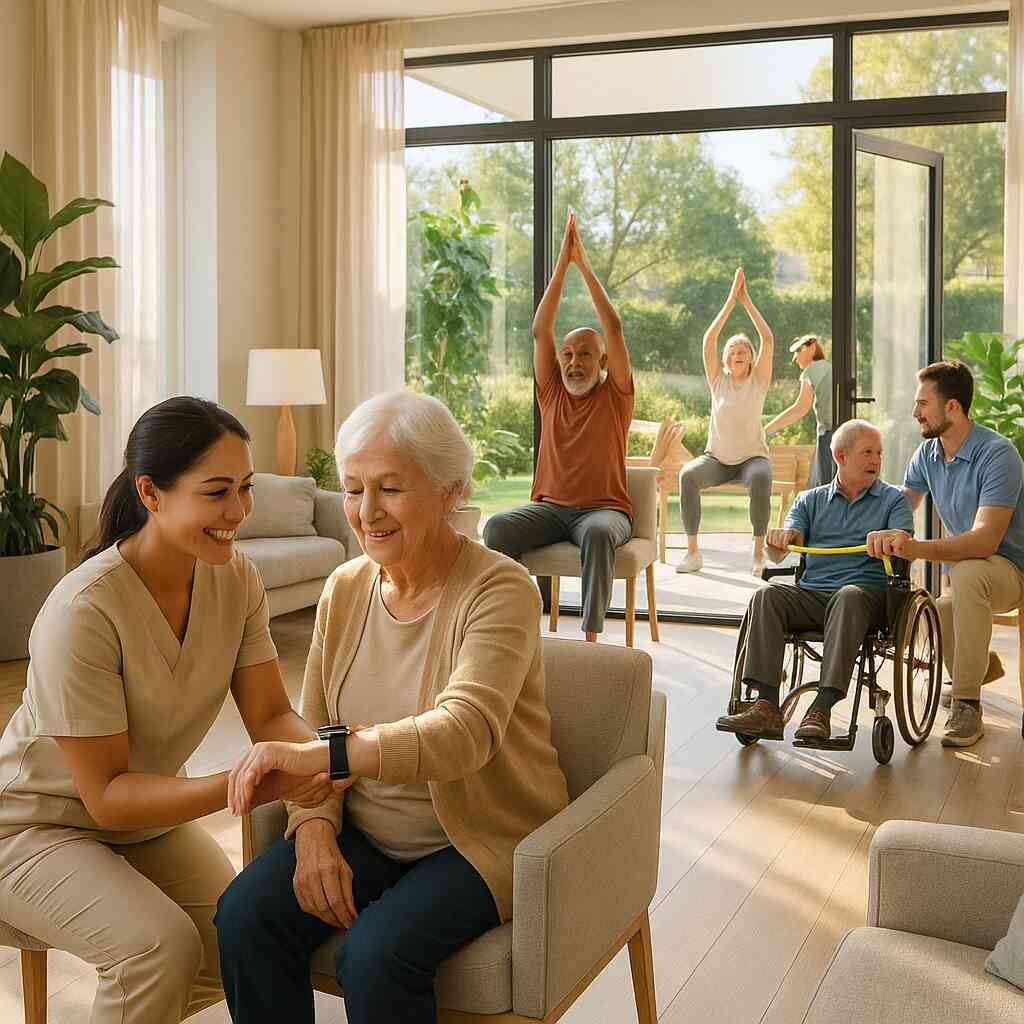 Towards a Continuum of Caring Aging in Place with Confidence
Key takeaways for families comparing senior living near me options
Modern searches reach beyond glossy brochures; families now evaluate how each senior living facility sustains an aging in place philosophy. Touring communities for seniors 55+ reveals whether staff truly practice person-centered care in senior living or merely advertise it. Look for transparent levels of care explained in everyday language, not medical jargon, so future upgrades feel predictable rather than abrupt. Confirm that social connection programs for seniors interlace with safety protocols in senior housing, ensuring joy never compromises protection. Finally, observe how residents influence daily rhythms; empowered voices indicate a culture ready to honor evolving preferences.
Research continues at home where virtual walk-throughs, pricing calculators, and regulatory scorecards simplify comparisons. Interactive maps for locating senior communities near me allow side-by-side reviews of caregiver-to-resident ratio benchmarks and medication management services. Filter results by memory care best practices, rehabilitation services in long-term care, or holistic wellness for older adults to refine your shortlist. Take notes on contract flexibility, because the strongest continuum of care model adapts to changing health without sudden fee spikes. When relatives share findings during family meetings, collective confidence replaces uncertainty.
Using assisted living locator tools to align values services and budget
Digital assisted living locator platforms translate overwhelming data into clear action steps. Begin by entering zip codes to reveal seniors living near you that meet skilled nursing standards or independent senior housing model preferences. Advanced filters rank assisted living plans by monthly base rate, on-site clinical depth, and lifestyle amenities. Integrated chat features connect you with credentialed advisors who explain how individualized medical oversight integrates with activities of daily living support. This guidance turns scattered information into a focused path forward.
After narrowing choices, request sample assisted living care plans and menu rotations that illustrate real-world delivery of promises. Compare how each long-term care facility structures respite care offerings in senior communities, because short stays often preview full-time experiences. Evaluate transparency in surcharge schedules for specialized dietary and nutrition services for seniors. Before signing, read third-party reviews describing responsiveness to maintenance requests or night-shift staffing patterns. For deeper insights, explore articles on adapting communities for evolving needs to understand how proactive operators future-proof both budgets and well-being.
Envisioning the future of holistic senior living where care is a community commitment
Next-generation senior housing looks less like healthcare real estate and more like intergenerational ecosystems that champion purpose. Architects design micro-neighborhoods where assisted living locations, day-care centers, and coworking hubs share plazas, nurturing natural mentorship between elders and youth. Artificial intelligence refines technology-enabled care monitoring, predicting risk and personalizing wellness programming for seniors 55 plus. Meanwhile, sustainability councils composed of residents guide farm-to-table dining and green energy initiatives, illustrating that defining care in nursing homes extends to planetary stewardship. As these trends converge, the continuum of care model becomes a vibrant tapestry of mutual growth.
Families ready to embark on this journey should trust both intuition and data. Visit campuses, taste meals, and envision loved ones leading art classes rather than merely attending them. Then consult trend analyses discussing the future outlook on assisted living near me to gauge long-term viability. When the chosen seniors living community aligns with personal values, services, and budget, peace of mind follows naturally. Senior Living Facilities stands prepared to guide every step, ensuring each older adult finds not just a residence but a caring community where dignity and discovery flourish together.
Frequently Asked Questions
Question: How does a Senior Living Facilities guarantee true person-centered care in senior living when helping my family choose a community?
Answer: Our platform begins with detailed resident assessment tools that capture medical history, mobility, cultural background, and daily rituals-exactly the information communities need to deliver individualized medical oversight. When you complete our online intake, the data feed matches you only with senior living facilities that have proven experience translating personal narratives into customized assisted living care plans and activities of daily living support. Because we partner with licensed providers that meet or exceed skilled nursing standards, every recommendation already aligns with caregiver-to-resident ratio benchmarks, memory care best practices, and holistic wellness for older adults. The result is a seamless path from assessment to placement, ensuring the chosen seniors living community honors identity, dignity, and joy from day one.
Question: The blog How Do Senior Living Facilities Define Care? highlights multiple levels of assistance-how does your assisted living locator explain those levels so families can compare options with confidence?
Answer: Inside each listing you will find levels of care explained in clear, everyday language: independent senior housing model, traditional assisted living plans, memory support, skilled nursing, rehabilitation services in long-term care, and palliative care options in senior communities. Icons indicate which activities of daily living support-bathing, grooming, medication management services-are included at each tier, while interactive cost calculators show how pricing adjusts as needs evolve. You can even download sample assisted living care plans to see how staff integrate social connection programs for seniors, chronic disease management for seniors, and fall prevention strategies in assisted living. This transparency empowers you to align services, values, and budget before you ever schedule a tour.
Question: What technology-enabled care monitoring and safety protocols in senior housing can I expect from communities listed on Senior Living Facilities?
Answer: We vet every senior living facility for modern safety infrastructure-smart bed sensors, wearable emergency response systems in senior apartments, and real-time dashboards that flag gait changes or hydration risks. Communities must demonstrate robust safety protocols in senior housing, from grab-bar placement to staff training on fall prevention strategies. Our quality measures in the senior living facilities database also report on regulatory compliance for senior housing, incident response times, and integration of predictive analytics. Families receive regular digital updates, turning technology into peace of mind rather than impersonal gadgetry.
Question: How transparent are pricing and staffing details across your network, and how does that support an aging in place philosophy?
Answer: Senior Living Facilities requires partner communities to publish clear pricing sheets that break down housing, dietary and nutrition services for seniors, and à-la-carte clinical add-ons. Rate-lock or tiered packages are flagged so you can forecast long-term affordability. We also display caregiver-to-resident ratio benchmarks for every shift, giving you visibility into the human resources that power medication management services and mental health resources in senior living. This level of openness ensures residents can age in place confidently, knowing both financial and care needs will be met without disruptive surprises.
Admin
Expert contributor specializing in senior living care. Dedicated to providing families with clear, actionable advice.