
How to Select Pet-Friendly Senior Living Communities?
Introduction to Pet-Friendly Senior Living Options
Benefits of Pet-Friendly Environments
When it comes to selecting a senior living community, considering the pet-friendliness of the environment is crucial for pet owners. Research has consistently shown that living with pets offers numerous psychological, social, and physical benefits. Seniors with pets often experience reduced stress levels, increased physical activity, and improved emotional well-being. Pet-friendly senior living communities not only accommodate this important aspect of their residents’ lives but also enhance the overall quality of life by fostering a more vibrant and supportive community atmosphere.
Overview of Senior Living with Pets
Integrating pets into senior housing is about more than just allowing animals on the premises; it involves creating an inclusive environment that supports the needs of pets and their owners. Senior living with pets encompasses a variety of arrangements, from independent living to more specialized care scenarios like assisted living plans. Facilities ideal for pet owners often include amenities such as groomers, off-leash parks, and special events designed for pets and their owners to enjoy together.
Why Choose Pet-Friendly Senior Communities?
Choosing a pet-friendly senior community ensures that your beloved animal companion can continue to be a part of your life even as you transition into a senior living setting. This continuity is vital for emotional stability and happiness. Moreover, communities that welcome pets often have a warmer, more homelike atmosphere, making them highly attractive to prospective residents who value the comfort and companionship of their pets. Pet-friendly retirement communities are not just accommodating animals; they’re promoting a philosophy of care that recognizes the indispensable role pets play in the lives of many seniors.
Understanding Pet Policies in Senior Living Facilities
Common Pet Policies and Restrictions
When exploring pet-friendly senior living communities, the first step is acquainting yourself with the specific pet policies and restrictions that govern these facilities. Most senior living facilities have clear guidelines on the types of pets allowed, which typically include size and breed restrictions, the number of pets permitted per resident, and areas within the community where pets are allowed.
Further, senior communities might require pets to be house-trained, have a good temperament, and have up-to-date vaccinations to ensure the safety and comfort of all residents. Understanding these rules is crucial for navigating pet-friendly assisted living options and ensuring that the community’s policies align with your needs and those of your pet. Learn more about navigating pet-friendly assisted living options.
Cost Considerations for Pet Owners
Opting for a pet-friendly assisted living facility can also come with additional costs. These can range from pet deposits and monthly pet fees to charges for pet-related amenities and services. When assessing pricing, consider the long-term financial implications of these extra charges and how they fit into your budget.
Facilities that offer extensive pet amenities in assisted living, such as grooming stations, walking services, and veterinary care, might have higher fees but can significantly enhance the quality of life for you and your pet. It’s important to balance these costs against the benefits when making your decision.
Preparing Your Pet for Senior Community Life
Transitioning to a senior living facility can be just as challenging for pets as it is for their owners. To aid in this transition, start by familiarizing your pet with new surroundings and routines. Engage in practices at home, like structured walk times and socialization sessions with other animals, if possible.
Additionally, explore the pet services for seniors offered by the community to help your pet adjust more comfortably. These services can range from social activities designed for pets to specific training programs that help them adapt to a new environment. Such preparation not only eases your pet’s transition but also ensures they thrive in their new home. Check out detailed pet services for seniors.
By paying close attention to pet policies, understanding the financial implications, and adequately preparing your pet, you’re laying the groundwork for a successful integration into a pet-friendly senior living community.
Key Features of Pet-Friendly Senior Communities
Outdoor Spaces and Dog Parks
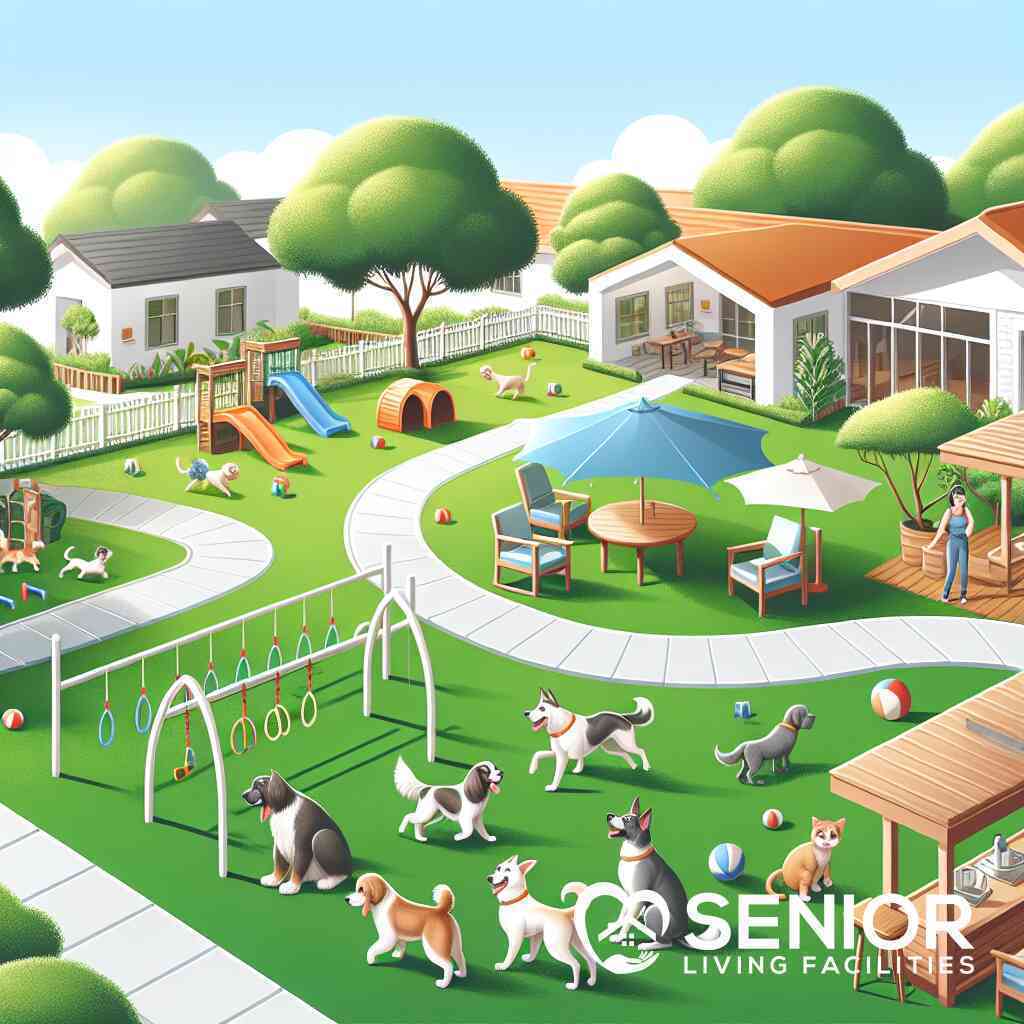
When selecting a pet-friendly senior living community, the availability of ample outdoor spaces and dog parks is fundamental. These facilities not only provide a safe environment for pets to exercise and play but also encourage social interaction among pet owners. Outdoor spaces should be well-maintained and secure, with areas specifically designed for different types of activities, such as walking paths and agility equipment. Additionally, having dog parks in senior communities is an excellent way to enhance the living experience for residents with pets, providing a dedicated area where their dogs can run freely and socialize with other dogs under the supervision of their owners.
Pet Services and Amenities
Another critical feature of pet-friendly senior communities is the availability of specialized pet services and amenities. These can include grooming salons, pet sitting or walking services, and community events geared towards pets and their owners. These services must be accessible and conveniently located within the community. Providing comprehensive pet amenities in assisted living facilities is indicative of a community’s commitment to the overall well-being of its resident pets. It can significantly contribute to the satisfaction and comfort of pet owners.
On-Site Pet Care and Veterinary Access
On-site pet care and easy access to veterinary services are crucial for maintaining the health and well-being of pets in senior living communities. This access ensures that pets receive timely medical attention and routine health check-ups, which can be especially important for older pets with specific health needs. Many pet-friendly communities partner with local veterinary clinics to provide regular on-site consultations and emergency services. The availability of senior living pet care services not only provides peace of mind to pet owners but also enhances the level of care offered within the community, thereby fostering a nurturing environment for both seniors and their beloved animals.
How to Find Pet-Friendly Assisted Living Locations
Searching Tools and Resources
Finding pet-friendly assisted living locations begins with leveraging the right tools and resources. Senior Living Facilities offers an advanced search platform that specifically filters for pet-friendly senior living settings. By selecting your preferred location, you can access a list of facilities that warmly welcome pets, along with detailed information about their services and amenities. This search functionality simplifies the process, enabling you to find ideal communities, such as those offering assisted living for pet owners near me, without the hassle of contacting each facility individually. Remember, the more specific you are in your search criteria, the more tailored your results will be, ensuring a perfect fit for both you and your pet.
Questions to Ask During Tours
Once you’ve used tools like the Senior Living Facilities website to identify potential homes, the next step involves visiting these communities. During tours, it’s crucial to ask targeted questions to ascertain the true pet-friendliness of the facility. Inquire about their pet policies in assisted living, such as the types of pets allowed, any breed or size restrictions, and the number of pets you can bring. It would be best if you also asked about the availability of on-site pet amenities, the proximity to veterinary services, and any associated costs with having a pet in the community. Each answer will help you evaluate how well the community can accommodate your pet and whether it will suit your pet’s lifestyle and needs.
Evaluating the Pet-Friendliness of a Community
Assessing the pet-friendliness of a senior living community involves looking beyond the basics of whether pets are allowed. It’s important to observe the environment directly. Are there adequate green spaces or dog parks? Is there a sense of community among pet owners? What are the attitudes of the staff and other residents towards animals? It would be best if you also considered the layout and safety of the facility; look for securely fenced areas, sufficient shade, and pathways that are safe for walking pets. Additionally, understanding the community’s emergency procedures for pet care can provide peace of mind. Making these observations will help you determine if a community doesn’t just allow pets but truly welcomes and integrates them into the lifestyle they offer.
Assessing the Community Fit for Your Pet and Lifestyle

Considering the Size and Breed of Your Pet
When exploring options for pet-friendly senior living, the size and breed of your pet play a significant role in determining the most suitable community. Each senior living facility typically has its own set of pet policies in assisted living, which can include restrictions based on the size and breed of the pet. Larger dogs might require more space and exercise, which makes communities with extensive outdoor areas and walking paths more appealing. Before making a decision, ensure the rules and space of the community align with the needs of your pet to foster a comfortable living situation for both you and your furry companion.
Lifestyle Match: Active Dogs vs. Quiet Cats
Understanding the temperament and lifestyle needs of your pet is crucial in selecting the right senior living community. Active dogs might benefit from communities that offer ample outdoor space or designated dog parks, ensuring they get sufficient exercise and social interaction. In contrast, environments that cater to the needs of quieter pets, like cats, often feature calm and secure areas where they can roam safely indoors. Cat-friendly senior living facilities not only ensure a safe living space for felines but also provide climbing structures and scratching posts, reflecting a deep understanding of cat behaviors and requirements.
Long-Term Commitments and Transition Support
Moving into a senior living community is a long-term commitment both for you and your pet. Evaluating the community’s support system for transitions is essential. Look for communities that offer transition support services, which can include ‘pet orientation’ sessions to help your pet adjust to its new environment. The availability of ongoing support, such as pet care services and health monitoring, also plays a pivotal role in ensuring that your pet remains happy and healthy throughout their stay. It’s beneficial to choose a community that not only accommodates your pet initially but is committed to providing continual care and support as both you and your pet age.
Case Profiles: Successful Pet Integration in Senior Living
Real Examples from Select Locations
Across the United States, several senior living communities that allow dogs and other pets offer compelling examples of successful pet integration. For instance, communities in Nevada have established comprehensive programs that not only welcome pets but also integrate them into the daily activities and culture of the community. These facilities feature pet-friendly amenities like dog parks, grooming centers, and even pet spa services, all designed to ease the integration of pets into the community. At these selected locations, pets and their owners receive a warm welcome, with staff trained to handle pet-related needs efficiently. This proactive approach in select locations shines a beacon for others contemplating pet-friendly environments.
Stories of Seniors and Pets Thriving Together
Heartwarming stories abound within the walls of pet-friendly senior communities. Take the case of an older woman in Georgia who moved into a senior apartment that allows pets with her aging cat. The presence of her furry companion helped mitigate the stress of her transition to assisted living. The community’s pet-friendly policy, which includes a dedicated pet care area and scheduled pet social events, allowed her to maintain her cherished relationship with her cat, significantly enhancing her quality of life. Such stories underscore the immense emotional and psychological benefits of keeping pets in senior living environments.
Lessons and Advice from Current Residents
Feedback from residents dwelling in animal-friendly senior homes offers invaluable insights for others considering similar options. Many emphasize the importance of understanding the comprehensive pet policies in residential communities to ensure they align with the needs of both the pet and the owner. Residents often suggest visiting potential homes with your pet to gauge how well your pet adjusts to the new environment. Furthermore, they recommend inquiring about the specific pet amenities and services provided, which can range from on-site veterinary care to pet-oriented activities. This advice is gold for potential residents, illustrating practical steps to ensure their pets will thrive in a new home, reinforcing the human-animal bond crucial for emotional support and overall well-being.
Maintenance and Safety in Pet-Friendly Senior Apartments
Handling Pet-Related Incidents
In pet-friendly senior living communities, a protocol for handling pet-related incidents is essential to maintaining a harmonious environment. This involves setting clear guidelines for what constitutes an incident, such as noise complaints, damage to property, or aggressive behavior, and the steps to resolve these issues. It’s crucial for residents to know who to contact and what actions the administration will take.
Furthermore, communities should provide resources and education on preventing incidents. This could include behavior training for pets and regular meetings for pet owners to discuss common challenges and solutions. By proactively managing the interaction between pets and the community, senior living facilities can ensure a safe and enjoyable setting for all residents.
Safety Regulations and Guidelines
Safety in pet-friendly senior apartments goes beyond simple guidelines. It incorporates rules designed to protect both the pets and the residents. These regulations might include leash laws, designated pet-free zones, and specific times and areas where pets can be walked.
Moreover, to enhance safety, communities should ensure that all pets living in the facility are registered and have a current vaccination record. Periodic checks can be beneficial to ensure compliance with health standards and community rules. Educating staff and residents about pet safety and emergency response is also vital to prevent and react appropriately to potential issues that may arise.
Regular Maintenance for Pet-Friendly Zones
Keeping pet-friendly areas well-maintained is crucial in any senior living facility. This means regular cleaning and disinfecting of communal pet areas, such as dog parks and walking trails, to prevent the spread of diseases. It also involves ensuring that all fences and gates are secure to keep pets safely contained and away from potentially dangerous areas.
Regular maintenance also extends to the tools and accessories provided in these zones, such as waste disposal systems, benches, and agility equipment. Ensuring these are in good condition adds to both the functionality and enjoyment of communal pet spaces. By keeping these areas well-maintained, senior living communities provide a safe and appealing environment, fostering the well-being of both pets and their owners.
Conclusion: Embracing the Advantages of Pet-Friendly Senior Living
Reaffirming the Benefits for Seniors
The benefits of maintaining a pet-friendly environment within senior living communities are profound and far-reaching. Pets provide companionship that can significantly decrease feelings of loneliness and isolation among seniors. They inspire activity, necessitating regular walks and physical interaction, which helps keep their senior owners physically active and mentally alert. Furthermore, the presence of pets has been shown to lower stress and promote mental health, enhancing the general well-being of seniors.
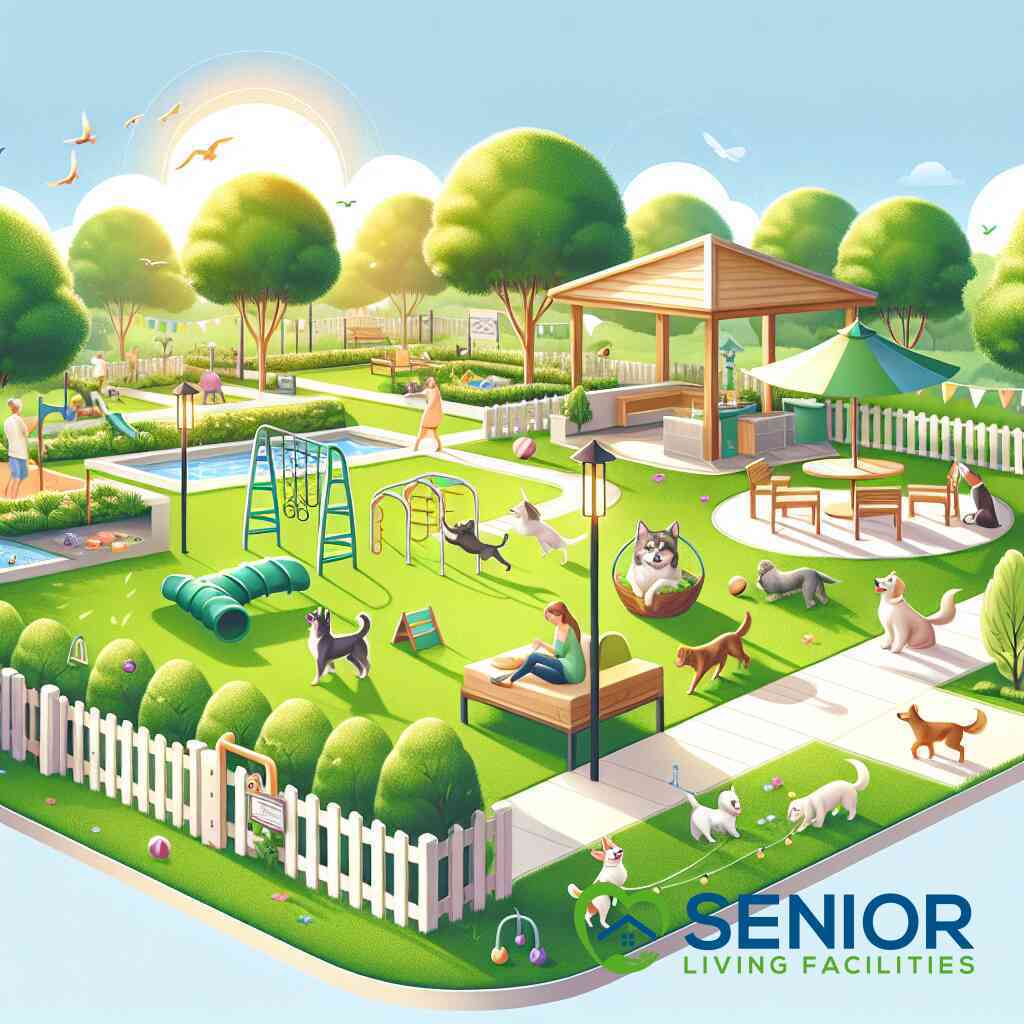
In environments such as senior living communities that allow dogs, these advantages are not purely anecdotal; they are supported by structured programs and amenities that optimize the benefits of animal companionship. Such communities often feature dog parks, walking trails, and social activities that encourage interaction among pets and residents, fostering a vibrant community spirit.
Steps Forward: Moving into Your New Home with Pets
Choosing the right pet-friendly senior living option involves careful planning and consideration. As you prepare to move, it’s essential to ensure that the selected community aligns with both your needs and those of your pet. Before making a move, visit the facility with your pet to explore firsthand how they respond to the new environment. This visit can offer crucial insights into whether the community feels as welcoming and secure as it appears.
Once you decide, transitioning into the new home should be done gradually. Introduce your pet to its new surroundings slowly, allowing it time to acclimate to different sights, sounds, and smells. Remember, the aim is not just to move into a community that permits pets but to select one that enriches the lives of both pets and their owners through thoughtfully enhanced senior living with pets.
Continual Support from Senior Living Facilities
At Senior Living Facilities, the commitment to your well-being and that of your pet does not end once you move in. Our platform ensures ongoing support by recommending communities that offer comprehensive pet care and regular wellness checks. Additionally, we provide resources on how best to integrate and accommodate pets within senior living settings, ensuring that you have all the information necessary for this new chapter.
Our focus on continual support means you can always count on us to provide updated insights and guidance on living the fullest life with your pet in a senior community. Whether through direct caregivers or connections to pet-related services, Senior Living Facilities is dedicated to ensuring that every resident and their pet experiences a joyful, supportive, and enriching environment in their new home.
By embracing pet-friendly senior living, you’re not just finding safe housing-you’re choosing a lifestyle that recognizes and celebrates the deep bond between humans and their pets.
Frequently Asked Questions
Question: What are the key benefits of choosing pet-friendly senior living communities?
Answer: Pet-friendly senior living communities offer a range of benefits that support the emotional, physical, and social well-being of seniors. Having pets in these communities can reduce feelings of loneliness, provide companionship, and encourage physical activity through regular walks and pet care routines. Senior Living Facilities understands the therapeutic bond between pets and their owners, and we ensure that our listings include communities that not only allow pets but also provide pet amenities and on-site pet care to enhance the lifestyle of both seniors and their pets.
Question: Can you explain the pet policies typically seen in pet-friendly senior living communities?
Answer: In pet-friendly senior living, policies can vary widely, but they generally include regulations like breed and size restrictions, the number of pets allowed per resident, and specific areas designated for pets. Senior Living Facilities aid you in navigating these policies by connecting you with communities that match your particular needs, ensuring a harmonious living environment for everyone. Detailed information about pet policies helps residents understand what to expect and ensures that the needs of their furry friends are also considered. Learn more by checking out our The Best Senior Living Facilities in Warm Climates page.
Question: What should I look for during a tour of a pet-friendly senior community?
Answer: When touring a pet-friendly senior community, it’s important to look for features that will support the health and happiness of your pet, such as ample green spaces, dog parks, and accessible pet services like grooming and veterinary care. Ask about the community’s rules on pets in common areas and any additional fees related to pet ownership. Senior Living Facilities provides a curated list of communities, making it easier for you to find locations that not only accept pets but are genuinely designed to accommodate and support pet owners. Further insights can be gained from our blog post, How to Find the Best Assisted Living in Pennsylvania?
Question: How do I find the best pet-friendly senior living options in my area?
Answer: Finding the best pet-friendly senior living option starts with identifying your specific needs and preferences for both you and your pet. Senior Living Facilities offers an advanced search tool that filters communities by location, pet-friendliness, and amenities. You can explore detailed listings by visiting our Find Senior Living Facilities Near You page. Input your preferences, and you’ll be provided with a list of suitable senior living communities near you. This makes the search efficient, targeted, and tailored to your unique situation.
Question: In your blog ‘How to Select Pet-Friendly Senior Living Communities?’, you mentioned the importance of evaluating a community’s commitment to pet integration. How can I assess this?
Answer: To truly assess a community’s commitment to pet integration, observe not just the facilities but also the culture. Does the community have regular events and activities for pets? Are there visible amenities like pet relief areas and walking paths? Also, consider asking about the staff’s training in handling pets and gauge their attitude towards animals during your visit. A community that is genuinely committed to integrating pets will have clear policies and a welcoming attitude from both staff and residents. For more details, check out What Defines Assisted Living in North Carolina.
Admin
Expert contributor specializing in senior living care. Dedicated to providing families with clear, actionable advice.