
Top Strategies for Choosing Senior Living Today

Unlocking the Journey to Senior Living Empowerment
The paradigm shift from reactive to proactive care
Families once waited for a crisis before exploring senior housing. That reactive model often forced rushed, emotional decisions. Today, the best senior living facilities encourage earlier conversations and tours. A proactive approach protects health, finances, and treasured independence. Early planning lets seniors test amenities, cuisine, and social calendars without pressure. It also enables families to compare care philosophies rather than only room availability. Reacting early turns relocation from emergency to empowerment.
Vision-focused families begin with a thorough choosing of a senior living facility guide. They list desired lifestyles, future medical possibilities, and geographic preferences before visiting communities. Next, they explore the national directory of senior living facilities and create a tailored shortlist. Reviewing inspection reports alongside resident testimonials adds objective and emotional balance. Finally, families schedule repeat visits at different times to observe authentic daily rhythms. These deliberate steps reinforce confidence long before health events demand urgent change.
Understanding senior living near me searches beyond zip codes
Search engines flood results when someone types a senior living near me. A smarter path uses the research tool to find senior living near you from Senior Living Facilities. The platform lets users filter by care level, monthly budget, and transportation services for seniors without driving. Interactive maps spotlight proximity to grandkids, hospitals, and favorite cultural enrichment venues. Saved search dashboards remind families of pending tasks, maintaining momentum toward informed decisions. Digital organization keeps emotions contained while facts lead the process.
Yet geography alone cannot capture community soul. Smart shoppers interview residents about social connection programs in senior living. They evaluate staff-to-resident ratios during varied shifts, not only during scheduled tours. Observing meal service reveals hospitality culture and fall-prevention features in dining layouts. Evaluating nearby parks, libraries, and volunteer opportunities confirms alignment with preferred 55 plus lifestyle activities. Combining data with impressions turns a map search into holistic senior living near you research tips.
Dispelling myths around modern housing options for seniors
Many still imagine nursing homes for the elderly as sterile institutions lacking autonomy. Modern housing options for seniors now resemble boutique resorts with concierge wellness teams. Communities for seniors 55+ offer art studios, pickleball, and farm-to-table gardens. Separate neighborhoods provide memory care considerations for dementia support without isolating couples. Flexible assisted living plans scale with changing mobility or medication needs. Understanding this diversity dispels the myth that one must sacrifice joy for safety.
Designers integrate green certified senior housing materials that improve air quality and sustainability. Pet-friendly senior living facilities acknowledge the emotional health benefits of four-legged companions. High-speed internet, voice-activated lighting, and telehealth suites showcase technology amenities for older adults. These innovations attract independent living options for active seniors who refuse outdated stereotypes. Families witness lifestyle enhancement in modern senior living by touring model units and attending resident panels. Accurate perception replaces rumor, empowering elders to choose communities aligned with future dreams.
Mapping the Senior Living Galaxy from Independent Horizons to Memory Care Constellations
Independent living options for active seniors redefining 55 plus lifestyles
Independent living once meant quiet retirement. Today, vibrant 55 plus lifestyle communities brim with pickleball and lifelong learning. Active adults compare on-site fitness programs, art studios, and volunteer partnerships before signing leases. Many begin by studying the senior communities in Florida guide to visualize sunshine-centered possibilities. Early research proves independent living now feels like an upscale resort, not a reluctant downsizing.
Financial flexibility also drives interest in rental housing for seniors. Monthly fees often include housekeeping, meals, and transportation services for seniors without driving. Many campuses are also pet-friendly senior living facilities, acknowledging beloved companions as emotional health partners. Predictable expenses help protect retirement savings from unexpected home repairs. Communities for seniors 55+ additionally offer concierge travel planning, letting residents chase new adventures while staff watch their apartments. Such amenities redefine independence as freedom from chores rather than freedom from community.
Assisted living plans decoded comparing care levels and costs
Choosing between assisted living plans can feel overwhelming because service menus vary widely. A clear framework focuses on activities of daily living support, medication management, and mobility assistance. Families should rate current abilities and forecast likely declines within five-year windows. That exercise clarifies whether a basic tier or enhanced nursing integration suits the senior. Using this clarity, shoppers can confidently compare care levels and costs without distraction from spa-like extras.
Cost transparency matters as much as clinical competence. Ask communities to separate monthly rent, personal care packages, and a la carte wellness services. Learning how to compare assisted living plans line by line exposes the hidden costs of senior living contracts. Families then align projected fees with pension income or long-term care insurance benefits. Structured questioning turns sticker shock into informed negotiation.
Evaluating nursing homes for the elderly through quality metrics
When safety becomes paramount, evaluating nursing homes for the elderly requires objective benchmarks. Start with state inspection scores, noting repeated citations for infection control or staffing shortages. Compare staffing hours per resident day against national averages published by regulators. Families should also track fall-prevention features in senior residences, such as non-slip flooring and motion-activated lighting. These metrics reveal whether a building merely meets minimum codes or exemplifies the best senior living facilities standards.
Quality extends beyond numbers; observation confirms culture. Visit during weekends when leadership presence is lighter and routines show authenticity. Listen for respectful language, not institutional jargon, during resident interactions. Ask about social connection programs in senior living that keep cognition strong and depression low. Combining data and human atmosphere ensures that elders experience dignity alongside skilled nursing.
Navigating the continuum of care in senior living communities
Many seniors prefer to age in one community even as needs change. The continuum of care in senior living communities supports that goal through tiered neighborhoods. Independent living transitions to assisted wings, then to skilled or memory care without disruptive moves. Such a design protects friendships, preserves familiar staff relationships, and stabilizes medical record management. Continuity therefore reduces stress while streamlining cost planning.
Families evaluating campus models should ask how priority access and pricing adjust across tiers. Some contracts guarantee internal transfer rights at predictable premiums, while others reset market rates and ignore loyalty. Clarifying whether expansions will follow green certified senior housing standards also protects future wellness. Reviewing these clauses with an assisted living locator brings clarity before crises force decisions. Transparency prevents sticker shock and empowers strategic budgeting for senior apartment rentals versus ownership.
Memory care considerations for dementia support
Memory challenges demand specialized environments and staffing. Memory care considerations for dementia support begin with secure yet homey architecture that reduces wandering risk. Halls should form simple loops, avoiding confusing dead ends that spike anxiety. Programming must incorporate sensory gardens, music therapy, and personalized reminiscence stations. Such elements anchor identity while fostering engagement.
Staff training depth differentiates adequately from excellent memory units. Look for certification in evidence-based methods like Montessori for aging and validation therapy. Evaluate staff-to-resident ratios during both daytime activity peaks and overnight hours. Explore technology amenities for older adults, including wearable alert sensors and circadian lighting systems that ease sundowning. These layers work together to deliver compassionate, responsive care.
 The Strategic Compass for Facility Evaluation
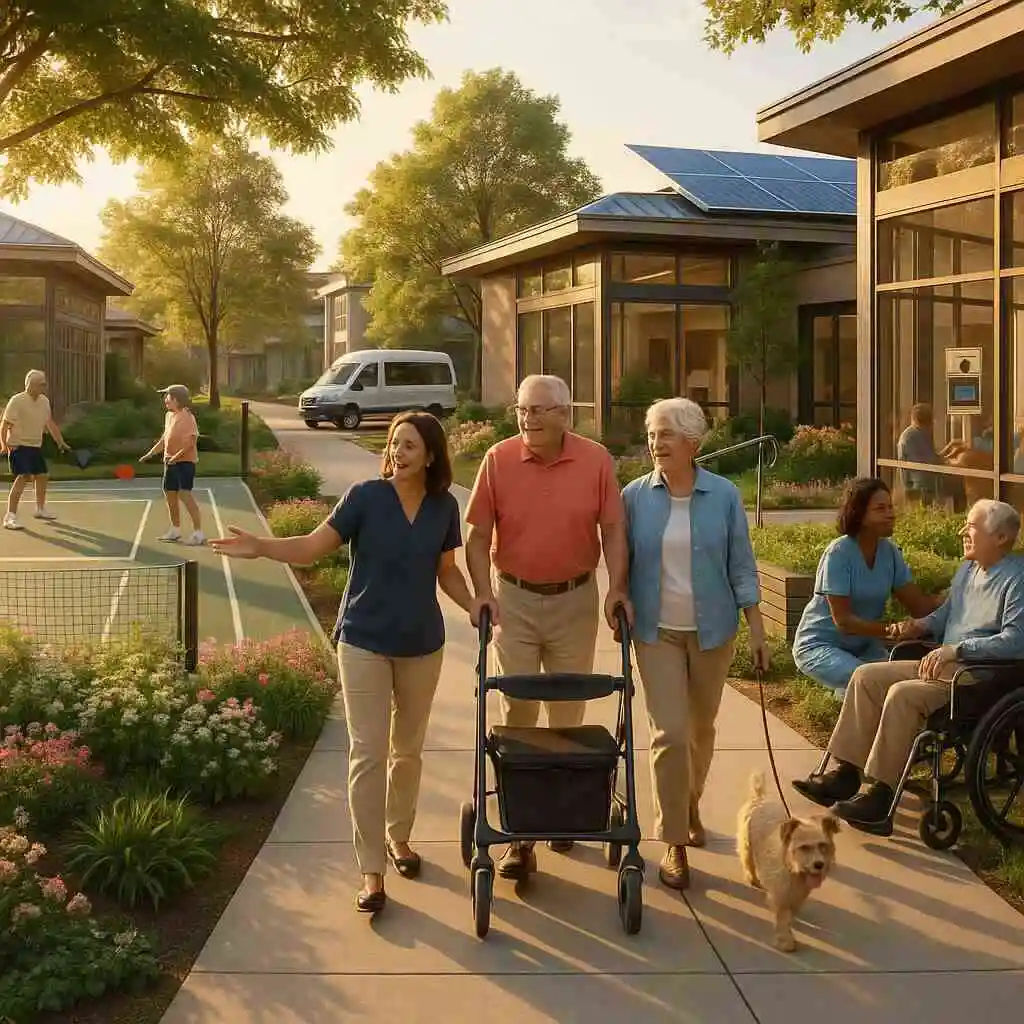 The Strategic Compass for Facility Evaluation
Family checklist for long term care facility selection
Families who rely on a structured, evidence-based plan often pick the best senior living facilities without second-guessing later. Begin your family checklist for long-term care facility selection by clarifying medical, social, and cultural priorities. Then line up financial documents so projected fees match pension or insurance benefits. While gathering paperwork, explore the interactive checklist for evaluating senior living communities near you to compare communities side by side. Finally, schedule phone calls with an assisted living locator to verify any unanswered points before touring in person.
Next, involve the future resident in ranking preferences for dining style, wellness programming, and transportation services for seniors without driving. Score each senior living facility on how it supports daily living activities and care needs definitions, not on glossy brochures alone. Weight safety and staffing are twice as heavily weighted as aesthetics to keep the evaluation grounded in longevity. Use color-coded charts to visualize which assisted living locations outperform others across multiple metrics. This collaborative, data-driven approach transforms an emotional choice into a transparent family decision.
Red flags in senior housing tours and hidden contract costs
Every tour feels welcoming, yet subtle warning signs can foreshadow later regret. Trust your senses when corridors smell of harsh disinfectant or food lacks flavor and variety. Listen for staff speaking about residents as tasks instead of individuals; this language suggests an impersonal culture. Observe whether wheelchairs and walkers block exits, because clutter often mirrors understaffing. These red flags in senior housing tours warrant deeper probing before placing a deposit.
The hidden costs of senior living contracts deserve equal vigilance. Some agreements bundle basic rent with premium cable, valet parking, or meal plans you may never use. Ask for a line-item breakdown, then check how rate increases are capped year to year. Look specifically for ancillary fees tied to medication management, laundry, or after-hours nursing calls. Insist that the sales director put every verbal promise in writing, preventing surprises once the resident settles in.
Technology amenities and green certified senior housing as future proof essentials
Modern housing options for seniors increasingly feature voice-activated lighting, telehealth suites, and campus-wide Wi-Fi. These technology amenities for older adults empower residents to monitor health, connect with family, and enjoy entertainment without barriers. Evaluate whether systems integrate with popular wearable devices to track heart rate or sleep patterns. Also verify staff training on digital platforms, because gadgets matter little without confident support teams. Communities that innovate today will adapt more smoothly to tomorrow’s breakthroughs.
Sustainability adds a second layer of longevity. Green certified senior housing uses non-toxic paints, solar panels, and energy-efficient HVAC systems to improve indoor air quality. Reduced utility consumption often translates into stable operating costs and, therefore, stable rent. Beyond finances, eco-friendly features demonstrate a forward-thinking philosophy that attracts progressive residents. Choosing a community with both smart tech and sustainable design protects lifestyle quality for decades.
Pet friendly senior living facilities and social connection programs
Pets deliver unconditional companionship, lower blood pressure, and encourage daily exercise. Therefore, pet-friendly senior living facilities often report higher resident satisfaction scores. Review policies on size, breed, and pet deposits to ensure rules align with your loved one’s routine. Ask whether the community offers dog-walking trails, grooming stations, or on-site veterinary partnerships. These extras show management truly values the human-animal bond.
Social connection programs in senior living also combat isolation and cognitive decline. Seek calendars packed with intergenerational events, volunteer opportunities, and hobby clubs rather than sporadic bingo sessions. Confirm that participation rates stay high by reviewing monthly attendance logs, not just promotional flyers. Finally, gauge how staff facilitate introductions for newcomers, because seamless integration sustains long-term happiness. Facilities that cherish both pets and people foster holistic well-being.
Evaluating staff to resident ratios and fall prevention design
High staffing levels boost response times, medication accuracy, and overall morale. Demand hard numbers on staff-to-resident ratios during days, evenings, and weekends, because variations can be dramatic. Compare figures against state averages when evaluating nursing homes for the elderly or assisted living plans. Additionally, ask about turnover rates; consistent caregivers forge stronger relationships and notice subtle health changes early. Robust staffing undergirds every promise a brochure makes.
Environment matters almost as much as personnel. Fall-prevention features in senior residences include non-slip flooring, contrast-colored thresholds, and grab bars in all restrooms. Well-placed handrails along hallways encourage independence while reducing injury risk. Lighting should mimic natural circadian rhythms to improve sleep and orientation. By combining thoughtful architecture with adequate staffing, communities can dramatically lower hospitalization rates and protect residents’ dignity.
Emergency preparedness and security measures beyond the brochure
Storms, power outages, and regional emergencies can strike without warning, so preparation saves lives. Examine written emergency preparedness in senior living facilities, asking who coordinates drills and how often they occur. Confirm backup generators power medical devices and refrigeration for medications. Evaluate evacuation plans for residents using wheelchairs or oxygen, because one overlooked detail can become life-threatening. Comprehensive plans prove a facility’s commitment to responsibility.
Security measures in retirement communities should extend past gated entrances. Inquire about 24-hour surveillance, secure memory-care wings, and electronic key access logs. Ask whether background checks cover all employees, including part-time contractors like therapists or drivers. Finally, verify policies for visitor screening to protect residents from fraud or abuse. A transparent, multilayered security protocol delivers peace of mind for families near and far.
Virtual tours and senior living near you research tips
When distance or health limits travel, virtual tours of senior living in your state offer a practical first glance. Request interactive sessions where a live host answers questions in real time instead of generic prerecorded videos. Focus the camera on less glamorous areas-laundries, staff break rooms, or stairwells-to gauge overall cleanliness. Then schedule an unannounced in-person visit to confirm the digital impression matches reality.
Leverage senior living near you research tips to refine your shortlist quickly. Use filter tools to narrow options by care level, budget, and proximity to trusted hospitals. Compare reviews from multiple platforms, remembering that extreme ratings often reflect isolated experiences. Finally, compile notes in a shared cloud document so every family member sees updates simultaneously. Efficient online research ensures that the first physical visit feels like a confirmation, not an exploration.
Financial Mastery and Resource Optimization
Budgeting for senior apartment rentals versus ownership
Deciding between ownership and rental housing for seniors shapes every future budget conversation. Monthly mortgage payments often look stable, yet maintenance surprises can quickly erode savings earmarked for care. Conversely, budgeting for senior apartment rentals bundles predictable utilities, housekeeping, and security measures in retirement communities into one fee. Families should compare lifetime housing costs over fifteen years, not just headline rent, to reveal hidden opportunity costs. Including inflation projections safeguards against unpleasant escalations that might destabilize later stages of the continuum of care in senior living communities.
A practical comparison must weigh tax deductions, homeowners’ insurance, and potential capital appreciation. Those factors differ greatly by region, so reviewing recent data, such as the [senior housing in Pennsylvania insights], helps clarify regional market pressures. Rental flexibility appeals to active seniors who anticipate travel or future health transitions. Ownership may still suit individuals wanting asset control, yet liquidity barriers can complicate quick relocations if health suddenly changes.
Maximizing veteran benefits and navigating Medicare or Medicaid
Far too many veterans overlook Aid and Attendance stipends that can defray assisted living plans. Qualifying requires evidence of service during eligible wartime periods and medical need for personal care. Start early because documentation backlogs may stretch several months; meanwhile, interim private funds must cover community fees. Maximizing veteran benefits for senior care also means pairing federal programs with state-specific property tax relief or caregiver grants. Layering these resources lightens monthly cash flow, preventing unnecessary portfolio withdrawals.
Medicare rarely pays for ongoing custodial care, yet it can still reduce rehabilitation expenses after hospital stays. Understanding the difference between skilled and custodial coverage keeps expectations realistic. When long-term support is necessary, navigating Medicare and Medicaid for long-term care becomes essential, particularly in high-cost states. Medicaid eligibility rules concerning income caps, asset transfers, and home equity exclusions are complex, so consult an elder law attorney before reallocating funds. Proper structuring ensures a smooth transition without future penalty periods.
Questions to ask an assisted living locator for transparent pricing
Families who rely on professional guidance save time, but only if the conversation stays focused on dollars and cents. Prepared relatives bring a concise list of questions to ask an assisted living locator, beginning with what care levels are available today and how prices adjust when needs increase. They should demand a written grid detailing activities of daily living support tiers, medication management fees, and memory care considerations for dementia support. Clarity on move-in deposits versus community fees prevents sticker shock later. A candid advisor welcomes such scrutiny because transparency builds trust.
Dig deeper into ancillary charges, such as guest meals or cable upgrades, that often disguise hidden costs of senior living contracts. Request benchmarks from comparable communities and cross-reference them with [comparing senior living package pricing tips] for validation. Finally, confirm annual rate-increase ceilings and historical averages. These numbers reveal whether advertised affordability will hold steady or erode retirement reserves within a few years.
Transportation services and other often overlooked fees
Budget worksheets frequently omit the true price of giving up the car keys. Transportation services for seniors without driving can include scheduled medical shuttles, on-demand rides within ten miles, or premium excursions to cultural events. Each tier carries separate pricing, so residents must match the plan to their real calendar. Additional technology amenities for older adults, such as campus-wide Wi-Fi or emergency pendants, may appear optional yet become indispensable safety tools. Those fees should be evaluated alongside pet-friendly senior living facilities’ surcharges and laundry packages.
Family caregivers sometimes assume Medicare covers durable medical equipment rentals, but copayment structures vary. Similarly, beauty salon visits, guest suites, and holiday catering often fall outside published base rates. An honest tour guide will present these add-ons without spin. Verify whether unused credits roll over or expire each month, because forfeited services effectively raise costs. Comparing these micro-expenses ensures alignment with the overall budgeting strategy developed earlier.
Downsizing strategies that unlock equity for care
Selling a long-time home supplies critical funding for the best senior living facilities, yet emotional attachments can derail timing. Seniors who begin decluttering early can list during favorable market cycles rather than under crisis pressure. Downsizing strategies before moving to senior living should include donating unused furniture, digitizing photographs, and appraising collectibles. Fewer possessions save on moving vans and reduce storage costs, directly benefiting monthly care budgets. Professional organizers specializing in older adults streamline decisions while respecting sentimental value.
Proceeds from a home sale can finance entrance fees or create a dedicated investment account for escalating health needs. Some families explore communities for seniors 55 plus lifestyle, like the [independent and assisted choices in Arizona], which allow gradual move-ins while the property still appreciates. Bridge loans may cover gaps between closing dates and community deposits. Finally, consult tax advisors about capital-gain exclusions and reinvestment strategies to preserve liquidity. Thoughtful planning transforms bricks and mortar into lifelong peace of mind.
Signing with Confidence Crafting a Life Well Lived
 Signing with Confidence Crafting a Life Well Lived
Creating a personalized roadmap from search to move in
Every confident transition begins with a written, step-by-step plan that merges emotions and logistics. Families should begin by reviewing a comprehensive choice of a senior living facility guide, then refine priorities into a color-coded timetable. Insert milestones for touring, medical document collection, and budget sign-offs to prevent a last-minute rush. As each box gets checked, decision fatigue fades and momentum builds naturally. For further clarity, study the top factors when selecting a senior facility to confirm your roadmap covers safety, lifestyle, and cost projections.
The roadmap gains depth when families quantify expenses early. Use digital spreadsheets to align pensions, insurance, and potential Aid and Attendance benefits with published community rates. Open dialogue about contingency funds for higher care levels safeguards peace of mind. Comparing proposals side by side reduces confusion about bundled versus à la carte services. If numbers still feel hazy, turn to the detailed comparing senior living package pricing tips for plain-language explanations.
Ensuring cultural enrichment and lifelong learning after relocation
A fulfilling retirement thrives on intellectual curiosity and creative expression. Seek communities where cultural enrichment in senior communities is woven into weekly calendars rather than tacked on as occasional outings. Art studios, lecture series, and intergenerational mentoring prevent monotony while nurturing purpose. Residents who pursue lifelong learning often experience sharper cognition and brighter moods. Explore a residence’s newsletter, then confirm participation rates during unscripted visits to measure actual engagement and lifestyle enhancement in modern senior living rather than aspirational marketing.
Geography influences enrichment as well. Coastal campuses may partner with museums, while mountain locations emphasize nature conservancy. Seniors who crave theater and university courses should compare urban offerings before signing contracts. For example, the comprehensive guide to senior living options in California highlights campuses embedded near cultural districts. Matching local flavor with personal passions ensures relocation feels like an upgrade, not a compromise.
Sustaining family engagement and community integration post move
Moving day marks a beginning, not an endpoint. Schedule recurring video calls, holiday visits, and shared outings to maintain emotional closeness across generations. Many best senior living facilities provide family portals that track calendars, menus, and health updates, making communication seamless. Encourage grandchildren to join virtual games or record oral histories, nurturing multigenerational bonds. Consistent contact also helps relatives monitor satisfaction using the questions outlined in the assessing quality of care in retirement homes guide.
Finally, adopt a feedback mindset that empowers residents to co-create community culture. Attend resident council meetings, complete satisfaction surveys, and applaud standout caregivers publicly. These actions reinforce accountability while cultivating pride in shared surroundings. Families can deepen advocacy by reviewing the practical steps in evaluating senior care in Ohio step by step, then adapting them locally. A transparent partnership between relatives and staff sustains well-being long after the welcome banner comes down.
Frequently Asked Questions
Question: How do Senior Living Facilities help families shift from a reactive crisis search to proactive planning when choosing a senior living facility?
Answer: Our platform was built to stop the panic-driven, last-minute scramble that too many families face. By entering a location, you instantly access senior living near you research tips, inspection scores, pricing grids, and real-time availability for thousands of senior living facilities in all 50 states. Interactive checklists-based on the family checklist for long-term care facility selection-guide you step by step, so you can tour communities for seniors 55 plus lifestyle months or even years before health needs escalate. The result is a calm, informed decision that safeguards health, finances, and independence.
Question: What red flags in senior housing tours should we watch for, and how do Senior Living Facilities help identify them?
Answer: We encourage families to look beyond the model apartment. Use our mobile tour companion to score staffing ratios, fall-prevention features in senior residences, meal quality, and odor control in real time. If you notice cluttered hallways, institutional language, or hidden costs of senior living contracts, the app prompts follow-up questions on the spot. After each visit, you can compare communities side by side, ensuring that any red flags are documented before you sign.
Question: How can I use Senior Living Facilities to compare assisted living plans, monthly costs, and the continuum of care in senior living communities?
Answer: Simply filter by care level-independent, assisted, memory, or skilled nursing-and our database displays line-item pricing, staffing hours, and contract terms for each assisted living location. You can download a how to compare assisted living plans worksheet that aligns fees with activities of daily living support and medication management tiers. Color-coded dashboards highlight whether a community offers a full continuum of care in senior living communities, so you know if future transitions will be seamless or disruptive.
Question: In the blog Top Strategies for Choosing Senior Living Today, you mention technology amenities for older adults. How do you vet communities for features like telehealth suites and green certified senior housing?
Answer: Every listing undergoes a 50-point verification that covers Wi-Fi strength, voice-activated lighting, wearable integration, and telehealth availability. We also request third-party documentation for LEED or similar green certified senior housing credentials. When a community meets these standards, we award a Future-Proof badge so you can quickly find modern housing options for seniors that will age gracefully alongside emerging tech.
Question: What resources do Senior Living Facilities provide to maximize veteran benefits for senior care and manage budgeting for senior apartment rentals versus ownership?
Answer: We partner with accredited VA claims agents to help you gather paperwork for Aid and Attendance stipends, often adding up to $2,600 per month toward assisted living plans. Our budgeting calculator then layers those benefits with pension income, forecasting 15-year cost comparisons between rental housing for seniors and continued home ownership. Built-in alerts flag overlooked expenses like transportation services for seniors without driving or pet-friendly senior living facilities deposits, ensuring a truly accurate financial picture.
Admin
Expert contributor specializing in senior living care. Dedicated to providing families with clear, actionable advice.