What Are Emerging Art Therapies at Senior Living Facilities
Canvas of Possibilities in Senior Living Facilities
Why creative arts therapy for seniors is the new vital sign of wellness
Creative arts therapy for seniors is quickly being measured alongside blood pressure and balance tests because it supports the whole person. Studies show that painting, rhythmic drumming, and mindful collage increase neuroplasticity, easing anxiety while sharpening memory recall. Inside a modern senior living facility, licensed art therapists track mood scores and sleep patterns while residents glaze pottery or explore digital storytelling. Because the process works on emotional, cognitive, and physical levels at once, families witness faster recovery after illness and fewer depression symptoms. Consequently, communities for seniors 55+ now highlight expressive arts programs on every tour, demonstrating that wellness extends far beyond medication lists.
Senior housing leaders cite another reason arts matter: social connection blossoms around shared creativity. Even introverted residents who once avoided group bingo are drawn to watercolor classes where conversation flows naturally. As friendships deepen, isolation risks decrease, and staff observe improved meal‐time participation and stronger immune function. The evidence is so compelling that many assisted living plans now bundle weekly studio sessions into their standard fee structure. By naming art engagement as essential rather than optional, administrators set a progressive tone that energizes team culture and resident morale alike. Families feel reassured, knowing their loved ones are flourishing rather than simply being cared for.
How searching for senior living near you now includes studio space and sensory rooms
Until recently, prospective residents asked about medication management first; today they ask to see the kiln. Online searches for “senior living near me” increasingly filter by dedicated art studios, natural‐light painting lofts, and sensory rooms equipped with adaptive easels. On the comprehensive senior living facilities portal for art wellbeing families can compare properties that feature gallery corridors where residents curate rotating exhibits. This shift reflects a broader expectation that retirement is a time to create, not retreat, elevating art amenities to the same importance as fitness centers.
Because dexterity varies widely, designers now install adjustable tables, no‐spill paint reservoirs, and voice‐activated drawing tools so every resident can participate. Rental housing for seniors once meant compact efficiency kitchens; it now means fiber‐optic “brushes” that transform tremors into impressionistic textures on digital canvases. Sensory rooms further expand access, surrounding low‐vision residents with color-changing walls and aromatherapy that cue memory before each session. Occupational therapists collaborate with art faculty, ensuring ADA compliance while preserving creative freedom. The result is an inclusive ecosystem where imagination feels tangible and independence feels feasible.
The shift from passive recreation to expressive purpose in senior housing
The era of passive television lounges is fading, replaced by purpose-driven maker spaces that hum with glazing wheels and 3-D printers. Forward-thinking long-term care facility directors report that structured art goals outshine passive entertainment when tracking engagement metrics. Residents design quilt panels honoring military service, or record oral histories for a digital mural, reinforcing identity and legacy. Such projects grant a sense of purpose that medical interventions alone cannot supply, anchoring daily living in meaning rather than routine.
Administrators also recognize economic benefits: expressive programs reduce turnover among both residents and staff by boosting community pride. Volunteers from local museums mentor beginners, while intergenerational school partnerships add youthful energy during weekend workshops. These collaborations position senior living facilities as cultural hubs within their neighborhoods, attracting donors and enhancing brand reputation. Prospective families weigh housing options for seniors by considering not only nurse-to-resident ratios but also opportunities for lifelong learning. In this vibrant context, senior apartment rentals become studios of possibility where retirees pivot from spectator to creator, embracing their next chapter with color and conviction.
 Palette of Emerging Art Therapies Transforming Senior Living Near You
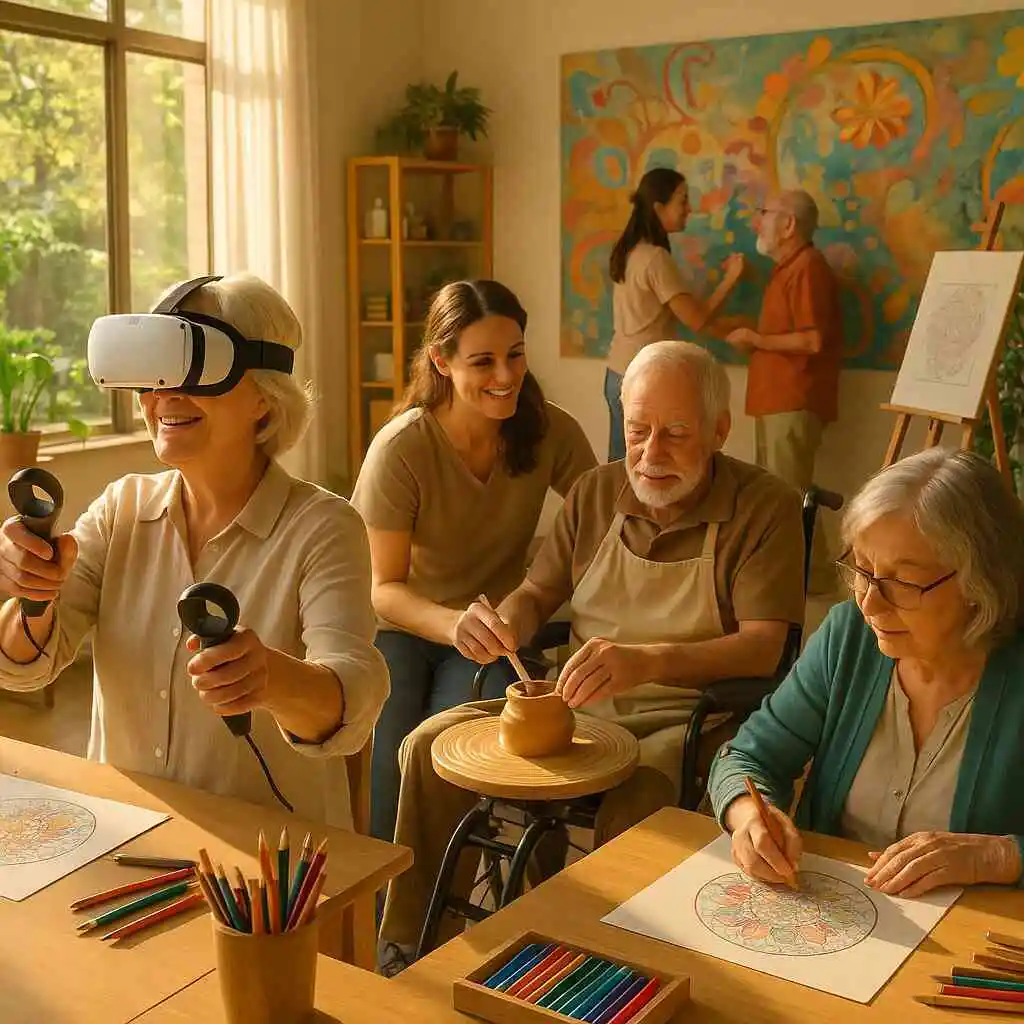 Palette of Emerging Art Therapies Transforming Senior Living Near You
Virtual reality art therapy in senior living and its neuroplasticity dividends
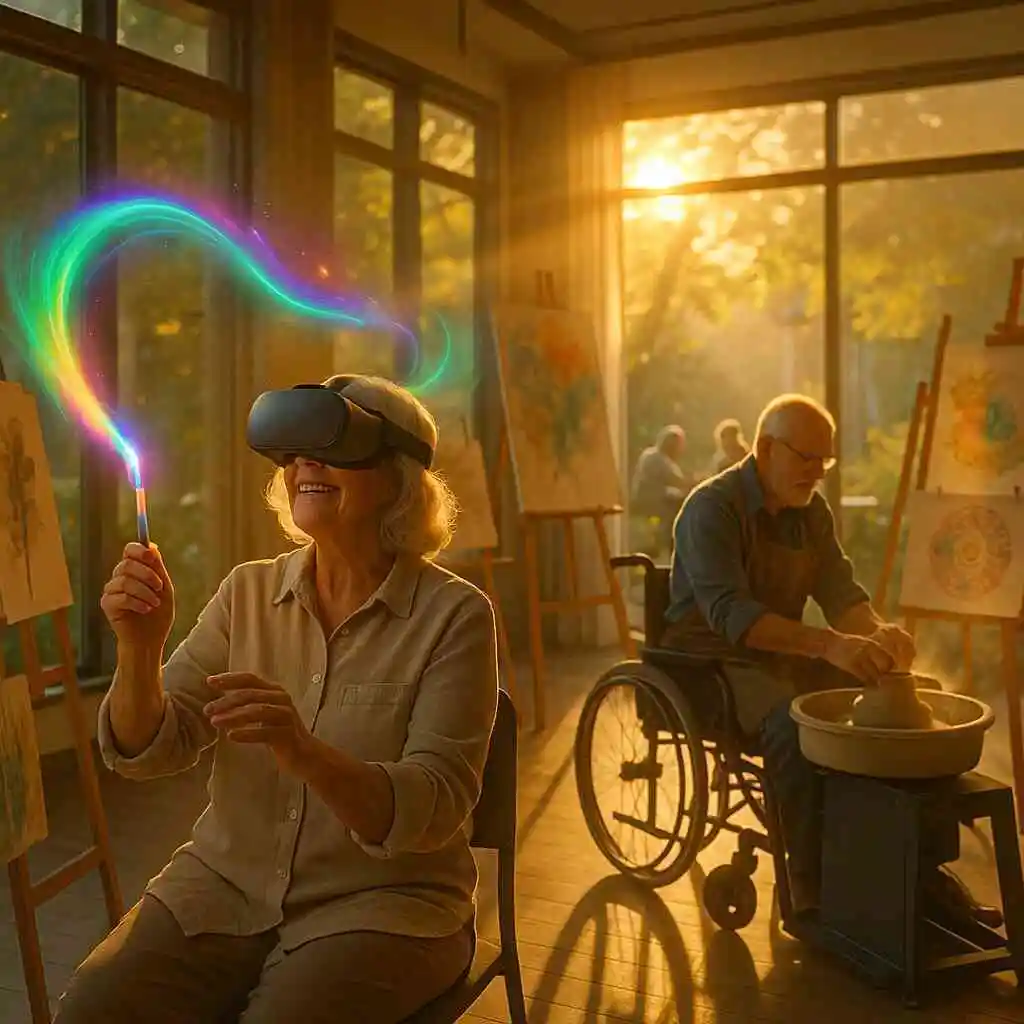
Virtual reality art therapy in senior living now uses lightweight headsets. Residents paint in three-dimensional space without worrying about spills. The immersive environment reduces distraction, encouraging deep focus and flow states. Clinicians observe that seniors forget pain while tracing virtual brushstrokes. Brain imaging studies show increased connectivity between visual and motor regions afterward. Such neuroplasticity dividends help maintain cognitive fitness alongside joy. Therefore care teams schedule weekly sessions just like medication reviews. They document sharper attention scores and fewer sundowning episodes after participation.
Because VR platforms can adjust brush thickness instantly, tremors become textures. This adaptive feature empowers Parkinson’s residents to create expressive watercolor scenes. Meanwhile, voice commands allow visually impaired artists to select colors confidently. Collaborative galleries project each creation onto common room walls for celebration. Families join remotely, witnessing progress in real time through synced tablets. These shared moments strengthen intergenerational bonds and motivate continued practice. As a result, virtual reality art therapy dovetails with telehealth consultations seamlessly. The technology therefore expands access to creative arts therapy for seniors far beyond campus boundaries.
Dementia friendly painting classes and reminiscence collage groups in memory care wings
Dementia friendly painting classes prioritize sensory prompts over technical instruction. Facilitators open with a favorite song, awakening autobiographical memory networks gently. Soft brush materials reduce anxiety by feeling familiar against aging skin. Palette choices feature high contrast hues that spark recognition and conversation. Even residents with late-stage memory loss respond to rhythmic brush dips. Staff record mood elevation and verbal output within electronic care plans.
Reminiscence collage groups extend the experience using photographs, ticket stubs, and vintage fabrics. Each participant narrates a memory attached to selected paper scraps. Stories are captured on audio, later becoming captions within the finished piece. These narrative layers reinforce identity, counteracting the disorientation common in memory care wings. Completed collages decorate hallways, guiding residents back to rooms through familiarity. Consequently, wayfinding improves without extra medication, proving art’s practical value.
Clay sculpting for arthritis relief using adaptive art tools for limited mobility seniors
Wheel-thrown pottery might seem ambitious for arthritic hands until adaptive clay warms. Occupational therapists preheat low-fire clay to soften joint resistance quickly. Seniors grasp wider-handled tools that accommodate reduced grip strength. Gentle pressure movements mirror prescribed hand therapy exercises unconsciously. Over weeks, clay sculpting for arthritis relief increases the range of motion measurably. Residents also delight in tactile feedback that cold therapy balls cannot match.
Adaptive art tools for limited mobility seniors include elbow-supporting rests and foot-powered wheels. These innovations ensure everyone, including wheelchair users, can use the center’s clay successfully. Community kilns now feature front-loading doors, eliminating heavy lid lifting. When the finished mugs appear at breakfast, confidence soars with every sip. The tangible outcome reinforces daily living independence and combats learned helplessness. Administrators note reduced requests for pain medication during studio weeks.
Music and movement sessions for older adults meeting dance improvisation for fall prevention
Music and movement sessions for older adults combine live percussion with guided steps. A licensed dance therapist cues weight shifts that mimic fall recovery. Rhythmic patterns entrain gait timing, reducing freeze episodes in Parkinson’s participants. Meanwhile, pulse oximeters show improved oxygen saturation after ten minutes. These measurable gains convince skeptics that creative exercise rivals traditional therapy.
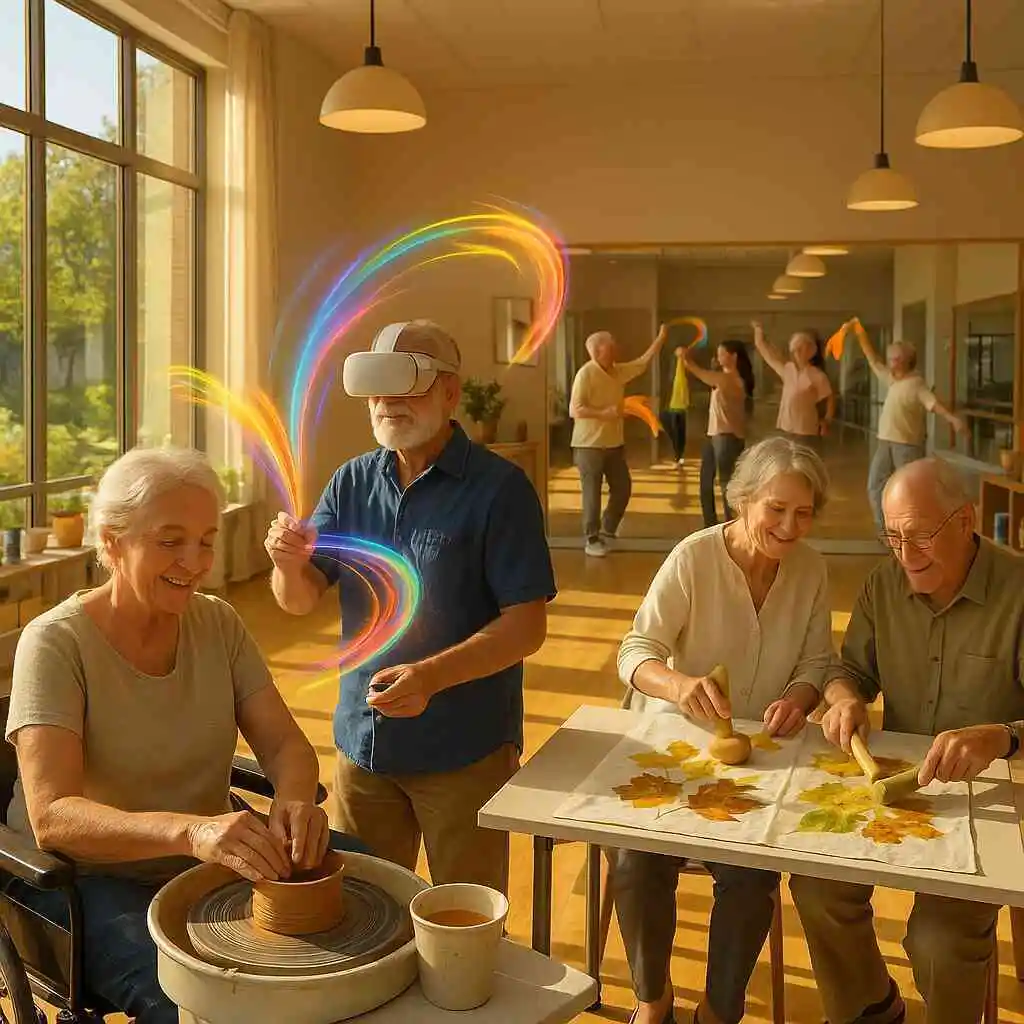
Dance improvisation workshops for fall prevention use scarves to visualize the center of gravity. Participants learn to widen their stance during tempo changes, enhancing balance reflexes. The social laughter releases endorphins, decreasing perceived exertion significantly. Sessions end with mindful cooldown drumming, anchoring new motor patterns. Surveys reveal many residents prefer this format over stationary bikes, ensuring adherence.
Eco printing workshops and outdoor nature sketching enrich the independent living landscapes
Eco printing workshops in assisted living introduce leaves, flowers, and natural pigments. Residents press specimens onto fabric, creating botanical impressions through steam. The sensory combination of scent, color, and touch stimulates multi-modal engagement. Later, scarves dyed in autumn tones become gifts for grandchildren. Such purposeful output heightens motivation compared to disposable crafts.
Outdoor nature sketching complements eco printing by encouraging observational mindfulness. Accessible garden paths, benches, and adaptive lap boards support participants comfortably. Scenic Colorado communities promoting outdoor sketch walks demonstrate reduced blood pressure afterward. Independent living residents report sleeping better after even short plein-air sessions. Staff integrate hydration reminders and sunscreen stations, aligning art with safety protocols.
AI assisted art creation and digital storytelling fueling intergenerational mural projects in communities for seniors 55+
AI assisted art creation for elders democratizes complex styles through voice or gesture. Algorithms suggest palettes based on mood surveys, sparking fresh inspiration quickly. Residents intrigued by such technology can find creative-friendly senior living communities near you for similar resources. Digital storytelling for seniors living in community settings turns personal photos into narrated videos effortlessly. The process preserves legacy while practicing speech articulation, benefiting stroke survivors.
Intergenerational mural projects in 55+ communities integrate AI drafted sketches with grandchild brushwork. This collaboration bridges digital fluency gaps and strengthens family belonging. Finished murals anchor community identity, promoting pride among new residents. Administrators see higher tour conversion rates when such public art greets visitors. Clearly, creative wellness programming also delivers marketing dividends for every senior living facility.
Brushing Forward toward Holistic Wellbeing in Communities for Seniors 55+
Community art partnerships and art therapy residencies are enhancing assisted living plans
Local museums, universities, and neighborhood makerspaces now partner with senior living facilities across the country. These alliances bring professional artists onsite weekly, integrating creative arts therapy for seniors directly into standard assisted living plans. Through a rotating residency model, residents explore printmaking one month and storytelling animation the next. Family satisfaction rises when elders collaborate on public sculptures that beautify courtyard gardens. For deeper insight, explore wellness innovation trends for expressive arts in elder care that highlight proven partnership blueprints.
Artists in residence also mentor clinical staff, ensuring every long-term care facility can sustain programs after the residency ends. Weekly coaching sessions teach caregivers how to adapt watercolor techniques for tremor relief. Residents in nursing homes for the elderly gain customized projects that respect cultural backgrounds and personal histories. This inclusive method reduces agitation, boosts appetite, and keeps occupational therapists engaged in meaningful collaboration. Altogether, community partnerships transform passive halls into living studios humming with possibility.
Measuring outcomes from mindful mandala coloring to pottery wheel therapy studios at senior living in every state
Senior housing leaders increasingly quantify success from mindful mandala coloring to pottery wheel therapy studios using digital dashboards. Mood surveys, grip strength tests, and sleep trackers feed real-time data to interdisciplinary teams. When scores improve, care plans adjust to include additional studio hours rather than extra pills. This evidence-based cycle convinces families that creative arts therapy for seniors is more than a pleasant hobby. Consequently, housing options for seniors gain a competitive advantage by publishing transparent wellness dashboards during tours.
Across every state, clinicians compare baseline cognitive scores after residents explore clay, glass, or adaptive digital brushes. Facilities notice that expressive watercolor classes reduce falls similarly to structured balance exercises. They also observe faster recovery of activities of daily living when tremor-friendly sculpting becomes routine. These outcome metrics travel easily between senior living in urban towers and rural cottages, fostering nationwide consistency. Such shared benchmarks strengthen regulatory confidence and attract grants for further research.
Connecting families to the right senior living facility where creative wellness programming thrives
Families often begin by typing ‘senior living near you’ into search engines and encountering overwhelming lists. Using the Senior Living Facilities platform, they filter for communities for seniors 55+ featuring kilns, lighting, or sensory rooms. An intuitive assisted living locator compares art budgets alongside staffing ratios for a balanced decision. Listings also display senior apartment rentals and rental housing for seniors with month-to-month studio memberships, supporting flexible lifestyles. Transparent reviews highlight which assisted living plans include weekly supplies, saving families from hidden costs later.
Once a shortlist forms, advisors schedule virtual gallery tours so prospective residents can meet current artists in action. Hearing pottery wheels spin or choir voices rise helps elders picture daily life vividly. If travel is difficult, the platform connects families with alumni who share firsthand experiences of creative wellness programming. These conversations build trust quickly, easing emotional stress during transitions to a new senior living facility. Therefore, the path from initial curiosity to confident move-in feels guided, personal, and artfully inspired.
Frequently Asked Questions
 Frequently Asked Questions
Question: How do Senior Living Facilities help me locate senior living near me that features cutting-edge virtual reality art therapy in senior living communities?
Answer: Our searchable database covers senior living facilities in all 50 states and includes an art-amenities filter. Simply type your city or ZIP code, select virtual reality art therapy in senior living under Activities, and our assisted living locator will display every senior living facility offering lightweight headsets, 3-D painting studios, and staff trained in neuroplasticity art exercises for seniors. Side-by-side comparisons show session frequency, therapy certifications, and whether families can join remotely. Once you choose a favorite, click Connect to schedule a demo or speak with our advisors-free of charge.
Question: What should I look for in assisted living plans if my parents want clay sculpting for arthritis relief and other adaptive art tools for limited mobility seniors?
Answer: Start by checking that the community kiln is front-loading and that studios stock pre-warmed low-fire clay plus wide-grip sculpting tools. On SeniorLivingFacilities.com, you can filter housing options for seniors by adaptive equipment, then review photo galleries that show elbow rests, foot-powered wheels, and adjustable tables. Our listings also note whether occupational therapists collaborate with art staff so the clay sessions align with prescribed hand-therapy goals. Finally, verify that finished pottery is glazed and returned to residents-tangible success boosts confidence and decreases pain-med requests.
Question: How do senior housing communities measure the impact of music and movement sessions for older adults and dementia friendly painting classes?
Answer: Progressive senior housing providers track grip strength, gait speed, mood scores, and sleep quality before and after each creative arts therapy for seniors session. Many upload the data to digital dashboards that families can view in real time through our platform. You’ll see clear evidence of fewer sundowning episodes after drumming cooldowns or improved verbal output following reminiscence collage groups in memory care. When numbers rise, care teams add extra studio hours instead of extra medication, demonstrating a commitment to evidence-based wellness.
Question: Where can I find communities for seniors 55+ that support intergenerational mural projects and AI assisted art creation, like those highlighted in the blog What Are Emerging Art Therapies at Senior Living Facilities?
Answer: Use the Creative Wellness Programming tag on SeniorLivingFacilities.com to surface 55+ communities that host AI assisted art creation labs, digital storytelling suites, and family mural weekends. Listings include videos of grandchildren collaborating on large-scale pieces, proof of a strong social connection. Because our platform spans independent living, assisted living, and rental housing for seniors, you can also filter by contract length or monthly budget while still prioritizing art-forward amenities.
Question: How does the Senior Living Facilities assisted living locator ensure my chosen long-term care facility integrates sensory art activities for Parkinson’s residents and reminiscence collage groups in memory care wings?
Answer: During onboarding, every long-term care facility completes a detailed program survey covering sensory art activities, art therapy for Parkinson’s residents, and staff credentials. Our algorithm flags communities that meet or exceed industry standards-licensed art therapists on payroll, ADA-compliant sensory rooms, and scheduled reminiscence collage groups. You’ll see these qualifications under the Creative Care tab of each profile. If documentation is unclear, our advisors contact the facility directly, providing you with a verified, customized shortlist that aligns with your family’s clinical and creative priorities.
Admin
Expert contributor specializing in senior living care. Dedicated to providing families with clear, actionable advice.