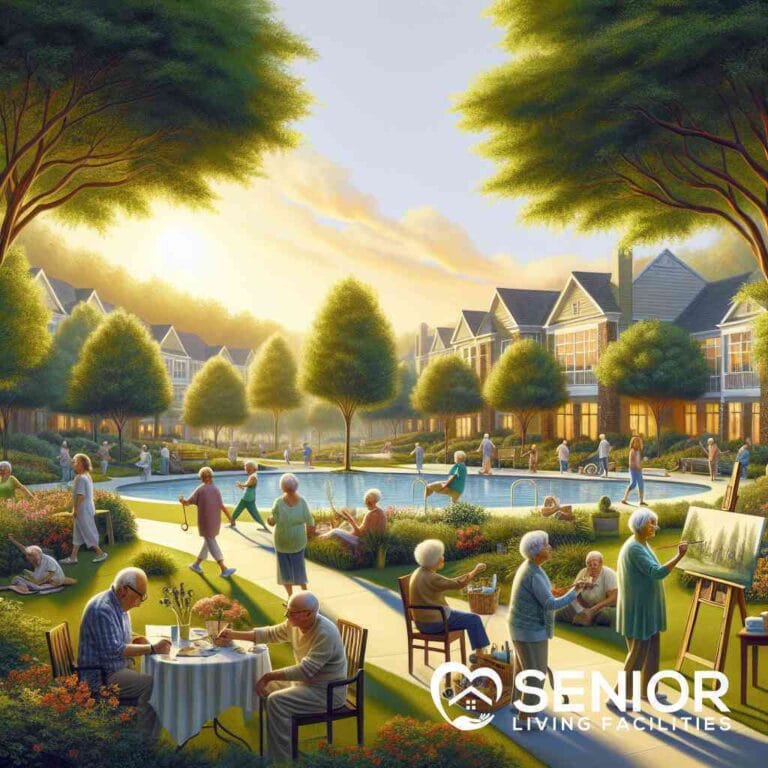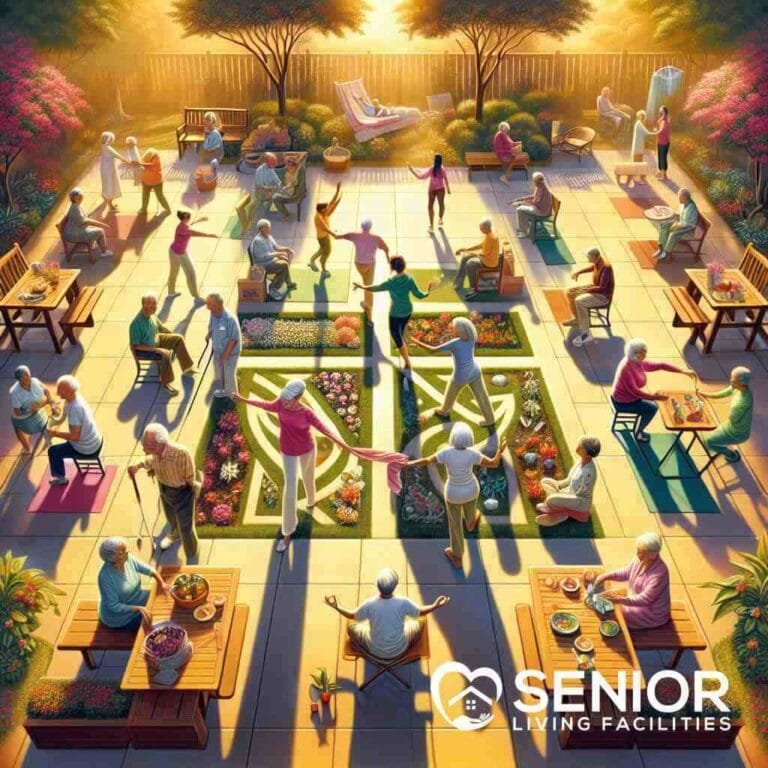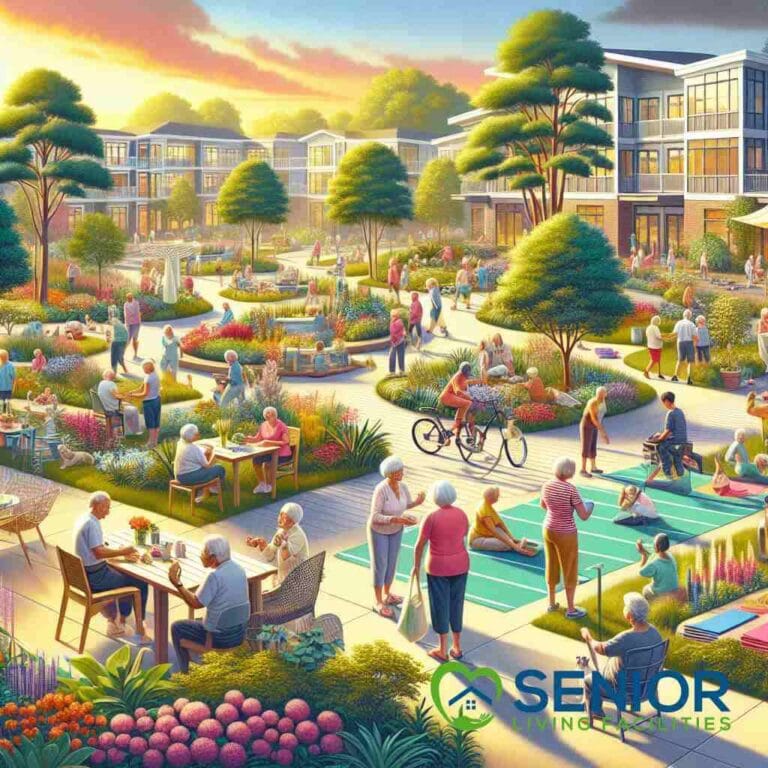
What Does Biophilic Design Mean in Senior Living Facilities
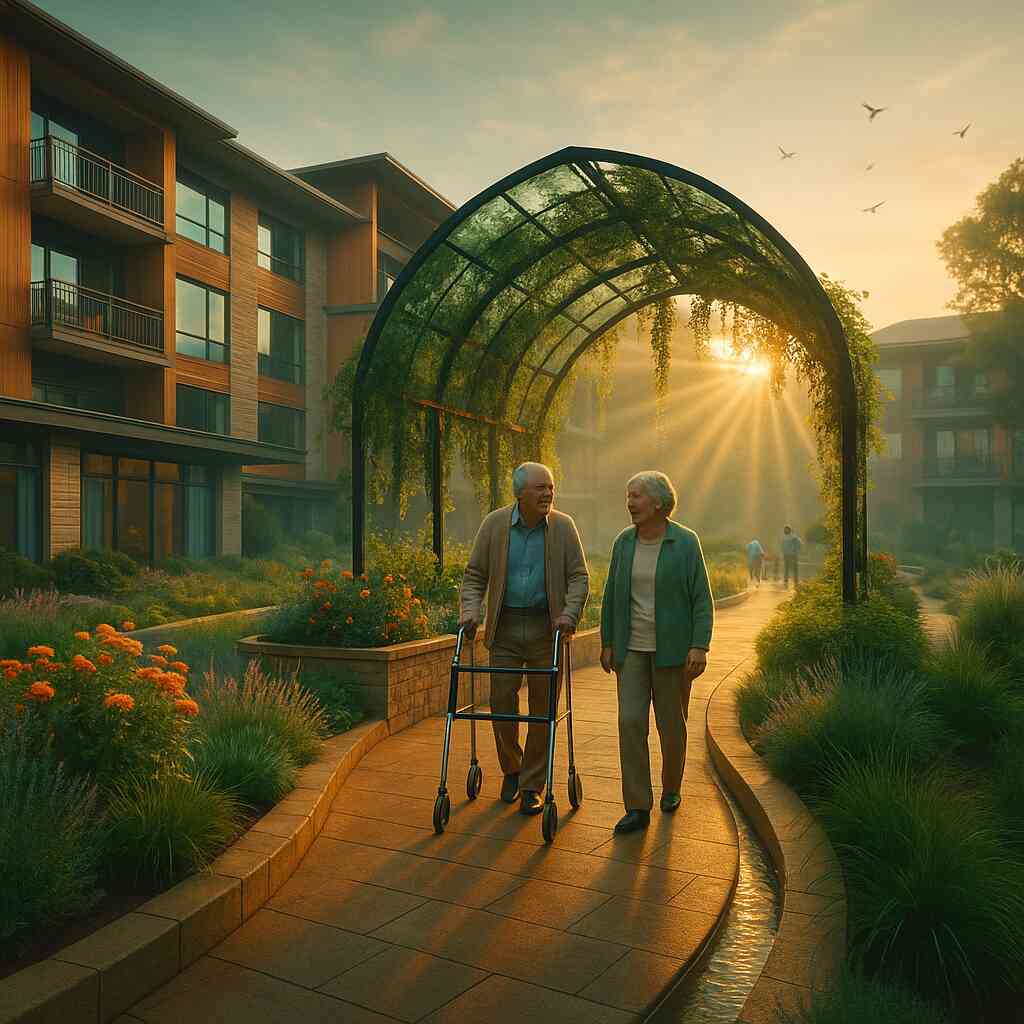
Beyond Four Walls: Awakening the Natural Instinct in Senior Living Facilities
The science behind our innate pull toward greenery in assisted living communities
Every human brain contains cells that fire happily when we glimpse a leafy branch. Researchers call that response biophilia, the innate attraction to life and living systems. When architects weave lush courtyards and sunlit atriums into assisted living communities, cortisol drops and mood lifts. That health boost explains why operators study biophilic design strategies for senior living. The concept turns simple greenery in assisted living communities into measurable wellness interventions.
Light is another biological cue our aging eyes crave almost as much as foliage. Daylighting strategies in nursing homes synchronize circadian rhythms, improving sleep and reducing late-day confusion. Roof gardens scatter glare and pull fresh oxygen through upper corridors. A recent case study on green roofs for elders showed lower bills and happier residents. Science confirms what elders often say intuitively: nature simply feels like home.
Senior living near me trends that favor nature inspired housing options for seniors
Demand data reveal that the phrase “senior living near me” now usually includes a question about trees, ponds, or patios. Families touring properties prioritize nature-inspired housing options for seniors almost as highly as medical staffing ratios. Communities answer by carving out pocket parks, edible gardens, and bird-safe balconies in dense suburbs. Shoppers find nature focused senior communities near you and easily compare outdoor programs. The trend signals a cultural shift toward preventive, environment-driven wellness.
Regional climates shape these trends in unique ways. Rainy Northwest campuses experiment with glass conservatories that extend gardening months, proving popular with arthritis clubs. Trail-wrapped cottages branded sustainable senior housing in Washington state () see reservations fill rapidly. Conversely, coastal villages integrate salt-tolerant landscaping that attracts butterflies and strolling grandchildren. Wherever you search, biophilic amenities now separate ordinary listings from memorable sanctuaries.
From nursing homes for the elderly to vibrant seniors living in community ecosystems
Traditional nursing homes for the elderly once resembled hospitals, yet residents longed for sensory stimulation beyond antiseptic hallways. Today designers retrofit those buildings, layering vines, aviaries, and aquaponic walls to craft vibrant ecosystems. Skyline views transform when planters evolve into green roof retirement residences in New York. The roofs capture stormwater, cool interiors, and provide safe destinations for mobility therapy. As sterile spaces fade, social engagement rises because nature sparks conversation better than television.
Independent living wings adopt similar principles but scale them into community farms and pollinator corridors. Residents manage compost, harvest herbs, and mentor local students, creating multi-generational learning loops. Planners borrow metrics from ecology, measuring resident biodiversity exposure alongside traditional satisfaction surveys. A quick guide to independent senior housing explains how shared green space reduces loneliness. Ultimately, seniors living community ecosystems thrive when every organism, human or hummingbird, finds nourishment.
Rooted Foundations Core Principles of Biophilic Design for Older Adults
Light air and life daylighting strategies that boost circadian health in long term care facility settings
Natural daylight is the first medicine many residents receive each morning. Strategic skylights and high transom windows pour balanced light deep into hallways without glare. This steady rhythm cues melatonin cycles, reducing sundowning episodes in a long-term care facility while lifting overall mood. Designers also pair operable clerestories with gentle cross-ventilation, allowing fresh air to sweep away stale odors and pathogens. Together, light and air form an invisible caregiving team that supplements staffing and lowers energy bills.
Teams searching for actionable guidance often start by reviewing insights into green design for older adult housing to benchmark best practices. Studies show bedrooms with two light exposures help seniors living near me maintain stronger sleep-wake cycles. Smart shading systems prevent overheating while still delivering sunlight that nourishes indoor citrus trees. These daylight-optimized assisted living plans reduce depressive symptoms, which decreases pharmacy reliance. Operators then advertise luminous suites as a premium wellness amenity that outshines generic senior housing competitors.
Living layers indoor plants sensory gardens and therapeutic landscapes in dementia care units
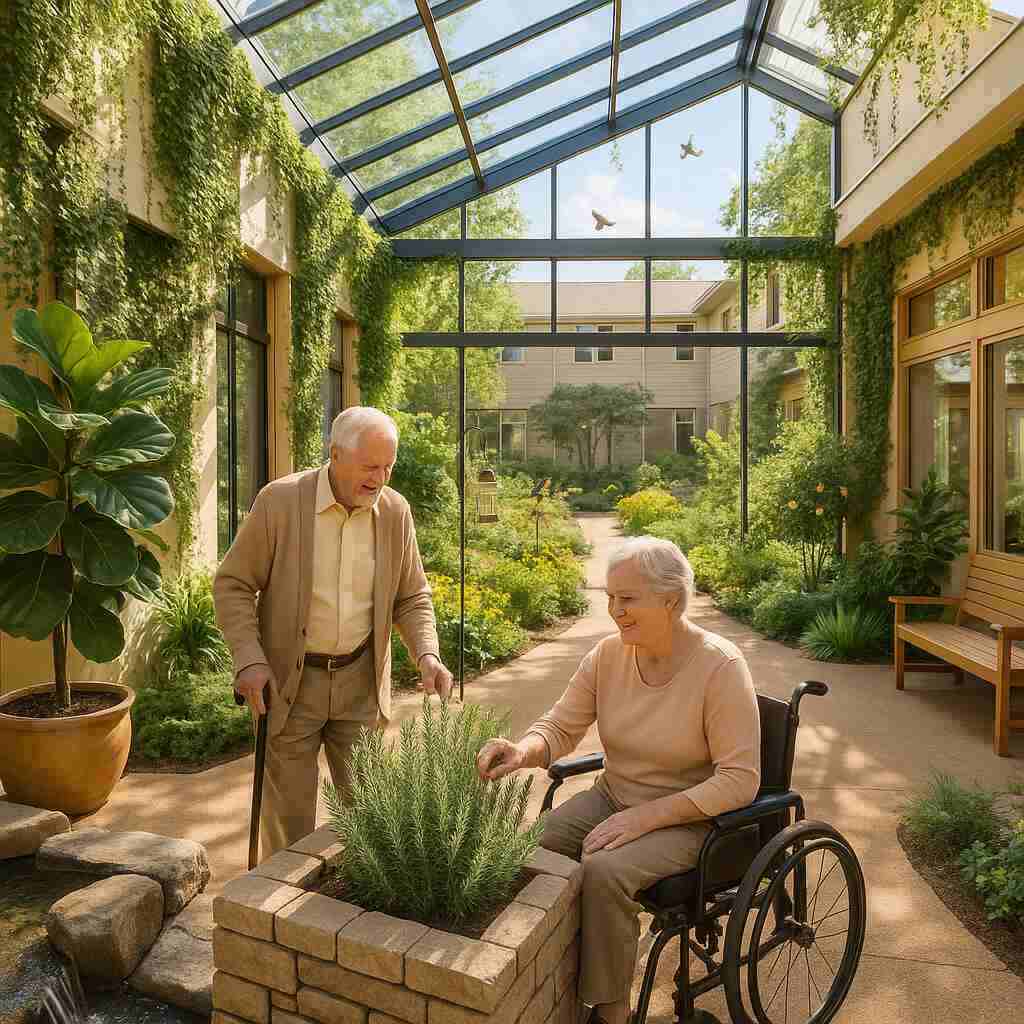
When residents wander into a living corridor filled with trailing philodendrons, cortisol drops almost immediately. Indoor plants filter toxins and introduce mild humidity, soothing dry winter skin common in senior apartment rentals. Memory care teams use fragrant herbs like rosemary to prompt reminiscence sessions that strengthen cognitive pathways. Raised planters set at wheelchair height let participants practice fine-motor skills while harvesting lettuce for lunch. Every leaf becomes a prompt for conversation and purpose.
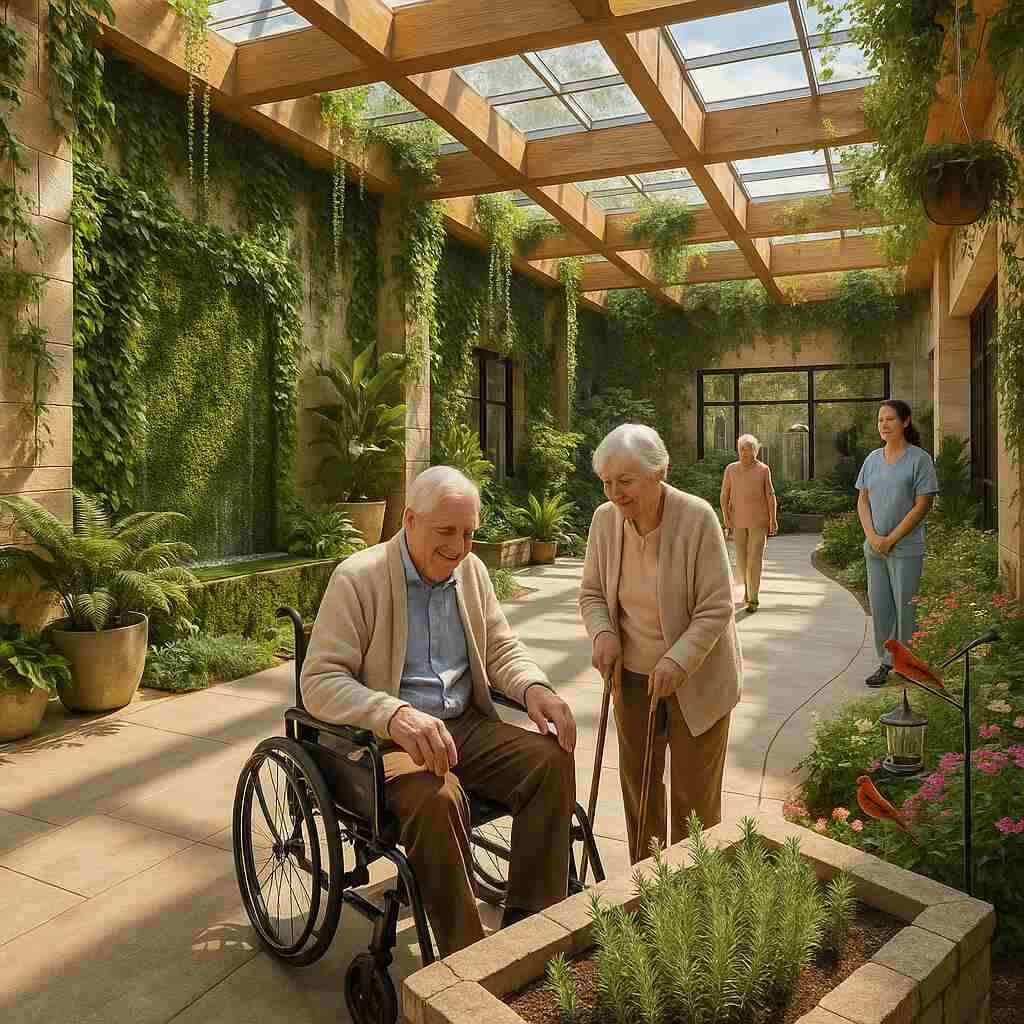
Beyond interiors, enclosed sensory gardens provide safe outdoor immersion for those in nursing homes for the elderly who experience exit-seeking behaviors. Color-coded pathways guide orientation, while textured bark invites mindful touch. Water walls create calming white noise that masks clinical sounds, fostering restorative environments. Therapists integrate horticulture activities into individualized assisted living plans, tracking blood pressure drops during each session. Families notice calmer visits, validating the investment in therapeutic landscapes.
Sustainable materials warm wood textures and eco-friendly finishes for senior apartment rentals
Biophilic design extends beyond the visible leaf to the surfaces residents touch daily. Warm wood millwork, responsibly sourced, delivers tactile comfort and acoustic absorption in communal lounges. Low-VOC paints and plant-based sealants protect older lungs, supporting improved air quality in retirement homes. Cork flooring cushions joints, decreasing fall impact injuries common in communities for seniors 55+. These eco-friendly finishes also broadcast a values-driven story that appeals to environmentally conscious families.
Supply chain transparency now shapes many housing options for seniors because adult children research every product specification. Operators partner with regional craftsmen to shorten transport distances, lowering embodied carbon. This strategy mirrors initiatives seen in earth-conscious seniors living in California, yet adapts easily nationwide. Marketing teams highlight FSC certifications next to amenity lists, right beside Wi-Fi and chef-prepared dining. Prospects appreciate knowing their future residence nurtures both people and the planet.
Natural acoustics and improved air quality in retirement homes for restorative environments
Sound levels inside a senior living facility often predict resident stress better than nurse call volume. Biophilic principles recommend textured ceiling panels, vegetated walls, and upholstered seating to diffuse reverberation. These natural acoustic buffers transform cafeterias into calm conversation zones, encouraging social connection. Cleaner soundscapes also support hearing-aid users who struggle with background clatter. Quieter spaces translate into reduced agitation and medication use.
Air quality matters equally. Live moss walls act as biological filters, removing volatile organic compounds while adding greenery in assisted living communities. High-efficiency ERV systems cycle fresh air without energy waste, complementing biophilic materials that avoid off-gassing. Residents report easier breathing, allowing deeper participation in tai chi classes. Maintenance teams track particulate counts alongside traditional metrics, proving the health return on design investments. In turn, referral partners prefer these restorative environments, boosting occupancy rates across multiple assisted living locations.
 Cultivating Green Communities: Practical Applications in Assisted Living Plans and Independent Living
 Cultivating Green Communities: Practical Applications in Assisted Living Plans and Independent Living
Healing gardens greenhouse amenities and horticulture therapy programs
Healing gardens for seniors thrive when the design aligns soil height with joint comfort. Raised beds at elbow level invite residents to weed, sow, and harvest without painful bending. Fragrant herbs stimulate appetite, while bright marigolds deter pests without harsh chemicals. Horticultural therapists schedule sessions like clinical appointments, recording blood pressure before and after garden time. Data consistently show these living laboratories lessen depression and reinforce purpose within greenery in assisted living communities.
Greenhouse amenities extend that engagement through cold months, protecting citrus trees and winter lettuce under translucent panels. Automatic vents balance humidity so older lungs avoid damp irritation common within a long-term care facility. LED grow lights replicate sunrise, supporting circadian alignment even during cloudy stretches. Families discover these spaces through our assisted living locator, choosing communities where greenhouses replace television lounges. That simple substitution turns passive recreation into multi-sensory therapy that feeds both plates and hearts.
Outdoor courtyards, skylights and accessible walking paths in communities for seniors 55 plus
Courtyards act as outdoor living rooms, linking apartments, dining venues, and therapy suites with fragrant circulation routes. Designers orient benches toward morning sun, allowing safe vitamin D exposure before midday heat. Smooth pavers, contrasting edge colors, and gentle slopes uphold accessibility standards in communities for seniors 55+. Integrated shade sails prevent glare that complicates macular degeneration, keeping outdoor reading popular. Sensor-activated lighting extends walking time without tripping risks, supporting evening social rituals.
Regional climate influences courtyard programming, and warm coasts showcase the richest schedules. For example, outdoor wellness seniors living in Florida host morning tai chi beneath royal palms. Misters keep humidity comfortable, while pergolas entwined with bougainvillea frame birdwatching stations. Even cooler regions prioritize skylights that pull courtyard light deep into interior hallways. That seamless inside-outside connection supports seniors who prefer brief excursions yet still crave daylight optimized views.
Calming water features bird friendly patios and forest bathing experiences in memory care
Water soothes neurodiverse brains by providing a predictable rhythm and low-frequency acoustics. Memory care patios often center small bubblers that recirculate, eliminating drowning hazards yet delivering tranquil sound. Surrounding planters host native grasses that sway gently, reinforcing the biophilic principle of non-threatening movement. Bird-friendly patios incorporate seed trays within staff view, encouraging residents to identify cardinals and finches. Such micro-engagement reduces exit-seeking behaviors because curiosity anchors attention.
Some campuses take immersion further by guiding supervised forest bathing sessions along shaded loops. Soft wood-chip surfaces cushion walkers while aromatic pines enhance respiratory comfort. Staff narrate sensory prompts, asking residents to notice temperature shifts, breeze direction, and leaf textures. Studies show that fifteen minutes in a tree canopy can lower pulse rates more than indoor meditation. These outcomes motivate nursing homes for the elderly to reclaim forgotten woodlots as therapeutic extensions.
Wellness architecture that meshes technology with biophilic senior rental housing options
Wellness architecture now blends sensors, apps, and renewable systems with timeless nature cues. Smart irrigation reads soil moisture, preventing waste while guaranteeing lush courtyards outside senior apartment rentals. Window glazing shifts tint automatically, balancing glare control with natural light for aging eyes. Indoor navigation platforms spotlight green landmarks, making wayfinding intuitive for residents and visitors alike. These tech layers support biophilic design in senior living facilities without sacrificing simplicity.
Energy dashboards in lobbies display solar gains alongside resident garden harvest totals, linking ecological stewardship to personal agency. Operators leverage data to refine assisted living plans, tailoring humidity ranges to respiratory conditions. Families appreciate transparency, trusting senior living facilities that openly track comfort and sustainability indices. This trust converts into higher occupancy for assisted living locations competing in tight markets. Ultimately, digitally enhanced biophilia positions rental housing for seniors as future-ready without losing humanity.
Harvesting Wellbeing: The Future of Nature Inspired Senior Housing
Evidence based outcomes and resident satisfaction metrics in biophilic senior living facility settings
Research teams have finally linked specific biophilic design features to improved clinical metrics in long-term care facilities. Residents with daily access to daylighting strategies in nursing homes report better sleep, while pharmacies log fewer sedative prescriptions. Pulse oximeters show higher oxygen saturation near indoor plants, supporting claims about improved air quality in retirement homes. Surveys also reveal that sensory gardens for dementia care units reduce agitation more effectively than traditional calming rooms. These evidence-based outcomes give administrators the confidence to budget for living walls, skylights, and healing gardens for seniors.
Resident satisfaction studies echo the medical data, proving that wellness architecture for older adults fosters emotional resilience. Feedback forms highlight joy in bird-friendly patios, pride in community greenhouse harvests, and relief from noise fatigue due to natural acoustics. Families mention a renewed sense of purpose, noting that therapeutic landscapes in long-term care create opportunities to mentor grandchildren on plant care. Together, these qualitative and quantitative findings shape procurement standards, making biophilic design in senior living facilities a non-negotiable line item.
Scaling nature positive design across senior living in every state of every region
Biophilic principles adapt gracefully to diverse American climates, letting operators replicate success from coast to coast. Mountain properties embrace sturdy evergreens, while seaside campuses lean on salt-tolerant grasses to anchor dunes. Urban towers retrofit rooftop meadows, proving that connection to nature for elderly residents is feasible even above busy streets. Regulatory bodies increasingly encourage these shifts, writing grants that fund accessible walking paths in communities for seniors 55+. As a result, senior living community ecosystems now flourish whether the address reads “senior living in the state of Maine” or “senior living near Santa Fe.”
Operational playbooks make replication easier. Templates cover soil depth for raised beds, lumen targets for skylights, and best practices for indoor humidity in senior apartment rentals. Training modules teach caregivers to integrate forest-bathing prompts into everyday conversation, ensuring consistency across assisted living locations. By systematizing nature-positive choices, providers guarantee that every resident-regardless of zip code-receives equivalent biophilic senior living wellness benefits.
How the Senior Living Facilities platform connects families to senior living facilities with greenhouse amenities and more
Even the most forward-thinking community needs visibility, and that is where Senior Living Facilities steps in. Our assisted living locator curates listings that flag greenhouse amenities, daylight-optimized suites, and calming water features. Families simply type “senior living near me” and filter by nature-forward attributes, saving hours of guesswork. Each profile details sustainable materials, rental housing for seniors pricing, and program highlights such as horticulture therapy, ensuring transparent comparison.
We also track design momentum industry-wide, compiling insights like those found in the future senior housing design trends 2026 report. That living resource keeps families, architects, and operators aligned on emerging best practices, from warm wood textures in assisted living interiors to age-restricted community features that prioritize pollinator corridors. By bridging data, expertise, and real-time availability, Senior Living Facilities empowers every older adult to plant roots in a community where nature and care grow side by side.
Frequently Asked Questions
 Frequently Asked Questions
Question: How do Senior Living Facilities help families find greenery in assisted living communities that truly practice biophilic design?
Answer: Our assisted living locator flags every community that integrates nature-inspired senior housing solutions-think healing gardens for seniors, bird-friendly patios, and indoor plants in retirement residences. When you search senior living near me, simply apply the biophilic filter to view assisted living locations with greenhouse amenities, sensory gardens for dementia care units, or skylights in senior housing design. Because we serve all 50 U.S. states, you can compare options coast-to-coast and schedule tours directly through our platform.
Question: What does the blog title “What Does Biophilic Design Mean in Senior Living Facilities” really boil down to for older adults?
Answer: Biophilic design in senior living facilities means weaving light, air, water, and greenery into every square foot of a senior living facility. Daylighting strategies in nursing homes stabilize circadian rhythms, indoor plants improve air quality in retirement homes, and outdoor courtyards for 55+ communities encourage movement and social connection. By listing only those communities that embrace these restorative environments for seniors, Senior Living Facilities ensures your loved one benefits from measurable wellness architecture for older adults.
Question: Are there senior living facilities with greenhouse amenities or horticulture therapy programs on your site?
Answer: Yes. Many of the senior apartment rentals and independent living campuses we list feature on-site greenhouses, raised-bed farms, and active horticulture therapy in nursing homes. Our detailed profiles note whether a community offers greenhouse amenities, forest-bathing programs for older adults, or accessible walking paths in senior communities-so you can immediately spot the nature-forward choice that suits your budget and care level.
Question: Can biophilic principles really improve air quality and reduce sundowning in a long-term care facility, and how do Senior Living Facilities verify such claims?
Answer: Absolutely. Natural acoustics, live moss walls, and high-efficiency ventilation systems have been shown to lower particulate counts and calm evening confusion. During our vetting process we request documentation-ranging from air-quality reports to photos of warm wood textures in assisted living interiors-before tagging a listing as offering improved air quality in retirement homes. This due diligence means families browsing senior living near you can trust the wellness claims they see.
Question: Do your recommended assisted living plans highlight outdoor courtyards and accessible walking paths for communities for seniors 55+ who value daily nature exposure?
Answer: Definitely. From calming water features in independent living courtyards to bird-safe balconies in memory care wings, our database details every outdoor amenity. Look for tags such as accessible walking paths in senior communities, daylight-optimized suites, and biophilic senior rental housing options. These features signal a seniors living community designed not just to house residents but to keep them connected to nature for lifelong wellbeing.
Admin
Expert contributor specializing in senior living care. Dedicated to providing families with clear, actionable advice.