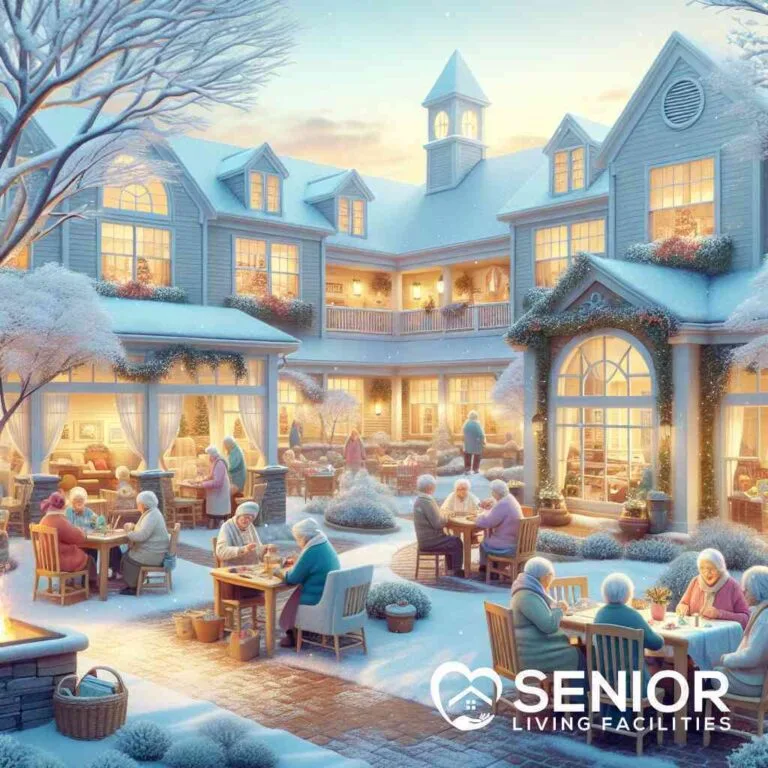
Winter 2026 Demand Forecast for Senior Living Facilities

Snowflakes and Silver Linings: An Unconventional Prologue to Winter Demand
The physics of frost meeting senior housing needs
The first frost does more than coat windows; it crystallizes the winter demand forecast for senior living across the country. Families suddenly weigh safety, warmth, and social connection, prompting a surge in research on every senior living facility available. Analysts studying the broader senior housing market outlook for winter 2026 note that colder air masses consistently push inquiries higher. This rising pressure mirrors how ice expands, filling microscopic cracks, and exposing hidden structural needs in many homes occupied by older adults. Consequently, providers must reinforce operations so vacancies do not widen like frozen fissures.
Snow also accelerates climate-driven migration to 55+ communities, sparking cold-weather relocation to senior communities from northern zip codes. Prospective residents compare rental housing for seniors in warmer states with beloved hometowns blanketed in snow. Demand data reveal that snowbird seniors seeking warmer senior housing crave both sunshine and reliable medical services, making proximity to hospitals a key differentiator. Communities positioned near top health systems often absorb overflow when skilled nursing centers reach capacity. Forward-thinking operators therefore fuse hospitality with healthcare to remain uncrackable, even when temperatures plummet.
Defrosting myths about seasonal occupancy trends in assisted living
A persistent myth suggests that seniors refuse to move during icy months, yet seasonal occupancy trends in assisted living repeatedly disprove that belief. Heating bills rise, roofs leak, and adult children worry, motivating winter move-in incentives for older adults to perform better than summer discounts. Simultaneously, the heating cost impact on senior apartment rentals drives budget-conscious retirees toward inclusive pricing models where utilities are bundled. As a result, senior living vacancy rate fluctuations display tighter winter compression rather than expansion. Operators who misread the season risk being left out in the cold.
Health considerations further melt away outdated assumptions. Flu-season preparedness in nursing homes prompts families to seek safer environments with robust infection controls and telemedicine. Communities that highlight telehealth expansion in senior living facilities and dedicated isolation suites convert tours more efficiently. Meanwhile, staffing challenges in long-term care facilities intensify during storms, but successful teams counter with cross-training and housing for essential employees. Reliable generators underscore emergency power planning for senior housing, convincing caregivers that snowstorms will not interrupt oxygen, dialysis, or electronic health records. The net effect is an uptick in increased skilled nursing admissions in winter, not a decline.
Why do senior living near me searches spike when the thermostat falls
Once holiday lights twinkle, adult children open search engines and type “senior living near me” with renewed urgency. Travel plans expose mobility issues, and family holiday visits influencing housing decisions convert concern into action. The emotional contrast between festive gatherings and slippery sidewalks fuels a senior apartment demand surge after the holidays. Communities that publicize flexible leases or assisted living locator inquiries in cold climates gain early visibility, capturing families before competitor websites load. Thoughtful marketing thus turns chilly worries into warm leads.
Digital behavior paints an even clearer picture of shifting intent. Voice assistants record more queries about long-term care facility capacity planning for winter once snow is forecast. Search engines see spikes in trends in independent living communities during winter, often followed by clicks on comparisons of cross-state moves to senior living in the South. Simultaneously, caregivers explore a surge in respite care during winter to counter burnout. Every keystroke underscores one truth: when thermometers fall, the urgency to secure safe, engaging housing options rises, and providers prepared for that moment rarely freeze up.
 Barometers of Demand Reading the Icy Winds Shaping Senior Living Facilities
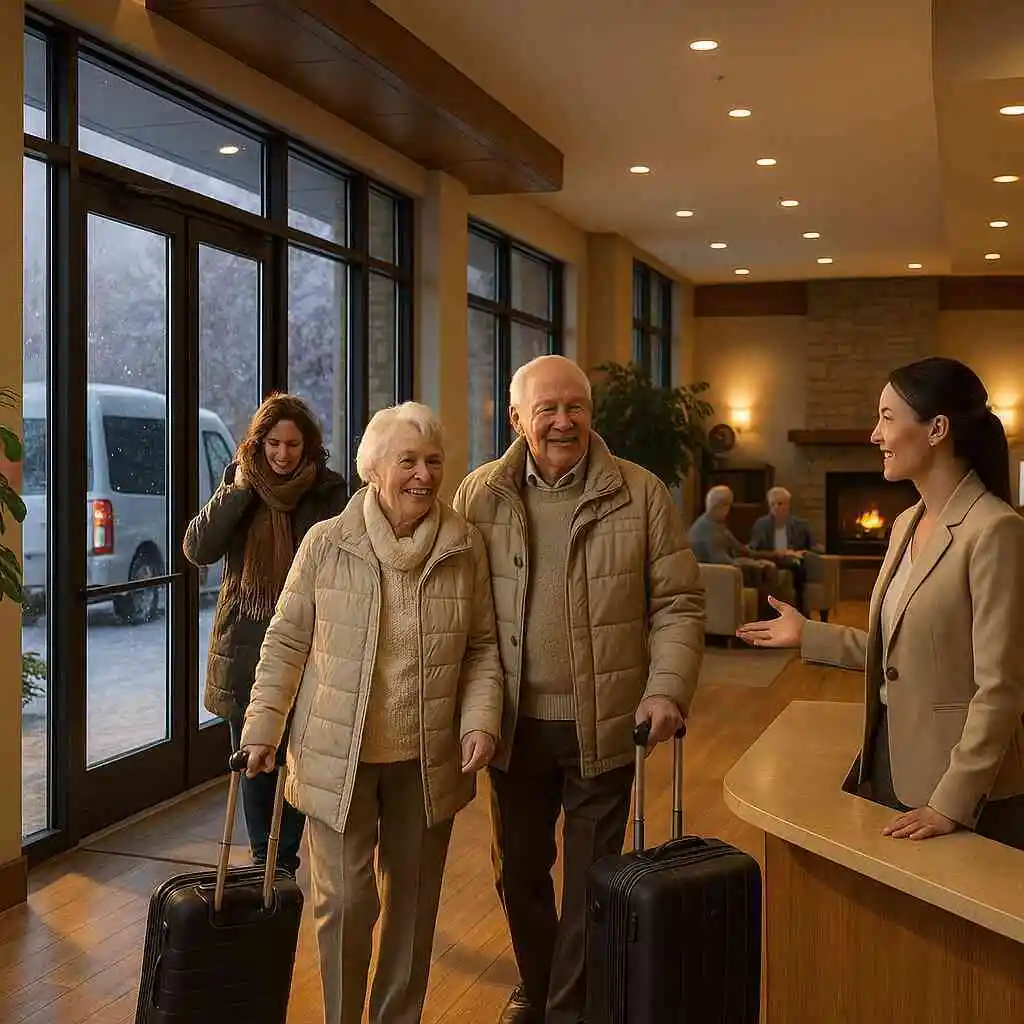 Barometers of Demand Reading the Icy Winds Shaping Senior Living Facilities
Climate driven migration to 55 plus communities the great cold weather relocation
Falling temperatures trigger a steady wave of climate-driven migration to 55+ communities as older adults chase milder winters. They weigh safety, sunlight, and social support, deciding that uprooting now beats braving another icy season alone. Consequently, the winter demand forecast for senior living shows heightened inquiries in Sun Belt markets long before the first frost. Operators that track these relocation patterns adjust marketing budgets toward states with lower heating costs and year-round recreation. Their proactive outreach captures movers before they finalize travel arrangements.
This relocation trend also benefits inland regions boasting dry winters rather than deep snow. Seniors with respiratory issues favor desert climates, while arthritis sufferers report less joint pain after relocating south. Communities framing relocation as health optimization, not mere escapism, resonate with both prospective residents and their physicians. Transparent messaging about medical partnerships reassures families who worry about distance. Ultimately, the great cold-weather relocation transforms geographic demand maps more than any single economic metric.
Heating cost impact on senior apartment rentals and independent living communities
Utility prices surge whenever furnaces ignite, pushing fixed-income retirees to rethink current housing budgets. Inclusive pricing models in senior apartment rentals suddenly look attractive because one monthly fee covers HVAC, maintenance, and emergency repairs. Independent living communities advertising predictable costs experience higher website conversions during early cold snaps. Savvy operators bundle energy-efficient upgrades with resident education to highlight tangible savings. These strategies turn winter anxiety into financial relief.
Economists watching senior housing note that energy volatility influences move-in timing as strongly as health events. Residents delay relocation during calm markets but act quickly after a spike appears on their heating bill. Transparent calculators comparing monthly expenses at home versus in community settings empower educated decisions. Families appreciate candid forecasts that incorporate regional utility trends, reinforcing trust. As a result, seasonal occupancy trends in assisted living show smaller winter vacancies than many anticipate.
Flu season preparedness in nursing homes for the elderly and its ripple effect on admissions
Flu season arrives like clockwork, and families scrutinize infection-control protocols within every long-term care facility they consider. Providers who promote on-site vaccination clinics, negative-pressure suites, and tablet-based telehealth demonstrate mastery over contagious threats. These visible safeguards elevate perceived safety, increasing admissions even as hospital beds fill. Conversely, communities with vague plans experience tour cancellations and slower referral pipelines. Preparation therefore influences census counts long before pathogens peak.
Regulators have intensified audit schedules for nursing homes for the elderly during high-risk months. Documentation of staff training, visitor screening, and airflow testing now doubles as a marketing asset. Operators turning compliance into storytelling showcase competence instead of red tape. Adult children feel relief knowing their loved ones will not face preventable outbreaks. Strong infection control thus transforms a seasonal hazard into a competitive advantage that spans the entire winter.
Surge in respite care during winter and the hidden role of holiday caregivers
Holiday festivities often mask caregiver fatigue until decorations come down, unveiling acute burnout. Short-term respite care offers immediate relief, allowing family caregivers to recharge or attend to business travel postponed during celebrations. Consequently, communities offering flexible respite suites report a surge in bookings from January through early spring. They convert many of these stays into permanent placements once families witness professional support in action. The hidden role of holiday caregivers therefore fuels a predictable uptick in winter demand.
Marketing teams should spotlight emotional narratives rather than clinical bullet points when promoting respite options. Story-driven campaigns normalize asking for help, reducing guilt that blocks many caregivers. Bundling respite stays with wellness assessments provides added value and uncovers unmet medical needs. Communities that coordinate transportation during icy conditions further ease transitions. Together, these tactics turn temporary visits into long-term relationships that benefit everyone involved.
Telehealth expansion and emergency power planning in senior living facilities
Snowstorms often isolate neighborhoods, making virtual medicine indispensable for chronic care management. Senior living facilities now integrate high-bandwidth networks and remote diagnostic kiosks to maintain physician access when roads close. Residents value continuity of care, while families praise reduced emergency-room exposure during viral outbreaks. Operators who publicize telehealth expansion receive positive press and stronger referral partner endorsements. The initiative also supports post-acute partnerships eager to reduce hospital readmissions.
Emergency power planning undergirds every digital promise. Backup generators and battery arrays must keep oxygen concentrators and electronic health records running during prolonged outages. Routine drills that include residents reassure everyone that technology will not fail under pressure. Publicizing these rehearsals on social media converts preparedness into brand equity. In a competitive market, reliable infrastructure speaks louder than glossy brochures.
Staffing challenges in long term care facilities when snowstorms hit
Snowstorms complicate commutes, causing staffing gaps exactly when residents’ needs intensify. Leading long-term care facilities now provide on-site lodging, ride-share stipends, and meal kits for essential employees. Cross-training frontline teams enables seamless role coverage if someone remains stranded. Communities communicating these contingency measures foster resident confidence and staff loyalty simultaneously. As a result, severe weather rarely disrupts care schedules.
Recruitment messaging also benefits from highlighting winter resiliency. Prospective nurses and aides choose employers who value safety over cost cutting. By showcasing housing options for seniors that remain fully staffed during blizzards, operators reinforce reputations for reliability. Regulators and referral networks remember which communities maintained compliance despite storms. Strong staffing strategies therefore convert potential liabilities into lasting operational strength.
Medicare policy shifts and geriatric care demand for colder months
Subtle Medicare reimbursement updates often take effect near year-end, influencing care pathways for millions. New transitional-care codes reward providers who prevent rehospitalizations among seniors discharged in winter. Assisted living plans that integrate visiting nurse services capture these revenue streams while improving outcomes. Families appreciate reduced paperwork and clearer coverage explanations. Although policy language feels abstract, its impact on demand is immediate and measurable.
Additionally, expanded telemonitoring allowances align perfectly with cold-weather isolation. Seniors reluctant to venture out can still receive blood-pressure checks and medication reviews remotely. Communities investing early reap higher resident satisfaction scores and lower liability risk. Forward-looking operators therefore track legislative calendars as closely as weather forecasts. Anticipating reimbursement changes keeps census numbers strong when competitors scramble.
Family holiday visits transforming tour traffic into move-ins
Holiday gatherings reveal mobility issues, medication mismanagement, and social withdrawal that went unnoticed during video calls. Concerned relatives then book tours of the nearest senior living facility before returning home. Providers who extend weekend and evening tour hours capture this momentum. Warm beverages, festive décor, and transparent pricing convert emotional urgency into signed agreements. Accordingly, family holiday visits influencing housing decisions remain a cornerstone of winter occupancy strategy.
Digital marketing amplifies this dynamic. Search engines record spikes for senior living near me as travel itineraries finalize. Communities that deploy retargeting ads with testimonials address lingering doubts, reinforcing brand recognition. Offering virtual tours for distant decision-makers removes geographic barriers. When executed thoughtfully, these tactics transform seasonal website traffic into comfortable new beginnings for older adults.
Vacancy rate fluctuations and assisted living winter occupancy management strategies
Contrary to conventional wisdom, vacancy rate fluctuations tighten during winter because more seniors seek structured support. Operators monitor real-time dashboards to gauge incoming inquiry velocity and lengthen staffing rosters accordingly. Yield management tools adjust pricing to maintain healthy margins without discouraging move-ins. Flexible lease terms, such as furnished units for immediate occupancy, further reduce downtime between residents. Data-driven agility defines successful assisted living winter occupancy management.
However, numbers alone never tell the whole story. Relationship-based sales still close deals faster than algorithmic discounts. Teams that follow up within hours-rather than days-secure deposits before families resume daily routines. Providing checklists covering packing, utility shutoff, and change-of-address tasks demystifies logistics. Ultimately, compassionate guidance complements analytical rigor, ensuring rooms stay full and residents feel welcomed.
Cross state moves to senior living in the South and rental housing for seniors in warmer states
Colder climates push many retirees to evaluate life in sunnier destinations where arthritic joints ache less and sidewalks never ice over. Communities in Georgia, Alabama, and the Carolinas report rising waitlists as snowbird seniors seek warmer senior housing without long-term ownership commitments. High-quality rental housing for seniors offers flexibility if health or family circumstances change. Prospects appreciate the ability to test a region before permanently relocating. Consequently, cross-state relocation has become a dominant theme each winter.
Demand spikes stretch beyond the Atlantic seaboard. The rise in senior apartment inquiries in Texas over colder quarters underscores how energy bills, tax policies, and cultural familiarity intersect. Transparent discussions about hurricane preparedness balance the sunny narrative, building trust. Communities that coordinate moving-service discounts lower barriers for interstate relocations. As migration patterns persist, southern operators continue refining bilingual staff training and specialized lifestyle programming to welcome diverse newcomers.
To anticipate these movements, analysts employ sophisticated heat-map dashboards and forecast tools for estimating senior living demand near you that factor in weather volatility alongside demographic shifts. Sharing such insights with families strengthens credibility, positioning providers as thought leaders rather than order takers. Armed with data, seniors confidently choose communities offering warmth-both meteorological and human-through every season.
From Forecasts to Fireside Action: Converting Data into Warmth and Well Being
Winter move in incentives that resonate with older adults and their families
Families often wait until the first snowstorm before accepting that change is urgent. Providers who anticipate that emotion win trust rapidly. Winter move-in incentives for older adults must therefore feel both practical and heartfelt. Free packing services relieve stressed children, while complimentary physical therapy evaluations reassure skeptical physicians. Bundled heating and meal plans highlight predictable costs, answering fears about soaring utility bills. When positioned as gifts rather than gimmicks, these gestures convert interest into confirmed move-ins.
Seasonal occupancy trends in assisted living reveal a clear January boost when communities align incentives with resident values. Offering furnished suites enables rapid transitions for seniors leaving rehabilitation centers. Vaccine clinics scheduled within move-in week underscore health commitment and lower family anxiety levels. Some communities waive pet fees, acknowledging emotional support animals as essential rather than luxury items. Transparent timelines, updated daily, prevent any perception of bait-and-switch tactics. Together, these strategies warm cold feet faster than any fireplace.
Aligning senior housing options near medical centers for post holiday health needs
Post-holiday checkups often uncover unmanaged conditions, making proximity to hospitals a crucial selection factor. Senior housing options near leading medical centers reduce ambulance transport times and enhance specialist access. Communities advertise on-call nursing and tele-consult rooms, framing themselves as extensions of the care continuum. Families appreciate the seamless integration, especially when fragile parents face winter respiratory threats. Consequently, the winter demand forecast for senior living consistently prioritizes medical adjacency over golf courses.
Transportation partnerships deepen this advantage. Scheduled shuttles running in snow equip seniors to attend dialysis, cardiac rehab, or wound care safely. Drivers trained in mobility assistance improve confidence, especially for wheelchair users. Coordinated discharge planning between hospitals and the community’s wellness team further reduces rehospitalizations. By meeting clinical needs head-on, operators strengthen reputations and maintain higher census stability. Health security, not hobby lists, often seals the final decision.
Using an assisted living locator to preempt seasonal capacity crunches
Inquiry volumes soar when icy streets expose household risks, making real-time data indispensable. Families who search for assisted living options near me ahead of the cold season avoid frantic, last-minute calls. The locator tool filters assisted living locations by care level, budget, and lifestyle, saving precious hours. Early insight into vacancy counts lets users reserve suites before snow delays movers. This proactive step equals peace of mind when storms inevitably strike.
Providers also leverage locator analytics to forecast demand surges within each seniors living community. Heat maps display which zip codes generate the most winter traffic, guiding targeted outreach. Sales teams then adjust staffing, ensuring prompt tour availability despite holiday schedules. Predictive dashboards even flag when a long-term care facility nears capacity, enabling coordinated overflow plans with nearby partners. Data-driven responsiveness transforms potential bottlenecks into smooth transitions for every resident.
Crafting winter wellness programs for seniors that outshine the weather
Indoor monotony can erode morale, so creative engagement matters as much as thermostats. Communities now launch culinary classes, virtual travel series, and adaptive yoga to energize residents. Integrating fitness trackers encourages friendly competition while providing clinicians with actionable metrics. Such programming proves that vibrant living thrives, even when sidewalks glisten with ice. Importantly, it positions the community as more than shelter; it becomes a catalyst for growth.
Forward-thinking directors already planning winter wellness initiatives at elder communities weave preventative health screenings into recreational calendars. On-site dietitians collaborate with chefs to feature anti-inflammatory menus supporting joint comfort. Mental-health check-ins accompany art therapy, combating seasonal affective symptoms. Plus, emergency power drills double as engaging resident workshops, turning safety rehearsals into confidence-building events. Holistic wellness therefore elevates retention and attracts discerning prospects comparing housing options for seniors.
Strategic partnerships with Senior Living Facilities for seamless demand navigation
No single operator can track every regulatory update, migration trend, or reimbursement nuance alone. Collaborating with Senior Living Facilities provides nationwide intelligence without heavy internal investment. The platform aggregates inquiries, revealing whether snowbird seniors seek warmer senior housing or prefer local support. Insights arrive before traditional reports, allowing communities to adapt pricing and staffing proactively. Timely adjustments keep occupancy rates high even during unexpected cold snaps.
Partnership benefits extend beyond numbers. Expert advisors translate analytics into actionable assisted living plans unique to each market. They recommend marketing copy that resonates with communities for seniors 55+, refining SEO around senior living near you searches, and flag upcoming Medicare shifts. Those tailored strategies free on-site teams to focus on resident experience rather than spreadsheet analysis. When data meets empathy, every fireplace burns brighter, and every resident feels truly at home.
Frequently Asked Questions
 Frequently Asked Questions
Question: In the Winter 2026 Demand Forecast for Senior Living Facilities blog you note that senior living near me searches soar after holiday visits; how does the Senior Living Facilities assisted living locator turn those seasonal spikes into fast, reliable placements for my loved one?
Answer: Our locator aggregates real-time vacancy data from thousands of senior living facilities in all 50 states, then overlays it with the seasonal occupancy trends in assisted living highlighted in the forecast. The moment inquiries surge, the platform prioritizes listings with verified availability, bundled winter move-in incentives, and proximity to medical centers. Families receive side-by-side comparisons of care levels, pricing, and telehealth expansion features, allowing them to reserve a suite before vacancy rate fluctuations tighten. A dedicated advisor follows up within hours to coordinate tours-virtual or in-person-so no one gets left out in the cold.
Question: What winter move-in incentives for older adults are common among communities in the Senior Living Facilities network, and how can I compare them quickly?
Answer: Snowbird seniors seeking warmer senior housing often find waived community fees, complimentary packing services, and bundled heating and meal plans between December and March. Our dashboard flags these offers in bold so you can filter by incentive type-whether it’s a free physical-therapy evaluation in a skilled nursing wing or a month of furnished accommodations in an independent living community. Because every listing is updated daily, you’ll see which winter move-in incentives still have availability, ensuring you lock in savings before the next cold snap.
Question: Rising utility bills worry us; how do Senior Living Facilities help evaluate the heating cost impact on senior apartment rentals and independent living communities?
Answer: Each community profile shows a cost-breakdown tool that factors local energy rates, HVAC efficiency, and whether utilities are included in rent. By entering your current home expenses, you can instantly compare the true monthly cost of staying put versus moving into rental housing for seniors with inclusive pricing. We also tag properties that have undergone recent energy-efficient upgrades, so fixed-income retirees can see projected savings at a glance.
Question: How does Senior Living Facilities vet flu-season preparedness in nursing homes for the elderly-including telehealth expansion and emergency power planning-before listing them?
Answer: Communities must submit documentation of vaccination clinics, infection-control training, negative-pressure suites, and generator maintenance schedules. Our clinical review team cross-checks those reports against state inspection records. Listings that meet or exceed best-practice benchmarks earn a Flu-Ready badge on the site, making it easy to identify facilities with robust telehealth expansion in senior living facilities and solid emergency power planning for senior housing. This rigorous vetting builds trust well before your first tour.
Question: We’re considering a cold-weather relocation to senior communities in the South; how can Senior Living Facilities streamline cross-state moves and ensure we avoid winter capacity crunches?
Answer: Our platform filters communities for seniors 55+ across warmer states like Texas, Georgia, and the Carolinas, highlighting those with flexible rental agreements ideal for snowbird seniors seeking warmer senior housing. Real-time long-term care facility capacity planning for winter lets you see which properties can accept new residents immediately. We also connect you with vetted movers offering interstate discounts and provide regional guides on hurricane preparedness, ensuring a smooth transition from snow to sunshine.
Admin
Expert contributor specializing in senior living care. Dedicated to providing families with clear, actionable advice.