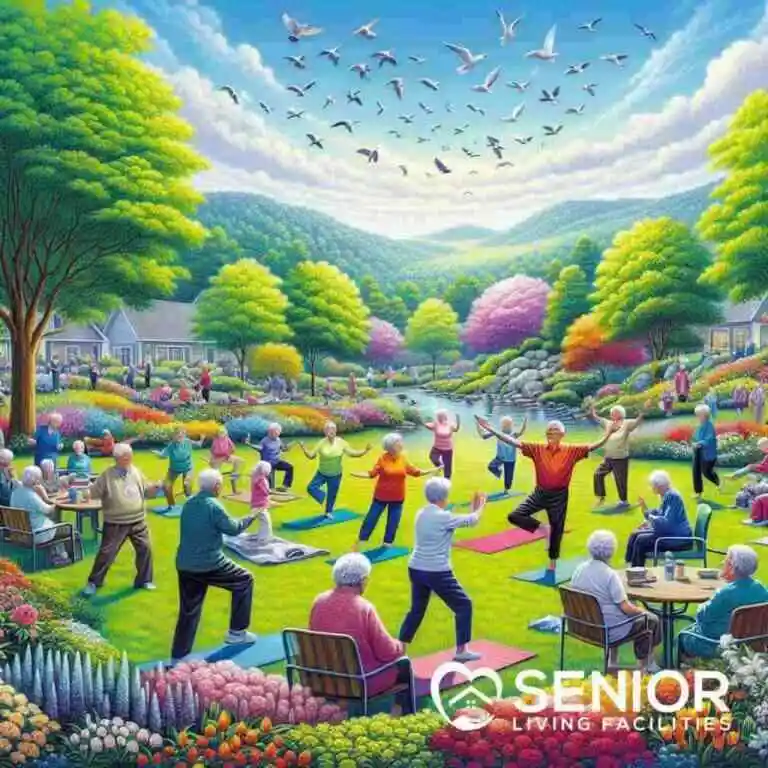
Optimal Memory Care Layouts in Senior Living Facilities
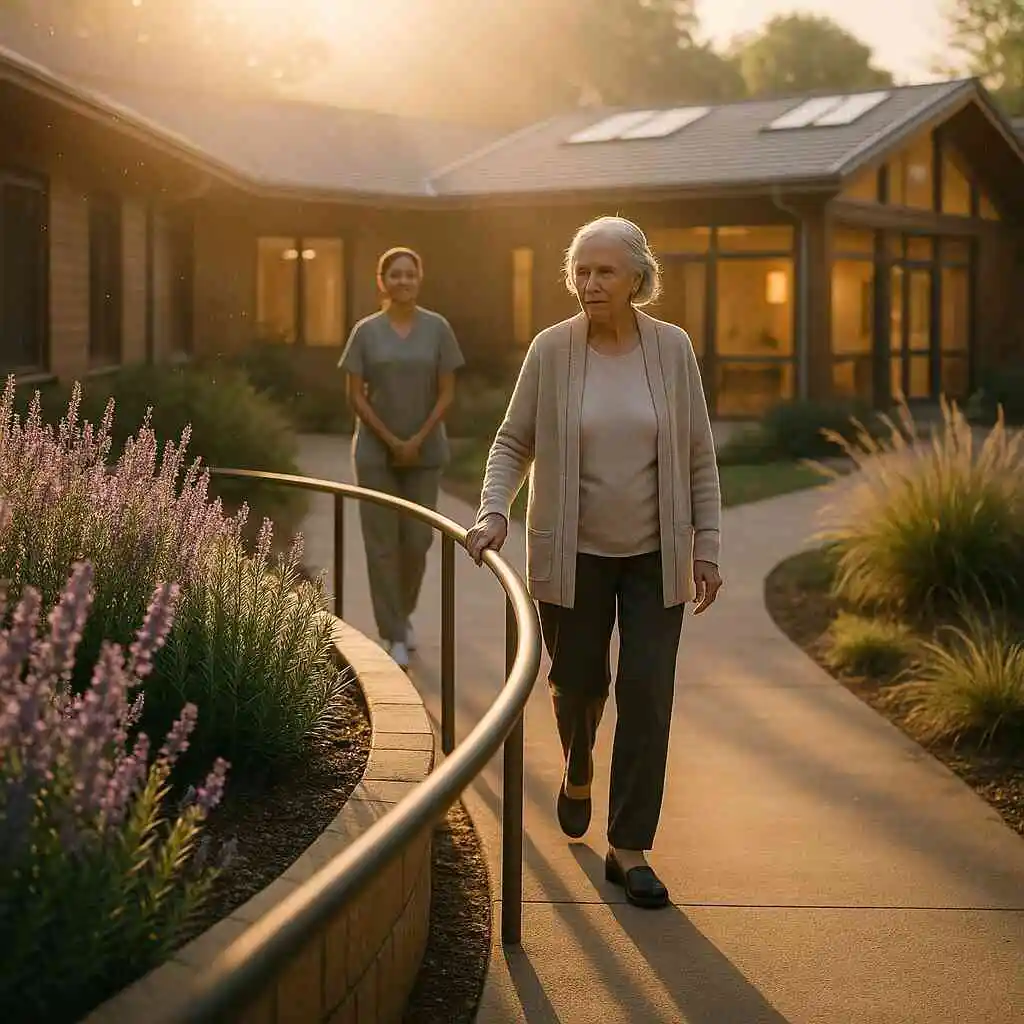
Welcoming Minds Home Through Purposeful Architecture
The evolution from institutional nursing homes for the elderly to human scaled senior living facilities
The traditional image of institutional nursing homes for the elderly-fluorescent corridors, identical rooms, and rigid schedules-has rapidly faded. Today’s senior living facilities prioritize warmth, autonomy, and community, shifting square footage away from nurse stations toward resident-centered experiences. Architects now favor household clusters that feel like familiar neighborhoods rather than medical wards, encouraging natural social connection among neighbors. Because design influences behavior, smaller “pods” reduce overstimulation and let staff personalize care without compromising safety. Consequently, a modern senior living facility now mirrors a welcoming midsized home while still delivering advanced clinical support.
Spearheading this change is a wave of innovative memory care design that marries aesthetics with evidence-based practice. Designers weave secure wandering paths, activity nooks, and adaptive lighting into spaces that look inviting, not institutional. These upgrades create dignified surroundings where seniors feel valued, and families feel assured that loved ones live in an environment built for thriving. Importantly, the new layouts still meet stringent regulations, proving that hospitality and compliance can coexist under one thoughtfully planned roof.
Why dementia friendly floor plans anchor dignity and autonomy
Residents with cognitive loss rely on environmental cues more than complex instructions, so a dementia-friendly floor plan becomes an invisible care partner. Clear sight lines and logical progression from private suites to activity zones reduce disorientation, lowering the need for intrusive redirection. Color contrast navigation at doorframes, handrails, and bathroom fixtures signals function without verbal explanation, empowering older adults to make independent choices. Indeed, autonomy blossoms when residents can locate the dining room, garden gate, or their own bed without continual assistance.
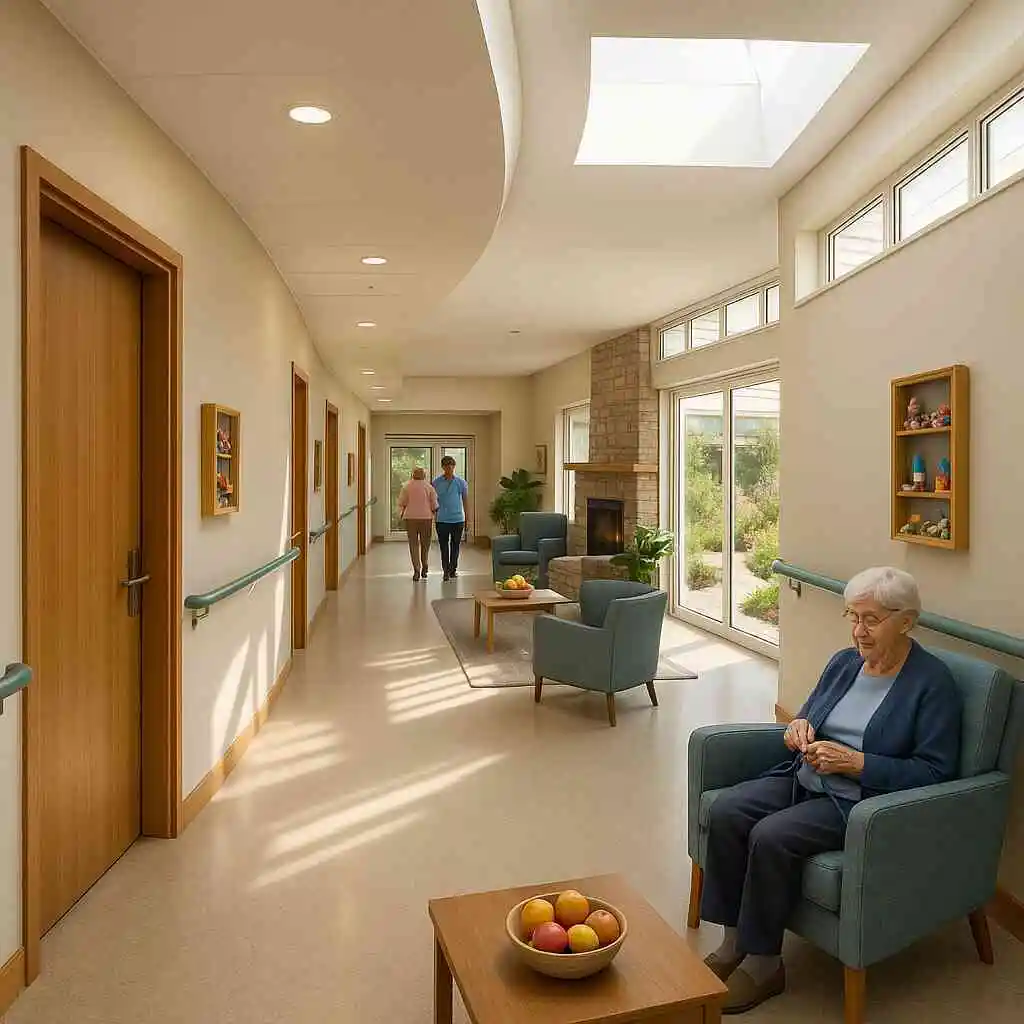
Equally important, memory care wing design integrates quiet zones that buffer overstimulation and support emotional regulation. Acoustic comfort, reduced fall risk flooring, and generous lighting attenuate common triggers of anxiety or agitation. By embedding these elements at the blueprint stage, communities minimize downstream modifications and maintenance. Families touring such a seniors living community instantly sense the calm flow, confirming that intelligent design can preserve dignity even as cognition changes.
Blending the small house memory care model with communities for seniors 55 plus
The small-house memory care model scales environments down to twelve or sixteen residents who share a domestic kitchen, living room, and porch. This intimate arrangement mirrors early home life, fostering familiar routines like setting the table or folding laundry, which in turn support activities of daily living. Moreover, staff members work within consistent assignments, deepening relationships and allowing a nuanced understanding of each resident’s preferences and rhythms.
Forward-thinking developers now embed several small houses inside larger communities for seniors 55+, creating tiered housing options for seniors under one campus. Such integration means couples with differing care needs stay close while enjoying age-appropriate amenities like fitness studios or art workshops. Prospective families can explore small house memory care options in California to see how intimate households coexist with larger communal resources. Ultimately, blending scales maintains social diversity while ensuring specialized dementia support remains uncompromised.
Neuro architecture for aging aligning design with cognitive science
Neuro-architecture applies brain science to the built environment, translating findings about perception, stress, and learning into concrete design decisions. For example, research shows that rhythmic ceiling patterns and evenly spaced windows help orient spatial memory, so architects incorporate those patterns into memory units. Likewise, exposure to varied textures-wood, fabric, stone-stimulates sensory processing that slows cognitive decline. Therefore, each structural choice aims to cue comfort and reinforce remaining abilities, not highlight deficits.
Several communities have embraced this science-forward approach, including trailblazing projects that showcase neuro architecture for aging in Colorado communities. These campuses deploy biophilic elements like water features and living walls to regulate cortisol levels, along with discrete technology tracking movement patterns to predict fall risk. Because innovations remain hidden within décor, residents feel at home rather than monitored. In short, neuro-architecture turns every hallway, window, and alcove into a therapeutic ally.
Creating homelike common areas that still support staff sightline optimization
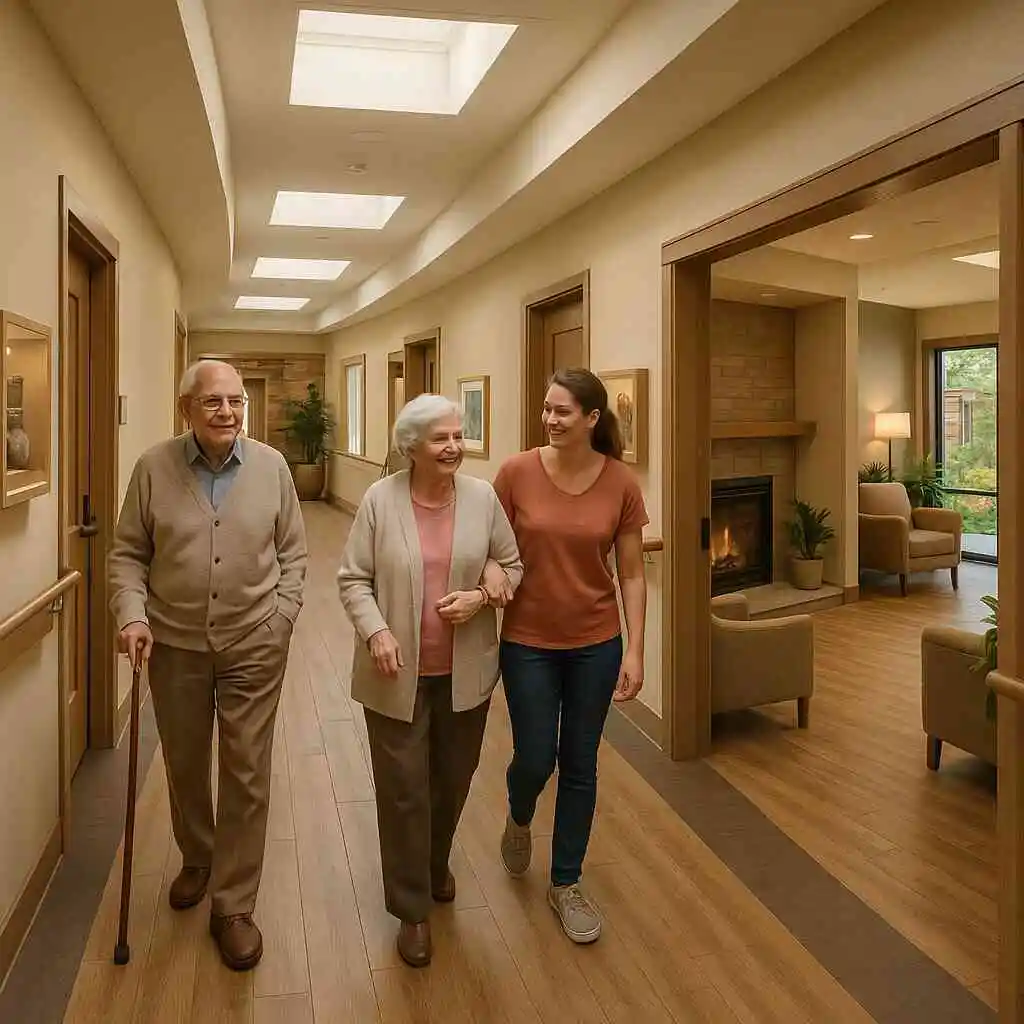
Residents deserve living rooms that invite them to linger, not lobbies that push them to pass through quickly. Therefore, designers select upholstered seating, fireplaces, and personal memorabilia shelves to cultivate a familiar atmosphere. At the same time, staff must discreetly observe for elopement risks or sudden health changes. Strategic furniture placement, half-height partitions, and angled corridors preserve unobstructed views without appearing clinical. This duality-cozy aesthetics paired with vigilance-defines successful homelike common areas.
Communities mastering the balance often draw inspiration from homelike common areas in Illinois assisted living, where designers integrate skylights, warm color palettes, and acoustic ceiling tiles that soften sound. By layering sensory comfort with sightline optimization, caregivers can spot a resident needing help while that resident simply feels at home. The result is a social hub where laughter carries, aromas of fresh cookies drift, and safety remains seamlessly built into every angle.
The Navigation Nexus Designing Intuitive Memory Care Wings
Circular corridor layout and secure wandering paths that reduce agitation
Residents with cognitive change often walk to self-soothe, so designers create a circular corridor layout that never ends abruptly. Gentle curves encourage rhythmic pacing, while visual landmarks reassure residents they have not lost their way. Teams add secure wandering paths in Texas senior living to illustrate how outdoor loops mirror indoor circles, giving purposeful destinations without risking exit. This combination lowers exit-seeking behaviors and supports dignity because staff redirect less and observe more. Families sense calm energy rather than frustration when corridors flow naturally.
Purposefully wide turn radii prevent crowding, and benches appear every fifty feet for rest. Clear, low-glare lighting keeps depth perception steady, an important part of memory care wing design. Handrails contrast with walls, guiding touch for extra orientation. By honoring movement as communication, communities transform potential agitation into healthy exercise. Circular planning therefore protects safety while respecting autonomy.
Color contrast navigation personalized shadow boxes and memory stations in hallways
Color contrast navigation helps a dementia-friendly floor plan speak louder than verbal prompts. Doorframes painted in warm tones stand out from cool corridor walls, signaling private territory. Bathroom doors use high-contrast decals, so residents locate essential spaces independently, boosting confidence in activities of daily living. Personalized shadow boxes outside each suite display favorite photos or quilt scraps, instantly confirming identity without demanding memory recall. These simple cues reduce staff interventions and enhance feelings of belonging.
Memory stations in hallways extend storytelling opportunities. Curated shelves hold vintage radios or sports memorabilia that spark spontaneous reminiscence sessions. Staff observe which items draw residents toward conversation, then tailor future programming around those interests. This interactive décor also doubles as a subtle wayfinding because distinctive displays mark specific zones. Together, color, texture, and biography weave an orientation network stronger than any arrow sign.
Wayfinding cues for seniors that integrate technology without overwhelm
Digital tools now complement traditional markers, yet balance is critical. Small e-paper screens outside suites flash names in large fonts during the daytime, switching to calming icons at night. Gentle motion sensors illuminate floor-level LED strips when someone rises, forming intuitive wayfinding cues for seniors and lowering nighttime fall risk. Importantly, devices hide cables and emit no beeps, avoiding sensory overload. Residents perceive helpful light, not daunting gadgets.
Community engagement hubs appear on touch tablets stationed near lounges. Icons depict today’s events in simple images, encouraging self-directed participation. Location trackers worn as jewelry feed secure dashboards, allowing caregivers to locate a resident quickly without constant shadowing. This technology-integrated memory care approach saves staff steps and preserves resident privacy. By blending analog familiarity with discreet innovation, designers create wings that feel friendly yet future-ready.
Acoustic comfort infection control surfaces and reduced fall risk flooring working together
Noise can spark agitation, so acoustic comfort in care homes begins with ceiling baffles and soft wall panels. Sound-absorbing materials drop decibel levels in corridors, letting residents hear staff cues clearly. Flooring selections then layer safety onto serenity. Reduced fall risk flooring offers slight cushioning plus contrasting borders that define walking lanes. Residents walk steadier because their eyes and joints receive consistent feedback.
Infection control surfaces join the ensemble. Seamless sheet vinyl curves up walls, removing dirt-catching seams while supporting easy disinfecting. Antimicrobial handrails further cut pathogen load without sacrificing warmth, thanks to wood-look coatings. Together, these elements meet rigorous senior living facilities safety design standards while delivering spa-like tranquility. Staff notice fewer slips, fewer infections, and more relaxed residents-a triple win for operational excellence.
Private suites in memory care side by side with quiet zones for Alzheimer’s residents
Privacy matters even when memory fades, so communities prioritize private suites in memory care wings. Residents personalize bedding, scents, and lighting scenes, reinforcing identity every evening. Adjacent quiet zones for Alzheimer’s residents serve as emotional sanctuaries when group areas feel loud. Soft earth tones, weighted blankets, and nature murals calm overstimulated senses within minutes. Because zones sit steps from bedrooms, transitions remain easy to navigate.
Room clustering follows small-house memory care model principles: eight suites share a hearth room rather than a long institutional hall. This micro-scale lowers noise and strengthens neighborly bonds. Staff sightline optimization remains intact through interior windows and angled doors, allowing observation without intrusion. Ultimately, the thoughtful pairing of solitude and community provides each resident with flexible control over social exposure, a cornerstone of long-term care memory units.
 Healing Horizons: Merging Nature, Light and Technology
 Healing Horizons: Merging Nature, Light and Technology
Natural light senior living strategies for circadian rhythm support
Many memory care architects treat daylight as medicine because consistent exposure recalibrates disrupted circadian rhythms common in dementia. Clerestory windows, skylights, and sun tunnels now replace harsh overhead fluorescents in resident suites. Daylight reaches deep into corridors, letting residents orient quickly without needing staff directions. Exposure also boosts serotonin, which can stabilize mood and reduce afternoon agitation. Communities emphasizing sunlight often report fewer sleep disturbances and higher participation in group activities. Families touring such wings immediately notice the warm, inviting glow rather than institutional glare.
For inspiration, planners review natural light senior living near New York projects that combine expansive glazing with energy-smart shading. Advanced daylight sensors adjust interior LEDs, maintaining balanced illumination when clouds move without confusing residents. Reflective ceiling coffers bounce rays downward, eliminating shadows that might appear like obstacles to aging eyes. Strategic paint colors support brightness by using soft neutrals with low-gloss finishes to minimize glare. Through layered lighting, designers respect circadian biology while promoting the homelike calm prized in every seniors’ living community.
Therapeutic garden access and outdoor courtyards for cognitive health
Green spaces act as restorative classrooms where residents relearn orientation skills by following fragrant herbs and distinct paving textures. Therapeutic garden access encourages purposeful walking, which improves cardiovascular health and stimulates appetite before mealtimes. Raised planters invite wheelchair users to touch basil, mint, and lavender without straining joints. Bird feeders, wind chimes, and seasonal flowers layer multisensory cues that spark reminiscence. Staff notice that agitation subsides faster outdoors because nature supplies gentle distractions impossible to replicate indoors.
Courtyards designed with looping paths connect directly to interior lounges, eliminating barriers between inside and outside worlds. This secure wandering path approach mirrors indoor circular corridors, reinforcing memory through repetition and familiarity. Canopies provide shade while diffusing glare, helping residents with cataracts or macular degeneration participate comfortably. Night-blooming jasmine offers a subtle fragrance during evening strolls, supporting safe movement after indoor lights dim. Overall, thoughtful outdoor courtyards transform passive viewing of nature into active therapy supporting cognitive health.
Sensory stimulation rooms and adaptive dining spaces that elevate engagement
Sensory stimulation rooms operate as customizable cocoons where lights, sounds, and textures adapt to individual thresholds. Fiber-optic curtains mimic twinkling stars, guiding deep-breathing exercises that lower heart rates. Weighted blankets and rocking chairs offer proprioceptive input, grounding residents who feel unsteady. Interactive projection floors let residents chase virtual butterflies, turning physical therapy into play. Staff calibrate each module quickly, ensuring overstimulation never occurs within the controlled environment.
Adaptive dining spaces extend sensory care to mealtimes, which often challenge people with advanced dementia. Contrasting plate colors help residents distinguish mashed potatoes from cauliflower, reducing frustration and discarded calories. Tables feature adjustable heights, welcoming wheelchairs and promoting proper posture to prevent choking. Soft acoustics dampen clanging dishes, letting diners focus on flavor rather than background disruption. Together, these dining innovations elevate engagement, nourish dignity, and support activities of daily living in dementia.
Technology integrated memory care from fall detection to digital community engagement hubs
Technology-integrated memory care now embeds intelligent sensors beneath reduced fall risk flooring to monitor gait changes. When stride length shortens, caregivers receive alerts on handheld dashboards, enabling early intervention before injury. Discrete ceiling cameras verify incidents without storing identifiable footage, meeting privacy standards while guiding quality improvement. Voice-controlled lighting responds to resident requests, empowering those with mobility limits to adjust environments independently. Collectively, these tools align with senior living facilities’ safety design goals and reduce liability concerns.
Digital community engagement hubs display daily events using large icons, encouraging self-initiated participation. Residents touch screens to join yoga or poetry clubs, reinforcing autonomy over leisure choices. Families upload photos remotely, which appear automatically on suite televisions, nurturing a continuous connection despite distance. Integration remains seamless because cable routing hides within millwork, preserving the homelike aesthetic. Guides like the memory care best practices guide outline procurement steps, ensuring evidence backs every tech purchase.
Designing for future flexibility in long term care memory units
Regulations, technologies, and resident profiles evolve, so designers embed flexibility within long-term care memory units. Moveable walls enable quick conversion from private suites to couple accommodations without costly construction. Ceiling grids support future lifts or sensors, ensuring structural upgrades proceed without disrupting daily routines. Mechanical systems use oversized chases, allowing new air purification technologies to slot in effortlessly. This foresight protects budgets and safeguards resident comfort as innovation accelerates across the senior housing landscape.
Flexible programming accompanies flexible space; activity rooms host art classes in the morning and support groups later. Modular furniture rolls aside, creating open zones for mobility device training or community town halls. Technology ports sit behind sliding panels, ready for future smart tech adoption without visible clutter. Because needs differ across states, architects consult assisted living layout tips in Ohio and beyond to anticipate variations. Ultimately, adaptable design empowers senior living near you to evolve gracefully alongside resident aspirations and regulatory change.
Blueprint to Belonging: Turning Optimal Layouts into Everyday Life
Assisted living facility layout tips that translate across all fifty states
Designers serving senior living facilities nationwide must juggle diverse codes without compromising resident comfort. One proven strategy is studying the overview of senior living models to extract elements that transcend jurisdiction. Clear circulation loops, non-glare finishes, and bathrooms positioned on the bed wall consistently meet regulators and delight residents. These core assisted living facility layout tips also reduce construction change orders because they anticipate accessibility from the outset. By grounding every sketch in universal principles, teams avoid costly retrofits later. Consequently, they serve as a backbone for consistent assisted living plans regardless of assisted living locations.
Genuine flexibility surfaces when planners cluster eight private suites around one shared hearth, mimicking a small-house memory care model. This domestic scale nurtures social bonds yet still permits staff sightline optimization through interior windows and angled corridors. Flooring transitions stay color-consistent, preventing depth-perception missteps that can trigger falls in unfamiliar wings. Furniture remains movable so therapy groups, movie nights, and family reunions can repurpose common areas quickly. These proportional moves travel from Maine to Hawaii, benefiting communities for seniors 55 plus nationwide.
Using an assisted living locator to discover senior living near me that embodies best practices
Families beginning a search often feel overwhelmed by the many housing options for seniors online. An assisted living locator streamlines the process by listing communities already aligned with proven design benchmarks. For example, families using our tool for finding dementia friendly communities in Florida can filter for circular corridor layouts. Instant side-by-side comparisons reveal which properties include therapeutic garden access or private suites in memory care. This clarity shifts your conversations from basic features to personal preferences and future aspirations.
Remember, geography should not dictate quality. Senior living near you can match the comfort of luxury coastal campuses when design principles remain consistent. Start by requesting floor plans, then overlay personal priorities like pet policies or proximity to grandkids. Reviewing documents together builds transparency and invites the prospective resident into decision making, enhancing autonomy from the outset. When everyone understands the rationale behind each wall, trust grows long before move-in day. Some families start with senior apartment rentals and later transition to enhanced care the locator already tracks.
Measuring outcomes reduced falls higher resident joy and lower staff turnover
Successful memory care wing design proves itself through numbers as well as smiles. Operators track incident rates with the safety metrics for dementia care environments to verify that reduced fall risk flooring works. Regular reviews compare pre- and post- renovation data, spotlighting which layout tweaks yield the greatest gains. When fall frequency drops, medication usage often declines, and residents participate more in group activities. Staff morale climbs because energy shifts from crisis response to purposeful engagement.
Joy, although subjective, can still be quantified. Surveys ask residents how easily they locate dining rooms or whether acoustic comfort in care homes feels improved. Consistent upward trends indicate that wayfinding cues for seniors truly support autonomy rather than merely decorate hallways. Likewise, turnover reports show decreased staff departures when sightline optimization reduces stress and workload. Data, empathy, and iterative design together build communities where everyone chooses to stay. Such transparency also reassures regulators that senior housing delivers real, not cosmetic, improvements.
Sustaining senior living facilities’ safety design through ongoing evaluation and upgrades
Optimal layouts are not set-and-forget blueprints; they breathe, adapt, and mature alongside resident needs. Many operators schedule annual audits that examine lighting levels, acoustic panels, and garden rail stability. During reviews, teams reference case studies such as outdoor therapy gardens in Arizona memory care to inspire high-impact refreshes. Fresh herbs planted beside walking loops reawaken senses and confirm the campus remains alive, not static. Continuous upgrades demonstrate commitment and reassure families considering long-term care.
Robust senior living facilities’ safety design also demands routine assessment. Passive sensors may drift out of calibration, and digital community engagement hubs require updated content to stay relevant. Scheduling predictive maintenance ensures that technology-integrated memory care supports rather than frustrates residents. Equally important, transparent reporting keeps regional regulators and families informed, reinforcing institutional credibility. In this virtuous cycle, feedback shapes design, and design sustains quality of life.
Frequently Asked Questions
 Frequently Asked Questions
Question: How can Senior Living Facilities help my family locate communities that feature the small-house memory care model and dementia-friendly floor plans?
Answer: Our assisted living locator lets you search senior living facilities in all 50 states, then filter for specific layout features such as the small-house memory care model, private suites in memory care, and dementia-friendly floor plans with color contrast navigation. We maintain detailed architectural data supplied by each senior living facility, so you can instantly compare how many residents share a domestic kitchen, whether rooms cluster around a hearth, and how staff sightline optimization is handled. Once you narrow down options, we connect you directly with the community or arrange a virtual walk-through so you can see firsthand how the design supports autonomy and dignity.
Question: What makes the circular corridor layout and secure wandering paths highlighted in Optimal Memory Care Layouts in Senior Living Facilities so effective, and how do I identify properties that use them?
Answer: A circular corridor layout eliminates dead ends, allowing residents with cognitive change to walk without getting stuck or agitated. When paired with secure wandering paths outdoors, the design channels natural movement into safe exercise rather than exit-seeking. Inside our platform, you can filter for communities for seniors 55 plus with memory care that list circular corridors, handrail contrast, and therapeutic garden access. Facility profiles also note if outdoor loops mirror indoor paths, ensuring consistency that reinforces spatial memory. Because we verify every claim against building plans and safety audits, families can trust that what they see online exists on the ground.
Question: Do the senior living communities you list incorporate adaptive dining spaces and quiet zones for Alzheimer’s residents to reduce agitation during meals and activities?
Answer: Yes. Many seniors living near you now integrate adaptive dining spaces with contrasting plate colors, adjustable tables, and acoustic comfort in care homes to minimize sensory overload. Quiet zones for Alzheimer’s residents sit adjacent to dining rooms, allowing a quick retreat when crowds or noise feel overwhelming. In each listing we flag reduced fall risk flooring under tables, infection control surfaces, and any sensory stimulation rooms that can be used before or after meals. You can even sort results by the presence of weighted blankets, nature murals, or private nooks so that every prospective resident’s sensory profile is respected.
Question: Can Senior Living Facilities guide us on senior living facilities safety design elements like reduced fall risk flooring, antimicrobial surfaces, and technology-integrated memory care?
Answer: Absolutely. Our comparison tool scores every long-term care memory unit on key safety metrics: flooring slip resistance, infection control surfaces, lighting levels, and the presence of discreet fall-detection sensors. Communities that excel in technology-integrated memory care-such as digital community engagement hubs or ceiling-mounted gait analytics-receive special badges so you can spot them quickly. During consultations our team explains how each feature aligns with senior housing regulations in your state, helping you balance innovation, budget, and personal preference with confidence.
Question: How does your assisted living locator compare to senior living near me on natural light strategies, therapeutic garden access, and other neuro-architecture for aging features?
Answer: We request daylighting and biophilic design data from every assisted living location we list. Profiles show window-to-floor ratios, presence of clerestory windows, and whether circadian lighting systems automatically adjust LED color temperature. You’ll also see photographs and measurements of outdoor courtyards for cognitive health-raised planters, looping walking paths, and shaded seating. If a community employs neuro-architecture for aging, like rhythmic ceiling patterns or multisensory memory stations in hallways, we note that too. With side-by-side comparisons, you can quickly choose the senior living facility whose natural light senior living approach and garden amenities best match your loved one’s lifestyle.
Admin
Expert contributor specializing in senior living care. Dedicated to providing families with clear, actionable advice.