
The Ultimate Guide to Senior Living in Your Community

Awakening to the New Era of Senior Living
From Nursing Homes to Senior Living Near Me: Tracing the Evolution
The story of American elder care began with nursing homes for the elderly tucked behind hospitals and churches. Over decades, expectations shifted toward vibrant senior living near me experiences that prioritize autonomy and purpose. Residents now seek communities where medical care, recreation, and social connection blend seamlessly. Platforms like our national senior living resources hub showcase this transformation, letting families witness options once unimaginable. The old stereotype of institutional hallways is giving way to coffee bars, art studios, and resident councils.
Today’s best senior living facility guide highlights environments designed for wellness rather than only convalescence. Architects incorporate natural light, sensory gardens, and energy-efficient smart apartments that support aging in place. Regulatory bodies also monitor safety regulations, ensuring every senior housing option meets rigorous standards. These advances empower older adults to view relocation as an upgrade, not a loss. The result is a cultural rebranding of aging, replacing isolation with community pride.
The Spectrum of Care: Independent to Long Term Continuum
A wide spectrum now exists, from independent living cottages to long-term care facility suites with 24-hour nursing. Understanding each rung helps families match current health with future possibilities. Our detailed difference between independent vs assisted living explains how daily activities, care plans, and staffing vary. In independent settings, residents handle most activities of daily living while enjoying maintenance-free lifestyles. Assisted living adds medication management and personal care, bridging independence and skilled nursing.
Continuum of care retirement communities bundle multiple service levels on one campus for lifelong security. Seniors can begin in a rental housing for seniors apartment, then transition internally if medical needs progress. Such designs reduce disruptive moves and preserve friendships. Financially, options range from refundable entrance fees to pay-as-you-go assisted living plans. Knowing the terms upfront guards against unpleasant surprises when health evolves.
Debunking Myths About Communities for Seniors 55 Plus
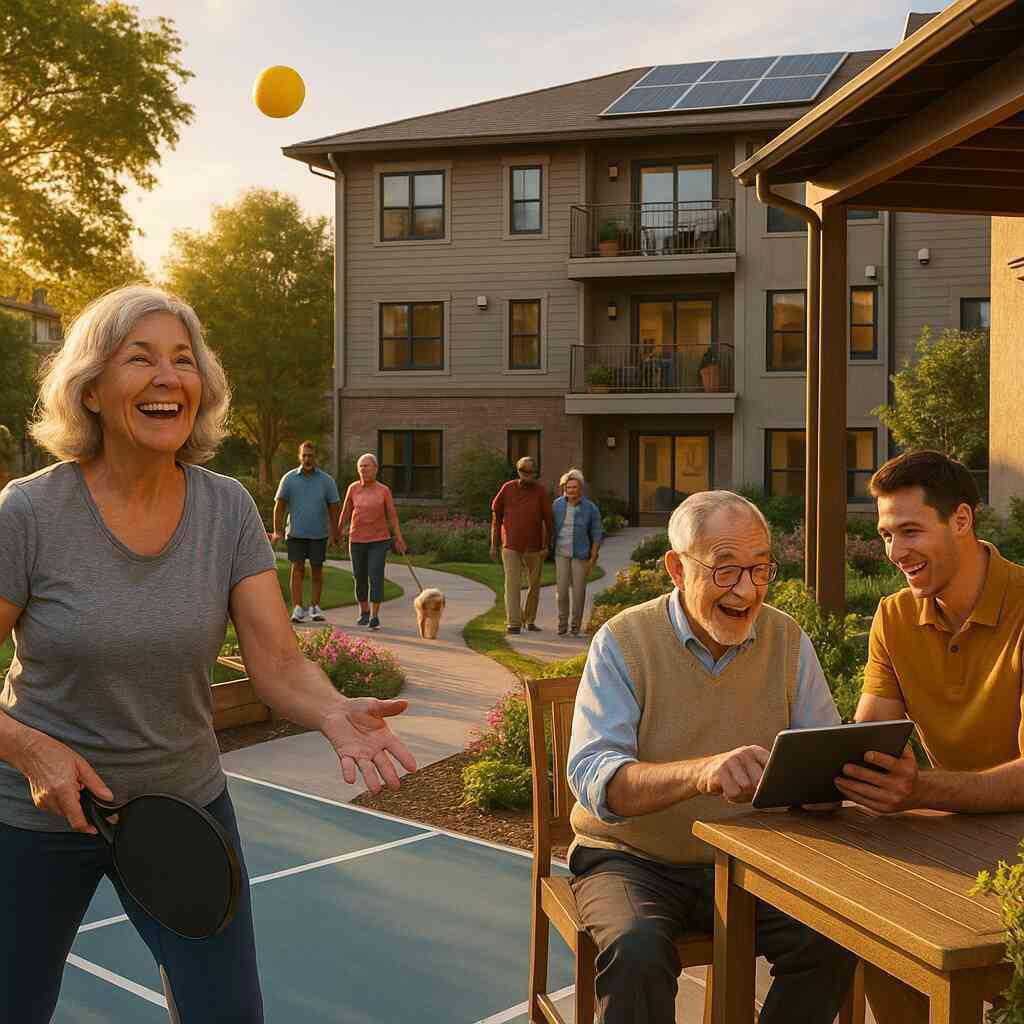
Many people believe communities for seniors 55+ are dull, restrictive, or prohibit visitors. Reality paints a different picture filled with pickleball tournaments, maker spaces, and intergenerational volunteer programs. Our unbiased review of 55 plus retirement communities reveals how resident governance shapes dynamic event calendars. Rules mainly protect quiet enjoyment, yet still allow grandchildren to sleep over and have festive gatherings. Far from monotone, these campuses celebrate diverse hobbies, faith practices, and lifelong learning.
Another misconception claims that such communities cost a fortune. Affordable housing options for seniors now span subsidized senior apartment rentals to moderate-income co-ops with shared gardens. Tax credits, veterans benefits, and local grants can further trim monthly fees. When comparing independent living and assisted living quotes, always examine what utilities, meals, and transportation are included. Transparent cost breakdowns extinguish sticker shock and spotlight overall value.
How Senior Living Facilities Empower Your Search Journey
Finding senior living facilities near me once meant flipping phonebook pages and scheduling countless tours. Our platform streamlines that process by searching senior living communities near your location in seconds. Simply enter a ZIP code to view pet-friendly, faith-based, and memory care options side by side. Interactive filters display assisted living locations, continuum campuses, or stand-alone senior apartment rentals with real-time availability. Personalized dashboards let families save favorites and share notes securely.
Beyond listings, users can request an assisted living locator consultation for tailored insights. Seasoned advisors explain medical care standards, safety features, and social engagement programs relevant to lifestyle goals. When readiness accelerates, families can contact experts on senior housing for negotiation tips and move-in checklists. By merging data with human empathy, Senior Living Facilities transforms an overwhelming decision into an informed, confident step toward thriving longevity.
Navigating the Senior Living Landscape Like a Pro Explorer
Comparing Independent Living and Assisted Living Essential Differentiators
Families often begin the journey by comparing independent living and assisted living because the distinctions steer every later choice. Independent living communities focus on lifestyle perks rather than clinical oversight. Residents enjoy freedom from yard work, yet manage their own medications. Assisted living facility settings add caregivers who discreetly help with bathing or dressing. This added support keeps residents safe without sacrificing dignity.
Evaluators should measure how many activities of daily living a senior completes reliably. That metric drives individualized assisted living plans and future long-term care facility considerations. Independent environments work when residents handle dressing, eating, and toileting alone. Once two or more tasks require routine help, assisted living becomes the prudent upgrade. Knowing these thresholds eliminates guesswork and prevents rushed moves later.
Memory Care Villages and Alzheimer’s Safe Havens
When dementia symptoms escalate, specialized Alzheimer’s and memory care locations offer structure beyond traditional nursing homes for the elderly. These villages mimic familiar neighborhoods, reducing confusion while encouraging movement. Secured walking paths let residents explore without wandering off campus. Calming color palettes and wayfinding cues promote orientation. Every design detail safeguards dignity while easing family anxiety.
Staff members receive immersive training in redirection techniques and behavior mapping. That expertise converts agitation into meaningful engagement moments. Programs might include music therapy, art classes, or nostalgic cooking sessions. Families benefit from remote monitoring dashboards that share wellness trends in real time. Combined, these services turn memory care villages into trusted sanctuaries within the network of senior living near you.
Pet Friendly and Faith-Based Options: Finding Your Tribe
For many retirees, a beloved cat or therapy dog feels like family. Pet-friendly senior living communities acknowledge that bond by weaving animal care into daily schedules. Designated walking trails, grooming stations, and on-site veterinarians support residents who cherish furry companionship. Research even shows lower blood pressure when residents interact with pets. Consequently, choosing a senior living community that celebrates animals can elevate health and happiness.
Spirituality also shapes identity, so faith-based senior housing options remain popular across communities for seniors 55+. Chapels, meditation rooms, and interfaith study circles foster belonging beyond weekly services. Residents may volunteer together, reinforcing purpose and social connection. Faith leaders often partner with clinical teams to address end-of-life questions compassionately. When pet and spiritual amenities align, new neighbors immediately feel like lifelong friends.
Urban Co-Housing and Rural Retreats: Emerging Models in America
Boomers who crave downtown energy are turning to urban senior co-housing alternatives that reinvent the apartment tower. Residents purchase private condos while sharing maker studios, rooftop gardens, and ride-share kiosks. Because neighbors design the bylaws together, governance stays resident-centric rather than corporate. These communities thrive near transit hubs, allowing car-free access to theaters and hospitals. Such synergy balances independence with instant mutual support.
Conversely, rural seniors living in America appeal to nature lovers seeking wide horizons and lower expenses. Converted farmsteads now operate as seniors living community clusters with greenhouse dining and hiking programs. Lower land costs translate into spacious cottages and larger dog parks. Yet telehealth suites and fiber internet keep residents connected to metropolitan specialists. Whether urban or rural, location choice should mirror personal rhythms and support systems.
Luxury Trends Versus Affordable Housing Options: Decoding Cost
Boutique developers continuously unveil luxury senior living trends that rival four-star resorts. Think saltwater pools, wine cellars, and concierge travel planning embedded inside each senior living facility. Fees remain high, yet consumers willingly pay for curated wellness and Michelin-inspired dining. Prospective residents can read the latest insights on senior living trends to judge which amenities justify the premium. By setting clear priorities, seniors avoid overspending on bells and whistles they may never use.
At the opposite end, affordable housing options for seniors leverage tax credits and nonprofit sponsorship. Rental housing for seniors often bundles utilities, meals, and transportation into predictable monthly rates. Prospective residents should start by comparing senior living package costs across nearby zip codes. Subsidized senior apartment rentals may even adjust rates according to Social Security income. Remember, financial transparency signals integrity and protects long-term well-being.
Energy Efficient Smart Apartments Technology That Cares
Energy-efficient senior apartments reduce utility bills while helping the planet. Solar panels power common areas, and motion-activated LEDs cut waste. Smart thermostats learn residents’ preferred temperatures, boosting comfort and safety. Water-saving fixtures also minimize slip risks by preventing overflow. Altogether, green engineering supports both fiscal health and environmental stewardship.
Beyond sustainability, technology advances in senior living facilities extend to health management. Voice-activated assistants remind residents to hydrate or stretch every hour. Wearable sensors transmit fall alerts to on-site nurses within seconds. Telemedicine suites allow neurologists to adjust medications without lengthy travel. As a result, seniors gain autonomy while families gain peace of mind.

Crafting Your Personalized Roadmap to the Right Community
Senior Living Facilities Near Me Using the Assisted Living Locator Toolkit
First, open the Senior Living Facilities locator and type your ZIP code. The algorithm immediately lists senior living facilities near me in map view. Filters then let you narrow results by assisted living plans, memory care, or independent cottages. Because the database spans all 50 states, you can effortlessly compare senior living near you with options in neighboring counties. This rapid overview prevents decision fatigue and keeps families focused on priorities instead of endless web searches.
Next, refine results by amenities and budget. Toggle menus display communities for seniors 55+ with dog parks, art studios, or bilingual staff. You may also sort by “senior living in the state of” to assess regional tax climates. The personalized dashboard stores favorites and tracks outreach dates. Ultimately, the toolkit transforms a daunting hunt into a data-rich, confidence-building experience.
Virtual Tours and On Site Walkthroughs: Creating a Sensory Checklist
Technology in modern senior living facilities now offers immersive 3-D walkthroughs. High-resolution cameras capture hallways, apartments, and common rooms from multiple angles. Pause the tour to inspect grab bars, appliance heights, or acoustic levels. Meanwhile, virtual tours of senior living near you allow families in different cities to review the same footage together. This shared viewing accelerates consensus and shortens travel schedules.
However, digital previews never replace on-site observation. During an in-person visit, create a sensory checklist for light, smell, noise, and staff friendliness. Speak with residents unannounced to gauge authentic satisfaction. Observe meal presentation and taste dishes if possible. Finally, the time to the distance from the elevator to the apartment is considered to ensure daily convenience.
Assessing Medical Care Standards and Safety Regulations
Evaluating clinical quality begins with licensure status and inspection reports. Ask for documented nurse-to-resident ratios during each shift. Confirm that caregivers understand the activities of daily living support protocols. While reviewing records, compare fall rates and infection control metrics against state averages. Transparent administrators will supply evidence without hesitation.
For a structured approach, download the quality of care checklist for senior housing and bring it along. The guide covers medication management, emergency response times, and staff training hours. Completing every item ensures no subtle danger goes unnoticed. Moreover, recording answers creates an audit trail useful for future reassessments. Safety diligence today safeguards health tomorrow.
Long Term Care Facility, Budgeting Medicare Medicaid and Veterans Benefits
Budget planning must start before any deposit. Request full fee schedules that outline base rent, care tiers, and ancillary charges. Comparing senior living package costs across providers highlights hidden fees such as tray delivery or second-person assistance. Always ask when annual increases occur and how they are calculated.
Next, investigate public programs. Medicare covers skilled rehab but rarely funds ongoing custodial care. Medicaid may assist when assets drop below state thresholds; eligibility rules differ widely. Veterans’ senior housing benefits can offset room and board for wartime service members. Finally, include a long-term care facility checklist that projects expenses five years ahead, ensuring financial stamina even if needs intensify.
Social Engagement Programs and Intergenerational Opportunities
Humans flourish through meaningful connection. Therefore, review each schedule for social engagement programs for older adults, not just bingo. Look for lecture series, volunteer partnerships, and cultural excursions. Active calendars signal management’s commitment to resident purpose.
Emerging intergenerational senior living models pair retirees with students or young professionals. Shared gardens, mentorship events, and tech tutoring sessions enrich all ages. Such designs combat loneliness while fostering mutual respect. When evaluating, ask how staff measure participation and adapt events to cognitive changes. A vibrant community culture often predicts higher overall satisfaction.
Downsizing Strategies and Relocation Logistics for Retirees
Decluttering decades of memories feels overwhelming, yet systematic planning eases the load. Start by creating three categories: keep, gift, and donate. Professional move managers can inventory belongings, photograph heirlooms, and arrange estate sales. Their expertise frees families to focus on emotional transitions rather than packing details.
Relocation logistics matter equally. Verify elevator reservations, parking permits, and pet transport rules weeks in advance. Rural seniors living in America may require specialized movers familiar with gravel driveways or narrow county roads. Conversely, urban high-rises necessitate strict loading dock schedules. Early coordination prevents moving-day chaos and protects treasured possessions.
Securing Tomorrow Today: A Forward Looking Conclusion
Anticipating Future Health Needs With Continuum of Care Contracts
Continuum of care retirement communities allow residents to lock in services before needs escalate. By signing a contract early, you guarantee priority access to assisted living plans and pricing, skilled nursing, and rehabilitation programs on the same campus. This structure removes the stress of comparing independent living and assisted living multiple times during later crises. Families can instead follow a unified long-term care facility checklist that tracks changing abilities and adjusts support tiers smoothly. The result is predictable budgeting and uninterrupted social engagement programs for older adults.
Equally important, continuum contracts clarify financial protections. They outline how Medicare and Medicaid coverage for senior living intersects with private pay obligations. Clauses also explain veterans’ senior housing benefits and refund policies if you relocate. Because the cost of senior housing in your state may shift annually, built-in inflation caps provide welcome stability. Forward planning today secures lifestyle quality tomorrow.
Leveraging Technology and Telehealth for Aging in Place
Smart innovations now extend professional care beyond community clinic walls. Wearable sensors transmit heart rhythms to nurses, and AI voice assistants remind residents to hydrate or stretch. These advances reduce hospital readmissions while supporting energy-efficient senior apartments that run on automated climate controls. For a deeper dive into emerging tools, explore the technology advances in senior living facilities analysis. Telehealth suites also connect specialists to rural seniors living in America, ensuring equal access regardless of zip code.
Technology further enriches daily experiences. Virtual tours of senior living near you make selection inclusive for distant relatives. Digital concierge platforms book exercise classes, aligning with top-rated communities for seniors 55+ that emphasize holistic wellness. Finally, electronic records integrate medical care standards in assisted living with pharmacy deliveries, closing safety gaps quickly.
Community Resilience Disaster Planning in Senior Housing
Extreme weather events demand proactive preparation from every senior living community. Robust generators, potable-water reserves, and evacuation partnerships safeguard residents during outages. Administrators routinely drill staff on safety regulations for senior housing, ensuring swift action rather than confusion. Pet-friendly senior living communities must also stock animal supplies and arrange specialty shelters so beloved companions stay protected.
Transparency builds trust. Managers share written emergency maps, contact trees, and transportation contingencies during town-hall meetings. They invite resident committees to review procedures, leveraging intergenerational senior living models where younger volunteers assist mobility-challenged neighbors. Continuous updates keep your community resilient and foster collective confidence.
Call to Action: Start Your Quest on SeniorLivingFacilities.com
Your journey toward secure, inspired aging begins with knowledge. Visit SeniorLivingFacilities.com and use our assisted living locator services to uncover senior living facilities near me that match future goals. Compare amenities, review affordable housing options for seniors, and bookmark contenders offering advanced telehealth or faith-based senior housing options. When questions arise, expert advisors stand ready to guide discussions about Alzheimer’s and memory care locations or urban senior co-housing alternatives. Take the first step now and transform uncertainty into a clear, confident plan for thriving longevity.
Frequently Asked Questions
Question: How do Senior Living Facilities help me compare independent living and assisted living options when searching for senior living facilities near me?
Answer: Our platform lets you enter a ZIP code and instantly see a side-by-side list of senior living facilities near you. Interactive filters label each community as independent living, assisted living, or continuum of care so you can compare floor plans, staffing levels, and daily activity calendars in seconds. We also display real-time availability for senior apartment rentals, show which assisted living locations include medication management, and supply downloadable checklists that clarify when a resident should move from independent to assisted living. This data-rich view removes guesswork and ensures families make informed choices faster.
Question: What tools does the Senior Living Facilities assisted living locator provide to evaluate costs and assisted living plans and pricing-including Medicaid, Medicare, and veterans’ senior housing benefits?
Answer: After you shortlist communities, our cost-comparison dashboard breaks down entrance fees, monthly rent, care tier surcharges, and any ancillary charges such as second-person assistance. A built-in calculator lets you plug in projected Social Security income, long-term care insurance, and VA Aid & Attendance stipends so you can see a five-year forecast. The locator also links directly to each state’s Medicaid waiver page and explains exactly what Medicare will and won’t cover inside nursing homes for the elderly or long-term care facility settings. By unifying public benefits with private pay details, we give you a crystal-clear picture of total out-of-pocket expenses.
Question: In The Ultimate Guide to Senior Living in Your Community, you highlight pet-friendly and faith-based options. How can I locate those specific amenities through your website?
Answer: On the results page, simply toggle the Pet Friendly or orFaith-Basedd checkboxes. The list will refresh to show only pet-friendly senior living communities equipped with dog parks, grooming stations, or on-site veterinarians, as well as faith-based senior housing options featuring chapels, meditation rooms, or interfaith study groups. You can even layer filters-for example, pet-friendly + assisted living + memory care-to isolate exactly the environment you want. Each listing includes photos, virtual tours of seniors living near you, and a downloadable amenities checklist so you know your beloved cat or spiritual practice can move with you.
Question: Can Senior Living Facilities support my transition from an independent apartment to a continuum of care retirement communities if my health needs change?
Answer: Absolutely. Many of the top-rated communities for seniors 55+ in our database operate on a continuum-of-care model. You can start in a maintenance-free independent cottage, then move internally to assisted living or skilled nursing when needed, all while keeping friends and familiar staff nearby. Our advisors help you review continuum contracts, confirm medical care standards in assisted living, and lock in future pricing caps. This proactive approach removes the stress of relocating again and secures predictable support for aging in place.
Question: What makes your database reliable for finding energy-efficient senior apartments and safe long-term care facilities that meet strict safety regulations for senior housing?
Answer: Every listing on SeniorLivingFacilities.com is sourced directly from state licensing boards, recent inspection reports, and verified owner submissions. We flag energy-efficient senior apartments that feature solar arrays, smart thermostats, and water-saving fixtures, and we publish the actual utility savings when communities provide documentation. For long-term care facilities, we display nurse-to-resident ratios, fall-rate statistics, and emergency preparedness scores. Our team audits data quarterly and removes any provider that fails to meet updated safety regulations. This rigorous curation means you can trust the communities you see to provide both sustainable living and high-quality care.
Admin
Expert contributor specializing in senior living care. Dedicated to providing families with clear, actionable advice.