
What Defines the Ideal Senior Living Location?
Opening the Map to Aging Well: Navigating the Quest for the Ideal Senior Living Location
How the vision of senior living near me has evolved
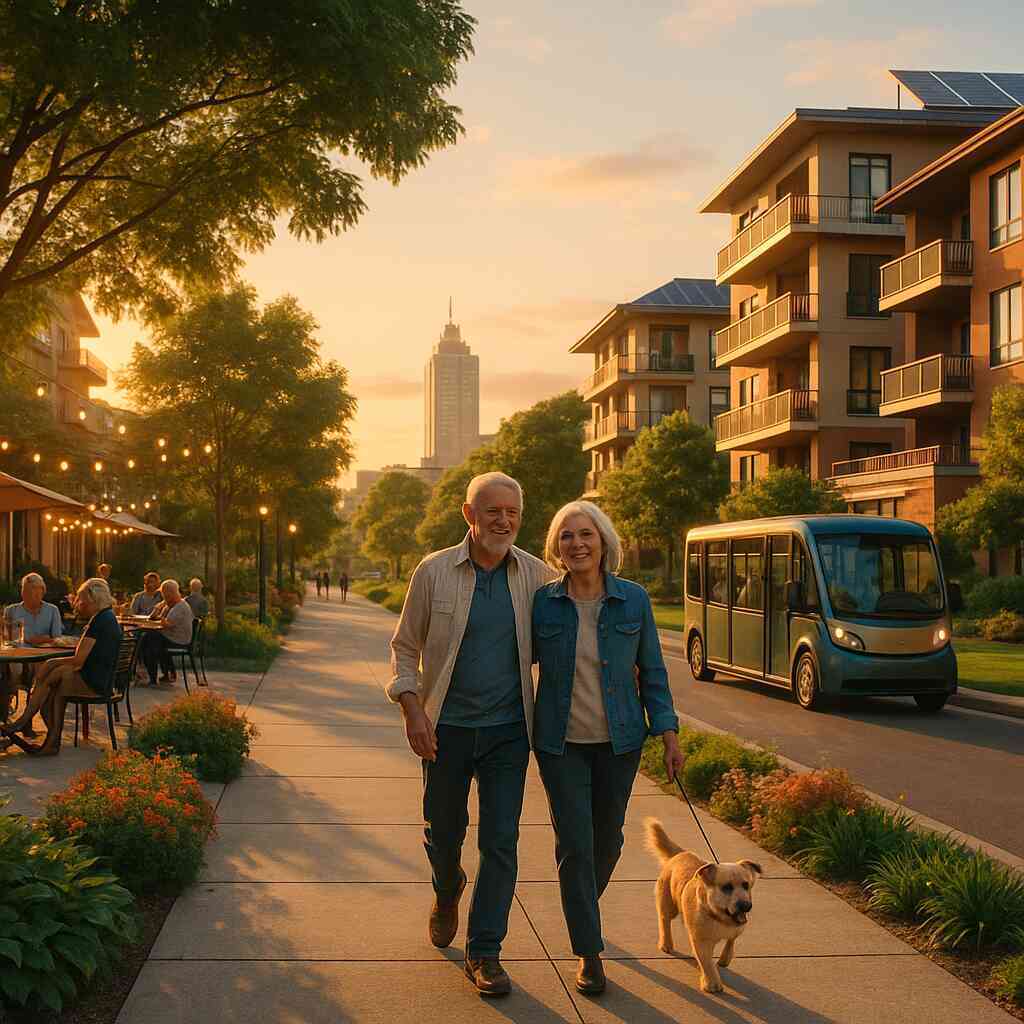
For many older Americans, the phrase senior living near me once conjured images of institutional hallways and rigid visiting hours. Today that vision is far more dynamic, embracing walkable senior neighborhoods, bustling cafés, and multigenerational plazas. Residents expect barrier free housing standards, on-demand transportation, and seamless connectivity with family. Digital search tools now make exploration effortless. A quick look at a comprehensive directory of senior living choices reveals hundreds of possibilities tailored to personal goals. The shift recognizes that longevity deserves environments that nourish creativity, purpose, and social connection instead of merely managing decline.
Families researching senior living facilities near me also recognize that preference evolves with age. A healthy retiree may prioritize vibrant communities for seniors 55+, yet still anticipate future continuum of care support. Planners therefore favor campuses offering independent villas, assisted living plans, and integrated memory care neighborhoods in one location. When weighing options, reading expert guidance on key factors when choosing senior housing helps filter hype from reality. Clear expectations regarding staffing ratios, cultural amenities, and monthly fees empower proactive decisions long before a crisis forces hurried moves.
Balancing independence with a continuum of care long term strategies
Balancing independence with escalating support needs begins with an honest assessment of daily routines. Older adults who manage cooking and medication independently often thrive in energy efficient senior residences designed for aging in place. Yet a fall or chronic disease can quickly increase reliance on activities of daily living support. Selecting a seniors living community that scales from independent apartments to licensed nursing homes for the elderly safeguards continuity. This structure prevents the emotional and financial stress that accompanies multiple relocations.
Modern assisted living locations incorporate telehealth suites, onsite rehab gyms, and visiting specialists, creating proactive rather than reactive healthcare models. Residents schedule virtual cardiology appointments without leaving the garden courtyard. Meanwhile, wellness directors coordinate safe walking trails and outdoor fitness classes for preventative strength. Families appreciate that such features lengthen the period when parents remain active and socially engaged. In turn, insurers notice reduced hospital readmissions, affirming the economic logic behind blended care environments.
Macro trends fueling age friendly community design nationwide
Macro demographic trends dominate headlines but also shape every blueprint drafted by senior housing architects. America’s diverse geography demands climate considerations for retirees, from coastal breezes to mountain air. Developers analyze hurricane zones, wildfire patterns, and heat indexes before selecting sites. They pair this research with low crime retirement areas and smart security to protect residents. Public grants further incentivize planning walkable residential communities that increase foot traffic and reduce isolation.
Municipalities competing for retirees invest in public transit access for seniors, age friendly streetscapes, and accessible cultural institutions. Transit agencies pilot on-demand shuttles routed by phone apps, synchronizing with community calendars. Parks departments seed native pollinator gardens adjacent to senior living near community colleges, encouraging intergenerational mingling during outdoor lectures. When these elements converge, they create ecosystems where older adults contribute, volunteer, and mentor. Such ecosystems redefine what an ideal senior living location truly means for America’s aging population.
Coordinates of Comfort Core Factors that Elevate a Senior Living Facility Locale
Walkable senior neighborhoods and barrier-free housing standards in practice
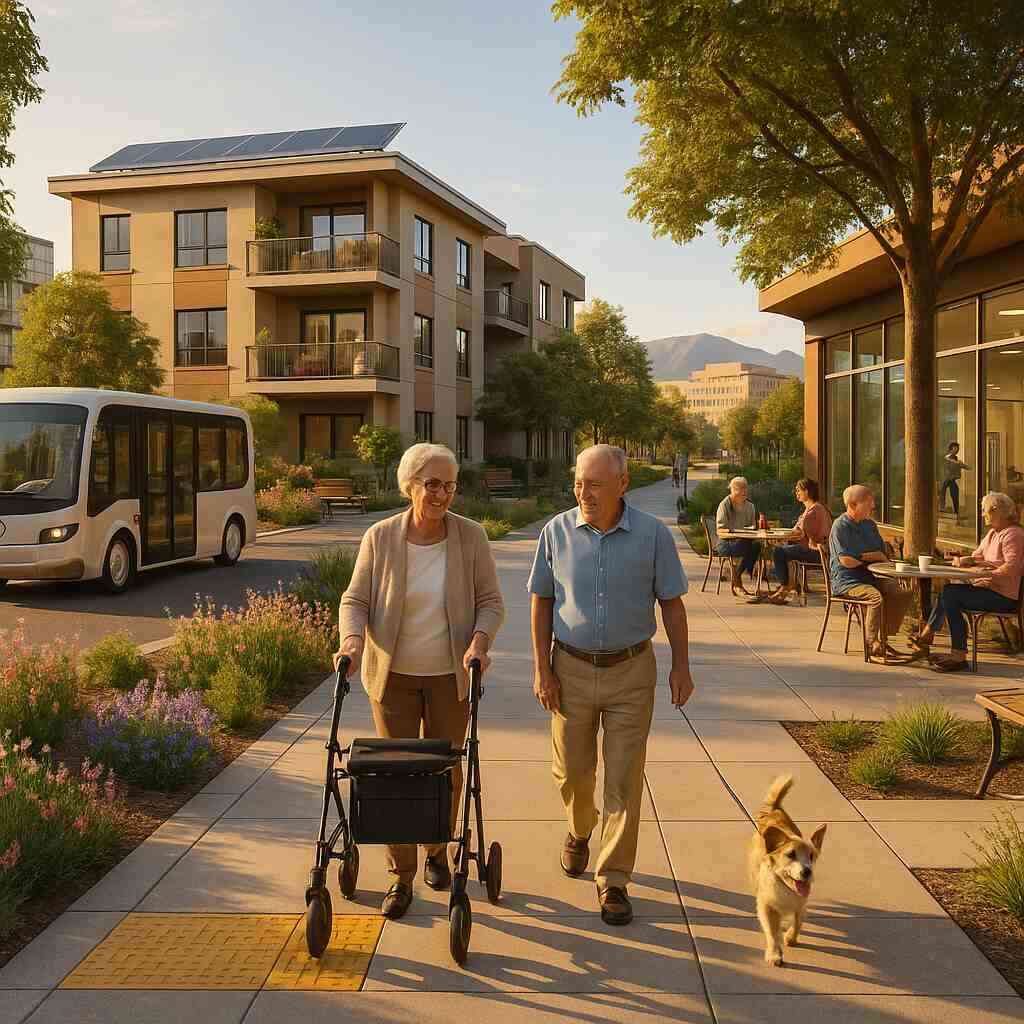
Thoughtfully planned, walkable senior neighborhoods do more than shorten the distance between a resident’s apartment and the community garden. They weave safe walking trails, well-lit sidewalks, and textured curb cuts into every block, ensuring barrier-free navigation for wheelchairs and rollators. When front doors open directly onto pocket parks and cafés, older adults can greet neighbors daily, boosting social connection and overall health. Developers now integrate universal design elements-lever-style door handles, zero-threshold showers, and adjustable countertop heights-as baseline features rather than luxury upgrades. These strategies collectively transform the abstract idea of an ideal senior living location into a lived reality of autonomy and ease.
Communities that champion inclusivity also collaborate with occupational therapists during construction reviews. Their feedback catches subtle hazards like glare on polished floors or poorly placed grab bars. Consequently, residents minimize fall risk while maximizing independence, postponing any transition to a higher level of care. Families touring such properties frequently remark that the environment “feels future-proof,” because it adapts gracefully as mobility changes. By emphasizing barrier-free housing standards early, a seniors living community preserves dignity and extends the years an older adult remains in an independent living residence before considering assisted living plans tailored to lifestyle.
Proximity to top medical centers and telehealth-ready assisted living locations
Convenient access to renowned hospitals ranks high when families compare senior living facilities near me. A nearby academic medical center offers advanced cardiology labs, cutting-edge oncology trials, and rapid emergency response-all critical for chronic condition management. Yet location alone is not enough; smart senior housing now embeds telehealth suites that bring those specialists into the resident lounge virtually. With encrypted high-definition screens and remote diagnostic devices, residents consult pulmonologists or neurologists without braving traffic or inclement weather, an advantage that directly supports aging in place.
Telemedicine integration also empowers on-site nurses to monitor vital signs proactively and coordinate treatment plans with external physicians. The seamless data flow reduces hospital readmissions while tightening the continuum of care that long-term care facility operators promise. Equally important, family members receive text updates and can join appointments remotely, reinforcing transparency. This synergy between brick-and-mortar excellence and digital reach defines telehealth ready assisted living locations as the gold standard for modern senior housing.
Climate considerations for retirees from coastal breezes to mountain air
Personal comfort and health outcomes often hinge on climate, making weather a decisive filter when evaluating senior housing. Humid coastal senior living facility options offer mild winters that soothe arthritic joints, while high-altitude mountain retirement communities in Colorado provide crisp air and lower pollen counts. Each environment demands different architectural responses: storm-rated windows on hurricane-prone shores or extra insulation for snowy elevations. Energy efficient senior residences use geothermal heating or solar arrays to stabilize indoor temperatures, keeping utility bills predictable for residents on fixed incomes.
Regional microclimates can even influence recreational programming. Desert climate senior housing in Arizona schedules morning pickleball before midday heat, whereas west coast senior apartments in California prioritize evening strolls along temperate promenades. Knowing these nuances helps retirees align personal wellness goals with local weather rhythms. As a result, the decision pivots from merely choosing a state to selecting a micro-region that harmonizes with individual health profiles and hobbies.
Low crime retirement areas plus integrated safety technology
Safety perceptions shape emotional well-being, so low crime retirement areas understandably top every checklist. Prospective residents analyze municipal crime maps, but visionary operators go further by layering smart security infrastructure throughout the campus. Discreet cameras equipped with motion analytics monitor hallways, while resident wristbands provide access control and instant location sharing during emergencies. These measures protect without feeling intrusive, preserving the community’s welcoming ambiance.
In addition, apartment sensors detect stove-top temperatures or prolonged bathroom occupancy, instantly alerting staff to potential danger. Pairing these tools with compassionate night patrols reassures families that their loved ones enjoy both freedom and a secure safety net. Such integrated technology complements traditional neighborhood watch programs and reinforces the brand promise of senior living facilities that prioritize resident peace of mind.
Public transit access for seniors and on-demand transportation services
Affordable, reliable transit extends a resident’s world beyond campus gates, fostering vibrant communities for seniors 55+. Properties located near light-rail stops or frequent bus lines enable spontaneous museum trips and volunteer shifts. Still, public transit access for seniors works best when supplemented by flexible services. Many campuses now partner with ride-hailing apps that offer discounted, wheelchair-accessible vehicles, ensuring last-mile connectivity even in suburban zones.
For individuals who prefer a single point of contact, internal concierge desks schedule shuttle outings to grocery stores, houses of worship, and parks. That convenience especially benefits residents who no longer drive but crave autonomy. Because choice matters, some communities provide a mobility wallet-an annual stipend residents can allocate toward taxis, ride shares, or paratransit. According to industry surveys, robust transportation services dedicated to elders correlate with higher satisfaction scores and lower reports of isolation. Therefore, when you begin to search senior communities near my location, pay close attention to transit versatility; it often determines whether the surrounding city truly becomes an extension of home.
 Beyond the Zip Code Lifestyle Enrichment and Social Connectivity
 Beyond the Zip Code Lifestyle Enrichment and Social Connectivity
Vibrant communities for seniors 55 plus with cultural amenities that inspire
A vibrant seniors living community should feel like a gateway to creativity, not a final stop. Theater troupes, maker studios, and pop-up galleries invite residents to share talent and explore new passions. Many senior living facilities now partner with symphonies and museums for discounted memberships, ensuring cultural amenities remain affordable. Local festivals also stream performances directly to community lounges, reducing mobility barriers. As a result, residents stay mentally sharp and socially engaged.
Destination programming thrives when staff listen to resident councils and co-create calendars. One month might feature salsa dance lessons; the next could highlight folk art from immigrant neighbors. These rotating themes cultivate inclusive, vibrant communities for seniors 55+, while reinforcing lifelong curiosity. When elders feel their interests shape the environment, satisfaction scores soar. Families notice the spark and trust the community’s commitment to purposeful living.
Green spaces for senior wellness including safe walking trails and outdoor fitness
Evidence confirms that daily nature exposure reduces stress hormones and improves cardiovascular health. Accordingly, modern senior housing weaves pocket parks, pollinator gardens, and shaded arbors throughout the campus. Safe walking trails feature slip-resistant surfaces, resting benches, and clear mile markers to encourage measured progress. Outdoor fitness circuits adapt to wheelchairs and rollators, enabling inclusive strength training. These thoughtful details transform passive lawns into therapeutic ecosystems.
Designers increasingly consult horticultural therapists when selecting native plants. Fragrant herbs stimulate memory, while colorful perennials attract songbirds that spark conversation. Scheduled tai-chi sessions occur at sunrise, leveraging calm light and cooler temperatures. Evening jazz concerts under pergolas close the daily loop, proving green spaces nurture both body and spirit. Combined, these elements elevate the standard for barrier free housing standards within senior living facilities.
Senior living near community colleges brings lifelong learning home
Proximity to a community college offers more than convenience; it fuels intellectual vitality. Residents audit history courses, join language circles, or explore 3-D printing labs alongside traditional students. Intergenerational dialogue flourishes, dismantling stereotypes and broadening perspectives on aging. Professors often reciprocate by hosting mobile lectures inside the seniors’ living community, ensuring accessibility for those with limited mobility.
Some campuses even issue joint ID cards that grant library privileges and cafeteria discounts. Flexible class schedules support varied energy levels, while shuttle partnerships guarantee reliable transit. Academic advisors tailor curricula to accommodate hearing or visual impairments, affirming inclusivity. This synergy turns senior living near community colleges into dynamic hubs where curiosity never retires and personal growth continues indefinitely.
Pet friendly senior apartment rentals meeting emotional health needs
Research links pet ownership to lower blood pressure, reduced loneliness, and increased daily movement. Consequently, pet friendly senior apartment rentals have become a deciding factor for many retirees. Communities now offer dog parks with agility features, indoor grooming stations, and pet-sitting cooperatives that operate during resident excursions. Clear guidelines balance hygiene, allergy considerations, and animal welfare.
Emotional support animals also integrate seamlessly when staff receive specialized training. Therapy dog visits bring comfort to residents unable to care for a full-time companion. Monthly “yappy hours” encourage socialization among pet owners, fostering natural conversation starters. These initiatives demonstrate how a senior living facility can translate policy into palpable emotional health benefits.
Energy efficient senior residences for cost savings and comfort
Utility costs often strain fixed retirement budgets, making energy efficiency a financial imperative. New builds incorporate geothermal heating, rooftop solar arrays, and triple-pane windows that lock in comfort. Smart thermostats learn occupant patterns, automatically adjusting temperatures to conserve power without sacrificing warmth. LED lighting paired with motion sensors further trims electric bills, enhancing affordability.
Sustainability measures also boost indoor air quality by reducing reliance on fossil-fuel combustion. Fresh air exchangers filter pollutants, benefitting residents with respiratory sensitivities. Communities proudly display energy dashboards in lobbies, educating residents about collective impact. Such transparency cultivates environmental stewardship, proving that cost savings and comfort can coexist harmoniously within senior housing.
Near family support networks leveraging small town charm and urban mixed use vitality
Geographic closeness to loved ones often outweighs luxury amenities when selecting a senior living location. Living within a short drive of grandchildren enables spontaneous weekend visits and shared milestones. Some families choose urban senior living options in New York for subway access and vibrant street life. Others prefer small town charm, where familiar shopkeepers greet residents by name, reinforcing belonging.
Mixed-use districts combine retail, healthcare, and housing, minimizing travel demands. Residents attend farmers’ markets downstairs, then meet family for brunch without coordinating complex logistics. Meanwhile, on-site guest suites simplify overnight stays, ensuring privacy for all generations. By blending proximity, convenience, and community character, senior living facilities help families sustain supportive, interwoven relationships.
Arriving at Home: The Decision Framework for Selecting Your Senior Living Destination
Cost of living analysis for retirees and affordable housing options for seniors
Start with a cost of living analysis for retirees to see how far fixed incomes truly stretch. Add Medicare premiums, supplemental insurance, and likely prescription co-pays to the worksheet. Affordable housing options for seniors vary widely, from subsidized apartments to market-rate cottages inside larger campuses. Compare entrance fees, ongoing service packages, and energy-efficient upgrades that reduce utility bills year after year. A structured worksheet like evaluating life in senior communities organizes these variables for practical comparison.
Regional taxes and insurance requirements can dramatically shift monthly housing budgets. Some retirees discover that southern retirement living in Florida offers homestead exemptions that offset hurricane insurance premiums. Others prefer the predictable utility rates inside mountain retirement communities in Colorado, where geothermal systems stabilize heating costs. Request pro-forma budgets from each senior’s living community and adjust them using your own spending patterns. When numbers align with lifestyle priorities, affordability becomes an empowering green light rather than a constraint.
Assisted living plans tailored to lifestyle plus integrated memory care neighborhoods
Modern assisted living plans tailored to lifestyle treat residents as individuals, not diagnoses. Flexible service tiers let active gardeners skip meal plans while receiving weekly housekeeping and medication reminders. That customization preserves autonomy while supplying essential activities of daily living support at the moment it helps most. Integrated memory care neighborhoods expand the model further by embedding secure gardens and specialized staff training within the same campus. Residents living with cognitive change join music sessions near independent peers, reducing stigma and strengthening community cohesion.
Architects design wayfinding cues such as color-coded hallways and scented corridors that gently guide residents toward bedrooms. Care teams use wearable devices to track hydration and sleep, alerting nurses before minor issues escalate. Because health data circulates across the continuum of care long-term care facilities, emergency interventions become rare. Families appreciate that loved ones remain on familiar grounds even if memory challenges progress. This stability nurtures emotional security, which research confirms can slow cognitive decline.
Using a senior living locator to compare nursing homes for the elderly with quality ratings
Online platforms streamline what once required cross-country travel and stacks of brochures. Entering a zip code into a robust senior living locator instantly presents curated lists of communities. Filters sort options by continuum of care, monthly cost, and specialized services such as dialysis coordination. Interactive maps also reveal which nursing homes for the elderly share borders with parks or libraries. These first impressions guide families toward deeper investigative steps.
Quality ratings published by Medicare and state agencies add evidence to the decision process. Look beyond star scores and examine infection control citations, staffing ratios, and resident turnover trends. Virtual tours augment statistics by showing hallway width, dining acoustics, and staff-resident interactions in real time. Whenever possible, schedule an unannounced visit during activity hours to confirm program vibrancy. Combining numerical benchmarks with on-site observations empowers confident, data-driven choices.
Next steps: Connecting with senior living facilities near you for guided support
Once preferences solidify, proactive outreach ensures availability in high-demand communities for seniors 55+. Begin by calling senior living facilities near you to discuss waitlists, deposit structures, and trial stays. Most intake advisers share digital brochures and schedule personalized campus tours within days. Take advantage of seasonal move-in incentives that include complimentary packing or reduced community fees. Such perks can lower transition stress while preserving precious retirement funds.
Remember that education teams at Senior Living Facilities act as neutral guides, not sales agents. They translate industry jargon into everyday language and clarify state regulations that affect contracts. Advisers also coordinate video conferences with multiple properties, saving families expensive travel. If you crave coastal breezes or desert vistas, counselors present regional snapshots alongside medical resource maps. With expert support, the pathway from research to move-in feels less like a maze and more like coming home.
Frequently Asked Questions
 Frequently Asked Questions
Question: How do Senior Living Facilities help me compare walkable senior neighborhoods and low crime retirement areas when searching for senior living facilities near me?
Answer: Our nationwide database flags every community’s walkability score, crime statistics, and barrier free housing standards so you can line-up options side by side. Simply enter a ZIP code and filter for walkable senior neighborhoods; the locator then overlays municipal safety data and shows which campuses feature safe walking trails and outdoor fitness circuits. Because we cover communities for seniors 55+ in all 50 states, you’ll instantly see which senior living facilities near you deliver both neighborhood strolls and peace of mind.
Question: In the blog What Defines the Ideal Senior Living Location? you mention proximity to top medical centers and telehealth ready assisted living locations; how can your platform ensure both?
Answer: Each listing on Senior Living Facilities indicates driving distance to the nearest hospital, the onsite presence of visiting specialists, and whether the community has telehealth suites or rehab gyms. You can even filter for telehealth ready assisted living locations, then click into a profile to view doctor-partnership details, nurse-to-resident ratios, and emergency response times. This means you no longer have to choose between a dream neighborhood and rapid access to care-our tools confirm which properties offer both under one roof.
Question: Can Senior Living Facilities guide me toward affordable housing options for seniors that still offer vibrant communities for seniors 55+ with cultural amenities?
Answer: Absolutely. Use the cost-of-living slider on our search page to set a monthly budget, then select amenities such as art studios, lifelong-learning programs, or pet friendly senior apartment rentals. The algorithm surfaces affordable housing options for seniors that match your price point without sacrificing the cultural spark highlighted in the article. We even display current move-in incentives-like waived community fees or complimentary transportation services dedicated to elders-so you can stretch retirement dollars further.
Question: What tools do you provide to evaluate assisted living plans tailored to lifestyle, including integrated memory care neighborhoods, within a continuum of care long-term care facility?
Answer: Every continuum of care long-term care facility in our directory comes with a downloadable service matrix that lists tiered assisted living plans, à-la-carte support options, and memory care program specifics. You’ll see whether a campus offers secure gardens, wearable safety tech, or scent-based wayfinding-all in one glance. Side-by-side comparison charts let you weigh these features against monthly fees, ensuring the plan you pick truly aligns with your lifestyle and future health needs.
Question: How does the Senior Living Facilities locator factor in climate considerations for retirees, energy efficient senior residences, and near family support networks?
Answer: When you begin a search, you can check boxes for climate preferences-coastal breezes, desert warmth, mountain air-along with sustainability features such as geothermal heating or rooftop solar. Our map then displays energy efficient senior residences in those microclimates, complete with estimated utility savings. A separate “family radius” filter highlights communities within a chosen mileage of loved ones, whether you crave small town charm for seniors or urban seniors living in mixed-use districts. In short, we align weather comfort, green design, and family proximity so your ideal senior living location feels like home from day one.
Admin
Expert contributor specializing in senior living care. Dedicated to providing families with clear, actionable advice.