What Senior Living Facilities Mean for Longevity Strategy
December 26, 2025
Reimagining Aging Blueprints
From longevity buzzword to daily blueprint
Longevity once lived in laboratory chatter and glossy magazine spreads. Today it shapes grocery lists, walking routes, and social calendars for older adults. The shift came when research clarified the impact on senior health and lifespan. Families realized that tangible habits, not futuristic pills, extend health-span. Senior living facilities translate this science into structured routines, giving residents concrete steps rather than abstract promises.
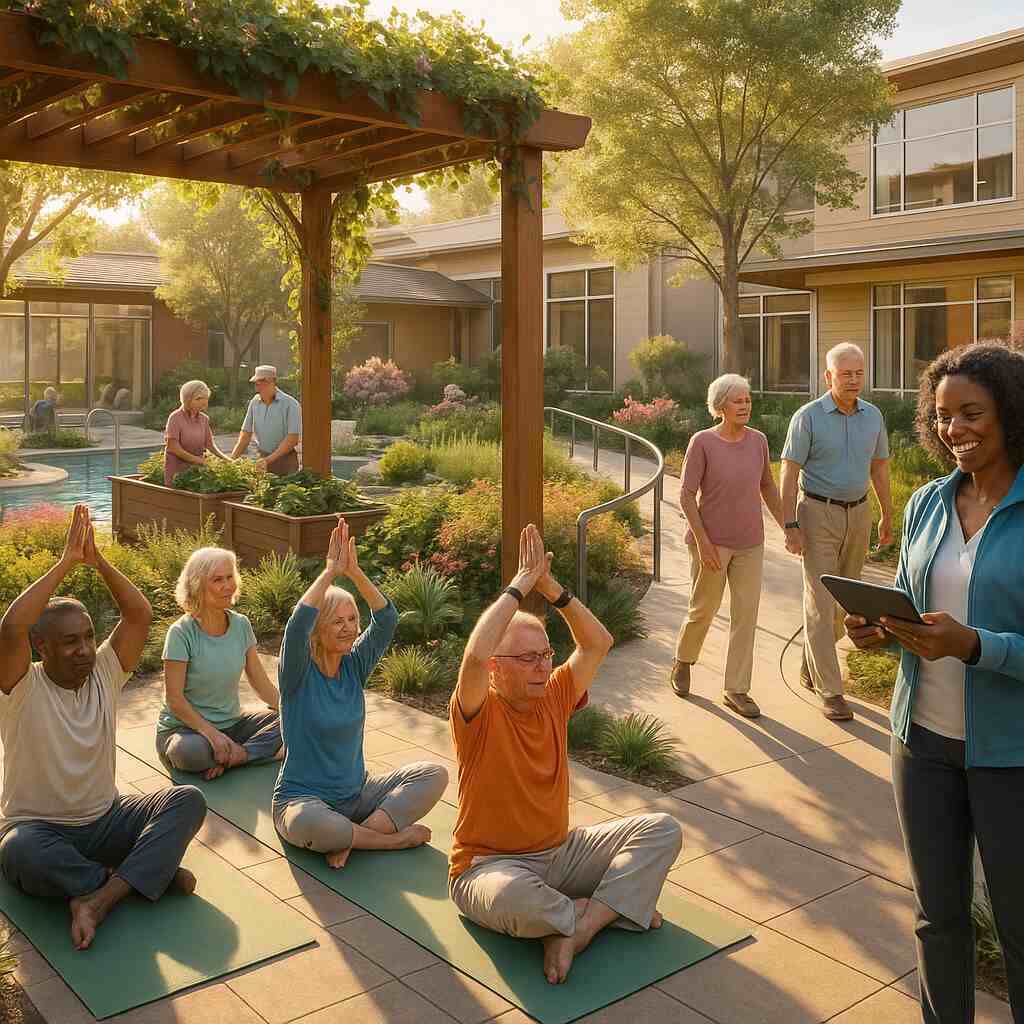
A senior living community turns theory into morning yoga, balanced menus, and meditation classes. On-site clinicians track biomarkers while wellness coaches adjust daily plans. Residents receive immediate feedback, reinforcing motivation. This continuous loop of assessment and action forms a practical blueprint. It demystifies longevity by weaving micro-choices into each hour.
Why senior living facilities outrank aging in place for holistic senior wellness
Many households admire the nostalgia of aging in place. Yet isolated settings rarely offer the coordinated touchpoints needed for holistic senior wellness. Communities built around holistic senior living solutions stack medical care, social engagement, and purposeful learning under one roof. This integrated model prevents gaps that often derail even the best intentions.
Within a senior living facility, preventive healthcare for seniors gets synchronized with emotional resilience training and restorative sleep initiatives. Residents attend cognitive vitality programs steps away from nutritious dining venues. Transportation barriers vanish, making adherence effortless. The result is a seamless wellness mosaic that outperforms fragmented home-based arrangements.
Integrating an active aging lifestyle into housing options for seniors
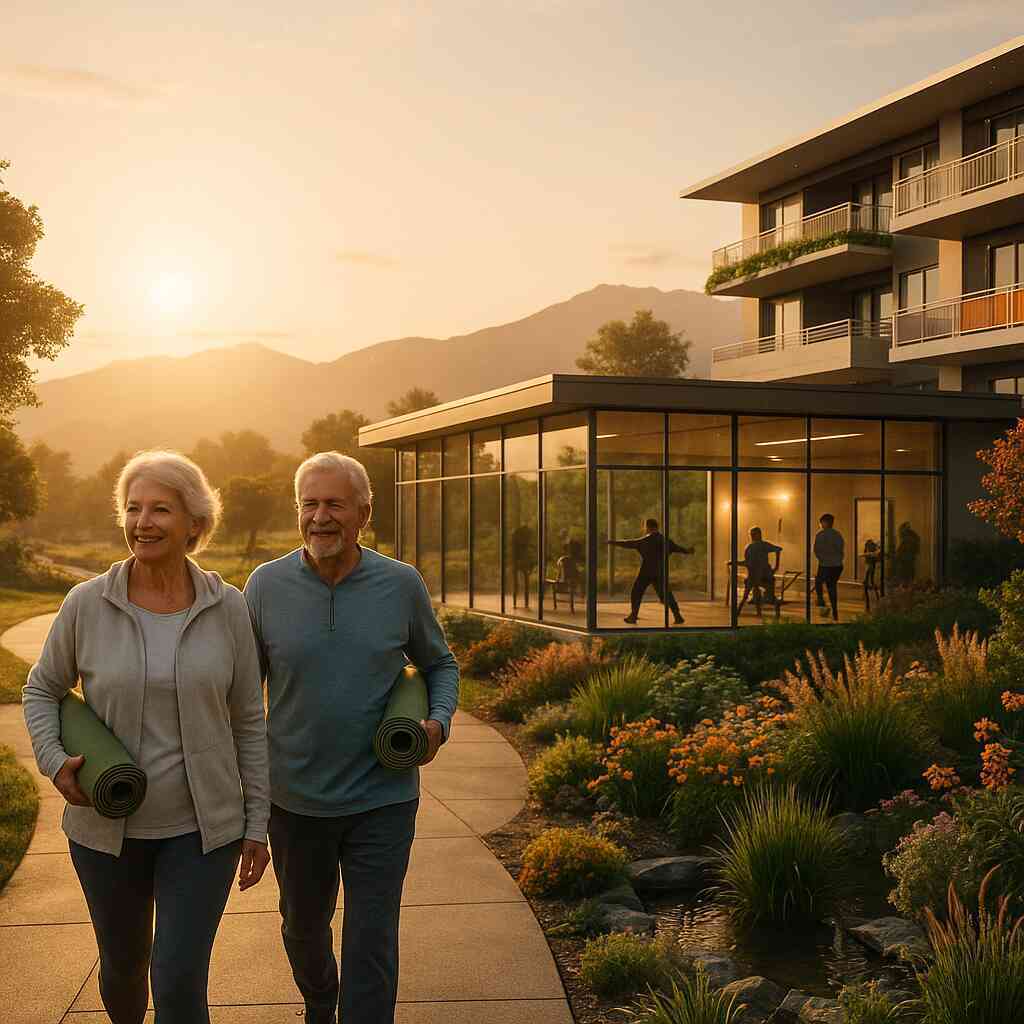
Active aging thrives on momentum. Communities design walking loops, pickleball courts, and art studios that invite movement at any hour. Choosing settings like active aging residences in Arizona lets retirees pair sunshine with expertly programmed fitness. Trained staff monitor gait speed and adjust classes, ensuring adaptive fitness for elders stays safe and engaging.
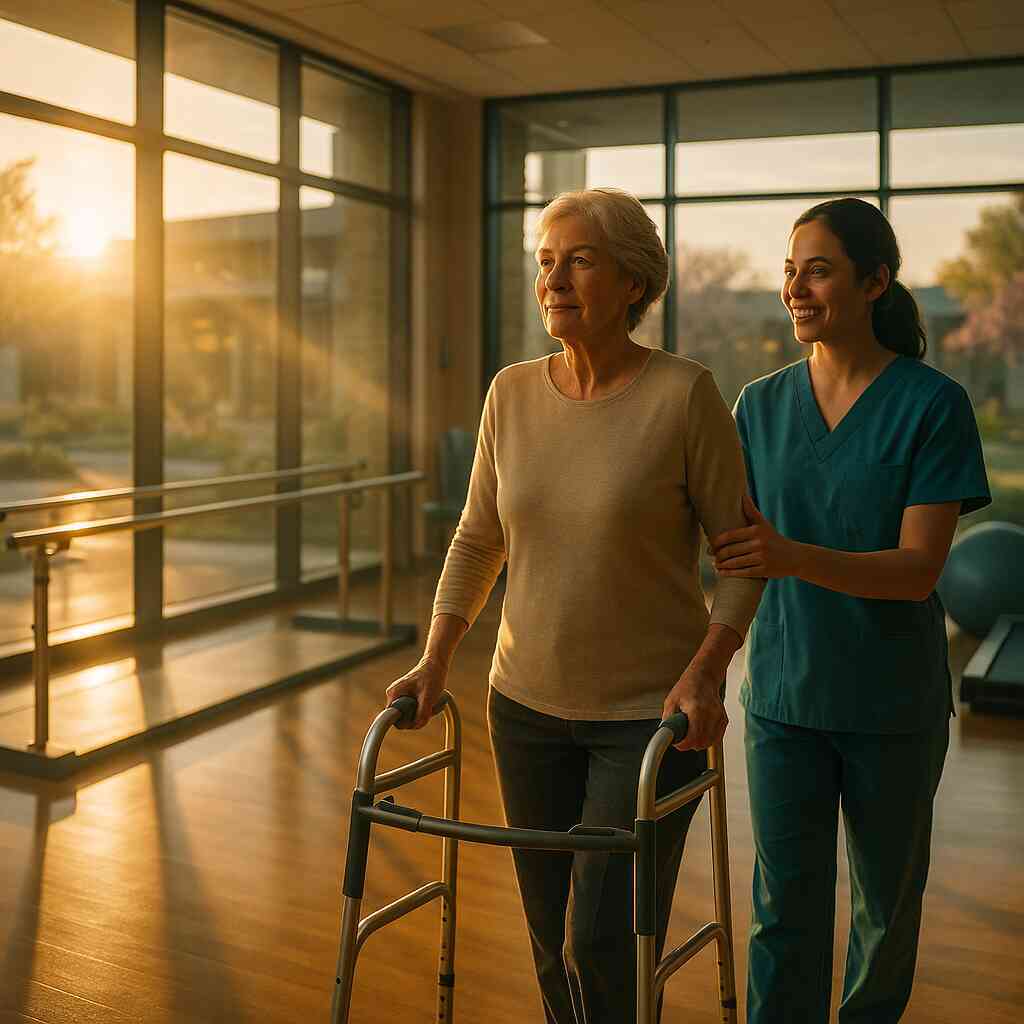
Housing options for seniors now include tech-equipped gyms, hydrotherapy pools, and nature trails that respect varying mobility levels. Residents access personalized care plans that blend strength training with balance drills for fall prevention protocols. Shared victories build camaraderie, further motivating participation. An active aging lifestyle turns into a shared community identity.
Debunking myths around senior living near me and independence
A common myth suggests that moving into senior housing sacrifices freedom. In reality these campuses expand choice. Using a platform that helps you locate senior housing options near you reveals suites with full kitchens, flexible meal plans, and customizable schedules. Residents dictate daily rhythms while enjoying a safety net of supportive services.
Another misconception claims that technology in assisted living locations breeds surveillance. Modern connected living models for older adults respect privacy while enhancing autonomy. Wearable sensors alert staff only when threshold signals are needed, not during ordinary routines. Voice-activated systems let individuals dim lights or summon transportation without waiting for help. Independence thus rises, rather than shrinks, inside today’s senior living environments.
The Architecture of Health-Span
Age-friendly architecture and biophilic senior housing design principles
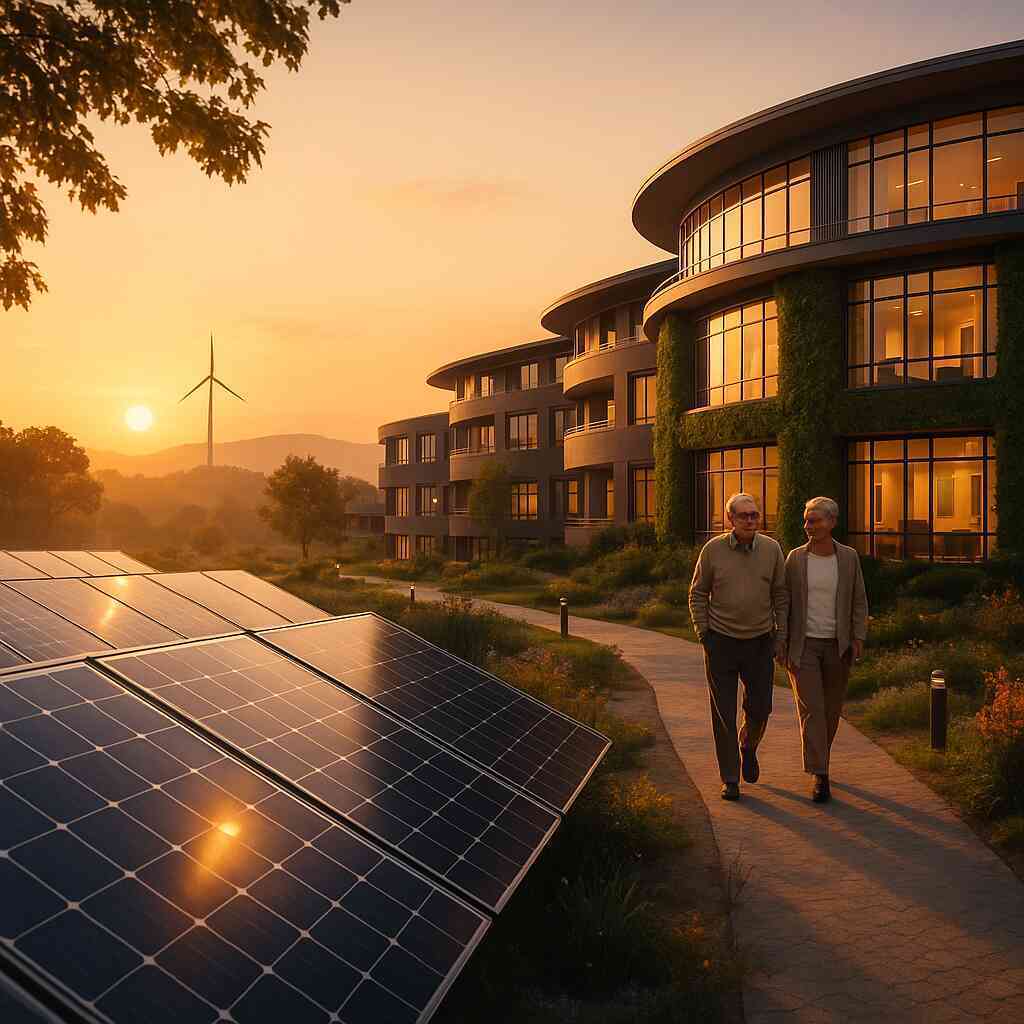
Design drives well-being more than most residents realize. Age-friendly architecture places grab-free thresholds, wide corridors, and glare-reducing surfaces throughout every senior living facility. These subtle choices cut accident risks while uplifting confidence. Biophilic design then layers in daylight, live plants, and soothing water walls that lower stress hormones. The result feels less clinical and more restorative, turning safety codes into holistic senior wellness.
Architects now collaborate with gerontologists when drafting communities for seniors 55+. Together they map sightlines that minimize disorientation and create alcoves for social encounters. Natural ventilation pairs with low-VOC finishes, protecting respiratory health. Outdoor courtyards align with walking loops, inviting micro-movement between meals. Each element reinforces a longevity strategy that fuses environmental psychology with practical aging science.
Blue zones inspired living within a continuum of care community
Global blue zones reveal habits that foster remarkable life spans. Designers replicate those habits by clustering kitchens, hobby studios, and gardens around communal plazas. Residents stroll rather than drive, weaving incidental exercise into daily routines. Plant-forward menus echo traditional Mediterranean fare, supporting preventative healthcare for seniors without feeling restrictive. Purpose is also embedded through volunteer clubs and mentoring programs.
The model thrives inside a continuum of care community because support scales without relocation trauma. Independent cottages sit near assisted living locations and, if ever required, a connected long-term care facility. Residents therefore preserve friendships across health transitions. Facilities modeled after longevity-focused communities in California demonstrate how seamless progression encourages residents to plan boldly, knowing safety nets stand ready.
Senior apartment rentals that support fall prevention protocols
Rental housing for seniors succeeds when each floor plan treats balance like gold. Non-slip flooring continues from bathrooms to balconies, erasing unexpected texture shifts. Lever handles replace knobs, lowering joint strain. Color-contrasting edges outline steps and counter corners for aging eyes. These features integrate quietly, allowing décor freedom while honoring clinical guidelines.
Senior apartment rentals inside a seniors living community gain additional safeguards through real-time analytics. Discreet sensors assess gait speed and send early alerts to wellness teams. Residents then receive targeted balance coaching before a stumble occurs. Coordinated action between property managers and clinicians illustrates how housing options for seniors can actively intervene rather than merely react.
Dementia-friendly design tweaks that boost cognitive vitality
Memory care suites leverage evidence-based tweaks to sustain orientation. Personalized shadowboxes outside doors display family photos, guiding residents back home. Circular floor plans prevent dead ends that trigger agitation. Calming color palettes distinguish bathrooms from bedrooms, reducing nighttime confusion. Each spatial cue forms part of a comprehensive assisted living plan devoted to cognitive vitality.
Beyond private rooms, shared kitchens offer familiar aromas that spark recall and appetite. Multi-sensory gardens feature textured walkways and herb planters for tactile therapy. Staff can adapt the environment quickly; movable dividers convert large halls into intimate nooks during sundowning episodes. Such flexibility positions nursing homes for the elderly as supportive memory landscapes rather than institutional corridors.
Outdoor and indoor spaces engineered for adaptive fitness for elders
Adaptive fitness for elders demands year-round opportunity. Climate-controlled walking tracks encircle libraries, ensuring mobility even during storms. Resistance bands anchor along corridors, encouraging micro-workouts between activities. Outside, adjustable handrails line graded pathways, welcoming both wheelchairs and power walkers. Integrated shade structures maintain safe temperatures, keeping dehydration risks low.
Group movement thrives when facilities provide varied venues. Pickleball courts sit beside meditation decks, illustrating that cardiovascular and mindfulness goals coexist. A certified wellness coach analyzes individual mobility metrics, then schedules tailored sessions in water therapy pools. Residents notice measurable gains yet feel like participants, not patients. For families searching for “senior living near me,” such dynamic design signals a vibrant lifestyle rather than mere accommodation.
 Whole Person Wellness Ecosystems
 Whole Person Wellness Ecosystems
Personalized care plans and chronic disease management
Personalized care plans anchor every reputable senior living facility because no two residents share identical health histories. Clinicians begin by gathering biometrics, medication lists, and lifestyle goals during admission. They then craft integrated roadmaps that align medical protocols with hobbies, religious preferences, and social aspirations. This precision allows chronic disease management to feel empowering rather than restrictive, transforming glucose checks and blood-pressure monitoring into routine victories. Families appreciate that such vigilant oversight reduces emergency transfers and preserves independence within the seniors’ living community.
Care teams meet weekly to refine each plan as new data arrives from on-site diagnostics or telehealth reviews. Dietitians coordinate with physiotherapists, ensuring heart-friendly menus match prescribed mobility exercises. Pharmacists synchronize refills across assisted living locations, preventing dangerous overlaps. When metrics signal escalation, residents transition smoothly to a connected long-term care facility within the same campus, avoiding disruptive moves. The system mirrors best practices for whole-person elder health and keeps quality of life front and center.
Nutritious dining for longevity as preventative healthcare for seniors
Dining rooms inside modern senior housing resemble culinary classrooms where every plate teaches longevity science. Chefs build menus around Mediterranean and DASH principles, emphasizing colorful produce, lean proteins, and heart-healthy fats. Residents learn why turmeric reduces inflammation while savoring fragrant lentil stew. Interactive kiosks display micronutrient profiles, turning mealtime into an engaging lesson rather than a passive ritual. Such transparency nurtures agency and supports preventative healthcare for seniors without feeling prescriptive.
Nutrition teams also honor cultural diversity, offering regional specialties that respect lifelong food memories. Low-sodium pozole, gluten-free pasta primavera, and plant-forward gumbo sit side by side, encouraging adventurous palates. Dietitians adjust carbohydrate counts for diabetes control and swap textures for dysphagia management. When residents opt for senior apartment rentals with full kitchens, they can still join community cooking workshops for reinforcement. These offerings surpass what isolated aging in place can provide, underscoring the unique power of senior living facilities.
Emotional resilience training and restorative sleep initiatives
Longevity research links mood regulation with reduced cardiovascular risk, so emotional resilience training now appears on weekly calendars. Licensed counselors lead small groups through mindfulness drills, gratitude journaling, and evidence-based cognitive behavioral strategies. Sessions normalize discussions about grief, purpose, and life transitions, replacing stigma with solidarity. Residents leave with practical tools for defusing stress, which in turn modulates cortisol and supports immune health. The approach treats mental wellness as essential, not optional, for successful aging.
Parallel sleep initiatives target another overlooked pillar of holistic senior wellness. Circadian-friendly lighting dims gradually at dusk, and bedroom thermostats default to sleep-optimized temperatures. Yoga-nidra classes teach relaxation techniques that shorten sleep latency. Wearable devices track overnight movement so staff can flag apnea concerns early. By combining mindset coaching with restorative rest, the seniors living community constructs a 24-hour shield against chronic disease progression.
Intergenerational engagement and senior social connectivity
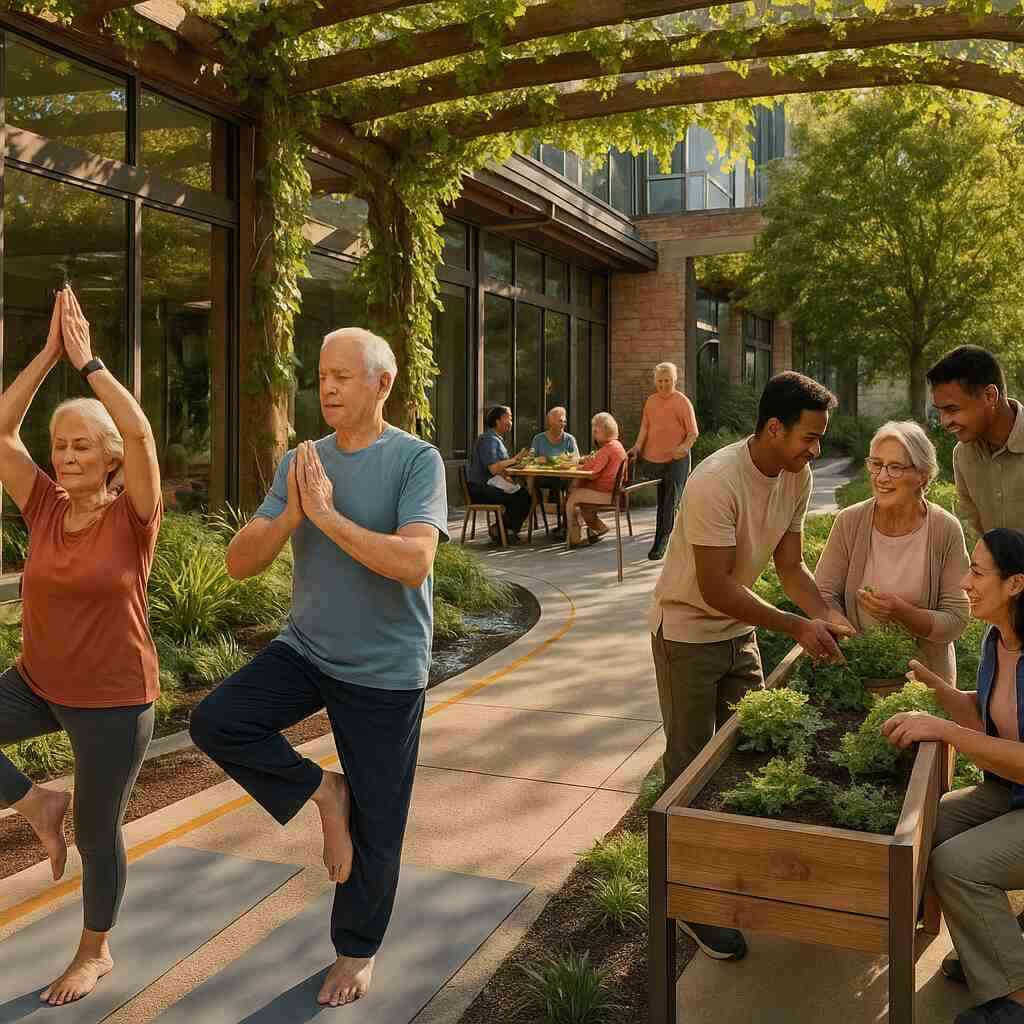
True wellness ecosystems extend beyond medical charts and menus; they flourish through vibrant relationships. Communities for seniors 55+ now partner with nearby schools and youth clubs to host joint art projects, coding workshops, and storytelling circles. These encounters spark mutual learning and dismantle age stereotypes, enabling residents to mentor while absorbing fresh perspectives. Studies show such intergenerational engagement improves executive function and lowers loneliness scores, both critical for cognitive resilience.
Within the campus, architects position coffee bars and maker spaces along common pathways, prompting spontaneous conversations. Monthly “Skill Share” fairs let residents teach quilting or financial literacy to neighbors and visiting families. The consistent buzz defeats isolation that often plagues stand-alone housing options for seniors. Relatives searching “senior living near me” quickly notice the palpable community energy, realizing that connectivity here is engineered, not accidental.
Cognitive vitality programs and lifelong learning studios
Cognitive vitality programs wield neuroplasticity like a muscle-building routine, challenging brains through progressive complexity. Residents start with language apps, then graduate to strategy games and virtual reality travel excursions. Certified brain fitness trainers track progress, adapting modules to prevent frustration. Results appear in sharper reaction times and enhanced memory recall, reinforcing confidence in daily tasks. These structured offerings far exceed the sporadic puzzles available in many nursing homes for the elderly.
Lifelong learning studios complement digital exercises with tactile exploration. Residents enroll in watercolor technique, genealogy research, or introductory robotics-each course spanning several weeks to foster mastery. Partnerships with nearby universities provide guest lecturers and accreditation options. Success stories circulate during communal dinners, inspiring newcomers to enroll. This intellectual stimulation pairs beautifully with physical fitness regimens, proving that a continuum of care community nurtures mind and body together.
Wellness coaching for older adults synced with assisted living plans
Individual wellness coaches act as navigators, translating ambitious health goals into doable weekly actions. They analyze data from mobility analytics, diet logs, and sleep trackers, then host one-on-one meetings to celebrate wins and troubleshoot obstacles. Because the coaching platform integrates directly with assisted living plans, caregivers receive real-time updates and can modify support levels instantly. This closed loop eliminates gaps between vision and execution, accelerating progress.
Coaches also clarify marketplace options, whether residents crave rental housing for seniors in a warmer climate or prefer aging in the state of their grandchildren. Using the Senior Living Facilities assisted living locator, they compare amenities, costs, and clinical capabilities across senior living near you. The guidance empowers families to choose environments that align with evolving wellness trajectories. Ultimately, synchronized coaching ensures every resident’s longevity strategy stays both personalized and adaptable.
Smart Care Continuum
Telehealth monitoring services embedded in assisted living locations
Telehealth now operates as the digital heartbeat of many senior living facilities. Clinicians receive real-time vitals from wearable devices, so minor anomalies trigger immediate outreach rather than hospital trips. Residents appreciate that video consultations happen in familiar lounges inside their assisted living locations, which reduces anxiety and travel fatigue. Family members join virtual appointments, ensuring a unified understanding of treatment changes. Consequently, preventive healthcare for seniors becomes proactive, not reactive, within the seniors’ living community.
Stakeholders also value the data trail that telehealth produces. Trend lines reveal whether medication schedules align with blood-pressure stability, and dietitians can correlate glucose curves with menu choices. Because the platform integrates directly with each resident’s personalized care plan, caregivers adjust protocols quickly. Emergency departments see fewer avoidable visits, which lowers overall costs. The result is a healthier, more confident population that trusts the technology supporting them.
Gerontechnology integration for proactive safety and medication adherence
Gerontechnology transforms apartments into intuitive allies. Motion-sensing lights guide late-night bathroom trips, while smart pill dispensers unlock doses only at prescribed hours. Voice assistants read calendar reminders aloud, helping residents stick to cognitive vitality programs between nurse visits. Staff monitor dashboards that flag skipped doses, so gentle nudges replace crisis calls. This seamless mesh boosts medication adherence rates and preserves independence.
Importantly, these features mirror industry-leading connected living models for older adults. The integration does more than dazzle with gadgets; it aligns with evidence-based fall prevention protocols and chronic disease management goals. Residents customize privacy settings, deciding which metrics caregivers may view. Such an agency dispels fears of constant surveillance. Overall, gerontechnology underscores how a continuum of care community can feel both safe and liberating.
Data-driven fall detection and mobility analytics in nursing homes for the elderly
Nursing homes for the elderly increasingly rely on ceiling-mounted sensors that detect atypical movement patterns. Algorithms differentiate between leisurely stretching and an actual collapse, triggering staff response within seconds. Because alerts include room location and body position, responders arrive prepared with appropriate equipment. Early intervention minimizes injury severity and reduces rehabilitation timeframes. Residents, in turn, feel respected rather than monitored.
Mobility analytics extend beyond emergency scenarios. Weekly gait reports highlight subtle speed declines, prompting physical therapists to adjust adaptive fitness for elders’ programming. Families receive concise summaries that illustrate progress toward balanced goals. Administrators leverage aggregate data to justify installing additional handrails or refining activity schedules. Data therefore influences both individual care and broader operational strategy, reinforcing holistic senior wellness.
Seamless transitions between an independent living community and a long-term care facility
Life circumstances evolve, yet friendships and routines need not fracture. Modern campuses locate independent living community cottages beside skilled-nursing wings, connected by landscaped walkways and unified record systems. When health status changes, residents move a short distance rather than across town, preserving social connectivity. Familiar dining staff greet them in new settings, easing emotional strain. Continuity of surroundings accelerates recovery and stabilizes mood.
Clinical teams coordinate across departments using shared electronic charts. Therapists who once led yoga classes now guide post-surgical mobility sessions, maintaining trust. Insurance paperwork flows smoothly because the long-term care facility operates under the same corporate umbrella. Families avoid frantic searches for open beds, and residents avoid the isolation that abrupt relocations often cause. This fluidity epitomizes the value of a campus-wide longevity strategy.
Financial planning for long-term care amid tech-enabled senior living
Innovative care comes with costs, so financial clarity matters. Reputable senior housing advisors walk families through tiered pricing that pairs basic rents with elective tech bundles. Subscription models allow gradual adoption of telehealth monitoring services, preventing sticker shock. Residents might start with baseline safety sensors, later adding advanced analytics when mobility declines. Such flexibility keeps budgets aligned with actual needs.
Moreover, planners evaluate benefits like veterans’ aid, long-term care insurance, and health savings accounts. They illustrate potential savings from fewer emergency visits thanks to predictive analytics. Transparent projections empower families to compare aging in place support against comprehensive community packages. By merging fiscal foresight with technological foresight, senior living near you becomes both attainable and sustainable.
Mapping Your Next Chapter
 Mapping Your Next Chapter
Using the Senior Living Facilities platform as an assisted living locator
Selecting the right senior living facility begins with reliable information. The Senior Living Facilities platform serves that need by acting as a precision assisted living locator. Users enter a ZIP code and immediately access interactive maps, detailed cost breakdowns, and verified resident reviews. Even better, curated articles such as the expert insights blog on elder wellness guide families through nuanced care decisions. This blend of search functionality and thought leadership transforms exploration into a confident first step toward holistic senior wellness.
The platform highlights communities for seniors 55+ across urban, suburban, and rural settings. Filter toggles reveal housing options for seniors ranging from boutique senior apartment rentals to spacious cottages. Each listing details onsite clinicians, nutritional programs, and adaptive fitness for elders, aligning with your longevity strategy. Real-time availability updates prevent disappointment and support quick coordination with hospital discharge planners or home caregivers. Because the database spans all 50 states, you can compare senior living near you with attractive climates farther away. A simple location toggle even pre-loads searches for “senior living near me,” saving extra keystrokes for busy caregivers.
Crafting a budget-conscious yet future-proof longevity strategy
Longevity goals thrive only when paired with realistic financial plans. Start by mapping monthly income against projected costs for utilities, dining, and personalized care within each senior’s living community. The Senior Living Facilities cost comparison tool converts sticker prices into transparent line items. Whether you imagine seniors living in a seaside enclave or seniors living in the state of Kansas, the calculator adapts. You will see how bundled telehealth monitoring services may offset co-pays for outside specialists over time. That clarity makes selecting an independent living community or an assisted living location both strategic and sustainable.
Remember that comprehensive care often unfolds in stages rather than sudden leaps. Choose a continuum of care community so support can intensify without relocation shock or doubled moving expenses. Many campuses offer entry-level rental housing for seniors with optional packages like memory care add-ons. Factor in inflation buffers, veterans’ benefits, and long-term care insurance credits before finalizing your assisted living plans. Aligning finances with personal values preserves dignity while safeguarding resources for adventures, gifts, or charitable legacies.
Key questions to ask when touring senior living near you
A facility tour provides sensory evidence that online photos cannot capture. Start with health-focused inquiries that reveal the depth of chronic disease management protocols. Ask how the staff coordinates medication reconciliation across departments, especially if rehabilitation leads into nursing homes for the elderly. Request data on fall prevention protocols, including sensor response times and resident outcomes. Finally, confirm whether telehealth appointments sync directly with primary physicians to avoid redundant lab work.
Beyond healthcare, probe the culture that fuels senior social connectivity and emotional resilience training. Questions about garden access and art studios indicate how leadership nurtures an active aging lifestyle. Clarify transportation policies so spontaneous outings remain possible even once driving privileges diminish. Investigate resident councils; their existence signals administrators value co-creation over top-down rulemaking. If you need more guidance later, bookmark the platform’s resource hub for worksheets and checklists.
Frequently Asked Questions
Question: How does the Senior Living Facilities platform turn a search into a personalized longevity strategy for my loved one?
Answer: Senior Living Facilities functions as far more than a directory. When you enter a ZIP code, our assisted living locator filters thousands of senior living facilities by medical services offered, nutrition programs, adaptive fitness for elders, and even biophilic senior housing design. Our comparison tools reveal which communities for seniors 55+ deliver the best mix of preventative healthcare for seniors, chronic disease management, and cognitive vitality programs. After you shortlist options, our advisors help craft personalized care plans that weave in emotional resilience training, restorative sleep initiatives, and nutritious dining for longevity-creating a holistic senior wellness roadmap before you ever set foot on a tour.
Question: In the blog post What Senior Living Facilities Mean for Longevity Strategy, active aging is highlighted. How do your partner communities keep residents moving safely every day?
Answer: An Active aging lifestyle is engineered into the architecture and daily schedule of each senior living community we list. Expect age-friendly architecture with non-slip walking loops, pickleball courts, hydrotherapy pools, and indoor climate-controlled tracks. Certified trainers track gait speed data from mobility analytics to tailor balance drills and fall prevention protocols. Because these assisted living locations sync fitness results with telehealth monitoring services, clinicians can instantly adjust programs for heart health, joint care, or post-rehab needs-ensuring activity that stays both motivating and medically sound.
Question: How do Senior Living Facilities leverage telehealth monitoring services and gerontechnology integration to enhance preventative healthcare for seniors?
Answer: Every recommended independent living community and long-term care facility on our site is vetted for smart-care infrastructure. Residents receive discreet wearables that stream vitals to onsite clinicians; if blood pressure or glucose drifts, a video consult is scheduled the same day. Smart pill dispensers boost medication adherence while ceiling sensors deliver data-driven fall detection. Families view real-time dashboards, reinforcing transparency and trust. This gerontechnology integration turns reactive medicine into proactive safety, reducing hospital visits and extending health-span.
Question: What financial planning support do Senior Living Facilities provide for families exploring a continuum of care community?
Answer: Our advisors break down costs line-by-line-rent, care tiers, and tech bundles-to create a budget-conscious yet future-proof plan. We compare aging in place support against bundled pricing inside continuum of care communities, highlighting savings from integrated telehealth or on-site rehab services. We also navigate veterans’ benefits, long-term care insurance, and health savings accounts. The goal is to ensure your longevity strategy remains sustainable as needs evolve from an independent living community to a connected nursing home for the elderly, without surprise expenses or multiple relocations.
Question: How do your senior living facilities cultivate intergenerational engagement and sustained senior social connectivity?
Answer: Social health is a pillar of holistic senior wellness, so the communities we showcase partner with local schools and youth clubs for coding labs, art collaborations, and reading circles. On campus, coffee bars, maker spaces, and communal gardens sit along main pathways to spark organic interaction. Monthly skill-share fairs let residents teach crafts while learning new tech skills, reinforcing purpose and cognitive vitality. This intentional design of social ecosystems combats isolation far more effectively than traditional nursing homes for the elderly or isolated aging in place scenarios.