
What Are Board and Care Homes for Older Adults Today

Board and care homes are small residential care facilities that provide supervision, meals, personal help, and a more home-like setting for older adults who need daily support but do not need a large nursing home. If you are noticing small changes at home and feeling unsure what to do next, that worry makes sense.
Key Takeaways
- Board and care homes are usually small, family-style settings for older adults who need help with bathing, dressing, meals, reminders, and supervision.
- They often fit people who want small group senior care and more personal attention than many larger senior living facilities can provide.
- They are not the same as assisted living plans, independent living communities, or a nursing home, which offers a higher level of medical care.
- The right choice depends on safety, staffing, licensing, dementia support, and whether the person needs help with daily living or skilled nursing.
- A trusted guide to board and care homes can help you compare housing options for seniors without rushing the decision.
You may notice the signs before anyone says them out loud. Mom skips meals, Dad leaves burners on, or the house feels too quiet because someone is no longer managing the day well. That is often the moment families start searching for senior living facilities, and it can feel confusing fast.
What a board and care home really feels like when a parent needs more help than home can give
A board and care home is usually a small residential setting where a few older adults live together and receive help with daily routines, supervision, and meals. It is often a good fit when aging in place no longer feels safe, but a full skilled nursing facility provides more care than is needed.
What families usually notice first when daily routines start slipping and home no longer feels safe
Families usually call after they see repeated missed medications, poor nutrition, falls, wandering, or trouble keeping up with personal care. Sometimes the change is subtle. A loved one may stop bathing regularly, forget appointments, or leave pills untouched on the counter.
Here is the part most people miss: the problem is not just memory or mobility. It is the stacking of small risks. One client in Gilbert described how her father was still “doing fine” until she found spoiled food, unpaid bills, and a stove left on in the same week. That is the point where homes for seniors needing daily support can become a safer answer than aging in place alone.
Why board and care homes are different from assisted living, senior apartment rentals, and larger senior living facilities
Board and care homes differ from assisted living because they are usually smaller, more intimate, and more residential in feel. They also differ from senior apartment rentals or 55+ apartments, where residents often live more independently and may only use light support services. Larger senior living facilities can offer broader amenities, but the setting may feel busier and less personal.
OptionTypical settingLevel of supportBest forBoard and care homeSmall house or small residenceDaily help, supervision, mealsOlder adults who need personal supportAssisted livingLarger communityHelp with routine care and activitiesSeniors needing structured supportSenior apartment rentalsIndependent housingMinimal or optional helpActive adults wanting age-friendly housingNursing homeClinical care setting24/7 skilled nursingPeople with complex medical needsIf you are comparing assisted living vs board and care homes, think about rhythm as much as care. Some people do better in a smaller family-style senior housing setting because fewer people, fewer decisions, and steadier routines reduce stress. Others need the services and staffing breadth of a larger community.
The quiet machinery behind small group senior care and who it fits best
Small group senior care works because it is simple and consistent. Meals happen on a steady schedule, supervision is close by, and help with bathing, dressing, and medication reminders is built into the day. These homes are often best for seniors who need support but still benefit from a calm, familiar environment.
How residential care facilities, adult family homes, and board and care homes handle meals, supervision, and daily living support
Residential care facilities, adult family homes, and board and care homes usually focus on practical daily support. That can include meals, housekeeping, transfers, toileting help, medication reminders, and observation for changes in condition. Staff credentials and licensing rules vary by state, so families should confirm the home’s license and ask exactly who is on site during the day and night. A warm, steady environment matters. In a small home, staff may notice that someone is eating less, sleeping poorly, or becoming more confused before a crisis builds. That kind of medical oversight in residential care is often the main reason families choose this model over rental housing for seniors or independent living communities. For a deeper look at care settings, the National Institute on Aging explains how long-term care options differ by daily support needs and health status. 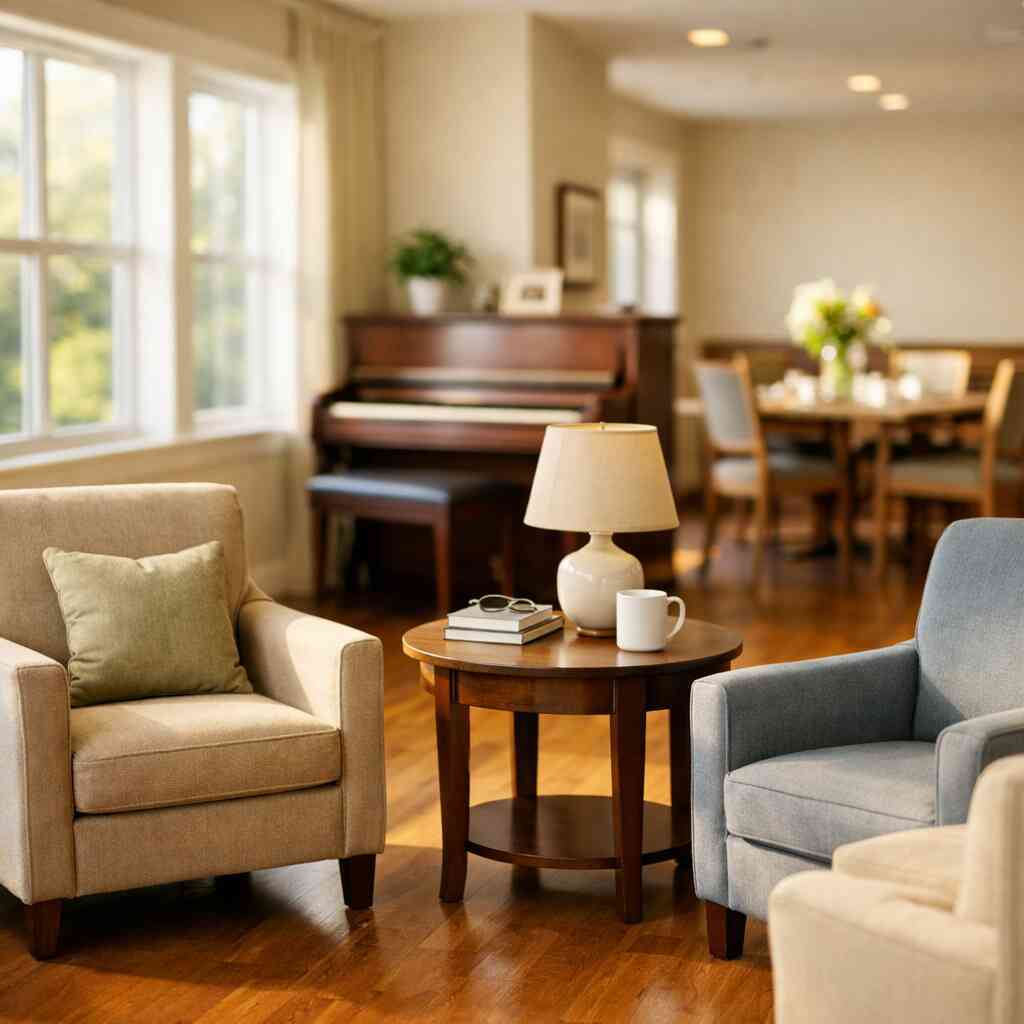
When memory care near me, respite care, or a nursing home may be the better match instead of a small home setting
A board and care home is not always enough. If your loved one has moderate to severe dementia, frequent wandering, aggression, or major medical needs, a dedicated memory care setting or a nursing home may be safer. Respite care can also help when a family caregiver needs a short break or when you want to test a setting before making a long-term move.
Care typeBetter fit whenWatch forBoard and care homeDaily help is needed, but medical needs are limitedLimited staffing or no dementia trainingMemory careConfusion, wandering, or Alzheimer’s symptoms are increasingNeed for secured surroundingsRespite careA caregiver needs short-term reliefShort stays can feel disruptiveNursing homeSkilled nursing or intensive medical monitoring is neededHigher level of medical structureIf you are asking what is memory care, the simplest answer is this: it is a specialized setting for people with Alzheimer’s disease or other dementias who need added supervision and a safer layout. The Alzheimer’s Association offers practical caregiver guidance and safety checklists that can help you decide whether that level of support is needed.
When families search for memory care near me, they often discover that the right answer depends less on distance and more on risk. A person who still walks safely and enjoys quiet routines may do well in a small home. A person who wanders at night or forgets where they are may need a more protective environment.
A good comparison of residential care and assisted living can help you sort out those differences before you tour.
The questions that keep families from choosing too fast or too late
The smartest family choices come from asking direct questions before emotions or urgency take over. Licensing, staffing, medication help, dementia support, and emergency procedures all matter. Costs matter too, but price alone should never decide the placement.
What to ask about staffing, licensing, senior housing regulations, and medical oversight before you visit any senior living facility
Before you tour any senior living facility, ask who is awake overnight, how many residents each caregiver supports, and whether the home is licensed for memory loss or higher-acuity care. Also ask how they handle falls, wandering, medication errors, and changes in condition. These are not awkward questions. They are the right ones.
Use this short checklist:
- What is the current state license, and where can I verify it?
- Who is on site overnight?
- How are medications stored and given?
- How do you handle dementia behaviors or wandering?
- When do you call families or emergency services?
- Can residents age in place if needs increase?
- What are the move-in requirements and discharge rules?
You can also check CMS star ratings for nursing homes when that option is being considered, and review state senior housing regulations for the community you are exploring. If you are comparing how to choose a nursing home, those public reports matter.
How to compare cost of assisted living, Medicaid senior housing, long-term care insurance, and VA benefits for senior care without getting lost in the numbers
The cost conversation is hard because families often start with emotion and end with paperwork. That is normal. The best way to compare is by funding source, level of care, and flexibility, not by sticker shock alone.
Funding optionWhat it may help coverGood to askPrivate payRoom, board, and care servicesWhat is included versus extra?Medicaid senior housingLimited long-term care support in qualifying settingsIs this home Medicaid-approved?Long-term care insuranceCovered services under the policyWhat triggers eligibility?VA benefits for senior careSupport for qualifying veterans and spousesDoes the family qualify for Aid and Attendance?According to the Genworth Cost of Care Survey, care costs vary widely by state and setting, so it is wise to compare by location instead of guessing. If money is tight, ask about senior living for low-income seniors, affordable senior living, and whether the community works with Medicaid or other benefits. The Medicaid.gov site is a useful place to confirm general program rules.
If you are helping a parent choose between board and care homes, assisted living locations, or a nursing home, a free senior living referral can save time and reduce missteps. Senior Living Facilities can connect you with verified options nationwide, and a senior living advisor can help you compare the care level, not just the brochure.
If you want help right now, call the 24/7 helpline at 1 (844) 203 4645.
Frequently Asked Questions
Question: What is a board and care home, and how do board and care homes differ from assisted living vs board and care homes, independent living communities, and a nursing home?
Answer: Board and care homes are small residential care facilities that provide daily support, supervision, meals, and help with routine personal care in a more home-like setting. They are often a strong fit for older adults who need more help than aging in place can safely provide, but who do not need the full clinical structure of a nursing home or skilled nursing facilities. Compared with assisted living locations, board and care homes are usually smaller and more intimate, which can be helpful for seniors who prefer a quiet routine and more personalized attention. They are also different from independent living communities, senior apartment rentals, and communities for seniors 55+, where residents generally need little day-to-day assistance. Senior Living Facilities helps families compare these housing options for seniors with clarity, so you can better understand what level of care is truly needed before making a decision.
Question: How can Senior Living Facilities help me compare what Are Board and Care Homes for Older Adults Today with other senior living facilities and senior citizen housing options?
Answer: Senior Living Facilities makes it easier to compare board and care homes with other senior living facilities by focusing on the level of support, setting, and care needs rather than just the name of the community. Families often start by searching for best senior living near me, assisted living locator results, or a senior living directory, but the real challenge is knowing which option fits the person’s daily life. Our platform helps you review housing options for seniors such as elderly housing, retirement homes, rental housing for seniors, 55+ apartments, and family-style senior housing without rushing the process. If you are unsure whether a small home setting, a senior living community, or a larger assisted living facility is the best match, our senior living advisor support can help you narrow it down and connect you with verified options across all 50 states. That kind of guided comparison can make the decision feel less overwhelming and more grounded in what your loved one actually needs.
Question: What questions should I ask when touring board and care homes or assisted living locations, especially if my parent may need memory care near me or respite care?
Answer: The best tours begin with direct questions about staffing, supervision for seniors with daily living needs, medication support, overnight coverage, licensing, and emergency procedures. It is also important to ask whether the home can support dementia care homes or Alzheimer’s care facilities needs, and whether the setting is appropriate if your loved one may eventually need what is memory care level support. For families comparing board and care homes with assisted living plans or assisted living locations, it helps to ask about move-in requirements, discharge policies, and whether the home can adapt as needs change. If you are considering respite care, ask how short-term stays are handled and whether the environment will feel comfortable for a temporary resident. Senior Living Facilities encourages families to use a practical checklist and to review senior housing regulations, CMS star ratings when relevant, and state-level licensing details so they can make a safer, more informed choice.
Question: Can Senior Living Facilities help families compare cost of assisted living, Medicaid senior housing, long-term care insurance, and VA benefits for senior care?
Answer: Yes. One of the most stressful parts of the search is comparing cost of assisted living, Medicaid senior housing, long-term care insurance, and VA benefits for senior care without getting lost in the paperwork. Senior Living Facilities helps families think through funding options based on care needs, location, and eligibility rather than guessing or relying on a single number. We also help people understand how affordable senior living, senior living for low-income seniors, and private-pay options may differ depending on the community and the type of support required. Because senior living costs by state can vary widely, it is smart to compare communities by setting and services instead of price alone. Our goal is to help families find a fit that feels realistic, whether they are exploring board and care homes, residential care facilities, assisted living plans, or a long-term care facility that may better match future needs.
Question: How does Senior Living Facilities support families looking for aging in place alternatives, including pet-friendly assisted living, senior living with no waitlist, or a continuing care retirement community (CCRC)?
Answer: Senior Living Facilities supports families who are looking for aging in place alternatives by helping them compare a wide range of senior living facility options in one place. Some older adults do best in a board and care home because they need daily support in a calm, small home senior care model. Others may prefer independent living communities, a continuing care retirement community (CCRC), pet-friendly assisted living, or senior living with no waitlist if they want more choice and flexibility. We help families weigh comfort, support level, and future care needs so they can decide whether a smaller residential care facility, a larger senior living community, or another type of senior citizen housing makes the most sense. If you are also considering how to choose a nursing home, the difference between skilled nursing and assisted living, or whether Medicare skilled nursing may be relevant later, our team can help you compare those paths with confidence.
Question: Why should families trust Senior Living Facilities when searching for board and care homes, assisted living vs nursing home options, or a free senior living referral?
Answer: Families trust Senior Living Facilities because the platform is built to simplify a difficult decision with care, clarity, and compassion. We help people search, compare, and connect with senior living facilities, including board and care homes, senior apartment rentals, assisted living locations, and skilled nursing facilities, while keeping the focus on what matters most: safety, support, and fit. We do not push one type of community over another. Instead, we help you explore the right housing options for seniors based on care needs, location preferences, and future planning. Whether you are seeking a free senior living referral, a senior placement services resource, or guidance on assisted living plans, our team works to make the search feel manageable. We also recognize that families may be researching Florida senior living, California assisted living, Texas nursing homes, or other state-specific options, so we aim to provide a practical starting point that is broad, helpful, and easy to use. If you need immediate support, you can also call the 24/7 helpline at 1 (844) 203 4645 for personal guidance.
Senior Living Facilities Editorial Team
Expert contributor specializing in senior living care. Dedicated to providing families with clear, actionable advice.