
Best Pet Friendly Senior Living Communities in 2026

The New Frontier of Senior Living: Integrating Pets into the Heart of Community Life
Redefining the senior living facility as a multispecies sanctuary
The modern senior living facility has evolved far beyond its historical role as a simple care provider. Today, these communities recognize that human health intertwines deeply with animal companionship. A growing number of senior living facilities now embrace a multispecies sanctuary model where pets are not merely tolerated but celebrated. This transformation acknowledges that residents who maintain bonds with their animals experience measurable improvements in emotional well-being and daily motivation. Communities are redesigning common areas to accommodate both human and animal residents comfortably. Dedicated pet relief zones, indoor walking paths, and shared green spaces now feature prominently in architectural plans. The result is a living environment where every creature contributes to a vibrant, healing atmosphere.
This shift represents a profound philosophical change in how we view seniors living community dynamics. Instead of separating residents from their beloved companions, forward-thinking facilities integrate pets into every aspect of daily life. Staff members receive training on animal behavior and emergency protocols involving pets. Activity calendars include joint human-animal events that strengthen bonds between neighbors. Residents who arrive without pets often discover new friendships through community animals. The multispecies approach also attracts a wider range of potential residents. Families searching for housing options for seniors increasingly prioritize communities that welcome furry family members. This trend reflects a deeper understanding that aging well includes maintaining all meaningful relationships.
From pet-friendly to pet-inclusive: A paradigm shift in assisted living plans
The terminology surrounding animal policies in senior care has undergone a remarkable evolution. Being merely pet-friendly once meant allowing animals with significant restrictions and extra fees. Today, pet-inclusive assisted living plans embed animal companionship into the core care philosophy. This distinction matters enormously for residents who view their pets as essential family members. Inclusive policies remove barriers that previously forced heartbreaking separations. Instead of asking residents to choose between their health needs and their animal companions, modern plans accommodate both seamlessly. Care coordination now includes provisions for pet care during medical appointments or recovery periods. This integrated approach reduces the emotional trauma that often accompanies transitions into assisted living.
Furthermore, pet-inclusive communities actively recruit residents who value animal companionship. Marketing materials feature real resident-pet pairs enjoying community amenities together. Assisted living locations now highlight pet-centric features like grooming stations and veterinary partnerships. The financial models have also adapted to reflect this inclusive philosophy. Instead of punitive pet deposits, some communities incorporate modest pet fees into monthly service packages. This approach normalizes pet ownership as part of the expected community profile. Residents benefit from reduced financial stress and clearer expectations about shared responsibilities. The paradigm shift also influences how communities handle end-of-life care for pets. Grief support services now extend to residents mourning animal companions, which demonstrates genuine commitment to the pet-inclusive philosophy.
How senior living facilities are rewriting the social contract for pet owners
The relationship between residents and their senior living facility has fundamentally changed regarding pet ownership rights. New community agreements explicitly recognize pets as integral members of each household. These documents outline shared responsibilities while protecting residents’ rights to maintain animal companionship. For example, communities now guarantee that service animals and emotional support animals receive full accommodation without discrimination. This legal clarity provides peace of mind for residents who depend on their animals for daily functioning. The social contract also includes neighbors who may have concerns about animals. Mediation processes address potential conflicts while prioritizing the well-being of both humans and pets. Communities foster understanding through education about animal behavior and benefits.
Additionally, these rewritten agreements establish standards for responsible pet ownership within shared environments. Residents agree to maintain control of their animals in common areas and clean up after them promptly. In return, communities invest in infrastructure that makes these responsibilities manageable. Poop bag stations, designated off-leash areas, and easy-access waste disposal systems appear throughout well-designed properties. The social contract extends beyond rules to create genuine community cohesion around animal care. Neighbors often form informal pet-sitting cooperatives that strengthen social bonds. When a resident requires hospitalization, fellow pet lovers step forward to care for their animal companion. This mutual support system exemplifies how senior living transforms into genuine family. The rewritten social contract ultimately creates environments where everyone thrives together.
Architecting the Pet-Centric Senior Living Experience: Design, Policy, and Amenities
Designing senior apartment rentals with pet ergonomics and safety
Thoughtful design transforms ordinary senior apartment rentals into safe havens for aging residents and their animal companions. Architects now consider the unique needs of both populations when planning living spaces. Flooring materials that provide traction for unsteady human feet also withstand the wear of animal activity. Low-threshold doorways accommodate wheelchairs and pet access with equal ease. Countertops feature raised edges that prevent small items from being knocked off by curious tails. These details might seem minor individually, but collectively they create environments where accidents rarely occur. The best designs anticipate how pets move through spaces and eliminate potential hazards before they cause problems.
Lighting design also plays a crucial role in pet-centric senior apartments. Motion-activated lights help residents navigate nighttime trips to the bathroom without startling their sleeping pets. Windows positioned at lower heights allow cats and small dogs to observe outdoor activities safely. Balconies and patios include secure enclosures that prevent animals from escaping while enjoying fresh air. The ergonomic considerations extend to furniture selection as well. Chairs with sturdy armrests assist residents while providing pets with comfortable perches nearby. Storage solutions keep leashes, food, and supplies organized yet easily accessible. These design choices demonstrate respect for the complete household unit. Communities for seniors 55+ pet friendly increasingly showcase model apartments that exemplify these principles. Prospective residents can tour spaces designed specifically for harmonious human-animal cohabitation.
Navigating pet deposit structures and rental housing for seniors allowing pets
Understanding pet deposit structures helps families budget effectively when seeking rental housing for seniors allowing pets. The landscape of pet-related fees varies significantly between communities and states. Some senior housing options require refundable deposits that cover potential damage from animal activity. Others charge non-refundable fees that communities use for ongoing pet program maintenance. Monthly pet rent remains common in many market-rate communities, though this practice varies in subsidized housing. Families should always request written pet policies before signing any agreements. Transparent communities provide detailed fee schedules and explain how funds support pet-related amenities.
The good news is that competition for residents has driven innovation in pet deposit structures. Many pet deposit senior apartments now offer tiered options that reward responsible pet ownership. Residents with documented proof of training or behavioral certifications may qualify for reduced deposits. Communities also increasingly accept pet insurance as an alternative to traditional deposits. This approach protects both residents and property managers while reducing upfront costs. Some innovative facilities incorporate pet fees into monthly service packages rather than charging separately. This simplification helps residents manage their budgets more effectively. Families using an assisted living locator pet friendly tool can filter results based on fee structures and pet policies. Senior Living Facilities provides comprehensive information about pet fees across thousands of communities nationwide.
Pet therapy integration and emotional support animals in senior housing
The integration of pet therapy programs has become standard practice in progressive communities. Certified therapy animals visit regularly to provide comfort and stimulation for all residents. These programs differ significantly from personal pet ownership because therapy animals serve the entire community. Specially trained dogs, cats, and even smaller animals participate in structured visitation schedules. Residents who cannot maintain personal pets still benefit from regular animal interactions. Therapeutic programs target specific outcomes like reducing agitation in memory care units or encouraging mobility in rehabilitation settings. The presence of therapy animals creates natural opportunities for social interaction among residents.
Emotional support animals occupy a distinct legal category within senior housing pet friendly near me considerations. Federal law protects residents who require emotional support animals for mental health conditions. Communities must provide reasonable accommodation for these animals even when standard pet policies exist. Documentation from licensed healthcare providers establishes the therapeutic necessity of these animals. Unlike service animals, emotional support animals do not require specific task training. Their primary function is providing comfort through companionship. However, emotional support animals must still behave appropriately in shared environments. Communities can require vaccination records and behavioral assurances from residents. The distinction between therapy animals, service animals, and emotional support animals remains important for policy development. Understanding pet policies in senior living facilities with pet care services helps families navigate these nuanced regulations effectively.
The Emotional and Physical Alchemy of Pet Companionship in Senior Communities
Pet therapy in senior living: Beyond companionship to clinical outcomes
Scientific research continues to validate what pet owners have always known intuitively. Pet therapy produces measurable clinical improvements across multiple health domains. Cardiac patients with regular animal interaction often show reduced blood pressure and heart rate variability. Chronic pain sufferers frequently report decreased pain perception following therapy animal visits. The mechanism involves oxytocin release, which counteracts stress hormones and promotes relaxation. These physiological changes translate into tangible healthcare outcomes for residents. Communities with robust pet therapy programs often document reduced medication usage among participants.
The clinical applications extend into memory care and rehabilitation contexts as well. Pet therapy in assisted living locations and nursing homes for the elderly helps dementia patients access long-term memories. Familiar animal interactions can trigger recollections of past pets and associated positive emotions. Physical therapists incorporate animal visits into rehabilitation routines to motivate patients. Walking a therapy dog provides purposeful exercise that patients might otherwise resist. The social benefits also produce clinical improvements by reducing isolation and depression. Residents who participate in pet therapy programs typically demonstrate better engagement with other therapeutic activities. These outcomes explain why best senior living facilities for pet owners with pet therapy programs consistently rank higher in quality assessments. Senior Living Facilities highlights communities that demonstrate commitment to evidence-based pet therapy integration.
Fostering social connection through pet-centric activities in communities for seniors 55+
Pet ownership naturally creates social bridges between residents who might otherwise remain isolated. Walking a dog through community pathways invites conversations with fellow animal lovers. Shared pet care responsibilities build trust and cooperation among neighbors. Communities for seniors 55+ pet friendly deliberately design activities that leverage these social opportunities. Group dog walks, cat toy crafting sessions, and pet photography classes bring residents together around shared interests. These structured activities ensure that even shy residents find entry points into community social life. The pet-centric approach reduces the awkwardness that sometimes accompanies traditional icebreaker activities.
Beyond structured programs, the informal social benefits of pet ownership are equally valuable. Residents who might struggle to initiate conversations with humans find it easier to connect through their animals. Pets serve as natural conversation starters that transcend typical social barriers. Dog owners inevitably encounter each other during relief walks, creating daily interaction opportunities. Cat owners share stories and advice about their feline companions. Even residents without pets enjoy interacting with community animals during common area visits. The presence of animals softens social boundaries and creates a more welcoming atmosphere overall. Senior living near you pet friendly communities often report higher resident satisfaction scores related to social connection. This correlation makes pet inclusivity a smart investment in community culture and resident retention.
The role of pets in mitigating loneliness and enhancing cognitive health
Loneliness represents one of the most significant health risks for older adults. Research consistently links social isolation to increased mortality risk comparable to smoking or obesity. Pet ownership provides a powerful countermeasure against this dangerous condition. Animals offer consistent, nonjudgmental companionship that fills emotional voids. The responsibility of caring for another being provides structure and purpose to daily routines. This sense of purpose proves especially valuable after retirement or loss of a spouse. Pets need feeding, walking, and attention, which forces engagement with the outside world. These responsibilities prevent the withdrawal that often precedes serious cognitive decline.
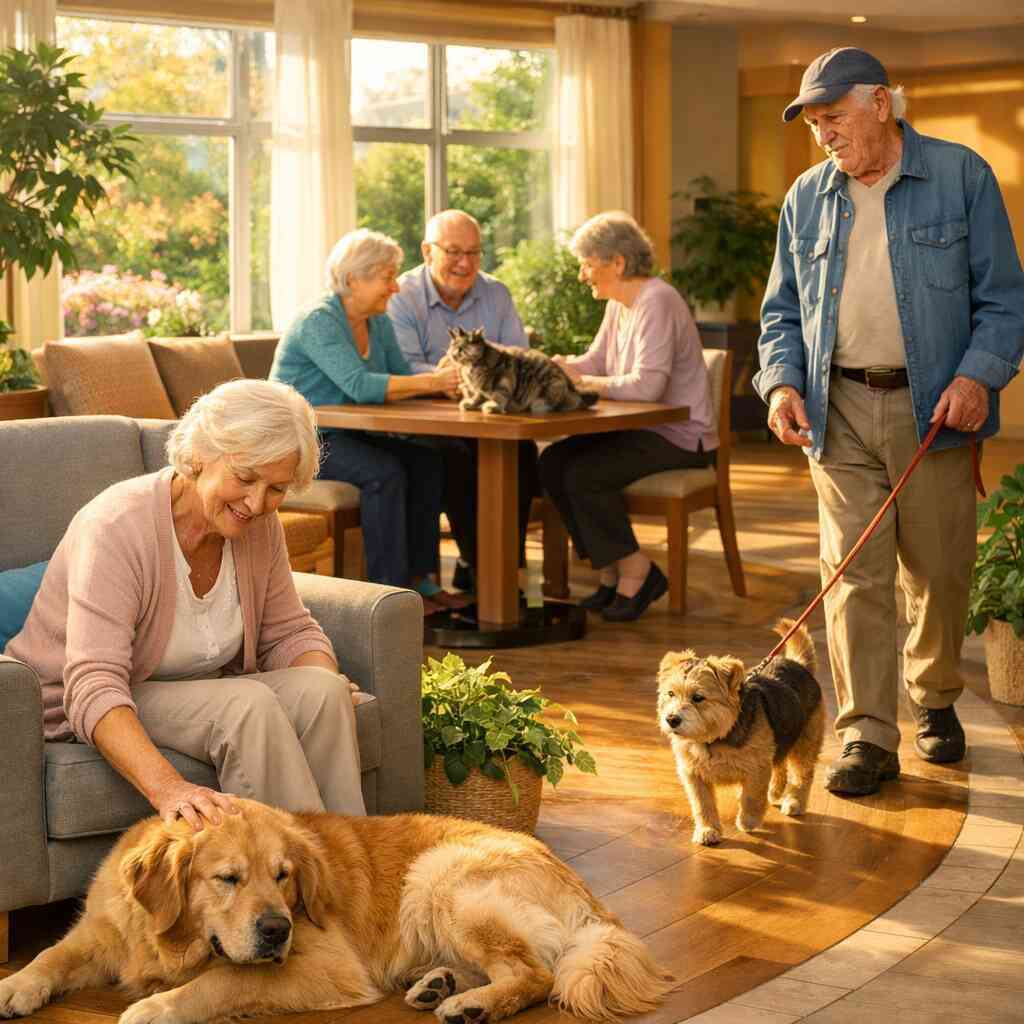
Cognitive health benefits extend beyond simply preventing loneliness. The mental stimulation of interacting with pets keeps neural pathways active and engaged. Training new behaviors, solving pet-related problems, and navigating pet care schedules all challenge cognitive function. Exploring housing options for seniors with pets in pet friendly independent living reveals environments that support these cognitive benefits. Communities that allow pets enable residents to maintain complex routines that support brain health. The sensory stimulation of pet interaction also benefits residents with existing cognitive impairment. Touching soft fur, hearing a purr, or watching a fish swim provides calming sensory input. These experiences can reduce agitation and improve mood in memory care settings. The cognitive and emotional benefits of pet ownership make it a valuable component of comprehensive senior wellness programs.
Operational Excellence: How Assisted Living Locations and Nursing Homes Implement Pet Policies
Crafting robust pet visitation policies for long-term care facilities
Implementing pet policies in long-term care facility pet policies requires balancing multiple competing priorities thoughtfully. Resident safety, animal welfare, and community harmony all demand careful consideration. Successful policies begin with clear definitions of permitted animals and their required documentation. Vaccination records, licensing, and behavioral assessments protect both residents and animals. Communities must also establish protocols for animal hygiene and waste management. Regular cleaning schedules and designated relief areas maintain sanitary conditions throughout the facility. The policy should address how the community handles pet emergencies and resident hospitalization.
Equally important is the policy framework for handling conflicts or concerns that arise. Long-term care facility pet policies in pet friendly senior living communities include transparent grievance procedures. Residents who feel uncomfortable around animals receive accommodations that respect their preferences. Similarly, pet owners understand their responsibilities and the consequences of policy violations. Training for all staff members ensures consistent enforcement and response to pet-related situations. The policy should also address visiting animals and therapy animal programs separately from resident-owned pets. Each category of animal presence requires different protocols and oversight. Regular policy review allows communities to adapt based on resident feedback and emerging best practices. Well-crafted policies protect everyone while maximizing the benefits of animal companionship.
Assisted living locator tools for pet owners: Matching needs with pet care services
Finding the right community requires matching specific pet care needs with available services. Assisted living locator for pet friendly senior living near me tools have revolutionized this search process. These digital resources allow families to filter communities based on pet policies and amenities. Advanced search parameters include weight limits, breed restrictions, and fee structures. Users can specify whether they need dog walking services, veterinary access, or grooming facilities. The best locator tools integrate verified information from community management and resident reviews. This transparency helps families avoid unpleasant surprises after moving in.
Senior Living Facilities provides an assisted living locator pet friendly platform that simplifies this complex search. Users enter their location and pet-related preferences to receive curated community matches. The database includes detailed information about pet policies at thousands of communities nationwide. Families can compare pet deposits, monthly fees, and available pet care services side by side. The platform also connects users with community representatives who can answer specific questions. Finding rental housing for seniors allowing pets in pet inclusive senior living becomes manageable with these powerful search tools. The ability to filter comprehensively saves time and reduces stress during the decision process. Senior Living Facilities updates its database continuously to reflect changing community policies and services.
Staff training and pet care services in senior living near you
Excellence in pet-friendly senior living depends heavily on well-trained staff members. Every employee who interacts with residents should understand basic animal behavior and safety protocols. Senior living facility with pet policies in pet friendly independent living near me requires comprehensive staff education. Training covers how to approach unfamiliar animals safely and recognize signs of animal distress. Staff learn to assist residents with pet care tasks when needed without overstepping boundaries. Emergency procedures include protocols for animal injuries, escapes, or aggressive incidents. Ongoing training ensures that staff remain current with best practices in pet-inclusive care.
The availability of professional pet care services also influences community quality. Pet care services in senior living near you options vary from full-service grooming to basic walking assistance. Some communities employ dedicated pet coordinators who manage all animal-related services. Others partner with local veterinary clinics that provide on-site wellness visits. Mobile grooming services visit regularly to maintain resident pets’ hygiene and comfort. Pet sitting services allow residents to attend appointments or activities without worrying about their animals. These professional services reduce the burden on residents while ensuring excellent animal care. Communities that invest in comprehensive pet services demonstrate genuine commitment to the pet-inclusive philosophy. Families should inquire about available services during community tours and consultations.
Navigating the Future: Trends and Innovations in Pet Friendly Senior Living
Pet adoption programs within senior living communities: A symbiotic model
Innovative communities have begun partnering with animal shelters to create on-site adoption programs. These programs benefit both senior residents and animals awaiting permanent homes. Assisted living pet adoption programs and pet care services in senior living create beautiful symbiotic relationships. Residents who cannot manage full-time pet ownership can still experience animal companionship through fostering. Short-term foster arrangements provide animals with loving temporary homes while their adoption prospects improve. The arrangement gives residents meaningful purpose and regular animal interaction without permanent commitment.
Some communities have designated specific suites for resident cats that multiple people share caring for. These community cats enjoy attention from many residents while providing companionship to everyone. Top pet friendly senior living communities in Florida 2026 and other states have pioneered these innovative models. The adoption programs also attract positive media attention and community goodwill. Local animal welfare organizations often provide support services and discounted veterinary care. Residents who adopt animals through these programs typically receive support from staff and fellow residents. The symbiotic model creates a win-win situation that enriches everyone involved. Senior Living Facilities showcases communities with exceptional adoption programs and animal welfare partnerships.
The rise of pet concierge services in senior housing pet friendly near me
Luxury-level pet services have migrated from high-end resorts into senior living environments. Pet concierge services now provide residents with comprehensive animal care support. These services might include scheduled dog walking, medication administration, and transportation to veterinary appointments. Senior housing pet friendly in Texas and other states increasingly offer these premium services. Concierge staff maintain detailed records of each animal’s preferences, health needs, and behavioral patterns. Residents enjoy personalized attention for their pets without managing logistics themselves. The service model recognizes that some residents need assistance while maintaining independence.
Pet concierge programs also coordinate with external providers for specialized services. Mobile veterinarians, trainers, and groomers visit communities regularly through concierge scheduling. Residents receive discounted rates through community-negotiated partnerships with local professionals. The concierge model particularly benefits residents with mobility challenges or cognitive concerns. Knowing that professional support exists for their pets reduces anxiety about moving into assisted living. Senior living facility with pet policies in pet friendly independent living near me options increasingly include concierge tiers. Families should inquire about service levels and associated costs during community research. The trend toward comprehensive pet concierge services reflects the growing expectation of exceptional animal care.
Leveraging technology for pet monitoring and wellness in senior living
Technology has opened new frontiers in pet care within senior living environments. Smart pet doors that restrict access based on identification tags keep animals safe and contained. Automated feeders ensure consistent meal schedules even when residents have appointments or medical procedures. Pet friendly senior living communities in California near you often integrate these technological solutions. Activity monitors track pet exercise levels and alert staff to potential health issues. These devices also provide peace of mind for family members concerned about their loved one’s pet care routines.
Video monitoring systems allow residents to check on their pets from anywhere in the community. Residents recovering from surgery or illness can observe their animals without physical exertion. Senior living in any progressive community might offer these technological amenities. Veterinary telemedicine services connect residents with specialists without traveling. Remote consultation technology addresses minor health concerns quickly and conveniently. The integration of technology with pet care supports both resident independence and animal welfare. Communities that embrace these innovations demonstrate commitment to continuous improvement. Senior Living Facilities helps families identify communities that leverage technology effectively for pet wellness and monitoring.
Frequently Asked Questions
Question: How does Senior Living Facilities help families find pet friendly senior living communities that match their specific needs?
Answer: Senior Living Facilities simplifies the search for pet friendly senior living communities by providing a comprehensive platform that covers all 50 U.S. states. Families can start by entering their location and filtering options based on pet policies, such as weight limits, breed restrictions, and fee structures. Our database includes detailed information on communities for seniors 55+ pet friendly, housing options for seniors with pets, and senior apartment rentals pet friendly. We also offer an assisted living locator pet friendly tool that connects users directly with communities or our skilled team for personalized guidance. By comparing assisted living plans for pet owners and assisted living locations with pet care side by side, families can find communities where pets are truly integrated into daily life. Trust Senior Living Facilities to match your loved one with a senior living facility with pet policies that prioritize both human and animal well-being.
Question: Can you provide examples of pet amenities and services available in best senior living facilities for pet owners, as discussed in the blog Best Pet Friendly Senior Living Communities in 2026?
Answer: Absolutely. The blog Best Pet Friendly Senior Living Communities in 2026 highlights how leading communities now offer pet amenities like dedicated relief zones, indoor walking paths, and shared green spaces. Many assisted living plans for pet owners include pet care services such as grooming stations, veterinary partnerships, and even pet concierge services that manage walking, medication, and vet visits. Senior Living Facilities showcases communities that go beyond basic allowances, providing pet therapy in senior living, emotional support animals in senior housing, and sometimes assisted living pet adoption programs. Our platform allows you to filter for specific services like senior living pet care services or pet deposit senior apartments, ensuring you find a community where your pet feels as welcome as you do. We connect you with senior living near you pet friendly facilities that offer these comprehensive amenities.
Question: What should I look for in a senior living facility with pet policies to ensure a smooth transition for my loved one and their pet?
Answer: When evaluating a senior living facility with pet policies, start by reviewing the deposit structures and monthly fees, which we detail in our listings for pet deposit senior apartments and rental housing for seniors allowing pets. Look for policies that are pet-inclusive rather than merely pet-friendly, meaning they embed pet care into core services. Senior Living Facilities helps you compare nursing homes for the elderly with pets and long-term care facility pet policies to find communities that offer clear legal protections for service and emotional support animals. Additionally, check for available staff training on animal behavior, as seen in many assisted living locations with pet care. Our assisted living locator pet friendly tool also provides insights into visitation policies and emergency protocols, so you can ensure a seamless transition. We recommend communities that offer a social contract fostering mutual respect among residents and animals.
Question: How can I use the assisted living locator pet friendly tool on your website to find senior housing pet friendly near me?
Answer: Using our assisted living locator pet friendly tool is straightforward. Visit Senior Living Facilities and enter your city or zip code, then apply filters like pet friendly senior living communities or senior living in the state of pet inclusive facilities. You can refine results based on specific needs, such as senior apartment rentals pet friendly or assisted living plans for pet owners. Our database includes testimonials and detailed descriptions of amenities like pet therapy in senior living and emotional support animals in senior housing. Once you find options for senior living near pet friendly communities, you can compare them side by side and connect directly with the facility or our expert team. We update information regularly to ensure accuracy on pet policies and fee structures. Let Senior Living Facilities guide you to the best senior living facility with pet policies for your loved one.
Question: What makes Senior Living Facilities a trusted resource for finding senior housing pet friendly in Texas and other states?
Answer: Senior Living Facilities is trusted because we provide verified, up-to-date information on senior housing pet friendly in Texas, California, Florida, and all 50 states. Our platform covers the full spectrum of seniors living community pet amenities, including pet concierge services, smart pet doors, and veterinary telemedicine. We understand that finding a community with the right pet policies-whether for a large dog or a cat-is a top priority, which is why our assisted living locator for pet owners filters by breed, weight, and fee structures. For example, our database covers top pet friendly senior living communities in Florida 2026 and other trending areas. We also offer resources on emotional support animals in senior housing and long-term care facility pet policies. Our team provides personalized assistance to ensure you find a community where pets are treated as family.
Admin
Expert contributor specializing in senior living care. Dedicated to providing families with clear, actionable advice.