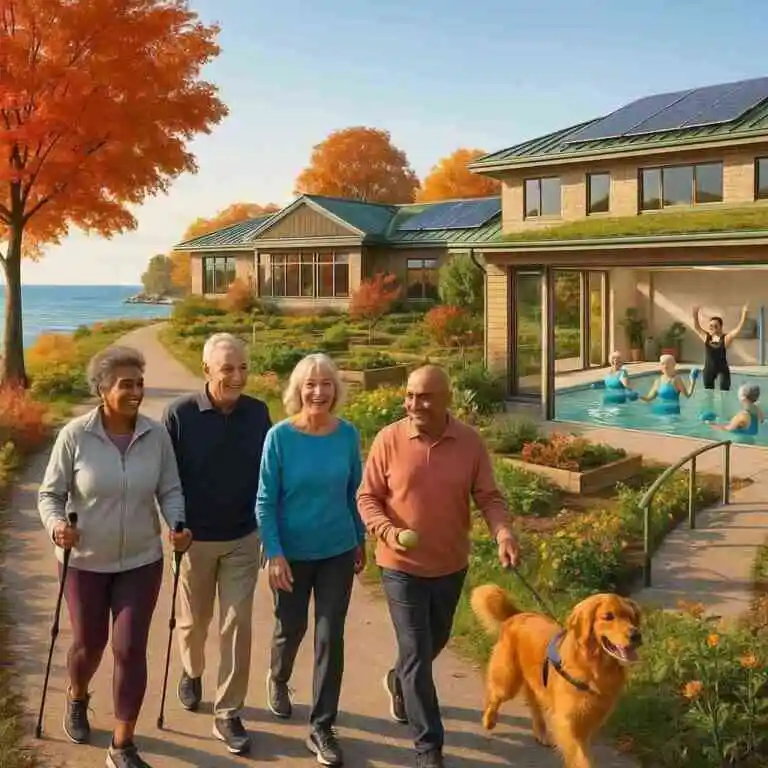
How Senior Living Facilities Gauge Social Connection Quality

From Solitude to Solidarity – Unpacking Social Connection in Senior Living
Why Social Connection Quality Rivals Clinical Care in Senior Living Facilities
Residents often arrive at a senior living facility believing medical monitoring will be their primary lifeline. Yet industry evidence shows that the frequency of meaningful interaction directly predicts emotional resilience, cognitive vitality, and even immune strength. Today’s communities for seniors 55+ therefore weigh social engagement metrics in senior living facilities on par with blood-pressure charts. A strong culture of companionship reduces hospital readmissions, thereby lowering long-term care costs while boosting happiness scores. Unsurprisingly, families now tour campuses eager to view each property’s social engagement benchmarks in senior communities before reviewing medication management protocols.
Quality of life indicators for senior residents encompass friendship density, peer support availability, and shared-interest group variety. Operators analyze friend network mapping for seniors to spot residents on the friendship fringe. When staff identify limited ties, they deploy the companionship program evaluation in nursing homes or independent living clusters. Proactive moves-from meditation circles to community choirs-often spark new confidant bonds within weeks. In turn, higher resident social satisfaction surveys correlate with stronger online reviews and faster occupancy stabilization.
Shifting From Activities Attendance to Holistic Social Health Assessment
Classic activities attendance analytics for seniors once focused on raw headcounts at bingo or craft night. Forward-thinking providers now consider whether those encounters trigger genuine eye contact, laughter, and future plans-hallmarks of meaningful interaction frequency tracking. Loneliness assessment tools for older adults measure depth, not just duration, of conversation. The resulting social connection scorecards in assisted living reveal whether residents feel truly seen by neighbors and staff. When scores dip, personal coaches craft personalized social care plan reviews to reconnect withdrawn elders.
Holistic social health assessment incorporates emotional health monitoring in senior apartments alongside clinical vitals. Wearable devices note daily steps to common rooms, while resident council feedback loops capture qualitative nuance. Combined, these insights feed a senior social well-being index that flags isolation risk screening in senior housing before a crisis emerges. Communities then pilot intergenerational program impact analysis, inviting students to co-host tech-help cafés or story-circles. Such bridges expand seniors’ social capital assessment while enriching youth empathy.
The Role of Senior Living Near You Platforms in Highlighting Community Engagement Benchmarks
Consumers increasingly start their search for senior housing options online rather than in a car. A robust “senior living near me” platform curates engagement data, letting families compare community bonding indicators side by side. Detailed participation rates in assisted living activities appear alongside photos of resident art shows and garden clubs. These digital scorecards spotlight social connectedness benchmarks in independent living that might otherwise hide behind glossy marketing brochures. By translating dashboards into plain language, platforms empower adult children to advocate for parents who crave active friendships.
Senior Living Facilities enrich this process by flagging communities where peer support measurement in nursing homes outshines regional averages. Site visitors filter listings by volunteer involvement outcomes or technology-enabled social tracking tools, not just square footage. A quick zip-code search reveals which properties excel at neighbor connections in Louisiana assisted living or mindfulness meetups in remote locales. When users click to schedule tours, they arrive educated, prepared to ask nuanced questions about companionship cultivation. As a result, operators serious about social wellness audits in retirement communities gain visibility, while laggards face pressure to improve.
 The Metrics Matrix: Tools and Techniques That Map Meaningful Engagement
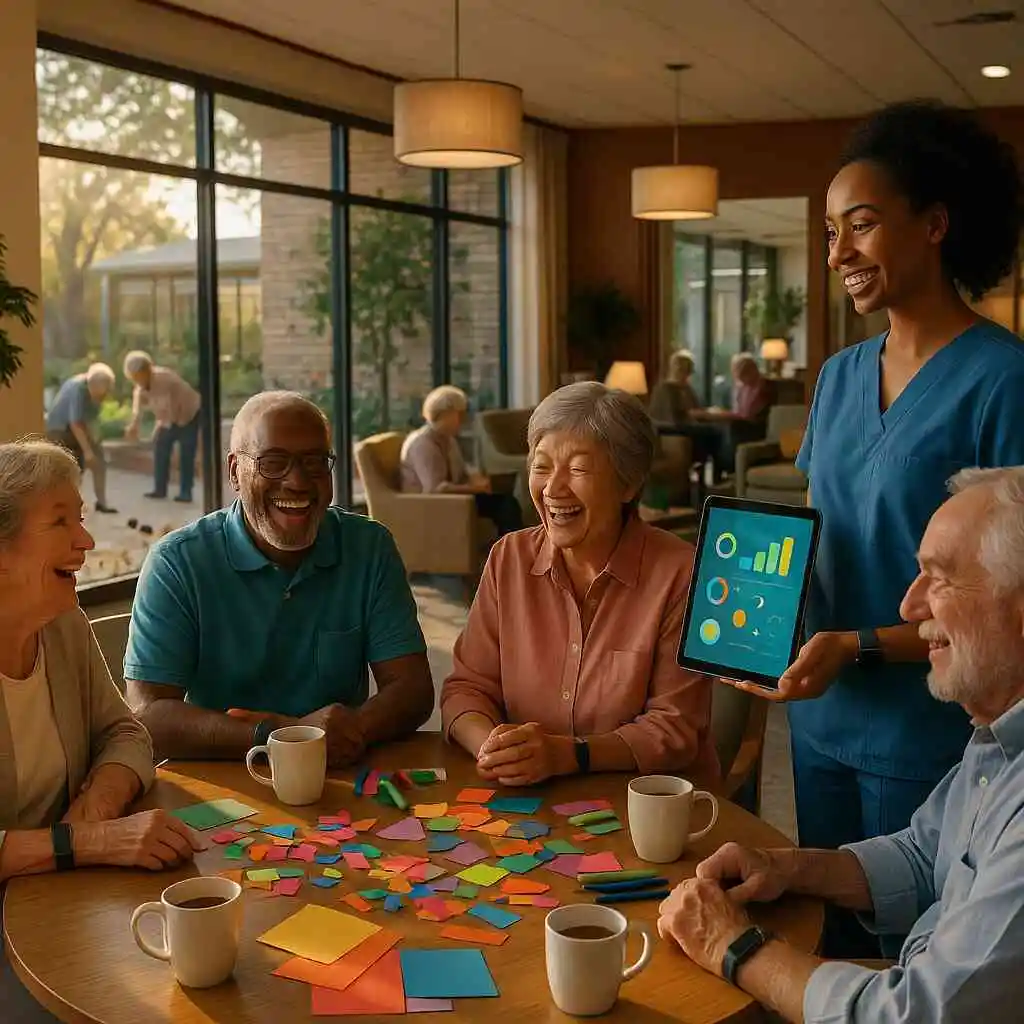 The Metrics Matrix: Tools and Techniques That Map Meaningful Engagement
Resident Social Satisfaction Surveys and Friendship Circles Evaluation
Numbers alone never reveal companionship depth inside a senior living facility. Staff therefore launch resident social satisfaction surveys every quarter, mirroring consumer‐grade experience questionnaires. Questions probe perceived inclusion, laughter frequency, and willingness to confide in neighbors. Answers feed quality of life indicators for senior residents mapped on an easy heat chart. Green cells spotlight thriving friendships, while red zones trigger immediate follow-up by wellness coordinators. During focus groups, team members facilitate senior friendship circles, encouraging residents to describe trusted companions. Those narratives illuminate invisible support webs beyond obvious bingo partnerships. Families reviewing results via the find a senior residence near you portal can gauge each campus’s emotional climate quickly. High scores consistently align with faster occupancy and stronger online praise.
Survey insights alone are not enough for strategic planning. Analysts layer friend network mapping for seniors onto the raw sentiment data. Graph theory algorithms highlight connectors, bridges, and residents facing peripheral isolation despite polite smiles. Social coordinators then assign peer mentors, schedule shared-interest lunches, and monitor progress through weekly staff huddles. Within eight weeks, seniors’ social capital assessment often shows denser links, proving that intentional matchmaking works. Notably, these corrective actions also lower emergency room transfers, reinforcing the tie between friendships and physical resilience.
Loneliness Assessment Tools and Social Isolation Risk Screening in Senior Housing
While surveys reflect feelings, loneliness assessment tools for older adults quantify hidden risk. Most communities deploy UCLA Three-Item scales combined with custom reflective journaling prompts. Residents self-report sleep patterns, appetite changes, and perceived purpose, producing a nuanced loneliness index. Scores integrate with electronic health records, creating automatic flags when isolation risk crosses a predetermined threshold. At that point, social isolation risk screening in senior housing shifts from monitoring to intervention. Nurses coordinate with chaplains, art therapists, and transportation teams to re-engage vulnerable elders before depression blossoms.
Community leaders compare aggregate loneliness metrics across sister properties monthly. Comparisons reveal design variables that influence interaction, such as corridor length or courtyard seating density. Insights travel to architects planning future wings, ensuring physical space aligns with social engagement metrics in senior living facilities. External partners also benefit when anonymized data informs county public health campaigns about aging-related isolation. Consequently, resident voices drive systemic change far beyond one campus perimeter.
Digital Connectivity Initiatives and Technology Enabled Social Tracking Tools
Not every senior enjoys digital gadgets, yet strategic technology removes barriers rather than adds complexity. Communities provide tablets with oversized icons, enabling video chats, virtual tours, and multiplayer word games. Digital connectivity initiatives for older adults also include privacy-protected wearables measuring meaningful interaction frequency tracking. These bracelets log time spent in common areas versus private apartments, creating objective measures of engagement velocity. When movement stagnates, automated alerts invite staff to check in gently, preserving dignity and autonomy.
Sophisticated platforms synthesize sensor streams into technology-enabled social tracking tools viewable on resident engagement dashboards. Color-coded rings show daily conversation minutes, step counts toward events, and new acquaintance introductions. Family members accessing portals appreciate transparent data because it combats worries about mom’s potential withdrawal. Meanwhile, operators benchmark their results against community engagement benchmarks for seniors collected nationwide through industry coalitions. Continuous comparison fuels friendly contests that spark creativity, such as themed hallway cafes or rooftop sunrise clubs.
Participation Rates in Assisted Living Activities and Intergenerational Program Impact Analysis
Headcounts remain foundational because they reveal whether calendars resonate or merely clutter newsletters. Participation rates in assisted living activities track attendance by genre, time, and facilitator. Data highlight gaps; perhaps men avoid crafts, or night owls crave later exercise classes. Coordinators iterate quickly, pruning low-impact offerings and expanding crowd favorites like choir rehearsals. As numbers climb, morale lifts, reinforcing the virtuous cycle between choice and enthusiasm.
Beyond resident turnouts, leaders examine intergenerational program impact analysis, gauging cross-age friendship durability. Schools may stream robotics workshops while seniors advise on ethics, creating bidirectional respect. Post-event surveys measure empathy gains for students and renewed mentoring pride for elders. Communities that master age-blended sessions often receive press coverage, raising their profile across regional assisted living locator searches. Such recognition attracts new volunteers eager to replicate success, keeping the momentum steady.
Resident Engagement Dashboards and Social Connectedness Benchmarks in Independent Living
Visualization turns sprawling datasets into stories that executives and residents readily comprehend. Resident engagement dashboards summarize survey scores, wearable statistics, and activity attendance analytics for seniors. Trending arrows spotlight progress, while instant filters segment performance by building, floor, or demographic cohort. Leaders share these graphics during resident council feedback loops, inviting critique and co-creation. Transparency builds trust, a cornerstone of any thriving seniors living community.
Dashboards also align communities with social connectedness benchmarks in independent living published by professional associations. Facilities compare performance against neighbor connections in Louisiana assisted living and community bonding indicators in Oklahoma elder living reported publicly. When gaps appear, teams brainstorm pilot projects, track results, and report improvements through well-being outcome reporting in senior living near me portals. Continuous refinement turns raw numbers into daily delight, confirming data’s role as friend rather than foe. Ultimately, dashboards motivate every stakeholder to nurture deeper bonds, fulfilling the promise of age-positive housing options for seniors.
Translating Data into Daily Delight: Continuous Improvement for Connected Communities
Personalized Social Care Plan Reviews and Emotional Health Monitoring
Raw metrics become meaningful when they guide individualized support. Personalized social care plan reviews transform survey findings into actionable micro goals for each resident. Care coordinators synthesize quality of life indicators for senior residents, meaningful interaction frequency tracking, and medication notes. They schedule weekly check-ins, arrange hobby matches, and document progress within secure portals. That disciplined loop quickly shifts data from the clipboard to the calendar, boosting confidence among families and staff alike.
Emotional health monitoring in senior apartments complements these reviews with real-time insight. Wearables track sleep patterns, heart variability, and hallway ambulation without feeling intrusive. When metrics dip, wellness teams deploy quick mood boosters such as balcony gardening or intergenerational video calls. The immediate response reinforces that numbers represent living stories, not cold charts. Consequently, residents view analytics as allies, nurturing trust that fuels ongoing participation.
Family Visit Tracking Systems and Volunteer Involvement Outcomes
Family visit tracking systems in long-term care facilities shift anecdotal impressions into accountable rhythms. Digital check-in kiosks capture arrival time, length of stay, and shared activity category. When combined with resident social satisfaction surveys, managers spot patterns revealing who thrives with frequent gatherings. Alerts prompt outreach to distant relatives, ensuring no resident drifts into unnoticed longing. The same dashboard quantifies volunteer involvement outcomes in senior communities, celebrating mentors who consistently brighten hallways.
Transparent reporting nurtures accountability without assigning blame. Weekly summaries encourage families to stagger visits, creating balanced energy throughout every wing. Volunteer coordinators use heat maps to deploy reading buddies where engagement gaps persist. As coverage improves, participation rates in assisted living activities climb because residents feel emotionally primed. Over time, connectedness becomes a shared family-community mission rather than a passive expectation.
Community Integration Metrics for Seniors 55 Plus: Turning Data into Action
Community integration metrics for seniors 55 plus evaluate interactions beyond campus walls. Staff log outings to farmers’ markets, library talks, and neighborhood festivals. Friend network mapping for seniors intertwines with transport usage numbers, illustrating whether external adventures translate into lasting bonds. When gaps appear, program directors partner with local art leagues or service clubs. The goal is simple yet powerful: expand seniors’ social capital assessment while enriching town life.
Data also informs risk protocol. Facilities layer the well-known isolation risk assessment toolkit for seniors atop internal dashboards for sharper preventive focus. Cross-referencing loneliness assessment tools for older adults with bus reservation logs reveals who declines invitations repeatedly. Immediate concierge calls ensure residents never feel coerced yet always feel noticed. This respectful persistence converts statistics into smiles, proving that proactive outreach outperforms reactive counseling.
Reporting the Senior Social Well-Being Index to Stakeholders
The senior social well-being index aggregates dozens of variables into one intuitive score. Resident engagement dashboards display it with traffic light colors, enabling quick interpretation during board meetings. Executives compare current values against community engagement benchmarks for seniors collected nationwide. When the needle stalls, cross-functional teams launch sprint projects, such as courtyard redesigns or storytelling podcasts. Clear accountability ensures initiatives never fade into forgotten memos.
Families and regulators receive tailored snapshots, strengthening transparency. Marketing departments publish anonymized trends on the corporate insights blog on elder community life, demonstrating excellence without breaching privacy. Investors appreciate that robust social data directly correlates with steady occupancy and reduced turnover costs. Residents, in turn, take pride when their collective friendships influence strategic decisions. The cycle embodies stakeholder capitalism at its warmest.
Next Generation Social Wellness Audits Future Ready Senior Living Communities
Future-ready senior living facilities perform social wellness audits in retirement communities with the rigor once reserved for financial statements. Artificial intelligence scans conversation sentiment, room acoustics, and movement paths, predicting isolation risk before it materializes. These insights integrate with technology-enabled social tracking tools already familiar to residents, avoiding platform fatigue. Continuous learning algorithms recommend micro-events, like three-person coffee circles, tailored to match shared biographies. As a result, communities for seniors 55+ pivot from responsive to anticipatory care.
Industry associations are crafting accreditation pathways that reward such foresight. Properties publishing audit outcomes on public portals quickly differentiate themselves within fierce assisted living locator comparisons. Senior Living Facilities spotlights these innovators, making it easier for families to discover housing options for seniors that prioritize friendship. Ultimately, tomorrow’s long-term care facility will leverage data compassionately, ensuring every hallway hums with recognition and belonging. That promise transforms statistics into daily delight.
Frequently Asked Questions
 Frequently Asked Questions
Question: How do Senior Living Facilities measure meaningful interaction frequency in the communities they list?
Answer: We partner with each senior living facility on our platform to collect meaningful interaction frequency tracking data. This covers how often residents engage in face-to-face conversations, attend group events, and form new friendships. We analyze technology-enabled social tracking tools, resident engagement dashboards, and activity attendance analytics for seniors to create a clear social connection scorecard in assisted living or independent living settings. When you search senior living near me on our site, you can filter by high social engagement metrics in senior living facilities so Mom or Dad won’t land in a beautiful building yet feel alone.
Question: What role do resident social satisfaction surveys and loneliness assessment tools for older adults play when you recommend a senior living facility?
Answer: Resident social satisfaction surveys and standardized loneliness assessment tools for older adults sit at the heart of our vetting process. Each community shares quarterly data that covers perceived inclusion, friendship circles evaluation results, and social isolation risk screening in senior housing. We combine those numbers with peer support measurement in nursing homes to create quality of life indicators for senior residents. This evidence-based approach lets families compare not only floor plans but also emotional health monitoring in senior apartments before making a decision.
Question: The blog post How Senior Living Facilities Gauge Social Connection Quality mentions the senior social well-being index-can families see that score when they use the Senior Living near me search?
Answer: Yes. Our search results display a senior social well-being index for every listed community that provides the data. The index synthesizes friend network mapping for seniors, volunteer involvement outcomes in senior communities, and participation rates in assisted living activities. Green, yellow, and red indicators make it easy to spot campuses where social connectedness benchmarks for independent living meet or exceed national community engagement benchmarks for seniors.
Question: How are participation rates in assisted living activities and intergenerational program impact analysis used to improve social engagement metrics in senior living facilities?
Answer: High participation rates signal that a calendar resonates with residents, but we go deeper. Communities submit raw attendance data along with an intergenerational program impact analysis that gauges cross-age friendship durability. Our analysts compare those figures against holistic social health assessments in senior living benchmarks. Facilities then receive personalized social care plan reviews and social wellness audits in retirement communities to close any gaps, ensuring continuous improvement rather than one-time fixes.
Question: Why should I trust Senior Living Facilities to help me compare community engagement benchmarks for seniors instead of touring properties on my own?
Answer: Touring on your own reveals décor; our platform reveals data. Senior Living Facilities aggregates emotional health metrics, community integration metrics for seniors 55 plus, family visit tracking systems in long-term care statistics, and seniors’ social capital assessment figures across all 50 states. We turn those complex numbers into easy-to-read resident engagement dashboards so you can compare housing options for seniors side by side. By weaving social connection quality into every listing-alongside price, care level, and location-we help you choose a seniors living community where health, happiness, and companionship grow together.
Admin
Expert contributor specializing in senior living care. Dedicated to providing families with clear, actionable advice.