
How Senior Living Facilities Prepare for Winter Health Challenges
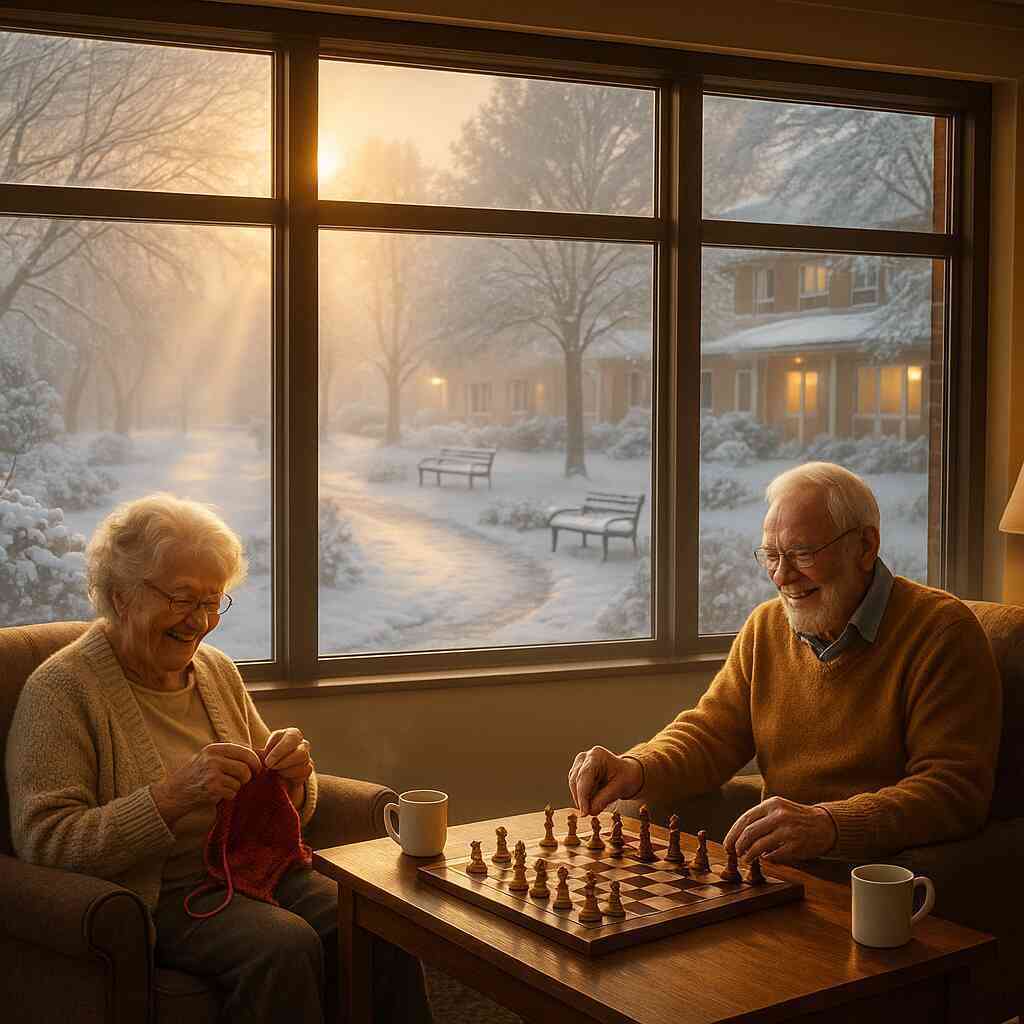
Embracing Winter: A Holistic Approach to Senior Wellness
Understanding Winter Health Challenges for Seniors
Winter presents unique health challenges for seniors, requiring a comprehensive understanding of potential risks. As temperatures drop, seniors face increased risk for cold-related illnesses such as hypothermia and frostbite. The season can also worsen chronic conditions like arthritis and cardiovascular disease. Flu season peaks in winter, posing significant threats to older adults with weakened immune systems. Recognizing these challenges helps senior living facilities stay well-prepared to offer the essential care and protection residents need during these months.
The Role of Senior Living Facilities in Winter Preparedness
Senior living facilities play a pivotal role in preparing residents for winter health challenges. By implementing robust winter health preparation plans, facilities can reduce risks and enhance resident safety. These plans cover a wide range of strategies, from ensuring adequate supplies of medications and emergency resources to arranging specialized winter attire for residents. Facilities also conduct thorough evaluations to ensure their medical staff are equipped and ready to manage winter-specific conditions effectively, creating a secure environment for seniors.
Integrating Seasonal Wellness into Senior Care Plans
Incorporating seasonal wellness strategies into senior care plans is essential for maintaining resident well-being during winter. This holistic approach involves adapting activities and care programs to align with the challenges and opportunities of the winter season. Emphasizing immune system support through nutritional counseling and seasonal flu vaccination programs forms a core part of these plans. Promoting activities that support mental health and social connectivity also ensures residents stay engaged and fulfilled despite the limitations winter can bring.
Fortifying the Body: Immunity and Nutrition Strategies
Boosting Immune System Support for Seniors
A strong immune system is vital for seniors to fend off winter-related illnesses. Senior living facilities promote various strategies to strengthen immunity, including ensuring a balanced, nutrient-rich diet high in vitamins and minerals. Foods rich in antioxidants – such as fruits and vegetables – combined with adequate hydration, play a significant role in maintaining optimal health. Facilities may also offer wellness programs focused on immunity-enhancing practices like yoga and regular health screenings to monitor residents’ overall health during the cold months.
Senior Nutrition During Winter: Key Considerations
Nutrition takes center stage during the winter months to protect the health of seniors. Ensuring residents have access to warm, balanced meals is essential for maintaining energy levels and overall well-being. Facilities prioritize meals rich in nutrients like vitamin D and calcium, which support bone health and help compensate for reduced sunlight exposure. Warm beverages and soups can be both comforting and nutritionally satisfying, providing physical warmth and essential nutrients throughout the colder season. For more insights on immunity and nutrition for seniors, visit Optimal Nutrition in Senior Living Facilities Dining.
Flu Prevention in Senior Living: Vaccination and Beyond
Flu prevention is critical in senior living environments, especially during winter when the virus spreads most rapidly. Vaccination programs form the cornerstone of flu prevention strategies, with facilities ensuring all residents and staff receive timely inoculations. Beyond vaccinations, promoting good hygiene practices – such as regular handwashing and wearing protective gear – significantly reduces transmission risks. Facilities may also encourage residents to avoid crowded places and ensure shared spaces are sanitized regularly. Learn more about winter flu prevention in senior living.
Creating a Safe Haven: Environmental and Physical Safety
Heating Solutions in Senior Apartments: Ensuring Comfort and Safety
Maintaining a comfortable and safe temperature in senior apartments is crucial during winter. Facilities implement advanced heating solutions designed specifically for senior living spaces, prioritizing both comfort and energy efficiency. Programmable thermostats and energy-efficient heaters ensure consistent warmth without excessive energy costs. Regular maintenance checks on heating systems prevent malfunctions and help maintain a cozy, safe environment for residents. For detailed strategies, refer to eco-friendly energy systems in senior living facilities.
Fall Prevention in Icy Conditions for Seniors
Icy winter conditions create significant fall risks, and falls remain a leading cause of injury among seniors. Facilities take proactive measures – such as clearing walkways of snow and ice – to maintain safe outdoor environments. Indoors, proper lighting and non-slip flooring reduce the likelihood of accidents. Offering mobility support devices and organizing regular safety drills further strengthens fall prevention efforts. Additional information on facility cleanliness and safety standards is available in our guide on deep cleaning standards inside senior living facilities.
Senior Housing Winter Maintenance: Keeping Facilities Safe
Comprehensive winter maintenance is essential to keep senior housing facilities safe and operational throughout the season. This involves regular inspection and upkeep of HVAC systems, plumbing, and roofing to prevent winter-related damage. Addressing these issues proactively minimizes the risk of emergencies like burst pipes or heating failures. Facility staff are trained to identify and resolve maintenance concerns promptly, ensuring a secure and comfortable environment for all residents. Families researching options can also explore our general guide to senior housing for families in the US 2026 for broader context.
Staying Active and Engaged: Mental and Physical Well-being
Winter Exercise for Seniors: Keeping Active Indoors
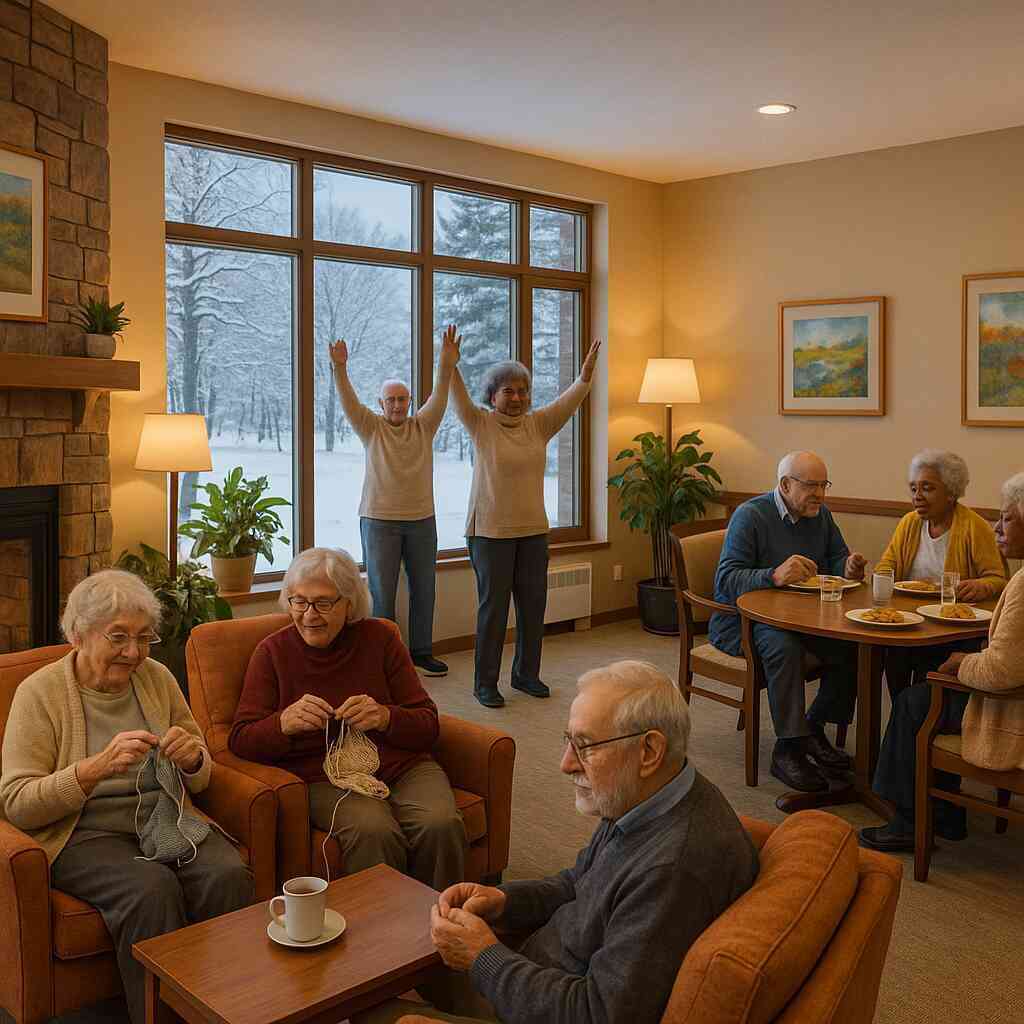
Promoting physical activity indoors is a key strategy for maintaining seniors’ health during winter. Exercise routines can be tailored to facility resources and resident preferences, including group fitness classes, adaptive yoga, or individual home-based exercises. Facilities often dedicate spaces for fitness activities, ensuring equipment is senior-friendly and accessible. These initiatives help sustain physical health and contribute meaningfully to residents’ overall well-being. Explore adaptive yoga and winter exercise options for seniors.
Winter Activities for Seniors: Fostering Community and Connection
Participation in community activities is crucial for seniors’ mental and emotional well-being, particularly during winter when social isolation is a real risk. Senior living facilities organize diverse events and activities that nurture community connections and stimulate mental engagement. From indoor game nights to arts and crafts, these activities give residents opportunities to develop new skills and build friendships. By creating a vibrant and inclusive atmosphere, facilities enhance quality of life and help combat the solitude that winter can bring. For inspiration on programming, see what emerging art therapies at senior living facilities look like today.
Maintaining Mental Health in Winter for Seniors
Winter can take a toll on mental health, with shorter days and limited sunshine contributing to seasonal affective disorder (SAD). Facilities address this by weaving mental health support into their care strategies, including access to counseling and support groups. Exposure to natural light is encouraged through strategically designed indoor spaces. Residents are also motivated to pursue hobbies and social interactions, both of which are essential for maintaining mental health in winter for the elderly. Facilities can also draw on lifestyle coaching benefits to support residents’ emotional well-being throughout the season.
Preparedness and Communication: Navigating Winter Emergencies
Senior Living Emergency Preparedness: Planning for the Unexpected
Emergency preparedness is a foundational element of winter readiness in senior living facilities. Comprehensive plans that address potential winter ailments or severe storms ensure residents’ safety and continuity of care. These plans include maintaining essential supplies, having backup power solutions, and conducting regular emergency drills for both staff and residents. Coordination with local emergency services further strengthens preparedness, enabling rapid assistance when needed. Families evaluating facilities can review our top 10 senior living facility features families value most to understand what robust preparedness looks like in practice.
Senior Living Winter Communication Plans: Staying Informed and Connected
Effective communication during winter ensures residents remain informed and connected. Facilities develop detailed communication strategies that use digital platforms to share weather updates and facility information. Regular updates via newsletters and community meetings ensure transparency and preparedness among residents and families alike. This proactive approach fosters peace of mind and keeps everyone engaged and informed. Learn how facilities manage communication with senior living winter communication plans.
Assessing Assisted Living Winter Care Strategies
Evaluating and improving winter care strategies is an ongoing process for assisted living facilities. By reviewing past seasons, facilities gain valuable insights that help refine care plans. Continuous assessments ensure adaptability to emerging challenges and help maintain high standards of care. Facilities recognize the importance of feedback from residents and staff in developing responsive, effective winter care strategies – promoting a collaborative approach to seasonal wellness.
Frequently Asked Questions
Question: How does the blog ‘How Senior Living Facilities Prepare for Winter Health Challenges’ ensure the communities for seniors 55+ are ready to face winter illnesses?
Answer: The blog outlines various proactive strategies that Senior Living Facilities implement to prepare for winter health challenges. These facilities focus on winter health preparation for seniors by offering comprehensive flu prevention programs and boosting immune system support. They also provide winter-ready attire and ensure safety through fall prevention protocols. By addressing both physical and mental wellness, Senior Living Facilities ensure a safe and healthy environment for seniors during the cold months.
Question: What measures do Senior Living Facilities take to maintain mental health in winter for seniors?
Answer: Senior Living Facilities integrate mental health support into their care strategies to combat seasonal affective disorder, a common issue in winter. Programs include access to counseling services, support groups, and activities that promote social interaction. Facilities also design spaces to maximize exposure to natural light, reducing symptoms associated with shorter winter days. By fostering a connected community and engaging activities, Senior Living Facilities help maintain the mental health and well-being of seniors throughout the colder season.
Question: How do Senior Living Facilities adjust their nutrition plans for residents during winter?
Answer: Nutrition plays a crucial role in senior health, particularly during winter when cold weather challenges are prevalent. Senior Living Facilities emphasize balanced diets rich in vital nutrients such as vitamin D and calcium to support bone health and immune function. Warm meals and comforting beverages help maintain energy levels and provide essential nourishment. By offering dietary counseling and ensuring access to nutrient-rich foods, Senior Living Facilities safeguard residents’ health and well-being during winter.
Question: What communication strategies are used by Senior Living Facilities to keep residents informed during winter emergencies?
Answer: Senior Living Facilities prioritize clear and effective communication, using digital platforms and traditional methods to keep residents informed. During winter, regular updates on weather conditions are shared via newsletters, community meetings, and digital alerts. These comprehensive plans ensure that all residents, staff, and families are well-informed about safety protocols and any emerging situations, fostering transparency and reducing anxiety during winter emergencies.
Question: How do Senior Living Facilities prepare their heating systems to ensure comfort and safety during winter?
Answer: Ensuring a warm and safe environment is vital, particularly in senior living apartments. Senior Living Facilities employ advanced heating solutions, including programmable thermostats and energy-efficient systems, to provide consistent warmth. Regular maintenance checks on heating systems prevent failures and ensure residents’ comfort. With proactive winter maintenance plans, Senior Living Facilities maintain optimal living conditions for seniors, preventing cold-related health issues and enhancing overall safety.
Admin
Expert contributor specializing in senior living care. Dedicated to providing families with clear, actionable advice.