
How Technology Improves Senior Living In 2026
The Digital Renaissance in Senior Living
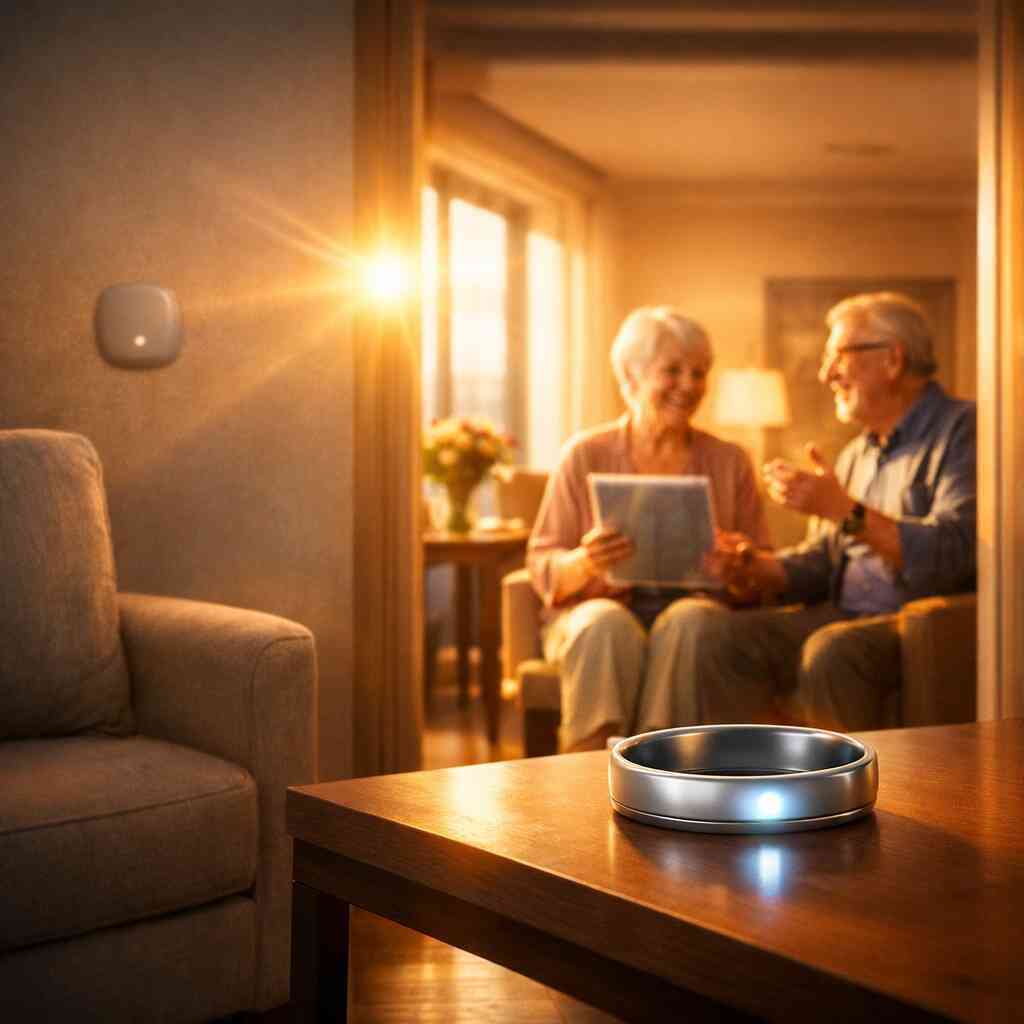
The landscape of senior living is undergoing a profound transformation, moving far beyond traditional models of care. A digital renaissance is enriching the lives of older adults, fostering unprecedented levels of independence, safety, and social connection. This evolution is evident across all housing options for seniors, from vibrant independent living communities to comprehensive long-term care facilities. Technology is no longer an optional luxury but a fundamental component of quality care, seamlessly integrated into the daily fabric of communities for seniors 55+. This integration empowers residents, reassures families, and enables staff to provide more personalized and proactive support. Ultimately, this technological shift creates environments where seniors can thrive with dignity and joy.
Beyond Basic Care: The Evolution of Connected Health Platforms
The concept of senior care has dramatically expanded from reactive treatment to proactive, holistic wellness management. Central to this shift are sophisticated connected health platforms that unify data from various sources into a single, actionable dashboard for care teams. These platforms aggregate information from wearable health devices for older adults, in-room sensors, and electronic health records to create a complete picture of a resident’s well-being. Consequently, nurses and physicians can identify subtle health trends long before they become emergencies, enabling early intervention. This seamless flow of information is revolutionizing care coordination in assisted living locations and nursing homes for the elderly. Families gain peace of mind knowing their loved one’s health is continuously monitored through a cohesive system. The result is a higher standard of preventative care that supports aging in place with greater confidence and stability.
Redefining Independence: How Smart Home Technology Empowers Seniors
Independence is a core desire for many seniors, and modern technology is making it more achievable than ever. Smart home technology for seniors is transforming private residences and senior apartment rentals into responsive, supportive environments. Voice-activated assistants for senior living allow residents to control lights, thermostats, and entertainment systems without moving a muscle, reducing physical strain and frustration. Automated systems can learn daily routines, gently prompting residents about meals or appointments, which is especially valuable in assisted living plans focused on cognitive support. These adaptive smart home automation systems provide a subtle safety net that promotes autonomy. For those exploring senior living near you, the presence of such integrated technology is a key indicator of a community committed to resident empowerment and modern comfort.
From Isolation to Integration: Technology as a Social Bridge
Loneliness and social isolation have long been critical challenges in senior living, but technology is now a powerful antidote. A new generation of social connection technology for seniors is designed to be intuitive and engaging, breaking down barriers of distance and mobility. Platforms facilitate virtual book clubs, multiplayer games, and video-based family chats, ensuring residents maintain strong bonds with loved ones and peers. These tools are particularly vital in sprawling senior living facilities where in-person gatherings might be limited by weather or health. By integrating these technologies, communities for seniors 55+ become hubs of digital interaction as well as physical activity. This focus on connection transforms a senior living facility from merely a place to live into a vibrant, integrated community where every resident can build and maintain meaningful relationships.
The Intelligent Ecosystem: Proactive Health and Safety
The modern senior living environment is an intelligent ecosystem designed to anticipate needs and prevent crises before they occur. This proactive approach to health and safety represents a monumental leap forward in quality of care. By leveraging networks of sensors, wearables, and artificial intelligence, communities create a protective environment that is both vigilant and unobtrusive. This ecosystem operates continuously, monitoring vital signs, movement patterns, and environmental conditions to ensure resident well-being. It empowers care teams with real-time data, allowing them to shift from scheduled check-ins to dynamic, needs-based responsiveness. For families searching for a senior living community, this intelligent infrastructure provides unparalleled reassurance that their loved one is in a secure, forward-thinking environment focused on holistic safety.
The Guardian Network: AI-Powered Fall Detection and Emergency Response Wearables
Falls remain a leading concern for older adults, but the response paradigm has been revolutionized by artificial intelligence. Advanced AI-powered fall detection systems in senior housing now utilize a combination of wearable pendants, room sensors, and sophisticated algorithms to distinguish between a simple stumble and a serious fall. These emergency response wearables for seniors are discreet, comfortable, and often include automatic alert features that require no button press. When a fall is detected, the system instantly notifies on-site staff and can even provide preliminary data on the impact’s severity. This rapid response capability is crucial in assisted living locations and can significantly improve medical outcomes. The technology acts as a constant guardian, offering residents the confidence to move freely while ensuring help is always moments away if needed.
The Invisible Safety Net: IoT Sensor Networks in Senior Housing
Beyond wearables, the physical space itself has become an active participant in resident safety through the Internet of Things (IoT). Discreet sensors placed in apartments and common areas form an invisible safety net that monitors daily activity patterns without cameras or intrusive surveillance. These IoT sensor networks in senior housing can track motion, door activity, appliance use, and even restroom visits, establishing a baseline for each resident’s routine. Significant deviations from this pattern-such as a lack of morning kitchen activity-trigger automated wellness check-ins from staff. This application of the internet of things (IoT) for senior safety provides peace of mind for residents living independently in senior apartment rentals. The system is a perfect example of technology working silently in the background to support independence while ensuring that no concern goes unnoticed.
Virtual Care Teams: Telehealth and Remote Wellness Check-Ins
Access to specialized medical care has been dramatically expanded through the widespread adoption of telehealth and remote monitoring for elderly residents. Seniors can now have comprehensive consultations with specialists, therapists, and their primary physicians without leaving the comfort of their community. This is especially beneficial for those in rural areas or communities with limited on-site specialty care. Furthermore, scheduled remote wellness check-ins for seniors allow care teams to monitor chronic conditions, medication efficacy, and general well-being through secure video calls and data from connected devices. This model not only improves health outcomes but also reduces the stress and physical toll of frequent travel to medical appointments. It represents a core component of modern assisted living plans, blending high-touch personal care with high-tech medical access.
Cognitive Guardians: Digital Tools and GPS Tracking for Dementia Care
For seniors living with cognitive challenges, technology provides essential tools for safety and engagement. Digital cognitive therapy tools for older adults offer stimulating games and exercises designed to slow decline and maintain mental acuity, often accessible through senior-friendly tablet applications. For safety, discreet GPS tracking for dementia care is integrated into wearable devices or shoe inserts, allowing care teams in memory care units to quickly locate a resident who may have wandered. These systems often feature secure geofences, sending immediate alerts if a resident moves beyond a designated safe area. This technology empowers individuals with cognitive impairment to enjoy supervised freedom within secure grounds, reducing agitation and improving quality of life. It provides a critical layer of support that complements the dedicated human care found in specialized nursing homes for the elderly.
Enhancing Daily Life: The Seamless Integration of Assistive Tech
The true measure of technology’s success in senior living is its seamless integration into the routines and rituals of daily life. The most impactful innovations are those that feel less like gadgets and more like natural extensions of a supportive environment. This seamless integration reduces friction, minimizes the learning curve, and directly enhances quality of life by tackling everyday challenges. From managing medications to maintaining a home, assistive technologies quietly work to preserve energy, ensure accuracy, and promote autonomy. For residents across all housing options for seniors, these tools collectively lower the physical and cognitive burden of daily tasks. This allows individuals to focus their energy on hobbies, socializing, and pursuits that bring joy, fundamentally redefining what it means to live well in later years.
The Automated Home: Adaptive Smart Home Automation and Maintenance
The modern senior residence is an intuitively responsive partner in daily living. Adaptive smart home automation for aging in place goes beyond simple voice commands to create a truly personalized environment. Systems can automatically adjust lighting to reduce glare and fall risk, regulate temperature for optimal comfort and health, and control window shades to maximize natural light. Furthermore, these systems can generate automated home maintenance alerts, notifying community staff of potential issues like water leaks, HVAC malfunctions, or refrigerator temperature changes before they become hazards. This proactive maintenance is invaluable in rental housing for seniors, ensuring the living environment remains safe and comfortable without the resident needing to manage repairs. Such automation provides a profound sense of security and ease, making independent living more sustainable and enjoyable.
Personal Health Concierges: Wearable Devices and Biometric Screening
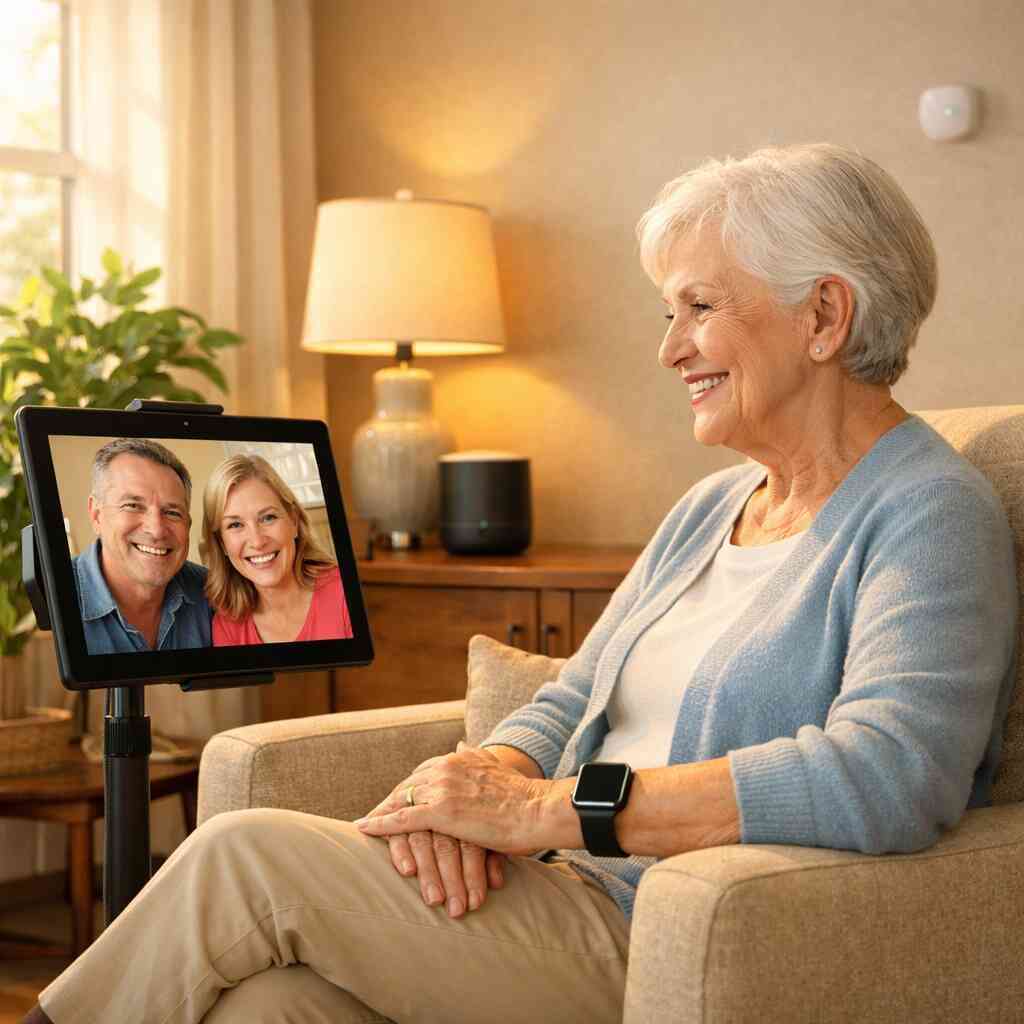
Personal health management has become continuous, convenient, and highly personalized through wearable technology. Modern wearable health devices for older adults are sleek, user-friendly, and capable of tracking a vast array of metrics, from heart rate and sleep patterns to blood oxygen levels and activity. This data feeds into connected health platforms for elderly care, where it can be reviewed by the resident and their care team. Some communities even offer on-site biometric health screening at home using kiosks or portable devices that measure blood pressure, weight, and other vital statistics. This constant stream of personalized health information empowers seniors to take an active role in their own wellness. It transforms health from a periodic doctor’s visit topic into an ongoing conversation, enabling truly personalized assisted living plans and interventions.
The Digital Pillbox: Medication Management Apps and Devices
Medication adherence is critical for health management, and technology has solved many of the common challenges associated with complex medication schedules. Advanced medication management apps and devices for seniors provide audible and visual reminders when it’s time to take a dose. The most sophisticated devices are internet-connected pillboxes that automatically dispense the correct pills at pre-programmed times and lock afterward to prevent double-dosing. These systems can send alerts to family members or care staff if a dose is missed, ensuring timely follow-up. This technology is a cornerstone of safety in many assisted living locations, providing residents with independence in their medication routine while offering a crucial backup system. It reduces anxiety for both the senior and their family, ensuring that health regimens are followed accurately and consistently.
Mobility Reimagined: Robotic Assistance and On-Demand Transportation Apps
Mobility support has entered a new era with the introduction of robotic aids and digital access to transportation. Robotic assistance in daily living for seniors includes devices like lift-assist chairs, robotic walkers that navigate obstacles, and even exoskeleton suits that augment strength for standing and walking. Within the home, small fetch robots can retrieve items, reducing the need for risky reaching or bending. For mobility beyond the community, on-demand transportation apps for seniors offer easy-to-use interfaces to schedule rides to appointments, social events, or shopping. These apps often feature senior-specific drivers trained in assistance and vehicle accessibility. Together, these solutions dismantle physical barriers, enabling residents to engage more fully with their community and the world outside, a key benefit for any senior living facility focused on holistic well-being.
The Future is Here: Cultivating Connection and Purpose
The ultimate promise of technology in senior living is not merely to add years to life, but to add life to those years. The most exciting advancements today are those that cultivate deep social connection, continuous learning, and a renewed sense of purpose. This focus on holistic enrichment moves the conversation beyond basic care and safety into the realm of human fulfillment. Communities are leveraging immersive and interactive tools to combat loneliness, spark curiosity, and provide platforms for creative expression. This technological investment directly impacts mental and emotional health, which are just as vital as physical well-being. For anyone evaluating senior living options, the presence of these engagement technologies is a strong indicator of a community that values the whole person and is committed to fostering a vibrant, meaningful lifestyle for every resident.
Bridging the Miles: Video Calling and Social Connection Technology
Maintaining close family bonds is essential for emotional health, and technology has made it simpler and more immersive than ever. Dedicated video calling for family connection with seniors is now a standard offering, often through simplified, large-button interfaces on communal tablets or in-room displays. These platforms are designed for ease of use, minimizing technical confusion and maximizing the quality of the interaction. Furthermore, broader social connection technology for seniors facilitates virtual grandparent-grandchild story times, remote participation in family celebrations, and even daily check-ins with friends across the country. This constant ability to connect combats the feelings of isolation that can sometimes accompany a move to a senior living community. It ensures that a resident’s social world remains expansive and rich, seamlessly blending their new community life with their lifelong relationships.
Worlds of Wonder: Virtual Reality Experiences for Enrichment
Virtual reality (VR) has emerged as a powerful tool for cognitive stimulation, emotional well-being, and pure joy. Curated virtual reality experiences for elderly adults can transport residents to places they may no longer be able to visit physically-walking along the beaches of their youth, touring world museums, or visiting ancestral homelands. These experiences are more than entertainment; they can trigger positive memories, stimulate conversation, and provide gentle physical activity through seated exploration. VR is also used for relaxation and meditation, immersing users in calming natural environments. This technology offers profound benefits for those in assisted living facilities or memory care, providing novel sensory experiences that can improve mood and cognitive engagement. It represents a groundbreaking frontier in person-centered enrichment programming.
Lifelong Learning: Senior-Friendly Tablets and Digital Entertainment Platforms
The desire to learn and explore never fades, and technology now delivers world-class education and entertainment directly to residents’ fingertips. Senior-friendly tablet applications feature simplified interfaces with large icons, clear text, and intuitive navigation tailored for older adults. These devices provide access to vast digital entertainment and learning platforms, offering everything from online university lectures and language courses to streaming classic films and curated music libraries. Residents can enjoy audiobooks, digital puzzles, and interactive brain games designed to maintain cognitive sharpness. This easy access to culture and knowledge supports a lifestyle of lifelong learning and mental engagement, which is a key attraction of modern independent living communities. It empowers seniors to continue growing, discovering, and enjoying their favorite pastimes on their own terms.
Finding Your Perfect Community: How Integrated Software Simplifies the Search
Navigating the vast landscape of senior living options can feel overwhelming for families. Fortunately, technology also streamlines the search process itself. Advanced integrated care coordination software for senior living is used by leading communities to manage everything from resident care plans to community amenities. For seekers, platforms like Senior Living Facilities utilize similar sophisticated technology to help families cut through the clutter. You can start by searching for senior living near you with a location-based tool that scans our expansive national database. Our platform allows you to compare critical details-from the level of care and technology integration to social programs and costs-across different types of senior living facilities. This transparent, data-driven approach empowers you to make a confident, informed decision for your loved one’s next chapter.
Frequently Asked Questions
Question: How can technology help me find the right senior living facility for my loved one’s specific needs in 2026?
Answer: At Senior Living Facilities, we leverage advanced integrated care coordination software and a vast national database to simplify your search. You can start by using our assisted living locator to find senior living near you. Our platform allows you to compare various housing options for seniors, from independent living communities to long-term care facilities, based on the specific technologies they offer. We detail whether a community features smart home technology for seniors, connected health platforms, or specialized tools like GPS tracking for dementia care. This ensures you can find a senior living community that matches your loved one’s need for safety, independence, and social connection, as highlighted in our blog “How Technology Improves Senior Living In 2026.” Our service is a trusted guide in navigating the modern landscape of senior housing.
Question: What are some examples of smart home technology for seniors that improve safety and independence?
Answer: Modern communities for seniors 55+ are integrating adaptive smart home automation to create a secure and empowering environment. This includes voice-activated assistants in senior living that allow residents to control lights, temperature, and calls hands-free, reducing fall risks. Furthermore, an internet of things (IoT) for senior safety creates an invisible safety net through smart sensor networks in senior housing. These systems monitor daily patterns and can send automated home maintenance alerts for issues like leaks, while also enabling features like AI-powered fall detection systems. This technology for aging in place provides peace of mind for both residents in senior apartment rentals and their families, supporting greater autonomy within a protective framework.
Question: How does technology in assisted living plans help manage health and prevent emergencies?
Answer: Technology has transformed assisted living plans from reactive to profoundly proactive. At quality assisted living locations, connected health platforms aggregate data from wearable health devices for elderly residents and in-room sensors, giving care teams a holistic view of wellness. This enables remote wellness check-ins and allows for early intervention. Critical tools include emergency response wearables and medication management apps and devices, which ensure timely doses and alert staff if missed. Combined with telehealth and remote monitoring for consultations, this ecosystem provides continuous, personalized care. It’s a cornerstone of modern nursing homes for the elderly and assisted living facilities, aiming to prevent crises before they occur.
Question: Can technology really help reduce loneliness and improve social connection for seniors?
Answer: Absolutely. Combating isolation is a major focus in contemporary senior living facilities. Social connection technology for seniors is key, featuring senior-friendly tablet applications and dedicated platforms for video calling for family connection. These tools make staying in touch with loved ones effortless. Furthermore, communities offer digital entertainment and learning platforms and even curated virtual reality experiences for older adults, which can transport residents to new places and stimulate joyful engagement. These technologies ensure that whether in a large senior living facility or a cozy community, residents have abundant opportunities for mental stimulation and maintaining vital social bonds.
Question: What role does technology play in supporting seniors with cognitive challenges like dementia?
Answer: Technology provides essential layers of safety and cognitive support in specialized memory care settings, as detailed in our blog on How Senior Living Facilities Support Seniors With Dementia in 2026. Discreet GPS tracking for dementia care is integrated into wearables, allowing staff to quickly locate a resident if they wander, while secure geofences send instant alerts. Digitally, residents can benefit from digital cognitive therapy tools accessed via tablets, which offer engaging games to help maintain mental acuity. These tools, part of a comprehensive care approach in nursing homes for the elderly with memory care units, complement human care. They create a safer environment that allows for supervised freedom, reducing anxiety and significantly improving the quality of life for residents and peace of mind for their families.
Senior Living Facilities Editorial Team
Expert contributor specializing in senior living care. Dedicated to providing families with clear, actionable advice.