Lifestyle Coaching Benefits in Senior Living Facilities

Unlocking the New Frontier of Senior Vitality Through Lifestyle Coaching
From passive care to proactive aging strategies
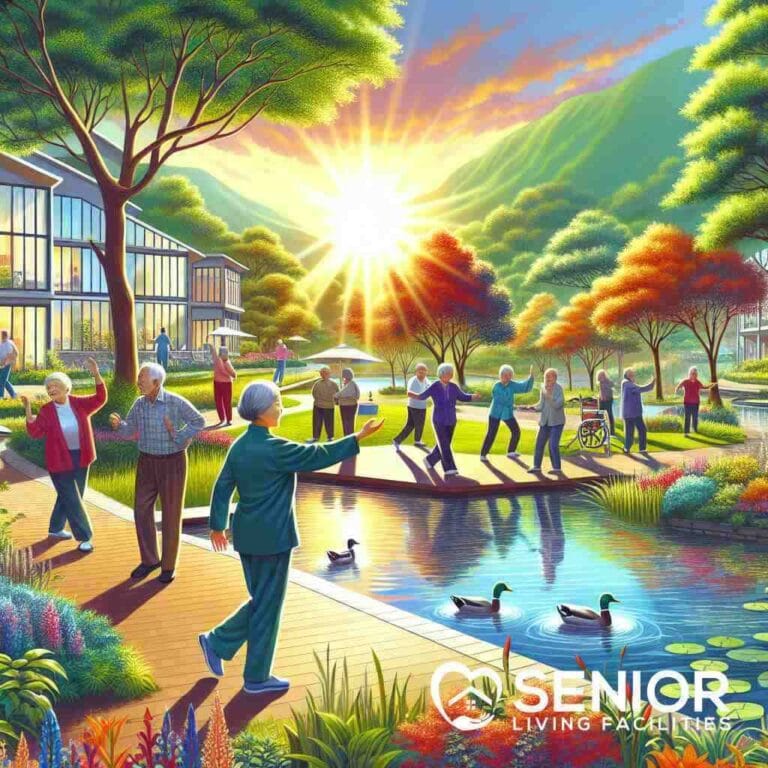
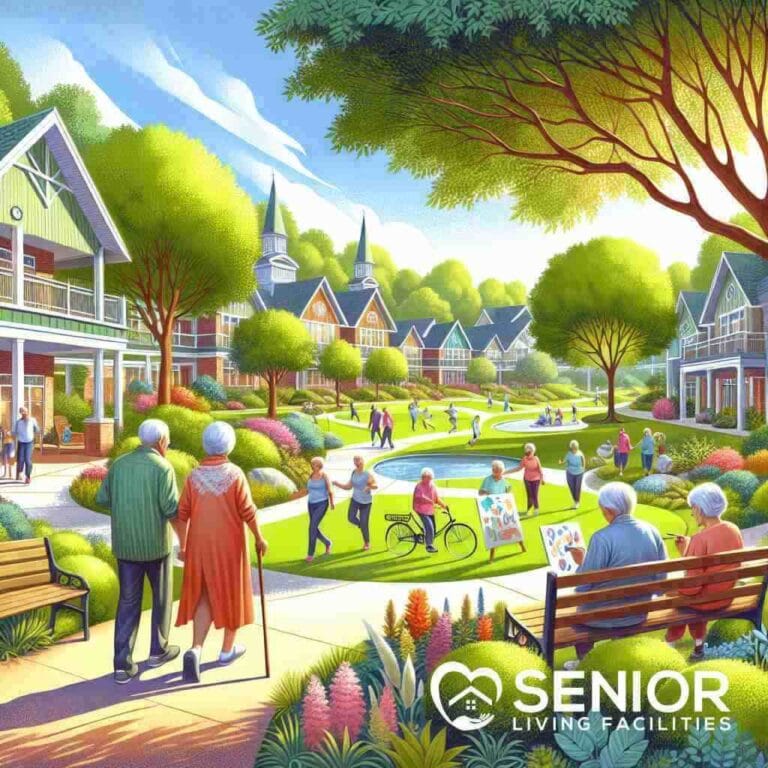
The conversation around aging has shifted dramatically, and so have expectations inside every modern senior living facility. Older adults no longer accept a purely custodial model; they crave agency, growth, and purpose. Lifestyle coaching for seniors answers that call by transforming passive care into proactive aging strategies that honor autonomy. Coaches collaborate with residents to set meaningful wellness goals that go beyond vital signs, inspiring curiosity, movement, and creativity. As a result, senior living facilities that embrace this approach witness healthier behaviors, brighter moods, and a renewed sense of control among their residents.
Proactive aging strategies begin with assessing individual strengths rather than deficits. Trained coaches explore fitness preferences, sleep patterns, social interests, and lifelong passions before tailoring guidance. This asset-based mindset reframes challenges as opportunities for mastery and resilience. Residents learn evidence-based methods to improve mobility, sharpen cognition, and guard against isolation through realistic, incremental steps. Because each session ends with actionable takeaways, older adults feel empowered instead of overwhelmed, reinforcing the facility’s reputation for forward-thinking care.
Bridging senior living facilities with holistic wellness coaching
Holistic senior wellness programs flourish when facilities deliberately weave lifestyle coaching into every daily touchpoint. Dining teams coordinate with coaches to turn meals into lessons on mindful eating and balanced nutrition. Activities directors schedule adaptive exercise classes that amplify mobility gains achieved during one-on-one sessions. Clinical staff shares data with coaches to ensure chronic conditions remain stable while residents pursue stretching goals. This cross-department synergy aligns everyone behind a single mission: fostering lifelong vitality within an inclusive seniors living community.
Families researching housing options for seniors often feel overwhelmed by endless listings and acronyms. When marketing materials highlight integrated coaching, prospects immediately grasp the added value of choosing a community driven by growth rather than maintenance. Many discover these advantages while exploring comprehensive senior living resources that compare amenities, coaching credentials, and resident success stories. Transparency about coaching outcomes builds trust, boosts occupancy rates, and positions the community as an industry pioneer.
The synergy of community culture and personalized health plans
Community culture acts as fertile soil in which personalized health plans for older adults can thrive. Daily greetings from staff reinforce coaching goals, reminding residents to hydrate, stretch, or practice breath work between sessions. Peer champions celebrate milestones loudly in common areas, normalizing healthy risk-taking for friends who once hesitated. This positive peer pressure magnifies individual gains and ultimately elevates the entire community’s wellness baseline.
Personalization also respects each resident’s history, preferences, and pace. Coaches adjust language for those who cherish gentle encouragement over competitive challenges. They redesign home workouts for residents living in cozy senior apartment rentals and craft outdoor walking routes for neighbors in spacious cottages. By honoring diverse lifestyles within the same seniors living community, coaching preserves individuality while fostering collective momentum. The outcome is a resilient culture where purpose, belonging, and health reinforce one another every single day.
Pillars of a Holistic Senior Wellness Program
Emotional resilience coaching for seniors in assisted living
Emotional resilience coaching for seniors strengthens the mind’s ability to rebound from adversity. Certified coaches use motivational interviewing for elders to uncover hidden worries, losses, or regrets that may sap joy. Through guided storytelling, mindful breathing, and gratitude journaling, residents practice stress reduction techniques for aging adults in a supportive circle. These sessions nurture retirement purpose discovery, helping participants redefine identity beyond previous careers or family roles. As confidence grows, residents request deeper senior life transition counseling and share coping tools with neighbors, enriching the entire seniors living community.
Family members often notice a brighter spark in their loved ones after only a few weeks. Consistent feedback surveys show lower depression scores and improved sleep hygiene coaching for seniors following these workshops. By treating emotional fitness as seriously as physical fitness, wellness coaching in senior living facilities normalizes mental health conversations. Staff trained in caregiver collaboration coaching reinforce new coping techniques during routine check-ins. The result is a proactive aging strategy that gives every resident a sturdy psychological safety net.
Adaptive exercise routines and fitness coaching in communal settings
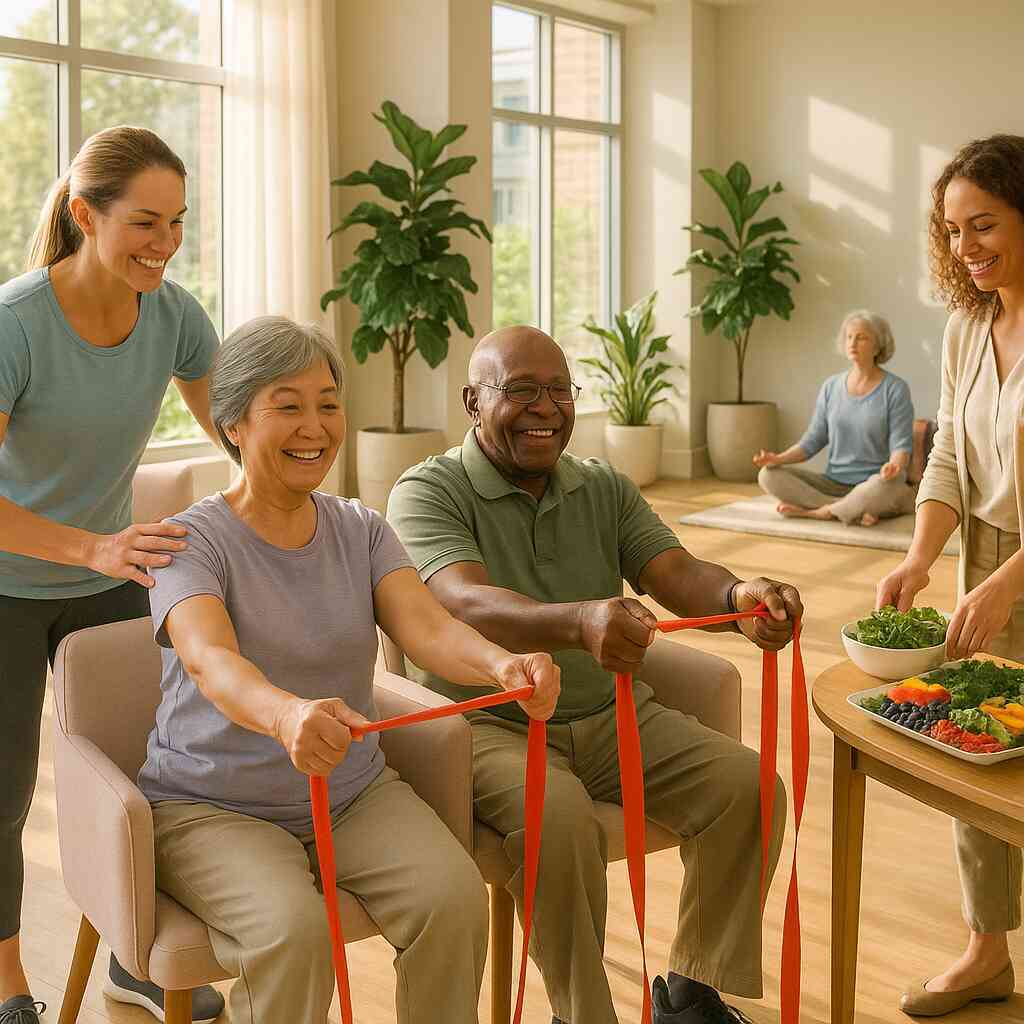
A sedentary lifestyle accelerates muscle loss, yet traditional workouts can intimidate older adults. Fitness coaching in assisted living communities therefore emphasizes adaptive exercise routines for seniors that respect joint limitations. Coaches demonstrate chair yoga, resistance-band circuits, and balance drills that double as fall prevention coaching. Because sessions occur in bright communal lounges, peer encouragement creates a contagious energy that fuels perseverance. Heart-rate monitors and simple progress charts translate effort into visible victories, feeding personalized health plans for older adults.
Programs remain inclusive by offering tiered intensity options within the same class. Residents recovering from surgery might perform seated marches while avid walkers tackle mini-hurdle drills nearby. Every movement pattern aligns with independence maintenance planning, ensuring gains translate to safer transfers and easier stair climbs. Coaches partner with nursing staff to integrate chronic disease self-management coaching, tracking blood-pressure trends before and after workouts. These data points validate the facility’s commitment to healthy habits in long-term care and attract families searching online for senior living near me.
Nutritional guidance and mindful eating in dining halls
Balanced meals power cognition, immunity, and mood, yet many older adults struggle with appetite fluctuations. Nutritional guidance for seniors therefore anchors each holistic senior wellness program. Registered dietitians host demonstrations in the dining hall, showing residents how colorful plates supply antioxidants and protein. Servers reinforce lessons by highlighting plant-forward entrées and smaller portions for those with diminished hunger cues. Mindfulness classes in senior communities then teach residents to savor textures, aromas, and gratitude before every bite.
One innovative initiative links residents to interactive menu boards that rank entrées against individual macronutrient goals. Feedback loops allow chefs to tweak recipes while coaches monitor hydration logs to prevent urinary tract issues. By weaving education into mealtime rituals, facilities transform dining rooms into living classrooms. For deeper exploration, residents can examine balanced nutrition programs in community dining that spotlight flavor without sacrificing health. Such transparency reassures prospective families that the senior living facility treats food as preventative health coaching for seniors, not an afterthought.
Cognitive vitality sessions and technology learning support
Cognitive vitality sessions challenge the brain through puzzles, language lessons, and creative writing circles. Coaches use evidence-based neuroplasticity drills to sharpen recall and processing speed, vital for aging in place skill building. Technology learning support complements these efforts by teaching residents how to video chat, manage digital calendars, and explore virtual museums. This dual approach combats isolation while embedding new neural pathways, forming a potent cognitive vitality session.
Residents track progress on tablet apps that reward streaks and suggest next-level challenges. Coaches also integrate medication adherence coaching reminders into devices, ensuring pharmacological routines remain consistent. Partnerships with local libraries provide e-readers loaded with large-print novels, expanding access for low-vision participants. Such offerings meet search intent for cognitive health while reinforcing the facility’s reputation for integrated health care principles. Families comparing housing options for seniors witness a community that values mind and machine literacy equally.
Social engagement coaching for deeper community integration
Social engagement coaching prevents loneliness by guiding residents toward meaningful interactions that fit their personalities. Coaches map interest clusters, pairing music lovers with ukulele jams and gardeners with rooftop herb plots. Structured goal-setting workshops for older adults help shy individuals commit to attending at least two communal events weekly. As comfort grows, participants lead their own senior empowerment sessions, fostering a virtuous cycle of peer mentorship.
The program also addresses cultural inclusivity by celebrating diverse holidays and multilingual discussion groups. Coaches train resident ambassadors who welcome newcomers on move-in day, easing the daunting transition from private homes to senior apartment rentals. Community integration coaching thus transforms neighbors into allies, shrinking perceived facility size and boosting satisfaction scores. These dynamic social webs exemplify vitality coaching in nursing homes that refuse to let walls define community borders. Ultimately, the residents-not the architecture-become the heartbeat of every seniors living community.
 Coaching Methodologies That Resonate With Older Adults
 Coaching Methodologies That Resonate With Older Adults
Motivational interviewing tailored to elders
Motivational interviewing for elders shifts conversations from directives to discoveries. Coaches ask open questions, reflect feelings, and evoke personal reasons for change. Because every resident owns a lifetime of stories, this respectful method honors autonomy while guiding action. Sessions start with simple scales of readiness, allowing older adults to grade their confidence without judgment. The result is lifestyle coaching for seniors that feels collaborative, never prescriptive.
Equally important, coaches adjust pacing and tone for auditory or cognitive shifts common in aging. They use concise summaries to reinforce insights before moving on. Regular follow-ups celebrate micro-wins, transforming skepticism into steady momentum. Families often notice renewed enthusiasm after only a few dialogues, validating the power of empathy. For a deeper perspective, residents explore innovative wellness trends in senior housing to see how their facility compares.
Goal-setting workshops and independence maintenance planning
Goal-setting workshops for older adults turn abstract wishes into measurable targets. Facilitators break down long-term visions into weekly checkpoints that highlight progress. Visual boards, color-coded calendars, and celebratory stickers keep the process engaging. Each participant identifies obstacles, like joint pain or transportation gaps, then crowdsources strategies from peers. This collective brainstorming fosters independence maintenance planning rooted in community wisdom.
Workshops also embed real-world practice. Residents rehearse elevator speech requests for help, ensuring they feel confident seeking support when needed. Coaches track outcomes, adjusting tactics if goals feel too lofty or too easy. Importantly, achievements feed into personalized health plans for older adults, aligning physical, emotional, and social domains. Those curious about further optimization review daily living optimization strategies in nearby residences for fresh inspiration.
Chronic disease self-management and medication adherence coaching
Chronic disease self-management coaching equips residents with tools to decode symptoms, track triggers, and adjust routines. Coaches teach label reading, portion sizing, and energy-pacing so arthritis flares or glucose swings feel less mysterious. Interactive charts transform biometrics into motivating visuals, making health data more approachable. Residents then craft action plans that outline steps for flare-up days, preserving agency even during setbacks. This process strengthens trust between residents and clinical teams.
Medication adherence coaching complements these skills by tackling pillbox confusion head-on. Coaches demonstrate smartphone reminders, color-coded organizers, and buddy systems for double checks. Role-play exercises practice conversations with pharmacists, boosting confidence to ask clarifying questions. Facilities eager to expand such offerings can list senior wellness services for communities and showcase their commitment to proactive aging strategies.
Stress reduction and sleep hygiene techniques for aging adults
Unmanaged stress undermines immunity and cognition, so coaches introduce breathing drills, progressive muscle relaxation, and guided imagery. Residents practice five-minute resets before meals, lowering cortisol and improving digestion. Gratitude circles, held after dinner, redirect attention toward daily joys, enhancing emotional resilience. Together, these strategies nurture a calmer baseline, paving the way for restorative rest. Coaches record perceived stress scores to quantify gains over time.
Sleep hygiene coaching for seniors then tackles evening routines. Coaches dim lights, reduce screen glare, and recommend soothing playlists aligned with residents’ musical eras. They also discuss caffeine timing, mattress support, and bedroom temperature. When insomnia lingers, coaches flag concerns to nurses, ensuring integrated health care principles stay intact. Residents seeking extra guidance browse a concise quality-of-life enhancement guide for elders curated by experts.
Fall prevention and safe mobility training in shared spaces
Falls threaten independence, yet many are avoidable with targeted education. Coaches begin by assessing gait, footwear, and room layouts, noting hazards like loose rugs or dim hallways. Next, they introduce adaptive exercise routines for seniors, such as single-leg stands and resistance-band hip work. Each drill strengthens proprioception, guarding against missteps. Progress charts reward consistency and build confidence.
Safe mobility training extends beyond the gym. Coaches lead hallway obstacle courses using dining carts and pillows to simulate real-life clutter. Residents practice turning, braking, and backward stepping, vital for crowded common areas. Staff members reinforce cues during meal transitions, embedding habits into daily flow. Curious readers often explore active aging facilities in Colorado to compare regional best practices and see how their community measures up.
Implementing Lifestyle Coaching Across Senior Living Options
Aligning coaching services with assisted living plans and independent living communities
Lifestyle coaches first map each resident’s daily rhythm against the community’s existing assisted living plans, ensuring no helpful routine gets disrupted. They then customize micro-goals that respect medication schedules, dining times, and preferred social hours inside every senior living facility. This alignment allows residents to see coaching as an organic extension of care rather than an extra chore. Advisors also show families how to locate lifestyle-focused senior communities near me so they can compare coaching depth before choosing a residence. The seamless integration boosts occupancy because prospects immediately grasp the value of proactive aging strategies woven into ordinary days.
While independent living communities enjoy greater resident autonomy, consistent guidance still matters. Coaches host orientation workshops that explain how strength sessions, mindfulness circles, and grocery tours complement carefree retirement. Flexible appointment slots accommodate volunteer gigs or grandparent duties, proving respect for residents’ broader lives. In sunbelt regions, retirees often explore holistic senior living options in Florida to combine coastal weather with year-round walking clubs steered by certified trainers. Such geographic matchmaking underscores how tailored programming elevates satisfaction in communities for seniors 55+.
Collaboration with caregivers and clinical teams in long-term care facilities
In a long-term care facility, frontline caregivers hold crucial insight into mobility limits, pain patterns, and meal preferences. Lifestyle coaches therefore schedule weekly huddles with aides, nurses, and therapists to sync observations. These meetings transform anecdotal notes into actionable adjustments that keep personalized health plans for older adults realistic. Cross-disciplinary trust flourishes when every stakeholder sees shared victories, like steadier gait speed or brighter breakfast moods. Southern families appreciate the transparency of assisted living coaching services in Alabama, citing smoother care coordination as a deciding factor during tours.
Clinical alignment also prevents duplicate efforts that exhaust residents. For example, physical therapists might focus on post-surgery range of motion, while coaches reinforce endurance between formal rehab sessions. Pharmacists join calls to flag medications that influence hydration or balance, enabling prompt tweaks to exercise intensity. By rooting each decision in integrated health care principles, facilities present a united voice that calms anxious families and boosts regulatory compliance. Shared electronic dashboards further streamline communication and prove measurable value to executive directors.
Leveraging digital tools for remote wellness coaching in rural senior housing
Rural seniors often face limited onsite amenities, yet tablets and wearables now bridge that gap. Coaches livestream chair-yoga classes, breathwork tutorials, and nutrition Q&As, letting participants join from spacious cottages or cozy senior apartment rentals. Video check-ins preserve accountability without demanding long drives through winding country roads. Many Western retirees compare bandwidth capabilities while researching wellness-driven senior residences in California, signaling how connectivity influences housing options for seniors today. Strong Wi-Fi and clear onboarding manuals make virtual appointments feel effortless, even for tech rookies.
Digital dashboards display step counts, sleep cycles, and water intake in colorful gauges. When metrics dip, push notifications prompt friendly nudges, sustaining momentum between formal sessions. Coaches can also embed links to brain-training games that align with current cognitive vitality approaches in senior care, reinforcing memory while normalizing technology use. Family portals provide real-time progress reports, easing worry for adult children living several states away. Together, these innovations prove that distance no longer dictates the quality of lifestyle coaching.
Measuring outcomes from vitality coaching in nursing homes
Data matters when convincing administrators to fund new programs. Coaches therefore establish baseline metrics-resting heart rate, timed-up-and-go scores, and mood inventories-before launching interventions. Monthly dashboards track improvements, highlighting wins like reduced falls or shorter recovery after illness. Texas operators often benchmark performance against vitality-focused retirement communities in Texas to stay regionally competitive. Transparent reporting not only satisfies regulators but also empowers residents to witness their own progress, fueling intrinsic motivation.
Qualitative feedback adds nuance beyond numbers. Staff collects resident testimonials describing regained confidence during bathing or stronger voice projection during choir. Comparing these stories with nursing home care standards helps boards appreciate how coaching elevates quality beyond minimum compliance. Regular town halls reveal new interests, guiding program pivots that keep engagement high. Success stories then feed marketing brochures, attracting families seeking nursing homes for the elderly that celebrate growth, not decline.
Funding pathways and community partnerships to scale programs
Sustaining robust lifestyle coaching demands creative financing. Many operators pursue grants from public health agencies eager to reduce hospital readmissions through preventative care. Local universities may supply intern coaches who earn practicum credits while expanding service capacity. Facilities also invite corporate sponsors to underwrite walking challenges, supplying branded pedometers and prize budgets. Families exploring options often connect with senior living advisors to learn which communities leverage such partnerships to keep fees reasonable. Transparent cost structures reassure budget-minded retirees while highlighting institutional ingenuity.
Regional nonprofits focused on active aging can offer curriculum licenses or bilingual materials, widening cultural reach. Housing authorities sometimes provide subsidies that allow rental housing for seniors to incorporate coaching without raising rents. Boards researching scalable models study established retirement community models to replicate proven revenue mixes. Finally, resident councils vote on discretionary funds for specialized workshops, ensuring programs reflect genuine interests. When financing aligns with purpose, lifestyle coaching becomes a permanent pillar rather than a fleeting perk.
A Vision of Empowered Aging in Every Senior Living Community
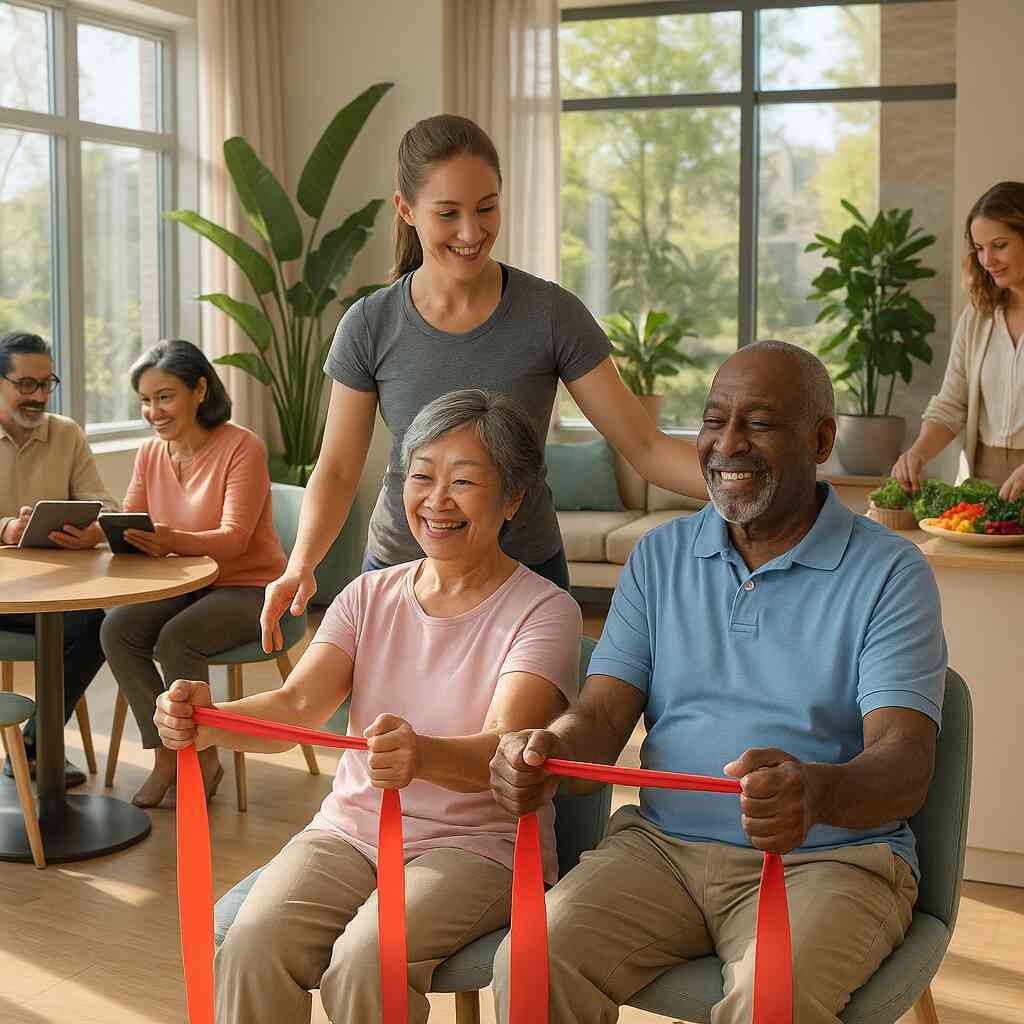 A Vision of Empowered Aging in Every Senior Living Community
Cultivating purpose and passion beyond retirement
Residents flourish when lifestyle coaching for seniors spotlights latent talents and lifelong dreams. Coaches invite story sharing, which uncovers ambitions left on hold during busy careers. Because every revelation shapes personalized health plans for older adults, participants feel heard and respected. Purpose-driven action items then transform vague hopes into clear weekly adventures, whether painting landscapes or mentoring local students. Consequently, motivation stays high and depressive ruts fade.
Passion also multiplies when successes echo through the seniors’ living community. Bulletin boards celebrate new poems, fitness milestones, and volunteer hours, reinforcing a culture of achievement. Curious residents browse the facility’s own collection of insights on modern retirement wellness blog articles, gaining fresh ideas from peers nationwide. These stories highlight proactive aging strategies that make every day a canvas instead of a countdown. Shared enthusiasm keeps social calendars vibrant and friendships expanding.
Building sustainable healthy habits in rental housing for seniors
Rental housing for seniors presents unique rhythms, yet wellness coaching in senior living facilities adapts seamlessly. Coaches assess kitchen layouts, hallway lighting, and balcony space to design realistic movement cues. Simple nudges-such as stretching routines while kettles boil-embed activity into ordinary afternoons. Nutritional guidance for seniors arrives through bite-sized tips pinned near pantry shelves, supporting mindful snacking without lecturing. Over time, micro-changes evolve into unshakable routines.
For residents needing additional encouragement, coaches align goals with essential activities of daily living support. By linking morning balance drills to confident shower transfers, motivation turns practical. Progress journals capture small triumphs like smoother stair climbs or steadier plate carrying, validating effort. Regular check-ins prevent backsliding and celebrate consistency, proving that sustainable habits thrive when they mirror real household tasks.
How lifestyle coaching elevates the value of senior living near you
Prospective families compare housing options for seniors with discerning eyes, and robust coaching programs instantly differentiate one senior living facility from another. Clear metrics-fewer falls, deeper social networks, sharper cognition-translate into measurable value. Marketing tours spotlight community integration coaching in action, turning abstract wellness claims into observable energy. Consequently, occupancy rises while resident turnover falls, fueling stable operations.
Independent reviews often cite coaching breadth when ranking seniors living near me choices. Readers exploring an overview of senior living concepts learn how holistic senior wellness programs elevate quality of life beyond basic care. The knowledge empowers consumers to demand environments that champion growth rather than mere survival. Facilities embracing this expectation become regional beacons of healthy aging.
Next steps for families exploring senior apartment rentals and lifestyle services
Choosing a community begins with honest conversations about goals, fears, and finances. Families should list must-have features-like cognitive vitality sessions or fall prevention coaching-before touring locations. During visits, they can observe whether staff casually reinforce wellness goals between formal appointments, a hallmark of integrated programming. Transparent progress dashboards also indicate accountability and data-driven refinement.
After narrowing options, families schedule discovery calls to outline assisted living plans or independent living packages that include wellness coaching. They compare cost structures, session availability, and coach certifications to ensure alignment with their elder’s personality. Finally, they revisit communities during different activity periods, confirming that advertised vibrancy persists throughout the week. This deliberate process transforms uncertainty into confident action, paving the way for an empowered, purpose-filled chapter in any beloved senior’s journey.
Frequently Asked Questions
Question: How does Senior Living Facilities match my loved one with a senior living facility that offers lifestyle coaching for seniors and other proactive aging strategies?
Answer: Senior Living Facilities maintains an expansive, nationwide database of independent living communities, assisted living locations, and long-term care facilities that have embraced wellness coaching in senior living facilities. When you enter your ZIP code, our assisted living locator instantly highlights options that feature certified lifestyle coaches, adaptive exercise routines for seniors, and goal-setting workshops for older adults. You can then compare each community’s coaching credentials, personalized health plans for older adults, and success metrics-such as fall-prevention results or reduced hospital readmissions-before connecting directly with the team. This side-by-side view empowers families to choose a senior living community that turns passive care into proactive aging strategies.
Question: The blog post Lifestyle Coaching Benefits in Senior Living Facilities mentions holistic senior wellness programs. What specific pillars should I look for when touring senior living near me?
Answer: While touring senior living near you, ask whether the community provides the five core pillars outlined in the article: 1) emotional resilience coaching for seniors, 2) fitness coaching in assisted living with adaptive exercise routines, 3) nutritional guidance for seniors with mindful dining, 4) cognitive vitality sessions and technology learning support, and 5) social engagement coaching that fosters community integration. Senior Living Facilities’ comparison tool allows you to filter housing options for seniors by these exact offerings, ensuring that your parent or relative gains access to a truly holistic senior wellness program rather than isolated activities.
Question: Can lifestyle coaching really improve chronic disease self-management and medication adherence in a long-term care facility?
Answer: Yes. Communities that partner with Senior Living Facilities often embed chronic disease self-management coaching and medication adherence coaching into daily routines. Certified coaches teach residents how to track vitals, recognize early warning signs, and use color-coded pill organizers or smartphone alerts. Facilities report measurable outcomes such as steadier blood-pressure readings, fewer emergency calls, and higher confidence scores on resident surveys. By integrating caregiver collaboration coaching and clinical oversight, these programs transform complex medical regimens into manageable, empowering habits.
Question: How do emotional resilience coaching and social engagement coaching work together to combat loneliness in rental housing for seniors?
Answer: Emotional resilience coaching helps residents process loss, stress, or life transitions through guided mindfulness classes in senior communities and retirement purpose discovery sessions. Social engagement coaching then channels that renewed confidence into action by mapping each resident’s interests-music, gardening, volunteerism-to community events. In rental housing for seniors, this dual approach turns neighbors into allies, boosts daily interaction, and builds a supportive network that significantly lowers feelings of isolation. Senior Living Facilities highlights communities for seniors 55+ that demonstrate strong outcomes in both areas, making it easier for families to select a nurturing environment.
Question: What measurable benefits have senior apartment rentals seen after adding vitality coaching in nursing homes or assisted living plans?
Answer: Facilities showcased on the Senior Living Facilities report a spectrum of quantifiable gains after launching vitality coaching programs: 30-45 % reductions in fall incidents thanks to fall prevention coaching, 25 % increases in daily step counts through adaptive exercise routines, and double-digit drops in depression scores following stress reduction techniques for aging adults. Many communities also note sharper cognitive test results and higher resident satisfaction ratings. These metrics are shared transparently with families during tours or via online dashboards, proving that personalized health plans for older adults deliver tangible improvements in quality of life.
Admin
Expert contributor specializing in senior living care. Dedicated to providing families with clear, actionable advice.