Social Connection Benefits in Senior Living Proven in 2026
The Loneliness Epidemic and the Senior Living Solution
Understanding the Modern Crisis of Senior Isolation
The silent crisis of senior isolation threatens the well-being of older adults across the nation. Many seniors living alone in private homes face significant barriers to regular social interaction, leading to chronic loneliness. This isolation often stems from reduced mobility, the loss of a spouse or friends, and family members living far away. Consequently, the absence of daily meaningful engagement can severely impact both mental and physical health. The search for genuine social connection benefits for seniors has become a paramount concern for families and healthcare professionals. Addressing this epidemic requires innovative solutions that proactively create environments for consistent companionship and interaction.
The consequences of prolonged solitude are far-reaching. Research consistently links social isolation to increased risks of depression, anxiety, and a general decline in life satisfaction. The problem extends beyond feelings of sadness, often accelerating physical health decline through heightened stress and inflammation. Combating senior isolation is not a luxury but a critical component of holistic senior care. Modern senior living solutions are specifically engineered to dismantle these barriers to connection, offering a powerful antidote to the loneliness epidemic.
How Senior Living Facilities Redefine Community for Older Adults
Senior living facilities fundamentally reimagine the concept of community for the older adult population. These environments are intentionally designed to dissolve the walls of isolation by placing social wellness at the heart of daily life. Unlike aging in place alone, a move to a seniors living community ensures that neighbors and potential friends are just steps away, sharing similar life stages and interests. The design philosophy prioritizes communal spaces like courtyards, dining halls, and activity rooms that naturally encourage spontaneous conversations. This architectural and social planning transforms a residence from a simple shelter into a vibrant hub of human connection and mutual support.
Furthermore, these communities actively cultivate a culture of inclusion and participation from day one. New residents are warmly welcomed and integrated through orientation programs and buddy systems, immediately fostering a sense of belonging. The very structure of assisted living and independent living options is built around the principle that care extends beyond physical needs to encompass social and emotional health. This redefinition shifts the paradigm from merely providing housing to creating a true lifestyle centered on engagement. The result is an environment where combating loneliness is a shared community goal, woven into the fabric of everyday living.
The Proven Link Between Social Connection and Senior Wellness
A robust body of evidence conclusively proves the powerful link between social connection and comprehensive senior wellness. This connection is a critical determinant of overall health outcomes and longevity. Active social engagement directly correlates with lower blood pressure, reduced risk of cardiovascular disease, and a stronger immune system. The mental health in senior communities that prioritize interaction shows marked improvement, with residents reporting higher levels of life satisfaction and purpose. This holistic benefit underscores why social wellness is now considered a non-negotiable pillar of quality senior care, as vital as nutrition and medical support.
Moreover, the emotional well-being for older adults flourishes in environments where friendship and support are readily available. The constant opportunity for conversation, shared meals, and collaborative activities provides a buffer against stress and grief. Studies demonstrate that seniors with strong social ties experience slower health declines and maintain greater independence longer. The proven benefits create a compelling case for considering community living as a proactive health strategy. Ultimately, the data affirms that investing in social connection is an investment in a longer, healthier, and more joyful life.
The Architecture of Belonging in Senior Communities
Structured Social Activities Designed for Meaningful Engagement
The heartbeat of any vibrant senior living community is its curated calendar of structured social activities. These are thoughtfully planned programs that cater to diverse interests, abilities, and social goals. From book clubs and art workshops to group fitness classes and educational lectures, each activity serves the dual purpose of enjoyment and connection. This intentional programming ensures that every day offers multiple avenues for residents to interact, learn, and have fun together. The result is a dynamic environment where isolation is replaced by invitation and participation.
Specifically, these structured social activities for seniors are crafted by dedicated life enrichment directors who understand the nuances of senior socialization. They skillfully balance group sizes, activity types, and challenge levels to ensure inclusivity and comfort. For instance, a morning coffee social provides a low-pressure setting for casual conversation, while a gardening club fosters deeper collaboration over a shared project. These activities are fundamental to building friendships in retirement, transforming acquaintances into close companions through repeated, positive shared experiences. The structured approach guarantees that social opportunities are consistent, accessible, and integral to the community rhythm.
Fostering Connections and Building Friendships in Retirement
Fostering deep, lasting connections is a primary mission within modern senior communities, directly addressing the need for senior social engagement programs. The environment itself is engineered to facilitate friendship, with communal dining encouraging shared meals and common areas designed for comfortable conversation. Community managers often initiate interest-based clubs, from classic car enthusiasts to knitting circles, which naturally unite residents with common passions. This proactive approach to community building helps residents move beyond superficial hellos to develop the rich, supportive relationships that define a fulfilling retirement. The shared experience of this life chapter creates a unique bond and understanding among peers.
Furthermore, the process of building friendships and peer groups in retirement is supported by a culture of mutual support and celebration. Friendships formed in these settings provide a critical safety net, offering companionship during difficult times and camaraderie during joyful ones. Neighbors quickly become confidants, exercise partners, and dinner companions, creating a web of support that extends far beyond family visits. This network is instrumental in reducing loneliness and depression in elderly adults, providing daily doses of laughter, empathy, and shared purpose. The community becomes an extended family, where everyone looks out for one another, creating a profound sense of security and belonging.
Intergenerational Programs that Enrich Senior Social Health
Innovative intergenerational programs for seniors break down age barriers and inject vibrant energy into senior living environments. These initiatives thoughtfully connect residents with younger generations through partnerships with local schools, scout troops, and daycare centers. Activities might include reading buddies programs, shared art projects, or technology tutoring sessions where teens help seniors with digital devices. These interactions provide seniors with a sense of legacy, mentorship, and renewed vitality, while offering youth valuable perspectives and empathy. The mutual benefits are immense, combating ageist stereotypes and enriching the social fabric for all participants.
The impact of these programs on senior social health is profound and multifaceted. Engaging with children and young adults often brings out playfulness, nostalgia, and a deep sense of purpose in older residents. The laughter of children in communal spaces creates an atmosphere of joy and forward-looking energy. These programs are a cornerstone of connected living for older adults, ensuring their world remains expansive and integrated with the broader community. By fostering these cross-generational bonds, senior living communities demonstrate a commitment to holistic social wellness that acknowledges the human need for varied and meaningful relationships across the lifespan.
Event Calendars that Combat Depression and Spark Joy
A dynamic, ever-changing event calendar is a powerful tool in the mission of combating depression in elderly residents and sparking daily joy. These calendars are packed with a diverse mix of social, recreational, educational, and spiritual events designed to appeal to a wide range of personalities. From holiday celebrations and live musical performances to day trips to local museums and themed dinner parties, the variety ensures there is always something to look forward to. The anticipation of a fun event alone can lift spirits and provide conversational topics, fostering a forward-looking and optimistic community atmosphere.
Moreover, these senior living community activities and event calendars are strategically designed to create rhythm and routine, which are psychologically comforting. They offer a balance of regular weekly events for stability and special monthly events for novelty and excitement. This careful planning ensures residents can easily find their social niche while also being gently encouraged to try new experiences. The consistent flow of engaging activities directly counteracts the apathy and withdrawal often associated with depression, replacing it with curiosity and participation. In essence, the event calendar acts as a visible promise of engagement, continually inviting residents to step out of their apartments and into a world of shared experience and joy.
Cognitive and Emotional Well-Being Through Social Interaction
Mental Health Benefits of a Vibrant Senior Living Community
The mental health benefits of a vibrant senior living community are both immediate and sustained, creating a foundation for lasting emotional well-being. Daily immersion in a socially active environment directly counters the risk factors for senior depression and anxiety. Simply knowing that friendly faces and engaging conversations are readily available alleviates the background stress of solitude. Residents experience a significant boost in mood and self-esteem from regular positive interactions and feeling valued within a community. This supportive atmosphere acts as a powerful buffer against life’s challenges, providing empathy and understanding from peers who truly relate.
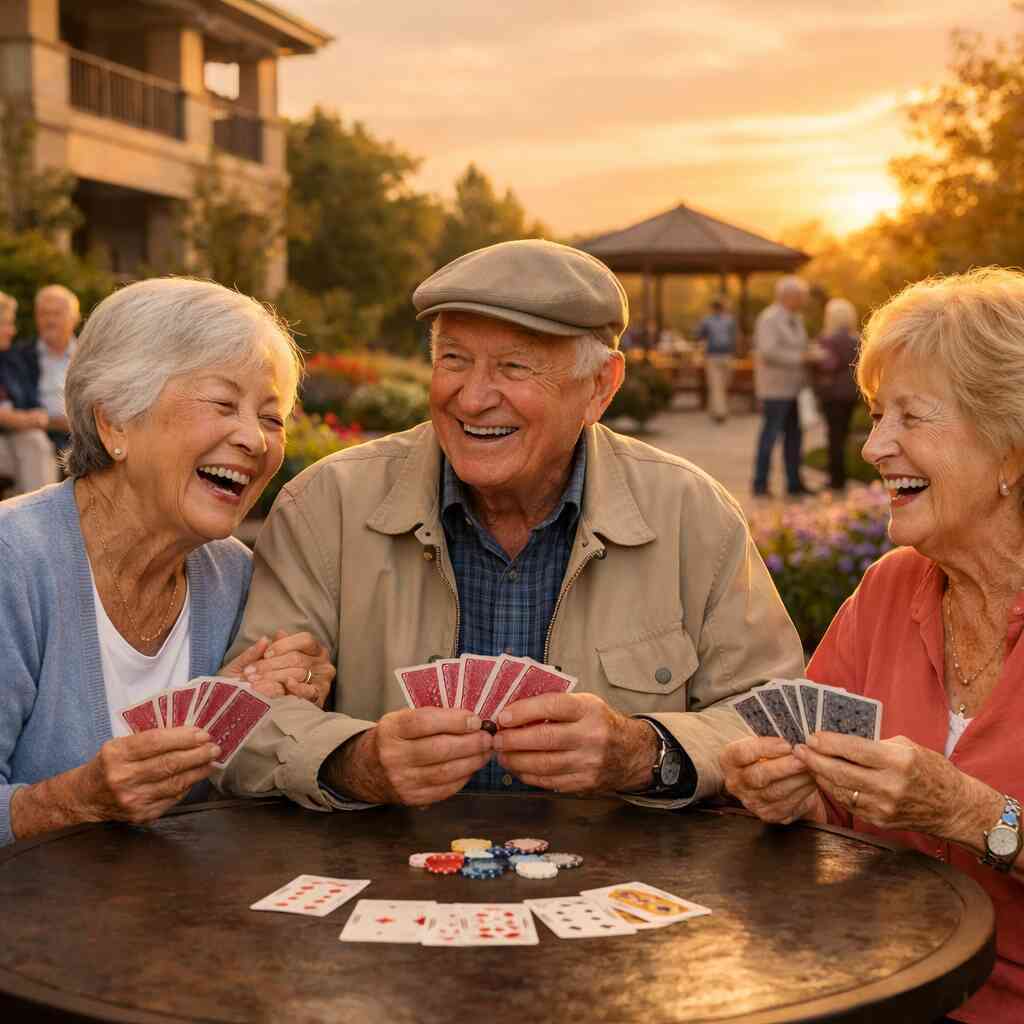
Furthermore, the collective focus on wellness through social interaction promotes proactive mental health management. Many communities offer dedicated wellness programs, support groups for specific life transitions, and access to on-site counselors. The normalization of discussing emotional health within the peer group reduces stigma and encourages residents to seek support when needed. The result is an environment where mental health and emotional well-being in senior communities are prioritized as much as physical health. This holistic approach ensures residents are not just living somewhere but are truly thriving, supported by a community that cares for the whole person.
Cognitive Preservation Through Peer Groups and Daily Interaction
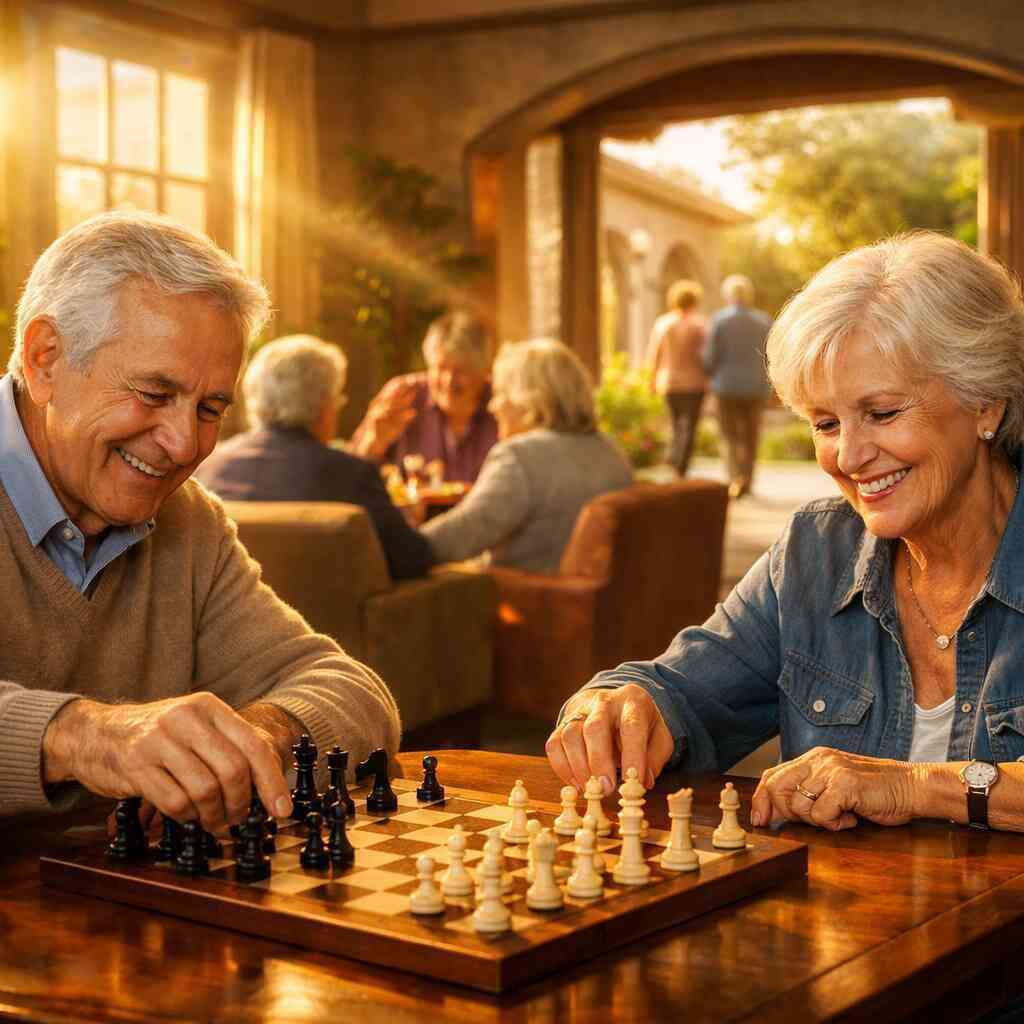
Engaging regularly with a senior peer group provides a powerful workout for the brain, offering significant cognitive benefits of socializing for older adults. Every conversation is an exercise in memory, attention, and processing speed, as residents recall shared experiences, discuss current events, and navigate social cues. This constant, low-pressure mental stimulation is crucial for cognitive preservation, helping to maintain neural pathways and potentially delay the onset of cognitive decline. Discussion groups, game nights, and collaborative projects require problem-solving and strategic thinking, keeping minds agile and engaged in a fun, social context.
Additionally, cognitive preservation is enhanced by the learning opportunities inherent in community life. Residents learn from each other, share skills, and are exposed to new ideas and hobbies through their friends. This environment of lifelong learning-whether it’s a friend teaching watercolor techniques or a group learning to use a new tablet app-creates cognitive novelty. This novelty is key to brain health, encouraging neuroplasticity even in later years. The social motivation to participate and keep up with conversations provides a natural incentive to stay mentally sharp, making cognitive exercise an enjoyable byproduct of friendship.
From Companionship to Thriving Support Networks
The journey within a senior community often begins with simple companionship but rapidly evolves into the creation of thriving support networks. These networks are the invisible safety net that catches residents during times of illness, loss, or personal difficulty. A neighbor checking in, a dining companion saving a seat, or a friend offering a listening ear transforms casual relationships into profound sources of strength. This evolution from acquaintance to advocate is a natural process in environments designed for proximity and shared experience. The support network provides practical help, emotional sustenance, and the deep comfort of knowing one is not alone.
These senior living support networks are often formalized through resident-led committees, welcome wagons for new neighbors, and buddy systems. This organized mutual aid ensures that every individual is seen and supported, integrating even the most reserved residents into the community fabric. The network extends beyond social needs, often helping with practical aspects of health care in senior living, such as reminding each other of medication times or accompanying one another to appointments. This profound interdependence fosters resilience, allowing residents to navigate the challenges of aging with confidence and grace.
Measuring Happiness and Quality of Life in Connected Environments
Quantifying the impact of social connection reveals dramatic improvements in overall senior living and quality of life. Metrics used by researchers and leading communities often include scales measuring life satisfaction, perceived social support, and frequency of positive affect. Residents in socially vibrant environments consistently report higher scores across all these domains compared to their isolated peers. The ability to form meaningful relationships in retirement directly correlates with self-reported happiness and a sense of purpose. This data provides concrete evidence that the community model delivers on its promise to enhance daily life beyond basic care and shelter.
Moreover, this elevated quality of life manifests in observable ways: more laughter in common areas, higher participation in events, and stronger community identity. Families often report noticeable positive changes in their loved ones’ demeanor, energy, and overall outlook after a move to an engaging community. The combination of security, friendship, and opportunity leads to what many describe as a renaissance-a period of renewed growth and enjoyment. Ultimately, measuring happiness confirms that senior living facilities and quality of life are inextricably linked, with social connection being the golden thread that weaves together safety, health, and joy.
Finding Your Social Solution with Senior Living Facilities
How to Identify Communities Prioritizing Social Wellness
Identifying a senior living community that genuinely prioritizes social wellness requires looking beyond glossy brochures to observe the living culture. The most telling sign is an active, diverse, and detailed event calendar that is visibly followed and populated by residents. During a visit, observe the common areas: are they being used comfortably by residents interacting, or are they empty and quiet? Ask specific questions about how new residents are integrated, what clubs exist, and how the community facilitates friendships. A truly engaged community will have residents eager to share their positive experiences and staff who speak passionately about their senior social engagement programs.
Furthermore, inquire about the role of the Life Enrichment or Activities Director and their qualifications in fostering senior living community activities. A strong community will have a dedicated professional with a budget and a plan for creating meaningful, inclusive programming. Look for evidence of intergenerational programs and partnerships with local organizations, which indicate an outward-looking, connected community. The goal is to find a place where the social structure feels organic and vibrant, not forced or sparse. This careful evaluation ensures you select a community where social connection is a lived reality, paving the way for genuine enhancing senior life through connection.
Comparing Engagement Strategies Across Housing Options
The approach to fostering connection varies significantly across different housing options for seniors, making informed comparison essential. Independent senior living options often emphasize a resort-style social calendar with extensive clubs, trips, and amenities for fully mobile residents. In contrast, a long-term care facility or nursing home might focus more on tailored, small-group activities that accommodate various physical and cognitive abilities while still prioritizing interaction. Assisted living locations typically strike a balance, offering robust social programs with built-in support to ensure all residents can participate. Understanding these nuances helps families match a loved one’s social needs with the appropriate level of care and engagement.
When using an assisted living locator or similar tool, pay close attention to the described engagement strategies. Does the community offer a mix of on-site and off-site activities? How do they accommodate different personality types, from the social butterfly to the more reserved individual? Examine the physical environment: are there inviting pathways, gardens, and communal spaces that naturally draw people together? Comparing these senior living engagement strategies will reveal which community is most adept at creating a naturally social atmosphere. This analysis ensures you find a place that views social wellness as a core service, integral to their mission of care.
Your Next Step Toward a Connected and Active Future
Taking the step toward a connected and active future begins with a simple, empowered search for your ideal community. By entering your location on our platform, you can instantly find senior living facilities near you and begin exploring your local options. Our expansive database allows you to filter by care type, amenities, and specific social programs to find communities that align with your vision for a vibrant lifestyle. This initial search demystifies the process and provides a clear starting point for your journey toward enhanced social wellness and overall quality of life. You can immediately see the possibilities available in your area, from senior living in bustling metropolitan areas to quieter suburban settings.
We invite you to use our comprehensive resources as your guide. Explore our detailed General Guide to Senior Housing for Families in the US 2026 to understand the nuances of contracts, services, and community cultures. Dive deeper into locations of interest, whether you are looking at senior living facilities in Florida for their active lifestyles, senior living facilities in California for their innovative wellness programs, senior living facilities in Texas for their vibrant local cultures, or senior living facilities in New York for their urban energy. Our platform is designed to provide you with the clarity and confidence needed to make this important decision. Let us help you transition from contemplating a change to discovering a community where you can build lasting friendships, enjoy engaging activities, and truly thrive in your next chapter.
Frequently Asked Questions
Question: How do senior living facilities actively combat senior isolation and promote social connection benefits for seniors?
Answer: At Senior Living Facilities, we understand that combating senior isolation is a core mission. Our partnered communities are intentionally designed as vibrant seniors living community that dissolve the walls of isolation. They offer structured social activities for seniors, daily event calendars, and communal spaces that naturally foster connections. This proactive approach to building friendships in retirement directly addresses the loneliness epidemic by ensuring residents have consistent opportunities for meaningful engagement, which is proven to enhance emotional well-being for older adults and overall wellness through social interaction.
Question: What types of senior living community activities and programs are offered to support mental health in senior communities?
Answer: Our network of senior living facilities and assisted living locations offers a vast array of programs specifically designed to support mental health and cognitive benefits of socializing. Activities range from book clubs, art workshops, and group fitness to educational lectures and themed social events. These are curated by dedicated staff to ensure meaningful relationships in retirement can flourish. Furthermore, many communities feature intergenerational programs for seniors and dedicated support groups, creating a comprehensive strategy for reducing loneliness in elderly residents and combating depression through consistent, joyful engagement.
Question: Can you explain the link between social wellness in senior housing and overall quality of life, as mentioned in the blog ‘Social Connection Benefits in Senior Living Proven in 2026’?
Answer: Absolutely. The blog ‘Social Connection Benefits in Senior Living Proven in 2026’ highlights the proven, powerful link between social connection and holistic wellness. In the communities we help you find, social wellness in senior housing is a foundational pillar. Active social engagement leads to improved emotional well-being for older adults, stronger cognitive preservation, and even better physical health outcomes. This directly translates to a higher senior living and quality of life. Residents in connected environments report greater happiness, purpose, and life satisfaction, demonstrating that senior living serves as a vital social solution for thriving in later years.
Question: How does Senior Living Facilities help me find a community that prioritizes these engagement strategies and senior social health initiatives?
Answer: Senior Living Facilities is your dedicated guide to finding a community that genuinely prioritizes connected living for older adults. Our platform allows you to search, compare, and connect with senior living facilities near you across all 50 states. You can filter and assess communities based on their social offerings-from detailed event calendars and club listings to specific senior social engagement programs and intergenerational initiatives. Our detailed profiles and personalized guidance help you identify places where fostering connections in assisted living and independent settings is a lived reality, ensuring you find a perfect match for enhancing senior life through connection.
Question: For someone considering housing options for seniors, how do the social environments differ between independent living communities and assisted living facilities?
Answer: When comparing housing options for seniors, social environments are tailored to the residents’ level of independence but always prioritize community belonging for seniors. In independent living communities and active adult communities, the social life often resembles a resort-style calendar with extensive clubs, trips, and large-group activities. In assisted living facilities and long-term care settings, the focus remains just as strong but is adapted with more tailored, smaller-group activities and additional staff support to ensure everyone can participate. Both models are deeply committed to structured social activities for seniors, reducing loneliness in elderly residents, and building robust senior living support networks and companionship.
Admin
Expert contributor specializing in senior living care. Dedicated to providing families with clear, actionable advice.