Top 10 Questions on Senior Living Near You Answered

Opening the Door to Empowered Aging Choices
Why senior living near you is a life strategy not a last resort
Choosing senior living near you can feel proactive rather than reactive. Today’s seniors are planners, not passengers. They view location decisions as investments in continued autonomy. When you select a local senior living facility early, you anchor familiar doctors, friends, and faith communities. Consequently, the move supports purpose instead of signaling surrender.
Furthermore, proximity empowers family involvement. Loved ones can visit frequently without exhausting travel time. Close connections boost morale and ease transitions. Independent living or assisted living nearby also simplifies coordination with local service agencies. Ultimately, staying local sustains identity while embracing needed support.
The evolving landscape of senior housing across all fifty states
The senior housing market has diversified dramatically across every state. Urban towers, suburban cottages, and rural campuses now cater to varied tastes. Regulations, climate, and culture shape options differently in Maine versus Arizona. However, families can compare them side by side through a national senior housing directory online for unmatched clarity. Such breadth ensures that no older adult must compromise goals because of regional limitations.
For example, beach lovers review retirement communities in Florida or the coastal Carolinas. Ski enthusiasts explore the best senior residences in Colorado’s mountain towns. Meanwhile, city aficionados inspect senior care facilities in New York State with robust arts programs. The ability to filter by state, climate, and cost unifies exploration under one digital roof. Therefore, seniors can match lifestyle dreams with realistic budgets.
Using a senior living locator tool to turn overwhelm into opportunity
Information overload often paralyzes families at the first Google search. A dedicated search tool for senior living near you converts chaos into curated lists. Users enter a ZIP code, choose care levels, and instantly view verified communities. Embedded resident reviews reveal everyday experiences beyond glossy brochures. Quickly, worry shifts to informed curiosity.
The locator also highlights pricing ranges, amenity snapshots, and safety scores, eliminating endless phone calls. Interactive maps illustrate commute distances for doctors or grandchildren. Moreover, side-by-side comparisons spotlight subtle differences in assisted living plans before tours begin. Armed with that intelligence, families schedule visits confidently rather than blindly. As a result, the decision journey becomes structured, hopeful, and empowering.
1) How Do I Start Finding Senior Living Near Me
Mapping local senior living facilities with data driven precision
A precise search begins with location, not luck. Start by entering your zip code into the Senior Living Facilities locator. The tool instantly maps every licensed senior living facility within a chosen radius. Instead of scrolling endlessly, you receive a color-coded snapshot of independent, assisted, and nursing options. Distance filters let you see which communities sit near hospitals, parks, or faith centers you already trust.
Interactive layers allow deeper insight than a simple list. For example, click crime-rate overlays to confirm neighborhood safety before scheduling tours. For a richer checklist, consult the guide to evaluating senior communities near you. That resource outlines regulatory benchmarks and resident rights in plain language. Combining datasets and firsthand advice transforms an overwhelming map into a focused action plan.
Filtering by independent living community or assisted living facility
After mapping, refine the field by care level. Toggle independent living community filters if you prioritize lifestyle perks over daily assistance. The platform immediately hides properties requiring higher medical oversight. Conversely, select an assisted living facility that offers help with medication or bathing that feels essential. Clear icons display which residences provide memory care wings or short-term respite apartments.
Financial transparency also lives in these filters. You can view base rents, à la carte assisted living plans, and one-time community fees side by side. Sorting by price range prevents touring settings that outrun your budget. Many families appreciate the assisted living locator because it highlights move-in specials or veterans discounts immediately. Such clarity saves time, gas, and emotional energy during the search for senior living near me.
Leveraging resident ratings for an authentic first impression
Data matters, yet stories breathe life into numbers. Resident ratings supply those stories in a structured, comparable format. Each senior living facility page hosts verified comments on food quality, staffing consistency, and social programming. Reading multiple reviews quickly exposes patterns of praise or concern. A single complaint may be isolated, but repeated themes demand your attention before booking a visit.
Look beyond star counts toward narrative specifics. Does a reviewer mention prompt repairs or flexible dining for diabetics? These details reveal operational culture more than glossy brochures ever will. When reviews align with your priorities, confidence rises in that community shortlist. Ultimately, balancing empirical ratings with personal tours fosters a well-rounded senior living near you choice.
2) What Levels of Care Differentiate Independent Living Versus Assisted Living
Assessing daily activity support and medical care coordination
Independent living communities prioritize autonomy while offering maintenance-free lifestyles. Residents manage their own schedules, finances, and healthcare appointments. Support staff handle landscaping, housekeeping, and security, not personal care. The model suits older adults who can complete most activities of daily living without assistance. However, the campus still offers optional wellness programs and emergency response, so independence never jeopardizes safety.
In contrast, an assisted living facility layers personal care into the same residential setting. Trained aides help with bathing, dressing, and medication administration according to individualized service plans. Licensed nurses coordinate with physicians and pharmacies, ensuring continuity when health profiles shift. Families receive updated care notes, promoting transparency and peace of mind. This structured medical oversight distinguishes assisted options from purely lifestyle-focused senior housing.
When rental housing for seniors evolves into long term care
Many older adults enter rental housing for seniors because it feels flexible and familiar. Over time, chronic conditions may erode mobility or memory. Communities anticipate this evolution by offering progressive care tiers on the same campus. Residents gradually move from independent cottages to supported suites without leaving friends or favorite staff. Continuity minimizes stress and prevents disruptive hospital transfers.
Proactive families review these tiered pathways early by comparing independent versus assisted lifestyles. Such analysis clarifies potential service expansions, contractual triggers, and fee structures before urgency strikes. Understanding escalation policies guards against surprise relocations when needs intensify. It also ensures that the chosen senior living facility can provide dementia care or skilled nursing if required. Planning today safeguards comfort tomorrow.
Spotting hidden costs in upgraded assisted living plans
Base rent in assisted living often covers meals, housekeeping, and recreational programming. Extra help, however, usually incurs à la carte fees. Examples include daily blood-pressure checks, continence supplies, or two-person transfer assistance. Monthly statements can balloon if families ignore these incremental costs. Transparent providers publish fee schedules and review them annually with residents.
Evaluate bundled assisted living plans against predicted health trajectories, not current ability alone. Ask whether unused services roll over, expire, or become mandatory later. Scrutinize move-in incentives promising free months but requiring long term contracts. Inquire how inflation adjustments affect care charges beyond housing costs. Detailed financial questions now protect savings and preserve lifestyle freedom in senior living facilities.
3) How Can I Compare Costs and Financing Options for Senior Housing
Crunching numbers on senior apartment rentals and luxury suites
Sticker shock happens when families compare rental housing for seniors without clear benchmarks. Base rent rarely tells the whole story. Amenity packages, community fees, and care tiers can double monthly obligations. A simple spreadsheet helps, yet many skip this step. Start by listing every recurring charge from utilities to pet fees. Then include probable assisted living plans that might activate later. Finally, study move-in specials to understand their expiration triggers. For streamlined guidance, explore how to compare senior living packages and pricing before plugging numbers. That tutorial illustrates hidden costs through real case studies. Knowledge converts overwhelming figures into actionable comparisons.
Luxury senior housing can appear extravagant, yet sometimes it reduces total expenses. Premium suites often bundle concierge care, transportation, and dining credits. When calculated separately in budget properties, those same services accumulate quickly. Evaluate square footage differences because downsizing may offset higher per-foot rents. Also, compare contract flexibility; upscale residences sometimes allow shorter leases that protect against future moves. Document each element in side-by-side columns to verify true value, not perceived prestige.
Medicare coverage myths and realities for assisted living
Many families mistakenly assume Medicare will cover an assisted living facility the same way it covers hospital stays. The truth differs dramatically. Medicare generally pays for skilled therapy or rehabilitation, not residential support with activities of daily living. Consequently, budgeting must anticipate private funds or long-term care insurance. While researching, reviewing and assessing the quality of care in senior facilities to understand what federal programs actually evaluate. That insight clarifies why coverage ends when custodial care begins.
Supplemental policies can bridge gaps, yet their benefit caps vary widely. Check elimination periods that delay reimbursements for weeks or months. Confirm whether the policy reimburses family caregivers or only licensed aides. Ask how cognitive impairment riders influence monthly maximums in memory care units. By scrutinizing language now, seniors avoid unpleasant denials later.
Veterans benefits and state affordability programs decoded
Federal benefits reward service, but navigating them alone feels daunting. Eligible veterans may receive Aid and Attendance stipends that significantly offset assisted living costs. Application success hinges on accurate medical evidence and financial disclosures. To simplify steps, read the veterans’ benefits for senior housing you should know. The resource outlines eligibility thresholds and common paperwork pitfalls.
State programs further widen affordability, especially for moderate-income residents who exceed Medicaid limits. Many states offer property tax rebates, rent rebates, or sliding-scale service vouchers. Explore regional websites early because enrollment windows close quickly. Meanwhile, consult senior living facilities near me for campuses participating in waiver programs. Coordinated planning layers multiple subsidies into one sustainable payment strategy.
 4) Which Amenities Matter Most in Communities for Seniors 55 Plus
 4) Which Amenities Matter Most in Communities for Seniors 55 Plus
From gourmet dining to community gardens evaluating lifestyle perks
Contemporary senior living facilities elevate cuisine beyond cafeteria standards. Chefs craft seasonal menus, accommodate allergies, and present restaurant-style plating. Consequently, residents savor choice, dignity, and the social ritual of shared meals. Couples can reserve intimate tables, while singles join rotating dinner clubs that nurture new friendships. Nutritionists review dishes regularly, ensuring every entrée supports heart health, diabetes management, or low-sodium goals.
Beyond the dining room, outdoor community gardens cultivate purpose and sensory joy. Residents select seedlings, monitor growth, and harvest herbs for the culinary team. Gardening also boosts mobility through gentle bending and stretching, a welcome alternative to formal exercise. Desert campuses even showcase drought-tolerant plots among their retirement living solutions in Arizona that inspire eco-friendly practices. Ultimately, these green sanctuaries transform passive spectators into engaged stewards of nature.
Social activities that foster purpose and connection
Vibrant calendars separate an average senior living community from an exceptional one. Daily choices might include book clubs, woodworking, or foreign-language circles, all designed for diverse passions. Strong programming reduces loneliness and roots older adults in meaningful roles. Therefore, always ask how resident committees influence event selection rather than accepting staff-only planning. Such collaboration reinforces autonomy within communities for seniors 55+.
Intergenerational initiatives further amplify purpose. Schools partner with the campus for reading mentorships, while local nonprofits welcome volunteer crews. These outward-facing activities allow participants to give back instead of only receiving care. Prospective families can use an assisted living locator to confirm whether similar partnerships exist in each neighborhood. When residents feel needed, depression risks fall and cognitive resilience rises.
Many seniors also crave spontaneous fun alongside structured clubs. Facilities that schedule open-mic nights, game lounges, and themed happy hours nurture laughter and cross-wing friendships. Managers should measure turnout and retire unpopular programs, keeping calendars fresh. By monitoring feedback loops, every senior living facility maintains momentum rather than settling for routine. Engaged minds and hearts translate into healthier bodies.
Wellness centers and adaptive fitness for ageless vitality
Wellness centers inside senior housing now rival boutique gyms. Amenities often include warm-water pools, massage suites, and balance labs with fall-prevention tech. Certified trainers craft personalized regimens based on medical histories, not generic templates. Consequently, residents embrace exercise as medicine, improving gait speed and blood pressure simultaneously. Regular fitness assessments track progress and celebrate milestones.
Adaptive equipment extends inclusion to every mobility level. Recumbent steppers, seated yoga classes, and vibration platforms accommodate arthritis, stroke recovery, or prosthetics. Trainers integrate activities of daily living support basics into routines, ensuring functional carryover from gym to apartment. Furthermore, on-site physical therapists collaborate with fitness staff to prevent injury setbacks. This continuum of movement encourages confidence on sidewalks, buses, and dance floors.
Mind-body programs round out holistic vitality. Guided meditation, tai chi, and controlled breathing lower stress hormones while sharpening focus. Spa components-infrared saunas or aromatherapy rooms-offer restorative downtime between energetic classes. When these elements coexist under one roof, seniors skip outside travel and maintain consistent engagement. As a result, wellness centers become a cornerstone of thriving senior living near you.
5) How Do I Evaluate Safety Standards in a Long Term Care Facility
Understanding emergency response systems and staff training
Every long-term care facility should demonstrate a layered emergency response strategy before residents sign a lease. Ask whether apartments include pull cords, wearable pendants, and motion sensors that automatically alert nurses. Verify that response times are tracked electronically and reviewed during weekly quality meetings. Strong communities display average arrival metrics and proudly share improvement goals with families. Transparent data turns vague assurances into measurable accountability.
Robust technology must pair with human expertise, not replace it. Request proof of mandatory certifications for aides, including CPR and medication administration. Inquire how often night-shift drills occur and whether local firefighters participate. Tour the on-site training lab where staff practice lift techniques and simulated evacuations. Compare these standards with neighboring assisted living communities in Georgia to gauge regional best practices. Consistent, scenario-based education lowers errors and builds resident trust.
Regulatory inspections and accreditation signals to look for
Routine inspections safeguard seniors against complacency, yet reports can be hard to decode. Start by asking for the latest state survey summary and note any deficiencies. A credible senior living facility will provide corrective action plans, not excuses. Pay attention to repeat citations; recurring issues often reveal cultural problems rather than isolated lapses. Families who review documents together make informed, unified choices.
Third-party accreditations add another layer of oversight beyond minimum licensing. Agencies like CARF or The Joint Commission evaluate medication management, infection control, and resident rights. Communities proudly display accreditation plaques in lobbies and list renewal dates in brochures. Confirm that certificates remain current, not merely historical. Accreditation demonstrates a voluntary commitment to exceed baseline nursing homes for the elderly.
Balancing freedom with fall-prevention design features
Safety should never feel restrictive. Evaluate hallway width, lighting, and unobstructed handrails that encourage confident movement. Observe whether thresholds between rooms are flush to reduce trip hazards. Ask residents how often team members reposition furniture to maintain clear paths. Subtle design choices empower daily independence while quietly minimizing accidents.
Modern sensors and flooring materials quietly complement architecture. Non-slip vinyl resembles hardwood yet cushions inevitable stumbles, reducing fractures. Pressure-sensitive lights activate when someone rises at night, guiding them without startling bright flashes. Staff receive instant alerts if motion sensors register prolonged inactivity, enabling discreet welfare checks. These layers create a supportive environment where dignity and safety co-exist harmoniously.
6) What Questions Should I Ask on an Assisted Living Tour
Staff-to-resident ratios and night shift protocols
Before signing any agreement, ask pointed questions about staffing. Confirm how many caregivers serve each wing during peak hours. A lower staff-to-resident ratio usually means swifter responses, personalized attention, and fewer medication errors. Request written evidence, not vague assurances, because numbers reveal operational priorities. Additionally, inquire about turnover percentages; consistent faces build trust and reduce adjustment stress for newcomers. Finally, learn whether registered nurses supervise aides on every shift or only during weekdays.
Nighttime support often separates an adequate assisted living facility from an exceptional one. Tour hallways after dusk if possible, and observe real staffing patterns. Ask how many caregivers monitor each floor, what emergency drills occur, and whether motion sensors supplement rounds. Many senior living facilities, such as senior care facilities in New York State, showcase transparent dashboards that track response times. Use those metrics as benchmarks when evaluating properties in your hometown. Moreover, verify that night supervisors can administer medications, rather than simply call external nurses.
Dietary and nutrition plans that adapt to evolving health needs
Taste matters, yet therapeutic value sustains health far longer than delicious seasoning alone. Therefore, request sample menus covering an entire month, not a single festive week. Ask whether dietitians meet residents quarterly to adjust calories, carbohydrates, or sodium targets as medical needs evolve. Clarify if special diets incur added fees within current assisted living plans or remain included. Furthermore, explore how the kitchen coordinates with speech therapists for residents requiring texture modifications. Finally, observe meal service firsthand to confirm that plating is attractive and dignified.
Do not settle for menu promises without supporting procedures. Investigate how chefs receive allergy alerts and who audits nutritional compliance. Comparing these processes with the understanding nursing home care levels framework helps gauge whether oversight matches clinical guidelines. Additionally, check if residents may store snacks in personal refrigerators, because autonomy enhances satisfaction. Ask how late-night nourishment is handled for diabetics needing steady glucose levels. Comprehensive answers reveal a culture that values wellness over convenience.
Sample activity calendars that reveal community culture
A vibrant activity calendar demonstrates an authentic seniors living community, not a staged marketing event. During the tour, the request for last month’s schedule was stamped with the resident council approval. Note the frequency of intergenerational programs, fitness classes, and off-site excursions that appeal to communities for seniors 55+. Then, ask how staff collects feedback to retire stale offerings and introduce fresh ideas. The willingness to adapt indicates management respects resident voices. Likewise, verify transportation arrangements for events, because reliable shuttles turn printed promises into lived experiences.
Dig deeper by attending an event during your visit, perhaps a woodworking workshop or choir rehearsal. Observe participation levels, instructor engagement, and available adaptive equipment for diverse abilities. Speak to several attendees about why they enjoy the program; candid testimonials often eclipse glossy brochures. Remember, meaningful engagement reduces isolation and supports emotional health, which ultimately influences physical outcomes. Consequently, thorough questions to ask on an assisted living tour must always include activity evaluation alongside care logistics.
7) How Do Memory Care Units Assure Quality for Cognitive Wellness
Evidence-based therapies for Alzheimer’s and related dementias
Specialized memory care units inside senior living facilities rely on rigorously tested therapies rather than guesswork. Occupational therapists introduce Montessori-based activities that use familiar objects, which stimulate procedural memory and reduce anxiety. Music therapists curate playlists from each resident’s young-adult era, because rhythm often bypasses damaged verbal centers and sparks conversation. Likewise, aroma therapy with lavender or citrus can lower agitation without relying on heavy medication. Families who tour the best senior residences in Colorado often see these interventions running simultaneously, creating a multi-sensory tapestry of support.
Personalization remains the golden rule. Each resident receives a cognitive profile that tracks retained abilities alongside lost functions. Team members then craft daily routines matching that profile, which preserves dignity while maximizing independence. For example, someone strong in visual recognition might fold laundry by color, while another who still recalls hymns might lead morning singing. Progress notes feed into quarterly meetings where nurses, recreation specialists, and dietitians refine goals together. Such coordination ensures therapies stay relevant as conditions evolve.
Secured environments that feel open not restrictive
Design can soothe the mind just as much as medication. Circular hallways allow uninterrupted walking, satisfying wandering impulses without dead ends that cause frustration. Neutral wall colors contrast with bright door frames, guiding residents back to apartments without verbal cues. Large windows invite natural daylight, which stabilizes circadian rhythms and improves sleep quality. Courtyards enclosed by discrete fencing offer fresh air and garden views while preventing unsafe exits.
Technology quietly adds another layer of safety. Passive motion sensors track nighttime bathroom trips and alert staff if someone lingers unusually long. Wearable location bracelets unlock certain doors but alarm if a resident strays near hazards, balancing freedom with real-time oversight. Electronic keypads replace clattering keys, so residents are not startled by constant locking sounds. Importantly, all digital tools integrate with a central dashboard, enabling quick pattern analysis when falls or restlessness increase. Consequently, security measures remain almost invisible to residents yet fully transparent to caregivers.
Family involvement and caregiver support resources
Effective memory care welcomes relatives as partners, not occasional visitors. Many communities schedule flexible visiting hours and host weekly family councils where management shares metrics on engagement, nutrition, and medication adherence. Digital portals post photos and activity summaries, allowing adult children who live far away to stay emotionally connected. Some properties even livestream holiday concerts, letting grandchildren wave virtually and maintain cherished rituals. Regular communication builds trust and reduces the fear often associated with progressive cognitive decline.
Programs also nurture the well-being of informal caregivers themselves. Educational workshops teach coping techniques, explain disease progression, and outline practical legal planning tips. Monthly support groups provide a safe venue to process guilt, grief, and hopeful milestones alongside peers who truly understand. Short-term respite suites allow families to rest or travel while professionals handle care, preventing burnout that can jeopardize home stability. By weaving these resources into everyday operations, senior living facilities near you create a holistic network where residents and families thrive together.
8) Are Pet Friendly Senior Living Communities Right for My Lifestyle
Therapeutic benefits of companion animals for older adults
Companion animals offer measurable health rewards for older adults. Regular stroking of a cat lowers blood pressure and heart rate naturally. Dogs provide gentle exercise through daily walks, which improves circulation and balance. Beyond physical perks, animals deliver unconditional affection that counters loneliness sometimes felt after downsizing. Therefore, many senior living facilities highlight pet programs as core wellness features rather than fringe extras.
Emotional stability also grows when routines revolve around furry friends. Feeding schedules anchor mornings, and playful moments add laughter to afternoons. Such a structure benefits residents adapting to new surroundings within a senior living community. Prospective pet lovers can preview coastal properties offering beach walks by exploring senior living choices in Florida. Early research reveals which campuses combine sunshine, veterinary partnerships, and secure dog parks into one seamless lifestyle.
Pet policies fees and on-site services compared
Every senior living facility writes its own rulebook for animals, so comparisons matter. Some communities for seniors 55+ accept only cats under a certain weight, while others welcome large dogs with temperament certificates. Expect one-time deposits alongside modest monthly pet rents that cover cleaning and wear. Transparent contracts explain breed restrictions, vaccination expectations, and behavior clauses to protect neighbors. Asking detailed questions up front prevents surprise bills after move-in.
On-site amenities often justify those fees. Grooming salons, pet-sitting services, and walking trails simplify daily care without leaving campus. Assisted living locations may even coordinate vet visits, saving residents from stressful car rides. If you rely on an assisted living locator, filter by “pet washing station” or “fenced run” to narrow choices quickly. These extras convert basic housing options for seniors into vibrant, multispecies neighborhoods.
Finding balance between communal living and furry friends
Successful pet-friendly housing demands respect for both animal lovers and allergy-sensitive neighbors. Communities establish quiet hours, leash zones, and designated relief areas to maintain harmony. Residents attend orientation sessions covering waste disposal, elevator etiquette, and emergency evacuation plans for pets. Clear guidelines foster accountability while preserving a welcoming atmosphere for everyone. Consequently, senior housing can remain peaceful even when tails wag down every hallway.
Community engagement strengthens that balance further. Dog-walking clubs encourage social interaction among owners and non-owners alike. Therapy animal visits let residents who cannot keep pets still enjoy warm paws. Maintenance teams install air purifiers in common rooms to minimize dander for asthma sufferers. Thoughtful design and policy combine to create senior living near you that celebrates companionship without compromising cleanliness or calm. Ultimately, pet-friendly living becomes a unifying asset rather than a point of contention.
9) Will Transportation Services Keep Me Connected to the Wider Community
 9) Will Transportation Services Keep Me Connected to the Wider Community
On-demand shuttles versus scheduled route options
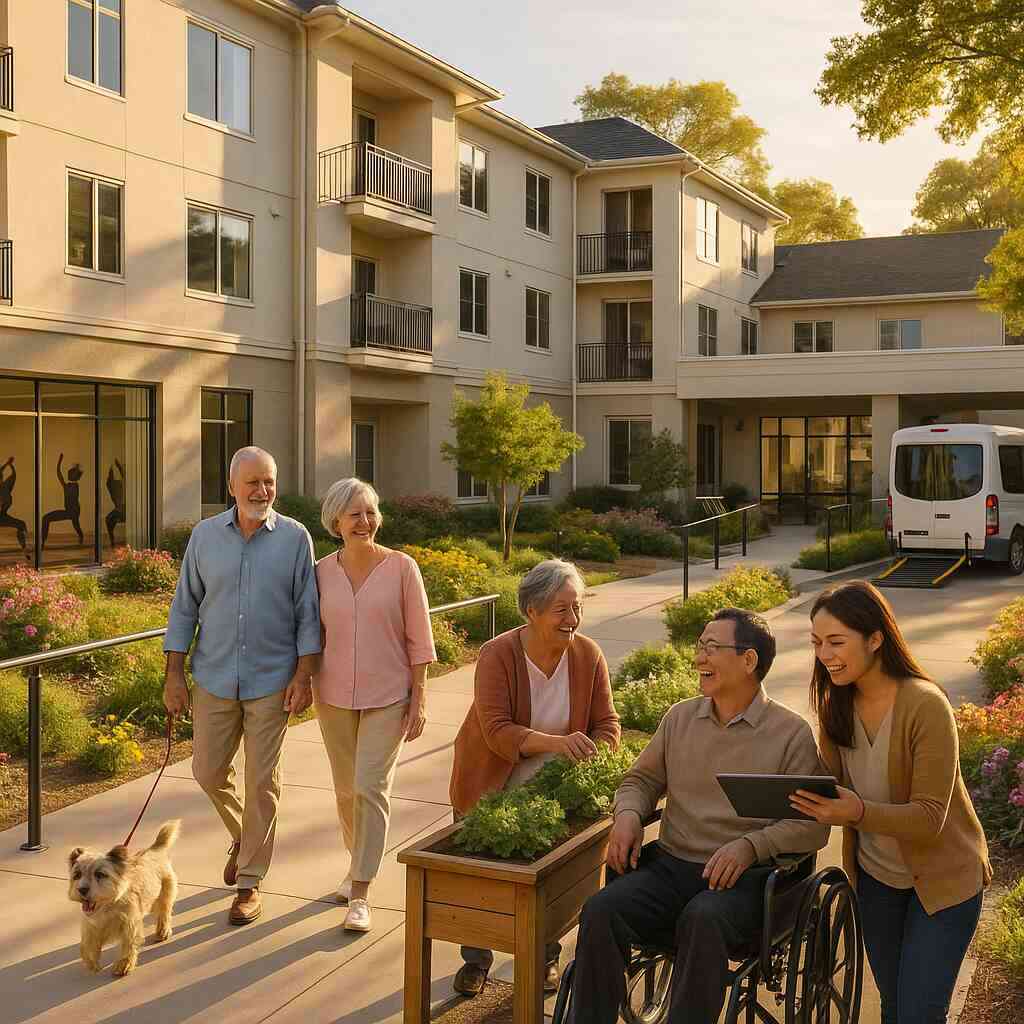
Transportation shapes daily freedom within any senior living near you. On-demand shuttles operate like personal chauffeurs, responding within minutes. Residents book rides through a tablet or front-desk call, eliminating rigid timetables. These flexible vans reach doctor offices, pharmacies, and impromptu lunch outings. Consequently, spontaneity thrives without depending on friends’ or family’s schedules.
Scheduled route services, by contrast, mirror public bus lines tailored for the community. Departure times are posted weekly, promoting predictable routines and budgeting. Many seniors appreciate knowing exactly when groceries and worship services align. Hybrid models mix both systems, providing scheduled grocery loops and on-demand medical trips. Campuses offering assisted and independent living in Texas showcase this balanced approach, supporting diverse preferences.
Accessibility standards for walkers wheelchairs and scooters
True mobility requires vehicles designed around bodies, not the other way. Low-floor buses eliminate steep steps altogether. Hydraulic lifts handle heavier motorized wheelchairs without jarring movements. Secure tie-downs lock devices safely, preventing roll during cornering. Drivers receive training on disability etiquette, ensuring respectful and efficient boarding.
Inside the senior living facility, transportation coordinators inspect walkers and scooters weekly. They confirm batteries charge properly and tires remain inflated. Preventive checks avoid last-minute breakdowns that cancel outings. Staff also maintain loaner devices for emergencies, so no one misses a specialist appointment. Proactive upkeep underscores commitment to inclusive accessibility standards.
Partnerships with local transit and rideshare programs
External partnerships expand horizons beyond the community gate. Many senior housing providers negotiate discounted passes with regional transit authorities. Residents tap smartcards on city buses, maintaining urban independence without car ownership. Collaboration with paratransit teams allows door-through-door assistance for advanced mobility issues. These agreements integrate seniors into civic life, not isolate them.
Rideshare alliances add another modern layer to transportation services for seniors in residence. Concierge desks request vehicles through dedicated senior accounts that screen driver backgrounds. Fare estimates display upfront, helping budget-minded residents track spending. Some platforms even support shared routes to cultural events, lowering costs while fostering friendships. By weaving these networks together, a long-term care facility ensures community connections stay vibrant.
10) How Can Adaptive Technology Enhance Daily Life in a Senior Living Facility
Smart home integrations for safety and independence
Motion sensors in apartments instantly alert staff when unusual inactivity suggests a possible fall. Voice-activated assistants let residents adjust lights, thermostats, and blinds without leaving bed. These conveniences help a senior living facility extend autonomy while reducing caregiver strain. Automatic stove shut-offs and water leak detectors further eliminate common household risks. Families track wellness dashboards remotely, gaining peace of mind without intrusive calls.
Communities for seniors 55+ increasingly adopt cloud-based platforms that learn daily routines and flag concerning deviations. In several retirement communities in California, residents wear discreet pendants that unlock doors and register dining attendance. The data support personalized wellness coaching and accurate medication reminders. Because systems integrate with electronic health records, nurses receive real-time updates and adjust care swiftly. Technology therefore transforms senior housing from reactive support to proactive partnership.
Telehealth platforms connecting residents to clinicians
Telehealth kiosks in common areas provide secure video visits with primary doctors, specialists, and mental health counselors. High-definition cameras and digital stethoscopes allow thorough examinations without stressful ambulance rides. Seniors living community staff schedule sessions, prepare records, and troubleshoot connectivity, ensuring smooth experiences. The approach reduces hospital readmissions by catching issues early. It also shrinks travel expenses for families who previously escorted loved ones to distant clinics.
Wearable devices continuously transmit heart rate, oxygen saturation, and glucose trends directly into clinician dashboards. When readings drift outside safe zones, automated alerts prompt tele-nurse outreach within minutes. Residents then receive timely dosage tweaks or diet adjustments without leaving their favorite armchair. This rapid feedback loop supports chronic disease management, a key differentiator when comparing long-term care facility choices. Moreover, recorded sessions help families stay informed and involved.
Digital literacy initiatives that empower seniors online
Adaptation flourishes when residents trust the tools provided by senior living facilities. Weekly workshops cover email safety, video chatting, and app navigation using simplified tablets. Peer mentors, often tech-savvy retirees, reinforce lessons during casual coffee sessions. Confidence grows as participants share vacation photos or stream concerts from hometown orchestras. Digital fluency combats isolation and keeps minds agile.
Campus computer labs feature large-print keyboards, adjustable monitors, and voice recognition software. Trainers demonstrate online banking safeguards, social media privacy settings, and virtual library borrowing. Reference cards with big icons hang near every workstation for quick reminders. Continuous support ensures practice never stalls after class ends. Consequently, senior living near you evolves into a gateway for lifelong learning rather than a retreat from modern life.
Stepping Forward with Confidence and Clarity
Creating a personalized checklist before the big move
A structured checklist transforms vague dreams into actionable goals when exploring senior living near me. Begin with lifestyle priorities such as fitness studios, faith services, and pet allowances. Add columns for projected budgets, desired apartment sizes, and clinical support levels. Compare those needs against regional realities like weather and proximity to specialist hospitals. If you want inspiration, review long-term care options in Pennsylvania to see how diverse communities address similar concerns.
Next, evaluate every item in order of non-negotiable, negotiable, and bonus features. Non-negotiables might include wheelchair accessibility, while bonuses could be rooftop gardens. Establish clear timelines for downsizing possessions and gathering medical records. Share the checklist with trusted advisors for additional insights. Finally, revisit the document monthly because preferences may shift as research deepens.
Building a support team of family professionals and peers
Choosing a senior living facility becomes easier when you assemble a multidisciplinary team from day one. Family members contribute emotional context and help verify whether proposed amenities align with longstanding traditions. Financial planners clarify tax implications and confirm affordability over decades, not months. Doctors provide candid opinions about future mobility or medication needs, preventing costly surprises. Meanwhile, elder-law attorneys safeguard assets and ensure contracts respect resident rights.
Peers already thriving in a seniors living community add an invaluable real-world perspective. Attend open houses and chat with resident ambassadors about daily routines. Join online forums where retirees discuss triumphs and challenges inside various communities for seniors 55+. Their stories highlight overlooked details like weekend staffing or quiet hours. Combine professional guidance with peer testimonies to create a balanced, realistic view of each option.
Next steps for connecting with senior living facilities near you
With your checklist complete and support team assembled, engage Senior Living Facilities’ assisted living locator for targeted results. Enter your ZIP code, filter by care level, and instantly review verified photos plus pricing ranges. Use the platform’s comparison dashboard to rank shortlisted senior living facilities near me side by side. Color-coded scores on staffing, safety, and social programming simplify tough decisions.
Schedule virtual or in-person tours immediately after shortlisting to maintain research momentum. Prepare tailored questions about dining flexibility, transportation routes, and telehealth integration. After each visit, debrief with your support team while impressions remain fresh. Finally, trust your instincts; thriving environments usually feel welcoming within minutes. When the ideal match emerges, notify the community and begin your exciting transition toward empowered, joyful aging.
Frequently Asked Questions
Question: How do I begin using the Senior Living Facilities locator tool to compare senior living facilities near me?
Answer: Start by visiting SeniorLivingFacilities.com and entering your ZIP code in the search bar. Our senior living locator instantly displays a map of every licensed senior living facility within your chosen radius. You can filter results by independent living, assisted living, memory care, or nursing homes for the elderly, then sort by price range, resident ratings, and distance from family or doctors. The side-by-side comparison dashboard lets you evaluate staffing ratios, safety scores, and amenity lists at a glance, turning an overwhelming internet search into a streamlined, data-driven plan.
Question: What key differences should I consider between independent living and assisted living when choosing a senior living facility?
Answer: Independent living focuses on maintenance-free lifestyles-housekeeping, landscaping, and social events-while residents remain responsible for their own medical care. Assisted living layers in daily activity support such as help with bathing, dressing, and medication management, all overseen by licensed nurses. When comparing senior living near you, note that independent living usually bundles utilities and meals, whereas assisted living plans add tiered care fees that rise with more services. Senior Living Facilities lets you view both housing options for seniors on one screen so you can project future needs and costs before committing to a long-term care facility.
Question: How can Senior Living Facilities help me understand and compare costs, including Medicare coverage and veterans’ benefits for senior housing choices?
Answer: Each community profile on our platform lists base rent, community fees, and à la carte care costs, saving you from endless phone calls. We flag which expenses Medicare will not cover-custodial assisted living, for example-and highlight campuses that accept Aid & Attendance benefits for veterans or state affordability programs. Our downloadable budgeting worksheet walks you through total monthly outlay, inflation clauses, and hidden charges, ensuring you make apples-to-apples comparisons when reviewing senior apartment rental options, luxury senior housing packages, or more economical residences.
Question: What safety standards and resident reviews can I rely on when evaluating nursing homes for the elderly through Senior Living Facilities?
Answer: We aggregate the latest state inspection reports, accreditation badges, and average emergency response times directly on each listing. Verified resident and family reviews-never anonymous-provide candid insights into staffing consistency, cleanliness, and dining quality. Our algorithm highlights recurring praise or concerns so you can spot patterns quickly. This transparency equips you to build a long-term care facility checklist for families that covers emergency systems, fall-prevention design, and infection-control protocols before you ever schedule an in-person tour.
Question: In the blog Top 10 Questions on Senior Living Near You Answered, social activities and amenities were highlighted. How do Senior Living Facilities ensure that communities for seniors 55 plus offer engaging lifestyle options?
Answer: Every community showcased on our site must submit a current activity calendar and amenity list-gourmet dining, wellness centers, adaptive fitness classes, pet-friendly policies, or transportation services for seniors in residence. We tag these features so you can instantly locate communities for seniors 55 plus that match your interests, whether that is woodworking shops, community gardens, or intergenerational volunteer programs. Resident feedback scores activities on relevance and participation, ensuring the amenities you see online translate into vibrant daily life once you move in.
Admin
Expert contributor specializing in senior living care. Dedicated to providing families with clear, actionable advice.