Top 10 Senior Living Facility Features Families Value Most
Introduction: The Senior Living Landscape
Understanding the Evolving Needs of Seniors
The senior living landscape is dynamic and ever-evolving, adapting to the diverse needs of older adults. As seniors age, their requirements become more complex, encompassing physical, emotional, and social dimensions. This evolution calls for facilities that offer comprehensive care tailored to individual needs. Families seeking accommodations for their loved ones must account for these changes, ensuring their chosen senior community can address both current and future needs. Many facilities now provide an array of options, from independent senior living communities to long-term care facilities, each designed to support these multifaceted needs effectively.
The Importance of Choosing the Right Facility
Selecting the right senior living facility is critical not only for the individual entering care but also for their entire family. The right choice can enhance a senior’s quality of life, providing both comfort and security. An ideal facility should offer customizable care options and senior-friendly design, making everyday living accessible and enjoyable. It means balancing medical needs, personal preferences, and financial considerations to find a community that feels like home. Platforms like Senior Living Facilities can simplify this process, offering a database and tools that match families with fitting environments.
How Families Play a Crucial Role in Decision Making
Families hold a pivotal role in choosing a senior living facility, acting as advocates and decision-makers. Their involvement ensures that the facility selected aligns with the senior’s values, lifestyle, and health requirements. Family members often conduct tours, compare services, and assess the level of care available in different communities. By participating actively in this process, families provide emotional support and reassurance to seniors, making transitions smoother. Family involvement also fosters a deeper understanding of the differences between nursing homes and senior living facilities, driving more informed decisions.
1) Personalized Senior Care: Tailoring Comfort and Support
Customizable Care Plans for Diverse Needs
Custom senior care sits at the forefront of senior living facilities, allowing for a tailored approach to each individual’s needs. These plans account for medical conditions, personal preferences, and lifestyle choices, combining them into a comprehensive care strategy. By adapting to changing health conditions and remaining flexible, these plans ensure ongoing appropriate support. Families value this aspect, recognizing its ability to enhance their loved ones’ well-being and independence while still providing the necessary medical attention.
Balancing Independence and Assistance
The balance between independence and needed assistance is central to care in senior living facilities. These environments foster autonomy by offering choices in day-to-day activities while also ensuring safety and support. Many facilities provide services such as transportation, housekeeping, and meal preparation, catering to those who require additional help without intruding on their independence. This approach nurtures freedom and bolsters seniors’ confidence, contributing to a high quality of life.
The Role of Family in Personalized Care
Family involvement remains critical in personalizing senior care. By working closely with facility staff, families help tailor care plans that respect the senior’s wishes and enhance their quality of life. They can advocate for adjustments as needs evolve over time, ensuring their loved ones are always well supported. This partnership with healthcare providers promotes a holistic approach to senior care, emphasizing the value of incorporating family insights and values into daily routines and care plans.
2) Senior Wellness Programs: Promoting Health and Vitality
Holistic Approaches to Senior Health
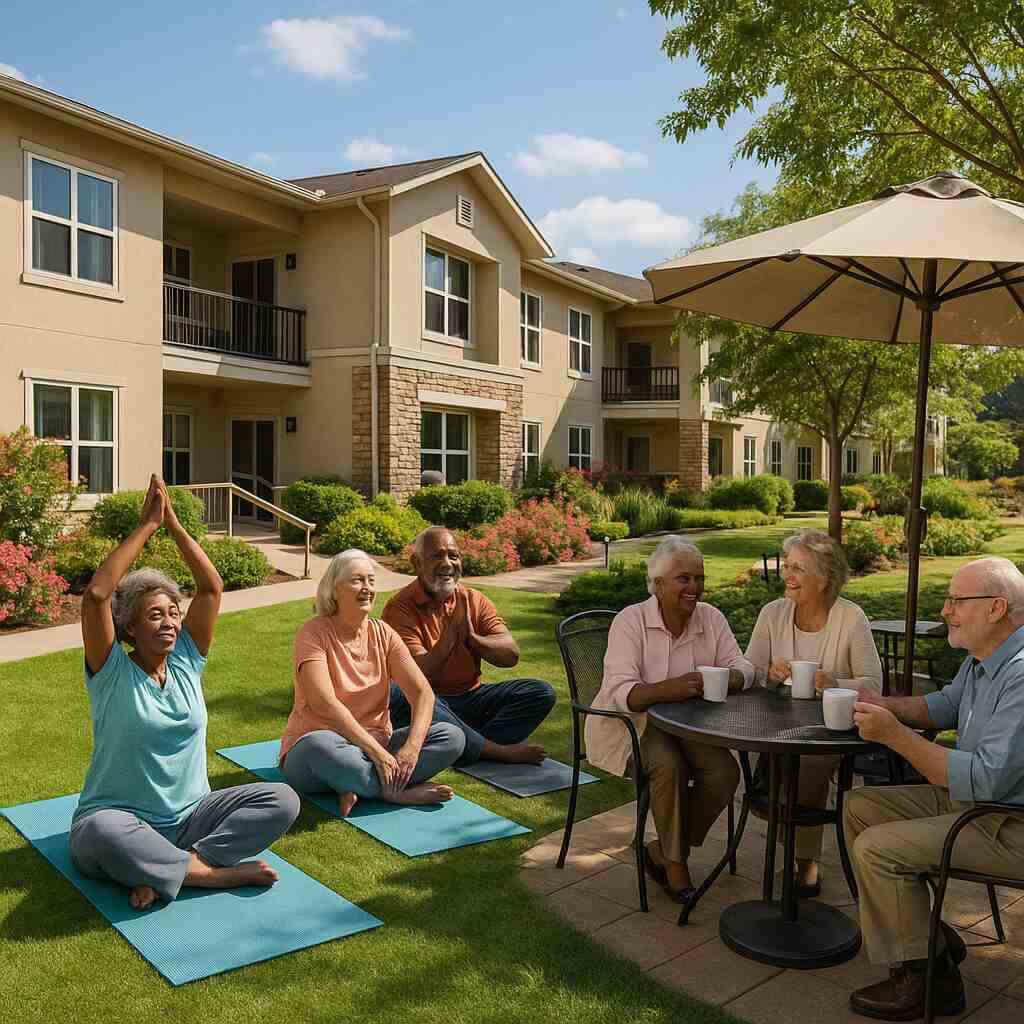
Senior wellness programs have become vital components of senior living facilities, emphasizing a comprehensive approach to health. These programs address physical, mental, and emotional well-being, integrating exercise, nutrition, and social interaction into daily routines. Facilities often offer a variety of activities and services – such as yoga, meditation, and nutrition classes – aimed at enhancing seniors’ health holistically. By promoting this well-rounded approach, facilities help residents maintain vitality and pursue an active, engaged lifestyle. Families looking for strong wellness offerings can explore hidden wellness benefits in senior living facilities to better understand what to expect.
Exercise and Physical Therapy Options
Exercise and physical therapy are integral to maintaining a healthy lifestyle in senior living facilities. These programs accommodate different ability levels, from low-impact exercises to more vigorous workout options. Using professionals who specialize in geriatric fitness, facilities ensure that seniors receive safe and effective training. Regular physical activity supports physical health and also improves mental well-being, reducing symptoms of depression and anxiety among seniors.
Mental Wellness and Cognitive Health
Mental wellness and cognitive health programs feature prominently in many senior living communities. Facilities are increasingly aware of the importance of mental stimulation and social engagement in preventing cognitive decline. Activities such as memory games, trivia nights, and group discussions are commonly organized to engage seniors intellectually. These initiatives foster cognitive resilience while promoting a sense of community and belonging. Families interested in this area can learn more by reviewing cognitive fitness at senior living facilities.
3) Engaging Senior Activities: Fostering Connection and Joy
Social Activities for Seniors: Building Community
Senior activities for social connections are fundamental in building a vibrant community within senior living facilities. Through performances, group outings, and organized clubs, residents can forge new relationships and strengthen existing ones. These activities offer more than entertainment; they provide a platform for social interaction and emotional support, fostering a sense of belonging. Facilities prioritize creating an environment where seniors feel connected, valued, and active.
Creative and Artistic Expression Opportunities
Creative and artistic expression is highly valued in senior communities for its therapeutic and recreational benefits. Many facilities offer art classes, music therapy, and theater groups, encouraging residents to explore and cultivate their creative sides. These programs provide an outlet for self-expression while also enhancing cognitive function and emotional health. Artistic engagement encourages seniors to learn new skills, boosting self-esteem and supporting a fulfilling, joyful life. To explore the breadth of these offerings, see emerging art therapies at senior living facilities.
Intergenerational Programs and Community Engagement
Intergenerational programs are increasingly popular, bridging the gap between seniors and younger generations through shared activities. These initiatives benefit both groups: seniors gain fresh perspectives and companionship, while younger participants learn from the experiences and wisdom of their elders. Community engagement through volunteer opportunities and local collaborations further enriches the living experience, creating a dynamic environment where seniors feel part of something larger. Learn more about intergenerational life at senior living facilities and what it means in practice.
4) Senior-Friendly Design: Creating Accessible and Safe Spaces
Design Elements that Enhance Mobility
In senior living facilities, design elements play a critical role in fostering mobility and independence. Features such as wide corridors, non-slip flooring, and strategically placed handrails are standard practices that enhance accessibility. Facilities are increasingly incorporating barrier-free designs to accommodate residents’ varying levels of mobility. These thoughtful design choices promote safety and autonomy, allowing seniors to navigate their environments with confidence and ease.
Safety Features in Senior Living Environments
Safety remains a top priority in senior facilities, ensuring peace of mind for residents and their families. Modern facilities implement advanced safety-focused design for seniors, including smoke detectors, emergency call systems, and monitoring technologies. These features are complemented by secure entrances and exits, fall prevention strategies, and staff trained in emergency preparedness. By prioritizing safety, these communities create a nurturing environment where seniors feel secure and supported.
Technology in Senior Facilities: Enhancing Daily Life
Incorporating technology into senior living facilities has transformed daily life, providing convenience and better health management. From telemedicine services to smart home systems, technology aids in monitoring health conditions and providing real-time assistance. It also gives residents easy access to communication tools, keeping them connected with family and friends. These advancements not only improve quality of care but enhance the overall living experience, making everyday tasks more manageable. For a broader look at what’s ahead, explore the guide to smart tech adoption at senior living facilities.
5) Senior Living Dining Options: Nutrition Meets Enjoyment
Culinary Excellence in Senior Living
Dining in senior living facilities has evolved significantly, prioritizing culinary excellence alongside nutritional value. Chefs and nutritionists collaborate to create menus that cater to diverse tastes and dietary needs, ensuring meals are both healthy and appetizing. Presentation receives as much attention as ingredient quality, enhancing the overall dining experience. This commitment to excellence reflects a dedication to providing seniors with enjoyable meals that promote well-being.
Dietary Accommodations and Preferences
Understanding and accommodating dietary preferences is essential in senior living communities. Facilities recognize the importance of personalized dietary plans, addressing restrictions such as low-sodium or sugar-free diets. Menus often feature a variety of options, catering to vegetarian, vegan, and culturally specific preferences. Through attentive planning and execution, these accommodations ensure all residents’ nutritional needs and personal tastes are respected.
Social Dining Experiences: More Than Just Meals
Dining options in senior living extend beyond food to incorporate meaningful social experiences, strengthening residents’ sense of community. Shared dining areas encourage interaction and camaraderie among residents, while themed dinners and cooking classes offer additional opportunities for connection. These experiences transform meals into social events, fostering friendships and reducing the isolation that can sometimes accompany senior living. Creating a warm and welcoming dining atmosphere contributes directly to residents’ overall satisfaction and well-being.
6) Community Integration for Seniors: Building a Sense of Belonging
The Role of Community Support in Senior Living
Senior community integration is vital in creating a supportive environment that enriches the lives of residents. Facilities emphasize communal activities and partnerships with local organizations, helping seniors maintain social connections and community involvement. This support network fosters a sense of belonging, ensuring residents remain engaged and active participants in community life. The benefits of community support extend beyond recreation, offering emotional and psychological advantages that are essential to senior well-being.
Activities that Encourage Community Interaction
Engaging activities that promote community interaction are a hallmark of thriving senior living facilities. These programs encourage participation and facilitate bonds among residents, strengthening the community fabric. From group fitness classes to hobby clubs and cultural events, a varied activity calendar ensures all seniors find something to enjoy. Such interactions support psychological health and bring joy and fulfillment to everyday life, making senior living both vibrant and inclusive.
Celebrating Diversity in Senior Communities
Diversity is celebrated within senior living facilities, fostering an inclusive environment that respects and honors varied backgrounds and experiences. Programs that highlight different cultures and traditions enrich community life and enable residents to learn from one another. By actively promoting diversity and inclusion, facilities create a welcoming atmosphere that embraces the strengths and contributions of each resident. This inclusive approach nurtures mutual respect and understanding, enriching the community experience for everyone.
7) Senior Housing Privacy: Respecting Personal Space
Balancing Community Living with Personal Privacy
Balancing the communal aspects of senior living with the need for personal privacy is crucial. Facilities strive to create environments where personal boundaries are respected, while also encouraging social interaction. Private rooms or apartments with personal amenities allow seniors to enjoy solitude and comfort whenever they choose. This balance ensures residents feel both part of the community and secure in their private spaces, enhancing overall satisfaction.
Designing Private Spaces in Shared Environments
Designing private spaces within shared environments is a key consideration in senior living facilities. This includes thoughtful layouts that provide soundproofing, private outdoor areas, and carefully arranged communal spaces that minimize intrusion. Incorporating privacy in senior housing ensures residents can retreat to their personal sanctuaries without feeling isolated. Thoughtful architectural design respects the individual’s need for personal space while still fostering community cohesion.
The Psychological Benefits of Privacy for Seniors
Privacy in senior housing also carries significant psychological benefits, as personal space meaningfully impacts mental well-being and autonomy. Having control over one’s environment encourages independence, leading to increased confidence and reduced anxiety. Privacy allows seniors to engage in self-reflection, rest fully, and maintain their individuality within a community setting. These factors contribute significantly to the overall happiness and health of seniors, underscoring the importance of privacy-focused design in senior living environments.
Frequently Asked Questions
Question: How does Senior Living Facilities ensure personalized senior care options are available for every individual?
Answer: Senior Living Facilities understands the importance of personalized senior care in enhancing the quality of life for older adults. Our platform offers a comprehensive database that allows families to compare and select from a wide variety of senior living communities. These facilities provide customizable care plans designed to meet diverse health needs and lifestyle preferences, ensuring every senior receives the right balance of independence and assistance. By prioritizing tailored care strategies, we foster environments where seniors can thrive while receiving appropriate medical attention as needed.
Question: What types of senior wellness programs can we expect in the senior living communities featured on your platform?
Answer: Our featured senior living communities prioritize holistic wellness by integrating senior wellness programs into daily life. These programs encompass physical, mental, and emotional health through activities such as exercise classes, physical therapy, mental wellness initiatives, and social engagement opportunities. By collaborating with wellness experts, these communities promote a vibrant senior living lifestyle, helping residents maintain their health and vitality. Senior Living Facilities is committed to showcasing communities that enhance both mental and physical well-being, offering residents a fulfilling and active life.
Question: How does Senior Living Facilities address the importance of family involvement during the selection process for senior housing?
Answer: At Senior Living Facilities, we recognize that family involvement is crucial when choosing a senior living environment. Our platform is designed to be user-friendly, allowing families to easily search, compare, and connect with senior living communities that fit their loved one’s needs. Families can assess various aspects, such as the level of care, activities offered, and community support, ensuring a well-informed decision. This collaborative approach not only provides reassurance and emotional support but also empowers families to advocate for the best possible care.
Question: Could you highlight some of the top features in senior living that families value most, as mentioned in your blog Top 10 Senior Living Facility Features Families Value Most?
Answer: According to our blog, Top 10 Senior Living Facility Features Families Value Most, families highly value features such as personalized senior care, senior wellness programs, engaging activities, senior-friendly design, and community integration. These elements ensure a safe, supportive, and enjoyable living environment that respects individual preferences and needs. By offering a variety of housing options, including independent living and assisted living plans, communities cater to both healthcare and lifestyle desires. Families trust Senior Living Facilities to provide insights and access to communities that excel in these areas, enhancing their loved ones’ overall well-being.
Question: What role does technology play in improving the senior living environment for residents?
Answer: Technology plays an integral role in modern senior housing, significantly enhancing the daily lives of residents. Senior Living Facilities features communities that incorporate state-of-the-art technological advancements, such as telemedicine, smart home systems, and emergency response technologies. These tools provide real-time health monitoring, seamless communication with family and healthcare providers, and increased convenience in everyday tasks. By leveraging technology, senior living communities not only improve healthcare outcomes but also support greater independence and connectivity, aligning with our commitment to quality and innovation in senior care.
Admin
Expert contributor specializing in senior living care. Dedicated to providing families with clear, actionable advice.