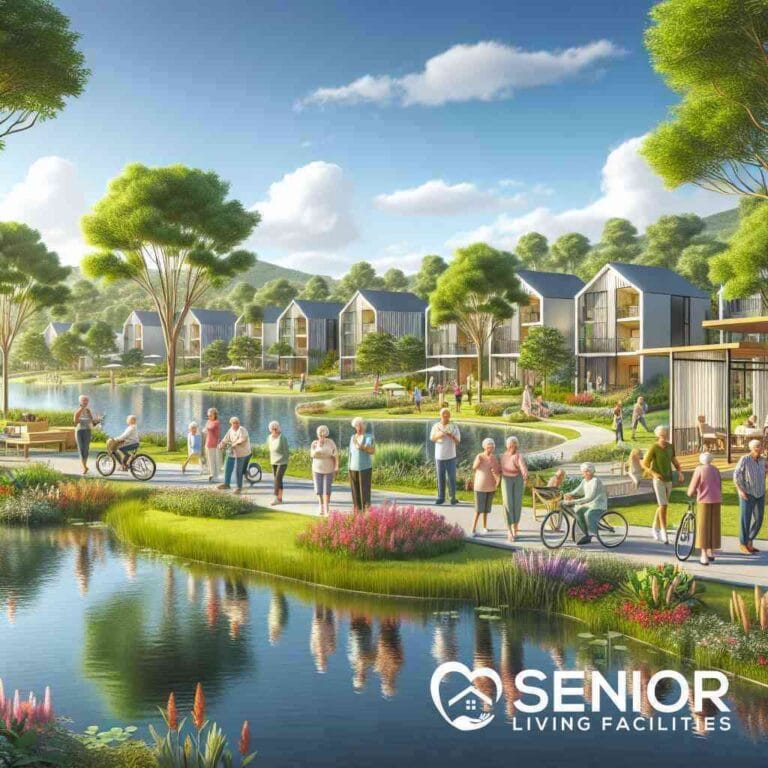
Top 7 Benefits of Assisted Living Plans for Seniors in 2026

Navigating the New Era of Senior Care: An Introduction to Modern Assisted Living
The landscape of senior care is undergoing a profound and positive transformation. Seniors and their families now have access to a dynamic array of living options that prioritize autonomy, wellness, and connection. This evolution moves far beyond outdated stereotypes, offering solutions that align with the vibrant lifestyles and diverse needs of modern older adults. Understanding this new era is the first step toward making a confident, informed decision for a future filled with support and dignity. The journey begins with recognizing how contemporary assisted living plans are designed to enhance life, not simply manage decline.
Redefining Senior Living Beyond the Traditional Nursing Home Model
Gone are the days when senior care was synonymous with institutional settings. Modern senior living facilities have revolutionized the concept, creating environments that feel like home while providing essential support. These are not nursing homes focused solely on medical needs; they are vibrant communities designed for living well. The focus has shifted from a one-size-fits-all medical model to a person-centered approach that values individual preferences, social engagement, and holistic wellness. This redefinition empowers seniors to thrive in a setting that offers both assistance and independence.
Understanding the Spectrum of Senior Housing Options
Navigating senior housing requires understanding the full continuum of care available. This spectrum ranges from independent living settings for active seniors to assisted living facilities that provide daily support, and specialized long-term care options for more intensive medical needs. Within this range are diverse housing options, including rental housing and senior apartment rentals. Each option offers different levels of care, social structure, and services. Clarity on this spectrum ensures families can pinpoint the perfect environment that matches their loved one’s current and future needs for a seamless aging journey.
How Assisted Living Plans Address the Core Needs of Modern Seniors
Contemporary assisted living plans are meticulously crafted to address the fundamental pillars of a high-quality life. They seamlessly blend personalized care with opportunities for social connection, intellectual stimulation, and physical activity. These plans directly combat loneliness by fostering a built-in community, alleviate the stress of home maintenance, and provide crucial safety nets. Ultimately, they are designed to support senior independence while removing the obstacles that can make aging at home challenging. This holistic approach ensures that core needs for security, belonging, and purpose are actively met every single day.
The Evolving Landscape of Senior Care in the Current Climate
The senior care industry continues to adapt and innovate, integrating new technologies and wellness philosophies. Current trends emphasize proactive holistic health, cutting-edge emergency response systems, and dynamic wellness programs. Furthermore, there is a growing emphasis on creating flexible financial models and providing robust family support resources. For families seeking senior living nearby, this evolution means access to higher-quality, more responsive care than ever before. Staying informed about these advancements is key to leveraging the full advantages available in today’s market.
1) The Foundation of Well-Being: Personalized Care Plans and Holistic Senior Health
The foremost benefit of modern assisted living is the creation of a solid foundation for well-being through individualized attention. This transcends generic care by building a customized lifestyle plan around each resident’s unique health history, preferences, and goals. Personalized care plans ensure that support is both relevant and respectful, fostering an environment where seniors can flourish. This tailored approach is the cornerstone of holistic senior health, addressing the physical, mental, and emotional dimensions of wellness simultaneously. It represents a significant shift from reactive treatment to proactive, preventative thriving.
Crafting Individualized Roadmaps for Daily Living and Medical Care
Upon moving into a senior living community, a collaborative process begins to create a detailed care roadmap. This plan assesses everything from mobility and dietary needs to social preferences and medical requirements. It outlines the specific level of assistance needed with activities of daily living while incorporating preferences for daily routines. This roadmap is dynamic, evolving alongside the resident’s changing needs to ensure continuous, appropriate support. Such meticulous personalization is a primary driver of the profound benefits for seniors, ensuring care is never impersonal or inefficient.
The Critical Role of Preventative Health Monitoring and Medication Management
Proactive health stewardship is a critical component of quality care. Modern communities employ regular preventative health monitoring, including vital sign checks, wellness assessments, and coordination with physicians. This vigilant approach helps identify potential issues early, often preventing minor concerns from becoming major crises. Equally crucial is professional medication management support, which ensures prescriptions are taken correctly and on time, reducing the risk of dangerous errors or interactions. This dual focus on prevention and management provides a stable health foundation that is difficult to replicate at home.
Integrating Cognitive Health Programs and Memory Care Services
Cognitive vitality is integral to overall wellness, and leading communities offer dedicated cognitive health programs. These initiatives might include brain fitness games, educational lectures, music therapy, and art classes designed to stimulate the mind. For residents experiencing memory loss, specialized memory care services provide a secure, structured environment with trained staff. These programs use evidence-based approaches to maintain cognitive function, manage symptoms, and support dignity. This specialized focus ensures that every aspect of a resident’s brain health is nurtured and supported with expertise and compassion.
How Tailored Assisted Living Services Support Senior Independence
Paradoxically, the right support is the very thing that empowers greater autonomy. Tailored assisted living services are designed to fill in the gaps where help is needed, thereby preserving energy and capacity for the activities residents love. By receiving assistance with tasks that have become difficult, seniors conserve their strength for hobbies, socializing, and personal pursuits. This model actively supports senior independence by removing barriers, not by taking over. The ultimate goal is to enable each resident to live as fully and independently as possible within a framework of safety and support, a core philosophy of modern senior care.
2) The Architecture of Safety: Enhanced Senior Safety and Emergency Response Systems
For many families, safety is the non-negotiable priority when considering care options. Modern assisted living communities are architecturally and technologically designed to be secure havens. They integrate thoughtful design with advanced systems to prevent accidents and ensure rapid response when needed. This creates an environment where risk is minimized without feeling restrictive or institutional. The result is a profound sense of security that benefits both the resident and their loved ones, forming a critical layer of the enhanced safety and emergency response systems that define quality care today.
Built-In Safety Features Versus Aging in Place Alternatives
Choosing to age in place often requires costly and extensive home modifications, from grab bars and stairlifts to wheelchair-accessible doorways. A modern senior living facility comes with these built-in safety features as standard. Walk-in showers, non-slip flooring, wide hallways, and emergency call systems are integrated into every apartment and common area. This engineered environment is inherently safer than most private homes, which may have unforeseen hazards. When comparing senior housing and living options, this pre-engineered safety offers a significant advantage over retrofitting a family home, which can be piecemeal and incomplete.
The Assurance of 24/7 Professional Caregiver Access
The presence of trained staff around the clock provides an unparalleled safety net. Knowing that professional caregiver access is available at any hour, day or night, alleviates the anxiety associated with a fall or medical event happening alone. These caregivers are not only present but are also trained to handle emergencies with calm competence. This constant availability is a fundamental differentiator from other housing options for seniors, where help may be delayed or unavailable. It transforms the community from a simple residence into a true care environment where residents are continuously observed and supported.
Emergency Response Systems and Proactive Health Monitoring
Technology plays a starring role in modern senior safety. Wearable pendants or wall-mounted units connect residents directly to staff via sophisticated emergency response systems at the slightest touch. Beyond reactive calls, many communities now utilize proactive health monitoring technology. This can include motion sensors that detect unusual inactivity, smart watches that monitor vitals, or even floor sensors that analyze gait patterns to predict fall risk. These systems provide an early warning network, allowing staff to intervene before an emergency fully develops, representing the cutting edge of enhanced senior safety.
Providing Ultimate Peace of Mind for Families
The collective impact of architectural safety, constant staffing, and advanced technology is immeasurable peace of mind for families. The worry that accompanies an aging loved one living alone-fears of falls, missed medications, or isolation-is dramatically reduced. Families can relax, knowing their parent or spouse is in a secure environment with immediate help available. This emotional benefit cannot be overstated; it repairs relationships by replacing the dynamic of “worried caregiver” with that of “visiting loved one,” allowing quality time to be spent on connection rather than care logistics.
3) The Heart of Community: Combating Isolation Through Social Engagement for Seniors
Loneliness and social isolation are silent epidemics with severe consequences for senior health. A premier benefit of assisted living is the instant access to a built-in community of peers and a full calendar of engaging activities. These communities are intentionally designed to foster connection, turning neighbors into friends and common areas into hubs of activity. This focus on social engagement for seniors directly counters the isolation that can occur in private homes, creating a vibrant, interactive lifestyle that nourishes the spirit and sharpens the mind.
Designing Vibrant Senior Activity Calendars for Meaningful Connection
Life in a senior community is far from sedentary. Activity directors curate rich activity calendars filled with diverse options to suit all interests. From book clubs and gardening groups to wine tastings and guest lectures, there is always an opportunity to connect. These activities are not merely time-fillers; they are designed to be meaningful, stimulating, and fun. They provide natural opportunities for conversation and camaraderie, helping residents build new friendships based on shared interests. This daily structure of engagement is a powerful antidote to the emptiness that can define solitary days at home.
Fostering Social Connection in Purpose-Built Senior Living Communities
The physical design of purpose-built senior living communities actively encourages interaction. Central dining rooms, cozy libraries, sunny courtyards, and inviting game rooms are all engineered to draw people together. Meals become social events, walks around the grounds lead to conversations, and common hobby spaces become workshops for collaboration. This environment naturally facilitates social connection in a way that isolated houses or impersonal senior apartment rentals cannot. The community itself becomes a catalyst for friendship, ensuring residents are surrounded by potential companions.
Senior Fitness Activities and Wellness Programs that Build Camaraderie
Physical health and social health are powerfully linked through group fitness activities. Water aerobics classes, chair yoga sessions, walking clubs, and strength-training groups do more than improve balance and stamina-they create shared experiences and mutual encouragement. Participating in senior wellness programs alongside peers builds a unique camaraderie rooted in common goals. The encouragement from friends in a fitness class often leads to greater consistency and enjoyment than exercising alone. This blend of social and physical engagement is a hallmark of a thriving community lifestyle.
The Proven Impact on Mental Health: Reducing Senior Isolation
The mental health benefits of this engaged lifestyle are well-documented. Consistent social engagement dramatically lowers the risks of depression and anxiety. It provides cognitive stimulation that can help slow decline and gives each day purpose and structure. The consistent effort toward reducing senior isolation has tangible effects: improved mood, better sleep, and a more positive outlook on life. Residents are not just physically cared for; they are emotionally and socially nourished. This holistic approach to well-being is central to the mission of modern communities dedicated to social engagement and reducing senior isolation.
4) Liberation from Daily Burdens: Housekeeping, Maintenance, and Nutritious Meal Services
One of the most immediate and appreciated benefits of assisted living is the liberation from the tedious chores of daily life. The burdens of housekeeping, home maintenance, and meal preparation are lifted, freeing up precious time and energy. This service-oriented model allows seniors to redirect their focus toward enjoyment, hobbies, and relaxation. The mental load of managing a household disappears, replaced by the comfort of knowing that these essential tasks are handled professionally and reliably. This freedom is a gift that significantly enhances quality of life.
Reclaiming Time: The Value of Professional Housekeeping and Maintenance
The physical effort of cleaning, laundry, and home upkeep can become overwhelming and even hazardous. Professional housekeeping and maintenance services eliminate this strain entirely. Trained staff handle routine cleaning, linen service, and apartment upkeep, ensuring a clean, sanitary, and pleasant living environment. Furthermore, the community’s maintenance team takes care of everything from changing light bulbs to managing major repairs. This means no more worrying about hiring contractors or dealing with household emergencies alone. Residents reclaim hours each week, time that can now be spent on truly fulfilling activities.
Nutrition as Medicine: The Science Behind Senior Meal Services
Diet plays a crucial role in health, especially for older adults. Nutritious meal services in senior living are crafted by culinary teams and often reviewed by dietitians to meet the specific nutritional needs of seniors. Meals are designed to be appealing, easy to chew and digest, and rich in essential nutrients that support bone health, cognitive function, and immune strength. Dining becomes a pleasurable, social experience with multiple choices, accommodating special diets like low-sodium or diabetic-friendly options. This “food as medicine” approach ensures residents receive the foundational nutrition needed to thrive, a key component of holistic senior health.
Comparing the Convenience to Independent Living Community Responsibilities
It is important to distinguish this level of service from other housing options for seniors. While an independent living community may offer some amenities, the responsibility for daily chores largely remains with the resident. In contrast, assisted living plans typically bundle these services, providing a truly maintenance-free lifestyle. Compared to managing rental housing or a private home, the convenience is unparalleled. The value lies in the comprehensive nature of the service package, which is designed to support those who need or desire help with the instrumental activities of daily living.

How Freed Time Enhances Senior Wellness and Personal Pursuits
The time reclaimed from domestic duties is transformative. This newfound freedom directly enhances senior wellness by reducing stress and physical strain. Residents can invest their energy into personal growth, whether that means delving into a long-neglected hobby, joining more fitness activities, or simply enjoying leisurely visits with family and friends. The psychological shift from managing a household to enjoying a curated lifestyle is profound. It allows seniors to live more intentionally, focusing on joy and engagement rather than chores, which is a central goal of modern senior wellness programs.
5) Mobility and Access: Transportation Services and Community Amenities
Maintaining an active, engaged lifestyle often depends on the ability to get around safely and easily. For many seniors, driving becomes challenging or impossible, leading to a frustrating loss of independence. Assisted living plans directly solve this problem by providing reliable, door-to-door transportation services. This service, combined with on-site community amenities, ensures residents have continuous access to the people, places, and activities that matter most to them, without the hassles of car ownership or relying on family.
Maintaining an Active Lifestyle with Reliable Transportation Services
Scheduled community transportation is a lifeline to the wider world. These services take residents to medical appointments, shopping centers, cultural events, and places of worship. The availability of safe, chauffeur-driven transit means residents never have to miss an important doctor’s visit or a family gathering due to transportation woes. This reliability is essential for maintaining an active lifestyle and preserving a sense of autonomy. It empowers residents to continue participating in the rhythms of life outside the community, which is vital for mental and emotional well-being.
Accessing Senior Living Community Amenities and Local Events
Within the community itself, a wealth of amenities is readily accessible without ever needing a car. Residents can easily enjoy swimming pools, fitness centers, salons, libraries, and scheduled on-site events like concerts or lectures. Furthermore, activity directors often organize group outings using community transportation, enabling residents to attend local theater productions, museum exhibits, or restaurant lunches with friends. This easy access to both internal and external programming ensures a rich, varied, and stimulating daily life that combats boredom and promotes engagement.
The Logistical Advantage Over Senior Apartment Rentals
This is a key area where assisted living offers a distinct advantage over other senior housing options like senior apartment rentals. While a rental may be physically accessible, it typically does not include transportation services. Residents must then arrange and pay for rideshares, taxis, or rely on family, which can be unreliable, costly, and logistically complex. The integrated transportation model of assisted living removes this significant barrier, providing a seamless, stress-free solution that is included in the overall plan. This logistical support is a major factor in sustaining long-term quality of life.
Supporting Continuity of Social and Medical Appointments
Consistency is critical for both health and happiness. Reliable transportation supports continuity by ensuring residents can keep all their social and medical appointments. This means no gaps in vital healthcare due to missed visits, and no decline in social connections because getting together is too difficult. The ability to reliably visit long-time friends, attend club meetings, or see family maintains the resident’s established support network and sense of identity. This holistic support for mobility is a fundamental, yet often overlooked, pillar of comprehensive care and independence.
6) The Financial Clarity Model: Understanding Senior Living Cost Benefits
The cost of senior care is a primary concern for families, and misconceptions can cloud decision-making. A significant benefit of modern assisted living is the move toward financial clarity and predictability. Unlike the variable, often hidden costs of maintaining a private home, a well-structured assisted living plan consolidates expenses into a single, predictable monthly fee. This model allows for effective financial planning for senior care, transforming a complex web of bills into a manageable, transparent budget. Understanding this clarity is key to recognizing the true economic value offered.
Demystifying Costs: Comparing All-Inclusive Plans to À La Carte Living
When comparing senior housing options, it’s vital to understand pricing structures. Many assisted living communities offer all-inclusive or tiered plans that bundle rent, utilities, meals, housekeeping, basic care, and amenities. This contrasts sharply with the à la carte reality of living at home, where separate bills arrive for mortgage/rent, property taxes, insurance, groceries, utilities, home maintenance, and paid help. The all-inclusive model demystifies costs, providing a clear financial picture without surprise expenses. This predictability is a cornerstone of sound long-term care planning.
Financial Planning for Senior Care and Long-Term Care Planning
A predictable monthly fee is a powerful tool for financial planning. Families can budget accurately without fearing the next major home repair or spike in utility bills. This stability allows for smarter allocation of resources, whether from pensions, savings, or long-term care insurance. Proactive long-term care planning becomes more straightforward when the cost structure is clear and consistent. This financial foresight reduces stress and allows families to focus on quality of life rather than worrying about the next unforeseen expense.
The Economic Value of Bundled Services in Assisted Living Plans
The perceived cost of assisted living often overlooks the economic value of bundled services. When you factor in the replacement value of professional cooking, cleaning, transportation, maintenance, and 24/7 care coordination, the all-inclusive model often proves cost-competitive with, or even more economical than, piecing these services together independently. Paying for each service separately while living at home can quickly become exorbitant and logistically chaotic. The bundled approach of an assisted living plan provides efficiency, volume discounting, and seamless coordination that is difficult and expensive to replicate privately.
A Strategic View on Long-Term Care Facility Versus Assisted Living Costs
It is also strategic to compare costs across the care continuum. While a long-term care facility (or nursing home) provides a high level of medical care, it is also typically the most expensive option due to its intensive clinical staffing. For seniors who do not require that level of skilled nursing, assisted living provides a more appropriate and often more cost-effective level of support. Choosing the right level of care from the start-neither too little nor too much-is the most financially prudent path. Understanding these distinctions is essential when evaluating long-term care planning and facility options.
7) The Supported Transition: Family Resources and a Seamless Move
The decision to transition to assisted living is significant, and the move itself can feel daunting for everyone involved. Recognizing this, leading communities provide extensive support throughout the entire process. From initial research to settling in, families are offered tools, guidance, and resources to navigate this life change with confidence. This supported approach transforms a potentially stressful event into a managed, positive step forward. The availability of robust family support resources is a critical benefit that ensures no one has to navigate this journey alone.
Utilizing Family Support Resources Throughout the Transition Process
Reputable organizations and communities offer a wealth of family support resources. This can include checklists for downsizing, guidance on important conversations, and seminars on financing care. These resources empower families with knowledge, reducing the anxiety that comes from the unknown. Utilizing these tools helps families feel prepared and in control, making the logistical and emotional challenges more manageable. This support network is invaluable for ensuring the transition focuses on the promising future ahead rather than being bogged down by procedural stress.
The Importance of Senior Living Facility Tours and Understanding Levels of Care
There is no substitute for seeing a community firsthand. Taking senior living facility tours is an essential step in the decision-making process. Tours allow families to observe the atmosphere, interact with staff and residents, and assess the cleanliness and appeal of the environment. Crucially, tours provide the perfect opportunity to ask detailed questions about assisted living levels, care protocols, and staff training. This firsthand experience is irreplaceable for gauging whether a community feels like the right fit, making it a non-negotiable part of choosing a community.
How Respite Care Options Can Ease the Initial Adjustment
For seniors and families who are hesitant, respite care options offer a brilliant solution. Respite care allows a senior to experience community life for a short-term stay-perhaps a week or a month-without a long-term commitment. This “test drive” can ease fears, demonstrate the benefits firsthand, and make the idea of a permanent move less intimidating. For families, it can also provide a much-needed break from caregiving duties. These short-term stays are a low-risk way to facilitate a smoother, more confident transition to assisted living.
Building a Collaborative Partnership Between Family, Staff, and Resident
The ultimate goal of a supported transition is to establish a three-way partnership. This collaborative model involves the resident, their family, and the community staff all working together toward shared goals for well-being. Open communication channels, regular care plan meetings, and inclusive event invitations for families foster this teamwork. When this partnership thrives, the resident feels advocated for, the family feels heard and involved, and the staff can provide the most personalized, effective care. This collaborative spirit is the hallmark of a truly successful transition and long-term satisfaction.
Charting the Path Forward: Making an Informed Decision on Senior Living
Having explored the multifaceted benefits, the path forward involves synthesizing this information into a personal action plan. The decision about senior living is deeply individual, requiring a thoughtful balance of practical needs, emotional preferences, and financial realities. This final stage is about moving from understanding to action, utilizing available tools to find a community that feels like home. The journey, while significant, leads to a future where support, dignity, and joy are woven into the fabric of daily life.
Synthesizing the Top Benefits for Your Unique Situation
Begin by reflecting on which benefits resonate most powerfully for your family’s situation. Does personalized care or enhanced safety address your most pressing concerns? Is the promise of social engagement or freedom from housekeeping the key to improving quality of life? Prioritize the benefits that align with your loved one’s current challenges and future aspirations. This synthesis creates a personalized checklist of “must-haves” and “nice-to-haves” that will guide your search effectively and ensure the chosen community delivers on what matters most.
The Next Steps: Utilizing an Assisted Living Locator and Comparing Communities
With priorities in hand, leverage modern tools to begin your search. An online assisted living locator is an invaluable resource for finding licensed assisted living locations in your desired area. Use these platforms to compare various senior living communities side-by-side, reviewing services, amenities, and costs. Create a shortlist of communities that appear to meet your criteria. Then, proactively reach out to schedule tours and have detailed conversations. This structured, research-based approach is far more effective than feeling overwhelmed by an open-ended search.
Embracing a Future of Support, Dignity, and Social Connection
Choosing a senior living community is ultimately an act of optimism. It is a decision to embrace a future where daily struggles are alleviated, allowing space for growth, connection, and peace. It is a choice for an environment designed to support senior independence while providing a safety net. This future is one where dignity is upheld through personalized care, and life is enriched by consistent social connection. Embracing this potential can reframe the transition from a loss of independence to a gain in quality of life, freedom, and community.
Your Journey to Finding the Ideal Senior Living Community Begins Now
The journey to finding the right fit starts with a single step. We invite you to begin that search with confidence. As a dedicated resource, Senior Living Facilities is committed to helping you navigate this important process. Our platform allows you to easily search, compare, and connect with quality senior living facilities across the nation. Let us provide the guidance and information you need to make the best possible choice for a fulfilling next chapter. Your path to a supportive, engaging, and secure future for your loved one begins today.
Frequently Asked Questions
Question: What are the main benefits of assisted living plans highlighted in the blog post ‘Top 7 Benefits of Assisted Living Plans for Seniors in 2026’?
Answer: The blog post details seven core benefits that modern assisted living plans offer. These include personalized care plans and holistic senior health, which provide tailored support for physical, cognitive, and emotional well-being. Enhanced senior safety and emergency response systems offer peace of mind with 24/7 professional caregiver access and built-in safety features. A major advantage is combating isolation through structured social engagement for seniors and vibrant activity calendars. Residents also gain freedom from daily burdens like housekeeping and maintenance, while enjoying nutritious meal services. Reliable transportation services for seniors and access to community amenities support an active lifestyle. The financial clarity model helps with long-term care planning by bundling costs. Finally, comprehensive family support resources ensure a smooth transition to assisted living. At Senior Living Facilities, we help you find communities that excel in delivering these senior care advantages, ensuring a blend of support, dignity, and social connection for your loved one.
Question: How does Senior Living Facilities help families compare different senior housing options?
Answer: Senior Living Facilities simplifies the complex process of comparing senior housing options through our easy-to-use platform. We provide a comprehensive database of senior living facilities, including assisted living locations, independent living communities, and long-term care facilities across all 50 states. You can search by location to find senior living near you, then compare communities side-by-side based on crucial factors like levels of care, costs, amenities, and services such as memory care services or senior wellness programs. Our detailed listings help you understand assisted living levels and what each community offers, from medication management support to cognitive health programs. This transparent comparison empowers you to make an informed decision that balances care needs, lifestyle preferences, and financial planning for senior care, moving you closer to finding the ideal supportive environment.
Question: Can assisted living truly support senior independence, and how?
Answer: Absolutely. Modern assisted living is specifically designed to support senior independence by providing tailored assistance that removes obstacles. Personalized care plans focus on helping with specific challenges, like mobility or medication management, which frees up a resident’s energy and time to engage in activities they enjoy. By handling housekeeping and maintenance, offering nutritious meal services, and providing transportation, these communities eliminate the daily burdens that can make living alone difficult. Furthermore, a safe environment with emergency response systems and professional caregiver access reduces fear, allowing residents to move about confidently. The goal is not to take over, but to offer a supportive framework that enables each person to live as fully and autonomously as possible. This philosophy of empowering residents is a key senior care advantage we highlight at Senior Living Facilities when connecting families with the right community.
Question: What resources does Senior Living Facilities offer to help with the emotional and logistical challenges of transitioning to assisted living?
Answer: We understand that transitioning to assisted living is a significant life change. That’s why Senior Living Facilities provides extensive family support resources to guide you every step of the way. Our platform offers educational content on having important conversations, downsizing, and financial planning for senior care. We strongly encourage taking senior living facility tours, which we can help arrange, to get a genuine feel for a community’s atmosphere and services. For those hesitant about a permanent move, we can help you explore respite care options, allowing for a short-term trial stay. Our skilled team is also available for personalized guidance, helping you build a collaborative partnership between your family, the resident, and community staff. Our goal is to transform a potentially stressful process into a managed, positive step toward a future filled with support and social connection.
Question: How does the cost of assisted living compare to the expenses of aging in place at home?
Answer: When comparing senior housing options, it’s important to look at the total cost of ownership. Aging in place often involves many variable, hidden expenses: mortgage or rent, property taxes, insurance, utilities, groceries, home maintenance, repairs, and the potential cost of in-home help for housekeeping, personal care, or transportation services for seniors. An assisted living plan typically consolidates these into a single, predictable monthly fee that covers rent, utilities, meals, housekeeping, maintenance, basic care, amenities, and often transportation. This bundled model provides significant financial clarity and can be surprisingly cost-competitive. It eliminates surprise expenses and aids in effective long-term care planning. While a nursing home for the elderly provides a different level of medical care, assisted living offers a more appropriate and often more economical solution for those who need support with daily living but not constant skilled nursing. Our team at Senior Living Facilities can help you analyze these costs to find a solution that fits your budget.
Question: What should families look for to ensure a community promotes holistic senior health and wellness?
Answer: Families should seek communities that offer a well-rounded approach to wellness, extending beyond just medical care. Look for senior living communities with robust senior wellness programs that include senior fitness activities tailored to various ability levels, which also foster camaraderie. Inquire about cognitive health programs, such as brain games or educational lectures, and the availability of specialized memory care services if needed. A focus on preventative health monitoring and on-site medication management support is crucial. Examine the social engagement for seniors through the activity calendar-it should be full, varied, and designed to reduce senior isolation. The dining program should emphasize nutritious meal services with options for special diets. Finally, the overall environment should feel welcoming and safe, promoting both mental and physical well-being. Using the Senior Living Facilities locator, you can filter and compare communities based on these very amenities and services to find one that truly supports holistic senior health.
Admin
Expert contributor specializing in senior living care. Dedicated to providing families with clear, actionable advice.