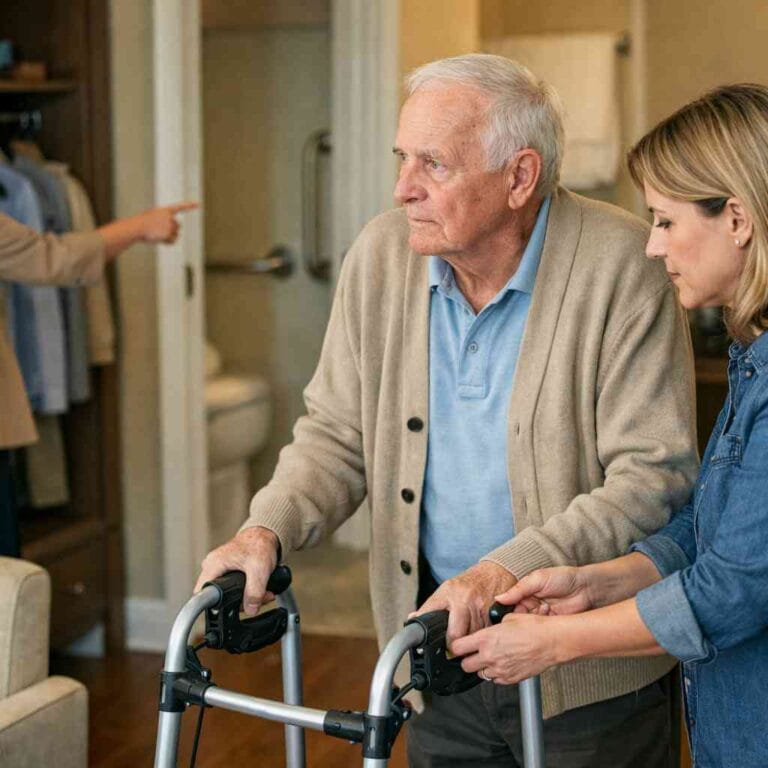
Top 7 Compliance Changes at Senior Living Facilities 2026

Unveiling the Compliance Horizon
The Evolution of Senior Living Compliance
The landscape of senior living compliance is undergoing a transformative evolution. As the needs of older adults become more diverse, regulatory bodies are stepping in to ensure that senior living facilities align with these evolving expectations. Compliance changes are no longer just about meeting basic requirements; they now encompass a broader range of considerations, from enhanced safety standards to sophisticated care protocols. This shift reflects the increasing complexity and specialization required in senior care, highlighting the industry’s commitment to offering a supportive and safe environment for its residents.
Why 2026 Is a Pivotal Year for Regulatory Changes
2026 marks a significant turning point in the regulatory landscape of senior living facilities. This pivotal year is characterized by the introduction of progressive policies aimed at fostering better quality of care. New guidelines are designed to enhance transparency, accountability, and sustainability across the board. These regulatory changes in senior housing underscore a commitment to building a safer and more effective care delivery ecosystem, ensuring that residents and their families have confidence in the care provided.
Understanding the Compliance Landscape in Senior Housing
Understanding the compliance landscape in senior housing involves navigating a complex web of regulations. Emerging standards aim to safeguard the dignity and well-being of residents while promoting excellence in care management. Compliance updates are not merely obligatory – they are opportunities for senior living facilities to demonstrate leadership in eldercare innovation. Facilities are encouraged to adopt proactive approaches to managing compliance, emphasizing the integration of advanced safety measures and a robust regulatory framework. By understanding the nuances of these compliance standards, facilities can position themselves as trusted leaders in senior care.
1 – Enhanced Safety Protocols
New Standards in Senior Living Safety
The introduction of new standards in senior living safety is a critical milestone for 2026. These standards focus on enhancing the physical and mental well-being of residents through comprehensive safety protocols. Modern safety measures are designed to address a wide array of potential risks, ensuring that seniors live in a secure and supportive environment. Adopting these standards is essential to improving quality of life for residents and reassuring their families of the commitment to safety that senior living facilities uphold.
Implementing Advanced Safety Measures
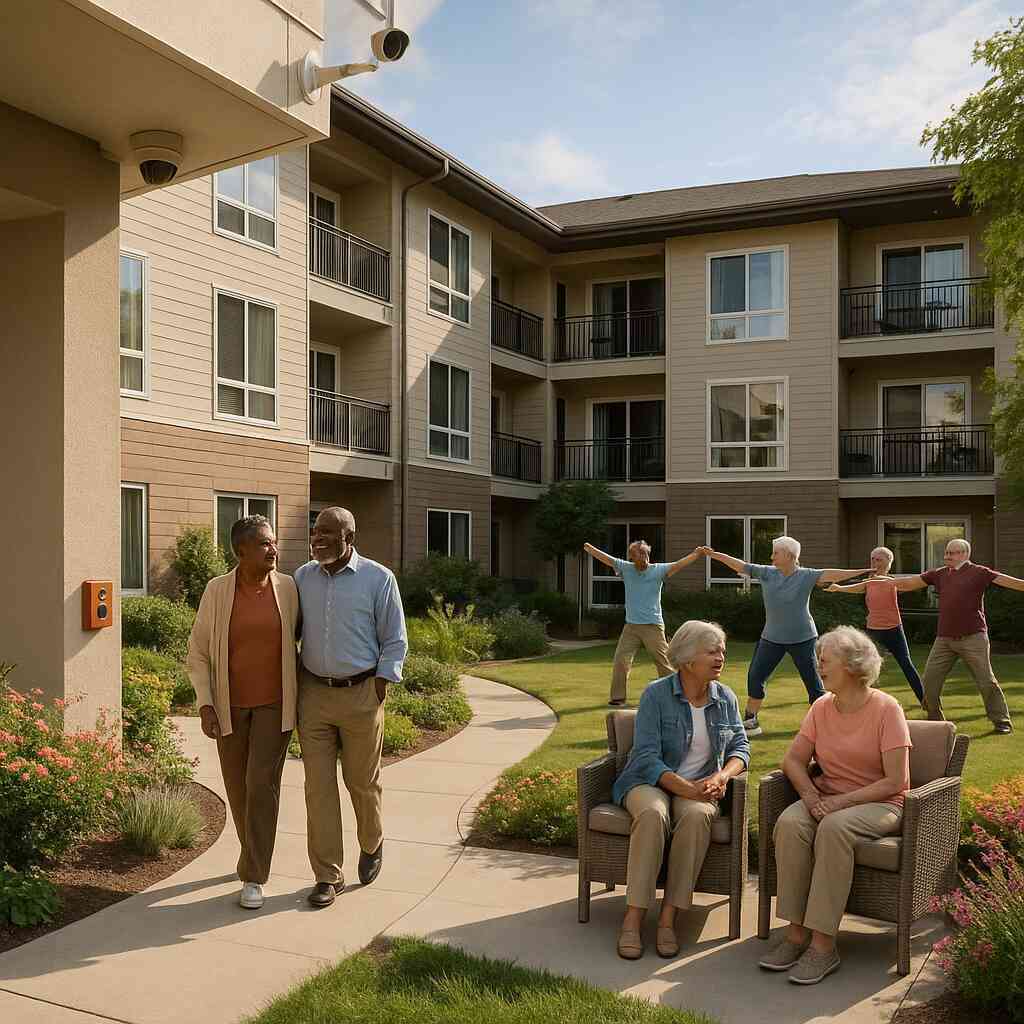
Implementing advanced safety measures in senior living facilities requires a multifaceted approach. These measures include state-of-the-art security installations, regular safety drills, and ongoing staff training. By integrating these elements, facilities can effectively manage potential emergencies and minimize risks to residents. Technologies such as surveillance systems and emergency call buttons are becoming standard features, reflecting the industry’s commitment to providing a responsive and vigilant care setting. Proactive safety measures align with the goal of maintaining a high level of vigilance within senior communities.
Case Studies: Safety Protocols in Action
Case studies showcasing effective safety protocols highlight the tangible benefits of implementing comprehensive safety strategies. Facilities that have successfully integrated advanced safety measures report a significant reduction in incidents and improved resident satisfaction. For instance, one community’s adoption of cutting-edge monitoring systems and robust staff training programs resulted in enhanced rapid-response capabilities. These real-world examples underscore the importance of safety protocols in fostering a secure and nurturing environment, ultimately improving the overall quality of life for residents.
2 – Innovative Assisted Living Regulations
Redefining Assisted Living Standards
Assisted living standards are being redefined to reflect the changing dynamics of senior care. These regulations focus on creating an environment that prioritizes personalized care, respect for autonomy, and comprehensive service delivery. By redefining these standards, regulators aim to bridge the gap between traditional care models and contemporary expectations, ensuring that assisted living facilities remain engaging and supportive settings that cater to the diverse needs of seniors.
The Role of Technology in Modern Compliance
Technology plays a central role in modern compliance within senior living facilities. Innovative tools such as electronic health records and smart home technologies are facilitating better care management and improving communication between caregivers and residents. This technological integration is essential for maintaining accurate records and meeting regulatory standards. Enhanced technology adoption not only supports compliance but also improves the efficiency and effectiveness of care delivery, making it a critical component in the modernization of assisted living facilities.
Navigating New Assisted Living Regulations
Meeting new assisted living facility regulations requires a clear understanding of both national and state-specific requirements. Compliance teams must stay informed of evolving regulations and adapt their practices accordingly. This involves regular training for staff members and continuous evaluation of facility operations to ensure alignment with regulatory expectations. By proactively addressing these regulations, facilities can safeguard their operations and uphold the integrity of their care services, demonstrating a commitment to maintaining a competent and compassionate care environment.
3 – Senior Housing Policy Updates
Key Policy Changes Impacting Senior Housing
Key policy changes in senior housing are set to redefine operational practices within these communities. These updates emphasize addressing resident needs more comprehensively, integrating policy adjustments that enhance the accessibility, affordability, and quality of care. Such changes reflect a commitment to optimizing the senior living experience, ensuring that facilities are well-equipped to support their residents with tailored solutions that meet evolving public expectations.
Adapting to New Housing Legal Requirements
Adapting to new housing legal requirements requires a strategic approach to compliance. Facilities must thoroughly understand these legal mandates to avoid potential liabilities and promote transparency. Regulatory changes often involve detailed reporting and documentation practices, which necessitate robust compliance management systems within senior care facilities. By aligning operations with these standards, facilities can effectively manage legal challenges while maintaining their commitment to excellence in eldercare services.
Policy Innovations for Better Elder Care
Policy innovations are driving improvements in elder care by focusing on areas such as personalized care plans, enhanced communication channels, and sustainable facility management. These innovations aim to create a more responsive and adaptive care environment that prioritizes the individual preferences and needs of residents while ensuring efficient operations. By embracing these policy changes, senior living facilities can continue to evolve, providing high-quality care that genuinely enriches the lives of their residents.
4 – Revamped Elder Care Facility Guidelines
Guidelines Transforming Elder Care Facilities
Revamped elder care facility guidelines are playing a transformative role in the senior living industry, introducing best practices that raise the standard of care across the board. These guidelines promote a holistic approach to eldercare, where the emotional and psychological needs of residents receive as much priority as their physical health. This shift toward a more inclusive model of care ensures that facilities remain responsive to the full spectrum of resident well-being.
Best Practices for Compliance Management
Adopting compliance management best practices is essential for maintaining high operational standards in eldercare facilities. These practices encompass a variety of strategies, including regular compliance audits, ongoing staff education, and the use of technology to streamline compliance processes. Facilities that adhere to these best practices are better equipped to manage the complexity of regulatory requirements and achieve consistent compliance, ensuring the delivery of exceptional care and the protection of resident rights.
Ensuring Quality Care through Updated Guidelines
Ensuring quality care through updated guidelines is a top priority for senior living facilities aiming to strengthen their service delivery. These guidelines focus on embedding quality assurance measures into daily operations and fostering a culture of continuous improvement. By aligning care practices with updated guidelines, facilities can deliver compassionate, competent, and personalized care – reinforcing their commitment to excellence and placing resident satisfaction at the center of their mission.
5 – The Compliance Checklist Revolution
Crafting a Comprehensive Compliance Checklist
Crafting a comprehensive compliance checklist is a proactive step that senior living facilities are taking to streamline their regulatory obligations. This checklist serves as a valuable tool for ensuring all compliance elements are addressed, from safety protocols to care standards. By systematically incorporating compliance tasks into routine operations, facilities can effectively manage their responsibilities and demonstrate a strong commitment to maintaining regulatory standards. This approach not only simplifies compliance but also empowers facilities to anticipate potential issues and respond swiftly. For a practical starting point, review this senior living facilities ultimate checklist before moving in to understand what comprehensive facility standards look like from a resident perspective.
Essential Elements for Compliance Success
The essential elements for compliance success include a balanced combination of well-trained staff, efficient procedures, and up-to-date technology. Facilities must ensure that all employees are informed about the latest regulations and equipped to apply them in their daily activities. Incorporating the right technologies also supports accurate record-keeping and stronger communication, ensuring that compliance is seamlessly integrated into facility operations. These elements work together to create an environment built for regulatory adherence and operational excellence.
Tools and Resources for Compliance Management
A variety of tools and resources are available to aid compliance management in senior care. From compliance management software to regularly updated training programs, these resources are crucial for helping facilities maintain adherence to stringent regulatory standards. By leveraging such tools, senior living communities can improve their operational efficiency and ensure that compliance protocols are consistently enforced. These resources not only support compliance efforts but also contribute to raising the overall quality of care provided to residents.
6 – Regulatory Trends in Senior Living
Emerging Trends Shaping Senior Living Regulations
Emerging trends in the senior living regulatory environment are reshaping how facilities approach compliance. These trends include a greater emphasis on personalized care, sustainability initiatives, and increased transparency in operations. Facilities are now expected to incorporate green practices and digital innovations to meet new regulatory expectations. By aligning with these emerging trends, senior living communities can improve their service delivery while also contributing to broader societal shifts toward environmental stewardship and digital transformation.
Analyzing the Impact of Regulatory Changes
Examining the impact of recent regulatory changes reveals both challenges and opportunities for senior living facilities. These changes require a reevaluation of current practices and the adoption of more sophisticated compliance strategies. Facilities that successfully adapt will likely see improvements in operational efficiency, resident satisfaction, and overall care quality. Understanding the implications of regulatory changes allows facilities to better prepare for the evolving landscape of eldercare compliance.
Future Directions in Senior Living Compliance
The future of senior living compliance will be defined by ongoing innovation and adaptability. As new challenges and opportunities arise, facilities will need to remain flexible and responsive, incorporating best practices that ensure sustained regulatory compliance. The focus will increasingly shift to resident-centered care environments that prioritize individual needs and preferences while maintaining the highest standards of care. By staying ahead of compliance trends in senior living, facilities can chart a confident course toward excellence.
7 – Senior Care Legal Compliance Framework
Building a Robust Legal Compliance Framework
Building a robust legal compliance framework is fundamental for senior care facilities striving to maintain regulatory excellence. This framework involves establishing clear policies and procedures that guide all aspects of facility operations. By fostering a culture of transparency and accountability, facilities can ensure that legal requirements are consistently met. This proactive approach empowers facilities to address compliance challenges effectively, safeguard resident well-being, and reinforce their commitment to quality care.
Navigating Legal Challenges in Senior Care
Managing legal challenges in senior care is complex and requires a strategic approach. Facilities must stay informed about ever-changing regulations and legal mandates that affect their operations. Regular staff training and a thorough understanding of elder care legal compliance are essential for mitigating legal risks and ensuring adherence to industry standards. By prioritizing these efforts, senior care facilities can successfully address legal hurdles and maintain their reputation as reliable providers of exceptional eldercare. Reviewing state nurse ratios in senior living facilities is one practical example of how facilities can benchmark their legal and staffing compliance against regional requirements.
The Importance of a Strong Compliance Culture
A strong compliance culture is vital for sustaining an environment of trust and excellence within senior living facilities. This culture emphasizes ethical behavior, continuous learning, and proactive problem-solving. By cultivating a compliance-focused mindset among staff and leadership, facilities can strengthen their ability to meet regulatory demands and exceed resident expectations. This cultural commitment not only supports regulatory compliance but also contributes significantly to building a positive and secure living atmosphere for all residents.
Charting the Course Ahead
Preparing for the Future of Senior Living Compliance
Preparing for the future of senior living compliance requires a forward-thinking approach that embraces innovation and adaptation. Facilities must remain agile and responsive to emerging regulations, ensuring that they are well-equipped to meet new challenges and seize opportunities for improvement. By fostering a culture of continuous learning and innovation, senior living communities can effectively manage the evolving landscape and maintain their position as leaders in eldercare excellence.
Strategic Planning for Compliance Success
Strategic planning is essential for achieving compliance success in the senior living sector. This includes establishing clear goals, allocating resources efficiently, and regularly evaluating performance against regulatory standards. A strategic planning approach allows facilities to proactively address compliance issues and ensure sustained operational excellence. It also enables facilities to anticipate future regulatory changes and adapt quickly, further solidifying their competitive standing in the industry.
The Road to Excellence in Senior Care
The road to excellence in senior care is built on a commitment to innovation, compliance, and ongoing improvement. By continually assessing practices and embracing new technologies and methodologies, facilities can raise their care standards and enrich the lives of their residents. This journey involves fostering a culture of quality, transparency, and compassionate service delivery. By partnering with trusted resources such as Senior Living Facilities, caregivers and families can confidently manage the complexities of senior care, ensuring the highest standard of living for all seniors.
Frequently Asked Questions
Question: How will the enhanced safety protocols outlined in Top 7 Compliance Changes at Senior Living Facilities 2026 impact the quality of life for residents in senior living communities?
Answer: The enhanced safety protocols are designed to significantly improve the quality of life for residents in senior living communities. By adopting state-of-the-art security installations, regular safety drills, and continuous staff training, these protocols ensure a secure and supportive environment. The focus is on minimizing risks and preparing for emergencies, which provides residents and their families peace of mind. Enhanced senior living safety standards reinforce the commitment to delivering high-quality care, making Senior Living Facilities a trustworthy choice for finding communities that prioritize resident well-being.
Question: What role does technology play in modern compliance within senior care facilities, and how does Senior Living Facilities integrate this into their offerings?
Answer: Technology plays a crucial role in modern compliance by facilitating better care management and improving communication in senior care facilities. Tools like electronic health records, smart home technologies, and advanced monitoring systems are integral to maintaining compliance with senior care compliance standards. Senior Living Facilities integrates these technologies into its offerings by showcasing communities equipped with the latest tools for efficient care delivery. By leveraging technology, these communities enhance operational efficiency, support regulatory compliance, and offer a modernized and personalized care experience.
Question: Can you explain the importance of a strong compliance culture in senior living facilities, and how does this align with Senior Living Facilities’ mission?
Answer: A strong compliance culture is vital for ensuring trust and excellence in senior living facilities. It emphasizes ethical behavior, continuous learning, and proactive problem-solving. For Senior Living Facilities, aligning with communities that prioritize a compliance-focused mindset ensures that they provide high-quality care that meets and exceeds regulatory demands. This cultural commitment helps create a positive, secure environment for residents and aligns with Senior Living Facilities’ mission to offer housing options for seniors that guarantee peace of mind and a sense of social connection.
Question: How can families be assured that the senior communities listed by Senior Living Facilities keep up with evolving regulatory trends in senior living?
Answer: Families can be assured that the communities listed by Senior Living Facilities adhere to evolving regulatory trends by accessing up-to-date compliance information through the platform. Senior Living Facilities collaborates with communities that are proactive in adopting the latest regulatory changes, including sustainable practices, personalized care models, and digital innovations. This ensures that each community maintains a high standard of compliance, offering families peace of mind that their loved ones will receive exceptional care in line with modern regulations.
Question: What measures does Senior Living Facilities take to ensure that they recommend communities with updated elder care facility guidelines?
Answer: Senior Living Facilities takes several measures to ensure they recommend communities with updated elder care facility guidelines. They continuously evaluate and update their database to include only those communities that have integrated the latest best practices for compliance management. Through a robust vetting process, Senior Living Facilities ensures that each community prioritizes quality assurance, compassionate care, and overall resident satisfaction. By doing so, they maintain a list of trusted communities that are committed to adhering to the highest standards of senior care facility compliance.
Admin
Expert contributor specializing in senior living care. Dedicated to providing families with clear, actionable advice.