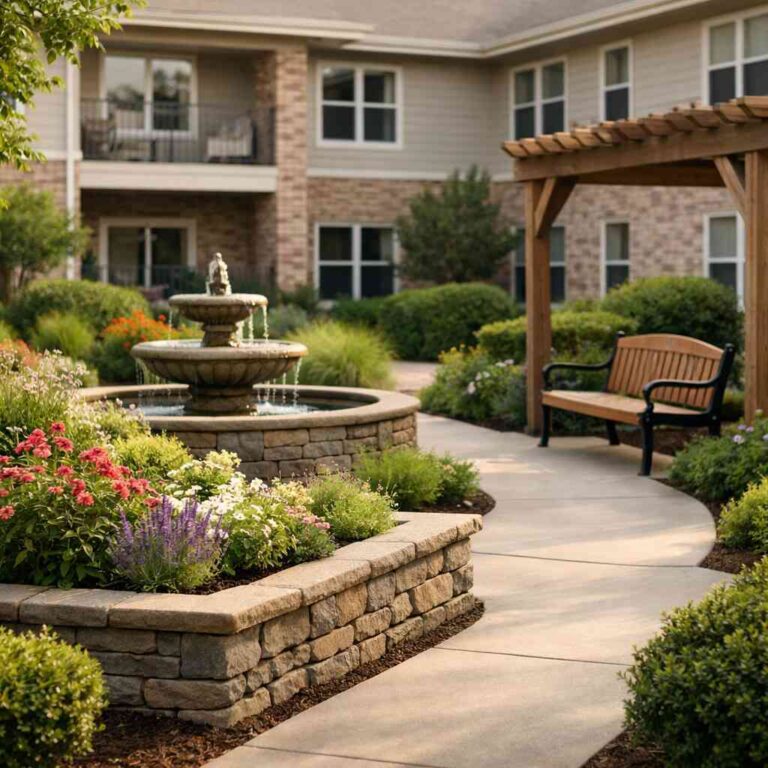
What Are the Best Housing Options for Seniors Aging in Place

The best housing options for seniors aging in place are the ones that preserve independence while adding the right amount of support, safety, and flexibility. That may mean staying home with help, moving to an independent living community, or choosing assisted living when daily tasks become too hard to manage alone.
Key Takeaways
- Aging in place works best when the home still matches the senior’s mobility, memory, and care needs.
- Independent living communities and 55+ apartments fit seniors who want less maintenance, more social contact, and fewer household burdens.
- Assisted living plans and board and care homes fit seniors who need help with bathing, dressing, medications, or meals.
- The right choice depends on safety, support level, affordability, and how quickly needs may change.
- A free senior living directory can help families compare housing options for seniors without guessing.
When aging in place starts to feel fragile instead of freeing
Aging in place should feel steady, not stressful. If the house is becoming harder to move through, harder to maintain, or harder to keep safe, the better question is not “Can Mom stay home?” but “What living setup keeps her independent longer?” That shift matters, because the right housing options for seniors can reduce risk before a crisis forces a rushed move.
The small signs that the home may no longer fit safely
The earliest warning signs are usually practical, not dramatic. You may notice missed steps on stairs, clutter that gathers because cleaning is tiring, a tub that feels risky, or medication routines that are slipping. We hear this every week from families who thought they only needed a small change, then realized the home itself was demanding too much.
A few common signs point to a mismatch:
- Trouble getting in and out of the shower
- Falls, near-falls, or hesitation on stairs
- Meals skipped because cooking feels exhausting
- Bills, prescriptions, or appointments being missed
- Isolation, especially after driving becomes limited
- Memory changes that make a familiar layout confusing
One daughter in Arizona told us her father could still live alone, but only after the front steps, laundry, and nighttime bathroom trips became daily stress points. The issue was not the address. It was the workload built into the house.
Why a familiar house can become the most expensive option when care needs change
A home can feel affordable until you add ramps, grab bars, meal delivery, housekeeping, transportation, and regular family check-ins. Then the real cost of staying put becomes clearer. That is why families comparing top rental housing for seniors should look beyond rent and ask what support would still need to be purchased separately.
The financial side gets more complicated when care increases. If a senior later needs help with bathing, medication reminders, or supervision, the home may need outside care layered on top. For many families, that is where the comparison shifts toward affordable senior living or exploring long-term care options.
The housing choices that actually work when home is still the goal
The best housing choice is the one that matches current needs without boxing the senior into a move they cannot sustain. For many families, that means choosing between independent living, 55+ apartments, assisted living, or a small residential setting. The goal is still stability, but with the right amount of help built in.
Independent living communities and 55 plus apartments when chores become the real burden
Independent living communities and 55+ apartments work well when the senior can manage personal care but no longer wants the burden of home upkeep. These options are best for active adults who want a simpler daily routine, fewer repairs, and more social connection. They are especially useful when the house feels too large, too isolated, or too demanding.
OptionBest forTypical support levelMain advantageIndependent living communitiesActive seniors who want less maintenanceLowSocial life, easier upkeep, fewer chores55+ apartmentsSeniors who want age-friendly rental housingLowSimpler living, often more accessible layoutsCommunities for seniors 55+Older adults who want a peer group nearbyLowCommunity feel without heavy care servicesThese settings are not medical care facilities, and that is the point. They can be a strong fit for someone who still drives, manages medications, and only needs a lighter daily load. If you are comparing independent living communities with other options, look at meal plans, transportation, accessibility features, and whether pets are allowed if that matters to the senior.
Here is the part most families miss: independent living can be the right move before anyone looks “frail.” Moving earlier often gives the senior more control, not less. It also avoids the pressure of a rushed decision after a fall or hospital stay.
Assisted living plans and board and care homes when daily support matters more than square footage
Assisted living plans fit seniors who need help with daily tasks but do not need round-the-clock medical care. Board and care homes, also called residential care facilities in some states, are usually smaller and more intimate. Both can work well when supervision, meals, bathing help, and medication support matter more than having a large apartment. For families comparing assisted living vs nursing home, the distinction is simple: assisted living supports daily life, while nursing homes provide more intensive medical oversight. If you are asking about the difference between skilled nursing and assisted living, think of assisted living as help with daily living and skilled nursing as care for more complex health needs. 
FeatureAssisted livingBoard and care homeSkilled nursing facilityDaily personal careYesYesYesMeals and supervisionYesYesYesMedical careLimitedLimitedHigher levelSettingLarger communitySmaller, home-like settingClinical settingBest fitModerate support needsSeniors wanting a smaller environmentSeniors needing medical-level careIf memory changes are part of the picture, ask specifically about what is memory care, dementia care homes, and whether a community offers secure support. A family in Florida once told us they assumed assisted living alone would be enough, but nighttime confusion changed the picture fast. In that case, a memory-focused setting made more sense than a general apartment-style community. For families searching by location, an assisted living locator can help narrow assisted living locations by care level, budget, and move-in timing. That matters in busy markets like Florida senior living, California assisted living, and Texas nursing homes, where availability can change quickly.
If you want a simpler way to compare options, Senior Living Facilities can help you sort through senior living facilities, compare care levels, and connect with a free senior living referral. That is often easier than calling each community one by one, especially when you are balancing emotions, timing, and the cost of assisted living.
Frequently Asked Questions
How do I know if aging in place is still safe?
Aging in place is still safe when the senior can move around the home, handle medications, get meals, and respond to emergencies without constant help. If falls, confusion, missed prescriptions, or isolation are becoming common, the home may no longer be the best fit. A home safety review and a care needs review can make that clearer.
Is assisted living cheaper than staying home?
Sometimes, yes, but not always. Staying home can look cheaper until you add paid help for cleaning, meals, transportation, and personal care. Assisted living can be easier to budget because many supports are bundled together. The real comparison should include total monthly support, not rent alone.
What is memory care and when is it needed?
Memory care is a specialized setting for seniors with Alzheimer’s disease or other forms of dementia who need more supervision and structure than standard assisted living provides. It is usually considered when wandering, confusion, repeated safety issues, or major memory loss create risk. The Alzheimer’s Association and the National Institute on Aging both stress the importance of matching care level to symptoms.
What should I ask before choosing a nursing home?
Ask about staffing, supervision, care planning, therapy access, visitation rules, discharge planning, and how the facility handles falls or medication issues. You should also review inspection results, talk with families if possible, and ask how the facility handles changes in condition. If you are comparing facilities, CMS star ratings can help you start the review process.
Can Medicaid or VA benefits help pay for senior housing?
Sometimes. Medicaid may help in some states with certain types of long-term care, and VA benefits for senior care may help eligible veterans with senior care costs. Medicare is more limited and usually does not cover long-term custodial care. Because rules differ by program and by state, families should check Medicaid.gov and Medicare.gov for current guidance.
How can a senior living advisor help?
A senior living advisor can narrow the search, explain care levels, and help you compare communities without starting from zero. That is especially useful if you are sorting through senior citizen housing, elderly housing, or a long-term care facility for the first time. A directory like Senior Living Facilities can save time by showing verified options in one place.
If you are feeling stuck, pick three communities that match the care level you need and compare them side by side today. If you want help doing that, call the free 24/7 helpline at 1 (844) 203 4645 and ask for help finding the right senior living facility.
Senior Living Facilities Editorial Team
Expert contributor specializing in senior living care. Dedicated to providing families with clear, actionable advice.