What Is the Future of Senior Living Facilities in Georgia
Embracing the Horizon: A New Era for Senior Living in Georgia
Overview of the Senior Living Landscape in Georgia
Georgia, with its blend of cultural heritage and modern progress, is witnessing a profound transformation in its senior living facilities. As we embrace the future, the need to cater to a growing elderly population becomes increasingly imperative. The landscape of senior living is evolving beyond just nursing homes and traditional assisted living. It encompasses a diverse array of housing options, from independent living and 55+ communities to more advanced healthcare facilities. This broad spectrum ensures that seniors have access to a lifestyle that balances independence with the necessary care. As these options expand, families can make more informed choices, reflecting the dynamic nature of Georgia’s senior care industry.
Predicted Demographic Shifts and Their Implications
Demographic shifts present significant implications for the future of senior living facilities in Georgia. With an increasing number of the population entering retirement age, the demand for diverse senior housing solutions is on the rise. This growth necessitates strategic planning in urban and rural areas alike. In metropolitan regions, we see a surge in demand for modern retirement communities that cater to an active lifestyle, while rural settings tend to favour more serene assisted living environments. The key is to anticipate these shifts and adapt the infrastructure accordingly. Understanding these dynamics allows communities to proactively design housing solutions that align with the evolving needs of an aging population, ensuring that facilities meet demand both in quantity and quality.
Understanding the Economic and Social Impacts
The economic and social impacts of the evolving senior living landscape are substantial. Economically, the expansion of innovations in senior housing in Georgia brings about opportunities for growth in employment, development projects, and investment in health technologies. Socially, these innovations enhance the quality of life for older adults, promoting a heightened sense of community engagement and connectedness. As new facilities adopt cutting-edge practices and sustainable designs, they not only create jobs but also foster environments where seniors can thrive intellectually and physically. This dual impact reflects a broader vision for senior living that integrates economic viability with social responsibility, contributing to a more cohesive and inclusive society.
Innovative Trends Shaping the Future of Elder Care
Technology Integration in Senior Living Facilities
Technology is becoming central to the evolving landscape of housing options for seniors in Georgia, driving transformative changes. Whether it’s wearable health monitors, telehealth services, or automated home systems, these advancements enhance safety and autonomy for residents. As technological advancements in elder care proliferate, they offer new opportunities to deliver more personalized and efficient care. Facilities that integrate these innovations not only provide a higher quality of life but also create engaging environments that attract a tech-savvy generation of seniors. The seamless adoption of technology in senior living facilities enables residents to stay connected with family and friends, enhancing their social engagement and quality of life.
Sustainable Practices in Senior Housing
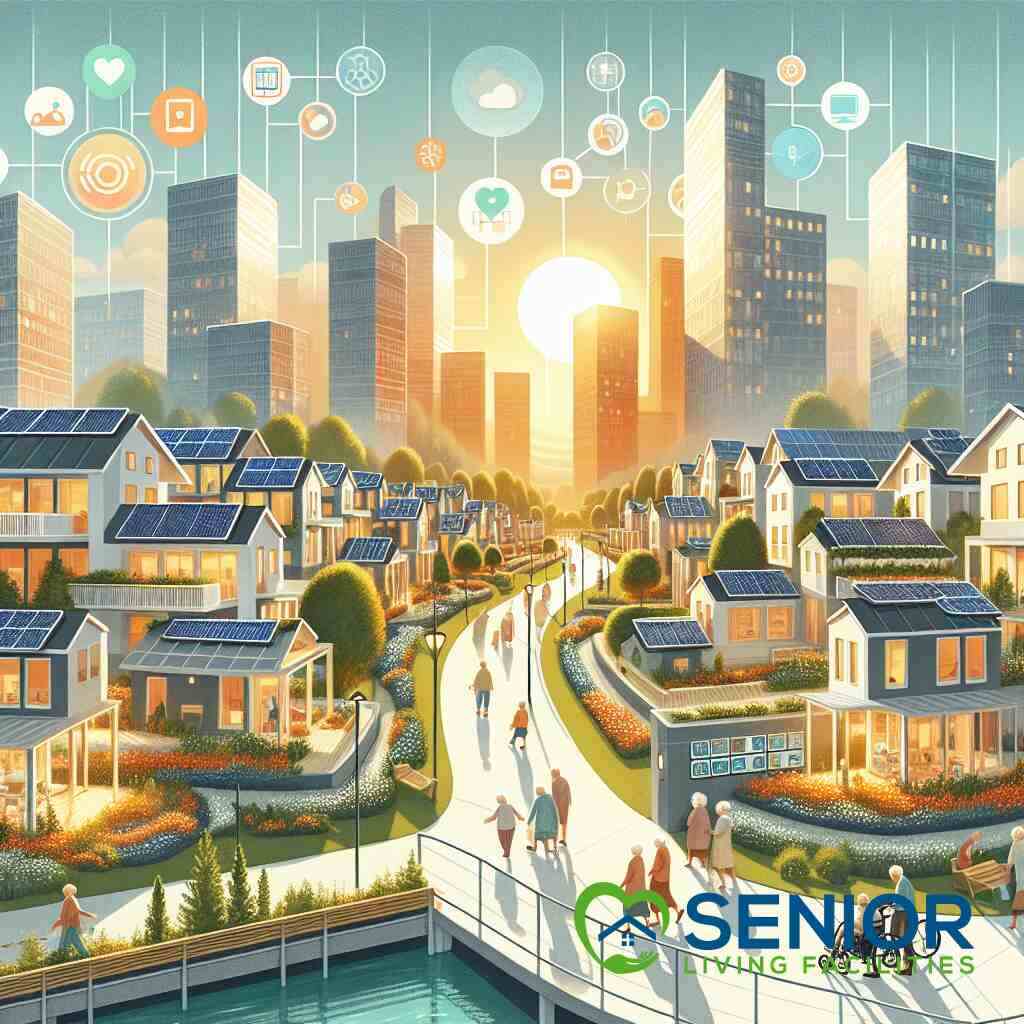
Sustainable practices are reshaping senior living by fostering environmentally friendly and cost-effective solutions. Emphasizing eco-friendly construction and energy-efficient designs, senior living facilities in Georgia are poised to minimize their environmental footprint while reducing operational costs. These practices extend beyond mere construction materials to include renewable energy sources such as solar and geothermal power. Implementing sustainable measures ensures that communities are designed with future generations in mind, offering a balance between resource conservation and providing a high-quality living experience. This shift towards sustainability not only meets the demand for greener communities but also sets a standard for what the future of senior living should embody.
Personalized Care Models: A Shift Towards Individualized Services
Personalized care is at the forefront of modern senior care, aiming to tailor services to each individual’s unique needs and preferences. The integration of personalized elder care models into senior living facilities represents a shift from one-size-fits-all approaches to more nuanced, person-centered solutions. These models take into account medical history, lifestyle, and personal preferences, crafting a care plan that’s both comprehensive and adaptable. By focusing on individualized services, facilities can enhance the well-being and satisfaction of residents, ensuring that they live with dignity and autonomy. This personalized approach not only improves the quality of care but also fosters deeper connections between caregivers and residents.
Collaborative Community Engagement Initiatives
Collaborative community engagement initiatives are redefining the senior living experience by fostering vibrant, inclusive communities. These initiatives encourage residents to actively participate in social, recreational, and cultural activities that promote cohesion and interaction. By integrating inclusive elder care community planning, facilities create environments where mutual respect and support thrive. Such communities facilitate partnerships with local organizations and volunteers, enriching life through diverse programs and events. By emphasizing social engagement, senior living facilities help counter isolation and support mental and emotional well-being. These initiatives ensure that senior living communities are not only places to reside but are also hubs of dynamic social interaction and community support.
Architectural Evolution: Building Tomorrow’s Senior Communities
Designing for Accessibility and Wellness
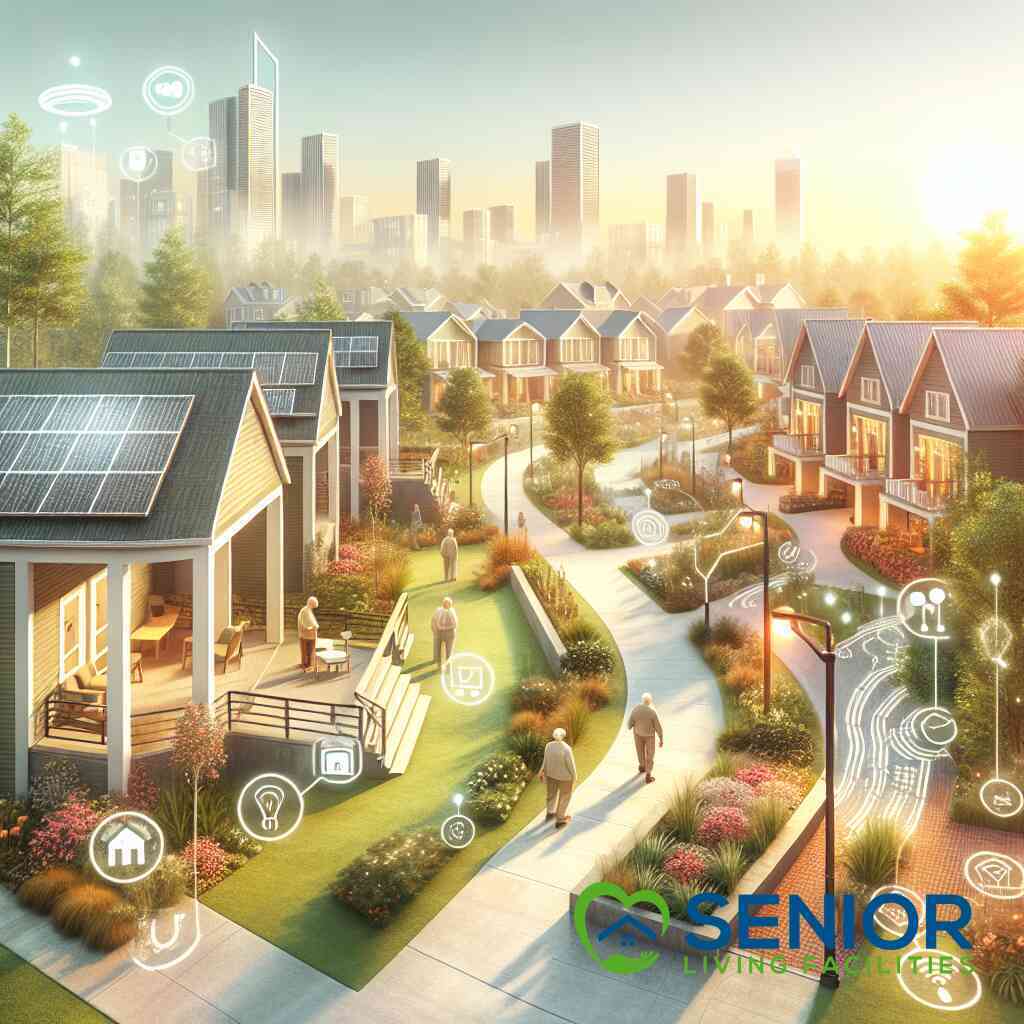
In the quest to redefine senior living in Georgia, architectural design has taken center stage. Facilities are now prioritizing accessibility and wellness in their blueprints to meet residents’ varied needs. Understanding that mobility can decline with age, modern senior communities are embracing universal design principles. These principles include wide doorways, non-slip flooring, and strategically placed handrails, creating environments where residents move freely and safely.
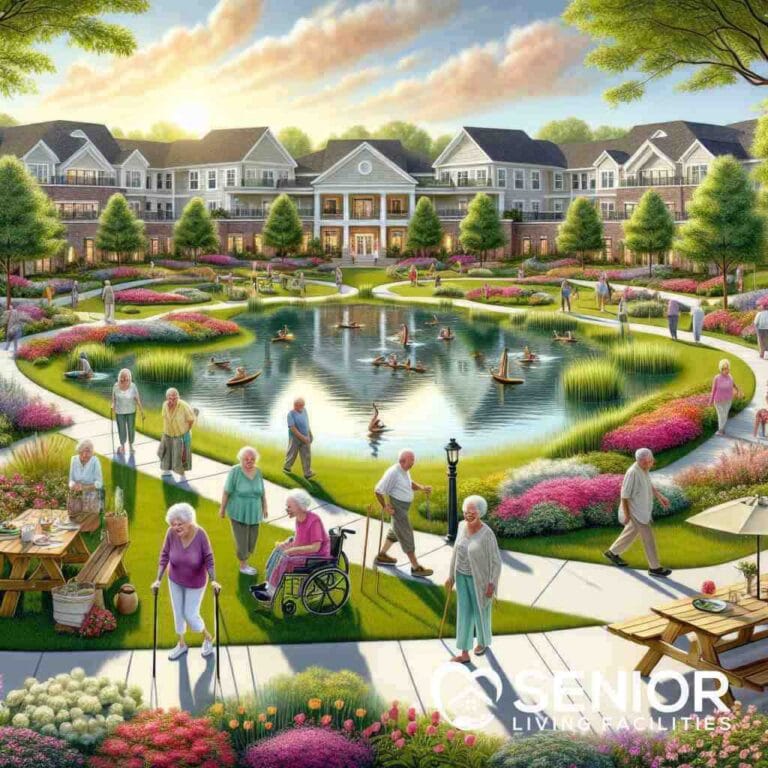
Beyond physical design elements, there is a strong focus on wellness-oriented spaces. Gardens, walking paths, and quiet areas for meditation are becoming standard features. Such considerations not only enhance physical health but also support mental well-being, providing a holistic approach to elder care that is both innovative and compassionate. The evolution of architectural spaces underscores Georgia’s commitment to enhancing the quality of life for seniors.
The Rise of Smart Home Technologies
Smart home technologies are revolutionizing how senior living environments operate, merging convenience with advanced care. These technologies include solutions like automated lighting, climate control, and security systems tailored to cater to seniors’ unique needs. In Georgia, these advancements are being seamlessly integrated into modern retirement communities designed with tech-savvy seniors in mind.
Healthcare technologies, including telehealth services and electronic health monitoring systems, further extend residents’ independence while ensuring rapid response to health needs. These systems allow caregivers to closely monitor residents’ health metrics, ensuring immediate attention when required. The blend of smart technologies and healthcare services epitomizes the future-ready approach that modern retirement communities are adopting, providing safety, convenience, and peace of mind for both residents and their families.
Blending Tradition with Modernity: Creating Comfortable Living Spaces
The future of senior living in Georgia lies in creating environments that respect traditional aesthetics while embracing modern amenities. This blending ensures that seniors enjoy spaces that feel familiar yet offer all the conveniences of contemporary living. Classic design elements, such as warm colors and familiar architectural styles, are complemented by state-of-the-art facilities and amenities.
Such communities are adopting a balanced approach by incorporating modern kitchens, updated bathrooms, and community areas equipped with the latest technologies, ensuring a comfortable and engaging living experience. This harmonious blend of tradition and modernity caters to residents’ varied tastes, ensuring that everyone finds a space that feels like home. By creating environments that are both nostalgic and forward-thinking, Georgia senior living facilities are crafting unique communities that resonate with their residents.
Adapting to Urban vs. Rural Settings
The dynamic between urban and rural settings presents unique challenges and opportunities for designing senior living spaces. Urban environments, characterized by higher population densities and closer proximity to amenities, are ideal for seniors who wish to remain active and socially connected. Here, architects focus on vertical designs that maximize space and accessibility, often incorporating public transportation access and urban amenities like shopping and entertainment centers.
Conversely, rural settings offer a different appeal, focusing on peace, nature, and ample outdoor spaces. Facilities in these areas prioritize sprawling, open designs that integrate seamlessly with the natural landscape. Urban versus rural senior living dynamics necessitate different approaches that account for varying lifestyles and preferences.
Ultimately, whether in a bustling city or a tranquil rural area, the goal remains the same: providing seniors with environments that enhance their quality of life and meet their expectations for comfort, care, and engagement. By understanding these nuances, Georgia’s senior living facilities can adapt and thrive in any setting.
Policy and Planning: Steering the Future Course
Analyzing Georgia’s Senior Living Policies
The senior living industry in Georgia is heavily influenced by state policies that aim to enhance the quality of elder care while ensuring affordability and accessibility. Through comprehensive Georgia senior care policy analysis, stakeholders are empowered to identify legislative gaps and opportunities for improvement. These policies address various aspects including safety standards, rights of residents, and quality assurance in care delivery. By continually adapting these policies, Georgia ensures that senior living facilities are equipped to handle the complexities of modern elder care. The proactive approach to policy-making is vital for preparing the state to meet the increasing demands of an aging population, ensuring that every senior has access to optimal living conditions.
Addressing Financial Models and Pricing Structures
The financial models that underpin senior living facilities are essential in shaping their accessibility and sustainability. In Georgia, a diverse range of pricing structures exists, catering to varying income levels and care requirements. These models often include a mix of rental fees, entrance fees, and care-based pricing, which are tailored to individual preferences and needs. By evaluating these financial frameworks, facilities can offer more transparent pricing and flexible payment options that contribute to more inclusive elder care. This financial adaptability is crucial in ensuring that no senior is deprived of quality living arrangements due to economic constraints, fostering equitable access for all.
Healthcare Advancements Influencing Senior Living
Georgia’s senior living sector benefits from significant healthcare advancements in senior living, which play a pivotal role in enhancing care quality and resident satisfaction. Innovations such as telemedicine and remote health monitoring are becoming staples in senior communities, enabling real-time health assessments and prompt responses to medical needs. Furthermore, advancements in geriatric medicine help tailor medical services specifically to an aging demographic. These initiatives not only improve healthcare delivery but also bolster residents’ independence and peace of mind. Keeping up with these advancements ensures that the state’s senior living facilities remain at the forefront of new and effective care solutions.
Strategic Planning for Population Growth and Aging
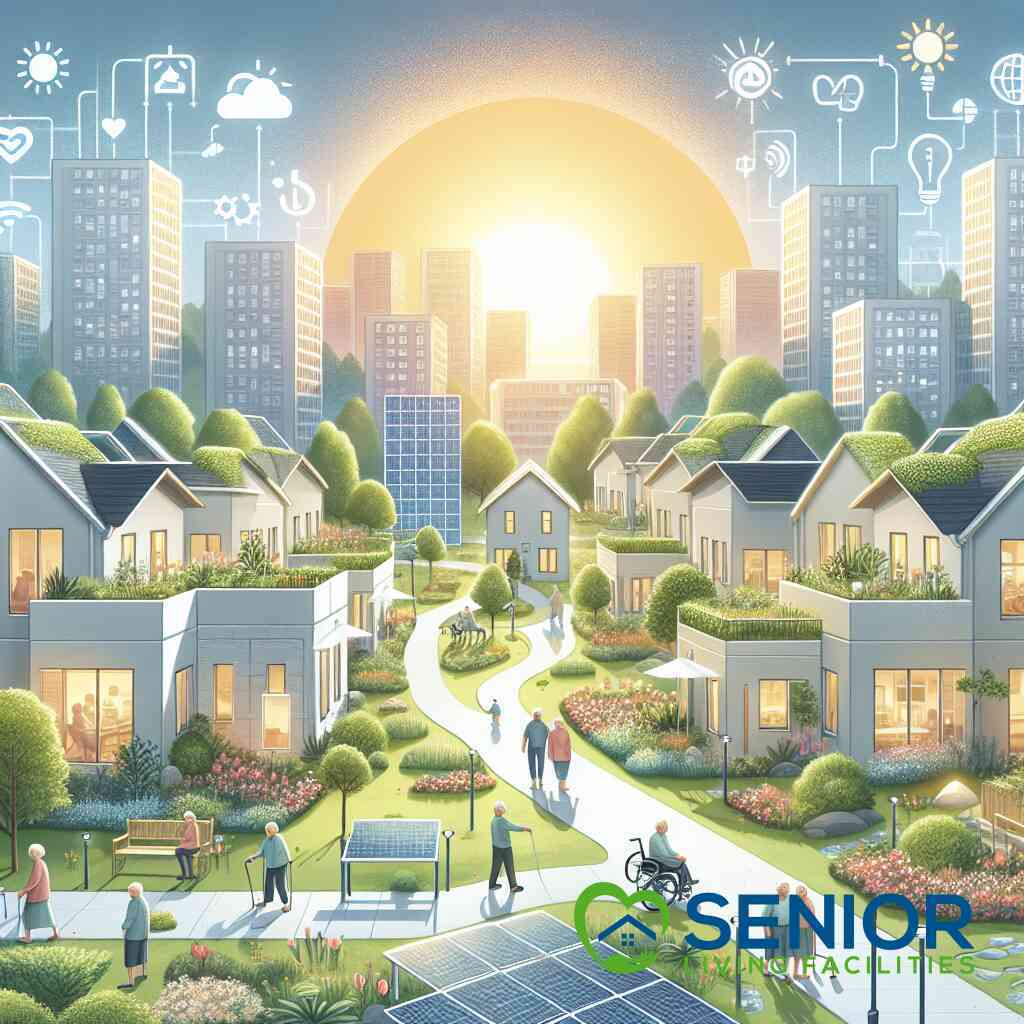
Strategic planning is essential to address the challenges posed by Georgia’s growing and aging population. By focusing on sustainable planning practices, communities can accommodate demographic trends in elder care effectively. Emphasis is placed on planning sustainable senior communities in Georgia, ensuring developments are environmentally friendly and economically viable. This involves integrating green spaces, energy-efficient designs, and infrastructure that supports community interaction. The objective is to provide long-term solutions that cater to both immediate needs and future demands, ensuring a seamless adaptation to the ongoing evolution in senior living preferences. This foresight is crucial for fostering vibrant communities that not only meet but exceed the expectations of Georgia’s seniors.
Charting a Progressive Path: Georgia’s Senior Living Vision
Emerging Senior Housing Developments and Innovations
Georgia is at the forefront of revolutionary trends within the senior housing sector, setting a paradigm for future developments. New trends in Georgia’s senior housing focus on creating vibrant and engaging environments that cater to the modern senior’s needs. Developers are integrating mixed-use spaces where residential living coexists with retail and recreation, promoting greater social interaction and community involvement. These innovations are not just about adding new facilities but also about reimagining the elderly living experience. Embracing cutting-edge designs and eco-friendly practices fosters spaces that feel both inviting and sustainable, underscoring Georgia’s commitment to future-ready senior living.
Fostering a Culture of Inclusivity and Respect
Senior living communities in Georgia are prioritizing inclusivity and respect as core values. By fostering environments that celebrate diversity and individuality, these communities serve as microcosms of a harmonious society. Programs aimed at inclusive elder care community planning actively engage residents of various backgrounds, ensuring that everyone finds a sense of belonging. Facilities host events and activities that encourage cultural exchange and mutual understanding, helping to weave a rich tapestry of experiences. By promoting kindness and acceptance as the norm, Georgia’s senior living communities not only enhance resident satisfaction but also set an example for others to follow in creating cohesive and respectful environments.
Continuous Education and Training for Senior Care Professionals
To maintain a standard of excellence in service delivery, Georgia invests significantly in the continuous education and training of its senior care professionals. By providing access to the latest knowledge in geriatric care and management, these professionals are well-equipped to deliver high-quality, personalized services to residents. Training programs emphasize empathy, technical skills, and innovative care practices, preparing caregivers to meet the complex needs of an aging population. This dedication to professional development ensures that staff are not only competent but also compassionate, embodying the ethos of progressive senior care. Such commitment to training exemplifies how Georgia is preparing its workforce to adapt to both current and future challenges in elder care.
Frequently Asked Questions
Question: What innovative trends are shaping the future of senior living facilities in Georgia?
Answer: The future of senior living facilities in Georgia is being shaped by several innovative trends. Notably, technology integration is transforming senior housing options, with advancements such as wearable health monitors, telehealth services, and smart home technologies enhancing safety and autonomy for residents. Moreover, sustainable practices are reshaping senior living by emphasizing eco-friendly construction and energy-efficient designs that minimize environmental impact while reducing operational costs. Georgia’s senior living communities are also embracing personalized care models that tailor services to individual needs, ensuring a comprehensive care experience. These innovations reflect a commitment to providing advanced and compassionate care, resonating with the diverse needs of the aging population.
Question: How are demographic shifts influencing the demand for senior living options in Georgia?
Answer: Demographic shifts in Georgia are significantly impacting the demand for senior living facilities. As more individuals reach retirement age, the need for diverse senior housing solutions has grown. In metropolitan areas, there is a high demand for modern retirement communities that accommodate active lifestyles, while rural areas tend to prefer quieter assisted living environments. By anticipating these demographic changes, senior living facilities in Georgia are adapting their infrastructure and services to meet this demand. The evolving landscape ensures that seniors have access to a range of care options that balance independence with the necessary support, reflecting the dynamic needs of Georgia’s senior population.
Question: What economic and social impacts can we expect from the future of senior living facilities in Georgia?
Answer: The evolving senior living facilities in Georgia present substantial economic and social impacts. Economically, increased developments in senior housing lead to job creation, economic growth, and investment opportunities, particularly in health technologies and sustainable development projects. Socially, these innovations improve the quality of life for seniors by fostering a sense of community and engagement. Facilities adopting cutting-edge practices create inclusive environments where seniors can thrive physically and emotionally. By balancing economic growth with social responsibility, Georgia’s senior living sector contributes to building a more cohesive and inclusive society.
Question: How is Senior Living Facilities supporting individuals and families in choosing the right option among emerging elder care solutions in Georgia?
Answer: Senior Living Facilities aids individuals and families in navigating the evolving landscape of elder care solutions in Georgia by providing a comprehensive platform to explore a wide range of senior living options. Our services include a powerful search tool that locates facilities across all 50 states, allowing users to compare different communities based on level of care, amenities, and services. Additionally, we offer personalized guidance to help families connect with the ideal senior living facility tailored to their unique needs. This approach ensures that everyone can find a supportive and nurturing environment that enhances their quality of life, positioning Senior Living Facilities as a trusted partner in elder care planning.
Question: In light of the blog What Is the Future of Senior Living Facilities in Georgia, what role does technological advancement play in modern retirement communities?
Answer: In the blog What Is the Future of Senior Living Facilities in Georgia, it’s clear that technological advancement plays a crucial role in shaping modern retirement communities. Technologies such as telemedicine, electronic health monitoring, and smart home features like automated lighting and security systems are integral components of contemporary senior living. These innovations offer enhanced safety, convenience, and connectivity, allowing residents to maintain independence while ensuring prompt health care responses. By embracing these advancements, senior living facilities in Georgia are able to deliver a higher quality of life and peace of mind for residents and their families, ensuring that communities remain at the forefront of elder care solutions.
Admin
Expert contributor specializing in senior living care. Dedicated to providing families with clear, actionable advice.