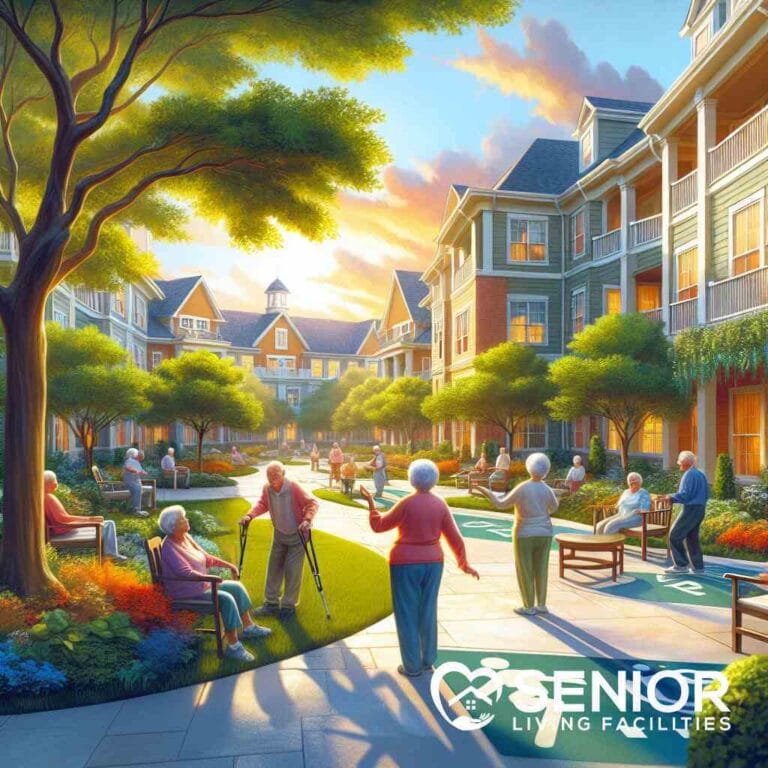
A Guide to Communities for Seniors 55 Plus in 2026

Introduction
Choosing the right community for seniors 55 and older is a significant decision that affects lifestyle, finances, and well-being. In 2026, the options have expanded dramatically, offering everything from luxury senior apartment rentals to eco-conscious co-housing models. This guide explores the key types of communities, amenities, costs, and strategies to help you find the best fit.
Types of 55+ Communities
Active Adult Communities
Active adult communities are designed for independent seniors who want a low-maintenance lifestyle with resort-style amenities. These age-restricted neighborhoods often feature clubhouses, fitness centers, golf courses, and social clubs. They are ideal for those looking to downsize without sacrificing an active social life.
Independent Living Communities
Independent living communities provide private apartments or cottages with services like housekeeping, dining, and transportation. Residents enjoy a maintenance-free lifestyle while having access to wellness programs and social engagement opportunities. This option suits seniors who value convenience and community.
Continuing Care Retirement Communities (CCRCs)
CCRCs offer a continuum of care, from independent living to assisted living and skilled nursing, all on one campus. This model allows residents to age in place, knowing their future care needs will be met. Learn more about CCRCs to see if this long-term plan fits your needs.
Senior Co-Housing
Co-housing models bring together like-minded older adults who share common spaces while maintaining private residences. These communities emphasize collaboration, sustainability, and mutual support. They often include shared gardens, kitchens, and recreational areas.
Key Amenities and Features
Modern 55+ communities offer a wide range of amenities tailored to senior lifestyles:

- Wellness Programs: Fitness classes, yoga, meditation, and health screenings.
- Dining Experiences: On-site restaurants, chef-prepared meals, and flexible dining plans.
- Transportation Services: Scheduled shuttles for shopping, medical appointments, and cultural outings.
- Pet-Friendly Policies: Many communities welcome pets, with dog parks and pet care services.
- Safety Features: Emergency call systems, grab bars, and secure entrances.
- Technology Integration: Smart home devices, telehealth access, and high-speed internet.
Financial Considerations
Costs vary widely based on location, housing type, and services. Options include:
- Rental vs. Ownership: Renting offers flexibility with no property maintenance, while ownership builds equity. Explore rental housing for seniors to compare costs.
- Affordable Programs: Some communities offer income-based pricing or accept Medicaid waivers. Veterans may qualify for benefits that cover senior living expenses. Learn more about VA benefits for senior living.
- Financial Strategies: Long-term care insurance, reverse mortgages, and life settlement options can help fund senior housing.
Choosing the Right Location
Location significantly impacts lifestyle and cost. Consider:
- Metropolitan Areas: Proximity to cultural venues, top medical centers, and public transit.
- Suburban Settings: Quieter neighborhoods with green spaces and community centers.
- Rural Charm: Scenic views, lower costs, and a slower pace of life.
Use a nationwide locator to compare communities across all 50 states.
Trends in Senior Living for 2026
- Eco-Conscious Design: Solar panels, energy-efficient appliances, and sustainable materials.
- Intergenerational Living: Communities that mix seniors with younger families to foster connection.
- Tech-Enhanced Safety: Wearable devices, fall detection, and AI-powered health monitoring.
- Wellness-Centered Lifestyle: Holistic programs focusing on mental, physical, and social health.
Frequently Asked Questions
What is the difference between active adult and independent living communities? Active adult communities are typically age-restricted neighborhoods with amenities for healthy, active seniors, while independent living communities offer more services like dining and housekeeping.
How much do 55+ communities cost in 2026? Costs range from $1,500 to $6,000+ per month, depending on location, amenities, and care levels. Rental options may be more affordable upfront.
Can I use VA benefits to pay for senior living? Yes, veterans and surviving spouses may be eligible for Aid and Attendance benefits to help cover costs. Check with a VA-accredited agent for details.
Are pets allowed in 55+ communities? Many communities are pet-friendly, but policies vary. Some have breed or weight restrictions and may require pet deposits.
What should I look for on a senior living tour? Observe cleanliness, staff interactions, resident engagement, safety features, and ask about contracts, fees, and care plans.
Conclusion
Finding the right 55+ community in 2026 involves balancing lifestyle preferences, budget, and future care needs. By exploring the diverse options-from active adult neighborhoods to CCRCs-and leveraging financial resources, you can secure a fulfilling and worry-free retirement. Start your search today with trusted tools and expert guidance.
Admin
Expert contributor specializing in senior living care. Dedicated to providing families with clear, actionable advice.