What Is a CCRC and Is It Right for You in 2026

Navigating the Modern Senior Living Landscape
The search for the ideal senior living arrangement has evolved far beyond a simple housing decision. Today’s older adults and their families face a complex array of choices, each offering a different blend of lifestyle, care, and security. Understanding this landscape is the first step toward making a confident, informed decision that aligns with personal values and future needs. The modern approach prioritizes a holistic life plan over a mere transactional move, focusing on wellness, community, and long-term peace of mind. Navigating these options requires a clear view of how contemporary communities integrate housing with comprehensive support.
Beyond Traditional Housing Options for Seniors
Senior housing options are no longer limited to stark institutional settings. The current market offers a vibrant spectrum, from active independent living communities to specialized memory care. This expansion includes diverse models like rental housing for seniors, senior apartment rentals, and continuing care retirement communities, each catering to different stages of aging. These modern environments support independence while providing accessible care, shifting the paradigm from basic shelter to enriched living. Exploring these varied paths is essential for finding a setting that feels like home while safeguarding your future.
The Evolving Definition of a Seniors Living Community
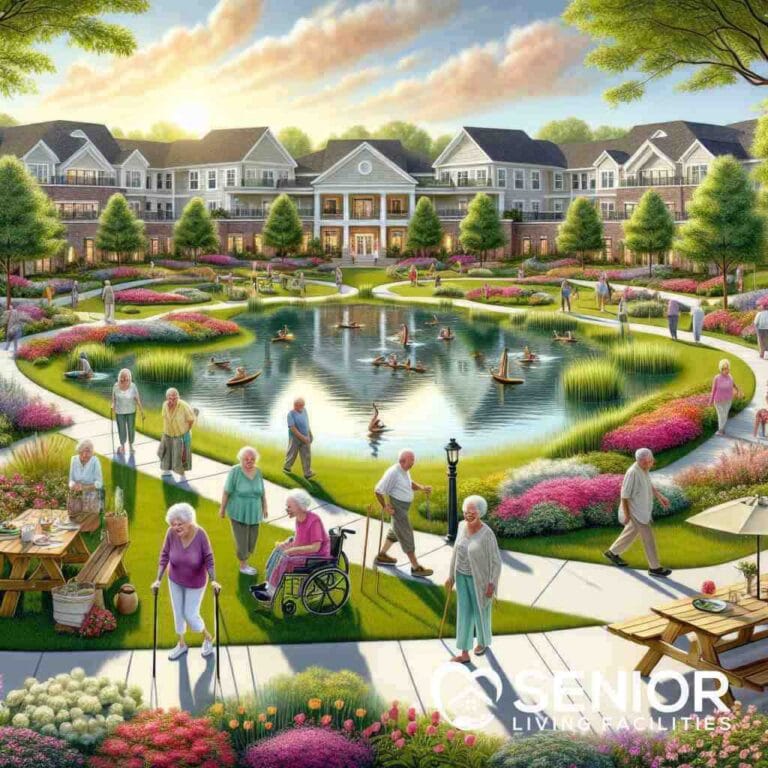
A modern seniors living community is no longer just a place to reside; it is a dynamic ecosystem designed for engagement, growth, and holistic well-being. The contemporary definition encompasses vibrant social calendars, state-of-the-art fitness centers, lifelong learning opportunities, and gourmet dining, all within a secure environment. This evolution reflects a deeper understanding that quality of life is linked to social connection, mental stimulation, and physical health. Communities are now thoughtfully curated to foster belonging and purpose, transforming “senior living” into an active, connected lifestyle choice.
Why the Search for Senior Living Near You Starts with Understanding Options
Initiating a search for “senior living near me” can feel overwhelming without foundational knowledge of what each option entails. The distinction between an independent living community, an assisted living facility, and a life plan community is profound, impacting everything from daily life to long-term financial planning. Starting with education empowers you to ask the right questions and identify which model aligns with your vision. A platform like Senior Living Facilities is designed to demystify this process, helping you compare communities based on care levels, amenities, and lifestyle fit. Ultimately, understanding your options is the most powerful tool for finding a community that offers both joy and security.
Deconstructing the Continuing Care Retirement Community Model
A Continuing Care Retirement Community (CCRC), also known as a life plan community, represents one of the most comprehensive senior living solutions available. This model offers a full spectrum of housing and care services on one campus, from independent living to skilled nursing, under a long-term contract. The core promise is aging in place with healthcare support that adapts as needs change over time. This integrated approach provides immense peace of mind, eliminating the stressful prospect of multiple future moves. Understanding the intricate components of this model is key to determining if it matches your goals for a secure and engaged future.
The Senior Living Continuum of Care Explained
The senior living continuum of care is the foundational principle of a CCRC, describing the seamless progression of services available within a single community. This continuum typically begins with independent living for active seniors, progresses to assisted living for help with activities of daily living, and extends to skilled nursing and memory care for more intensive medical needs. This structure ensures that residents receive the appropriate level of support at every stage without the disruption of relocating to a new facility. The continuum is designed to provide stability and familiarity, which are crucial for emotional and physical well-being during later life transitions. For a detailed exploration of this concept, our resource on the senior living continuum of care explained offers valuable insights.
From Independent Living to Skilled Nursing: A Seamless Transition
The hallmark of a high-quality CCRC is its ability to facilitate a smooth, managed transition from independent living to higher levels of care. When a resident’s health needs evolve, the transition to assisted living or on-site skilled nursing is coordinated internally, often with priority access to available suites. This process minimizes the logistical and emotional turmoil typically associated with such a change, allowing couples to remain close even if their care needs differ. The continuity of care provided by familiar staff within a known community environment is invaluable for maintaining comfort and dignity. This seamless support system is a primary reason many choose this comprehensive senior living solution.
Demystifying CCRC Contract Types: Type A, B, and C
Financial structures in CCRCs are governed by specific contract types, which dictate the cost of future care. A Type A, or life care contract, typically involves a higher entrance fee but includes extensive healthcare services with little to no increase in monthly fees. A Type B, or modified contract, may offer a set amount of assisted living or skilled nursing care at a discounted rate, after which care is paid for at market rates. Finally, a Type C, or fee-for-service contract, usually features a lower entrance fee but requires residents to pay full market rates for all healthcare services as needed. Understanding these CCRC contract types is critical for accurate long-term financial planning and comparing the value proposition of different communities.
Entrance Fees and Monthly Service Fees: Understanding the Financial Structure
The financial model of an entrance fee retirement community is unique and requires careful analysis. A significant one-time entrance fee, which can be partially refundable or non-refundable, secures residency and often pre-pays for future care at a predictable cost. This is coupled with ongoing monthly service fees that cover operating costs, amenities, maintenance, and sometimes a meal plan. These monthly service fees for CCRC are subject to increase and must be factored into a sustainable retirement budget. Thoroughly evaluating the entrance fee retirement community costs against the benefits of guaranteed lifetime care is a fundamental step in the decision-making process.
The 2026 Decision Matrix: Is a CCRC Right for You?
Determining if a Continuing Care Retirement Community aligns with your life plan requires honest self-assessment and strategic forethought. This decision involves weighing current health, financial resources, lifestyle preferences, and projections for future needs against the CCRC’s offerings and costs. It is a choice that balances the desire for an active, worry-free present with the security of a managed future. The process is deeply personal, and what suits one individual or couple perfectly may not be the ideal path for another. Therefore, a structured evaluation is your best tool for clarity and confidence.
Evaluating Your Future Healthcare Needs and Planning for Long-Term Care Security
Proactive planning for future healthcare needs is the cornerstone of considering a CCRC. This involves a realistic assessment of family health history, personal health status, and the potential need for support with activities of daily living. A CCRC’s value shines in its promise of long-term care security, ensuring that high-quality care is available without a frantic search during a crisis. This forward-looking approach to future healthcare needs and long-term care planning provides unparalleled peace of mind for both residents and their families. It transforms the uncertainty of aging into a known, managed variable within your life plan.
CCRC Pros and Cons: Weighing Guaranteed Lifetime Care Against Costs
The advantages of a CCRC are significant, but they come with substantial financial commitments that must be carefully weighed. The primary pro is the access to guaranteed lifetime care in a retirement community, offering a predictable solution for aging. Additional benefits often include a vibrant social environment, extensive amenities, maintenance-free living, and priority access to higher levels of care. The cons typically center on the high upfront and ongoing costs, the potential complexity of contracts, and the possibility that some services may not be needed. A balanced analysis of these CCRC pros and cons is essential for making an objective decision.
Comparing Senior Housing Options: CCRC vs. Assisted Living vs. Independent Living
A clear comparison of senior housing options illuminates the distinct role of a CCRC. Independent living communities offer autonomy and social opportunities but typically do not provide on-site healthcare, while standalone assisted living facilities offer personal care support but may require a move if skilled nursing is later needed. A CCRC uniquely combines these elements, offering independent living now with a built-in solution for future care. This makes it a strategic choice for those seeking to make a single, final move. Utilizing a comprehensive comparing senior housing options guide can help visualize these differences and identify the best fit for your long-term vision.

Assessing Long-Term Care Facilities Within a Life Plan Community
Even within the secure framework of a CCRC, it is imperative to critically evaluate the on-site long-term care facilities. This means touring the assisted living and skilled nursing wings, reviewing staff qualifications and ratios, understanding the philosophy of care, and sampling the meals. You are not just choosing an independent living apartment; you are vetting the potential nursing home that you or your spouse may one day need. Proactively assessing long-term care facilities within the community ensures that every level of the continuum meets your standards for quality, compassion, and dignity.
Financial Architecture and Lifestyle Integration
Choosing a CCRC is a major financial decision that requires sophisticated planning and a clear understanding of how the costs integrate with the desired lifestyle. The architecture of this decision involves more than just affordability; it encompasses value, risk mitigation, and legacy planning. Simultaneously, the lifestyle component-the daily experience of community living-is what turns a financial plan into a fulfilling life. Successfully merging these two aspects means your investment secures not only care but also a rich, engaging, and connected chapter of life.
CCRC Financial Planning and Cost Affordability Strategies
Navigating the financial commitment of a CCRC demands a strategic and often multi-faceted approach. Effective CCRC financial planning and affordability strategies may involve liquidating assets, utilizing proceeds from a home sale, exploring long-term care insurance, or investigating veteran’s benefits. It is crucial to work with a financial advisor who understands the nuances of entrance fees and contract types to model different scenarios. The goal is to ensure that the monthly fees are sustainable within your retirement income for the long term, protecting your financial security as thoroughly as the community protects your health.
Active Senior Community Amenities and Holistic Senior Care Programs
The lifestyle appeal of a modern CCRC is largely driven by its extensive amenities and holistic programming. These are designed to nurture every dimension of well-being: physical, intellectual, social, and spiritual. You can expect state-of-the-art fitness centers, swimming pools, art studios, libraries, lecture series, and beautifully landscaped grounds. These active senior community amenities and wellness programs are not mere luxuries; they are essential tools for maintaining vitality, building social networks, and fostering a sense of purpose. This proactive focus on wellness can potentially delay the need for higher levels of care, adding value to your investment.
The Social Fabric: Wellness Programs and Building Connection in a Senior Community
Perhaps the most profound benefit of community living is the built-in social fabric that combats isolation and promotes mental health. A well-designed CCRC facilitates connection through organized clubs, group outings, shared dining experiences, and casual gathering spaces. This environment makes it easy to form new friendships and engage in meaningful activities, which are critical for cognitive health and emotional resilience. The community becomes a source of support and camaraderie, enriching daily life in ways that living alone cannot replicate. This vibrant social ecosystem is a cornerstone of the holistic senior care model.
Downsizing to a Retirement Community: A Practical and Emotional Journey
The transition to a CCRC inevitably involves the significant step of downsizing from a family home. This is both a practical logistical challenge and a deeply emotional journey. The process requires sorting through a lifetime of possessions, deciding what to keep, donate, or pass on to family. A practical approach, coupled with emotional support, is key to navigating this transition successfully. Resources on downsizing to a retirement community can provide valuable frameworks and tips. Ultimately, this process can be liberating, freeing you from the burdens of home maintenance and allowing you to focus fully on enjoying your new lifestyle.
Your Personalized Pathway to a Comprehensive Senior Living Solution
The journey to selecting a senior living community is deeply personal, but you do not have to navigate it alone. Moving from consideration to action involves creating a personalized plan, leveraging expert resources, and taking concrete steps toward your future. This pathway transforms overwhelming information into a clear, manageable process, leading you to a decision that brings confidence and peace. The goal is to find a comprehensive solution that honors your individuality while providing the security and community you deserve.
Creating Your Senior Living Decision Guide for Later Life Care
Arming yourself with a personalized decision guide is the best way to systematically evaluate your options. This guide should include your prioritized list of needs and wants, a budget framework, a checklist of questions for community tours, and a timeline for your decision-making process. A robust senior living decision guide for later life care can serve as an excellent template to customize. This living document will keep you focused during visits and conversations, ensuring you gather comparable information from each community and ultimately make a choice aligned with your most important criteria.
Taking the Next Step: Connecting with Senior Living Facilities Near You
Once your research is complete, the vital next step is to connect directly with communities that interest you. The most efficient way to start is to use a trusted service that can connect you with options tailored to your location and needs. You can begin your search today to find senior living facilities near you through our extensive national network. Whether you are exploring vibrant markets like senior living facilities in Florida or senior living facilities in California, personalized guidance can simplify your search. Taking this step opens the door to personalized tours, detailed financial discussions, and experiencing the community atmosphere firsthand.
Embracing a Community Lifestyle: The Ultimate Benefit of a Planned Future
The ultimate benefit of choosing a comprehensive senior living solution like a CCRC is the freedom to embrace life fully, unburdened by worries about home maintenance or future care. It is the gift of a planned future, where your energy can be directed toward relationships, hobbies, and new experiences. This proactive decision fosters independence within a supportive framework, allowing you to write the next chapter of your life on your own terms. By selecting a community that aligns with your values, you secure more than just care; you invest in a lifestyle filled with connection, purpose, and joy.
Frequently Asked Questions
Question: What exactly is a Continuing Care Retirement Community (CCRC), and how does it differ from other senior living facilities?
Answer: A Continuing Care Retirement Community (CCRC), also known as a life plan community, is a comprehensive senior living solution that offers a full continuum of care on one campus. This means it provides independent living, assisted living, and skilled nursing care, all under a long-term contract. Unlike standalone options like a basic senior apartment rental or an assisted living facility that may require a disruptive move if your needs change, a CCRC is designed for true aging in place with healthcare. The core promise is long-term care security and a seamless transition from independent living to skilled nursing within a familiar community. At Senior Living Facilities, we help you understand this model and compare it to other housing options for seniors to find the perfect fit for your future.
Question: What are the main CCRC contract types, and how do they impact financial planning for later life care?
Answer: Understanding CCRC contract types is crucial for financial planning. There are three primary structures: Type A (Life Care), Type B (Modified), and Type C (Fee-for-Service). A Type A contract typically involves a higher entrance fee but includes extensive future healthcare services at little extra cost, offering predictable, guaranteed lifetime care. A Type B contract may provide a set amount of care at a discounted rate before switching to market rates. A Type C contract usually has a lower entrance fee but requires paying full market rates for all care services as needed. Each type affects the overall CCRC costs and affordability differently. Our platform at Senior Living Facilities provides resources to demystify these contracts, and our team can help you evaluate which financial structure aligns with your assets and future healthcare needs planning.
Question: Based on your blog ‘What Is a CCRC and Is It Right for You in 2026’, what are the key pros and cons I should weigh?
Answer: Evaluating the CCRC pros and cons is a vital step. The significant advantages include guaranteed lifetime care in a retirement community, eliminating the stress of future moves; access to a vibrant social fabric and active senior community amenities; maintenance-free living; and holistic senior care programs. The primary considerations are the substantial financial commitment, including an entrance fee and ongoing monthly service fees for CCRC, and the complexity of long-term contracts. It’s a trade-off between upfront cost and long-term security. Our service at Senior Living Facilities is designed to help you with this exact comparison. We provide tools and personalized guidance to assess if the comprehensive senior living solution of a CCRC matches your lifestyle goals and financial plan for later life care.
Question: How does Senior Living Facilities help me compare a CCRC to other senior housing options like assisted living or independent living?
Answer: Comparing senior housing options can be overwhelming, but Senior Living Facilities simplifies the process. While a CCRC offers a full continuum of care, an independent living community focuses on lifestyle and social connection without on-site healthcare, and an assisted living facility provides personal care but may not have skilled nursing. Using our platform, you can search and filter communities for seniors 55+ by care level, location, and amenities. Our detailed listings and resources, like our guide on the senior living continuum of care explained, empower you to make an informed decision. Whether you’re looking at senior living facilities in Florida, California, or any other state, we help you understand the differences so you can choose between a standalone option or a life plan community that provides a seamless transition from independent living to skilled nursing.
Question: What steps should I take with Senior Living Facilities to start evaluating if a CCRC is right for me?
Answer: Taking the next step with Senior Living Facilities is straightforward and personalized. First, use our search tool to find senior living facilities near you, including CCRCs in your desired area. Second, utilize our resources, such as our senior living decision guide for later life care, to create your evaluation checklist for assessing long-term care facilities and community lifestyles. Third, compare the amenities, contract details, and costs of communities that interest you. Finally, connect directly with communities or with our expert team for personalized guidance on CCRC financial planning, residency requirements, and the emotional journey of downsizing to a retirement community. We are committed to helping you navigate this important decision to find a seniors living community that ensures quality care, social connection, and peace of mind for your planned future.
Senior Living Facilities Editorial Team
Expert contributor specializing in senior living care. Dedicated to providing families with clear, actionable advice.