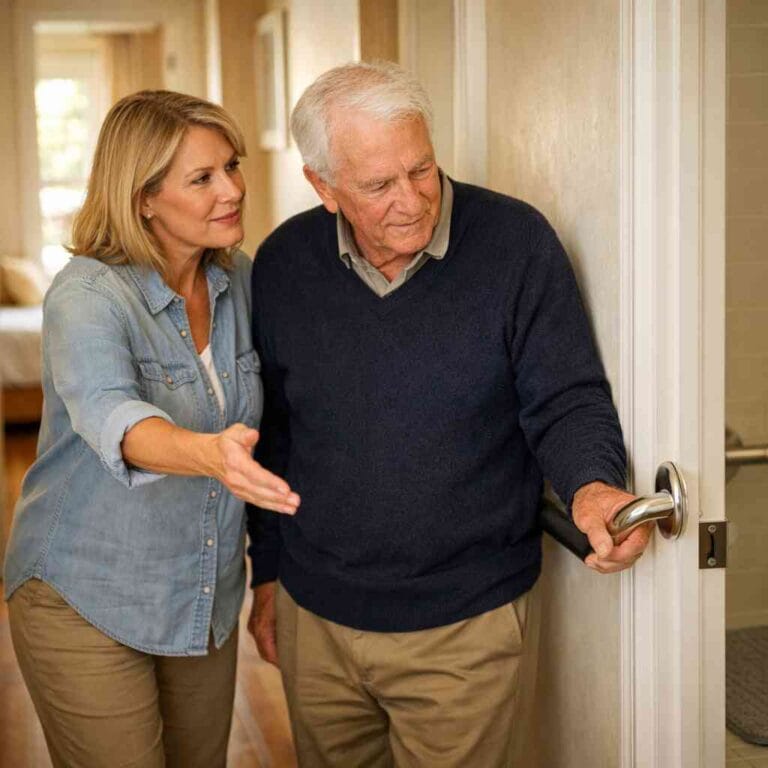
Choosing Senior Living Facilities for Couples in 2026

Deciding to move into a new home is a significant life event, and doing so as a couple adds layers of complexity and emotional depth. You might notice that managing a large family home is becoming difficult, or perhaps the stairs are no longer safe for daily tasks. Feeling overwhelmed when considering the future of your shared life is common, but preparation eases this transition. Many couples find that moving to a community designed for their needs provides renewed freedom and support. At Senior Living Facilities, we believe that every couple deserves to flourish in an environment that honors their bond while providing the necessary care.
The Heart of Shared Care Transitions
Transitioning into a different living arrangement is rarely just about logistics; it is about protecting the quality of your partnership for the years ahead. Whether you are seeking a retirement home or a more intensive care setting, the focus should remain on your collective well-being. This phase requires honest communication between partners about their current health and their long-term wishes. By addressing these topics early, you ensure that both individuals feel heard and respected during the search. Our goal is to help you maintain that essential social connection while enjoying the peace of mind that comes with professional oversight.
Recognizing the need for a change in living arrangements
You may notice that household maintenance has become a source of stress rather than a point of pride. Perhaps you are spending more time on chores than on hobbies that you both enjoy as a couple. It is easy to overlook the physical toll of home ownership until simple tasks like yard work or cleaning become dangerous or exhausting. Many seniors find that moving helps them reclaim their time and energy for more meaningful activities. When you notice that activities of daily living are being neglected, it is often a sign that a change is needed.
Acknowledging this shift does not mean you are giving up independence; it means you are choosing a more sustainable lifestyle. Many senior living facilities offer maintenance-free living, allowing residents to focus on their health and social life. You might find that moving allows you to participate more fully in local community events or fitness programs. Keeping a home that is too large or too difficult to manage can lead to isolation and unnecessary physical strain. Prioritizing your safety by finding suitable housing is a proactive way to ensure you can continue aging in place together for as long as possible.
Understanding the emotional weight of moving as a pair
Leaving a home filled with memories can be an incredibly emotional experience for any long-term couple. You are not just moving items; you are closing a chapter of your shared history and preparing to write a new one. It is normal to feel grief, apprehension, or even excitement during this transition process. Having a supportive partner by your side during this time can be a source of great strength. Openly discussing your fears and preferences helps ensure that your new living situation feels like a true home.
It is important to validate the feelings of your spouse, even if your own perspective on the move is different. Perhaps one partner is ready to downsize immediately while the other feels more attached to the current property. Compassionate communication remains the bedrock of a successful move to any residential care facility. Your primary goal is to remain together in a supportive environment where your needs are prioritized. Focusing on the positive outcomes, such as reduced stress and increased social opportunities, can help balance the emotional weight of leaving your long-term residence.
Defining your goals for aging together in a new space
Every couple has a unique vision for their future, ranging from needing minimal assistance to requiring specialized memory care services. Before you start looking at locations, create a list of non-negotiable items for your shared future. Do you value proximity to specific medical centers, or is having outdoor garden space more important? Consider what daily activities are essential to your happiness and how a new community can support those interests. Clarifying these goals early will save you time and help you focus on the options that truly fit your lifestyle.
Think about the potential for changes in health and how your housing choice might accommodate those shifts over time. Some couples prefer to start in a community that offers a full continuum of care, ensuring they do not have to move again if one partner’s health declines. This approach provides consistency and prevents the potential separation that can occur in less integrated systems. By keeping your long-term needs at the center of your search, you can identify a location that grows with you. We are here to help you navigate these choices and find a community that feels right for both of you.
Evaluating Housing Options for Couples
The landscape of housing options for seniors is vast, offering everything from active lifestyle apartments to comprehensive medical facilities. As a couple, you need to assess whether a particular setting can accommodate two people with potentially different care needs. Finding a location that treats you as a unit while respecting your individual health requirements is a common challenge. With the right information, you can identify a space that offers comfort, security, and a vibrant community life for both partners. It is helpful to consider both the current and future implications of each housing category you explore.
Comparing independent living communities and continuing care retirement communities
For active seniors, independent living communities provide a balance of autonomy and social engagement. These environments are often designed like resorts, offering amenities like dining halls, fitness centers, and organized outings. However, if you are looking for a long-term solution that avoids future moves, a what is a CCRC and is it right for you in 2026 is an excellent choice. CCRCs offer a tiered approach, allowing you to transition from independent living to assisted living or skilled nursing within the same campus. This consistency is highly beneficial for couples who want to ensure they can stay together, even if one spouse requires more intensive care later on.
When comparing these two types of communities, consider the contract models and the financial commitment required. CCRCs often involve an upfront entrance fee, but they provide a comprehensive promise of future care that other options may not offer. Independent living is usually more flexible and can be paid on a month-to-month basis, which suits those who prefer fewer long-term contractual obligations. Always request detailed information about the services included in the monthly fee to ensure you are comparing similar levels of support. Evaluating these options side-by-side helps you determine which model aligns best with your financial goals and long-term security.
Identifying luxury senior retirement communities with companion suites
If your priority is maintaining a high quality of life with premium amenities, Senior Living Facilities in Virginia might be the perfect solution. These communities often feature spacious, elegant living arrangements, such as companion suites that allow partners to share a home while still having personal space. You can enjoy gourmet dining, concierge services, and high-end fitness facilities that make retirement feel like a continuous vacation. These communities often focus heavily on lifestyle programming, ensuring that you have plenty of ways to socialize and stay active.
Beyond the luxury features, ensure that the clinical and care services meet your standards. Luxury is not just about aesthetics; it is about the reliability and responsiveness of the staff available on-site. When touring these facilities, ask about the ratio of staff to residents and the training they receive for handling common age-related conditions. A truly great community blends comfort with exceptional care, giving you the best of both worlds. We recommend visiting these locations in person to see the social dynamics and experience the level of attention provided to residents.
Assessing residential care facilities and board and care homes for partners
For couples who require more personalized, intimate care, board and care homes are a viable alternative to larger corporate communities. These residential care facilities for elderly partners are typically located in converted single-family homes, offering a smaller, family-like environment. Because the resident count is low, the staff can provide highly individualized attention that is difficult to replicate in larger institutions. This setting is often ideal for couples who are overwhelmed by the size and noise of large, multi-story assisted living facilities.
If you are looking for a smaller environment, ask about how the home manages medical needs and daily routines. Some board and care homes specialize in specific conditions like memory loss, while others provide general support for activities of daily living. It is vital to check the local regulations for these homes to ensure they maintain high standards for safety and cleanliness. When you choose a smaller home, you often build closer relationships with both the staff and fellow residents. This sense of community can significantly improve the quality of life for couples who value intimacy and direct, personalized support.
Financial Planning and Benefits for Two
Financial stability is a cornerstone of a worry-free retirement, especially when you are managing the costs of two people. It is essential to understand the Senior Living Facilities Cost Guide for 2026 State by State to plan effectively for your future. While the investment in high-quality care can seem steep, many families find ways to offset these expenses through careful planning and government benefits. Starting this conversation early allows you to explore all available avenues, from long-term care insurance to VA benefits, without feeling rushed. We are dedicated to helping you make informed decisions that protect your assets and provide the care you deserve.

Calculating the cost of assisted living for multiple residents
When evaluating the 2026 Assisted Living Plans and Cost Breakdown Guide, it is important to remember that most facilities charge a base rate per person. However, you can often negotiate or find packages for couples that reduce the overall expense compared to living in two separate rooms. Be sure to ask about all-inclusive pricing versus “a la carte” fees for additional medical support or extra services. Understanding the full cost structure up front prevents unpleasant surprises later and allows for better long-term budgeting. It is also wise to inquire if there are discounts for couples who share a living space.
Consider the ongoing costs beyond just the base rent, such as housekeeping, medication management, and specialized therapies. Sometimes, the added cost of these services is justified by the savings in convenience and safety. If you find a place that you love, do not hesitate to ask about their financial assistance options or if they have any flexible payment models. Some facilities may have partnerships with organizations that can provide additional support for couples. Having a clear picture of your monthly expenses helps you focus on finding a community that fits your budget without compromising on quality care.
Leveraging VA benefits for senior care and long-term care insurance
Many veterans and their spouses are eligible for significant support through the Department of Veterans Affairs. If you or your partner served in the military, you should investigate the Aid and Attendance benefit, which can help cover the cost of senior living. This benefit provides a monthly stipend that can be used for various forms of care, including assisted living and nursing home services. It is a valuable resource that many eligible families overlook, so check your status with the VA office.
In addition to government support, private long-term care insurance policies can provide a financial safety net for future needs. If you have been paying into a policy for years, now is the time to review the coverage details and understand how it applies to your potential new home. Some policies have specific requirements for what constitutes a covered facility, so verify that your chosen community meets these criteria. Integrating these benefits into your financial plan can significantly lower your out-of-pocket expenses. By utilizing all available resources, you ensure that your assets are used efficiently to support your long-term health and happiness.
Exploring Medicaid senior housing and low income programs for couples
For families with limited financial resources, there are state-specific programs that provide access to quality housing and care. Medicaid can sometimes cover the cost of long-term care, but the eligibility rules vary significantly by state and require careful navigation. Some states also offer home and community-based service waivers that allow seniors to receive support in a residential setting. It is important to work with a financial planner or a senior placement service to understand the application processes. These programs are designed to ensure that all seniors have access to safe housing, regardless of their income level.
There are also many senior living housing options specifically designed for low-income individuals, including subsidized apartments and non-profit residential communities. These options are often limited in availability, so start your research as early as possible. Do not be afraid to reach out to local agencies on aging or community organizations for guidance on finding these specific types of housing. They can often provide a list of local resources and help you determine your eligibility for various assistance programs. With persistence and the right support, you can find a comfortable, secure, and affordable home.
Making the Final Decision Together
The final step in your search is visiting your top choices to experience the environment firsthand. This is the moment when the abstract plans you have discussed become a tangible reality. Bring a list of questions to every tour, and pay attention to how the staff interacts with the residents. A community that fosters a welcoming, respectful, and joyful atmosphere is usually the right choice. Trust your instincts, and make this decision as a team. With the right preparation, you can confidently choose a place that honors your life together.
Asking the right questions during site visits
When you visit potential communities, be thorough and observant during your tour. Use the Top 8 Questions to Ask a Senior Living Facility in 2026 to guide your conversation and ensure you cover all necessary topics. Ask about staff training, emergency protocols, and the variety of daily activities offered. It is also helpful to observe the communal areas-do residents look happy, engaged, and comfortable? Watching how the community handles daily routines can tell you more than any brochure ever could.
Do not be afraid to ask about their policy on couples, specifically how they handle it if one spouse’s needs change significantly. A good facility will be transparent about their ability to provide higher levels of care as time passes. Ask to speak with current residents or their family members to get an honest assessment of life in the community. Their experiences can provide invaluable insights into the daily culture and the responsiveness of the management. Being well-prepared with specific questions helps you compare locations objectively and find a true home for your shared journey.
Balancing individual health needs with shared living desires
It is common for couples to have slightly different health profiles, which makes choosing a community a balancing act. Perhaps one partner is physically active while the other needs more support with mobility or medication management. Look for a facility that offers a flexible, personalized approach to care, allowing each individual to receive the help they need without feeling restricted. This is often where independent senior living shines, as it allows for a seamless integration of different service levels. Discuss these individual needs with the facility administrators to see how they can tailor a care plan for your unique situation.
Always prioritize the ability to stay together in the same room or apartment whenever possible. Some facilities offer “companion” or “couple” rooms that provide space for both individuals to live comfortably while receiving different services. If your health needs diverge significantly, ensure that the facility is capable of supporting both of you with equal quality. The goal is to avoid separation, even if your daily care routines look different. By finding a community that values your partnership as much as your individual well-being, you can maintain the bond that has supported you through the years.
Utilizing a senior living advisor to find the best local fit
Finding the right community can be a complicated task, but you do not have to do it alone. A professional senior living advisor can provide personalized guidance, helping you navigate the options based on your specific location, budget, and health requirements. These experts have deep knowledge of Senior Living Facilities in California and many other states, saving you countless hours of research. They can help you identify high-quality, reputable locations that meet your specific standards for care and community. Utilizing their expertise is one of the most effective ways to simplify your search and ensure you make an informed decision.
An advisor acts as your advocate, ensuring that your needs are met and your concerns are addressed by potential communities. They can help you compare contracts, interpret Navigating Senior Living Contracts and Agreements in 2026, and avoid common pitfalls in the selection process. By taking advantage of this expert help, you can focus on the most important aspect of this transition: staying together and enjoying this new phase of life. Reach out to our team at Senior Living Facilities to get started today.
Frequently Asked Questions
What is the best way to compare different senior living facilities? The best way to compare facilities is to create a checklist of your non-negotiables, such as location, medical services, and budget. Use professional resources to research senior living housing options and always visit in person. Observe the staff-to-resident interaction and talk to current residents to get a real feel for the community culture.
Can couples stay together if they have different care needs? Yes, many communities offer companion suites or can customize care plans so that both individuals reside in the same unit. It is important to discuss these needs with the facility directors during your tour. Look for communities that provide a “continuum of care” to ensure you are not forced to separate as your health needs evolve.
How do I pay for senior living if my savings are limited? There are several avenues for assistance, including VA benefits for veterans, Medicaid for qualifying low-income individuals, and private long-term care insurance. Many communities also offer subsidized options or flexible payment plans. You should consult with a financial advisor or a senior living expert to explore all available local and national programs.
What is the difference between assisted living and a nursing home? Assisted living is generally for those who need some help with daily activities but still value independence. A nursing home, or skilled nursing facility, provides a higher level of round-the-clock medical care for those with more severe health conditions. Nursing home care is typically recommended for individuals who need continuous clinical supervision.
How often should we visit a potential facility before deciding? We recommend visiting at least twice-once during a scheduled tour and once, if possible, during a meal or activity time. This allows you to see the community in action and determine if the daily atmosphere matches your expectations. Do not rush this process; take the time you need to feel fully comfortable with your decision.
Admin
Expert contributor specializing in senior living care. Dedicated to providing families with clear, actionable advice.