
Comparing Nursing Homes for the Elderly vs Assisted Living 2026

The Landscape of Senior Living: Navigating Choices
Understanding Senior Care Options: A Primer
Senior care encompasses a wide range of options designed to meet diverse needs and preferences. The array of elderly care options includes independent living, assisted living, and nursing homes, each built to serve distinct purposes. Independent living communities emphasize autonomy while providing access to communal amenities. Assisted living offers a blend of independence and support, including services such as meal preparation, transportation, and personal care. Nursing homes, by contrast, deliver comprehensive medical care for individuals with significant health requirements. Understanding these differences is essential for families making informed decisions about their loved ones’ futures.
The Evolution of Elderly Housing Choices
Over the years, housing options for seniors have undergone significant transformations. Traditional nursing homes once dominated the landscape, providing essential care but limited lifestyle options. Today, the spectrum has widened to include more diverse elderly housing choices, such as age-restricted communities and residential care homes. These evolving options reflect society’s growing recognition of seniors’ desires for autonomy while ensuring access to necessary support. Senior communities now offer vibrant social activities, wellness programs, and innovative living arrangements tailored to various levels of independence and care. This evolution reflects a clear emphasis on improving quality of life for seniors and fostering environments where they feel valued and connected.
Key Factors in Senior Living Decision-Making
Choosing a senior living facility involves multiple factors that families must weigh carefully. Location is often a primary consideration, as it affects family visits and access to local amenities. The level of care needed – whether daily assistance, medical supervision, or both – also plays a pivotal role. Financial considerations are equally important, underscoring the value of senior living decision-making tools that help families balance affordability with quality. The social dimension, including available activities and opportunities for interaction, can significantly enhance a senior’s experience in a community. Ultimately, the decision comes down to aligning personal preferences and practical needs with the facility that best addresses both.
Nursing Homes vs Assisted Living: A Comparative Analysis
Defining the Distinctive Features of Nursing Homes
Nursing homes are specialized facilities designed to provide round-the-clock medical care for seniors with complex health conditions. These environments offer a high level of healthcare for seniors, including skilled nursing care, rehabilitation services, and assistance with daily activities. Most nursing homes have medical professionals on staff, ensuring that residents receive timely and effective care. Beyond medical support, they also provide social and recreational programs aimed at enhancing quality of life. Despite their extensive care offerings, nursing homes are often associated with a more clinical environment, which may not appeal to seniors who prefer a homelike setting.
Exploring the Assisted Living Experience
Assisted living communities take a different approach, blending support services with opportunities for independence. Residents benefit from assisted living services that include help with everyday tasks such as bathing, dressing, and medication management, all within a less restrictive environment. Assisted living facilities prioritize social connections for seniors, offering community activities, group outings, and wellness programs designed to foster a wholesome lifestyle. This model is particularly attractive to seniors who need some assistance but wish to maintain a degree of autonomy and community engagement.
Comparative Analysis: Care Levels and Services
Nursing homes and assisted living facilities differ considerably in the services they provide and the levels of care they offer. Nursing homes focus on intensive medical supervision, catering to individuals with complex, chronic health conditions and ensuring that comprehensive care remains the top priority. Assisted living, on the other hand, suits those who are relatively independent but need some help with daily living activities. This setup works well for seniors seeking a balance of assistance and independence. Deciding between the two depends largely on the individual’s health status and lifestyle preferences, making a thorough nursing homes comparison an essential step in the process.
Personalized Senior Care: Tailoring to Individual Needs
Assessing Medical Care for the Elderly
Determining the level of medical care required is a critical first step in selecting the right senior living option. For those needing constant medical attention, nursing homes provide the necessary resources and staffing to meet both acute and chronic healthcare needs. They offer long-term senior care services designed to address a wide range of medical conditions. Assisted living facilities, by contrast, often partner with external healthcare providers to ensure residents receive appropriate medical oversight – an arrangement well suited to seniors who require periodic monitoring and scheduled interventions without intensive daily care. Evaluating specific medical needs carefully helps families determine which type of facility can best support their loved one’s health.
Daily Activities and Social Connections for Seniors
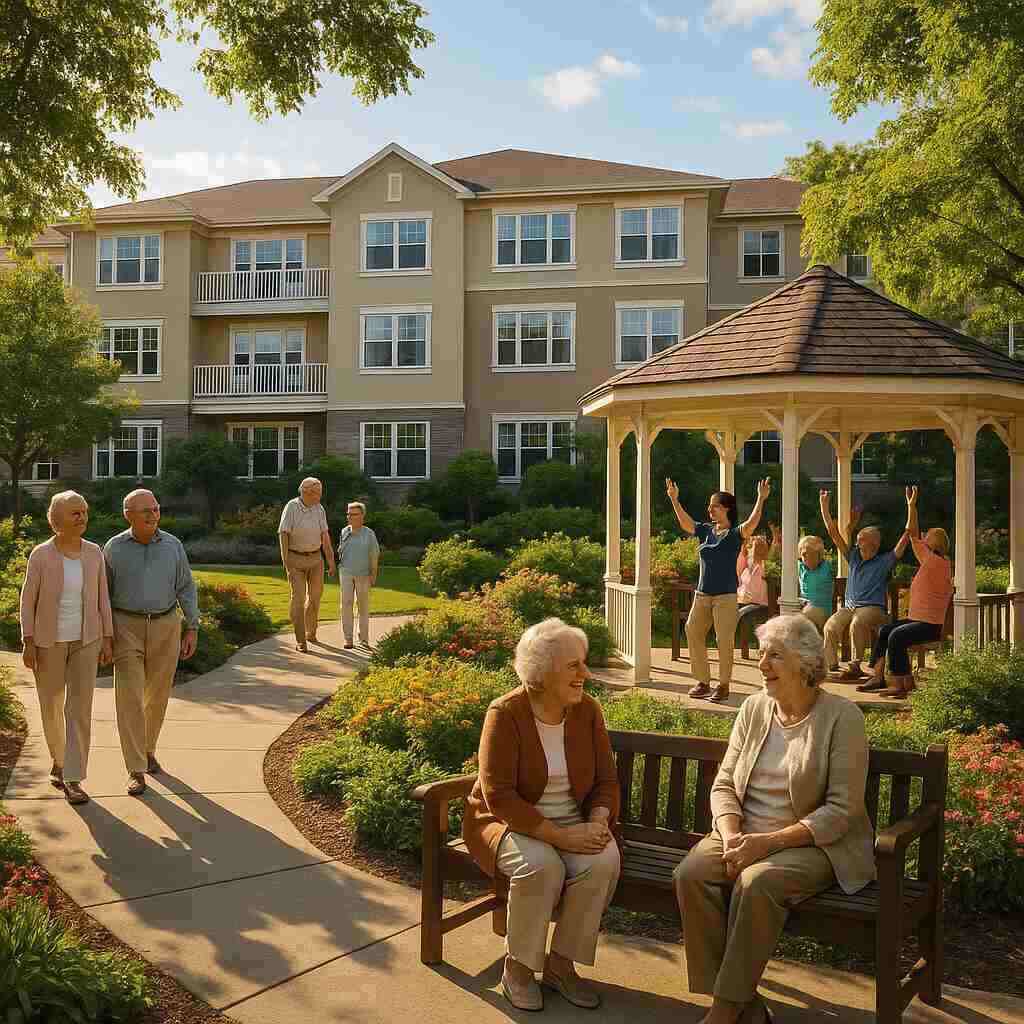
One of the key differences between assisted living and nursing homes lies in the emphasis on lifestyle and social engagement. Assisted living facilities prioritize building vibrant social connections for seniors, encouraging activities for seniors that promote involvement and mental stimulation. These activities often range from exercise sessions and art classes to cultural outings and community gatherings. In nursing homes, social interaction is encouraged as well, though the scope may be shaped by residents’ medical needs. Both settings recognize the importance of purposeful engagement in maintaining cognitive health and emotional well-being, highlighting the need for programs tailored to varying abilities and interests.
Balancing Affordability and Quality in Senior Living
Balancing affordability with quality is a common challenge for families choosing senior living options. Senior living affordability varies widely depending on factors such as location, level of care, and facility amenities. Nursing homes, with their comprehensive healthcare services, generally come at a higher cost than assisted living facilities. However, they provide critical care for individuals with significant medical needs. Assisted living offers more cost-effective packages that combine daily living assistance with social engagement opportunities. Families should carefully weigh both current needs and long-term financial sustainability when selecting a senior living arrangement. Resources like a review of average senior living costs by state can help frame those financial decisions.
Guiding Your Senior Living Journey: Making Informed Decisions
Leveraging Senior Living Facilities Resources
Finding the right senior living option can feel overwhelming, but the right resources make the process far more manageable. Senior Living Facilities offers a comprehensive platform for families to explore various senior living options across the United States. By using their extensive database, families can compare facilities, assess services, and make educated choices that best fit their needs. The platform serves as a valuable tool not only for finding suitable housing options but also for obtaining personalized guidance from experienced professionals in the field. With these resources, families are better equipped to help their loved ones find a nurturing and suitable environment as they age.
The Role of Family in Choosing Elderly Care Facilities
Family plays an integral role in selecting the right care facility for an elderly loved one. This decision-making process is often collaborative, involving discussions about preferences, needs, and medical care for seniors. Open communication within the family helps ensure that decisions reflect the senior’s wishes and expectations. Families also provide crucial emotional support throughout this transition, easing the stress associated with such a significant life change. Active involvement in the process helps preserve the senior’s sense of autonomy and dignity as they adjust to their new living environment, contributing to their overall comfort and satisfaction.
Future Trends in Senior Care Community Options
The future of senior living is set for meaningful development, driven by innovative trends and emerging technologies. Upcoming shifts focus on creating more integrative and personalized senior care experiences that emphasize wellness, technology adoption, and sustainable living environments. The aging-in-place model is gaining traction, supported by smart home technologies and expanding access to healthcare through digital platforms. As future senior care trends continue to evolve, they promise to enhance the quality and accessibility of senior care services, ensuring that seniors enjoy lives marked by connection, purpose, and independence. Families who stay informed about these developments will be better positioned to choose facilities that meet current needs while preparing for future aspirations. For a deeper look at what lies ahead, the Top 8 Services Senior Living Facilities Offer Residents in 2026 provides useful context on the direction the industry is heading.
Frequently Asked Questions
Question: What are the main differences in services provided by nursing homes and assisted living facilities according to the blog ‘Comparing Nursing Homes for the Elderly vs Assisted Living 2026’?
Answer: Nursing homes and assisted living facilities offer distinct levels of care tailored to different needs. Nursing homes primarily focus on comprehensive medical care for seniors with significant health conditions, providing 24/7 skilled nursing care, rehabilitation services, and assistance with daily activities. These facilities are ideal for individuals requiring constant medical supervision. In contrast, assisted living facilities offer a supportive environment for seniors who generally do not need intensive medical care but may require help with daily tasks such as bathing, dressing, or medication management. These communities emphasize social engagement and independence, giving seniors the opportunity to participate in activities and community programs. Senior Living Facilities’ platform provides a detailed comparison of these environments, helping families choose the right setting for their loved ones.
Question: How does Senior Living Facilities ensure affordability and quality in both nursing homes and assisted living options?
Answer: Senior Living Facilities is dedicated to helping families find senior living options that balance affordability with quality care. By using our expansive database, families can compare various communities, focusing on key factors such as level of care, available services, and cost. Nursing homes tend to have higher costs due to their extensive medical services, whereas assisted living facilities often provide more affordable packages by emphasizing social and daily living assistance. Our platform offers insight into these costs, allowing families to make informed decisions. Senior Living Facilities is also committed to showcasing quality environments that provide essential support while ensuring seniors feel engaged and valued in their community.
Question: What role does family play in the decision-making process of choosing between nursing homes and assisted living facilities?
Answer: Family involvement is crucial in determining the best care option for an elderly loved one. During the decision-making process, families should engage in open discussions about the senior’s preferences, health needs, and desired lifestyle. This collaborative approach ensures that the chosen environment aligns with the senior’s expectations, enhancing their comfort and satisfaction. At Senior Living Facilities, we emphasize the importance of family input and provide resources to facilitate these conversations, ensuring that every decision supports the senior’s well-being and autonomy.
Question: How does Senior Living Facilities support families exploring senior care options like nursing homes and assisted living?
Answer: Senior Living Facilities offers a comprehensive platform designed to support families in their search for suitable senior care options. By providing detailed comparisons of nursing homes and assisted living facilities, we help families evaluate the care services, medical support, and social activities available at each location. Our platform guides families through a seamless process of searching, comparing, and connecting with the right facilities, all while ensuring decisions align with personal and financial needs. Our expertise and extensive resources make Senior Living Facilities a trusted partner in understanding the complexities of senior living arrangements.
Question: What future trends in senior care are anticipated to impact the choice between nursing homes and assisted living facilities?
Answer: The future of senior living is expected to integrate more innovative approaches to enhance care and quality of life. Aging-in-place concepts, driven by smart home technologies, are becoming increasingly popular, offering seniors greater control over their living conditions. Additionally, digital healthcare platforms are improving access to medical care, making assisted living more appealing to families seeking a balance of independence and healthcare oversight. As these trends evolve, families can rely on Senior Living Facilities to stay informed about these advancements and make educated decisions that address both present requirements and future aspirations for their loved ones’ senior care. Our commitment ensures families have access to forward-thinking solutions that enrich seniors’ lives in meaningful ways.
Admin
Expert contributor specializing in senior living care. Dedicated to providing families with clear, actionable advice.