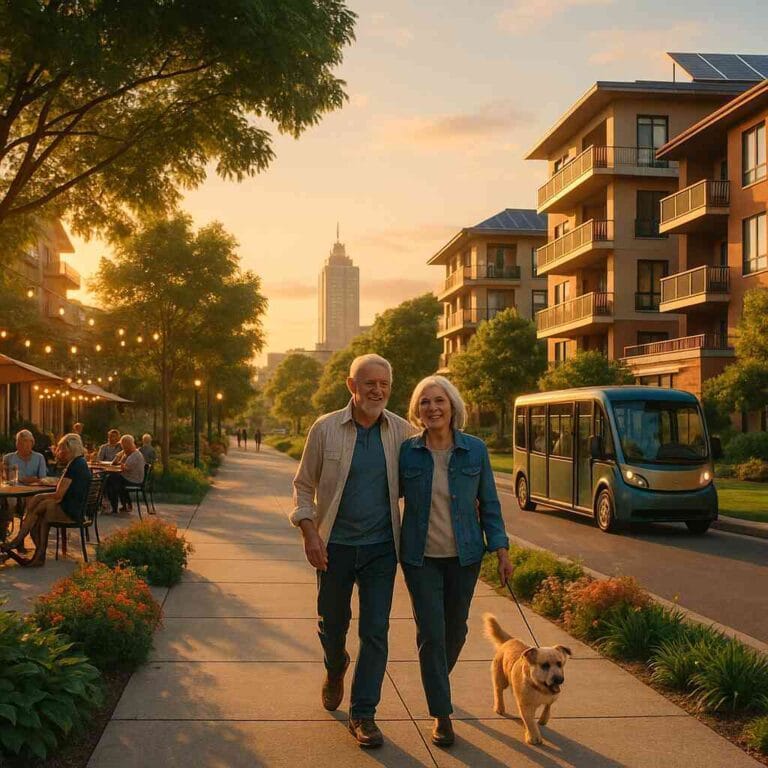
Exploring Senior Living Communities in Major US States

Prelude Mapping the Twenty First Century Senior Living Odyssey
Demographic tidal shifts fueling demand for senior housing
The demographic map of the United States is tilting gray faster than any previous generation. By 2030, every baby boomer will have turned 65, creating unprecedented pressure on senior housing. Policymakers, developers, and families are scrambling to understand how many senior living facilities will be required within the decade. Today, one in six Americans already lives in a county where older adults outnumber children. This tidal shift forces communities for seniors 55+ to evolve beyond mere shelter and deliver holistic wellbeing.
Longevity gains add another layer to the equation, with many Americans now expecting to live past ninety. An extended lifespan translates into twenty-five or more retirement years, requiring adaptable housing options for seniors. Surveys show older adults prioritize connection, health resources, and transit when selecting senior living near family hubs. Sun Belt migration and suburban downsizing both influence where new seniors living in progressive counties arise. Consequently investors track micro-market data to predict future demand and prevent shortages.
From nursing homes for the elderly to eco-conscious senior apartments: The expanding care continuum
Senior care once meant institutional nursing homes for the elderly placed on the outskirts of town. Today, the continuum stretches from age-restricted active adult enclaves to eco-conscious senior apartments featuring solar arrays and green roofs. Assisted living plans now incorporate flexible culinary subscriptions, concierge transportation, and on-site telehealth suites. Many long-term care facility operators retrofit existing campuses with sensory gardens that lower stress and improve cognition. This breadth empowers older residents to calibrate support levels without sacrificing independence.
New builds increasingly pursue Net-Zero certifications, showing that sustainability and safety can coexist within senior housing design. Architects favor cross-ventilation, abundant daylight, and reclaimed materials to meet eco goals and lower operating costs. Pet-friendly policies pair with biophilic interiors, allowing residents to nurture animals and houseplants alike. Meanwhile, urban infill projects stack independent units above memory care floors, reducing land use while preserving community identity. The result is a menu of senior apartment rentals unseen just a decade ago.
How the senior living facility locator nationwide empowers families to search, compare and connect
Even with abundant choice, families often feel overwhelmed comparing amenities, licensing, and pricing across states. The Senior Living Facilities platform solves that pain by offering a simple search bar and a powerful algorithm. Users enter a ZIP code and browse thousands of verified senior living facility profiles with photos and inspection reports. Built-in filters sort communities by care level, budget, lifestyle, and LGBTQ+ inclusivity, streamlining decision time. Reviews from residents and family members add another layer of credibility.
Once a shortlist emerges, the site’s side-by-side compare feature clarifies differences in staffing ratios and activity calendars. A single click on the Nationwide senior living locator online opens direct channels to community representatives, eliminating endless phone calls. Skilled advisors stand ready to interpret Medicaid-assisted living eligibility by state and suggest veteran-friendly senior housing options. Virtual tours integrate with video calling, enabling distant relatives to explore floor plans together. This frictionless process delivers confidence and preserves family harmony.
Pacific Paradigms Wellness and Luxury Across California and Arizona
Senior living facilities in California are blending coastal culture with high acuity care
California’s Pacific air, Mediterranean diet, and cultural diversity attract older adults seeking creativity in their daily routine. Along the coast, senior living facilities in California integrate ocean-view meditation decks with on-site dialysis or cardiac monitoring suites. These hybrid campuses allow residents to breathe salty breeze between specialized therapy sessions, preserving lifestyle continuity. Families researching Senior living residences in California appreciate transparent staffing ratios, surf-inspired fitness classes, and proximity to acclaimed teaching hospitals. Consequently, the Golden State sets a national benchmark for balancing recreation with high acuity care.
Developers respond by designing modular assisted living plans that flex from independent flats to secure memory wings without major relocation. Such adaptability supports aging in place while limiting disruptive moves between buildings. Communities for seniors 55+ partner with local universities to host lifelong-learning lectures covering marine biology or Spanish cuisine. Meanwhile, residents access telehealth kiosks for real-time consultations, reducing ambulance trips and enhancing preventive medicine. The result is a coastal care ecosystem where wellness feels as natural as watching pelicans glide at sunset.
Luxury retirement communities Arizona resort lifestyles meet desert sustainability
Arizona’s Sonoran Desert transforms retirement into a spa-level experience anchored by dramatic sunsets and watercolor skies. Luxury retirement communities in Arizona often greet newcomers with saltwater lagoon pools, championship golf, and chef-curated nutrition programs featuring prickly-pear antioxidants. Yet behind the glamour, operators pursue net-zero water consumption through xeriscaped gardens and grey-water recycling. Residents, therefore, enjoy indulgence without environmental guilt.
Prospects touring Luxury retirement communities in Arizona also discover advanced geothermal cooling systems lowering monthly fees. Indoor-outdoor movement studios use retractable walls, allowing tai chi sessions to flow seamlessly with desert breezes. Moreover, veteran-friendly senior housing options include dedicated benefits counselors who navigate VA pensions toward offsetting entrance costs. This fusion of resort amenities, sustainable engineering, and tailored financial guidance positions Arizona as a bellwether for climate-responsive aging.
Pet-friendly senior living communities and biophilic design trends
Across the Southwest, designers recognize that companionship and greenery elevate serotonin more reliably than marble lobbies alone. Pet-friendly senior living communities now incorporate dog agility parks, feline sun shelves, and on-site grooming vans. Lease agreements list veterinary telemedicine alongside Wi-Fi as essential utilities, underscoring evolving expectations. Biophilic interiors weave living plant walls, fragrant herb corridors, and daylight shafts that regulate circadian rhythms naturally.
Housing options for seniors increasingly showcase sensory gardens where dementia residents can touch lavender or hear chimes, triggering calming memories. These amenities align with evidence that interacting with nature slows cognitive decline and lowers blood pressure. By combining animal therapy with organic architecture, operators nurture emotional well-being while differentiating from traditional nursing homes for the elderly. Families, therefore, perceive a senior living community as an ecosystem supporting body, mind, and spirit, not merely a real-estate transaction.
Rental housing for seniors in Los Angeles: Affordability within an urban sprawl
Los Angeles exemplifies the paradox of abundant opportunity and prohibitive home prices, especially for retirees on fixed incomes. Consequently, rental housing for seniors in Los Angeles leans on public-private partnerships to repurpose underused office towers into senior apartment rentals with rent-controlled tiers. Mixed-income financing models allow market-rate residents to share libraries and fitness rooms with subsidized neighbors, reinforcing social cohesion.
Operators strategically position these developments near light-rail stops, limiting car dependence and supporting accessible “senior living near me” searches. Culinary programs contract local food trucks offering Korean barbecue or vegan bowls, reflecting LA’s multicultural palate. Moreover, on-site art studios collaborate with Hollywood guilds, enabling residents to storyboard memoirs or film short documentaries. Affordable senior housing thus becomes a stage where older Angelenos continue performing vibrant urban roles while safeguarding retirement budgets.
Technology enabled elder care solutions emerging from Silicon Valley influence
Northern California’s innovation corridor naturally spills into elder care, exporting wearable sensors and artificial-intelligence fall detection across the West. Senior living facility operators integrate blockchain-secured health records, granting clinicians real-time insights without privacy compromises. Voice-activated units remind residents to hydrate, take medications, and join virtual bridge clubs, combating isolation. Furthermore, 5G campuses support immersive tele-rehab sessions, allowing stroke survivors to practice exercises guided by remote therapists.
These technology enabled elder care solutions democratize high-quality support and make “senior living near you” search results more attractive to digital-savvy families. Facilities pilot autonomous shuttle loops that ferry residents to farmers’ markets or ophthalmology appointments, reducing reliance on overbooked paratransit. Data dashboards track energy consumption, air quality, and resident satisfaction, enabling agile operational tweaks. As Silicon Valley prototypes mature, their adoption across California and Arizona promises safer, smarter, and more personalized aging journeys.

Sun Belt Spectrum Active Adult Innovation in Texas and Florida
Assisted living communities in Texas are bridging ranch land heritage with next gen amenities
Texas developers are transforming sprawling ranch land into vibrant senior living facilities that honor Western roots. Carefully preserved barns become art studios, while new trails trace historic cattle drives for morning walks. Residents savor mesquite-grilled fare beside neighbors who once worked the same soil, forging instant social connections. Smart-home suites feature voice-activated lights and telehealth kiosks, blending tradition with innovation. Consequently, assisted living communities in Texas now deliver frontier charm alongside hospital-grade safety.
Families using an assisted living locator frequently cite flexibility as their top priority. Modern campuses provide modular assisted living plans that expand services without forcing disruptive moves. A resident can begin in independent quarters, then transition to a long-term care facility wing if mobility wanes. Dedicated memory gardens, equine therapy arenas, and maker-spaces diversify housing options for seniors under one roof. By preserving heritage and embracing technology, each senior living facility becomes a microcosm of contemporary Texas resilience.
55-plus active adult communities in Florida cultivating wellness and social engagement
Sunshine State planners understand that outdoor living fuels longevity, so neighborhoods integrate pickleball courts, kayak launches, and beach yoga decks. Prospects exploring 55+ active adult neighborhoods in Florida often remark on seamless transitions from sunrise meditation to evening salsa classes. Culinary programs highlight Gulf seafood and citrus antioxidants, aligning diet with doctor recommendations. Because amenities sit minutes from resident doorsteps, participation rates soar and isolation plummets. Wellness culture thus permeates every boulevard and breezeway.
However, social engagement means more than exercise; it requires purpose. Therefore, 55-plus active adult communities in Florida sponsor volunteer crews that rebuild storm-damaged homes or mentor local students. Intergenerational events, farmers’ markets, and film festivals foster communal identity extending beyond gated entrances. Communities for seniors 55+ also partner with nearby universities to deliver auditing privileges for literature and marine biology courses. These intentional designs cultivate intellectual vitality alongside tropical leisure, redefining retirement for today’s energetic Floridians.
Senior living tax benefits Florida retirees’ financial planning insights
Florida’s absence of state income tax immediately attracts budget-savvy retirees compared to seniors living near. Yet additional incentives multiply savings when residents structure assets wisely. Homestead exemptions reduce property levies on owner-occupied senior apartment rentals, stretching fixed incomes further. Moreover, certain medical costs from assisted living plans qualify as deductible expenses, lowering federal liabilities. Knowledgeable advisors on each campus host quarterly seminars unpacking these advantages in plain language.
Strategic timing also matters. Couples who relocate before selling a primary home elsewhere may capture capital-gains exclusions while benefiting from lower Sunshine State levies. Interactive workshops demonstrate how an assisted living cost comparison tool aligns projected fees with anticipated tax relief. Presenters detail Medicaid-assisted living eligibility by state, clarifying when long-term care insurance or veterans’ benefits should bridge gaps. Transparent guidance empowers retirees to maximize nest eggs without sacrificing desired lifestyles.
Veteran-friendly senior housing options spanning the Gulf Coast
From Corpus Christi to Pensacola, veteran-friendly senior housing options honor service through specialized support. On-site benefits coordinators navigate complex VA paperwork, often securing Aid and Attendance stipends that offset rental housing for seniors. Weekly camaraderie circles allow former sailors, soldiers, and aviators to swap stories while building peer networks. Patriotic gardens display unit flags, fostering pride and belonging.
Programming extends beyond symbolism. Adaptive gyms replicate military physical-training routines, while aquatic therapy pools aid joint recovery for those with service-related injuries. Communities integrate PTSD-informed design, placing quiet reflection rooms near bustling social hubs. Partnerships with nearby bases invite residents to ceremonies, keeping traditions alive. Consequently, senior housing along the Gulf Coast delivers holistic respect and targeted resources unavailable in conventional nursing homes for the elderly.
Pandemic safety protocols in senior living: Lessons learned and lasting upgrades
The pandemic tested every senior living community, yet it also accelerated essential innovations. Touchless entry systems now replace communal sign-in books, reducing pathogen transmission in high-traffic areas. Air-filtration upgrades meet hospital standards, and ultraviolet robots sanitize common rooms nightly. Regular telehealth rounds limit external visits without compromising medical oversight, proving technology enabled elder care solutions can safeguard wellbeing.
Equally important, communication infrastructures have evolved. Facilities adopted real-time alert apps that notify families about policy changes or vaccination clinics, ending uncertainty. Outdoor visitation pavilions remain permanent because fresh air and shaded seating encourage safer gatherings. Staff cross-training ensures continuity even when outbreaks shrink workforce numbers, protecting senior living facilities from operational collapse. These lasting upgrades demonstrate how adversity can refine care models and fortify resident trust.
Atlantic to Great Lakes Urban Resurgence in New York and Illinois
Independent senior apartments New York vertical villages for aging in place
High land costs encourage architects to build upward, transforming former garment factories into stacked villages for retirees. These independent senior apartments in New York offer rooftop gardens, fitness lofts, and cowork lounges that inspire purpose after nine-to-five careers. Dedicated geriatric care pods on lower floors supply health monitoring without eroding independence. Importantly, each building maintains secure elevators and wide hallways to support walkers and wheelchairs. Therefore, aging in place becomes an attainable reality within the world’s most vertical metropolis.
Urban residents crave both privacy and social connection, so designers integrate shared art studios between residential tiers. Weekly jazz nights foster neighborhood bonds that outlast apartment walls, while cafes accept prepaid meal credits to stabilize budgets. Families using the Senior Living Facilities platform locate Independent senior apartments in New York with one search, then schedule virtual tours before braving city traffic. Transparent fee charts reveal what services cost extra, preventing sticker shock. In turn, trust grows between residents, operators, and adult children shouldering caregiving roles.
Affordable senior housing in Illinois leveraging mixed income financing models
Illinois municipalities confront widening retirement income gaps by pairing tax credits with philanthropic funds. Mixed-income blueprints place market-rate condos atop subsidized flats, letting neighbors share amenities without stigma. Ground-floor health clinics bill on sliding scales, ensuring preventive care reaches every wallet. Community gardens stretch household groceries, while volunteer tutors from nearby universities offer free digital-literacy classes. Such strategies expand housing options for seniors who feared urban cores were forever priced out.
Legislators also streamline zoning for accessory dwelling units, inviting intergenerational living inside single-family lots. Enhanced density supports corner cafés employing older adults part-time, reinforcing purpose and paycheck alike. Adults comparing options click Affordable elder housing in Illinois to view inspection histories and resident testimonials. Because data appears in plain English, families make confident decisions without deciphering legal jargon. Ultimately, transparency fuels equitable access to quality senior housing across the Prairie State.
Senior apartment rentals in Chicago are revitalizing historic neighborhoods
Chicago’s iconic greystone blocks now shelter vibrant senior apartment rentals that honor architectural heritage. Developers preserve limestone façades, yet retrofit interiors with induction cooktops, roll-in showers, and smart thermostats. Public art commissions decorate lobbies, celebrating local jazz legends and civil rights pioneers. This cultural storytelling roots new residents into neighborhood identity from day one. Simultaneously, reduced rents for artists and educators spark creative cross-generational exchanges in shared studios.
Transit accessibility further boosts wellbeing. Proximity to the ‘L’ enables quick rides to medical specialists, reducing reliance on expensive paratransit. Local grocers accept senior-specific delivery credits, combating food deserts. City agencies showcase these achievements through walking tours that attract prospective investors. For deeper context, families consult Key insights into Illinois senior living before signing leases, confirming each property’s compliance with updated safety codes.
Urban senior co-housing models fostering intergenerational interaction
Co-housing pioneers challenge traditional nursing homes for the elderly by arranging private suites around communal kitchens. Residents jointly elect activity schedules, from rooftop gardening to podcast production classes. Young professionals also lease micro-units onsite, exchanging tech support for mentorship on career resilience. Daily rituals-shared breakfasts, movie nights, problem-solving councils-transform strangers into extended family.
Governance transparency empowers older tenants to voice accessibility needs quickly. When a lift breaks, a self-managed maintenance fund authorizes immediate repair, preventing prolonged mobility barriers. Civic groups applaud these models for reducing municipal social-service costs. As success stories multiply, lenders adjust underwriting criteria, viewing co-housing as a stable, mission-aligned investment. Consequently, urban planners incorporate co-housing requirements into new mixed-use zoning laws.
Senior living near top ranked hospitals improves health outcomes through proximity
Within dense medical corridors, senior living facilities form symbiotic partnerships with renowned teaching hospitals. Residents enjoy expedited appointment slots, while hospitals gain reliable clinical trial participants. Shuttle loops operate every thirty minutes, eliminating weather-related fall risks during transit. Furthermore, tele-cardiology kiosks in lobbies enable real-time vitals sharing, reducing emergency visits.
Proximity also attracts highly credentialed caregivers seeking predictable schedules and transit access. These professionals update electronic health records nightly, enhancing continuity across care teams. Families feel reassured knowing specialists sit blocks away, not counties. Operators report lower hospital readmission rates, validating the location strategy. Health insurers, observing the data, now pilot premium discounts for members living within these medical hubs.
Eco-conscious retrofits lowering carbon footprints in dense metros
Decarbonizing century-old buildings poses challenges, yet breakthroughs emerge yearly. Air-source heat pumps replace fossil-fuel boilers without invasive ductwork, slashing greenhouse emissions. Triple-pane windows maintain historic aesthetics while blocking harsh winter drafts, cutting utility bills for fixed-income residents. Green roofs capture stormwater, preventing sewage overflows during Midwestern cloudbursts.
Sustainability accolades translate into real savings. Reduced energy costs allow managers to maintain flat rental rates despite inflation. Residents also gain health benefits; advanced filters remove particulate matter that exacerbates COPD. Educational workshops teach seniors how to monitor personal carbon footprints through smartphone dashboards. By merging environmental stewardship with fiscal prudence, these eco-conscious senior apartments set a precedent other metros now emulate.
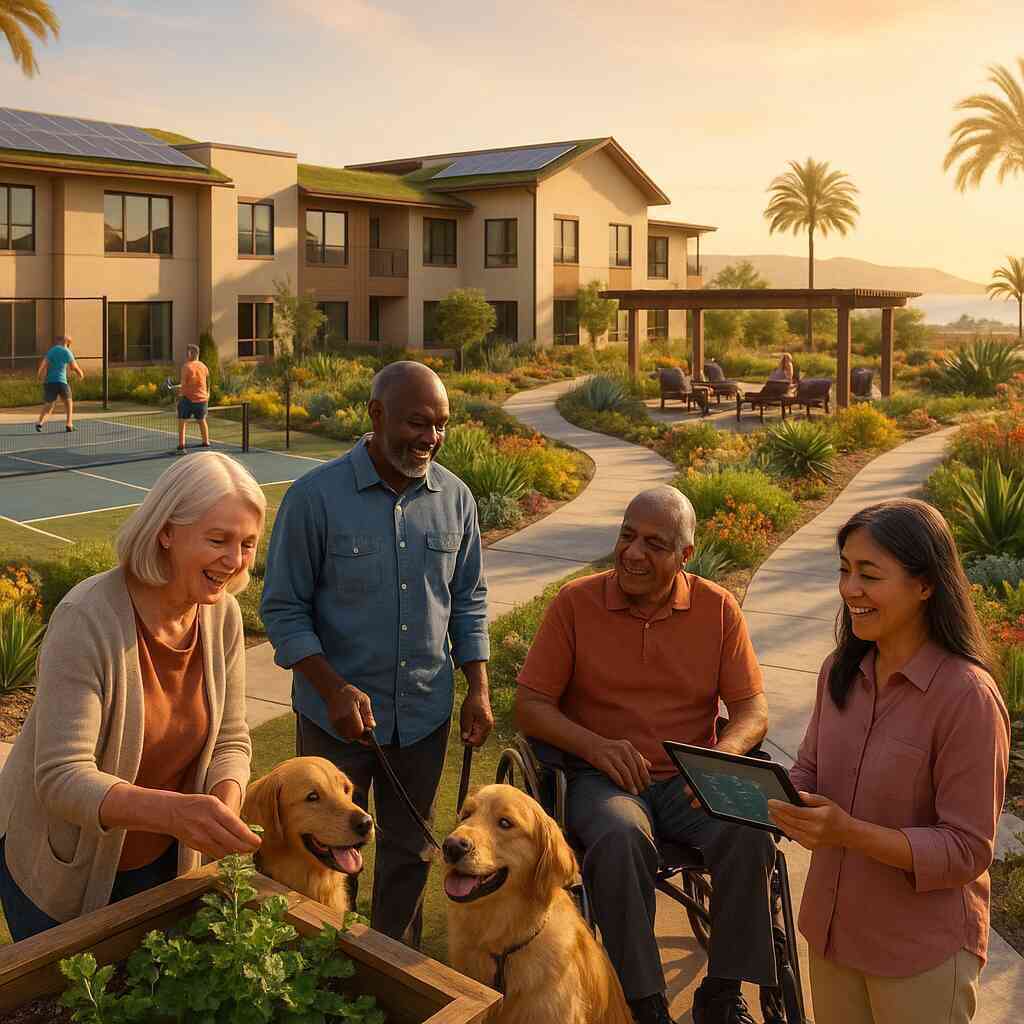
Navigating Forward: A Nationwide Roadmap for Informed Choices
Continuum of care facilities in Pennsylvania provide seamless transitions through aging stages
Older adults thrive when housing, health services, and social engagement remain on a single campus. Families touring Continuum of care campuses in Pennsylvania notice how independent cottages, assisted living plans, and skilled nursing suites share one postal code. This design prevents exhausting moves during health changes and strengthens friendships over decades. Culinary teams carry familiar recipes across care levels, preserving comfort during medical setbacks. Residents report shorter rehabilitation stays because therapists coordinate seamlessly with on-site physicians.
Pennsylvania planners also weave lifelong-learning labs and volunteer hubs into every stage. Seniors mentor local students in shared makerspaces, reinforcing purpose even when mobility wanes. Smart wristbands track vitals and alert nurses, so preventive care happens before crises erupt. The state’s tax incentives encourage developers to retrofit historic mills into eco-conscious senior apartments, protecting cultural heritage while expanding senior housing choices. As a result, continuum of care facilities in Pennsylvania set a national standard for graceful aging.
Nursing homes for the elderly in Ohio are integrating rehabilitation and long term care
Ohio’s healthcare corridor recognizes that complex recoveries demand both hospital-grade therapy and residential warmth. Modern nursing homes for the elderly in Ohio pair robotic gait trainers with homelike kitchens where residents practice daily tasks. On-site dialysis suites reduce ambulance rides, decreasing stress for families. Therapy dogs roam halls, elevating morale and catalyzing neuroplasticity during stroke rehab. These innovations transform the long-term care facility image from a sterile ward to a healing community.
Financial transparency further distinguishes Ohio operators. Itemized care bundles outline physical therapy minutes, medication management, and support with activities of daily living. Families compare costs confidently, knowing hidden fees are banned by state law. Community advisory councils include residents and relatives, ensuring governance reflects lived experience. Because feedback loops stay short, policy adjustments happen swiftly, boosting satisfaction scores statewide.
Dementia care residences North Carolina person person-centered memory support innovations
Research shows that individualized routines slow cognitive decline more effectively than uniform schedules. Dementia care residences North Carolina therefore build “memory lanes” replicating 1950s storefronts and jukebox cafés. Residents wander safely, triggering comforting memories without exit risk. Daily playlists match personal histories, while aromatherapy diffusers release scents tied to family recipes. Such multisensory cues reduce agitation and improve sleep cycles.
Interdisciplinary teams integrate neurologists, occupational therapists, and horticulturalists. Raised herb beds invite residents to garden, engaging muscle memory and nurturing pride. Caregivers use digital portfolios tracking favorite songs, holidays, and milestones, ensuring person-centered interactions during staff changes. Families access encrypted video diaries to observe progress remotely, sustaining trust across miles. Collectively, these strategies position North Carolina as a leader in humane memory support.
Medicaid-assisted living eligibility by state: Decoding financial pathways
Understanding Medicaid-assisted living eligibility by state often overwhelms newcomers. Each jurisdiction sets unique income caps, asset limits, and waiver slots, creating a maze of rules. Senior Living Facilities curates updated charts comparing thresholds, renewal timelines, and spend-down strategies. Interactive calculators forecast eligibility dates based on projected medical costs and veteran pensions. This clarity prevents last-minute crises that may force unwanted nursing home admissions.
Advisors also explain how Supplemental Security Income pairs with Home and Community-Based Services waivers to fund housing options for seniors. Webinars outline penalty periods for gifted assets, guiding families toward compliant estate plans. By demystifying jargon, the platform empowers informed, stress-free decisions. Consequently, more Americans secure appropriate support without draining lifelong savings.
Assisted living cost comparison tool aligning budgets with lifestyles
Sticker shock remains a top barrier to moving into a senior living facility. The assisted living cost comparison tool hosted by Senior Living Facilities solves this by aligning amenities, care intensity, and geographic price trends. Users input zip codes, preferred apartment sizes, and dietary needs. The algorithm then displays median fees, revealing where luxury extras inflate monthly rates.
Charts illustrate how bundled transportation or à-la-carte meal plans impact long-term spending. Side-by-side visuals compare pet-friendly senior living communities with comparable non-pet options, clarifying trade-offs. Transparent projections help families allocate funds across decades rather than months, ensuring sustainable satisfaction. Decision confidence rises, and rushed moves decrease nationwide.
State by state senior living regulations safeguarding resident rights
Regulations vary widely, yet resident dignity must remain constant. State by state senior living regulations dictate staffing ratios, emergency-prep drills, and menu nutrition standards. Senior Living Facilities aggregates official statutes into plain-language summaries, highlighting inspection requirements and complaint hotlines. Color-coded dashboards flag states with pending reforms, alerting families to evolving protections.
Operators benefit too. Compliance managers monitor updates and schedule training before fines accrue. Residents gain assurance that grievance processes and arbitration clauses meet legal thresholds. This transparency nurtures a culture where safety and accountability flourish together, reinforcing public trust in senior housing.
Senior relocation and move management strategies for stress free transitions
Downsizing decades of memories can feel paralyzing. Certified senior relocation specialists ease burdens through phased sorting, estate sales, and donation coordination. Personalized floor-plan mock-ups show how treasured antiques fit new spaces, reducing anxiety. Movers trained in gerontology label boxes by room and priority, streamlining first-night comfort.
Emotional support complements logistics. Counselors facilitate farewell rituals with neighbors and faith groups, granting closure. Virtual staging lets distant relatives weigh décor options collaboratively, fostering inclusion. By blending empathy with efficiency, move-management teams transform upheaval into anticipation.
Virtual tours of senior living facilities are bridging distance for decision makers
Busy adult children often juggle careers, parenting, and caregiving. High-definition virtual tours of senior living facilities close geographic gaps and accelerate vetting. Prospects navigate 360-degree corridors, inspect grab-bar installations, and even peek inside communal pantries for cleanliness checks. Embedded chat connects viewers to live guides ready to zoom-in on thermostats or courtyard benches.
Data analytics record dwell time in each room, allowing marketing teams to refine layouts toward resident priorities. Seniors with mobility challenges appreciate previewing walking distances between apartments and dining halls, reducing relocation surprises. Ultimately, virtual access democratizes choice, ensuring every voice participates in the selection process.
Intergenerational senior living projects shaping inclusive communities
Emerging intergenerational senior living projects embed daycare centers, university dorms, or artist lofts within retirement villages. Shared libraries host story hours where toddlers and retirees bond over picture books. College interns exchange tech tutorials for home-cooked meals, closing digital divides. Such reciprocity combats ageism and enriches daily life for all cohorts.
Urban planners observe reduced municipal service costs when generations share infrastructure like playgrounds and fitness trails. Health outcomes also improve; studies link multigenerational interaction with lower depression rates among elders. Investors see stabilized occupancy because demand spans age brackets, making these projects financially resilient and socially transformative.
Closing reflections: Empowering families to choose the right senior living near you
Selecting the ideal seniors living community blends heart, research, and foresight. Whether exploring a continuum of care facilities in Pennsylvania, luxury retirement communities in Arizona, or rental housing for seniors in Los Angeles, the journey begins with honest self-assessment. Clarify health needs, lifestyle goals, and budget realities before scrolling search results. Then leverage Senior Living Facilities’ powerful locator, virtual tours, and cost tools to filter thousands of senior living facilities down to a manageable shortlist.
Finally, visit in person, taste the cuisine, and gauge resident camaraderie. Trust sensory impressions but verify licensing and staff credentials. When objective data aligns with emotional comfort, you have discovered the senior living near you that nurtures dignity, connection, and joy through every season ahead.
Frequently Asked Questions
Question: How does Senior Living Facilities’ nationwide senior living facility locator help me compare assisted living communities in Texas, Florida, and other regions highlighted in Exploring Senior Living Communities in Major US States?
Answer: Our senior living facility locator nationwide aggregates verified data on thousands of senior living facilities in all 50 states-ranch-inspired assisted living communities in Texas, sun-soaked 55+ active adult communities in Florida, luxury retirement communities in Arizona, and more. Simply enter a ZIP code or state, and the algorithm filters communities for seniors 55+ by care level, monthly budget, amenities, and even LGBTQ+ inclusivity. You can then use the side-by-side compare feature to review staffing ratios, wellness programs, and pandemic safety protocols at a glance. This friction-free search experience saves weeks of phone calls and site visits, giving families a clear snapshot of long-term care facility options from coast to coast.
Question: What factors should I consider when using the assisted living cost comparison tool to evaluate 55-plus active adult communities in Florida versus luxury retirement communities in Arizona?
Answer: The assisted living cost comparison tool analyzes real-time pricing, bundled service packages, and regional tax incentives such as senior living tax benefits Florida retirees enjoy. When comparing Arizona’s resort-style campuses, look at climate-driven utility costs, sustainability upgrades in eco-conscious senior apartments, and entrance fee structures. Input preferred apartment size, dietary requirements, and anticipated health-care needs; the tool then displays projected five- and ten-year expenses so you can align budgets with lifestyle goals before committing to any senior living facility.
Question: Can Senior Living Facilities help veterans understand Medicaid-assisted living eligibility by state and locate veteran-friendly senior housing options?
Answer: Absolutely. Our advisors stay current on Medicaid-assisted living eligibility by state, VA Aid and Attendance stipends, and state property-tax exemptions. We match veterans with veteran-friendly senior housing options that feature on-site benefits coordinators, adaptive gyms, and peer support circles. During a free consultation, we’ll map income limits, waiver waiting lists, and benefit layers so you can choose housing options for seniors that maximize both quality of care and financial resources.
Question: How do virtual tours of senior living facilities and other technology-enabled elder care solutions streamline the search for pet-friendly senior living communities or eco-conscious senior apartments?
Answer: High-definition virtual tours allow you to inspect dog parks, cat sun shelves, green roofs, and solar arrays without leaving home. You can navigate 360-degree views of communal kitchens, telehealth suites, and biophilic courtyards, then chat live with community reps to confirm pet policies or sustainability credentials. Wearable-sensor demonstrations and smart-home integrations are showcased in real time, giving families confidence that each senior living near meets both lifestyle and safety expectations before scheduling an in-person visit.
Question: What pandemic safety protocols and state-by-state senior living regulations should I review before selecting independent senior apartments in New York or affordable senior housing in Illinois?
Answer: Our database summarizes each state’s latest senior living regulations, including staffing ratios, visitation guidelines, and emergency preparedness requirements. Listings for independent senior apartments in New York highlight hospital-grade air filtration, touchless entry, and rooftop visitation pavilions, while affordable senior housing in Illinois properties disclose mixed-income financing details and cross-trained staffing models. We also flag facilities that maintain ultraviolet sanitation robots, telehealth partnerships, and transparent communication apps-ensuring your chosen seniors living community meets both regulatory standards and post-pandemic best practices.
Admin
Expert contributor specializing in senior living care. Dedicated to providing families with clear, actionable advice.