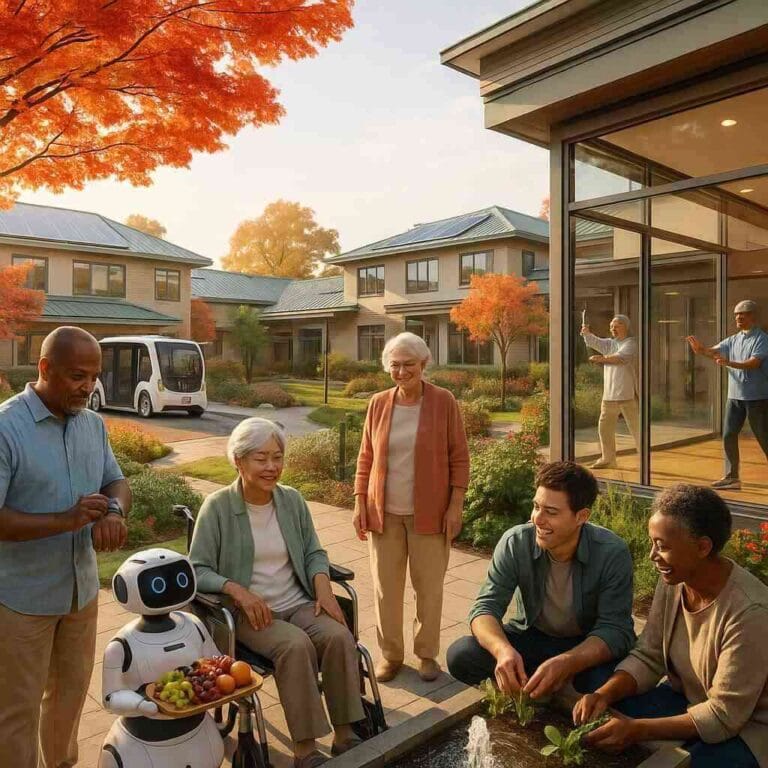
How Senior Living Facilities Florida Elevate Outdoor Therapy
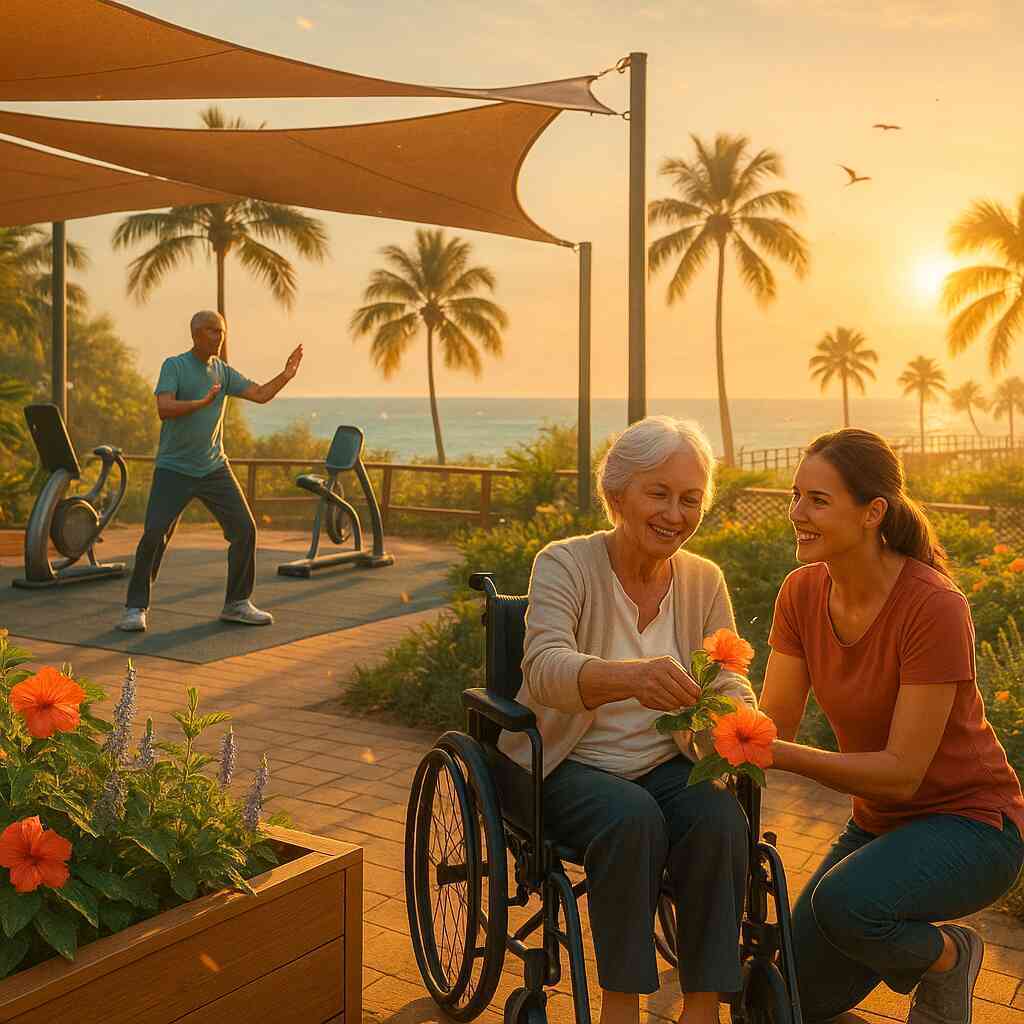
Florida sunshine meets purposeful design opening the gates to outdoor therapy for seniors living near the coast
The science behind warm weather exercise routines for seniors
Florida’s consistent sunshine triggers physiological responses that make movement safer and more pleasurable for older adults. Warm temperatures loosen connective tissue, allowing joints to glide with less friction and pain. Stable barometric pressure reduces stiffness that often discourages participation in traditional indoor therapy rooms. Coupled with higher natural vitamin D production, these factors boost mood and muscular strength, forming the backbone of Florida senior outdoor therapy strategies. Researchers now affirm that brief, daily sunlight sessions can significantly elevate balance scores and cardiovascular endurance in seniors.
Purposeful design brings the evidence to life by pairing shade sails with adaptive outdoor fitness equipment for seniors. These weather-smart stations minimize overheating while encouraging multi-plane motion that strengthens core muscles. Exercise physiologists recommend shorter sets repeated throughout the day rather than a single strenuous workout, leveraging Florida’s extended daylight hours. Such micro-sessions improve gait speed, which directly correlates with fall prevention success. Importantly, staff track hydration in real time, ensuring every resident benefits without risk.
How senior living near the Florida coast leverages the climate for year round rehabilitation
Coastal breezes moderate humidity, making seaside campuses ideal laboratories for translational geriatric therapy. Board-certified therapists design circuits that integrate balance pads, resistance bands, and ocean-view breathing exercises. Seniors find these routines intrinsically rewarding because waves provide natural rhythm cues that subtly pace movement. The result is higher adherence rates compared with comparable indoor programs, directly translating to better strength outcomes. Family surveys consistently show improved satisfaction when loved ones rehabilitate outdoors.
Many providers unite aquatic therapy, low-impact lawn yoga, and supervised beach walks into personalized assisted living plans. To streamline discovery, families can review outdoor rehabilitation programs in Florida senior living before touring communities. Integrating this data-driven approach with onsite analytics lets directors quickly tweak protocols for evolving resident needs. Data dashboards reveal that combining sea-air sessions with land-based resistance work elevates cardiopulmonary capacity within weeks. Consequently, coastal senior living facilities routinely rank high for outcome-based reimbursement incentives.
Integrating secure outdoor spaces in memory care during mild winters
Mild winters unique to the peninsula allow memory-care neighborhoods to keep courtyards open almost continuously. Designers install wandering loops bordered by fragrant jasmine and tactile grasses, guiding residents through dementia-friendly sensory gardens without confusion. Color-coded wayfinding cues reinforce spatial orientation while reducing exit-seeking behaviors. These secure outdoor spaces in memory care foster independence by permitting safe exploration under discreet supervision. Families report reduced sundowning and improved sleep patterns after regular courtyard visits.
Programming extends beyond passive strolling to include structured reminiscence stations placed under pergolas. Raised planter boxes encourage tropical horticulture therapy for elders who once gardened at home. Interactive birdwatching decks further stimulate cognition through multisensory engagement of sight and sound. Staff trained in outdoor occupational therapy in senior facilities use these elements to elicit meaningful conversation and fine-motor tasks. Because winter temperatures remain gentle, sessions proceed uninterrupted, maintaining therapeutic momentum all season long.
Therapeutic landscapes transforming senior housing into healing ecosystems
Dementia friendly sensory gardens and tropical horticulture therapy for elders
Florida campuses weave dementia-friendly sensory gardens into everyday life, turning passive courtyards into purposeful sanctuaries. Pathways loop without dead ends, easing anxiety while promoting continuous gentle movement. Color-contrasting edges enhance depth perception, and fragrant jasmine signals safe directional shifts for residents with memory loss. Staff guide tropical horticulture therapy for elders, inviting residents to prune vibrant hibiscus or taste homegrown pineapple sage. These tasks stimulate procedural memory, reduce agitation, and encourage fine-motor practice in a natural setting.
Therapists incorporate themed planting beds that evoke familiar eras, sparking reminiscence and conversation. For instance, a “Victory Garden” plot mirrors many residents’ childhood memories, enhancing emotional connection. Raised planters sit at wheelchair height, ensuring inclusive participation for all mobility levels. Weekly horticulture logs record mood, dexterity, and engagement, giving caregivers objective progress markers. Families consistently praise the gardens for reinforcing dignity and reinforcing social connection within the seniors’ living community.
Long term care facility healing gardens from concept to daily routine
Designers begin each healing garden by studying microclimates, soil quality, and resident demographics. They map shaded benches near accessible walking paths for older adults who fatigue quickly. Native palms block excessive glare while permitting ocean breezes, lowering heat index readings during afternoon therapy sessions. Water features add rhythmic white noise, supporting mindfulness practices recommended by occupational therapists. Together, these design elements transform a long-term care facility courtyard into a restorative micro-ecosystem.
Implementation succeeds only when gardens integrate seamlessly into daily living activities and considerations in elder rehab. Morning stretching classes take place under pergolas, while afternoon meditation circles use wicker seating arranged around flowering plumbago. Staff receive training to monitor hydration and sun exposure, maintaining compliance with sun-safe outdoor programs for seniors. Outcome dashboards show reduced blood pressure readings and higher participation in social clubs after three months of garden use. A single glance out a resident’s window now offers an instant invitation to move, breathe, and heal.
Pet friendly courtyards and birdwatching decks fostering social connection
Pet-friendly courtyards in assisted living blend canine agility lawns with shaded resting zones, creating lively intergenerational energy. Service-trained dogs guide balance exercises as residents practice leash walking along textured pavers. The playful ambiance lowers cortisol levels and increases serotonin, according to recent geriatric studies. Simultaneously, birdwatching decks for retirees overlook native mangrove stands, attracting spoonbills and pelicans. Spotting sheets and lightweight binoculars turn each visit into a small scientific expedition.
These shared animal interactions spark organic conversation among neighbors from different backgrounds, reinforcing the community for seniors 55+. Families visiting on weekends often join the avian count, expanding the social web beyond staff-led events. Occupational therapists document improved verbal fluency in residents who regularly describe bird plumage or pet behaviors. To inspire further exploration, marketing teams share success metrics and stories of hidden outdoor wellness gains at communities near you post, illustrating measurable emotional dividends.
Adaptive outdoor fitness equipment for seniors boosting cardiovascular health
Modern campuses position adaptive outdoor fitness equipment for seniors beside lush greenery, marrying strength training with nature immersion. Low-impact elliptical stations feature hydraulic resistance, allowing progressive overload without joint strain. Parallel bars placed over rubberized decking support gait-training drills that directly reduce fall risk. Residents track heart rates in real time using wrist sensors connected to care-team dashboards. Compared with indoor gyms, outdoor sessions show higher adherence because fresh air and scenery provide intrinsic motivation.
Cardiologists collaborating with senior living near Florida coast communities prescribe interval-style micro-workouts delivered throughout daylight hours. Five-minute cycling bursts followed by shaded cooldowns elevate cardiopulmonary efficiency without exhausting energy reserves. Trainers incorporate verbal prompts about posture and breathing, maintaining cognitive engagement alongside physical effort. Communities report lower emergency-room transfers related to deconditioning, underscoring the holistic value of these therapeutic gardens in senior living. Adaptive zones thus anchor a culture of healthy aging, demonstrating that thoughtful design can turn every breeze and birdsong into medicine.
 Water wind and wandering bring dynamic modalities to assisted living outdoor rehabilitation
 Water wind and wandering bring dynamic modalities to assisted living outdoor rehabilitation
Outdoor aquatic therapy pools and waterfront senior housing amenities
Warm-water pools shimmer across Florida senior outdoor therapy campuses, inviting residents to move without joint pain. Buoyant saltwater reduces body weight impact, allowing deeper knee bends and ankle rotations. Therapists deploy color-coded flotation cuffs that cue repetition counts, maintaining cognitive engagement during each set. Because water naturally cools skin, seniors can exercise longer before overheating, enhancing cardiovascular endurance. Administrators track progress through digital boards adjacent to the pool deck, ensuring individualized assisted living plans stay on target.
Beyond the pool edge, waterfront senior housing amenities extend treatment possibilities. Gentle spray fountains add sensory stimulation, encouraging residents with dementia to reach, splash, and laugh. Seaside cabanas offer shaded recovery zones where nurses monitor hydration while residents practice diaphragmatic breathing. Coordinated lighting improves depth perception during early-evening sessions, maintaining safety as daylight shifts. Families frequently schedule visits around these aquatic intervals, strengthening social connection and therapy compliance simultaneously.
Retirees kayaking and paddle therapy as innovative physiotherapy under Florida sunshine
Kayaking transforms beachside rehabilitation activities into thrilling adventures that disguise structured exercise. Low-profile adaptive kayaks feature adjustable lumbar seats, protecting fragile spines while promoting upper-body strength gains. Trained recreation therapists guide small groups through calm inlet passages, teaching rhythmic paddling patterns that mirror resistance-band protocols. Residents celebrate small victories, like rotating the torso farther than yesterday, proving progress is possible at any age. Participants report elevated mood scores compared with traditional chair routines.
Paddle therapy sessions merge balance training with mindfulness, exploiting gentle Gulf breezes for natural proprioceptive feedback. Stabilized paddleboards equipped with outriggers allow beginners to kneel securely before standing. Instructors cue weight shifts that awaken core muscles critical for fall prevention in any long-term care facility. Short bursts of paddling alternate with seated stretches, crafting safe interval workouts under Florida sunshine. Such dynamic programming keeps motivation high and dropout rates low.
Accessible walking paths and senior nature walks in retirement communities
Accessible walking paths for older adults wind through mangrove stands, marshlands, and wildflower meadows, transforming everyday strolls into mini ecotherapy sessions. Paths feature non-slip surfaces, contrasting edges, and periodic seating that respects varying endurance levels. QR-coded trail markers trigger audio guides discussing local wildlife, stimulating cognitive engagement alongside physical exertion. Occupational therapists integrate these narratives into memory exercises, reinforcing dual-task proficiency vital for independent living. Gentle gradients ensure wheelchairs and rollators glide effortlessly.
Senior nature walks in retirement communities often coincide with migratory bird seasons, adding spontaneous discovery that keeps routines fresh. Guides encourage residents to practice diaphragmatic breathing while observing pelican dives, reinforcing pulmonary health. Regular sunrise walks align circadian rhythms, enhancing sleep quality without pharmacological aid. Families appreciate scheduled weekend treks that foster intergenerational bonding on safe, scenic loops. Residents proudly log daily steps on community leaderboards, nurturing healthy competition.
Alfresco life enrichment classes and outdoor group therapy for elders
Alfresco life-enrichment classes transform breezy courtyards into dynamic learning studios. Tai chi instructors lead slow, deliberate movements under whispering palms, improving flexibility and focus simultaneously. Art therapists station easels beside butterfly gardens, translating color observation into fine-motor brushstrokes that strengthen wrists. Poetry circles meet under pergolas scented with jasmine, where recitation exercises vocal muscles critical for swallowing safety. Each activity aligns with individualized wellness goals set during intake consultations.
Outdoor group therapy for elders leverages nature’s calming effect to deepen emotional exploration. Licensed counselors facilitate reminiscence discussions while residents lounge on ergonomic rockers, letting the wind carry worries away. Drumming circles incorporate rhythmic beats that synchronize heart rates, encouraging communal cohesion and stress relief. Weekly goal reviews occur beside reflecting ponds, promoting accountability within a supportive peer network. Many newcomers discover these programs through the nationwide assisted living locator tool, underscoring how purposeful search platforms connect families to innovative care environments.
Sustaining sun safe wellness: A blueprint for senior living facilities in Florida
Shade rich wellness patios and sun safe outdoor programs for seniors
Thoughtful senior wellness patios with shade empower older adults to enjoy Florida senior outdoor therapy without fear of sunburn. Cantilevered canopies, pergolas, and native palms cast moving shadows that keep skin temperatures comfortable. Designers position misting fans beside seating clusters, so warm-weather exercise routines for seniors remain refreshing rather than exhausting. Paths surrounding the patios use glare-reducing pavers, lowering fall risk while supporting 55+ community green spaces that invite daily motion. Together, these elements anchor sun-safe outdoor programs for seniors who crave natural light yet need dependable protection.
Programming on these patios follows evidence-based timing that avoids midday ultraviolet peaks. Morning tai chi, midday seated stretching, and late-afternoon chair yoga form an adaptable rhythm that respects hydration and medication schedules. Staff distribute broad-brimmed hats and SPF sleeves, reinforcing healthy habits through gentle modeling rather than lectures. Families touring campuses often comment on how confident residents look while moving under dappled light. Many designers review the discovered green design elements for the senior wellness campuses guide before finalizing patio specifications, ensuring every detail meets clinical and lifestyle goals.
Staff training and risk management for outdoor occupational therapy in senior facilities
Clinical success hinges on disciplined staff education that translates textbook theory into compassionate practice. Outdoor occupational therapy in senior facilities demands real-time assessment of heat index, hydration, and medication photosensitivity. Caregivers learn to pair resident risk profiles with weather dashboards, adjusting assisted living plans without sacrificing momentum. They practice rapid cooling techniques and portable shade deployment drills, transforming potential emergencies into teachable moments. Frequent debriefs foster a culture where safety data travels faster than afternoon clouds.
Risk management also extends to equipment inspection and documentation. Teams log surface temperatures on adaptive outdoor fitness equipment for seniors before each session, avoiding accidental burns. Routine audits verify grab-bar stability, non-slip decking, and emergency call-button functionality across the long-term care facility campus. Administrators integrate these metrics into performance reviews, rewarding vigilance and proactive adjustments. Residents benefit from this invisible safety net while savoring the freedom of open-air rehabilitation.
Measuring outcomes to elevate senior living facilities as leaders in outdoor therapy
Data-driven leadership transforms pleasant courtyards into proven healing tools. Communities establish baselines for gait speed, grip strength, and mood before launching assisted living outdoor rehabilitation programs. Quarterly evaluations then compare indoor and outdoor cohorts, highlighting measurable gains from therapeutic gardens in senior living environments. Results often reveal faster reduction in depressive symptoms when residents garden, stretch, or socialize under skies rather than fluorescent lights. Such evidence fuels grant applications and shapes public perception of excellence.
Technology simplifies tracking without burdening residents. Wrist-worn sensors upload step counts from accessible walking paths for older adults to cloud dashboards reviewed by clinicians. Pressure mats embedded beneath benches monitor sit-to-stand frequency, a key predictor of independence. When scores plateau, therapists tweak exercise variables, proving responsiveness that regulators admire. Success stories circulate at conferences, positioning Florida campuses as innovators who blend sunshine with science.
Connecting families through an online assisted living locator to discover communities for seniors 55+
Even the most advanced wellness patio means little if families cannot find it. Senior Living Facilities bridges that gap through an intuitive online assisted living locator that maps communities for seniors 55+ across the peninsula. Search filters highlight shade-rich courtyards, outdoor aquatic therapy pools, and pet-friendly spaces, helping loved ones compare options without leaving home. Detailed photo galleries and outcome dashboards instill confidence long before an on-site tour. This transparency accelerates decision-making and lowers relocation stress.
Users seeking an overview of Florida may begin with the overview of the Senior Living Facilities platform to explore housing options for seniors nationwide. The portal then narrows results to senior living near Florida coast campuses or inland towns with similar amenities. Personalized chat support explains reimbursement pathways and coordinates virtual meetings with wellness directors. By uniting digital convenience with clinical insight, the locator ensures that every senior, regardless of zip code, can embrace outdoor therapy under Florida’s forgiving sky.
Frequently Asked Questions
 Frequently Asked Questions
Question: How do Senior Living Facilities weave Florida senior outdoor therapy into personalized assisted living plans for each resident?
Answer: Our care teams begin every intake by reviewing a resident’s medical history, mobility level, and personal interests. Using that data, we layer clinically proven warm-weather exercise routines for seniors-such as five-minute micro-sessions on adaptive outdoor fitness equipment for seniors-into the daily schedule. Because campuses along the Florida coast enjoy year-round sunshine, therapists can substitute multiple short seaside workouts for a single long indoor class, boosting adherence and joint comfort. Each plan appears in the resident’s digital chart, and progress on gait speed, balance, and mood is tracked through wearable sensors. Families can log in at any time to see how outdoor occupational therapy in senior facilities is elevating strength and confidence, reinforcing why a well-designed senior living facility can outperform traditional indoor programs.
Question: What makes the therapeutic gardens in senior living in Florida communities different from ordinary courtyards?
Answer: These gardens are purpose-built healing ecosystems rather than decorative spaces. Paths loop without dead ends to support dementia-friendly sensory gardens, while color-contrasting edges improve depth perception for older adults. Raised planters allow wheelchair users to enjoy tropical horticulture therapy for elders-think pruning hibiscus or tasting pineapple sage-without straining their backs. Shade sails, misting fans, and native palms create senior wellness patios with shade that keep skin temperatures safe during sun-safe outdoor programs for seniors. Water features provide calming white noise for mindfulness sessions, and birdwatching decks for retirees double as informal speech-therapy labs where residents describe spoonbill plumage. All of these evidence-based elements work together to transform a long-term care facility courtyard into an outcome-driven rehab zone.
Question: How does the Senior Living Facilities platform help families compare sun-safe outdoor programs for seniors when searching for communities for seniors 55+?
Answer: Our assisted living locator includes filter toggles for amenities such as accessible walking paths for older adults, outdoor aquatic therapy pools, pet-friendly courtyards in assisted living, and waterfront senior housing amenities. Photo galleries showcase shade structures, misting fans, and senior lawn yoga sessions, while outcome dashboards publish real data on fall reduction and mood improvements tied to outdoor rehabilitation. Because Senior Living Facilities lists options in all 50 U.S. states, you can search senior living near me, view side-by-side comparisons of rental housing for seniors, and connect directly with wellness directors-all without leaving your couch. The result is a transparent, data-rich journey that brings peace of mind to families eager to find the safest sun-smart environment for their loved ones.
Question: In the blog post How Senior Living Facilities Florida Elevate Outdoor Therapy, kayaking and paddle therapy are highlighted. Are these beachside rehabilitation activities safe for residents with limited mobility?
Answer: Absolutely. Communities featured on our platform use adaptive kayaks with adjustable lumbar support, outriggers for stability, and easy-load transfer benches that make boarding simple even for wheelchair users. Certified recreation therapists accompany every small group, maintain radio contact with lifeguards, and follow evidence-based physiotherapy under Florida sunshine protocols that cap session length and monitor heart rate in real time. Residents start with core-engagement drills on shore and progress only when ready, ensuring that kayaking remains a joyful yet safe component of assisted living outdoor rehabilitation.
Question: Can senior nature walks in retirement communities and waterfront amenities really improve measurable health outcomes, and how do Senior Living Facilities track those results?
Answer: Yes-accessible walking paths for older adults lined with mangroves and wildflowers provide low-impact cardiovascular exercise while also delivering ecotherapy benefits that lower cortisol. Communities upload residents’ step counts, grip strength scores, and mood surveys to cloud dashboards that clinicians review quarterly. Data often show faster improvements in blood pressure and reduced depressive symptoms compared with indoor-only programs. Because Senior Living Facilities aggregates these metrics, we can spotlight senior living near Florida coast properties that continually outperform state averages, guiding families toward proven leaders in outdoor group therapy for elders.
Admin
Expert contributor specializing in senior living care. Dedicated to providing families with clear, actionable advice.