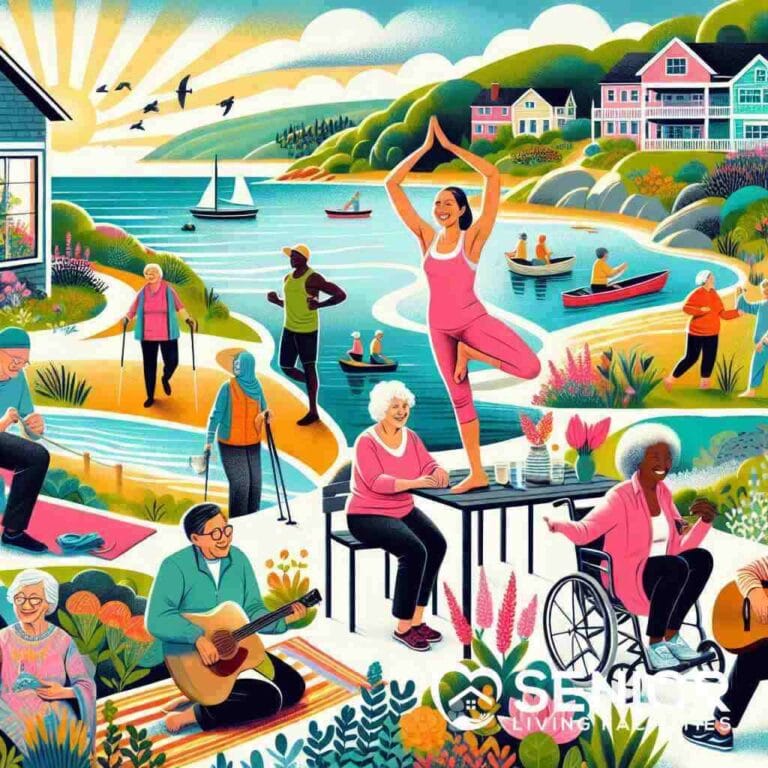
How Senior Living Facilities Support Mother’s Day 2026

Beyond Bouquets: The Multifaceted Role of Senior Living in Honoring Motherhood
Mother’s Day celebrations in senior living communities transcend simple floral gestures to embrace a profound, holistic celebration of identity and legacy. Modern senior living facilities understand that honoring motherhood requires nurturing the whole person-emotional, social, and spiritual. Therefore, these communities architect experiences that validate a lifetime of caregiving while providing essential care and connection in the present. This approach transforms the holiday from a single day of recognition into a sustained affirmation of worth and belonging. Finally, the goal is to ensure every resident feels celebrated, connected, and deeply valued within their chosen home.
Cultivating Emotional Wellbeing and Social Connection for Senior Mothers
For many senior mothers, especially those who may feel isolated, Mother’s Day can amplify complex emotions ranging from joy to loneliness. Proactive senior living communities directly address this by designing programs that foster robust social connection and emotional support. Activities are carefully crafted to encourage sharing stories, building new friendships, and participating in group celebrations that combat isolation. Staff members are trained to recognize signs of melancholy and provide compassionate, one-on-one engagement. This dedicated focus on emotional wellbeing ensures the holiday strengthens mental health for older adults rather than challenging it. Furthermore, these efforts build a supportive atmosphere where every mother’s experience is acknowledged and honored.
The structure of a senior living community itself is a powerful tool for fostering this essential social connection. Scheduled group activities, shared dining experiences, and casual common areas naturally facilitate interactions and mutual support among residents. During the Mother’s Day season, programming is intentionally amplified to include themed discussion groups, legacy projects, and appreciation circles. These gatherings provide a platform for residents to express themselves and feel heard by peers and staff. This communal validation is a critical component of emotional health, turning the community into a source of strength. The result is a reinforced sense of belonging that extends far beyond the holiday itself.
Transforming Senior Communities into Hubs of Intergenerational Celebration
The most vibrant Mother’s Day celebrations actively bridge the generational divide, infusing energy and fresh perspective into senior housing. Thoughtful intergenerational Mother’s Day programs invite local families, school groups, and youth organizations to participate in shared activities with residents. These moments might involve collaborative art projects, storytelling sessions where children listen to residents’ tales of motherhood, or simple shared meals. The presence of younger people brings immense joy and a sense of continuity to senior mothers, reminding them of their enduring impact. This deliberate blending of ages transforms the community into a dynamic hub of shared celebration and mutual learning.
Implementing these programs requires careful coordination but yields invaluable rewards for everyone involved. Senior living communities often partner with local schools or scout troops to create structured visitations that are meaningful for both parties. Residents enjoy the lively interaction and the chance to share wisdom, while younger visitors gain perspective and form rewarding relationships. These intergenerational connections help dispel age-related stereotypes and foster genuine community integration. For children who may have grandparents far away, it provides a valuable opportunity to honor an elder. Ultimately, these programs solidify the community’s role as an integral, engaged part of the broader neighborhood fabric.
Designing Mother’s Day Experiences Across the Care Continuum
A one-size-fits-all approach fails to honor the diverse needs of seniors residing in different types of care settings. Therefore, exemplary communities design distinct Mother’s Day experiences across the entire continuum, from independent living to memory care. In independent living communities, celebrations might emphasize autonomy with options like off-site family reservations or resident-led planning committees. Assisted living locations often focus on facilitating family involvement and providing support for residents who need help preparing for the day. This tailored design ensures appropriateness and maximizes participation and enjoyment for every individual.
The design philosophy recognizes that honoring mothers in nursing homes or specialized memory care facilities requires particular sensitivity and adaptation. In these environments, celebrations prioritize sensory engagement, familiarity, and emotional comfort over complex events. Staff are experts at creating moments of joy that resonate with residents’ long-term memories and current abilities. This might mean using familiar music, scents, or gentle activities that evoke positive feelings of family and nurture. The commitment to personalized experience ensures that no matter the level of care, Mother’s Day remains an accessible and heartfelt occasion. This nuanced programming across all housing options for seniors demonstrates a deep commitment to inclusive celebration.
Architecting Meaningful Moments: Program Design for Mother’s Day in Senior Housing
Creating a memorable Mother’s Day within a senior community is an exercise in intentional design, blending logistics with heartfelt purpose. This involves curating events, activities, and atmospheres that collectively nourish the spirit and foster connection. Successful programming considers the diverse interests, mobility levels, and cognitive abilities of all residents to ensure broad inclusion. From grand dining events to intimate craft circles, each element is purposefully planned to contribute to a larger tapestry of celebration. This architectural approach to the holiday ensures that every offered experience is meaningful, accessible, and aligned with the community’s core values of care and respect.
Curating Mother’s Day Brunch and Dining Experiences that Nourish the Soul
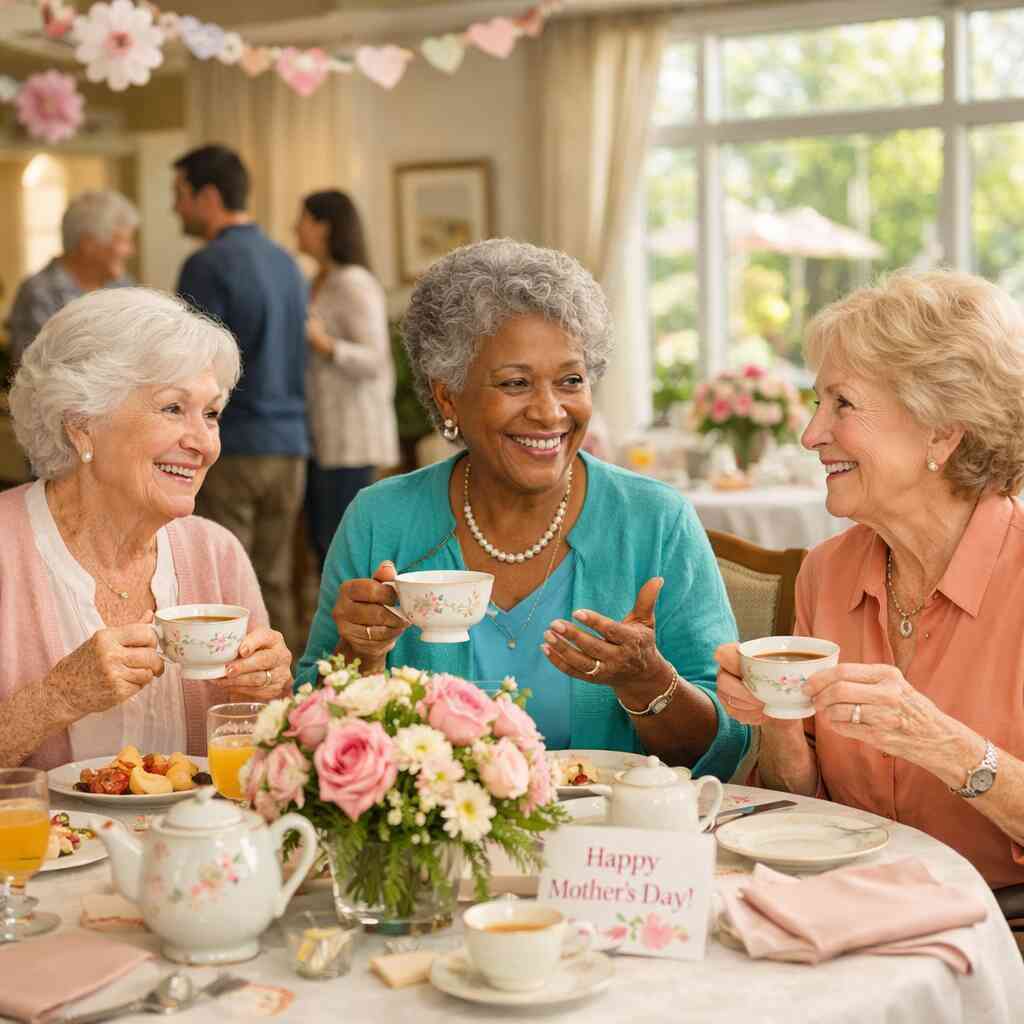
The senior community Mother’s Day brunch is often the centerpiece of the holiday, an event that nourishes both body and soul through exceptional food and fellowship. Dining teams go beyond standard menus to create special, beautifully presented meals that feel celebratory and indulgent. Tables are adorned with elegant linens, centerpieces, and personalized place settings to make each resident feel like a guest of honor. The atmosphere is carefully crafted with soft music and ambient lighting to encourage relaxed conversation and enjoyment. This attention to detail transforms a meal into a cherished event, reinforcing the significance of the day for all attendees.
For many residents, the social aspect of this dining experience is as important as the cuisine itself. Seating is often arranged to foster conversation among residents and visiting family members, creating a warm, festive environment. Staff members act as gracious hosts, ensuring everyone feels attended to and included in the celebration. For those who may not have family visiting, the community becomes their family, with staff and fellow residents sharing in the joy. This inclusive approach prevents isolation and ensures every mother in attendance feels recognized and valued. The result is a powerful, shared memory that highlights the community’s role in facilitating meaningful social connection.
Facilitating Intergenerational Mother’s Day Programs that Bridge Generations
Intentional intergenerational Mother’s Day programs are a cornerstone of modern senior living, designed to create authentic connections that benefit all ages. These programs move beyond simple visits to structured, reciprocal activities that foster mutual respect and joy. A common example is a “Storybook Corner” where residents read beloved children’s books to preschoolers, sharing the timeless act of storytelling. Another powerful program pairs teens with residents to interview them about their experiences of motherhood, creating a recorded or written legacy gift. These interactions provide profound emotional rewards and combat age segregation, enriching the lives of both seniors and youth.
The facilitation of these programs requires partnership and clear communication between the senior living community and external organizations. Activity directors meticulously plan sessions that are engaging, safe, and respectful of all participants’ energies and boundaries. Preparation might include coaching younger visitors on communication tips or helping residents select stories or topics to share. The focus is always on creating a comfortable space where genuine relationships can spark. These intergenerational bridges built on Mother’s Day often lead to ongoing volunteer relationships and lasting friendships. They solidify the community’s reputation as a vibrant, open-hearted place committed to lifelong connection.
Adapting Mother’s Day Activities for Seniors with Dementia and Memory Care Needs
Celebrating Mother’s Day for seniors with dementia demands a specialized, compassionate approach centered on sensory engagement and emotional safety. Activities are adapted to be failure-free, focusing on the process and the feelings evoked rather than a perfect end product. For instance, Mother’s Day crafts in memory care might involve simple, tactile projects like arranging silk flowers in a vase or holding scented sachets. Music is a powerful tool, with playlists of familiar songs from a resident’s young adulthood often sparking recognition and joy. The primary goal is to create moments of positive connection and comfort, honoring the person beyond the disease.
Trained staff in memory care facilities use personalized knowledge of each resident’s life history to tailor celebrations. They might look at old family photos, enjoy a favorite treat from childhood, or gently sway to a song that was a lullaby for their children. These personalized triggers can unlock moments of clarity and profound emotional response. The environment is carefully managed to avoid overstimulation, ensuring the celebration remains a source of calm happiness. This deeply person-centered approach ensures that honoring mothers in memory care facilities is not only possible but profoundly meaningful. It affirms their identity and legacy in the most respectful and loving way.
Fostering Community Engagement Through Volunteer Opportunities and Outreach
Mother’s Day presents a prime opportunity for senior living communities to engage with the wider public through organized volunteer opportunities and outreach. Many people seek meaningful ways to give back during the holiday, and communities can channel this goodwill into beneficial programs. Opportunities might include volunteers helping to decorate common areas, assisting residents in writing cards, or simply spending one-on-one time with a resident who lacks local family. These interactions provide invaluable social stimulation for residents and offer volunteers a rewarding, perspective-shifting experience. This exchange builds essential bridges between the senior community and its surrounding neighborhood.
Strategic outreach can also focus on isolated senior mothers still living independently at home. Communities might organize a “Day of Pampering” outreach, offering complimentary hairstyling, manicures, or a special lunch to local seniors. This act of service introduces them to the supportive environment of a senior living community in a low-pressure, joyful way. It demonstrates the community’s commitment to all older adults in the area, not just its residents. Such outreach programs enhance the facility’s local reputation as a caring and engaged organization. Ultimately, these efforts expand the circle of celebration and support, embodying the true spirit of the holiday.
The Infrastructure of Care: Operationalizing Support for Families and Residents
Behind every joyful Mother’s Day event lies a robust infrastructure of care, meticulously built to support both residents and their families. This operational backbone ensures that celebrations are not only fun but also safe, inclusive, and seamlessly integrated into daily care routines. It involves coordination between departments, clear communication with families, and flexible planning that accommodates last-minute changes. From scheduling extra staff to preparing personalized care notes, this infrastructure turns the vision of a perfect day into a reality. It is this behind-the-scenes dedication that allows the magic of the holiday to unfold smoothly for everyone involved.
Coordinating Family Visits and Inclusion in Senior Care Settings
For many families, Mother’s Day is a key time to visit, and senior living communities excel at facilitating these reunions with warmth and efficiency. Proactive communication is essential, with staff often sending out invitations along with parking instructions and event schedules to families well in advance. On the day, common areas are prepared to welcome guests, with clear signage and dedicated staff to guide visitors. Communities may set up special photo booths, gift-wrapping stations, or complimentary refreshment areas to enhance the family experience. This thoughtful coordination removes logistical stress, allowing families to focus entirely on meaningful connection with their loved one.
The goal of family visits on Mother’s Day in senior care settings is to create an environment where everyone feels included and comfortable. Staff are trained to be discreet yet available, offering assistance when needed without intruding on private family time. For residents in assisted living or nursing homes, staff might help them get ready for the visit, choosing a special outfit and ensuring they are at their best. They also provide gentle cues to residents who may need help recognizing family members, facilitating smoother interactions. This supportive framework ensures that visits are positive and memorable for both the resident and their guests, reinforcing the vital bond between family and the care community.
Implementing Personalized Care Plans that Honor Individual Mother’s Day Traditions
Truly meaningful celebration stems from personalization, and leading communities integrate Mother’s Day preferences directly into resident care plans. During assessments or casual conversations, life enrichment staff document cherished traditions, favorite foods, and meaningful symbols associated with the holiday for each resident. One mother might have always tended her garden, so she receives a potted plant to care for. Another might have cherished a specific family recipe, which the culinary team then prepares for her. This meticulous attention to personal history transforms standard holiday programming into a deeply individual tribute, making residents feel profoundly seen and understood.
This personalized approach is especially powerful in long-term care facility settings, where residents may have complex medical needs. Care teams collaborate to ensure that personalized celebrations are also safe and health-appropriate. For example, a favorite candy might be adapted into a sugar-free version, or a beloved activity might be modified for current mobility levels. The underlying message is that the individual’s history and preferences are respected and integral to their care. This practice of honoring Mother’s Day traditions in residential care communities goes beyond celebration; it is a fundamental aspect of person-centered care that affirms dignity and identity every single day.
Providing Emotional Support and Mental Health Considerations for Isolated Seniors
Even within a vibrant community, some residents may feel a deep sense of isolation on Mother’s Day, particularly if they have lost children or are estranged from family. Astute communities proactively address this by providing targeted emotional support and mental health considerations. Staff are trained to identify residents who may be struggling and to engage them in compassionate, non-intrusive ways. Additional one-on-one companionship is offered, and alternative, low-key activities are available for those who find large gatherings overwhelming. This safety net ensures that no resident is left to navigate difficult emotions alone during a culturally charged holiday.
The support extends to creating inclusive narratives around motherhood that honor all forms of caregiving and legacy. Celebrations may recognize spiritual mothers, foster mothers, aunts, teachers, and anyone who has played a nurturing role. This broad definition helps residents who were not biological mothers still participate fully in the holiday’s spirit of gratitude and nurturing. Group discussions or remembrance services might be offered for those grieving, providing a structured outlet for their emotions. By normalizing these varied experiences and providing professional support, communities safeguard the mental health for older adults, ensuring the holiday is a source of comfort, not distress.
A Lasting Legacy: How Celebrations Reinforce the Mission of Senior Living
Mother’s Day celebrations within senior living communities are far more than annual events; they are active manifestations of the core mission to provide compassionate, holistic care. These carefully orchestrated days reinforce the fundamental promises of dignity, connection, and purposeful living that define quality senior care. They demonstrate in tangible ways that a resident’s emotional and social needs are valued as highly as their physical health. Therefore, the success of these celebrations becomes a key indicator of a community’s overall health and its commitment to its stated values. The legacy of a well-celebrated Mother’s Day is a reinforced trust between residents, families, and the care team.
From Recognition to Relationship Building: Mother’s Day as a Cornerstone of Community
When executed with depth, Mother’s Day programming evolves from simple recognition into a powerful catalyst for relationship building. The shared experiences of a special brunch, an intergenerational craft, or a heartfelt conversation create common memories that bind residents and staff together. These positive interactions build social capital within the community, fostering an atmosphere of mutual appreciation and trust. Residents see staff not just as caregivers but as individuals who honor their life stories, deepening the relational aspect of care. This transformation is essential for cultivating a true sense of home and belonging within any senior living environment.
This relational focus also strengthens bonds among the residents themselves. Sharing stories of motherhood creates instant common ground and empathy, breaking down social barriers and sparking new friendships. Women who may have felt isolated find camaraderie with others who have walked similar paths, building a powerful peer support network. These relationships, forged during celebratory times, provide ongoing emotional sustenance long after the decorations are put away. Therefore, Mother’s Day acts as a cornerstone, laying a foundation of connection upon which a strong, resilient, and joyful community is built throughout the entire year.
Evaluating the Impact of Holiday Programming on Resident Satisfaction and Wellbeing
Forward-thinking senior living communities understand the importance of measuring the impact of their holiday programming on key outcomes like resident satisfaction and overall wellbeing. Feedback is gathered through simple surveys, casual conversations in resident councils, and direct observation of participation and mood. Staff look for indicators such as increased social interaction, expressions of joy, and verbalized appreciation from residents and families. This data provides invaluable insights into what activities resonated most and which aspects of the celebration could be enhanced in the future, ensuring continuous improvement in program quality.
The evaluation process also considers the holistic wellbeing of residents, noting any changes in mood, sleep patterns, or engagement levels following the holiday events. Positive impacts, such as a sustained lift in spirits or new friendships formed, are celebrated and analyzed to understand the contributing factors. This evidence-based approach allows communities to allocate resources effectively, investing in the types of programs that yield the greatest benefit for resident happiness and health. By treating Mother’s Day not just as a task but as a measurable component of care, communities demonstrate a sophisticated commitment to outcomes that truly matter.
Ensuring Every Mother’s Day Memory is Cherished in Long-Term Care Environments
In long-term care environments, where residents may face significant health challenges, the creation and preservation of positive memories becomes an especially sacred duty. Staff are trained to be memory-makers, capturing joyful moments through photographs, saved craft projects, or entries in a resident’s personal journal. These tangible mementos are then shared with families or kept in the resident’s room to serve as touchstones of happiness. The act itself-of documenting a smile during a Mother’s Day activity-sends a powerful message to the resident: “You are seen, and your joy matters.” This intentional focus on memory-making is a profound expression of respect and love.
The effort extends to involving residents in every possible stage, giving them agency in how they are celebrated. Some may wish to help decorate, while others might choose a favorite song for the event playlist. This inclusion fosters a sense of ownership and anticipation, making the memory more vivid and personal. For families, knowing their loved one participated in a meaningful, joyful celebration provides immense comfort and reinforces their trust in the care team. Ensuring every Mother’s Day memory is cherished is ultimately about affirming the enduring personhood of each resident, regardless of cognitive or physical ability. It is the final, crucial step in a celebration that truly honors a lifetime of motherhood.
Frequently Asked Questions
Question: How can Senior Living Facilities help me find a community that plans meaningful Mother’s Day activities for seniors?
Answer: At Senior Living Facilities, we understand that holidays like Mother’s Day are vital for emotional wellbeing and social connection. Our platform allows you to search, compare, and connect with senior living communities that prioritize creating heartfelt Mother’s Day celebrations. We list communities that offer specialized Mother’s Day activities for seniors, from elegant brunches to personalized crafts. By using our assisted living locator and reviewing detailed profiles, you can find a community that aligns with your loved one’s needs for celebration, care, and connection, ensuring they feel honored and included.
Question: What types of Mother’s Day events for elderly mothers can we expect in the senior living communities you list?
Answer: The senior living communities in our network design diverse Mother’s Day events for elderly mothers to foster joy and belonging. You can expect beautifully curated senior community Mother’s Day brunches, intergenerational Mother’s Day programs with local schools, and adapted Mother’s Day crafts in memory care settings. These events are crafted to provide a wonderful Mother’s Day dining experience for seniors while promoting mental health for older adults. Whether in independent living or a nursing home, our listed communities focus on creating Mother’s Day memories in senior housing that honor each resident’s legacy and preferences.
Question: Does your service cover finding assisted living locations that support family visits on Mother’s Day?
Answer: Absolutely. A core part of our service is helping you find assisted living locations that actively facilitate and welcome family visits on Mother’s Day. We highlight communities that excel at coordinating these special visits, providing spaces for celebration and ensuring family inclusion in senior care. These communities often have dedicated staff to help residents prepare and create a warm environment for families. By using our search tools, you can find a senior living facility that understands the importance of these connections and operates with the infrastructure to make Mother’s Day visits seamless and memorable.
Question: Can you explain more about the blog title ‘How Senior Living Facilities Support Mother’s Day 2026’ and how your company embodies this support?
Answer: The blog title ‘How Senior Living Facilities Support Mother’s Day 2026’ reflects our deep commitment to ensuring that the communities we list provide holistic, forward-thinking support for this important holiday. We embody this by meticulously vetting and showcasing senior living facilities that go beyond simple gestures. We connect families with communities that offer emotional support for elderly mothers, personalized care plans honoring individual traditions, and robust Mother’s Day celebration ideas for senior communities. Our platform is your gateway to finding a place where Mother’s Day recognition for senior mothers is woven into the fabric of compassionate care, ensuring every mother feels cherished.
Question: How do you assist families looking for housing options for seniors that handle Mother’s Day sensitively, especially for those with dementia?
Answer: We specialize in matching families with housing options for seniors, including specialized memory care units within assisted living facilities or nursing homes, that are experts at sensitive Mother’s Day observance. Our detailed listings help you identify communities with staff trained in creating adapted Mother’s Day activities for seniors with dementia, focusing on sensory engagement and emotional comfort. These communities are skilled at honoring mothers in nursing homes for the elderly and memory care through personalized, failure-free activities that trigger positive memories. We guide you to environments where Mother’s Day traditions in long-term care are upheld with dignity, ensuring your loved one experiences the holiday in a safe, joyful, and meaningful way.
Admin
Expert contributor specializing in senior living care. Dedicated to providing families with clear, actionable advice.