How Senior Living Facilities Support Seniors With Dementia in 2026

Unveiling the Future of Dementia Care in Senior Living
Redefining Dementia Support in Senior Communities
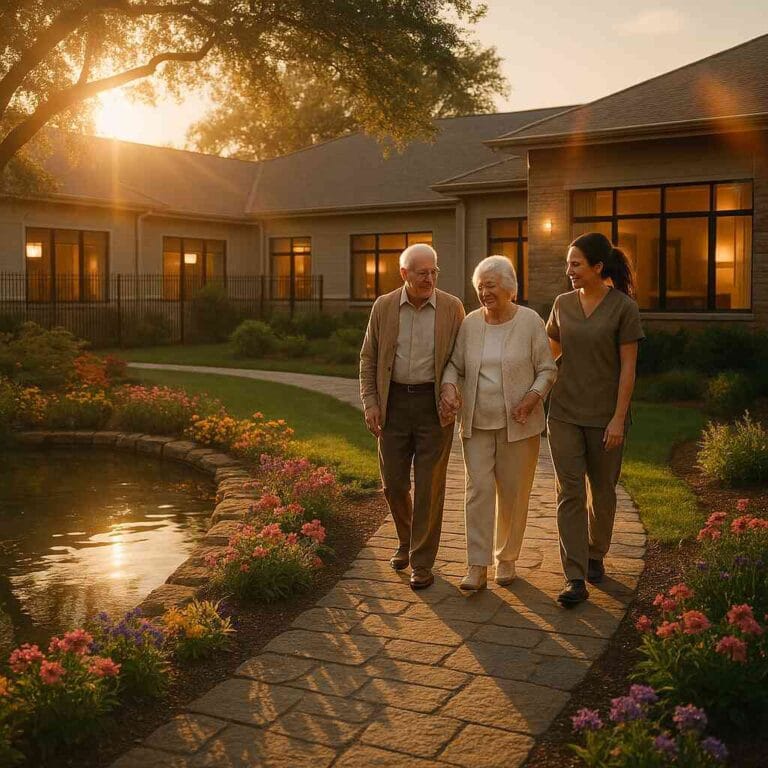
In 2026, dementia care in senior communities is being redefined with groundbreaking approaches aimed at elevating the quality of life for residents. Senior living facilities are focusing on a comprehensive approach that emphasizes both medical support and emotional well-being. By incorporating person-centered care methods, these communities tailor experiences to meet the diverse needs of each individual. The goal is not just to manage symptoms but to enhance overall well-being through meaningful engagement.
Creating dementia-friendly environments is central to this mission. By optimizing physical settings, these facilities ensure that spaces are safe and supportive for cognitive function. This includes thoughtful adjustments to lighting, color schemes, and environmental design that promote comfort and accessibility. Such transformations foster an inclusive atmosphere where seniors can thrive despite cognitive challenges, underscoring the commitment to quality care.
Technology is also playing a pivotal role in redefining dementia support. Tools such as virtual reality and wearable devices offer new avenues for cognitive engagement, enabling personalized therapy sessions and real-time health monitoring. These advancements empower caregivers to deliver more precise interventions, raising the standard of care for seniors in need.
Emerging Trends in Cognitive Health for Seniors
Emerging trends in cognitive health are reshaping strategies within senior living communities. As the understanding of dementia evolves, there is a clear shift toward proactive and preventive care. Current trends emphasize cognitive health literacy, where seniors and caregivers are educated on brain health and strategies to actively nurture cognitive function. This educational focus is proving invaluable in delaying the onset of cognitive decline and improving day-to-day life for seniors.
Social engagement has also emerged as a key pillar of cognitive health. Programs promoting group activities, social gatherings, and community involvement are strategically designed to reduce isolation and stimulate mental activity. These settings give seniors opportunities for meaningful interactions, which are critical for cognitive resilience.
Additionally, innovative cognitive support for the elderly now includes mindfulness practices and therapeutic art sessions. These holistic activities allow seniors to express themselves creatively while benefiting from the proven cognitive advantages of such interventions. By embracing alternative therapies alongside traditional care, senior living communities offer a well-rounded approach to well-being.
Innovative Dementia Therapies Transforming Care
Innovative therapies are at the forefront of transforming dementia care, offering hope and an improved quality of life for seniors. These therapies span a broad spectrum, from cutting-edge pharmaceuticals to non-invasive treatments like music and art therapy, all designed to complement traditional care approaches.
Research-driven advanced dementia therapies are becoming more accessible within senior living facilities. These therapies target the underlying mechanisms of dementia, aiming to slow progression and improve cognitive function. Such advancements not only provide symptomatic relief but also enhance residents’ ability to engage in daily activities more effectively.
Sensory therapies involving tactile, auditory, and visual stimulation are also gaining traction due to their positive impact on mood and cognitive function. These therapies are personalized to suit individual preferences and sensory responses, ensuring that seniors receive the most effective engagement. By pursuing these approaches, senior living facilities acknowledge the diverse and complex needs of residents, moving well beyond conventional care paradigms.
Comprehensive Strategies for Dementia Care in Senior Living Facilities
Personalized Dementia Care Plans and Their Impact
The emphasis in dementia care is increasingly on customized dementia care plans. These tailored strategies are proving effective in meeting the unique needs of each resident, with a focus on individualized goals and preferences. By accounting for personal history and current health status, care plans are meticulously crafted to maximize comfort and engagement in daily living.
The benefits of personalized care plans extend beyond the individual to their caregivers as well. Understanding the nuanced needs of residents allows caregivers to deliver more responsive and effective interventions. This approach fosters a collaborative environment where family members, healthcare providers, and residents communicate openly, creating a cohesive support system.
Such care plans often integrate activities of daily living designed to promote autonomy and self-efficacy for seniors with dementia. By engaging residents in routine tasks that align with their capabilities, these plans encourage a sense of independence and accomplishment – both crucial for maintaining dignity and quality of life.
Creating Dementia-Friendly Environments
A cornerstone of improved dementia care is the development of environments specifically designed to support cognitive function and safety. Dementia-friendly environments are crucial for reducing confusion and agitation while helping residents maintain independence. These environments are characterized by intuitive layouts, clear signage, and adaptive technologies that address the sensory and cognitive needs of individuals.
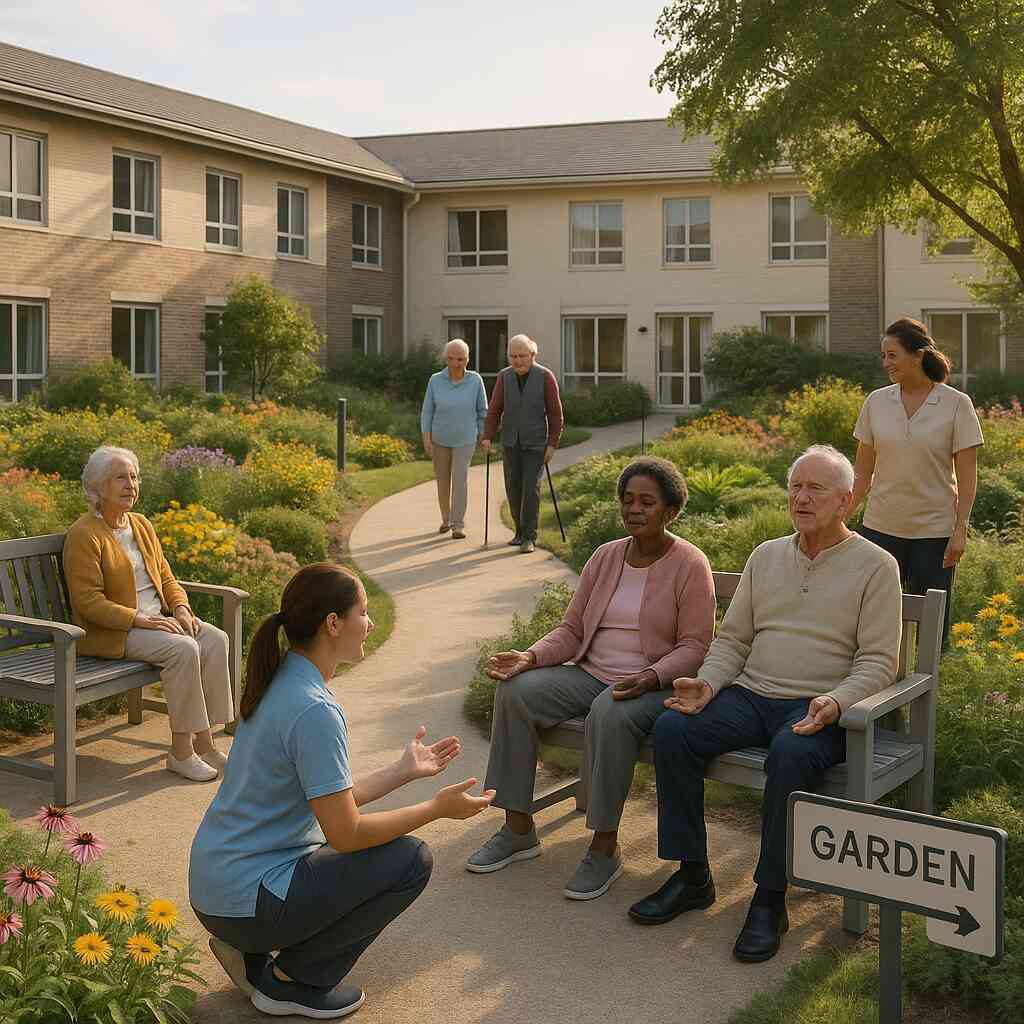
Incorporating calming elements such as nature views, therapeutic gardens, and strategic lighting has shown a significant positive impact on mood and anxiety levels among residents. Such elements foster a peaceful atmosphere conducive to relaxation and enjoyment, enhancing the holistic well-being of those living with dementia.
Senior living facilities are also investing in adaptive furniture and fixture solutions that accommodate diverse mobility needs, ensuring residents can navigate spaces safely. By prioritizing accessibility and comfort, these communities demonstrate a genuine dedication to creating inclusive and empowering living environments for all residents. Families researching options can compare memory care models in senior living facilities to better understand how different design approaches affect resident outcomes.
Advanced Dementia Care Strategies and Technologies
The landscape of dementia care is rapidly evolving with the adoption of advanced strategies and technologies. Innovations in therapeutic practices and digital solutions are setting new standards for effective dementia management, focusing not only on alleviating cognitive symptoms but also on improving overall health outcomes for residents.
Digital tools and applications have become vital in monitoring and managing dementia symptoms. These technologies track daily cognitive activity, facilitate communication among care teams, and provide real-time insights into residents’ health status. By leveraging these tools, care facilities can deliver more coordinated and effective interventions, raising the overall standard of care.
Additionally, technology in dementia care now includes smart home solutions that enhance safety and accessibility for residents. Automated lighting, voice-controlled devices, and emergency response systems are integral components of comprehensive safety protocols, providing peace of mind for residents and their families. These innovations reflect a strong commitment to safety and quality of life within senior living communities.
The Role of Specialized Dementia Care Staff
Delivering exceptional dementia care depends greatly on the presence of specialized dementia care staff. These professionals are expertly trained to understand the complexities of dementia and to provide compassionate support tailored to each resident’s cognitive and emotional needs. Their expertise ensures that interventions are both clinically effective and genuinely empathetic.
Continuous education and training for care staff are essential for maintaining high standards of care. As the understanding of dementia continues to evolve, ongoing professional development keeps staff current with the latest research and best practices. This commitment to professional growth reflects a dedication to delivering exemplary care to every resident.
The role of staff also extends to supporting families by offering guidance, resources, and reassurance. By maintaining open communication channels, staff members help families navigate the emotional journey of caring for a loved one with dementia. This support network is invaluable, creating a collaborative environment that benefits residents and their families alike. Families can also explore understanding memory care fees at senior living facilities to plan more effectively for their loved one’s care.
Enhancing Quality of Life for Seniors with Dementia
Dementia Care Engagement Programs and Activities
Meaningful activity is a crucial element of dementia care, supporting cognitive function and emotional well-being. Personalized dementia engagement programs are tailored to the interests and abilities of residents, ensuring each individual can participate and benefit. These activities are designed to stimulate memory, strengthen social interaction, and foster a sense of community.
Engagement programs range from art and music therapy to physical exercise sessions and cognitive games. Each program is carefully crafted to balance stimulation and relaxation, addressing both the mental and physical needs of participants. This well-rounded approach encourages cooperation and participation, which are vital for maintaining morale and fostering positive emotional experiences.
Incorporating seasonal and cultural themes into these programs further enriches the experience for residents, offering variety and novelty. This diversity keeps activities fresh and engaging while providing additional opportunities for cognitive stimulation through new experiences.
Emotional and Family Support in Dementia Care
Providing strong emotional and family support in dementia care is essential for the mental wellness of residents and their loved ones. Emotional well-being has a direct impact on cognitive health, and senior living facilities prioritize this by offering services such as counseling and support groups.
Family involvement is integral to the care process, providing comfort and familiarity to residents. Facilities encourage family participation in care decisions and daily activities, fostering a supportive atmosphere that strengthens the emotional resilience of residents. Open lines of communication are maintained to keep family members informed and engaged throughout their loved one’s care journey.
Providing resources and education for families also helps them understand dementia more fully, equipping them to offer informed support. By enabling families to become active partners in care, senior living facilities build a collaborative environment that benefits everyone involved.
Holistic Approaches to Cognitive Support for the Elderly
Embracing holistic cognitive therapies has become a cornerstone of cognitive support for seniors. These approaches focus on the mind-body connection, utilizing techniques that address physical, mental, and emotional health together. Through therapies such as mindfulness meditation, yoga, and aromatherapy, residents experience a meaningful sense of peace and relaxation.
These holistic therapies are also valuable for reducing stress and anxiety, both of which are harmful to cognitive health. By incorporating relaxation techniques into daily routines, residents gain practical tools for self-regulation – essential for managing their cognitive journey with greater confidence. This comprehensive care strategy acknowledges the intricate relationship between mental and physical well-being, emphasizing care for the whole person.
Nature-based therapies, such as therapeutic gardening and nature walks, further bridge cognitive health and everyday lifestyle. These activities offer sensory stimulation and encourage physical movement, enriching the overall well-being of participants. Facilities can also support cognitive fitness at senior living facilities through structured programs that evolve alongside residents’ changing needs. By offering diverse therapeutic options, senior living facilities ensure a truly well-rounded approach to promoting cognitive health.
Frequently Asked Questions
Question: How do senior living facilities create dementia-friendly environments to support cognitive health?
Answer: Senior living facilities prioritize creating dementia-friendly environments to enhance cognitive health among residents. This involves designing spaces that are intuitive and accessible, with features such as clear signage, adaptive technologies, and calming elements like therapeutic gardens and strategic lighting. By optimizing the physical environment, these communities become supportive spaces where seniors with dementia can navigate safely and comfortably, promoting not only their cognitive function but also their overall well-being.
Question: What are the key innovative dementia therapies offered within senior living facilities?
Answer: Senior living facilities offer a variety of cutting-edge dementia therapy solutions. These include advanced pharmaceuticals alongside non-invasive treatments such as music and art therapy. Personalized sensory therapies involving tactile, auditory, and visual stimulations are gaining recognition due to their positive impacts on mood and cognitive function. By integrating these innovative therapies into care plans, facilities enhance residents’ quality of life and support improved cognitive health.
Question: How do personalized dementia care plans impact the quality of life for seniors in these communities?
Answer: Personalized dementia care plans significantly improve the quality of life for seniors by addressing their unique needs and preferences. These care plans are tailored to each individual’s personal history and current health status, helping residents achieve individualized goals. By focusing on activities of daily living that promote autonomy and self-efficacy, these plans encourage independence and dignity in seniors, enhancing their overall quality of life within the community. They also foster a collaborative relationship between caregivers and families, ensuring well-rounded support.
Question: In the context of How Senior Living Facilities Support Seniors With Dementia in 2026, what role does technology play?
Answer: Technology plays an integral role in supporting seniors with dementia in 2026. Senior living facilities are leveraging tools such as smart home solutions and wearable devices to enhance safety and provide real-time health monitoring. Virtual reality and cognitive training apps offer personalized therapeutic sessions and help engage seniors cognitively. This technological integration supports the physical and cognitive needs of residents while empowering caregivers to provide more precise, timely interventions, ultimately raising the standard of care.
Question: How do senior living facilities support families of residents with dementia?
Answer: Supporting families is a crucial part of dementia care, and senior living facilities address this through comprehensive family support services. Facilities encourage family involvement in care decisions and daily activities, fostering a supportive atmosphere for both residents and their loved ones. They also provide educational resources and counseling services to equip families with a clearer understanding of dementia, enabling them to offer informed and compassionate support. This collaborative approach ensures open communication and builds a strong support network that benefits residents and families alike.
Admin
Expert contributor specializing in senior living care. Dedicated to providing families with clear, actionable advice.