
How To Choose A Nursing Home Using 2026 Quality Metrics
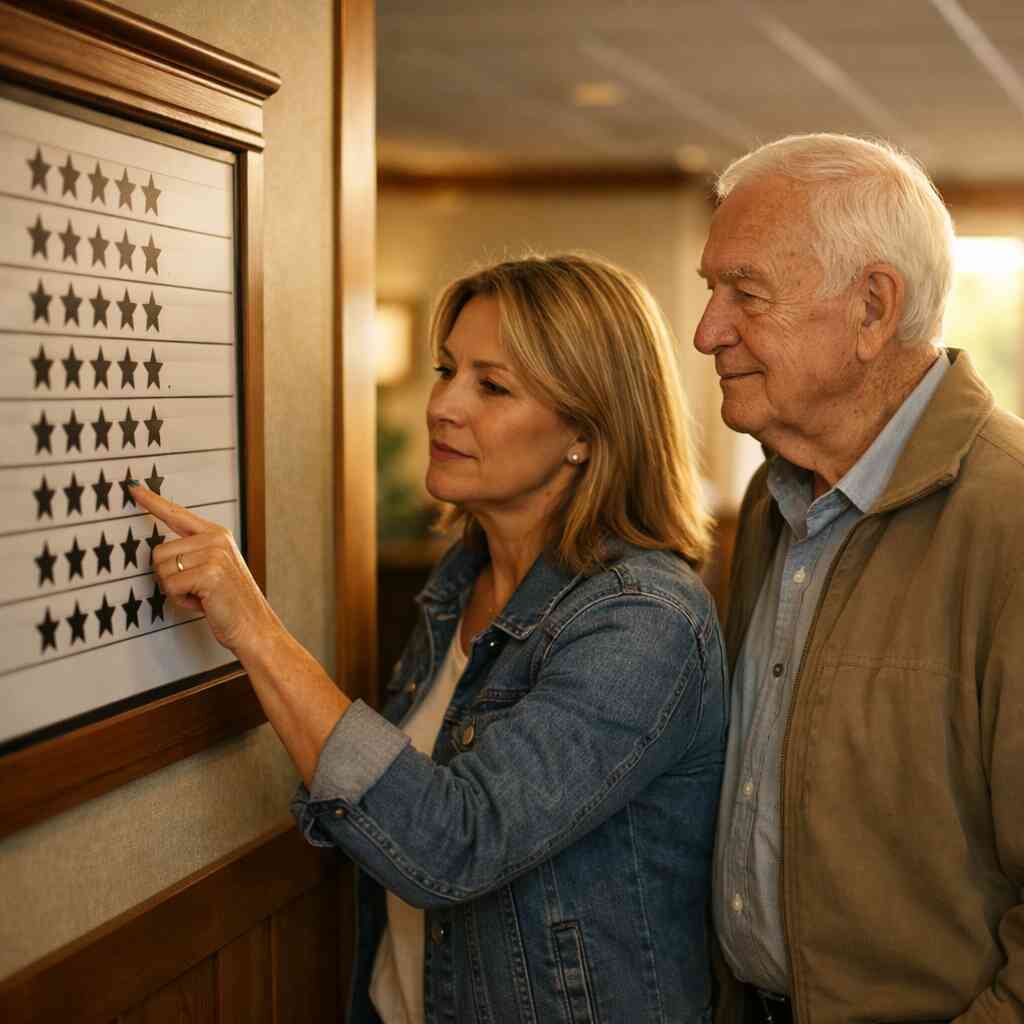
When the glossy brochure hides the real risk
A polished lobby can feel reassuring. So can fresh flowers, smiling staff, and a website with soft music and tasteful photos. Yet those details tell you very little about how a nursing home performs on the things that matter most. If you are reading this at night, worried and tired, that feeling makes sense. Families hear about bad care after the move, and that is exactly what makes this decision so heavy.
Why a clean lobby tells you almost nothing about nursing home quality metrics
A clean front desk does not show how often call lights are answered. It does not show whether a resident gets help turning in bed. It does not show whether a facility keeps up with medication management in nursing homes or infection control standards. That is why how to choose a nursing home starts with metrics, not marketing. The best senior living facility for your family member may look ordinary at first glance.
What we see most often is this: families tour a building, feel relieved, and stop asking harder questions. That is human. It is also risky. A sparkling dining room can hide weak nursing home staffing levels and a calm sales tour can hide poor follow-through on care planning in skilled nursing. If you are comparing long-term care facility options, look past the polish and into the data.
The warning signs families miss when a long-term care facility looks polished online
Online photos rarely show rushed care or thin staffing. They rarely show a weekend shift with too few aides. They never show whether a resident waits too long for help with activities of daily living. Families searching for best senior living near me often miss the mismatch between the website and the lived experience. That gap matters in every senior living facility, especially one promising premium care.
One daughter told us about a place that looked perfect online. The hallways were bright, the courtyard had tidy planters, and the brochure mentioned many assisted living plans. But when she asked about night coverage, the answers got vague. She later realized the real question was not décor. It was whether her father would get prompt help at 2 a.m.
How CMS star ratings can change the conversation before you ever tour the building
CMS star ratings give you a faster way to compare facilities before a tour. They combine health inspections, staffing, and quality measures into one score. That does not tell the whole story. Still, it changes the conversation from “Did the lobby feel nice?” to “Does this place meet basic standards?” If you want a practical shortcut, start with how to choose a nursing home in 2026.
Here is the part most families miss: one good number does not erase weak performance elsewhere. A facility can look strong in one area and still struggle with staffing or inspections. That is why nursing home quality metrics work best as a set, not a single score. For families comparing skilled nursing facilities, that shift in thinking can save a lot of regret later.
What nursing home inspection reports reveal that a sales tour never will
Nursing home inspection reports show patterns. They show repeated deficiencies, missed standards, and whether a facility corrected problems. A tour cannot give you that. A friendly admissions director may answer carefully, but the report comes from an outside review. If you want a clear next read, use nursing home inspection reports and safety checks.
Think of inspection reports as the quiet truth beneath the sales pitch. They often reveal issues with falls, call response, cleanliness protocols, or documentation. They can also show whether a facility handles resident rights in long-term care with consistency. Families in Florida, California, and Texas often use these reports differently because each state adds its own rules. Still, the principle stays the same: the report is usually more honest than the brochure.
The scorecard that actually matters when you compare nursing homes
Once you know where to look, comparison gets sharper. You stop judging by carpet color and start judging by performance. That is where the real protection begins. The right metrics help you see how a nursing home functions on a hard Tuesday afternoon, not just during a polished tour. They also help you compare assisted living vs nursing home with less confusion.
How to read CMS star ratings without getting fooled by one good number
A four- or five-star rating can feel comforting. Still, the full picture matters more than the headline. Look at the inspection score, staffing score, and quality measures together. A facility with one strong area and two weak ones deserves more scrutiny. That is especially true when you are deciding between a senior living facility and a long-term care facility.
A quick comparison helps:
MetricWhat it tells youWhy it mattersHealth inspectionsCompliance with standardsShows past problems and correctionsStaffingHours and coverage patternsAffects response time and daily careQuality measuresResident outcomes and process dataReveals care consistencyIf you are also weighing senior living costs by state, remember that the cheapest option is not always the safest. The Genworth Cost of Care Survey remains useful for context, but cost alone should never outrank care quality. Families looking at Florida senior living, California assisted living, or Texas nursing homes often discover that local demand changes both availability and staffing pressure. That context matters.
Why nursing home staffing levels and nurse-to-resident ratio often explain the day-to-day experience
Staffing is where many decisions become obvious. A higher nurse-to-resident ratio usually means faster help, better observation, and less chaos. It does not guarantee excellence, but low staffing almost always creates stress. That is why nursing home staffing levels belong near the top of your list.
Ask about day, evening, and night coverage. Ask whether staffing changes on weekends. Ask who handles toileting, transfers, and medication passes. If the answers feel slippery, pay attention. Residents need reliable help with activities of daily living, and thin staffing makes that harder. Families comparing board and care homes, residential care facilities, or retirement homes may find that staffing patterns vary even more widely across settings.
What infection control standards and medication management in nursing homes should look like on paper
Good facilities track hand hygiene, isolation practices, and cleaning routines with discipline. They also document medication reconciliation, storage, and pass times carefully. That is not bureaucracy for its own sake. It protects fragile residents. In a strong facility, infection control standards are visible in the notes, not just the hallways.
Medication problems often start quietly. A late pass here. A missed transcription there. Then the chart becomes messy. When you ask about medication management in nursing homes, listen for specifics. Who reviews orders? Who audits errors? How are changes communicated after a hospital return? Families who want Medicare skilled nursing support should ask these questions early, because short-stay rehabilitation still depends on tight medication routines.
How resident rights in long-term care and care planning in skilled nursing protect your loved one
Rights are not abstract. They shape everyday life. Residents have a right to dignity, communication, privacy, and participation in care decisions. Strong facilities explain those rights clearly and revisit them often. Weak ones mention them only when asked. That difference can affect everything from bathing preferences to family updates.
Care planning in skilled nursing should feel personal, not generic. You want a plan that reflects the resident’s condition, risk factors, and goals. If Dad has diabetes, mobility limits, and memory loss, the plan should say so plainly. A good plan also changes when his needs change. For families searching for Alzheimer’s care facilities or dementia care homes, this kind of detail matters even more because the care team must anticipate wandering, confusion, and behavior shifts.
When rehabilitation services in nursing homes matter more than the dining room or décor
Beautiful meals matter less than meaningful recovery. If your loved one is coming after surgery or a hospitalization, rehabilitation services in nursing homes may matter most. Ask about physical therapy, occupational therapy, and speech therapy access. Ask how often those services occur. Ask who coordinates them with nursing care.
One son we spoke with had focused almost entirely on the dining room. He later realized his mother needed help walking, not just better lunch options. The facility he chose had a modest lobby but strong rehab coordination. That choice changed the daily experience in a real way. If you want a deeper foundation on this part, skilled nursing basics and Medicare skilled nursing can help frame the questions before you tour.
The questions that separate a safe choice from a stressful one
Metrics help, but questions reveal the truth in real time. The best tours feel a little uncomfortable because they force clarity. That is a good sign. If you are comparing assisted living locations, assisted living plans, or a nursing home, the right questions keep the family from drifting into assumptions.
What to ask about assisted living vs nursing home when the family is still deciding
This is the fork in the road for many families. Assisted living vs nursing home is not just a cost conversation. It is a care-level conversation. Ask what daily help your loved one needs now, and what may be needed soon. If the answer includes skilled nursing, complex wound care, or round-the-clock monitoring, you may be leaning toward a nursing home. A simple checklist helps: 
- Can your loved one manage most activities of daily living?
- Is the main need medication reminders or hands-on nursing?
- Are falls, confusion, or hospital returns becoming more common?
- Does the person need therapy or medical oversight after an event?
For a plain-language breakdown, assisted living versus nursing home differences can help family members agree on the basics before emotions take over.
Questions to ask a nursing home about memory care near me and what is memory care
If memory loss is part of the picture, ask directly. What is memory care? It is a structured service model designed for people with dementia-related needs, including supervision, routine, and safety support. Some families search for memory care near me because they need answers fast. Still, a true memory support environment should be more than a locked door.
Ask how staff redirect agitation. Ask how the facility prevents wandering. Ask how they handle meals, sleep changes, and family communication. If you are comparing Alzheimer’s care facilities, ask whether the setting is distinct or blended with other care levels. For a fuller checklist, questions to ask about memory care before visiting can save you from missing the hard stuff.
How to ask about rehabilitation, wound care, and Medicare skilled nursing without sounding overwhelmed
You do not need perfect language. You need clear language. Ask, “Can this facility handle wound care after a hospital discharge?” Ask, “What therapy can Medicare cover here?” Ask, “How do you coordinate physician orders?” Those questions are normal. They are also exactly the right ones.
If the staff answers with confidence and specifics, that is encouraging. If they redirect every question back to sales language, be cautious. This is especially important in skilled nursing facilities, where recovery often depends on precise medical coordination. Families using Medicare skilled nursing benefits should also ask how therapy minutes, nursing oversight, and discharge planning are tracked.
What to clarify about Medicaid senior housing, long-term care insurance, and VA benefits for senior care
Funding changes the decision quickly. Ask whether the facility accepts Medicaid senior housing pathways, if applicable in your state. Ask whether long-term care insurance is accepted and how claims are handled. Ask about VA benefits for senior care if your loved one served. Those answers shape the shortlist before a tour ever becomes serious.
For families trying to compare funding options, long-term care insurance for senior housing costs can help frame the financial side. You may also want to look at senior living for low-income seniors or affordable senior living options if private pay is not realistic. There are also communities for seniors 55+, 55+ apartments, and rental housing for seniors for people who do not need nursing support yet. The right answer depends on care need, not just price.
How to spot the difference between skilled nursing and assisted living before you sign anything
This is where many families get tripped up. The difference between skilled nursing and assisted living comes down to medical complexity, supervision, and daily support. Assisted living often helps with meals, bathing, and reminders. Skilled nursing offers more intensive clinical care. If your loved one needs regular wound care, post-acute rehab, or ongoing nursing oversight, assisted living may be too limited.
A quick side-by-side view helps:
CategoryAssisted livingSkilled nursingCare levelSupportive daily helpMedical and nursing careIdeal forLower-acuity needsComplex or rehab needsSupervisionScheduled supportMore continuous oversightCommon focusIndependenceRecovery and stabilityIf your family is still comparing options, the right place to start is often a senior living advisor for fast facility search. That kind of guidance can also help when you are considering independent living communities, continuing care retirement community (CCRC) options, or even respite care before a permanent move.
The move that gives you confidence instead of second guessing
By this point, the choice usually feels less mysterious. You know what to look for. You know what to ask. Most importantly, you know that a good decision comes from matching care needs to the right setting, not from chasing the prettiest brochure. That is the kind of clarity families deserve.
How to use a senior living directory and senior living advisor to narrow the search fast
A strong senior living directory saves hours. It lets you compare assisted living locations, nursing home options, and other care types side by side. A good senior living advisor can also help translate medical language into plain English. That matters when every call feels urgent and every facility sounds similar.
Use a directory to sort by care level, service area, and budget range. Then use a referral specialist to ask follow-up questions you might miss on your own. If you want help with a free senior living referral, free senior living referral for families is a practical place to start. It can be especially useful if you are comparing Florida senior living, California assisted living, or Texas nursing homes.
When to compare nursing homes with assisted living plans, independent living communities, or a CCRC instead
Not every care need belongs in a nursing home. Some families do better with independent living communities or assisted living plans. Others want the long-range flexibility of a continuing care retirement community (CCRC). The right fit depends on health, support needs, and how much independence remains.
This is where honest comparison pays off. A CCRC may make sense if you want a full continuum. Assisted living may fit if your loved one needs support but not heavy nursing. And a nursing home may be the right answer when skilled care is no longer optional. For a broader planning view, nursing home is worth understanding as a distinct care setting, especially if the family is still sorting through retirement homes, elderly housing, and senior citizen housing.
How to judge whether aging in place, residential care facilities, or board and care homes are better fit options
Sometimes the best move is not a move into a large facility. Aging in place can work with home care, family support, and local services. Residential care facilities or board and care homes can also suit people who need a quieter setting. Those options can feel more personal than larger campuses, especially for people who dislike noise or crowds.
The question is not which model sounds nicest. It is which one matches actual needs. If someone still cooks, dresses, and manages most routines, a lighter-touch setting may be enough. If not, home-based support may only delay a safer move. For some families, pet-friendly assisted living, luxury senior retirement communities, or senior living with no waitlist may also appear on the list, but care fit should still lead.
What affordable senior living really means when you are weighing senior living costs by state
Affordable senior living means more than the cheapest rent. It means the total package fits your budget and your care need. That includes care charges, service add-ons, and likely future changes. The Genworth Cost of Care Survey helps families compare senior living costs by state, but it cannot tell you which facility feels safe.
If you are watching expenses closely, compare private pay against insurance, Medicaid pathways, and benefit eligibility. Ask how costs change if care needs rise. Ask how the facility handles rate adjustments. That conversation is especially important if you are balancing senior apartment rentals, housing options for seniors, or senior living for low-income seniors against the possibility of nursing care later.
How to make the final call using a free senior living referral and the next facility tour you schedule
The final call should not come from panic. It should come from a short list, a clear need, and one honest tour. Use a free senior living referral to narrow choices. Then compare your top options using the same questions, the same documents, and the same time of day if possible. Midday and evening visits can reveal very different realities.
Before you schedule that next tour, print your questions and bring a notebook. Ask about staffing, inspections, care plans, and funding. Watch how staff speak to residents, not just visitors. If you need help narrowing the field, Senior Living Facilities can support that process across all 50 states with a search that fits your family’s actual needs. Start with one call today, and keep the next step simple.
Frequently Asked Questions
Question: How do I use How To Choose A Nursing Home Using 2026 Quality Metrics to compare a nursing home with assisted living vs nursing home options?
Answer: Start by matching the person’s real care needs to the right setting. A nursing home or skilled nursing facility is usually a better fit when there is a need for medical oversight, rehabilitation services in nursing homes, wound care, or more help than assisted living plans typically provide. Assisted living vs nursing home decisions should not be based on appearance alone; they should be based on daily support needs, staffing, and supervision. Senior Living Facilities helps families compare assisted living locations, skilled nursing facilities, and other housing options for seniors in one place so you can narrow choices with less stress. Our senior living directory and senior living advisor support can also help you understand whether a long-term care facility, independent living communities, or a continuing care retirement community (CCRC) makes more sense before you schedule a tour.
Question: What nursing home quality metrics should I review before visiting a senior living facility?
Answer: The most useful nursing home quality metrics include CMS star ratings, nursing home inspection reports, nursing home staffing levels, nurse-to-resident ratio, infection control standards, medication management in nursing homes, and resident rights in long-term care. These metrics give you a much clearer view than photos or brochures ever could. A polished lobby does not tell you how quickly call lights are answered or how consistently care plans are followed. Senior Living Facilities encourages families to compare these indicators early so they can focus on safer, better-matched senior living facility options. If you are also reviewing senior housing regulations, our team can help you understand what each score or report means in plain language without overwhelming you.
Question: Can Senior Living Facilities help me find best senior living near me, including memory care near me or Alzheimer’s care facilities?
Answer: Yes. Senior Living Facilities is designed to help families search for best senior living near me across all 50 states, including options that may fit memory care near me, Alzheimer’s care facilities, dementia care homes, and other senior living facilities. If memory support is part of the need, it is important to ask what is memory care and how the community handles supervision, routine, wandering risk, and family communication. We help you compare communities for seniors 55+, residential care facilities, board and care homes, retirement homes, and senior citizen housing so you can see which setting matches the person’s level of independence and safety needs. Our goal is to make the search feel more manageable, especially when the decision involves urgent care planning.
Question: How can a senior living advisor help me understand Medicare skilled nursing, Medicaid senior housing, and VA benefits for senior care?
Answer: A senior living advisor can help translate complex care and funding questions into clear next steps. For example, Medicare skilled nursing may apply in certain short-term recovery situations, while Medicaid senior housing pathways may matter more for ongoing affordability depending on state rules and eligibility. VA benefits for senior care can also play an important role for eligible veterans and spouses. Senior Living Facilities helps families sort through these possibilities so they can compare affordable senior living choices, long-term care insurance options, and the cost of assisted living without guessing. Because funding and care level are closely connected, our team uses a supportive, practical approach to help you move from uncertainty to a realistic shortlist.
Question: What questions should I ask a nursing home or assisted living locator before scheduling a tour?
Answer: Good questions should focus on care, staffing, and fit. Ask about nursing home staffing levels, night and weekend coverage, care planning in skilled nursing, rehabilitation services in nursing homes, infection control standards, and how the facility protects resident rights in long-term care. If you are comparing assisted living locations instead, ask about activities of daily living support, medication reminders, assisted living plans, and whether the setting can still meet future needs. Senior Living Facilities can help you prepare these questions in advance through our senior placement services and free senior living referral support. That way, you walk into each tour with a clearer picture of whether the community is a fit for aging in place, respite care, independent living communities, or a more medically supported long-term care facility.
Senior Living Facilities Editorial Team
Expert contributor specializing in senior living care. Dedicated to providing families with clear, actionable advice.