
How To Evaluate A Senior Living Facility In 2026

Navigating the Modern Senior Living Landscape
Choosing a senior living community is a significant decision that requires a thoughtful and informed approach. The landscape of senior housing options has evolved dramatically, offering a spectrum of choices that cater to diverse needs and lifestyles. Families must navigate a complex array of services, from vibrant independent living communities to specialized long-term care facilities. This guide provides a comprehensive framework for evaluating senior living facilities, ensuring you can make a confident choice that prioritizes safety, comfort, and well-being. The goal is to find a community that feels like home while providing the appropriate level of support.
Beyond the Basics: Understanding Today’s Spectrum of Senior Living Options
The modern definition of senior living encompasses far more than just a place to reside. It represents a holistic approach to aging that integrates housing, healthcare, social engagement, and personal fulfillment. Communities for seniors 55+ now range from active adult rental housing with minimal assistance to comprehensive life plan communities offering a continuum of care. Understanding this spectrum is the first critical step in your evaluation journey. You must discern the subtle differences between an independent living community focused on lifestyle and a facility providing hands-on assistance with daily activities. Specialized options like memory care within a larger community provide targeted support for cognitive health. Thoroughly researching these models ensures you match a loved one’s current and future needs with the right environment, making the process of choosing a senior living community more precise and less overwhelming.
From Independent Living Communities to Long-Term Care Facilities: Defining Your Needs
A successful search begins with a clear-eyed assessment of personal needs, both present and anticipated. Start by honestly evaluating the required level of daily support, medical oversight, and social stimulation. Independent living communities are ideal for active seniors seeking freedom from home maintenance alongside social opportunities, often featuring senior apartment rentals and numerous amenities. Assisted living locations provide a crucial bridge, offering help with activities of daily living while promoting independence in a residential setting. For more complex medical needs, a skilled nursing home or long-term care facility becomes necessary. Utilizing an assisted living locator tool can help you filter communities based on these specific care levels and services. Clearly defining these needs upfront will streamline your search and direct your focus to the most appropriate housing options for seniors, saving valuable time and emotional energy.
The Evolving Role of Technology in Senior Housing and Care
Technology is no longer a luxury in senior living; it is a fundamental component of safety, care, and connectivity. When evaluating technology integration in care, look for communities that utilize smart systems to enhance resident well-being and operational efficiency. Advanced safety features in senior living now include wearable fall detection devices, automated lighting, and door sensors that alert staff to potential concerns. Telehealth capabilities allow for convenient virtual doctor visits, bringing medical care directly into the resident’s apartment. Furthermore, technology fosters social connection through user-friendly tablets for video calls with family and digital platforms that streamline activity sign-ups. A community’s commitment to current and emerging tech is a strong indicator of its dedication to future-proofing senior housing choices and providing a high quality of life.
The Foundational Inspection: Safety, Licensing, and Operational Integrity
Before falling in love with beautiful decor or a bustling activity calendar, you must scrutinize the operational backbone of any senior living facility. This foundational inspection separates well-run communities from those that may compromise on safety or quality. Your evaluation should be methodical, focusing on verifiable credentials, safety protocols, staffing quality, and the physical condition of the environment. These elements are non-negotiable and form the bedrock of trust for any family. A facility that excels in these areas demonstrates a profound commitment to resident welfare and operational excellence. This phase of your assessment is arguably the most critical for ensuring long-term peace of mind.
Decoding State Licensing and Recent Inspection Reports
Your first objective step in evaluating senior living facilities is verifying their legal standing and compliance record. Every state mandates specific licenses for different levels of care, from assisted living to skilled nursing homes. You have the right to request and review the community’s current license and, most importantly, their recent state inspection reports. These documents reveal any citations for deficiencies in care, safety, or administration. Look beyond the presence of a license; examine the nature and resolution of any cited issues. A reputable community will be transparent about this process and may even have reports readily available. Proactively checking state licensing and inspections is a powerful due diligence step that uncovers the true operational standards behind the marketing brochures.
Evaluating Critical Safety Features and Emergency Response Systems
A secure environment is paramount, requiring a multi-layered approach to safety. During your tour, actively assess both visible and integrated safety features in senior living. Inquire about the emergency response system: how do residents call for help, and what is the average staff response time? Look for clear, well-lit pathways, handrails in hallways, and bathrooms equipped with grab bars and emergency pull cords. Fire safety is crucial; ask about sprinkler systems, regular drills, and staff training for evacuation procedures. For communities caring for residents with dementia, evaluate additional safeguards like secured exits and wander management technology. A comprehensive emergency plan that addresses medical crises, natural disasters, and power outages is essential. These protocols are key quality indicators that protect residents every hour of the day.
Assessing Staff-to-Resident Ratios and Caregiver Qualifications
The heart of any senior living community is its staff. Their expertise, compassion, and availability directly determine the quality of daily life. Evaluating staff-to-resident ratios is a critical inquiry that should be specific to different shifts and care areas, such as memory care or assisted living. Do not accept vague answers; ask for concrete numbers for day, evening, and night shifts. Equally important is investigating caregiver qualifications. What are the hiring requirements, and what ongoing training do staff receive in areas like dementia care, medication management, and first aid? Observe staff interactions with residents during your visit-are they patient, respectful, and engaged? A low ratio supported by well-trained, dedicated professionals is the single greatest predictor of consistent, personalized care.
Inspecting Community Cleanliness, Upkeep, and Overall Ambiance
The physical environment speaks volumes about a community’s management priorities and respect for its residents. As you walk through, conduct a detailed inspection of community cleanliness and upkeep. Look beyond the lobby; visit common areas, dining rooms, and hallways later in the day. Are surfaces clean, is trash promptly removed, and is there an absence of unpleasant odors? Notice the state of repair: are carpets worn, walls scuffed, or furniture damaged? The overall ambiance should feel welcoming, bright, and well-maintained, not just in model units but throughout the entire property. This attention to detail reflects a culture of pride and proactive management. A clean, well-kept environment is also essential for infection control and contributes significantly to resident dignity and satisfaction.
Evaluating the Lived Experience: Care, Comfort, and Community
Once you have verified the foundational integrity of a community, shift your focus to the qualitative aspects of daily life. This evaluation centers on the lived experience-the care received, the meals shared, the friendships formed, and the comfort of one’s personal space. These elements transform a facility from a building into a true home. Your assessment should engage all your senses and involve direct observation of residents and staff in their natural routines. The goal is to envision your loved one not just living there, but thriving there. This phase connects the practical checklist to the emotional heart of the decision.
Analyzing Care Levels and Personalized Assistance Protocols
Personalized care is the cornerstone of a quality senior living experience. Move beyond generic descriptions and delve into how care is actually planned and delivered. Start by assessing care levels for seniors and how they are determined upon move-in. Is there a formal assessment process, and how often is the care plan reviewed and updated? Inquire specifically about protocols for assistance with activities of daily living, such as bathing, dressing, and medication management. For those considering assisted living plans, understand exactly what is included in the base package and what incurs additional fees. Observe how staff interact with residents during care moments-is dignity preserved, and is the resident’s preference honored? A person-centered approach that adapts to changing needs is the hallmark of exceptional care.
Assessing Dining, Nutrition, and Culinary Programs
Meals are a central part of community life and a direct indicator of a facility’s commitment to resident health and enjoyment. A thorough assessment of dining and nutrition programs requires more than glancing at a menu. Request to sample a meal during a regular service time to evaluate food quality, temperature, and presentation. Discuss how the kitchen accommodates special dietary needs, such as diabetic, low-sodium, or pureed diets. Observe the dining experience itself: is the atmosphere pleasant, does staff provide attentive service, and do residents seem to enjoy their meal? Nutrition is vital for health, but the social and sensory pleasure of dining is equally important for quality of life. A vibrant culinary program celebrates both.
Evaluating Social Activities, Recreational Facilities, and Resident Engagement
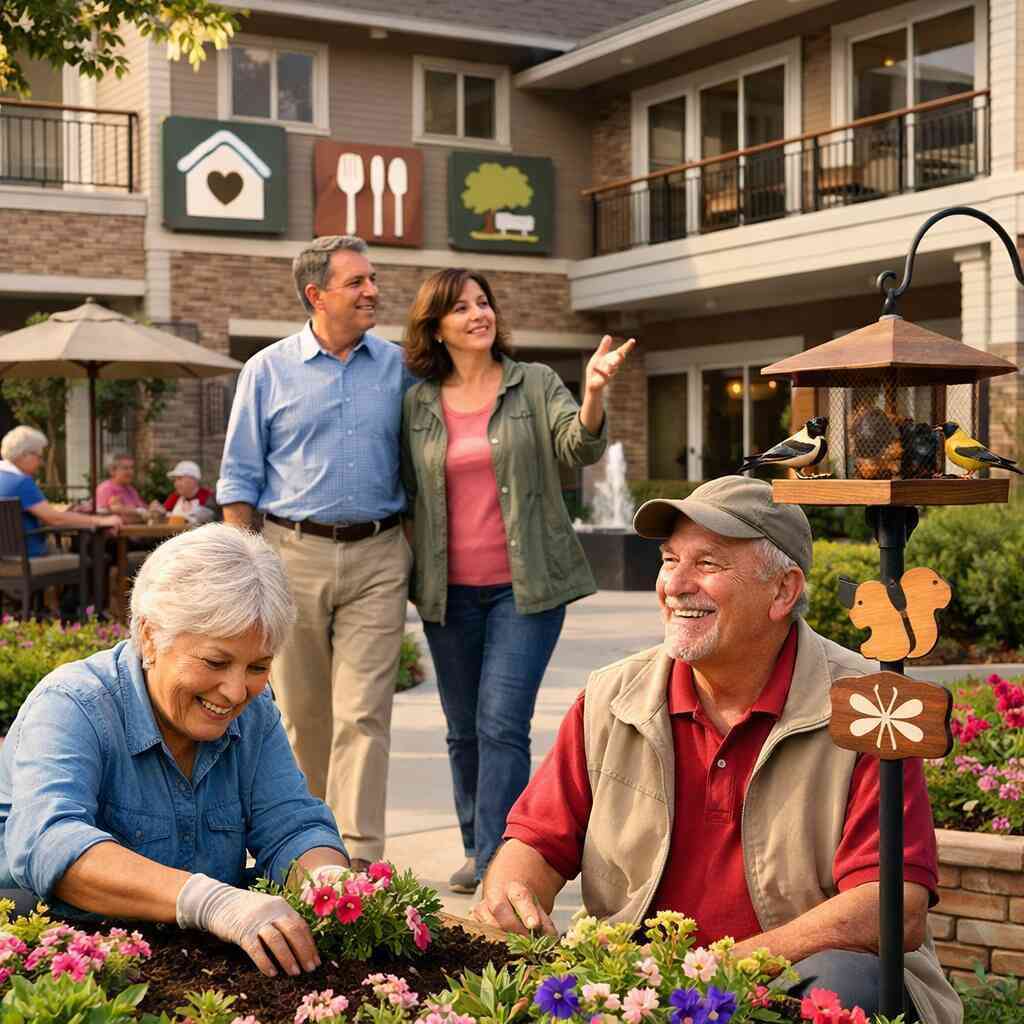
A fulfilling social life is essential for cognitive and emotional well-being. When evaluating social activities for seniors, look for a calendar that offers variety, choice, and opportunities for meaningful engagement. Does the program include physical fitness classes, creative arts, educational lectures, and group outings? Inspect the recreational facilities, such as libraries, craft studios, gardens, and fitness centers, to see if they are well-equipped and inviting. Most importantly, observe current resident engagement during activities. Are participants actively involved and interacting, or do they appear passive or disinterested? A robust activities program should cater to different interests and ability levels, fostering a sense of purpose and community belonging that enriches daily life.
Understanding Cultural, Spiritual, and Holistic Wellness Offerings
Modern senior living recognizes the importance of nurturing the whole person-mind, body, and spirit. Investigate the community’s approach to holistic wellness beyond traditional activities. Are there offerings for spiritual care, such as on-site religious services, meditation groups, or access to local clergy? Explore cultural programs that might include book clubs, music performances, or art appreciation. Many communities now integrate complementary wellness practices like yoga, tai chi, massage therapy, or pet therapy. These cultural and spiritual offerings provide residents with avenues for reflection, connection, and personal growth. A community that supports diverse paths to wellness demonstrates a deep understanding of individual needs and promotes a more enriching and balanced lifestyle for all.
Touring Common Areas, Outdoor Spaces, and Apartment Rentals
The physical tour is your opportunity to visualize daily life. When touring common areas, outdoor spaces, and apartment rentals, pay attention to both design and functionality. Common areas should be plentiful, comfortable, and conducive to both group gatherings and quiet conversation. Outdoor spaces like gardens, patios, and walking paths must be accessible, safe, and inviting. While inspecting senior apartment rentals, consider layout, storage, natural light, and safety features like bathrooms. Can the space be personalized with familiar furniture and decor? Imagine navigating the apartment and community with potential mobility aids. The ease of moving between private and communal spaces significantly impacts a resident’s sense of independence and freedom. A well-designed environment empowers residents to live fully.
Securing Your Future: Practicalities, Policies, and Partnership
The final phase of evaluation addresses the crucial practicalities that secure a stable and predictable future. This involves transparent financial discussions, a clear understanding of legal agreements, and an assessment of how the community partners with families. These elements ensure there are no unexpected surprises after move-in and that the relationship is built on trust and clear communication. Thoroughly reviewing these details protects your investment and ensures the chosen community can be a long-term home. This step transforms a good choice into a secure and sustainable one.
Demystifying Costs, Fee Structures, and Assisted Living Plans
Financial clarity is essential for long-term planning. Begin by demystifying costs and fee structures, requesting a detailed, written breakdown of all monthly charges. Understand exactly what is included in the base rate for housing options for seniors and what is considered an extra fee for specific services. For assisted living, scrutinize the different assisted living plans offered-what level of personal care does each tier provide, and how are upgrades handled? Inquire about the history of annual fee increases to forecast future expenses. Be sure to ask about policies regarding payment if funds are depleted and what happens if a higher level of care is needed. Transparent and detailed financial explanations are a key indicator of a community’s integrity and respect for residents and families.
Understanding Contracts, Services, and Included Amenities
Before signing any agreement, you must achieve a complete understanding of senior living contracts. This legally binding document outlines the rights and responsibilities of both the resident and the community. Review it meticulously, preferably with a legal or financial advisor familiar with elder care agreements. Pay close attention to clauses about discharge policies, refund conditions, and arbitration agreements. Cross-reference the contract with marketing materials to ensure all promised services and included amenities are explicitly listed. Clarify policies on topics like guest stays, pet ownership, and transportation services. A reputable community will encourage this review and answer all your questions patiently. Comprehensive knowledge of the contract prevents future misunderstandings and establishes a solid foundation for your partnership.
Evaluating Family Communication and Move-In Support Protocols
A strong community views families as essential partners in care. Therefore, evaluating family communication protocols is a critical step. Ask how the facility routinely updates families about a resident’s well-being-is there a designated contact person, a family portal, or regular care conferences? Inquire about the process for addressing concerns or complaints. Furthermore, assess the support provided during the transition. A well-structured move-in process reduces stress for everyone. Does the community assign a staff member to help coordinate the move and orient the new resident? Understanding these support systems reveals how the community fosters a collaborative relationship. Open, proactive communication is the glue that builds trust and ensures continuity of care between the family and the care team.
Future-Proofing Your Choice: Assessing Adaptability and Long-Term Viability
The final consideration is perhaps the most strategic: ensuring your choice can adapt alongside your loved one’s evolving needs. Future-proofing senior housing choices involves asking forward-looking questions about the community’s own viability and flexibility. If you are moving into an independent living community, what is the process for transitioning to assisted living or memory care within the same campus, if needed? Is priority given to existing residents? Investigate the financial health and ownership stability of the organization to gauge its long-term viability. Also, consider how the community itself innovates-does it regularly update its facilities and programs to meet modern standards? Choosing a community with a clear continuum of care and a forward-thinking mindset provides invaluable security and peace of mind for the years ahead.
Conclusion
Evaluating a senior living facility is a profound journey that blends practical scrutiny with emotional insight. By methodically navigating the modern landscape, inspecting foundational operations, assessing the lived experience, and securing the practical future, you empower yourself to make a truly informed decision. This process ensures the chosen community is not just a building, but a vibrant, safe, and caring home where your loved one can thrive. The right community will welcome your questions, demonstrate transparency at every turn, and make you feel confident in your choice.
Let Senior Living Facilities Guide Your Journey
You don’t have to navigate this important search alone. Our platform is designed to simplify every step, helping you find and compare senior living communities that align with your specific criteria for care, location, and lifestyle. We provide the tools and resources you need to feel confident and supported. Begin your search today by exploring senior living facilities near you, and take the first step toward finding a perfect new chapter for your family.
Frequently Asked Questions
Question: How can Senior Living Facilities help me with evaluating senior living facilities and choosing a senior living community in 2026?
Answer: Senior Living Facilities is your dedicated partner in navigating the modern senior living landscape. Our platform simplifies the entire process of evaluating senior living facilities by providing a comprehensive database and tools that align with the latest standards. We help you compare assisted living plans, assess long-term care options, and understand costs and fee structures across communities in all 50 states. By using our assisted living locator, you can filter by care level, location, and amenities, making it easier to apply a detailed senior living facility checklist. We connect you directly with communities so you can ask the right questions to senior living staff about safety features, staff-to-resident ratios, and technology integration in care. Our goal is to empower you with information, turning the overwhelming task of choosing a senior living community into a confident, informed decision.
Question: What are the most critical things to look for when touring senior communities and inspecting senior apartment rentals?
Answer: When touring senior communities, a foundational inspection is key. First, go beyond the model unit and inspect available senior apartment rentals for layout, safety features, natural light, and storage. Second, evaluate community cleanliness and upkeep in common areas, dining rooms, and hallways. Third, actively assess critical safety features and emergency response systems, such as call systems, well-lit pathways, and grab bars. Fourth, observe staff-to-resident ratios and how caregivers interact with residents-this is a major quality indicator. Finally, assess the overall ambiance and resident satisfaction. Does the environment feel like a vibrant home? Senior Living Facilities helps you prepare for these tours by providing detailed community profiles and checklists, ensuring you know exactly what to look for in assisted living and independent living communities, from recreational facilities to outdoor spaces.
Question: Why is checking state licensing and recent inspection reports so important, and how can you help?
Answer: Checking state licensing and inspections is a non-negotiable first step in evaluating senior living facilities for operational integrity. These reports reveal a community’s compliance with safety, care, and administrative standards, offering an unbiased look behind the marketing. A facility with serious or unresolved citations may pose risks. At Senior Living Facilities, we emphasize this crucial due diligence. While we provide direct connections to communities, we also guide you on how to request and interpret these reports. We encourage you to ask communities for their latest inspection results during your evaluation. Our platform helps you identify reputable senior living facilities, nursing homes for the elderly, and assisted living locations that prioritize transparency, giving you confidence as you assess long-term care options and future-proof your housing choices for seniors.
Question: How do I understand the different care levels for seniors and compare assisted living plans effectively?
Answer: Understanding care levels for seniors-from independent living to memory care services-is essential for matching services to needs. It involves evaluating personalized assistance protocols, medication management, and on-site medical care availability. Comparing assisted living plans requires scrutinizing what’s included in the base rate versus extra fees, and how care is adjusted over time. Senior Living Facilities makes this complex task manageable. Our platform allows you to filter and compare communities for seniors 55+ based on specific care services, activities, and costs. We provide clear outlines of services so you can assess what each assisted living plan includes, ask informed questions about care transitions, and ultimately find a senior living community that offers the right level of support, ensuring dignity and quality of life for your loved one.
Question: Can you help with evaluating the lived experience, like dining programs and social activities for seniors?
Answer: Absolutely. Evaluating the lived experience-assessing dining and nutrition programs, social activities for seniors, and holistic wellness offerings-is where a building becomes a home. Senior Living Facilities provides detailed insights into these qualitative aspects. Our community profiles highlight culinary programs, activity calendars, cultural offerings, and recreational facilities. We guide you on what to observe: sample a meal, see if residents are engaged in activities, and tour common areas to gauge the social atmosphere. By helping you compare these features across housing options for seniors, we ensure you find a community where your loved one can thrive, not just reside. This focus on daily life complements the practical checks, helping you find a seniors living community that fosters connection, enjoyment, and overall well-being.
Question: What practical support do you offer for understanding contracts and the move-in process?
Answer: Navigating the final practicalities is crucial for a secure transition. Senior Living Facilities supports you in understanding senior living contracts, included amenities and services, and evaluating family communication protocols. We advise on key contract clauses to review, such as fee increases, discharge policies, and refund conditions. Furthermore, we help you assess a community’s move-in process and support protocols, ensuring a smooth transition. Our platform connects you directly with community representatives who can provide detailed contract explanations and outline their support steps. By facilitating these conversations, we help you build a partnership based on transparency and trust, securing your choice and ensuring the senior living facility you select is a sustainable, caring home for the long term.
Admin
Expert contributor specializing in senior living care. Dedicated to providing families with clear, actionable advice.