
Navigate Hospice Decisions with Senior Living Facilities
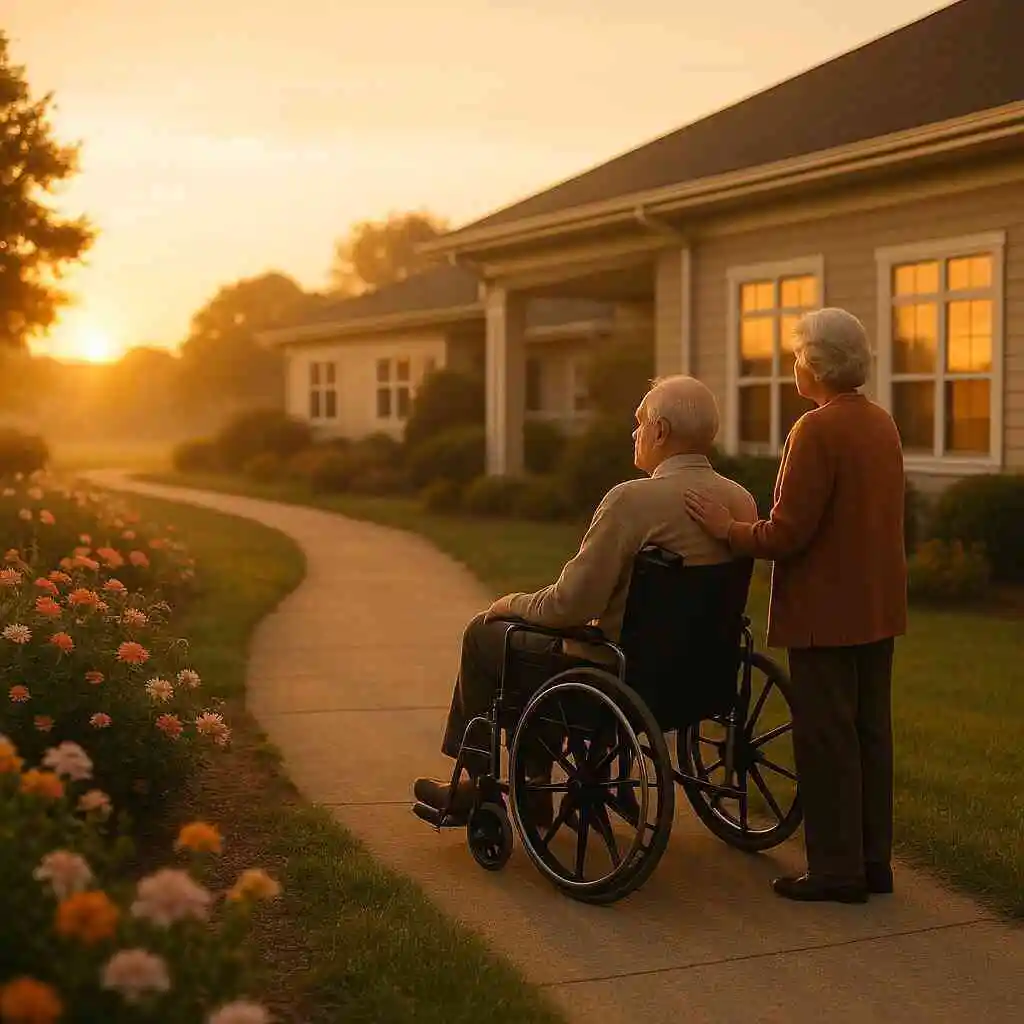
Opening the Door to Compassionate Choices
Understanding Hospice Care in Senior Living Communities
Hospice care plays a vital role in senior living communities by providing compassionate end-of-life care options tailored to individual needs. It focuses on enhancing the quality of life for seniors facing a life-limiting illness. In senior living settings, hospice care brings medical support, emotional comfort, and spiritual enrichment to both residents and their families, bridging the essential gap between clinical care and empathetic support. By integrating seamlessly into the routine of senior living facilities, hospice care ensures that residents receive the necessary medical attention while remaining in a comfortable, familiar environment.
The integration of hospice care into senior living communities reflects a holistic approach to eldercare. It facilitates a supportive network involving physicians, nurses, and hospice specialists who collectively prioritize the resident’s physical, emotional, and spiritual well-being. This collaborative engagement is pivotal in creating a nurturing environment where every senior feels valued and respected as they journey through their later years.
The Role of Hospice in Enhancing Quality of Life
Hospice care significantly enhances quality of life by focusing on comfort rather than cure. It prioritizes patients’ needs for dignity, respect, and compassionate care. Hospice services provide an array of benefits, including pain management, symptom control, and emotional support for both residents and their families. This comprehensive approach ensures that seniors can spend their remaining time with as much comfort and dignity as possible.
In senior living facilities, hospice plays an integral role by coordinating care plans that combine medical expertise, personalized attention, and essential emotional support. The holistic nature of hospice care reflects a commitment to improving the overall experience for residents, allowing individuals to live their remaining days to the fullest, surrounded by compassionate caregivers who understand their unique needs and preferences.
Navigating Emotional and Practical Considerations
Deciding on hospice care involves addressing both emotional and practical considerations that affect families profoundly. The path toward end-of-life care is filled with critical decisions that require careful deliberation. Families are often confronted with a wide range of emotions – from uncertainty and fear to acceptance and relief – as they seek the right solution for their loved ones.
Multigenerational support for families is essential in this process, helping them manage stress and make informed decisions. Senior Living Facilities offers resources and expert guidance to ensure families are equipped with the information they need to make compassionate choices. A meaningful support system and professional guidance can ease the burden of these decisions, allowing families to focus on the well-being of their loved ones with confidence.
Mapping the Path: Hospice Care Planning and Coordination
Choosing Hospice Services: Key Factors to Consider
Choosing the right hospice services requires careful examination of several key factors. Families must consider the level of care, the availability of specialized services, and the experience and reputation of hospice providers. Reviewing top strategies for choosing senior living facilities can help ensure that services align with the medical and emotional needs of the resident and meet high-quality standards.
Understanding the types of services offered – such as medical care, counseling, and support for family members – can significantly shape the patient’s overall hospice experience. Families should seek out facilities that prioritize personalized care plans tailored to the unique needs of their loved ones, ensuring a compassionate and supportive environment that fosters dignity and peace.
Hospice Care Options: Tailoring to Individual Needs
Hospice care offers diverse options to meet the individual needs of seniors through personalized care plans that address specific health conditions and personal preferences. Hospice care options in senior living are versatile enough to accommodate various requirements, whether that means in-home hospice care or a dedicated hospice facility within a senior living community.
Customization of hospice services is crucial in providing optimal care. This level of personalization ensures that seniors receive appropriate medical attention, emotional support, and daily living assistance. Tailoring hospice care to individual needs encompasses everything from pain management to spiritual counseling, all aimed at improving the patient’s quality of life and easing their transition through this critical phase.
Collaboration Between Hospice and Senior Living Facilities
Effective collaboration between hospice services and senior living facilities is vital in delivering seamless care to residents. This partnership allows for optimized care coordination, ensuring that medical treatments, social engagement, and emotional support are well-integrated into each resident’s daily routine.
Dedicated hospice professionals work closely with senior living staff to develop comprehensive care plans that address every aspect of a resident’s well-being. This teamwork ensures that residents receive consistent attention and that their needs are effectively met, promoting a harmonious living environment. It also creates a network of trust and communication that is essential for delivering compassionate, high-quality hospice care.
The Distinction Between Hospice and Palliative Care
Understanding the difference between hospice versus palliative care is essential for end-of-life care planning. While both hospice and palliative care focus on providing comfort and relief from pain and symptoms, there are meaningful differences in their application. Hospice care is specifically for patients nearing the end of life who have chosen to forgo curative treatments, emphasizing quality over quantity of life.
In contrast, palliative care can be provided at any stage of a serious illness alongside curative treatments. Recognizing these differences helps families and care providers determine which type of care best suits their loved one’s needs. This clarity supports more informed decision-making, allowing families to select care paths that align with their priorities and the patient’s wishes.
Empowering Families and Seniors Through Informed Decisions
Hospice Care Benefits: Beyond the Basics
Hospice care goes beyond the basics by addressing the multifaceted needs of patients in senior living communities. Among the most significant hospice care benefits is the comprehensive support system it provides, encompassing medical, emotional, and spiritual care tailored to each individual’s unique circumstances. Hospice care equips families and patients with the resources needed to manage advanced illness conditions, alleviating the burden of caregiving stress.
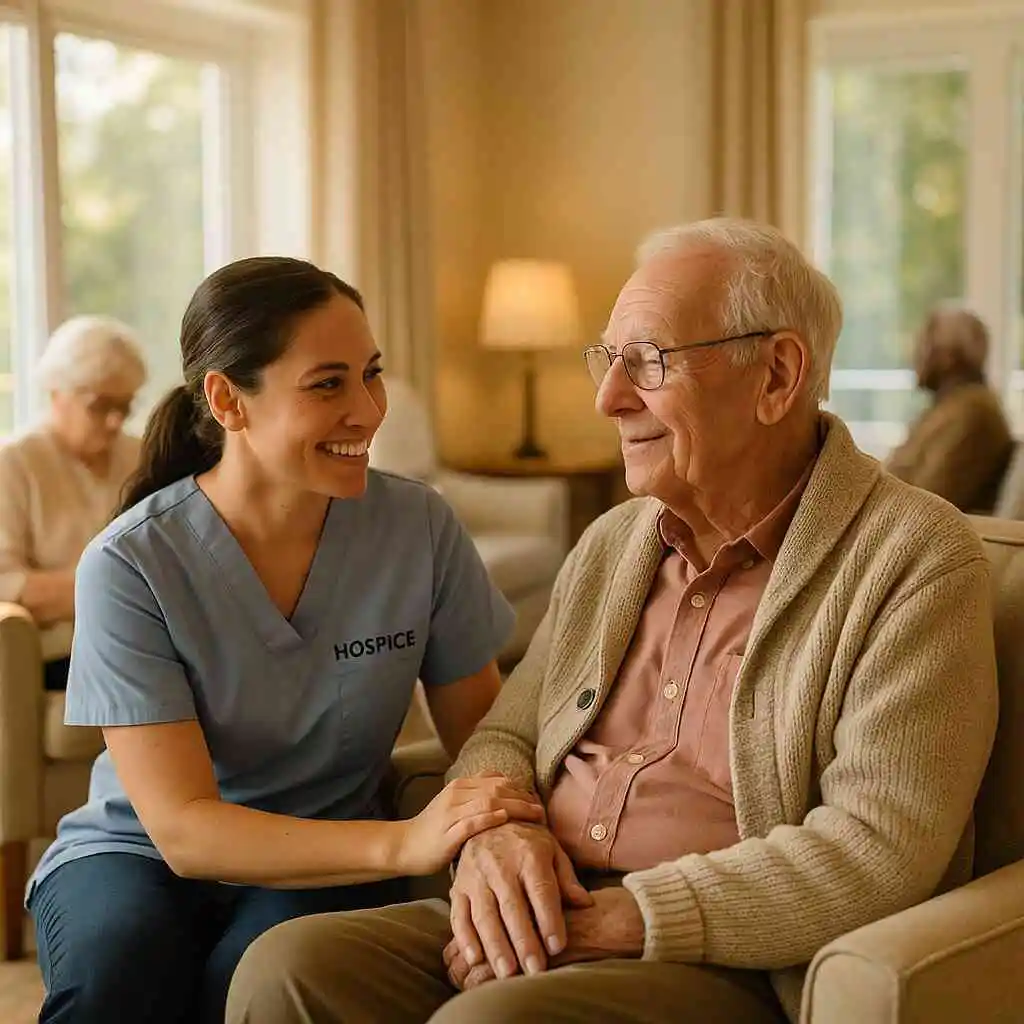
Hospice services also empower patients by honoring their preferences for the end-of-life journey, whether those involve specific cultural traditions, religious practices, or personal choices regarding their care. This component of hospice care ensures that patients maintain a sense of autonomy and dignity, significantly enhancing their quality of life during their final days. These benefits make hospice care invaluable in transforming the end-of-life experience into one marked by compassion, dignity, and comfort.
Support Systems for Families: Emotional and Practical Guidance
For many families, the end-of-life care process involves addressing complex emotions alongside logistical challenges. A robust support system that provides both emotional and practical guidance is essential, helping families understand the nuances of hospice care and make confident, informed decisions. Emotional support – often delivered by trained counselors and support groups – helps families come to terms with their loved one’s journey, fostering acceptance and resilience.
Practical guidance can include educational resources on hospice care processes, legal and financial advice, or coordination with medical staff to ensure smooth transitions. This dual-layered support system empowers families to engage with hospice care confidently, equipping them with the knowledge needed to advocate for their loved ones in a compassionate and informed manner. Resources like the guide to evaluating care plans at senior living facilities can be especially useful during this process.
Engaging with Hospice Care Professionals: Building Trust and Understanding
Engaging with hospice care professionals is a crucial step in building trust and gaining a thorough understanding of the care process. These professionals – including doctors, nurses, and counselors – are skilled in providing specialized care while also addressing the emotional and spiritual needs of patients and families. Their expertise is invaluable in guiding families through the hospice journey, offering reassurance and clarity at every stage.
Relationships built on trust foster open communication, allowing families to express concerns, ask questions, and make informed decisions with confidence. Hospice care professionals provide transparent information about treatments, progress, and expectations, creating a foundation on which families can make compassionate and respectful choices. This relationship ultimately enhances the hospice care experience, ensuring that every patient is treated with dignity and empathy.
Resources for Ongoing Hospice Care Education and Support
Ongoing education and support play a significant role in empowering families and seniors to make informed choices about hospice care. Access to long-term care quality resources ensures that families stay informed about current practices, emerging trends, and available services. This knowledge enables them to evaluate care options critically and advocate effectively for their loved ones.
Support resources include workshops, online courses, and informational materials provided by hospice organizations and senior living facilities. These tools not only deepen understanding but also offer emotional support and guidance throughout the hospice care process. By arming families and patients with comprehensive information, they can manage the complexities of hospice care with competence and assurance, supporting a holistic approach that prioritizes compassion and dignity.
Embracing the Journey: Concluding Thoughts on Hospice Decisions
Reflecting on the Impact of Compassionate Hospice Care
Reflecting on hospice care’s impact reveals a profound transformation in the end-of-life experience. Hospice care redefines how we perceive and approach this critical journey, turning it into one of dignity, comfort, and compassion. It creates a supportive environment for both patients and their families, allowing them to focus on meaningful moments together rather than solely on medical details.
Through its comprehensive approach, hospice care addresses physical, emotional, and spiritual needs, ultimately enhancing quality of life. It offers relief from pain, provides a sanctuary of understanding and empathy, and cultivates a space where love and connection can flourish despite the challenges of saying goodbye. This lasting impact resonates deeply with families, leaving them with cherished memories of a compassionate and dignified journey.
Future Trends in Hospice Care within Senior Living Communities
The future of hospice care within senior living communities will be shaped by ongoing innovations and evolving priorities. With advances in medical technology and shifting societal attitudes toward death and dying, hospice care is poised for significant growth and adaptation. Future trends in senior living may include increased emphasis on personalized care plans, the integration of advanced telemedicine solutions, and stronger community connections.
A growing awareness of the psychological and spiritual dimensions of hospice care is also likely to emerge, prompting a more holistic approach to end-of-life services. Understanding these trends helps families and seniors make informed decisions, ensuring they select services that align closely with their evolving needs and expectations.
Continuing the Conversation: Encouraging Open Dialogue
Encouraging open dialogue about hospice care is crucial for demystifying end-of-life decisions and fostering a culture of understanding and compassion. Open conversations reduce the stigma surrounding hospice care and invite more transparent discussions among families, patients, and care providers. By embracing open dialogue, families can explore all available options, make informed decisions without fear or hesitation, and ensure that the wishes of their loved ones are honored.
Creating opportunities for education and discussion through community forums, workshops, and online platforms empowers families to engage with the topic openly and constructively. This continued conversation about hospice care not only informs and educates but also unites people around shared experiences and emotions, leading to a more compassionate society where end-of-life care is respected, valued, and approached with dignity and empathy.
Frequently Asked Questions
Question: How does Senior Living Facilities help families make informed hospice care decisions?
Answer: Senior Living Facilities assists families in making end-of-life care decisions by providing comprehensive resources on hospice care options. Our platform allows families to easily compare various hospice care facilities and services available across the United States. We emphasize compassionate hospice care that enhances quality of life for seniors. By offering detailed information about each facility’s services and levels of care, we streamline the process of choosing hospice services that align with the resident’s medical needs and personal preferences.
Question: What role does Senior Living Facilities play in coordinating hospice care within senior living communities?
Answer: Senior Living Facilities plays a pivotal role in hospice care coordination by connecting families with senior living communities that integrate hospice services seamlessly. Our platform provides an overview of facilities that offer collaborative care environments where hospice care specialists work closely with senior living staff. This partnership ensures comprehensive care plans are developed to address residents’ medical, emotional, and social needs, promoting a harmonious and supportive living environment.
Question: How does the blog title ‘Navigate Hospice Decisions with Senior Living Facilities’ reflect the guidance offered on your platform?
Answer: The blog title ‘Navigate Hospice Decisions with Senior Living Facilities’ encapsulates our mission to empower families with the information and support necessary to make compassionate end-of-life care choices. Our platform serves as a guide for families through the sensitive and often complex process of selecting hospice care options. We provide expert guidance, educational resources, and direct connections to senior living communities, ensuring each decision is informed and aligns with loved ones’ personal and caregiving needs.
Question: Can Senior Living Facilities help families understand the distinction between hospice care and palliative care?
Answer: Absolutely. Senior Living Facilities offers clear explanations and resources to help families differentiate between hospice and palliative care. Understanding this distinction is crucial for making informed decisions, as highlighted in our Senior Living Facilities: The Difference Between Care Levels. Hospice care focuses on providing comfort during the final stages of life, prioritizing quality of life over curative treatments. In contrast, palliative care can be provided alongside curative treatments at any stage of a serious illness. Our platform includes guides and professional insights to help families decide which care path best aligns with their loved one’s needs and circumstances, as further explained in our Ultimate Guide to Understanding Assisted Living.
Question: How does Senior Living Facilities support families emotionally during the hospice care decision process?
Answer: Senior Living Facilities recognizes the emotional challenges associated with hospice care decisions. We offer a strong support system that includes access to professional counselors, support groups, and community forums providing both emotional and practical guidance. This support helps families manage the stress associated with end-of-life care decisions. By fostering open communication and providing educational resources, we ensure families feel supported and informed throughout the hospice care journey.
Admin
Expert contributor specializing in senior living care. Dedicated to providing families with clear, actionable advice.