
Senior Living Facilities Forecast Resident Care Needs 2026
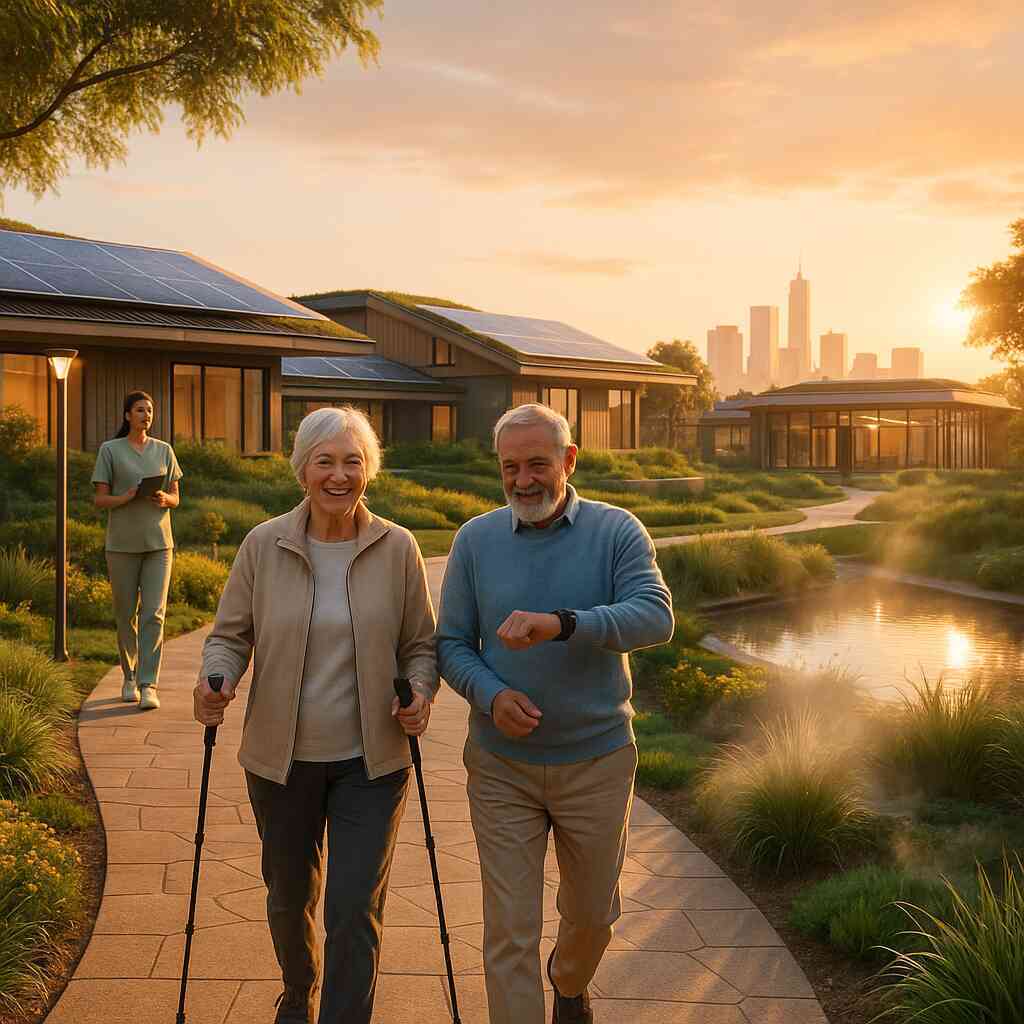
Navigating the Horizon of Resident Care in Senior Living Facilities
The demographic swell shaping tomorrow’s seniors
Every sunrise, a larger wave of older adults enters the spotlight of American life. The post-war generation now transforms the very fabric of senior housing demand. People live longer and remain active, yet they eventually need graduated support. This longevity surge challenges every senior living facility to rethink capacity, design, and services. Forward-looking operators analyze birth cohorts and migration patterns rather than only census snapshots. Consequently, planning moves beyond beds to holistic ecosystems fostering purpose and autonomy.
Diversity within this aging cohort also accelerates. Seniors differ by culture, income, family structure, and digital fluency. Housing options for seniors must respect multilingual programming and cuisine as much as mobility aids. Communities for seniors 55+ that embrace choice will outperform homogenous campuses. Seniors expect rental housing for seniors that feels like boutique apartments, not institutional corridors. Meeting that expectation starts with listening early and forecasting relentlessly.
Demographers project that multistate relocations will surge as retirees chase affordability and grandchildren. Families already use our national senior housing directory to preview options before packing a single box. Search data shows particular interest in senior living in the state of sunshine and mild winters. But even colder regions attract grandparents wanting year-round proximity to close knit families. Flexible campus footprints will therefore appear nationwide, mirroring migratory patterns rather than opposing them.
The strategic shift from reactive to predictive care
Historically, many providers reacted only after a resident fell or an illness progressed. That mindset now feels outdated and costly. Predictive analytics in senior care flips the script by flagging subtle risk patterns early. Wearable sensors, electronic records, and voice assistants feed algorithms that spot hydration dips or gait changes. Staff then intervene gently, preventing emergency transfers and preserving independence. Resident care forecasting has become the new must-have competency, not a luxury experiment.
The same datasets shape smarter rosters. Occupancy forecasting models align nurse coverage with expected acuity peaks, reducing burnout. Leading operators consult benchmarks like data-driven staffing for Ohio senior homes when refining shift patterns. Transparent scheduling also boosts retention because caregivers finally see fairness in assignments. Ultimately, predictive staffing supports both fiscal health and clinical excellence.
Regulators encourage this evolution toward anticipation. Surveyors already request evidence that each long-term care facility reviews its algorithm outputs weekly. Operators who document their data governance gain trust and quicker licensure approvals. Families appreciate the accountability, translating compliance into marketing strength. Proactive leaders therefore treat governance as strategic branding, not paperwork.
How data-empowered communities redefine the senior living near me search
Modern families start their journey on a smartphone, not by driving from campus to campus. They type seniors living near me and expect instantaneous, personalized guidance. Data-empowered communities deliver that promise through enriched profiles, virtual tours, and live care metrics. Prospects compare assisted living plans, daily living activity supports, and resident satisfaction scores in minutes. Transparency shortens decision timelines while elevating expectations for every provider.
On our platform, users simply search assisted living options near your zip and filter by lifestyle priorities. They might seek tech-enabled assisted living with smart home monitoring for falls prevention. Others crave intergenerational programming or expansive gardens for therapy walks. Because listings pull real-time occupancy and pricing, families avoid outdated surprises on arrival. This digital clarity makes a moving day less stressful and more celebratory.
Communities also leverage these insights to refine marketing spend. If search data shows interest in memory care layout best practices, operators can spotlight renovations instantly. Feedback loops between online behavior and on-site programming promote continuous improvement. The result is a seniors living community ecosystem where informed choice drives healthy competition. Ultimately, empowered consumers elevate the entire continuum of care.
From Data Lakes to Daily Care Predictive Analytics Reshaping Senior Housing
Building occupancy forecasting models for staffing precision
Forward-thinking senior living facilities translate raw admission data into powerful resident care forecasting dashboards. Interactive heat maps highlight seasonal move-in surges, while predictive analytics in senior care quantify likely acuity shifts. Administrators then sync data-driven staffing models with payroll systems, guaranteeing enough licensed nurses without costly overtime. During planning meetings, leaders review the latest 2026 occupancy forecast trends to verify that scheduled coverage matches projected census. This proactive cadence prevents chaotic call-outs, bolsters morale, and safeguards clinical outcomes.
Once the model flags a potential census spike, department heads coordinate cross-training and float pools. Human resources can recruit ahead of need, guided by nurse-to-resident ratio standards by state and community benchmarks. As a result, each senior’s living community sustains continuity of care, even when complex conditions intensify. Families notice consistent faces, reinforcing trust and supporting positive reviews on every senior living near me search. Precise staffing therefore becomes both a quality metric and a marketing asset.
Integrating remote patient monitoring for seniors into routine assessments
Senior apartment rentals increasingly embed Bluetooth-enabled scales, pulse oximeters, and fall-detecting wearables. These devices feed centralized data lakes that clinicians review alongside traditional vitals, creating a holistic stream of remote patient monitoring for seniors. When algorithms highlight deviations-such as subtle nocturnal heart rate rises-nurses schedule same-day check-ins rather than waiting for emergent symptoms. This continuous loop supports aging population healthcare strategies that favor prevention over hospitalization.
Importantly, actionable alerts only reach caregivers authorized within HIPAA-secure dashboards. Such guardrails reduce alarm fatigue and uphold privacy while empowering rapid intervention. Consequently, resident safety improves, and long-term care facility planning gains a real-time pulse on community health. Integrated monitoring also enriches family portals, allowing loved ones to see proactive wellness programs for older adults in action. Transparent sharing transforms anxiety into assurance.
Personalized care plans for chronic disease management in senior housing
Artificial intelligence now aligns pharmacy data, diet logs, and lab trends into adaptive, personalized care plans for seniors. A resident living with diabetes receives meal suggestions, medication reminders, and strength-training prompts based on current glucose variation, not generic guidelines. Caregivers access these insights through tablets, ensuring consistent execution across every shift. Over time, the continuum of care approach minimizes complications and supports higher independence scores.
Furthermore, collaboration with dietitians and therapists enriches each plan, blending tech-enabled assisted living insights with human empathy. Residents participate in goal setting, boosting adherence and emotional investment. Because solutions adjust automatically when new comorbidities emerge, chronic disease management in senior housing becomes dynamic rather than static. The result is a measurable reduction in hospital readmissions and medication errors, reinforcing value-based senior housing options demanded by payers.
Regulatory compliance meets AI transparency in long-term care facility oversight
Regulators increasingly request proof that algorithmic tools governing resident care forecasting algorithms remain fair, explainable, and evidence-based. Senior living facility leaders therefore embed governance modules that log every predictive rule change and its clinical rationale. When surveyors arrive, administrators can demonstrate how resident care forecasting algorithms prioritize fall risk without bias, satisfying evolving oversight requirements. Transparent audit trails also reassure residents that technology enhances, rather than replaces, compassionate human judgment.
In parallel, ethics committees review data sources, consent procedures, and output accuracy quarterly. Such diligence protects against over-reliance on black-box models and aligns operations with national guidelines for healthcare delivery for older adults. By marrying AI transparency with rigorous documentation, communities transform regulatory compliance into a competitive differentiator. Families seeking senior living near you gain confidence, knowing their loved ones thrive within a responsibly governed, future-ready environment.
 Designing Communities That Adapt Human-Centered Innovation in Assisted Living
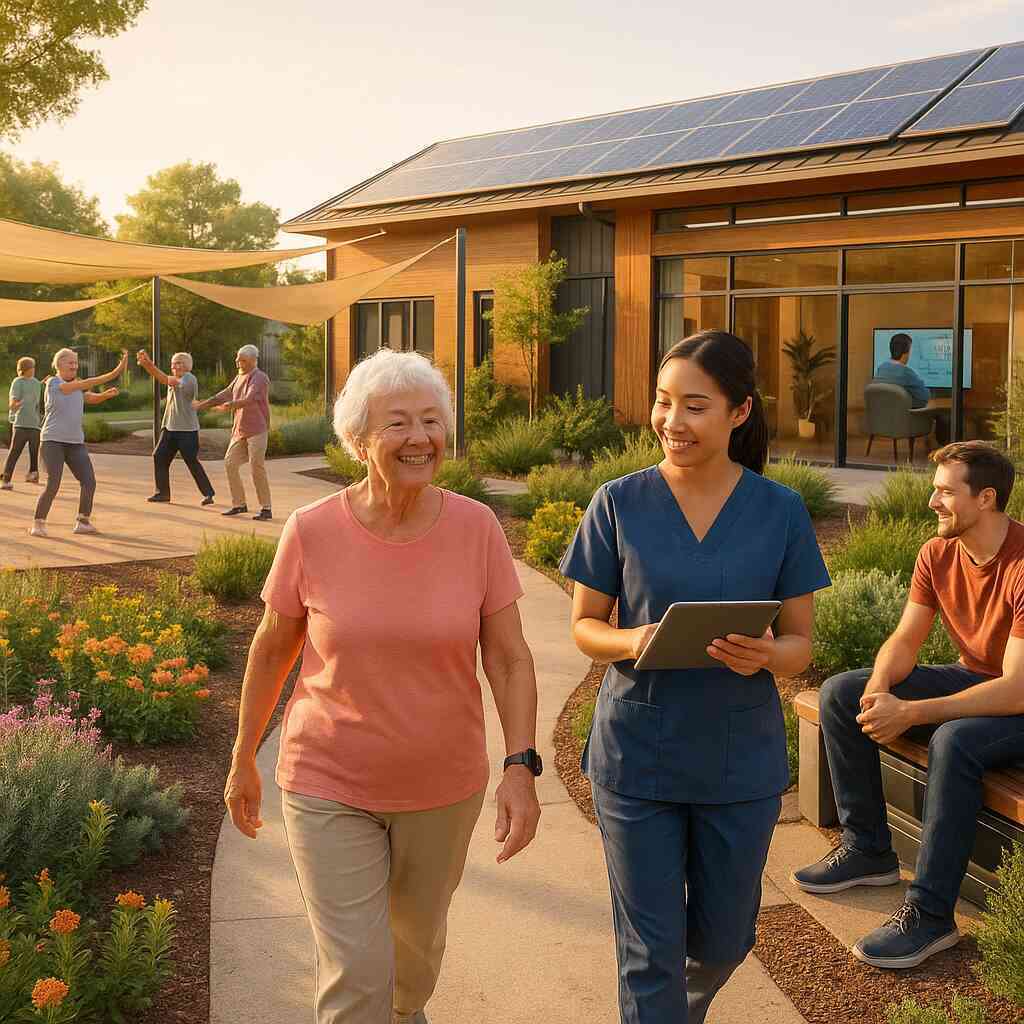 Designing Communities That Adapt Human-Centered Innovation in Assisted Living
Tech-enabled assisted living with smart home monitoring for falls prevention
Falls remain a leading cause of avoidable hospitalizations among older adults, yet modern rentals now neutralize that threat. Motion-activated floor lighting guides nighttime navigation, while low-profile radar sensors detect unusual stillness. Once a potential tumble pattern emerges, resident care forecasting tools send discreet alerts instead of blaring alarms. Staff intervene quickly, preserving independence and morale. Families viewing the community’s smart tech adoption roadmap 2026 appreciate the evidence-based safeguards.
Moreover, integrated voice assistants remind residents to hydrate, stretch, and secure footwear before standing. Data flows into a shared dashboard that nurse managers review alongside vital signs. This continuum of care approach converts raw sensor inputs into actionable prevention. As usage grows, operators develop best-practice playbooks that other senior housing providers replicate. Consequently, tech-enabled assisted living transitions from novelty to industry standard.
Adaptive memory care solutions within the continuum of care settings
Memory loss progresses uniquely for every person, so flexible environments outperform fixed wings. Modular wall panels allow easy reconfiguration, creating intimate neighborhoods that reduce agitation. Color-coded cues guide navigation, while personalized shadow boxes anchor identity. When cognitive decline intensifies, staff can expand visual prompts without relocating residents, thereby minimizing trauma. Adaptive memory care solutions satisfy both clinical and emotional dimensions of dementia support.
Complementary programming also scales with acuity. Early-stage residents attend digital art classes, exercising neural pathways through creativity. Later, immersive projection rooms deliver calming nature scenes that lower behavioral disturbances. Care plans update in real time, courtesy of predictive analytics in senior care that flag emerging triggers. Such responsiveness aligns perfectly with long-term care facility planning principles championing resident dignity. Ultimately, lifelong engagement replaces passive custodial care.
Inclusive wellness activities for 55+ residents driving proactive wellness programs
Wellness now transcends gym access; it permeates every touchpoint of a seniors living community. Designers place indoor walking loops near cafés, encouraging incidental exercise during social visits. Community gardens double as therapy sites, offering sensory stimulation and fresh produce for nutritional workshops. Certified instructors lead Tai Chi sessions that improve balance, seamlessly complementing falls prevention technology. These inclusive wellness activities demonstrate proactive wellness programs for older adults in everyday action.
Data-driven staffing models confirm that participation rates rise when programs adapt to cultural preferences. Spanish-language Zumba classes, for example, attract newcomers who once felt overlooked. Surveys measure not only physical gains but also perceived purpose, a critical behavioral health metric. Insights then inform scheduling, eliminating underused slots and expanding popular offerings. The loop repeats, sustaining momentum and reducing preventable decline.
Intergenerational community design elevating social connection and behavioral health support
Isolation harms physical and cognitive health, so many housing options for seniors incorporate multigenerational spaces. Shared libraries host tutoring programs where retirees mentor students, fostering pride and intellectual stimulation. Co-located childcare centers invite spontaneous hallway greetings that brighten both age groups. Designing for such serendipity requires acoustic buffering, secure access points, and flexible furnishings that shift between play and lecture modes. The payoff appears in reduced depression rates and richer community narratives.
Behavioral health support extends beyond architecture. Social workers facilitate dialogue circles where teens teach smartphone tricks and elders recount historical events. These sessions strengthen digital fluency while preserving oral history. Clinical psychologists monitor group dynamics, ready to guide conflict toward constructive learning. As a result, senior living near you becomes a vibrant civic hub rather than a secluded enclave. Forward-thinking operators recognize that connection is preventive medicine, ensuring every resident thrives emotionally and socially.
Sustainable and Value-Driven Operations Future-Proofing Senior Living Facilities
Workforce development in elder care through data-driven upskilling
Senior living facilities cannot thrive without a confident, motivated workforce. Predictive analytics identify skill gaps months before they disrupt care. Administrators then schedule micro-learning sessions, pairing frontline aides with clinical educators. Upskilling paths align with resident care forecasting data, so each credential earned immediately improves outcomes. Moreover, transparent dashboards show staff how additional competencies translate into promotions and wage growth.
Data-driven staffing models also reduce burnout. Shift algorithms distribute high-acuity assignments evenly, honoring nurse-to-resident ratio standards by state. Cross-trained workers float seamlessly between independent living, assisted living plans, and nursing homes for the elderly. Consequently, continuity of care strengthens, and families perceive consistent quality. Senior Living Facilities highlights communities that publish workforce metrics, rewarding operators who invest in people.
Sustainable senior community design and affordability analysis
Designers embrace green materials, solar arrays, and drought-tolerant landscaping to create sustainable senior community design without sacrificing comfort. These initiatives lower operating expenses, helping rental housing for seniors remain affordable. Operators reinvest savings into programming, stretching budgets while enhancing resident happiness. Life-cycle costing models prove that eco-smart choices support long-term care facility planning goals. Therefore, environmental stewardship now aligns directly with fiduciary duty.
Affordability analysis extends beyond construction techniques. Market analysts compare local median incomes against fee structures, ensuring housing options for seniors remain accessible. Sliding scales, tax-credit financing, and bundled service packages close remaining gaps. Communities featured on Senior Living Facilities disclose cost transparency, allowing families to balance amenities with budgets. Clear data simplifies decisions and keeps occupancy high.
Integrated telehealth services powering value-based senior housing options
Integrated telehealth services connect residents with physicians, pharmacists, and therapists in minutes, reinforcing the continuum of care approach. Smart kiosks and wearable devices feed secure portals where clinicians adjust treatment plans instantly. This immediacy prevents costly hospital transfers and supports value-based senior housing options that reward preventive success. In addition, staff gain professional development as virtual rounds expose them to specialists nationwide. Everyone benefits from shared expertise.
Communities measure performance by routinely benchmarking telehealth quality in elder care. Metrics include response time, medication adherence, and resident satisfaction. Facilities analyzing these indicators alongside occupancy forecasting models spot emerging trends early. As standards rise, Senior Living Facilities showcases leaders, guiding families toward technology-forward senior living near you. Transparent scoring propels industry innovation.
Family engagement platforms fostering transparent person-centered care metrics
Modern families expect instant insight into daily living activity support, not quarterly newsletters. Engagement apps now stream dining menus, therapy schedules, and real-time mood check-ins to authorized relatives. This transparency nurtures trust and reduces anxiety about loved ones’ well-being. Moreover, person-centered care metrics visible on dashboards encourage healthy dialogue between caregivers and kin. When everyone shares the same data, alignment becomes natural.
Feedback also loops into continuous improvement cycles. If surveys reveal declining participation in proactive wellness programs for older adults, coordinators adapt within days. Analytics then confirm whether changes lift engagement, closing the gap between intention and outcome. Senior Living Facilities promotes communities that iterate openly, reinforcing accountability across the senior living market. Ultimately, shared information transforms customers into collaborative partners.
Charting Tomorrow: Turning Forecasts into Flourishing Senior Living Near You
 Charting Tomorrow: Turning Forecasts into Flourishing Senior Living Near You
Key takeaways for senior living facility leaders
Senior living facility executives now see resident care forecasting as essential, not optional. By harnessing predictive analytics in senior care, leaders anticipate acuity shifts and align resources before challenges escalate. Continuous data review informs staffing, capital improvements, and community engagement, forming a virtuous cycle of innovation. Additionally, transparent person-centered care metrics build trust with regulators and families, strengthening brand reputation. Finally, sustainable senior community design coupled with proactive wellness programs for older adults reduces long-term costs while elevating resident satisfaction.
Strategic agility also demands cross-department collaboration. Operations teams must translate data-driven staffing models into fair schedules that honor team well-being. Marketing specialists then share success stories, demonstrating how tech-enabled assisted living safeguards autonomy. Finance officers leverage these victories when negotiating with value-based insurers, proving measurable outcomes. When every department speaks the same analytical language, the entire senior living community advances confidently together.
Collaborative paths for families seeking senior living in their state
Families often begin with a simple senior living near me search, yet the options can feel overwhelming. A guided journey that compares housing options for seniors, assisted living plans, and nursing homes for the elderly eases that stress. Senior Living Facilities simplifies this exploration, offering side-by-side views of amenities, costs, and social opportunities. Interactive tools highlight how each community supports daily living activity supports, letting families match priorities quickly. Clear explanations of continuum of care approach ensure relatives understand future service escalation without relocation.
Direct collaboration with on-site teams further clarifies expectations. Virtual tours spotlight fall-prevention technology, while webinars explain personalized care plans for seniors managing chronic conditions. After narrowing choices, families schedule in-person visits to sense culture and evaluate behavioral health support for elders. During these visits, advisors discuss state regulations, including nurse-to-resident ratios, to enforce transparency. Such step-by-step engagement transforms anxiety into informed confidence, leading to smoother transitions for everyone involved.
Families researching warm climates often review future-ready elder housing in Florida because of its tax advantages and active-lifestyle culture. Meanwhile, others prioritize proximity to grandchildren, selecting communities near established school districts for intergenerational interaction. Regardless of geography, the platform encourages ongoing dialogue, enabling relatives to monitor person-centered care metrics from any device. This connectivity strengthens social connection while reinforcing accountability across the caregiving ecosystem. Ultimately, collaborative transparency turns decision-making into a shared triumph rather than a solitary burden.
Vision for resilient seniors living community ecosystems
The seniors housing landscape increasingly resembles an interconnected network rather than isolated campuses. Resilient ecosystems blend independent living, assisted lifestyles, and long-term care facility wings within one walkable neighborhood. Shared infrastructure supports scalable services, so residents remain rooted even as health needs evolve. Community gardens, maker studios, and telehealth suites coexist, fostering purpose throughout the aging journey. Because everything sits under one operational umbrella, data flows seamlessly, empowering real-time resident care forecasting and faster interventions.
Resilience also involves geographic diversification. Operators replicate successful models across multiple regions, adjusting layouts to local climate and culture. A desert campus may highlight shaded courtyards and tech-enabled senior care in Texas style energy systems, while a coastal site emphasizes hurricane-ready construction. Globally inspired yet locally grounded design inspires confidence among residents seeking stability. As these ecosystems mature, peer benchmarking encourages continuous refinement, lifting standards across the entire senior housing market.
Finally, a resilient vision honors environmental stewardship and social equity in equal measure. Solar arrays lower operating costs, freeing funds for scholarships that widen access to rental housing for seniors from varied income brackets. Inclusive wellness activities for 55+ residents celebrate cultural diversity, reducing isolation and enhancing behavioral health support. Engaged staff, empowered by workforce development in elder care, champion this mission daily. When technology, compassion, and sustainability converge, senior living facilities become thriving villages where older adults flourish with dignity and joy.
Frequently Asked Questions
Question: How does resident care forecasting on Senior Living Facilities help families pick the best senior living facilities for their loved ones?
Answer: Resident care forecasting combines occupancy forecasting models, predictive analytics in senior care, and real-time health data so you can see how well each community is prepared for tomorrow’s health needs-not just today’s census count. When you search for seniors living near me on our platform, every listing displays projected nurse-to-resident ratios, upcoming service expansions, and future care needs assessment scores. This transparency lets you match mom or dad with a seniors living community that can seamlessly shift from independent living to assisted living plans or even long-term care facility support without another move. Families gain confidence knowing the home they choose is already budgeting staff, technology, and space for the next stage of care.
Question: What kinds of predictive analytics tools are communities adopting ahead of 2026, and how does Senior Living Facilities verify those claims?
Answer: Leading providers now deploy remote patient monitoring for seniors, smart home monitoring for falls prevention, and data-driven staffing models that forecast acuity spikes weeks in advance. Our review team requests demo access to each community’s dashboards, examines regulatory compliance in senior care reports, and interviews clinical directors about algorithm performance. Only after those checkpoints do we tag a listing as tech-enabled assisted living on Senior Living Facilities. This vetting process protects families from marketing hype and keeps our nationwide directory of senior housing options for seniors accurate and trustworthy.
Question: The blog Senior Living Facilities Forecast Resident Care Needs 2026 mentions inclusive wellness activities for 55+ residents. How can I see if those proactive wellness programs for older adults are really happening near me?
Answer: Each community profile includes a live activities calendar that syncs with its family engagement platform. You will find data on class attendance, cultural programming, and behavioral health support for elders updated every week. Filter your senior living near you by searching by wellness index score to surface campuses with the highest participation in yoga, garden therapy, intergenerational events, and more. Because metrics are pulled straight from the provider’s scheduling software, you can rely on the numbers to reflect actual practice, not just planned offerings.
Question: How do integrated telehealth services and data-driven staffing models improve everyday safety for residents?
Answer: Integrated telehealth services allow physicians, pharmacists, and therapists to review vitals and medication data in real time, reducing hospital transfers and supporting value-based senior housing options. At the same time, staffing algorithms align caregiver schedules with predicted surges in chronic disease management in senior housing. The combination means quicker clinical responses, fewer delays in assistance with daily living activity supports, and a stronger continuum of care approach. Communities that achieve top performance earn a safety badge on Senior Living Facilities so families can spot them instantly during a senior living near me search intent session.
Question: Can sustainable senior community design really lower my costs, and how do I compare affordability across states on your site?
Answer: Yes. Solar arrays, efficient HVAC, and drought-tolerant landscaping cut utility expenses and maintenance overhead, allowing operators to keep rental housing for seniors competitive without sacrificing quality. Our affordability analysis tool pulls fee schedules, local median income data, and senior housing market trends from all 50 states. When you select seniors living in the state of your choice, side-by-side charts display monthly costs, care tier inclusions, and environmental certifications. This makes it easy to weigh green design benefits against budgets and long-term care facility planning goals before scheduling a tour.
Admin
Expert contributor specializing in senior living care. Dedicated to providing families with clear, actionable advice.