Senior Living Facilities Tech Trends Boosting Safety 2026
The Digital Frontier in Senior Living
The Intersection of Technology and Senior Care
In recent years, technology and senior care have converged to transform the landscape of senior living facilities. This convergence is reshaping how these communities operate, placing a high priority on the comfort and autonomy of residents. With innovations designed to address specific challenges faced by older adults, senior living communities are better equipped than ever to meet their unique needs. From smart home solutions to wearable health devices, technology is at the forefront of enhancing quality of life for seniors. Understanding how these advancements integrate with traditional care practices is essential, as they offer a new paradigm of support and engagement.
Why Safety Is Paramount in Senior Living Facilities
Safety remains a cornerstone of any senior living facility, influencing every decision from architectural design to daily operations. For seniors and their families, ensuring a secure environment is not merely a preference – it is a necessity. The vulnerability of seniors to illness and accidents makes robust safety protocols essential. Integrating technological innovations into these settings not only mitigates risks but also enhances the overall sense of security. Whether through smart home solutions for elderly residents or state-of-the-art emergency response systems, technology plays an indispensable role in achieving peace of mind for both residents and caregivers.
The Role of Technology in Enhancing Senior Safety
Technology is pivotal in redefining safety protocols within senior living facilities. It enables real-time health monitoring and facilitates immediate responses to emergencies. Senior care providers are increasingly leveraging advancements such as wearable devices and telehealth platforms to ensure continuous health supervision. Technologies like fall detection systems proactively safeguard residents against potential hazards, reinforcing a safety net that was previously unimaginable. These tools not only offer direct safety benefits but also improve communication between caregivers and healthcare providers, ultimately resulting in a more coherent and effective care strategy.
Innovative Technologies Redefining Senior Safety
Smart Home Solutions: A New Era of Independent Living
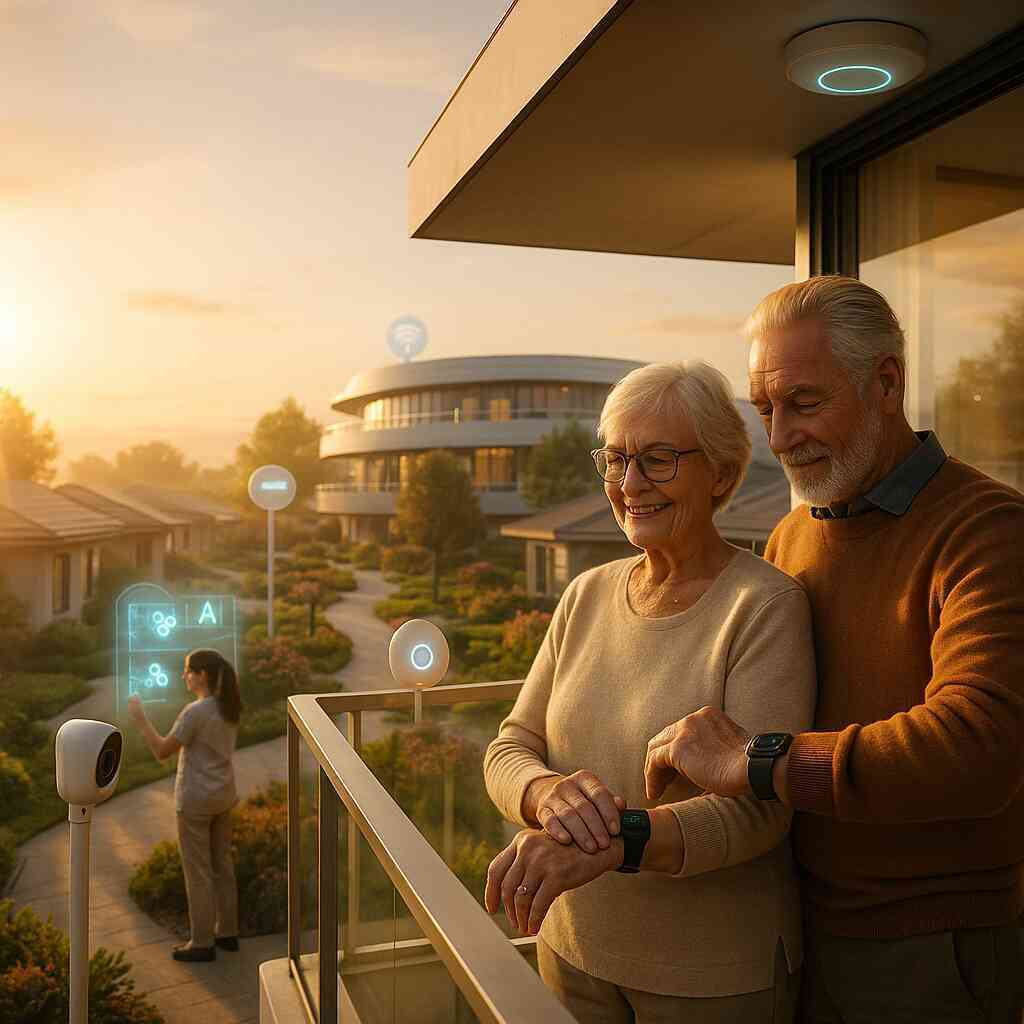
Smart home solutions are ushering in a new era of independent living for seniors. These technologies – ranging from automated lighting and temperature control to security systems – enhance convenience and safety. Smart appliances can remind seniors about medications or appointments, reducing reliance on constant supervision and encouraging independence. By customizing environments to match individual needs, these solutions foster both comfort and security. The adoption of smart home systems in senior living facilities reflects a significant shift toward technology-enhanced autonomy, empowering seniors to manage their living spaces while feeling safe and supported.
Wearable Health Devices: Monitoring Health in Real-Time
Wearable health devices have transformed how health is monitored among seniors, offering real-time insights into their well-being. These devices can track vital signs and physical activity, and even detect anomalies that may require medical attention. By providing continuous health monitoring, wearables allow for early detection of potential health issues, enabling timely interventions. This technology not only enhances the quality of care but also eases family concerns by keeping loved ones informed about a resident’s health. With these advancements, seniors are empowered to actively participate in managing their own health, paving the way for more proactive and preventive care strategies.
Fall Detection and Emergency Response: A Lifeline for Seniors
Fall detection and emergency response systems are crucial technological solutions that serve as a lifeline for seniors. Falls are a leading cause of injury among the elderly, making swift response systems critical. These devices use advanced sensors and machine learning algorithms to detect falls and immediately alert caregivers or emergency services. By minimizing response time, these technologies significantly reduce the risk of prolonged injury and complications. Implementing such systems in senior living facilities not only enhances resident safety but also provides families with reassurance that help is readily available when needed.
Telehealth and Remote Monitoring: Bridging the Gap in Care
Telehealth services for seniors and remote monitoring are pivotal in closing the gap between healthcare providers and senior residents. These technologies facilitate virtual consultations, reducing the need for physical visits and allowing healthcare professionals to maintain oversight from a distance. Remote monitoring systems can track chronic conditions, ensuring that seniors receive comprehensive and continuous care. This approach not only alleviates strain on traditional health care systems but also provides convenience and accessibility for seniors, fostering a more inclusive and effective healthcare ecosystem.
AI and Robotics: The Future of Assisted Living
AI and robotics in senior care are transforming the future of assisted living through automation and intelligent assistance. AI technology can personalize care by analyzing data to predict needs and optimize resource allocation. Robotics further assist by performing routine tasks, freeing caregivers to focus on more personal interactions. These technologies not only enhance operational efficiency but also ensure that residents receive tailored care. The integration of AI and robotics reflects an ongoing shift toward smarter, more responsive senior living environments that genuinely enhance the lifestyle and safety of residents.
The Future of Senior Living: Embracing Tech for Safety
IoT and Smart Sensors: Creating Safer Living Environments
The integration of IoT in senior apartments is revolutionizing safety measures within these communities. Smart sensors and connected devices allow for continuous, automated monitoring of both the environment and resident health. These systems can detect unusual activity – such as prolonged inactivity – and trigger immediate alerts, ensuring prompt responses to potential emergencies. By leveraging IoT, senior living facilities create interconnected environments that are not only safer but also more efficient. This technology-driven approach helps predict and prevent incidents before they occur, enhancing overall resident well-being.
Voice-Activated Technology: Empowering Seniors with Ease
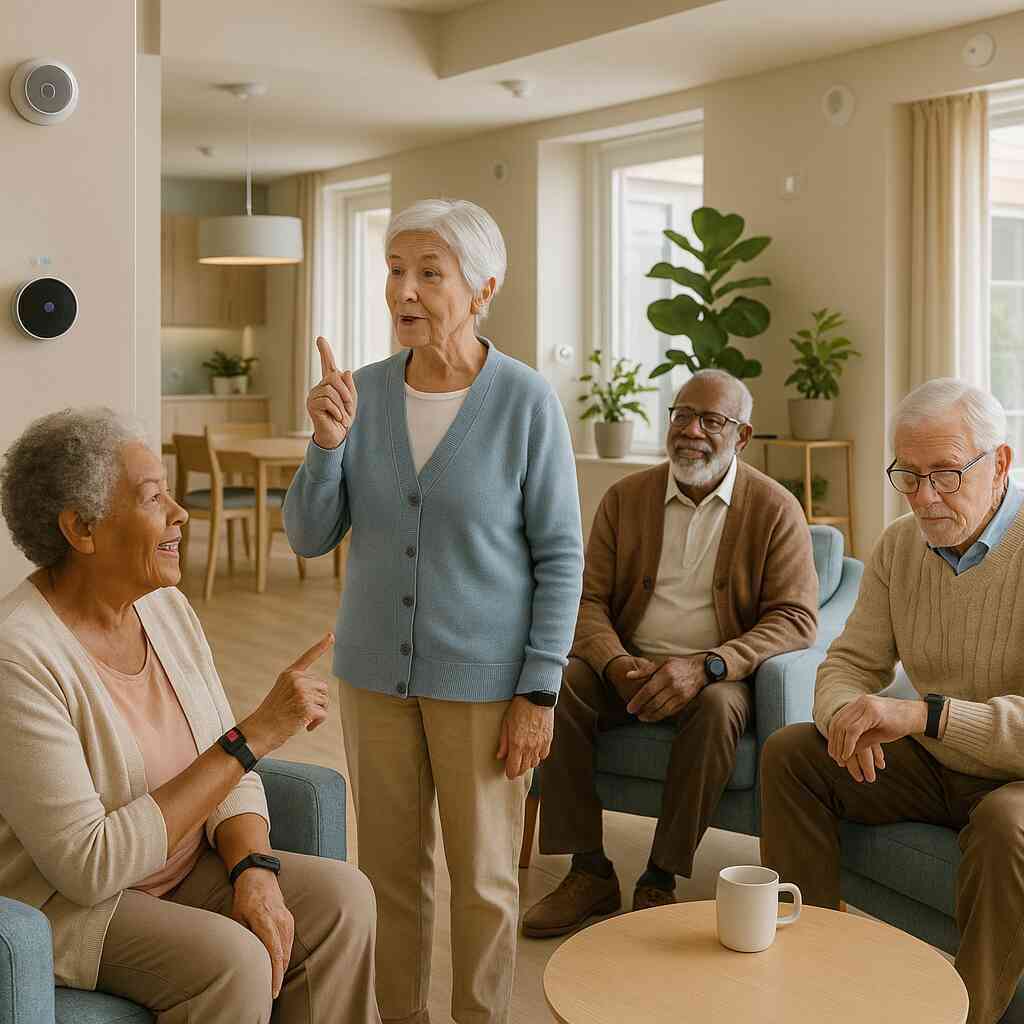
Voice-activated technology for elderly residents is rapidly becoming a staple in senior living facilities. These systems enhance accessibility by allowing seniors to control their environment with simple voice commands. From regulating room temperature to managing entertainment devices, voice-activated systems provide an intuitive interface that aligns with the physical capabilities of older adults. This technology not only fosters independence but also minimizes the risk of accidents associated with manual device operation. By simplifying everyday interactions, voice-activated technology empowers seniors to engage actively with their surroundings while ensuring safety and convenience.
Virtual Reality and Digital Health Platforms: Enhancing Quality of Life
Virtual reality in senior care and digital health platforms are transforming quality of life for seniors by offering engaging, interactive experiences. VR can be used for therapy, cognitive exercises, and recreational activities, providing stimulating environments that support mental health and well-being. Digital health platforms consolidate health information, facilitate patient-doctor interactions, and empower seniors to manage their health proactively. Together, these tools promote a holistic approach to health, enriching residents’ lifestyles and adding a new dimension to traditional senior care. Facilities looking to understand the full scope of available tools can also explore resources on what does wellness tech mean at senior living facilities.
Data-Driven Insights: Harnessing Analytics for Proactive Care
Data analytics in senior health is an invaluable asset for developing proactive care strategies in senior living facilities. By analyzing large sets of health and behavior data, analytics platforms can identify patterns and predict health trends among residents. This predictive capability allows caregivers to implement preemptive measures, improve care plans, and optimize resource allocation. Data-driven insights into resident behavior and health status lead to more individualized care solutions, ultimately improving outcomes. By employing advanced analytics, senior living facilities can deliver a higher standard of care that is responsive, efficient, and personalized. For a deeper look at how care planning benefits from these tools, see our guide to evaluating care plans at senior living facilities.
A Safer Tomorrow for Senior Living
The Ongoing Journey of Technological Integration
The journey of integrating technology into senior living facilities continues to evolve, driven by the relentless pursuit of improved safety and enriched living experiences. As facilities embrace new advancements, the focus remains on creating environments that are not only secure but also fulfilling. Through the strategic adoption of new technologies, longstanding challenges in senior care are gradually being transformed into opportunities for innovation. Every technological step forward strengthens a foundation that supports a future where seniors live healthier, safer, and more meaningful lives.
Building Trust and Confidence in Tech-Enhanced Senior Living
Building trust in tech-enhanced senior living requires transparency, education, and collaboration among facilities, families, and technology providers. Clear communication about the benefits, security measures, and user-friendliness of new technologies is essential to fostering confidence among residents and their loved ones. Training staff and residents to effectively use these tools ensures that the full potential of technology is realized. With a continued commitment to reliability and accessibility, tech-enhanced senior living becomes a source of empowerment and connection, aligned with the core mission of providing quality care.
Embracing Innovation for a Secure and Connected Future
Embracing innovation is key to ensuring a secure and connected future for senior living facilities. The integration of cutting-edge solutions creates a dynamic, responsive environment where seniors can thrive. This forward-thinking approach not only addresses safety concerns but also enriches the daily experiences of residents. By staying ahead of technological trends, facilities can continuously improve care and remain relevant in an ever-evolving landscape. The ongoing commitment to innovation underscores the mission of creating connected, safe, and fulfilling senior living facilities across the country.
Frequently Asked Questions
Question: How are smart home for seniors solutions enhancing safety in senior living communities?
Answer: Smart home solutions are transforming the safety and autonomy of seniors by integrating technology into daily living environments. These solutions include automated lighting, temperature control, and security systems that can be controlled remotely or via smart devices. Senior Living Facilities ensures that these smart solutions not only promote convenience but also enhance security, allowing residents to maintain independence while living in a safe environment. Such advancements illustrate a significant shift toward technology-enhanced autonomy, empowering seniors to manage their living spaces confidently.
Question: In the context of Senior Living Facilities tech trends boosting safety 2026, how are wearable health devices contributing to the well-being of seniors?
Answer: Wearable health devices are pivotal in safeguarding the health of seniors by providing real-time data on vital signs and physical activity. These devices facilitate early detection of health issues, enabling timely interventions and reducing emergency incidents. At Senior Living Facilities, we incorporate wearable technology to offer continuous health monitoring, ensuring that seniors live healthier lives while alleviating family concerns through regular updates on their loved one’s health. These devices support a more proactive and preventive approach to senior care.
Question: What role does AI in senior living play in enhancing safety and care management?
Answer: AI technology is at the forefront of improving safety and care management in senior living facilities. Through data analysis and predictive algorithms, AI can tailor care to individual needs, optimizing resource allocation and forecasting potential health issues before they arise. At Senior Living Facilities, AI’s integration into our communities enhances care plans, ensuring a personalized healthcare experience. This technology not only increases operational efficiency but also ensures seniors receive the specialized care they require, making senior living safer and more responsive.
Question: How do telehealth services for seniors bridge the gap in traditional senior care models?
Answer: Telehealth services provide a transformative approach to senior care by enabling virtual consultations and remote monitoring, minimizing the need for continuous physical visits to healthcare facilities. At Senior Living Facilities, telehealth helps maintain comprehensive healthcare oversight, offering convenience and accessibility for our residents. These services reduce strain on traditional healthcare systems while ensuring that seniors receive continuous, personalized care, fostering a more inclusive and effective healthcare ecosystem.
Question: Can you explain how IoT in senior communities enhances safety measures?
Answer: IoT solutions in senior communities use smart sensors and connected devices for continuous environmental and resident health monitoring. These systems can detect anomalies, such as prolonged inactivity, and trigger immediate alerts, ensuring swift responses to potential emergencies. At Senior Living Facilities, the integration of IoT creates interconnected, efficient environments that are both predictive and preventive, enhancing overall well-being and providing peace of mind to residents and their families.
Admin
Expert contributor specializing in senior living care. Dedicated to providing families with clear, actionable advice.