
Top 10 Spring Wellness Tips for Senior Living Facilities 2026
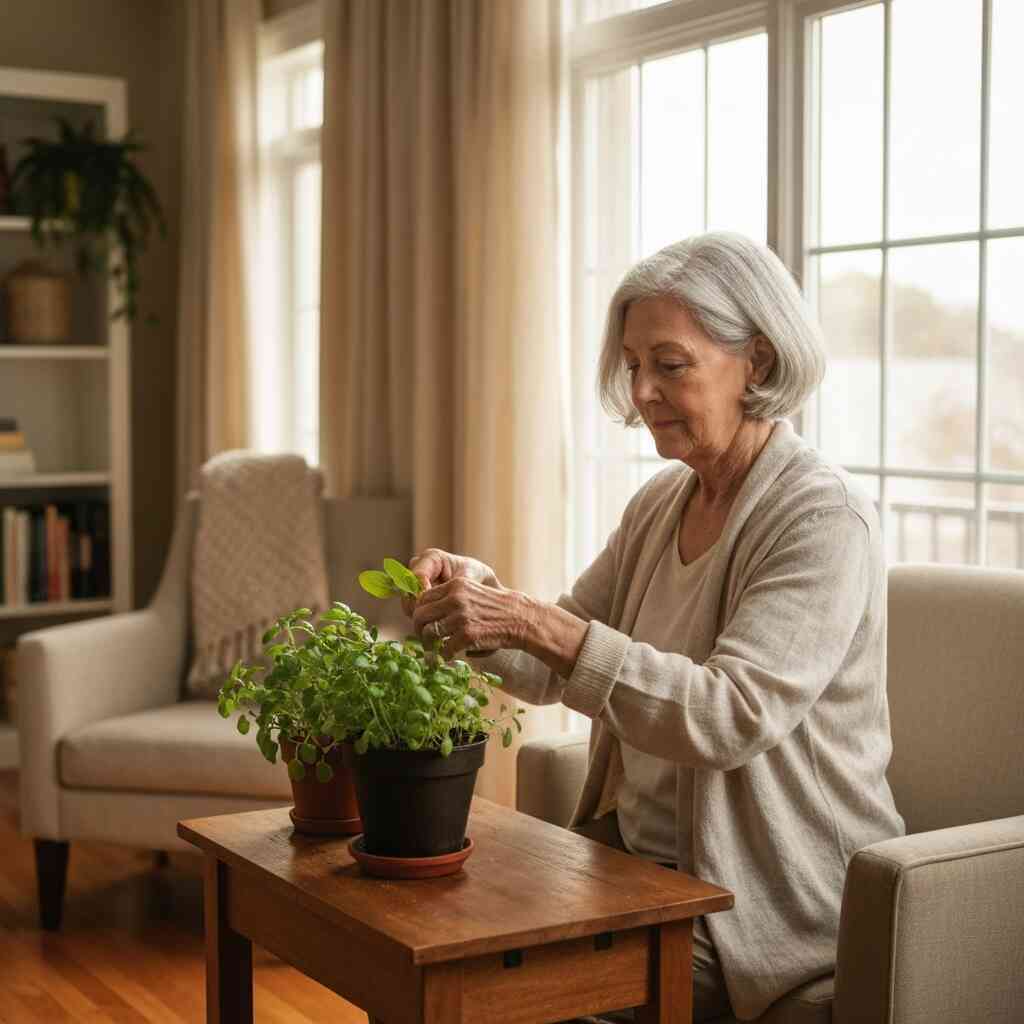
As the seasons shift, your loved ones deserve a refreshed approach to health that embraces the warmth and vitality of spring. Moving into a community brings a welcome change in routine, allowing residents to focus on their long-term well-being and daily happiness. Whether you are exploring independent living, assisted living, or specialized memory care, prioritizing wellness ensures a fulfilling experience. This guide explores how to make the most of this time by focusing on physical, mental, and social health.
1 – Revitalizing Physical Health through Tailored Senior Fitness Routines
Maintaining an active lifestyle is essential for preserving independence during the later years of life. When seniors participate in regular exercise, they report improvements in their mood and physical capabilities. It is vital for senior physical activity programs in California to be inclusive and adaptable to the varying needs of all residents. By focusing on consistency rather than intensity, facilities help residents maintain their strength throughout the seasons.
Implementing mobility exercises for older adults
Gentle movement is the cornerstone of a healthy routine, helping to prevent stiffness and improve balance. These exercises can be performed seated or standing, depending on the individual’s comfort level and physical health status. Consistent practice helps joints remain supple, which is crucial for safety and preventing accidental falls. Many residents find that incorporating light stretching into their morning routine provides a refreshing start to their day. Encourage residents to move at their own pace to avoid strain or injury.
The role of active aging lifestyle in assisted living locations
An active aging lifestyle is not just about gym sessions; it involves staying engaged with the world. In modern assisted living locations, residents participate in diverse physical activities that match their personal interests. Walking clubs, light yoga sessions, and chair exercises are excellent ways to promote cardiovascular health in a social setting. When fitness is integrated into the daily fabric of life, seniors are more likely to stay consistent. This proactive approach enhances the quality of life for everyone involved.
Customizing senior physical activity programs for varying care levels
Every resident has a unique set of abilities, making a one-size-fits-all fitness program ineffective. Qualified staff should evaluate each person to determine which exercises are safe and beneficial. For those in skilled nursing, this might look like range-of-motion exercises guided by a professional therapist. Conversely, residents in independent living might enjoy more robust activities like aquatic aerobics or pickleball. Tailoring these programs ensures that every senior feels capable, empowered, and safe.
2 – Maximizing Vitamin D and Senior Health via Outdoor Engagement
Sunshine plays a major role in regulating internal clocks and boosting natural vitamin D levels, which is vital for bone health. As the weather warms, finding ways to safely encourage residents to spend time outdoors becomes a top priority. Exposure to natural light improves sleep patterns and increases energy levels. By creating inviting outdoor spaces, communities ensure that residents receive these natural benefits regularly.
Nature-based wellness in independent living communities
Independent living communities often feature beautifully landscaped grounds that invite residents to explore nature. Walking trails, bird-watching stations, and scenic benches provide the perfect backdrop for gentle outdoor exercise. Connecting with nature reduces stress and fosters a sense of peace. When residents spend time in these environments, they report feeling more grounded and mentally refreshed. These natural settings are essential for a holistic approach to senior health.
Safe outdoor engagement for elderly residents
Safety is the primary concern when organizing outdoor events for seniors, especially those with mobility challenges. Ensuring that walking paths are clear, well-lit, and equipped with handrails is a basic requirement for any reputable facility. Staff should be present to assist those who may need a helping hand navigating uneven ground or outdoor furniture. Providing adequate shade and hydration stations is also critical during longer sessions in the sun. Thoughtful planning makes outdoor engagement safe and enjoyable.
Leveraging garden therapy for seniors to boost mood
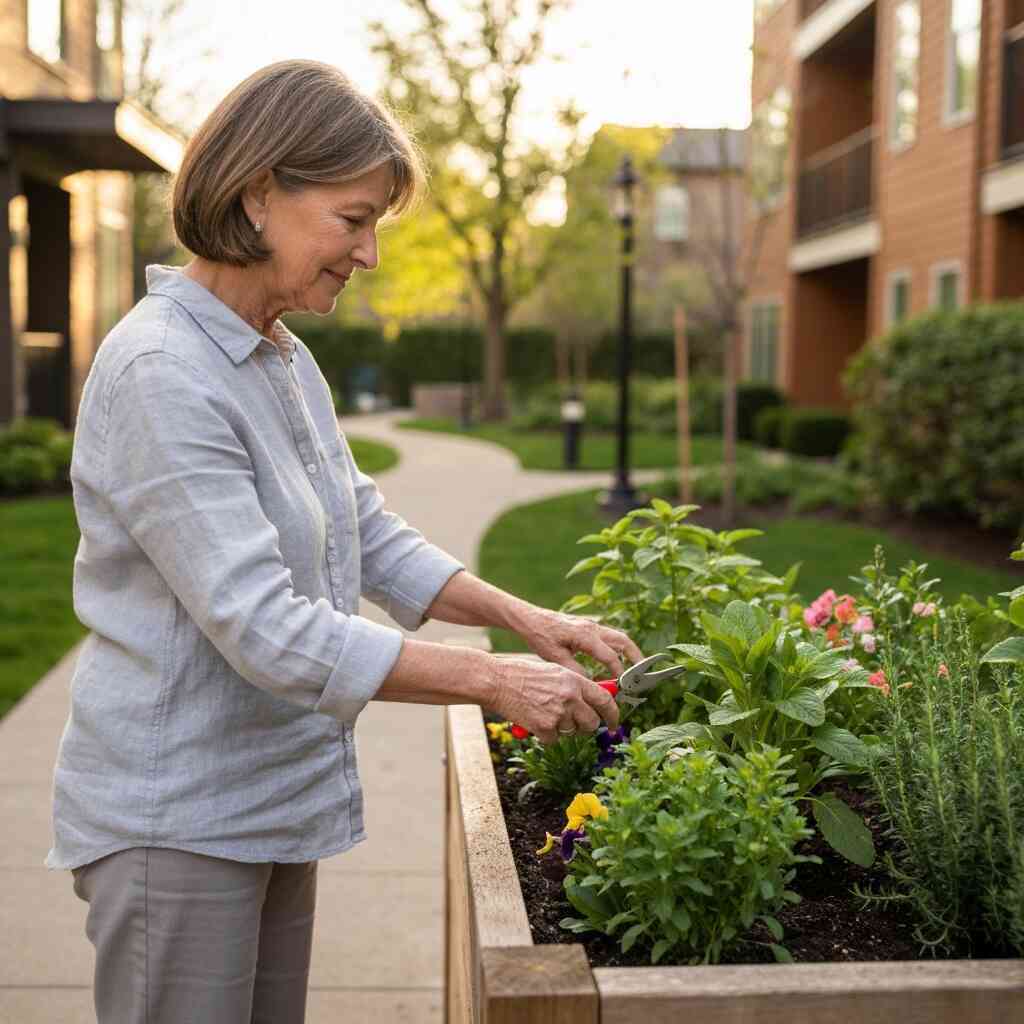
Gardening is a therapeutic activity that offers physical and emotional rewards for older adults. Working with soil and tending to plants provides a sense of purpose and a gentle, productive way to move the body. Many communities implement raised garden beds to make planting accessible for those who have trouble bending or kneeling. Watching flowers and vegetables grow offers a sense of accomplishment. This type of outdoor engagement for elderly in Florida remains one of the most effective ways to lift spirits.
3 – Cognitive Stimulation Activities for Mental Clarity
Keeping the mind sharp is as important as maintaining physical fitness as we age. Engaging in puzzles, games, and learning new skills helps maintain neural pathways and encourages cognitive resilience. Communities that prioritize mental health provide a wide array of activities designed to keep residents interested and challenged. Regular cognitive exercise is an excellent preventative measure for long-term health.
Spring cleaning for mental clarity and resident focus
The traditional act of “spring cleaning” can be applied to mental space as easily as physical living quarters. Organizing belongings and decluttering personal areas provide a boost to a resident’s mood and focus. When a space is tidy, the mind feels less cluttered, allowing for better concentration on daily tasks. Staff can assist residents in this process, turning it into an enjoyable, collaborative project. This simple activity promotes a sense of control and renewal for the season ahead.
Integrating mindfulness practices for seniors into daily schedules
Mindfulness involves focusing on the present moment with kindness. Simple techniques like deep breathing, guided meditation, and quiet reflection can be seamlessly integrated into a daily schedule. These practices are helpful for reducing anxiety and enhancing emotional stability during times of change. Whether it is a group session or individual practice, mindfulness helps residents stay centered. Consistent focus on the “now” is a powerful tool for maintaining mental clarity.
Preventative health for older adults through cognitive challenges
Games like bridge, chess, and trivia provide opportunities for mental exercise and social bonding. These activities require concentration, memory recall, and quick thinking, all of which contribute to cognitive health. Many cognitive stimulation activities in Illinois are designed to be fun rather than demanding. When residents are motivated by their peers, they are more likely to participate regularly. These challenges keep the brain engaged and ensure that mental sharpness is preserved.
4 – Nutritious Spring Meal Planning for Holistic Aging
Proper nutrition is the fuel that powers our bodies, especially as dietary needs change with age. A balanced diet, rich in fresh produce, supports immune health and energy levels. Providing nutritious, delicious meals is a hallmark of excellent residential care. Focusing on seasonal ingredients ensures that residents receive the most nutrient-dense options available throughout the year.
Seasonal health tips for seniors regarding dietary intake
Eating with the season means taking advantage of fresh fruits and vegetables as they become available. Spring offers a bounty of leafy greens, berries, and root vegetables packed with antioxidants. Incorporating these items into daily meals helps seniors stay energized and supports digestive health. It is also a good time to review dietary plans with professionals to ensure all nutritional requirements are met. Small, healthy adjustments to a menu can have a big impact on physical vitality.
Hydration strategies for seniors in long-term care facilities
Dehydration is a common concern for older adults, particularly as the weather begins to heat up. Implementing effective hydration strategies is a vital part of daily resident care. Encouraging the consumption of water-rich foods like cucumbers and melons is a clever way to increase fluid intake. Staff members often make hydration fun by offering flavored water infusions or regular hydration breaks during activities. Consistent hydration supports cognitive function, kidney health, and skin integrity.
Balancing nutrition in residential care facilities
Achieving a balanced diet involves a mix of protein, fiber, healthy fats, and vitamins. Residential care facilities typically employ nutritionists to ensure that every plate served contributes to the resident’s long-term health. When meals are both healthy and appetizing, residents are more likely to finish their portions and enjoy the dining experience. Sharing a meal in a communal setting also reinforces the social aspect of wellness. Practicing nutritious spring meal planning in New York is a key step in providing comprehensive care.
5 – Fostering Social Connection in Senior Communities
Loneliness can have a negative impact on a senior’s health, making social connection a critical component of wellness. Living in a vibrant community offers numerous opportunities for residents to interact and build meaningful friendships. When seniors feel part of a community, they are more likely to participate in activities and stay positive. Building a supportive social network is one of the greatest benefits of life in a modern facility.
Organizing community wellness events to combat isolation
Wellness events are a fantastic way to bring residents together for a common purpose. Whether it is a gardening workshop, a fitness class, or a music recital, these events encourage participation. Combatting isolation requires a proactive approach that ensures all residents feel invited and included. Community events provide a structured, low-pressure way to meet neighbors and make new friends. These shared experiences form the basis of a strong and supportive community atmosphere.
The importance of social connection in nursing home environments
In nursing home settings, social interaction is vital for mental health and emotional well-being. Staff often facilitate group discussions, game nights, and outings to ensure that every resident has a chance to connect with others. Quality interaction provides a sense of belonging and helps residents feel valued as individuals. Being surrounded by friends and attentive staff significantly improves daily life for seniors. Prioritizing social connection in senior communities in Georgia helps keep spirits high and minds active.
Building communities for seniors 55 plus with shared interests
Many seniors find success when they reside in communities that cater to their specific hobbies. From book clubs to walking groups, these shared activities create natural opportunities for deep friendships to form. When residents have the chance to pursue their passions with like-minded peers, their overall happiness increases. These connections provide emotional support, intellectual stimulation, and fun. Encouraging common interests is a key pillar of creating a thriving, happy environment.
6 – Emotional Well-Being and Seasonal Transition Care
Transitions between seasons can affect mood, making it important to offer support during these changes. Being mindful of emotional health is a necessary part of emotional well-being in retirement in Ohio that should never be ignored. Providing a supportive environment where residents feel comfortable expressing their feelings is essential. By acknowledging the challenges of change, facilities can help residents maintain emotional stability throughout the year.
Supporting residents through seasonal transition care
Change can be difficult for some, especially those who thrive on routine. Seasonal transition care involves monitoring residents for changes in appetite, sleep, or social activity during shifts in the weather. Staff members are trained to recognize these signs and provide gentle, personalized support. Whether it involves adjusting schedules or simply spending more time in conversation, help is always available. Recognizing that transitions are a natural part of life allows staff to provide compassionate, proactive care.
Personalized wellness plans for emotional stability
Wellness requires a personalized plan that addresses the emotional needs of each resident. A good care plan might include regular check-ins, opportunities for creative expression, and access to counseling services if needed. These plans ensure that no resident feels lost or overlooked as their needs evolve. When emotional needs are met with the same diligence as physical ones, the results are clear. This commitment to the individual defines high-quality, person-centered care.
Addressing the psychological benefits of aging in place
Aging in place refers to the ability to remain in a comfortable, familiar environment as one’s needs change. The psychological benefits of this approach are significant, as it provides a sense of continuity and security. When residents feel at home in their community, they experience less stress and higher levels of self-esteem. Aging in place promotes a sense of dignity that is vital for long-term emotional wellness.
7 – Utilizing Senior Placement Services for Wellness-Focused Living
Choosing the right facility is a significant decision. Senior placement services act as expert guides, helping you filter through options to find a place that prioritizes wellness. They understand the landscape of different communities and can match a senior’s specific needs with the right amenities. This saves time and ensures that the transition to a new home is as smooth as possible.
How a senior living advisor identifies wellness-oriented facilities
A professional advisor looks at more than just the basics; they evaluate the quality of life, care standards, and wellness programs of a facility. They often visit these locations personally to get a sense of the community culture. By listening to your family’s unique requirements, they can narrow down the search to communities that excel in nutrition, fitness, and mental health. This expert insight is invaluable when assessing which environment will best foster your loved one’s long-term wellness.
Comparing assisted living vs nursing home wellness amenities
Understanding the difference between care types is essential for selecting the right environment. While both offer support, the scope of their wellness amenities varies based on their licensure and mission. Assisted living typically focuses on social enrichment and health maintenance, while nursing homes provide more intense medical support. Comparing these services helps you understand exactly what kind of lifestyle a resident can expect.
Finding the best senior living near me with top-tier wellness programs
Searching for high-quality care is a priority for families everywhere. Using a reputable directory helps you identify local options known for their commitment to resident health. Many facilities provide details about their fitness centers, dining programs, and social calendars online, making it easier to evaluate them. Always look for community feedback and recent facility reports to get a true picture of the living experience.
8 – Assessing Long-Term Care Facility Wellness Standards
Quality standards ensure that every resident receives safe, effective, and compassionate care. Understanding these regulations is vital for any family that wants to ensure the best possible life for their loved one. From federal ratings to local licensing, these measures provide a framework for holding facilities accountable. Families should feel empowered to ask questions and verify the quality of care.
Understanding CMS star ratings for facility health quality
The Centers for Medicare & Medicaid Services (CMS) provides a star rating system based on health inspections, staffing, and quality metrics. These ratings offer an objective view of how a nursing home compares to others in the region. Always check the latest reports to understand a facility’s history and current performance. High star ratings often indicate a strong commitment to both resident care and overall wellness standards.
Questions to ask assisted living providers about wellness
When touring a facility, ask detailed questions about their approach to health. Inquire about the variety of exercise classes, the source of their food, and the qualifications of their staff. Ask how they tailor wellness plans to individual residents and what steps they take to encourage social participation. A great provider will be happy to share their philosophy and show you how they support the health of their residents.
Evaluating senior housing regulations for resident safety
Safety is a legal and ethical requirement in the housing sector. Regulations vary by state, so it is important to understand the standards for your local area. These rules cover everything from fire safety and building maintenance to staff-to-resident ratios. When you choose a regulated facility, you ensure that your loved one has the protection they need to live securely. A safe environment is the foundation upon which all other wellness activities are built.
9 – Financial Planning for Wellness in Senior Apartments
Planning for the financial aspects of care is a necessary component of finding the right home. Wellness services are often included in the monthly cost of living, providing great value for families looking to simplify their budgets. Understanding how to navigate payment options like insurance or public assistance can make luxury or high-quality care more affordable. Early planning ensures that you have access to the best wellness options for your situation.
Managing the cost of assisted living and wellness services
Costs vary based on location, care level, and the specific amenities offered by a community. It is helpful to map out your budget to see how various monthly fees align with your financial situation. Many communities offer tiered pricing structures that can be adjusted as a resident’s needs change. By clearly defining what services you need, you can find a balance that provides high quality without unnecessary expense.
Utilizing long-term care insurance for preventative health
Long-term care insurance is a tool for covering costs that are not typically handled by basic health plans. Many policies are designed to cover assisted living and skilled nursing services, which can provide peace of mind. Check your specific policy details to see if wellness or preventative health measures are included as covered benefits. Using these funds wisely ensures that you or your loved one receives the highest standard of care available.
Accessing Medicaid senior housing for affordable wellness options
For those with limited financial means, programs are designed to help cover the cost of care. Medicaid offers paths to assisted living and nursing home housing, ensuring that quality support is available to those who qualify. The application process can be complex, so it is wise to consult with a financial advisor or a senior living expert. Don’t hesitate to explore these options, as they are specifically designed to provide essential care.
10 – Specialized Care Environments for Memory and Aging
Memory care is a specialized form of assisted living that provides a secure, structured environment for those with cognitive challenges. These environments are designed to support residents while maximizing their independence and dignity. By focusing on routines and familiar stimuli, memory care facilities help residents remain engaged and happy. Providing the right level of support is crucial for anyone experiencing memory loss.
What is memory care and how it promotes spring wellness
Memory care is a specialized type of residential living designed for those with Alzheimer’s or other forms of dementia. These facilities provide higher levels of supervision and safety, including enclosed gardens and alarm systems that prevent wandering. The programs are tailored to the unique cognitive needs of the residents, using sensory stimulation to foster connection. During the warmer months, outdoor activities are carefully managed to provide the benefits of fresh air and sunlight.
Dementia care homes and Alzheimer’s care facilities strategies
Facilities specializing in dementia care use strategies that focus on the individual’s strengths rather than their limitations. This includes constant staff training on how to handle the nuances of cognitive decline with patience and empathy. Structured schedules help provide a sense of calm and predictability for residents who may feel overwhelmed. Activities are often broken down into simple steps to ensure success and boost confidence.
Skilled nursing facilities and the continuum of wellness support
Skilled nursing facilities offer the highest level of care for residents who require constant medical attention. They provide a full continuum of support, ranging from rehabilitative services to end-of-life comfort. These facilities are staffed with licensed nurses and therapists who can manage complex health conditions on-site. The goal is to provide a comprehensive, healing environment that addresses both acute medical needs and ongoing wellness.
Frequently Asked Questions
Question: How can I use the Top 10 Spring Wellness Tips for Senior Living Facilities 2026 to evaluate potential assisted living locations near me?
Answer: These tips serve as a comprehensive checklist for assessing the quality of care in any senior living facility. When using our assisted living locator, you should look for communities that actively implement these strategies. A reputable long-term care facility will offer tailored senior physical activity programs, nutritious spring meal planning, and dedicated outdoor engagement for elderly residents. By comparing these amenities, you can ensure the community prioritizes holistic aging strategies rather than just providing basic housing options. Our platform makes it easy to compare these wellness-focused features across various communities for seniors 55+ to help you make an informed decision.
Question: Does Senior Living Facilities offer help with finding memory care near me that incorporates seasonal transition care?
Answer: Yes, we specialize in helping families find the right memory care that understands the unique needs of residents with cognitive challenges. Dementia care homes and Alzheimer’s care facilities listed on our platform are vetted for their ability to provide compassionate seasonal transition care. This includes creating structured routines and safe, outdoor engagement opportunities that are critical for emotional well-being in retirement. We assist you in identifying facilities that balance medical support with meaningful activities to ensure your loved one feels secure and engaged throughout the year.
Question: How can a senior living advisor help me navigate the cost of assisted living and available financial benefits?
Answer: Navigating the financial landscape of senior care can be complex, but our senior living advisor team is here to simplify the process. We can guide you through understanding the cost of assisted living and how to leverage resources like long-term care insurance, VA benefits, or Medicaid senior housing. Whether you are looking for luxury senior retirement communities or affordable senior living, our experts can help you assess your budget and find a residential care facility that aligns with your financial plan without compromising on quality or wellness standards.
Question: What should I look for when comparing assisted living vs nursing home wellness amenities for my parent?
Answer: When deciding between these options, it is essential to look at the level of preventative health for older adults offered in each setting. While a nursing home provides a higher level of medical oversight and skilled nursing care, assisted living locations often place a greater emphasis on social connection and independent living lifestyles. Use our directory to look for specific features such as communal garden therapy, organized community wellness events, and access to personalized wellness plans. We provide the transparency you need, including access to CMS star ratings, so you can confidently determine which type of community best supports your loved one’s current and future health requirements.
Admin
Expert contributor specializing in senior living care. Dedicated to providing families with clear, actionable advice.