
Top 5 Signs a Board and Care Home Fits Your Needs
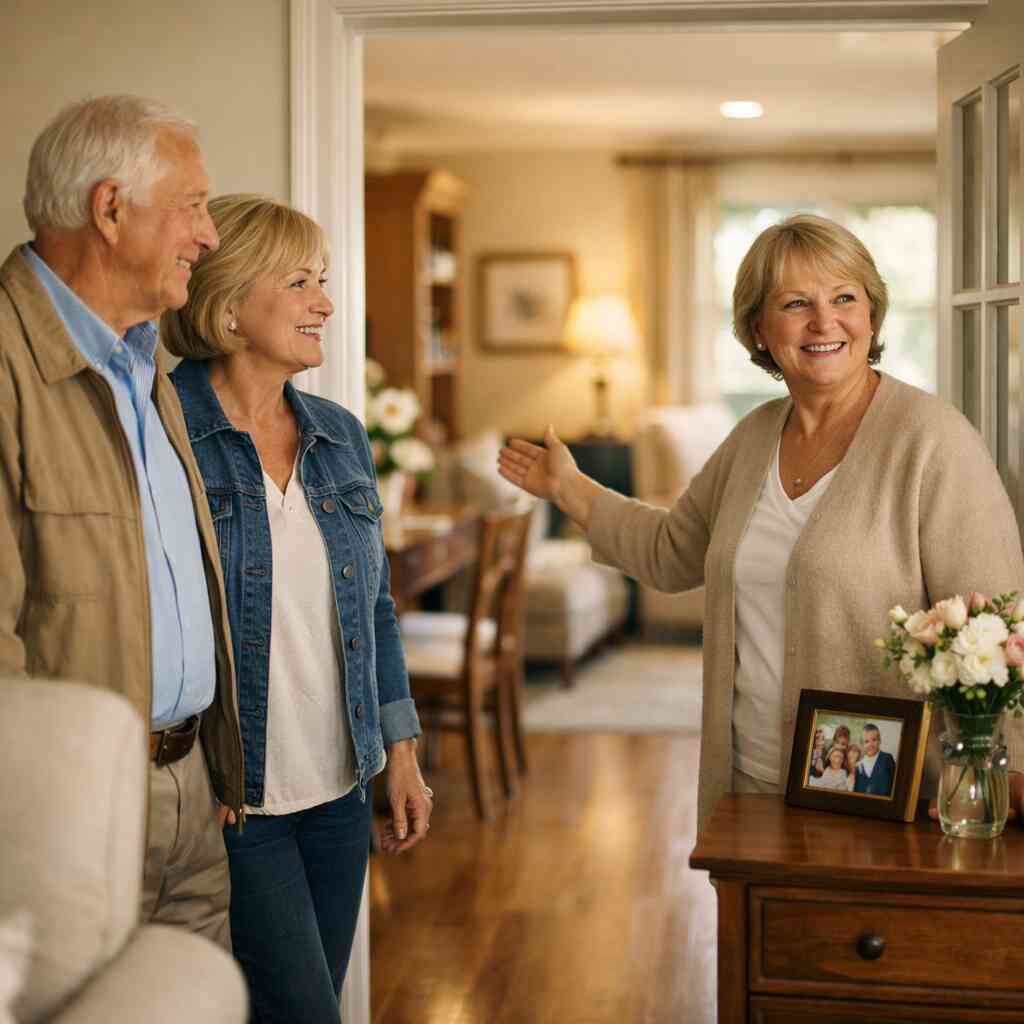
You may be asking the same question every night: is home still working, or is it time for more help? That worry is heavy. It usually shows up after small things start stacking up: a missed pill here, a skipped meal there, a parent who seems a little less steady, a little more tired, a little more overwhelmed. If that sounds familiar, take a breath. This decision feels personal because it is personal.
A board and care home can be the right fit when your loved one needs steady support in a smaller setting. These homes are often called residential care facilities for seniors, adult foster care homes, or care homes for seniors. They can feel less busy than larger senior living communities or retirement homes. For some families, that calmer pace matters more than hotel-style amenities. Senior Living Facilities helps families compare senior housing options across the country, including assisted living locations, memory care near me, and other housing options for seniors.
The hard part is this: not every need means the same level of care. Some people need help with routines. Others need a long-term care facility, skilled nursing facilities, or even a nursing home. The difference matters. It affects safety, comfort, and cost. According to the Genworth Cost of Care Survey, the cost of care rises quickly as support levels increase, so choosing carefully protects both your loved one and your budget.
The house feels safe until the daily routine starts slipping
When mealtimes, hygiene, and medication reminders need steady human support
The first sign is usually not dramatic. It is practical. Meals start getting skipped. Laundry piles up. Bathing becomes a negotiation. Medication reminders turn into repeated phone calls, notes on the counter, and family frustration. That is often the moment a senior living facility fit assessment becomes necessary.
A board and care home can work well when your loved one still wants a home-like setting but needs more structure than aging in place can provide. These homes often support daily routines in a quieter way than many independent living communities or larger communities for seniors 55+. The key question is not whether your parent can do everything alone. It is whether they can do the important things safely, consistently, and without constant family rescue.
Here is the part most families miss: a smaller setting may actually reduce stress. When there are fewer people, staff may recognize changes faster. That can matter for someone who forgets meals or resists bathing. If you are comparing assisted living plans to a board and care home, focus on the rhythm of daily life, not just the floor plan.
Why a small care home can feel less overwhelming than a larger senior living facility
A bigger campus can be wonderful for the right person. It may offer a wide choice of activities, varied dining, and more social buzz. But some seniors find that energy exhausting. A quieter senior citizen housing setting can feel more like a real home and less like an institution.
One family we spoke with described their father as “tired by crowds, but comforted by familiar voices.” He had lived in a large apartment-style community before. He ate less there and stopped joining group events. In a smaller home, he settled into a simple routine again. That kind of match is common in small assisted living homes and board and care homes for seniors.
If your loved one does better with fewer choices, less noise, and predictable care, that is a strong signal. It does not mean they need a skilled nursing facility. It may mean they need structure with warmth. That distinction can save months of confusion.
The difference between needing help and needing a full long-term care facility
Not every decline points to the same answer. A person who needs help dressing or managing medications may fit a board and care home. A person with complex wound care, frequent medical monitoring, or serious rehabilitation needs may need a long-term care facility instead. The difference between skilled nursing and assisted living also matters here. Skilled nursing handles more clinical needs. A board and care home usually focuses on personal support.
This is where families sometimes overcorrect. They assume any change means they need how to choose a nursing home. Not always. If the needs are mostly daily living support, a board and care home may be enough. If the needs are more medical, the conversation shifts toward assisted living vs nursing home or Medicare skilled nursing. Ask directly what level of support is actually needed today.
For a quick check, look at these signs:
- Missed meals happen often.
- Hygiene needs reminders or hands-on help.
- Medication management has become unreliable.
- Home tasks are building up.
- Family caregivers are exhausted.
If two or more are true, it is time to compare senior living facilities more seriously.
The signs that one caregiver can still truly know your loved one
When familiar faces matter more than hotel-style amenities
Some people do well with a large, active setting. Others do not. If your loved one gets anxious around crowds, forgets names easily, or becomes upset by too many transitions, familiarity may matter more than luxury. That is one reason people search for what to look for in a board and care home instead of only chasing polished brochures.
In a smaller home, one caregiver may learn the little things quickly. They may notice how your parent likes tea at a certain hour. They may know which chair feels safest. That kind of attention can feel more personal than a schedule posted on a wall. Families often tell us that the emotional difference is visible within a week.
This is especially true for seniors who want calm instead of stimulation. A quieter home can support dignity. It can also reduce confusion when faces stay consistent. If your search includes best senior living near me, do not ignore the places that look simple. Simple can sometimes be better.
How board and care homes support seniors who do better in quieter senior living communities
Board and care homes can fit people who prefer low noise and familiar routines. They often feel more intimate than retirement homes or large senior living communities. That can be a huge advantage for a person who startles easily or dislikes constant change. It is also useful for seniors who no longer enjoy large group settings.
In California, for example, many families compare residential care facilities for seniors in California against larger assisted living settings. In Texas and Florida, families often weigh climate, proximity, and family access along with care needs. That is where a good senior living advisor or senior placement services team can help. They can narrow the field without forcing a rushed choice.
The goal is not to find the fanciest option. The goal is to find the one that fits your loved one’s personality. A calm environment may be the difference between resistance and cooperation. That matters every single day.
What to notice if your parent needs attention that feels personal rather than scheduled
Here is the real test: does your loved one need someone who checks a box, or someone who notices a change? If they bruise easily, forget to eat, or stop speaking up about discomfort, personal attention matters. A board and care home may be a good fit when that attention is part of the daily culture.
Ask yourself these questions:
- Does your parent feel safer with a consistent caregiver?
- Do they become upset in larger groups?
- Do they need reminders that happen naturally, not just on a posted schedule?
- Do they respond better to gentle familiarity than to a formal routine?
If yes, the search may shift away from large assisted living locations and toward smaller board and care homes. That does not make one option better in every case. It makes it better for this person.
One daughter told us her mother stopped refusing showers after moving to a smaller home. “They knew how to ask,” she said. That is not a medical miracle. It is good care.
When wandering, confusion, or memory loss make a smaller setting the smarter fit
What is memory care and when a board and care home starts to look like the right bridge
If memory changes are part of the picture, this becomes more urgent. What is memory care? It is a specialized type of support for people with dementia or Alzheimer’s-related changes. It usually includes extra supervision, safety measures, and routines designed to reduce confusion. Some families start with a board and care home before moving to full memory care later.
That bridge can work when the person still benefits from a home-like atmosphere but needs more watchfulness than aging in place can provide. If you are searching memory care near me for seniors, compare the level of supervision carefully. Not every home that says “memory-friendly” has the same safeguards. Ask how wandering risks are handled. Ask how staff redirect someone who is agitated.
For families in Florida, California, or Texas, local licensing rules and facility types can differ. That makes it even more important to check the exact license and care scope. If a home cannot clearly explain its supervision approach, keep looking.
Red flags that point toward dementia care homes or Alzheimer’s care facilities instead of aging in place
Some signs should not be brushed off. Repeated wandering. Leaving the stove on. Getting lost in familiar places. Not recognizing medications. Refusing help because of confusion. These can point toward the need for dementia care homes and Alzheimer’s care facilities rather than a standard home setup.
If these signs are happening, aging in place may no longer be safe by itself. The issue is not just memory. It is judgment. Judgment affects doors, appliances, water temperature, driving, and medication use. That is why families sometimes move too slowly and then feel panic later.
A board and care home may still fit if the memory issues are early and supervision needs are moderate. But if behavior becomes unpredictable, a dedicated memory setting may be safer. Use the assisted living vs board and care home conversation as a comparison point, but do not force a home model that cannot meet the real risk.
How to think about safety in a home setting when memory changes affect judgment
Safety is not only about locks and alarms. It is about how the home works when no one is watching every minute. Look for simple layouts, clear sightlines, and staff who understand redirection. Ask whether the home can manage wandering risk, falls, and medication oversight. Those are the daily concerns that matter most. If you are comparing options through a senior living directory or assisted living locator, keep safety questions at the center. A polished listing does not reveal how a person reacts at 2 a.m. or during sundowning. That is why tours matter. They show how the home feels, not just how it looks. For many families, the right answer is a smaller setting with consistent people and fewer triggers. For others, the safer choice is a specialized memory care community. If you want a deeper explanation, see our guide on what is memory care. It can help you spot the difference before the decision becomes urgent. 
The money and coverage clues families should look at before choosing
How cost of assisted living compares with residential care facilities for seniors and board and care homes
Money is often the hardest part. Families may know the care need is real, but they still freeze when they compare options. The cost of assisted living can vary widely by state, room type, and services. Board and care homes may sometimes feel more affordable, but that is not automatic. You still need to compare what is included.
The 2023 Genworth Cost of Care Survey remains a useful reference point for broad planning. It shows why local comparisons matter so much. Senior living costs by state can differ sharply. California, Florida, and Texas each have different market pressures and care landscapes. That means a search for affordable senior living has to be local, not generic.
Use a simple comparison:
OptionTypical fitCost driversBest forBoard and care homeSmaller, home-like careStaffing, supervision, room typeDaily help in a quiet settingAssisted livingBroader community with more servicesAmenities, care level, locationSeniors needing flexibilityNursing homeHigher medical supportClinical staffing, care intensityComplex health needsIf you want a broader planning tool, explore our page on cost of senior living. It can help you compare nearby assisted living locations more realistically.
When Medicaid senior housing, long term care insurance, or VA benefits for senior care may change the decision
Funding can change everything. If savings are limited, Medicaid senior housing options may open different paths, depending on the state and facility type. Some board and care homes accept Medicaid-linked support, but many do not. That is why you must verify details before assuming coverage.
Long-term care insurance may also help, depending on the policy language. Policies vary a lot. So do elimination periods and daily benefit limits. If your loved one qualifies for VA benefits for senior care, that may affect the budget too. Families often overlook that option until later, which can be a costly delay.
This is where a free senior living referral or senior placement services team can help you sort the paperwork questions. They should not promise what a home can accept. They should help you ask the right questions. If you need a focused overview, see paying for senior care. For Medicaid-specific questions, review Medicaid-assisted living.
Why senior living costs by state and senior housing regulations can shape what is realistically available
Regulations are not just paperwork. They affect staffing models, licensing, admissions, and what a facility can legally provide. Senior housing regulations vary by state, and that changes what is available in a real-world search. A home that looks perfect online may not be licensed for the level of care your loved one needs.
That is why checking the state directory matters. In California, look at licensing tied to residential care facilities for seniors in California. In Florida, verify the local rules that affect assisted living and supervision. In Texas, make sure the home can legally provide the services your parent needs. If you are comparing states, use the state pages on Senior Living Facilities for a cleaner starting point.
If you want a local cost lens, see Florida senior living or the matching state directory for your area. The right place is not just affordable. It is legally able to care for the person you love.
The final fit test that tells you whether to move forward or keep searching
Questions to ask board and care homes before you trust the setting
This is the part where people feel pressure. They want certainty. They want a yes or no. The truth is simpler: ask better questions. The answers will usually tell you everything you need.
Use these questions to ask board and care homes:
- How many residents do you support?
- How do you handle medication reminders?
- What happens if care needs change?
- How do you manage falls or wandering?
- Who is on site overnight?
- What training do caregivers receive?
- How do you handle family communication?
The best homes answer plainly. They do not rush you. They do not hide behind vague marketing language. If they cannot explain daily routines clearly, keep searching. You want confidence, not charm.
For a stronger tour checklist, see our guide on what to look for in a board and care home.
How to compare assisted living vs board and care home without getting lost in marketing language
Marketing can blur the difference. A glossy brochure may make every option look similar. It is not similar. Assisted living vs board and care home usually comes down to scale, staffing feel, and the level of personal attention. Board and care homes are smaller. Assisted living communities are usually larger and more structured.
If you are comparing assisted living vs board and care home, look at these points:
- Number of residents.
- Staff consistency.
- Privacy level.
- Social activity style.
- Care flexibility.
- Licensing and supervision.
A larger community may suit someone who wants more activity and choice. A board and care home may suit someone who wants less stimulation and more familiarity. Neither is automatically better. The right answer depends on the person, not the brochure.
For a broader side-by-side view, our article on assisted living versus board and care home can help you separate the labels from the reality.
The next move when the care plan, location, and emotional comfort finally line up
You will know the fit is close when three things line up: the care plan matches the daily need, the location works for family visits, and the emotional feel is calm instead of forced. That is the real test. Not perfection. Fit.
One son told us his mother cried after the second tour, but this time from relief. The room was simple. The caregiver spoke to her directly. The home smelled like dinner, not disinfectant. That did not solve everything. But it told them they were close.
If you feel that same shift, do not wait for a magical moment. Choose the top two homes and compare them side by side. If you need help sorting options across states, start with choosing a senior living facility on Senior Living Facilities. Then make one call today, ask three real questions, and trust the clarity that comes back. You do not have to solve the whole future tonight.
Frequently Asked Questions
Question: What are the top signs from Top 5 Signs a Board and Care Home Fits Your Needs that a board and care home may be the right fit for my loved one?
Answer: Some of the clearest signs include missed meals, trouble with hygiene, unreliable medication reminders, increasing home clutter, and caregiver exhaustion. If your loved one still wants a home-like setting but needs steady daily support, board and care homes may be a strong option. Senior Living Facilities helps families compare senior housing options, including residential care facilities for seniors, small assisted living homes, and other housing options for seniors, so you can match the level of care to the person’s actual needs instead of guessing. Our goal is to make choosing a senior living facility feel more manageable by helping you compare assisted living locations, senior living communities, and care homes for seniors with a calm, practical approach.
Question: How does Senior Living Facilities help families compare assisted living vs board and care home options, especially when they are also looking at memory care near me or skilled nursing facilities?
Answer: We help families understand the difference between assisted living and board and care home settings by focusing on the real needs behind the search. A board and care home is often better for someone who needs personal attention in a smaller environment, while skilled nursing facilities or a long-term care facility may be more appropriate when medical needs are more complex. If memory concerns are involved, we can also help you explore memory care near me, what is memory care, dementia care homes, and Alzheimer’s care facilities so you can compare safety, supervision, and daily support. Senior Living Facilities is built to simplify this process with a senior living directory, a senior living advisor approach, and support for families who want honest help rather than marketing language.
Question: What should I look for when searching for what to look for in a board and care home, and how can Senior Living Facilities guide that search?
Answer: When evaluating what to look for in a board and care home, focus on consistency, safety, cleanliness, communication, and whether the staff seem able to notice small changes quickly. It also helps to ask how routines are handled, how medications are managed, and whether the environment feels calm rather than overwhelming. Senior Living Facilities can guide that search by helping you compare board and care homes, assisted living plans, and assisted living locations in a way that reflects your loved one’s routine, personality, and care needs. We also encourage families to use practical questions to ask assisted living communities and questions to ask board and care homes so they can make a more confident decision.
Question: How do I know if aging in place is no longer enough and it is time to explore senior citizen housing, retirement homes, or communities for seniors 55+?
Answer: Aging in place can work well for a while, but it may stop being the safest choice when meals, hygiene, medications, or daily supervision become too hard to manage consistently. If family caregivers are overwhelmed or your loved one is becoming confused, unsafe, or isolated, it may be time to look at senior citizen housing, retirement homes, communities for seniors 55+, or other housing options for seniors. Senior Living Facilities helps families compare independent living communities, assisted living locations, and even continuing care retirement community (CCRC) options when a broader range of future care needs should be considered. We can also help you understand whether respite care or a more permanent move makes more sense for the situation.
Question: Can Senior Living Facilities help me find affordable senior living, Medicaid senior housing, or options with long-term care insurance, VA benefits for senior care, or Medicare skilled nursing?
Answer: Yes. One of our main goals is to help families understand the financial side of senior care without making assumptions. Depending on the care level and the state, some families may need affordable senior living, senior living for low-income seniors, Medicaid senior housing, long-term care insurance support, or VA benefits for senior care. If the needs are more clinical, Medicare skilled nursing or a skilled nursing facility may also need to be part of the conversation. We help you compare senior living costs by state, review the Genworth Cost of Care Survey as a planning tool, and use the senior living directory to narrow your options before you make calls. We do not guess about coverage; instead, we help you ask the right questions and connect with communities that fit the situation.
Question: How do I use Senior Living Facilities to choose the right community if I want best senior living near me, pet-friendly assisted living, or senior living with no waitlist?
Answer: Start by entering your location and comparing the communities that match your care and lifestyle priorities. If you are looking for best senior living near me, pet-friendly assisted living, or senior living with no waitlist, our platform helps you search, compare, and connect with communities that fit those preferences as closely as possible. You can also compare assisted living locator results, Florida senior living, California assisted living, or Texas nursing homes depending on where your family is searching. When lifestyle matters, we help you consider the full picture, including rental housing for seniors, 55+ apartments, luxury senior retirement communities, and elder-focused housing options for seniors, while still keeping care needs front and center.
Question: What questions to ask board and care homes should I bring to a tour, and how can Senior Living Facilities help me trust the process?
Answer: The best questions to ask board and care homes are the ones that reveal daily life and real support. Ask how many residents live there, how medication reminders are handled, what happens if care needs change, who is present overnight, how wandering or falls are managed, and how families stay informed. Senior Living Facilities helps families prepare for these conversations so they can compare board and care homes, assisted living plans, and residential care facilities with confidence. Our role is to make the process clearer, whether you are searching through a senior living directory, working with senior placement services, or requesting a free senior living referral. We aim to support families with warm, practical guidance so they can choose a setting that feels safe, respectful, and appropriate for their loved one.
Admin
Expert contributor specializing in senior living care. Dedicated to providing families with clear, actionable advice.