Top 7 Memory Care Features at Senior Living Facilities
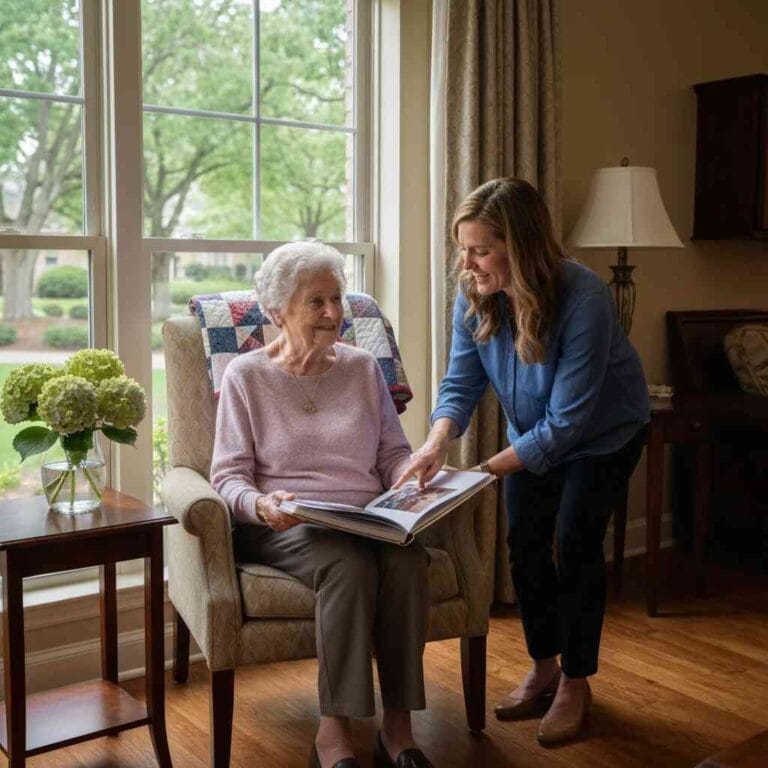
Watching a loved one face memory loss is difficult for any family. You start to notice small things, like misplaced keys or forgotten appointments, and concern for their safety becomes your daily reality. As an experienced senior living advisor, I have seen how the right environment changes the experience for families. When choosing between senior living options, understand that memory care provides a specific, high-level support system. Finding the right community ensures your family member maintains their dignity, safety, and joy. We will explore the essential features that define modern memory care to help you make an informed decision for your loved one’s future.
1) Specialized Cognitive Support and Neurological Wellness Programs
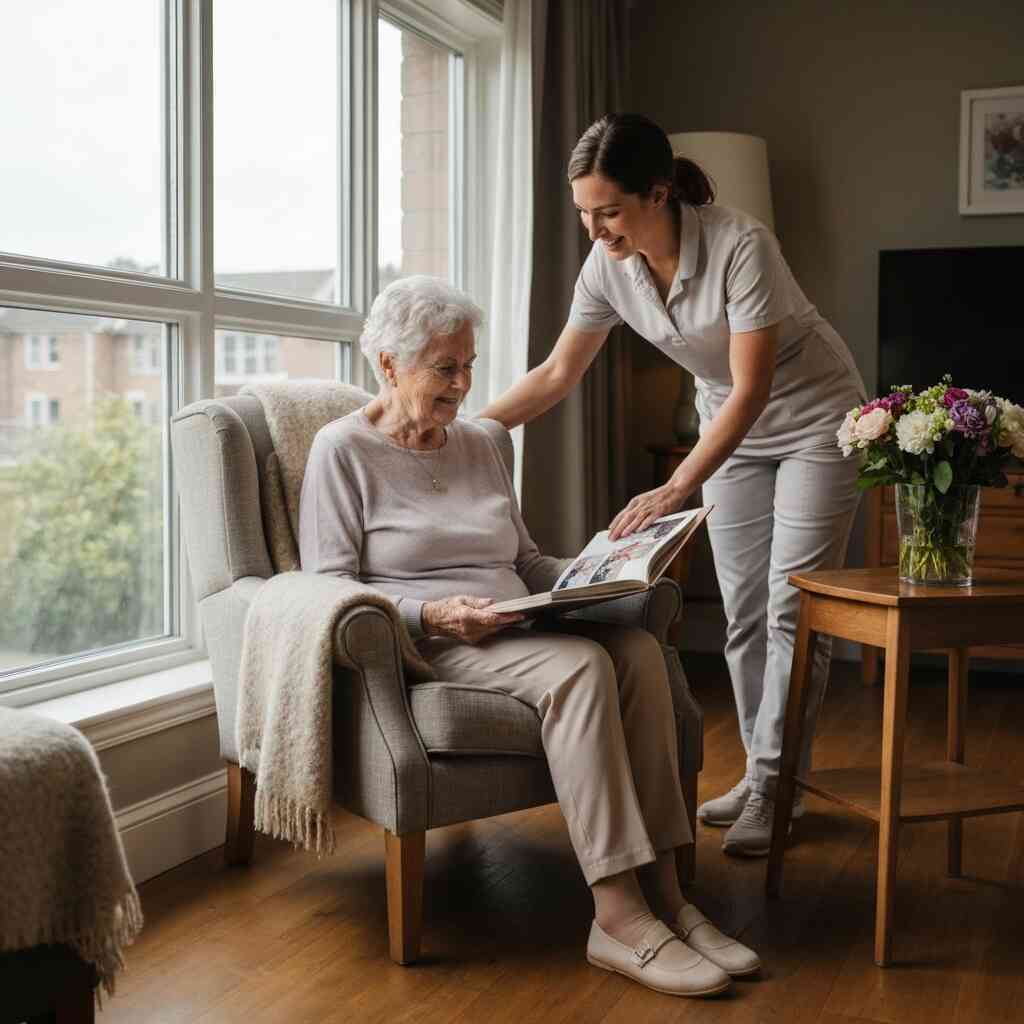
Cognitive support has evolved into a sophisticated discipline within the best senior living facilities for memory care in 2026. Instead of merely monitoring residents, modern facilities focus on proactive engagement that respects the individual’s history and personal preferences. By integrating evidence-based practices, these communities work to maintain the highest possible level of function for every resident. This approach shifts the focus from what has been lost to what the individual can still enjoy. Families often find peace of mind knowing that their loved one is in a space designed to honor their cognitive journey.
Integrating evidence-based memory support into daily routines
Evidence-based support involves using clinical research to inform every interaction a resident has during the day. Staff members are trained to use techniques like validation therapy, which focuses on acknowledging a resident’s reality rather than correcting their confusion. By weaving these methods into simple daily tasks like dressing or grooming, caregivers create a low-stress environment. These routines are structured to provide familiarity, which is crucial for reducing anxiety in those living with dementia. Consistently applied, these strategies help residents feel safe and understood, which is the cornerstone of effective Alzheimer’s care facilities.
How neurological wellness programs slow cognitive decline
Neurological wellness programs incorporate brain-healthy exercises, cognitive puzzles, and physical movement specifically targeted at supporting neural pathways. By engaging in music therapy or structured reminiscence sessions, residents stimulate parts of the brain that remain active longer. These programs do not claim to cure cognitive impairment, but they play a role in slowing the pace of decline. Regular, meaningful mental stimulation helps preserve the individual’s personality and sense of self.
Personalized care plans for residents with varying stages of Alzheimer’s
Every resident in a memory care setting arrives with a unique medical and personal background. Personalized care plans are the blueprints that ensure these specific needs are met with precision and empathy. These plans are regularly updated to reflect changes in the resident’s health, ensuring that support grows alongside their requirements. By assessing individual strengths and interests, the team creates activities that are neither too difficult nor too easy. This customization is essential for maintaining the dignity of residents at every stage of their journey.
2) Secure Memory Care Units with Advanced Wandering Prevention Systems
Safety is often the primary worry for families. It is a frightening thought that a loved one might walk away and become lost, so secure environments are a fundamental requirement. Modern design allows these areas to remain highly secure without feeling like a locked ward. By using subtle technology and thoughtful architecture, secure memory care units offer residents the freedom to roam while keeping them protected. This balance is necessary for the safety of those prone to wandering.
Balancing resident freedom with safety protocols
The true art of memory care lies in creating a space that feels open while maintaining strict safety standards. Residents benefit from the ability to walk through secure courtyards or common areas, which promotes physical health and emotional wellbeing. Caregivers monitor these transitions closely, ensuring that the resident never feels restricted. By using an unobtrusive staff presence, facilities allow residents to maintain a sense of independence. This balance separates high-quality residential care facilities from traditional, more restrictive settings.
Technology behind modern wandering prevention systems
Today’s technology uses advanced sensor systems that alert staff immediately if a resident enters a restricted area or exits a doorway. These systems are often discreet, using coded wristbands or wearable technology that blends into the resident’s daily attire. By using specialized memory care units in Florida or other states with advanced infrastructure, communities provide a safety net that is always active. Staff members receive these alerts on mobile devices, allowing them to respond instantly without sounding loud or alarming sirens.
Designing residential care facilities that feel like home
The architecture of a memory care community matters as much as the medical care provided. Designers now focus on home-like aesthetics, such as utilizing residential-style kitchens, warm lighting, and comfortable, familiar furniture. By avoiding institutional layouts, these facilities reduce the “sundowning” effect that often occurs in chaotic or cold environments. A space that feels familiar can significantly lower the agitation levels of residents living with dementia.
3) Therapeutic Activity Programming and Sensory Stimulation Environments
Engagement is the key to a high quality of life, and therapeutic activity programming is essential. It is not enough to just sit in a room; residents need sensory input that feels meaningful. By tailoring these experiences, staff can help residents reconnect with their memories and their surroundings. Whether it is through tactile tasks, aromatic experiences, or music, sensory stimulation is a powerful tool for wellness. It provides a bridge for communication when words become difficult for a resident to find.
Creating meaningful engagement through sensory stimulation
Sensory stimulation involves activities that engage the five senses to promote comfort and connection. For instance, a baking group might fill the common room with the scent of fresh bread, sparking memories of family life. Tactile stations, such as folding laundry or working with textures, can provide a sense of purpose and calm. These activities are designed to be successful for the resident, which builds confidence and self-esteem.
The role of therapeutic activity programming in reducing agitation
Agitation often stems from boredom, confusion, or a feeling of helplessness. When a facility provides consistent and structured therapeutic programming, residents are kept engaged and mentally stimulated, which reduces these negative feelings. These activities act as a distraction and a soothing mechanism, providing a healthy outlet for pent-up energy. By focusing on therapeutic activity programming, staff can proactively address triggers before they lead to an episode of distress.
Customizing environments to meet individual sensory needs
Not everyone responds to sensory input in the same way, which is why individualization is critical. A resident who becomes overstimulated by loud music may thrive in a quiet, low-light environment with soft textures. Staff members are trained to observe how each individual reacts to their surroundings and adjust accordingly. By creating personalized sensory spaces, the community honors the individual’s unique preferences and comfort levels.
4) Person-Centered Dementia Care and Staff Training Standards
The most beautiful building in the world cannot replace the quality of the people caring for your loved one. Staff training is the heartbeat of any person-centered dementia care program. It requires a deep understanding of how dementia affects the brain and how to respond with compassion rather than frustration. When staff are properly trained, they see the person behind the diagnosis. This transforms the caregiving dynamic from a series of tasks into a meaningful human relationship.
Why specialized memory care staff training is essential
Caring for someone with memory loss is not like typical nursing home work. It requires patience, observational skills, and the ability to manage complex behavioral symptoms without using force or restraint. Specialized training prepares staff to handle moments of confusion or aggression with calm and empathy. They learn to interpret non-verbal cues and look for the root cause of a resident’s frustration.
Implementing person-centered dementia care in residential settings
Person-centered care means the resident’s life history, hobbies, and preferences dictate their daily routine. Instead of forcing a resident to wake up at a specific time or participate in a group activity they dislike, the staff adapts to the individual. This approach acknowledges that the resident’s identity remains intact despite their cognitive decline. By respecting their autonomy and history, staff can build a foundation of trust. This trust is essential for minimizing the stress and confusion that often accompany a move into residential dementia care homes in California.

Measuring the impact of compassionate staff interactions
When interactions are rooted in compassion, the atmosphere of the entire community changes. You can see it in the way residents smile, their level of comfort, and the overall peacefulness of the hallways. Measuring this impact involves looking at resident health outcomes, such as reduced need for anti-anxiety medications or lower incidence of behavioral outbursts. It also involves feedback from family members who notice a genuine warmth in the way their loved one is treated. Compassion is a measurable clinical necessity in the world of dementia care homes.
5) Dementia-Friendly Dining Experiences and Nutritional Support
Mealtime is a vital social event that can also be a source of stress for those with cognitive impairment. Residents may struggle with the mechanics of eating, have difficulty identifying food, or become distracted easily. Dementia-friendly dining experiences are designed to mitigate these challenges while ensuring residents receive proper nutrition. By simplifying the environment and providing support, dining becomes a positive, successful, and nourishing part of the day.
Adapting dining environments for residents with cognitive impairment
A dementia-friendly dining room is typically quiet and well-lit, helping to reduce the confusion caused by overstimulation. Tables are set in ways that make food clearly identifiable, often using contrasting colors between plates and tablecloths. Staff are available to assist with meal setup, which helps residents maintain their independence for as long as possible. By reducing environmental distractions, residents can focus on the act of eating and the joy of social interaction.
Nutritional strategies for supporting brain health
Proper nutrition is essential for supporting brain function and maintaining physical strength in residents with dementia. Diets are often designed to be heart-healthy and rich in antioxidants, which can help support overall neurological health. For those who have trouble with swallowing or appetite, communities may offer specialized diets or fortified snacks to ensure they meet their caloric goals. Keeping a resident hydrated and well-nourished is one of the most effective ways to avoid sudden changes in their cognitive or physical state. It is a fundamental piece of the specialized health care support provided in high-quality communities.
Overcoming mealtime challenges in dementia care homes
Many residents experience difficulty with utensils or might become frustrated during meals. Staff are trained to use supportive techniques, such as offering finger foods that are easy to manage or sitting with the resident to provide encouragement. They are also adept at recognizing when a resident is no longer hungry or is experiencing a change in taste, adjusting accordingly. By making these small, empathetic adjustments, the team ensures that the resident’s nutritional needs are met without the stress of rigid expectations.
6) Specialized Behavioral Health Services and Cognitive Health Monitoring
Memory loss is complex, and the behavioral changes that come with it can be challenging for families to manage alone. Access to specialized behavioral health services is a vital feature of top-tier memory care. These services provide a way to address symptoms like depression, anxiety, or agitation with a focus on dignity. Consistent cognitive health monitoring ensures that any shifts in the resident’s condition are identified and addressed quickly by the medical team.
Tracking progress through consistent cognitive health monitoring
Consistent monitoring involves regular assessments that track the progression of the resident’s cognitive status. This allows the staff to see subtle changes that might require an adjustment in medication or a change in the care plan. By keeping meticulous records, the facility can provide families with clear, updated information about their loved one’s health. This data-driven approach removes the guesswork from care, ensuring the resident is receiving the most appropriate and effective support available.
Accessing specialized behavioral health services on-site
Having specialized behavioral health services available directly within the community is a major convenience. It means the resident does not need to be transported to external clinics, which can often be disorienting and stressful. These services can include geriatric psychiatry, therapy, and consultation with neurologists who specialize in dementia. Because the professionals are part of the team, they can work closely with caregivers to create a cohesive support system.
Managing complex behavioral symptoms with dignity
Behavioral symptoms, such as irritability or confusion, are often a form of communication for residents who can no longer use words. The goal is to address the underlying cause of these behaviors rather than simply treating the symptom with medication. By using calm de-escalation techniques and sensory interventions, staff help the resident feel secure again. Managing these challenges with dignity is essential for preserving the resident’s self-worth and ensuring they are treated as an individual.
7) Family Support Groups and Continuum of Care for Memory Loss
Navigating the continuum of care for memory loss is perhaps the most daunting part of the entire experience for families. You are not only dealing with the loss of your loved one’s memory but also the complex decisions regarding their future housing and care. Family support groups are a lifeline, providing a space to share feelings and get practical advice from others in the same situation. Understanding that you have a partner in this process-the memory care team-makes a world of difference for your own mental health and for the wellbeing of your relative.
Resources for families navigating the continuum of care
Families often feel overwhelmed by the amount of information and options available. A good memory care facility acts as a guide, helping you understand when it is time for a higher level of care or when to consider end of life hospice care. By providing access to senior living advisor resources, the facility ensures you have the expertise you need to make decisions. This level of support prevents families from feeling lost during a time of immense stress.
The value of family support groups in the dementia journey
Support groups offer more than just information; they offer an emotional anchor. Talking to other families who are experiencing the same joys and sorrows validates your feelings and reduces the sense of isolation. You learn coping strategies, gather tips for better communication, and gain the strength to continue on the journey. These groups also facilitate lasting friendships, creating a community of support that extends beyond the walls of the senior living facility.
Planning for long-term needs within residential memory care
Planning for the future is essential, even when it feels difficult. Your chosen community should be able to help you plan for the long term, ensuring the resident remains in a supportive environment as their needs evolve. This involves discussing nursing home services versus memory care, and how the facility handles transitions when care needs become more intensive. Knowing that your loved one is in a place that can support them through all the stages of their condition provides deep comfort.
Frequently Asked Questions
What is the difference between memory care and assisted living? Memory care is a specialized form of assisted living designed specifically for individuals with Alzheimer’s or dementia. While assisted living communities provide help with understanding activities of daily living, memory care units offer enhanced security, specialized staff training, and programs that address the unique cognitive and behavioral challenges of dementia.
How do I know if it’s time to move my loved one to a memory care facility? The right time is often when safety becomes a concern, such as if your loved one wanders, forgets to turn off the stove, or becomes aggressive due to frustration. If you find that the level of care required exceeds your ability to provide it at home, or if your own wellbeing is suffering, it may be time to consult with a senior living advisor.
What should I look for when searching for “memory care near me”? Look for a community that prioritizes safety, has a low staff-to-resident ratio, and offers meaningful, individualized engagement programs. Check their regulatory history through local health departments and ensure the facility is certified by agencies that oversee residential care facilities. Most importantly, trust your instincts-visit the community to see if the atmosphere feels warm, calm, and respectful.
What is the average cost of memory care in 2026? Costs vary significantly depending on the location, the level of care required, and the amenities offered by the community. According to data tracked by various sources, memory care is typically more expensive than standard assisted living due to the higher staffing and security requirements. Always ask for a clear breakdown of monthly fees, including any extra charges for medication management or specialized therapy.
How can I help my loved one transition into a memory care community? Involvement is key. Help them decorate their new space with familiar photos and keepsakes to make it feel like home. Speak with the staff beforehand to share your loved one’s personal history, preferences, and routine, which helps the team build an immediate connection. Most of all, maintain a positive attitude during visits, as your loved one will pick up on your energy and feel more secure in their new environment.
Senior Living Facilities Editorial Team
Expert contributor specializing in senior living care. Dedicated to providing families with clear, actionable advice.