Top 7 Spring 2026 Safety Tips For Senior Living
Embracing the Seasonal Shift: A Proactive Framework for Senior Wellbeing
Spring’s arrival brings a powerful sense of renewal, yet this seasonal transition introduces unique considerations for older adults. The shift from winter’s confines to spring’s openness demands a thoughtful, proactive approach to senior health and safety. This period of change, while invigorating, presents new challenges that require specific strategies to ensure well-being. Embracing a comprehensive framework for spring safety for seniors is essential. This proactive mindset transforms potential hazards into opportunities for vibrant, secure living throughout the warmer months.
Understanding the Unique Intersection of Spring and Senior Safety
The intersection of spring and senior safety is defined by dynamic environmental and physiological shifts. Thawing ground creates slippery surfaces, while blooming flora triggers allergies, each posing distinct risks to older adults. Increased outdoor activity elevates exposure to sun and variable weather, necessitating updated precautions. This season also encourages more social engagement, which must be balanced with continued health vigilance. Understanding these interconnected factors is the first step toward effective seasonal safety for seniors. This knowledge empowers individuals and families to navigate spring with confidence and joy.
The Holistic Approach to Seasonal Transition Safety
A holistic approach to seasonal transition safety integrates physical, environmental, and emotional well-being into a single cohesive strategy. This method moves beyond isolated tips to create a synergistic safety net that supports the whole person. It considers how home maintenance, mobility, health protocols, and mental wellness interact and influence each other. For instance, securing a home’s exterior directly supports preventing falls in spring, while managing allergies improves overall energy for social activities. Adopting this comprehensive view ensures that safety measures enhance the experience of spring’s renewal.
How Senior Living Communities Champion Proactive Wellness
Senior living communities are expertly designed to champion proactive wellness during seasonal changes. These communities for seniors 55+ implement structured assisted living safety protocols and community-wide plans that address spring’s unique demands. Staff are trained to conduct environmental audits, organize safe group outings, and monitor residents’ health for seasonal shifts. This institutional support provides a significant advantage, offering peace of mind that comes from professional oversight from a senior living facility. Families exploring housing options for seniors can find great reassurance in communities that prioritize this integrated, forward-thinking approach to senior wellness in spring.
1 – The Environmental Recalibration: Mastering Spring Home Maintenance for Seniors
A safe spring begins at home, making environmental recalibration a critical first step. This process involves systematically adapting living spaces to address the season’s specific hazards, from wet entryways to increased pollen. Proactive spring home maintenance for seniors is a cornerstone of aging in place safety, allowing older adults to enjoy their independence securely. Whether in a private residence or a senior apartment rental, these adjustments prevent accidents and promote ease of movement. Diligent attention to the living environment lays a secure foundation for all other spring activities and is a key part of any senior living safety checklist.
Conducting a Spring Safety Audit for Aging in Place
Initiating a thorough spring safety audit is a powerful proactive measure for anyone aging in place. This audit should methodically examine every room and exterior area for potential hazards introduced or exacerbated by the changing season. Key focuses include checking for winter damage to walkways, ensuring gutters are clear to prevent water intrusion, and testing smoke and carbon monoxide detectors. This process is a fundamental aspect of spring home safety for the elderly, identifying risks before they lead to incidents. Completing this audit provides a clear action plan to create a safer, more navigable home environment for the months ahead.
Securing Outdoor Areas and Navigating Wet Surfaces for Seniors
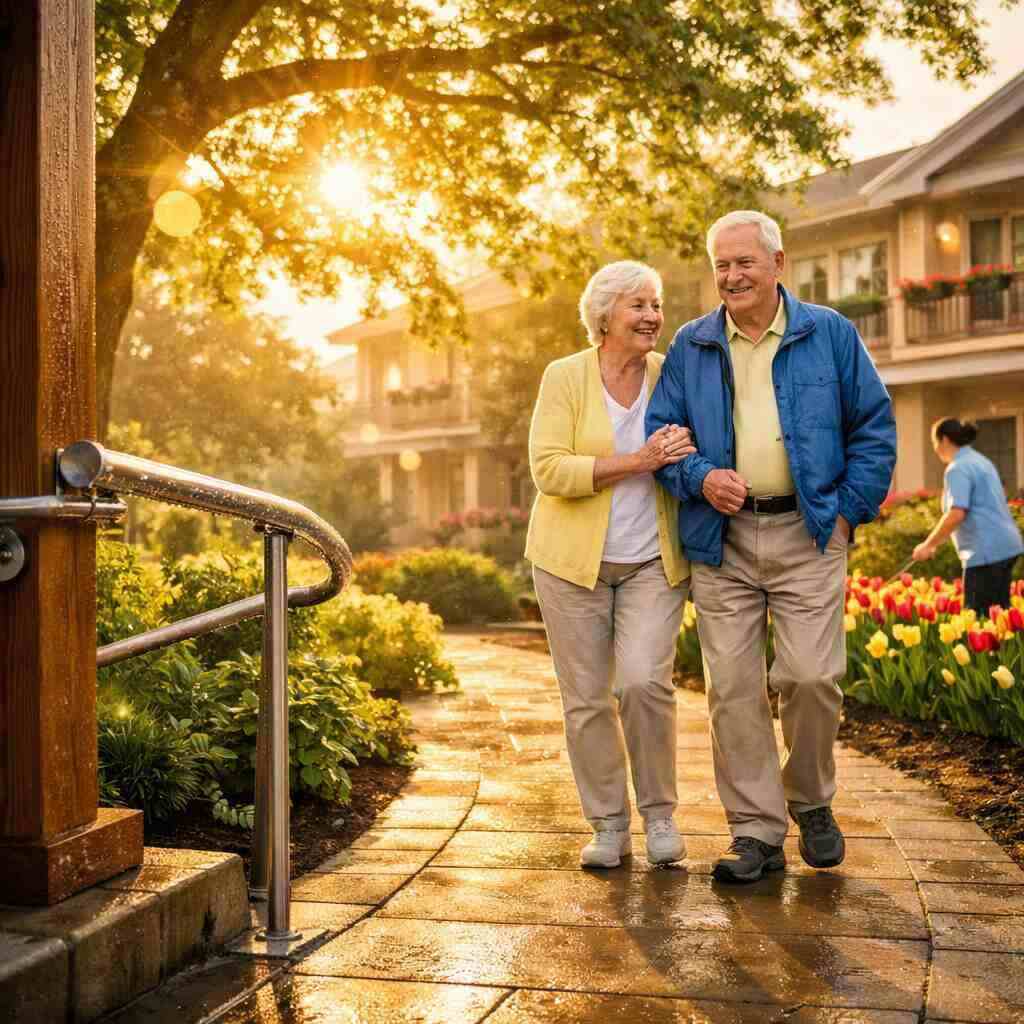
Navigating wet surfaces for seniors is one of the most pressing safety concerns during early spring. Melting snow and frequent rains create persistently slippery conditions on driveways, patios, and garden paths. Immediately address these areas by applying non-slip coatings, repairing uneven pavement, and ensuring downspouts direct water away from walkways. Installing sturdy handrails at all entry points provides crucial stability when surfaces are damp. These modifications are vital for preventing slips and falls, making outdoor spaces accessible and safe for enjoyment. Securing these zones is a non-negotiable component of comprehensive outdoor safety for seniors.
Adapting Homes for Spring Safety and Enhanced Mobility
Adapting homes for spring safety often involves simple modifications that yield significant improvements in daily mobility and security. Interior adaptations might include removing heavy winter rugs that can bunch or slide, ensuring all indoor walking paths are clear of clutter, and optimizing lighting to combat gloomy spring days. Consider installing lever-style door handles and touch-activated faucets if dexterity is a concern. These enhancements support the activities of daily living for seniors, promoting independence. Thoughtful adaptation transforms a house into a sanctuary that safely accommodates the energetic spirit of spring.
2 – The Mobility Imperative: Preventing Falls During Seasonal Transitions
Mobility preservation is paramount, as spring’s variable conditions significantly increase fall risk for older adults. The imperative to focus on preventing falls in spring cannot be overstated, as a fall can severely impact independence and health. This season demands a renewed evaluation of how one moves through both familiar and changing environments. A multi-faceted strategy encompassing personal gear, environmental management, and daily habits forms the most effective defense. By prioritizing mobility safety, seniors can fully engage with the season’s activities without fear, maintaining their autonomy and quality of life.
Reassessing Footwear and Assistive Devices for Spring Conditions
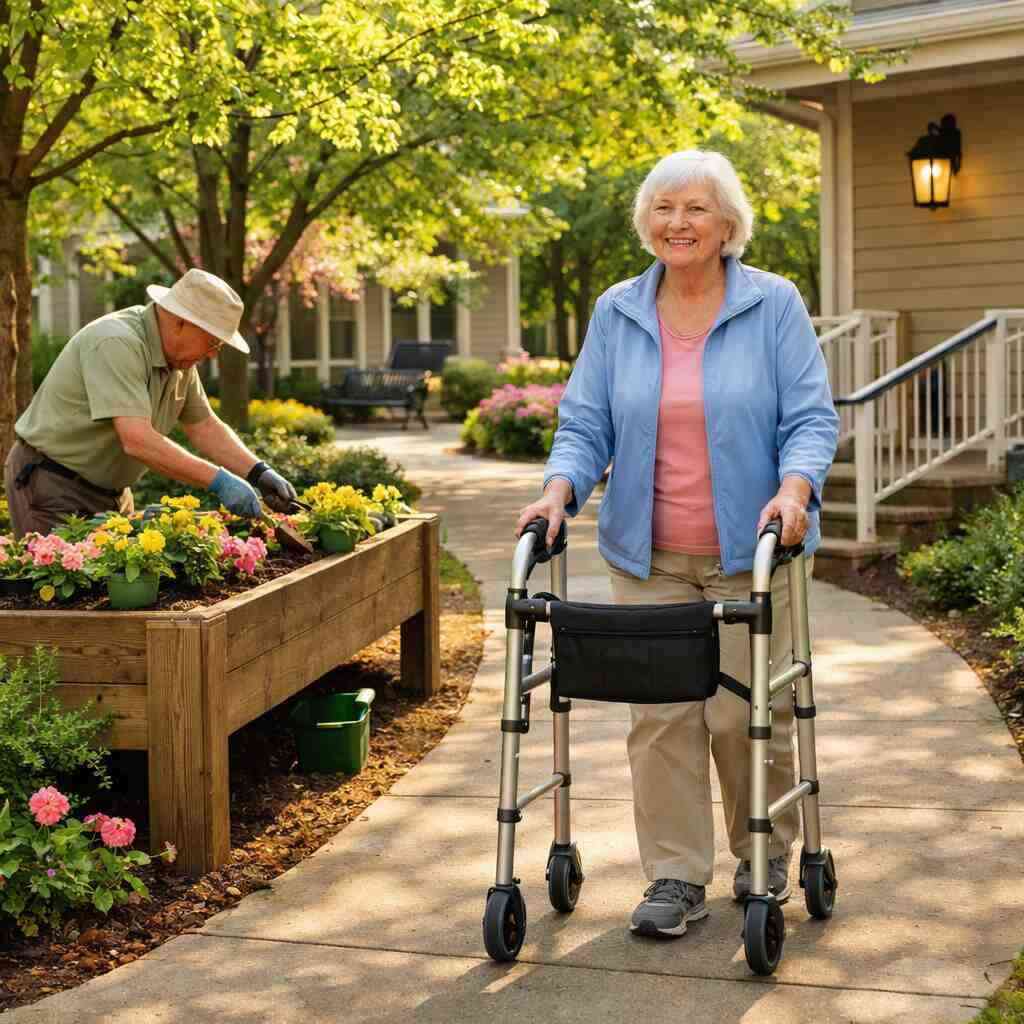
The first line of defense against falls is proper footwear and reliable assistive devices, both of which may need reassessment for spring. Exchange heavy winter boots for lightweight, waterproof shoes with firm, non-skid soles designed for wet conditions. Simultaneously, inspect canes, walkers, and wheelchairs for wear and tear; ensure rubber tips are not smooth and that frames are stable. This proactive check is a core element of senior mobility in spring, providing stable support on unpredictable surfaces. Proper equipment acts as a trusted partner, ensuring every step is as secure as possible.
Creating Clear and Dry Pathways in Senior Living Communities
Senior living communities excel at creating clear and dry pathways as a fundamental senior community safety measure. Maintenance teams prioritize rapid drainage, prompt debris removal, and the application of absorbent materials on walkways after rain. Clearly marked, well-lit paths free from obstructions like gardening equipment or fallen branches are a standard feature. These concerted efforts provide residents with secure routes for walking between buildings or enjoying the grounds. This institutional diligence in maintaining the environment is a major benefit of community living, directly supporting resident safety and freedom of movement.
Integrating Fall Prevention into Daily Spring Activities
Integrating fall prevention into daily spring activities transforms safety from a chore into a natural, mindful practice. This involves simple habits like pausing to ensure secure footing before stepping onto a damp patio or using handrails consistently on porches and stairs. During activities like fetching the mail or taking out recycling, remain deliberate and avoid rushing, even for short distances. Encourage a “pause and plan” approach before any new physical task. This constant, low-level awareness seamlessly blends safety into the rhythm of daily life, effectively reducing risk without diminishing the enjoyment of seasonal routines.
3 – The Physiological Defense: Fortifying Health Against Spring Allergies and Illnesses
Spring’s beauty comes with physiological challenges, including heightened allergens and lingering seasonal viruses. Fortifying the body’s defenses is a critical pillar of senior health and safety during this time. Older adults may experience more severe reactions to pollen or have immune systems that are slower to respond to threats. A proactive, layered defense strategy is essential for maintaining vitality. This defense encompasses illness prevention, allergy management, and adapting to rising temperatures, ensuring that health concerns do not overshadow the season’s joys.
Strategies for Preventing Seasonal Illnesses in Older Adults
Preventing seasonal illnesses remains important even as temperatures warm, as viruses can still circulate. Consistent hand hygiene, maintaining a distance from individuals who are visibly ill, and ensuring vaccinations are up-to-date form a strong foundational defense. Supporting the immune system through balanced nutrition, adequate sleep, and stress management is also crucial. These strategies are especially valuable in congregate settings like a long-term care facility or independent senior living community. A proactive stance on health allows seniors to participate fully in social gatherings and community events without undue worry.
Managing Spring Allergies Within Assisted Living Safety Protocols
Managing spring allergies is seamlessly incorporated into the structured environment of an assisted living facility. Staff are trained to recognize allergy symptoms, which can sometimes mimic other conditions in older adults. Communities often implement measures like keeping windows closed during high pollen counts, using high-efficiency air filtration systems, and promptly removing shoes at entrances. Medication management services ensure residents take antihistamines or nasal sprays as prescribed. This integrated approach to spring allergy safety for seniors provides relief and allows residents to enjoy indoor common areas and controlled outdoor spaces comfortably.
Prioritizing Senior Hydration and Sun Safety as Temperatures Rise
As the sun grows stronger, prioritizing senior hydration and sun safety becomes a daily necessity. Older adults are particularly susceptible to dehydration and heat-related illness, as the sense of thirst may diminish. Encourage consistent fluid intake throughout the day, not just during activities. Sun safety involves applying broad-spectrum sunscreen, wearing wide-brimmed hats and protective clothing, and scheduling outdoor time before or after the midday sun peak. These simple, non-negotiable habits are vital for weather safety for the elderly, enabling safe enjoyment of longer, warmer days.
4 – The Preparedness Protocol: Updating Emergency Plans for Spring Hazards
Spring’s volatility, with its thunderstorms and rapid temperature changes, necessitates an updated preparedness protocol. Revising plans for spring hazards is a critical exercise in resilience for older adults and their support networks. This goes beyond having a kit; it involves understanding new seasonal risks and ensuring response plans are practical and current. Effective emergency preparedness for seniors accounts for potential mobility limitations, communication needs, and medical requirements. A well-considered plan transforms anxiety into confidence, providing a clear roadmap for safety during unexpected events.
Revising Emergency Preparedness for Seniors for Spring Weather
Revising emergency preparedness for seniors specifically for spring weather involves several key updates. First, ensure emergency kits are refreshed, replacing expired batteries, medications, and any winter-specific items with seasonally appropriate supplies. Include rain ponchos, extra socks, and a compact blanket. Secondly, review and practice evacuation routes from all commonly used rooms, considering that exits may be wet or obstructed by spring debris. This proactive review ensures that both the tools and the knowledge for response are ready, which is a cornerstone of responsible senior living facility safety.
Weather Safety for the Elderly: Thunderstorms and Temperature Swings
Weather safety for the elderly requires specific strategies for spring thunderstorms and unpredictable temperature swings. During storms, the primary rule is to stay indoors, away from windows, and avoid using corded electrical devices. Have a battery-powered weather radio to receive alerts. For sudden temperature drops after a warm day, keep layered clothing accessible to prevent chills. Understanding these nuances-like the risk of hypothermia even in spring-is essential. This knowledgeable approach to weather safety for the elderly ensures comfort and prevents weather-related health crises.
Communication Plans and Community Safety Measures
A reliable communication plan is the lifeline of any emergency strategy, especially within senior communities. This plan should identify a primary and backup contact person outside the immediate area whom you will check in with during a disruption. In a senior living community, familiarize yourself with the facility’s specific alert systems and assembly procedures. These organized community safety measures are designed for collective protection and provide immense reassurance. Knowing how information will be shared and what is expected of you eliminates confusion and fosters a cooperative, secure environment for all residents.
5 – The Activity Renaissance: Safely Reengaging with the Outdoors
Spring invites a renaissance of outdoor activity, offering profound benefits for physical and mental health. However, this reengagement must be guided by prudent spring activity safety principles to ensure positive experiences. The key is to start gradually, allowing the body to readapt to increased movement and sunlight exposure. Whether planning a walk in the park, gardening, or a community outing, intentional planning prevents overexertion and injury. Safely embracing the outdoors is a joyful way to celebrate the season, boost vitamin D levels, and strengthen social bonds.
Guidelines for Safe Spring Outings for the Elderly
Following clear guidelines for safe spring outings for the elderly ensures these adventures are refreshing, not risky. Always inform someone of your destination and expected return time, and carry a charged cell phone. Choose well-maintained, flat paths over uneven terrain, and use assistive devices if needed. Time outings for when temperatures are mild, and be prepared to cut the trip short if fatigue sets in. These outings are a highlight of life in vibrant senior living communities, where staff often organize group activities with built-in safety protocols.
Gardening Safety for Seniors: Tools, Techniques, and Posture
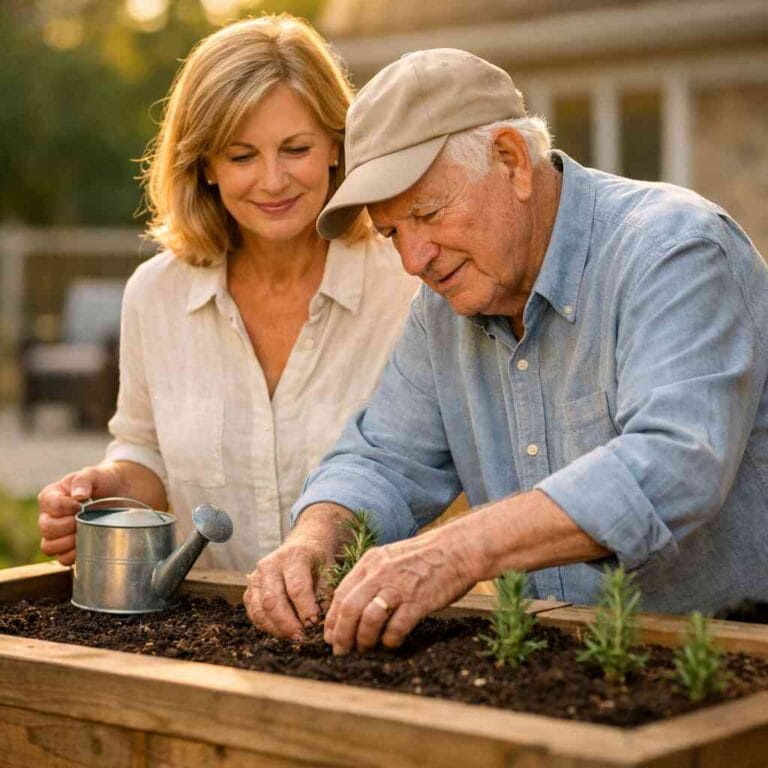
Gardening safety for seniors transforms this therapeutic hobby into a sustainable source of joy. Begin by selecting ergonomic, lightweight tools with padded handles to reduce strain on joints and improve grip. Employ proper technique by lifting with your legs, not your back, and use a kneeler bench or elevated planters to avoid excessive bending. Most importantly, practice pacing-alternate between tasks, take frequent breaks, and stay hydrated. These mindful approaches prevent acute injuries and chronic pain, making gardening a rewarding component of senior wellness in spring.
Balancing Social Connection with Outdoor Safety for Seniors
Spring naturally fosters a desire for social connection, which must be thoughtfully balanced with ongoing outdoor safety for seniors. Group activities, like walking clubs or patio gatherings, provide motivation and accountability for safe practices. In a seniors living community, these connections happen organically in secure, monitored environments. When venturing out, choose destinations with ample seating, shade, and accessible facilities. This balance ensures that the profound benefits of friendship and community are enjoyed within a framework that prioritizes everyone’s well-being, making social time both fulfilling and secure.
6 – The Cognitive and Emotional Reawakening: Supporting Mental Wellness in Spring
The season of renewal offers a unique opportunity to support cognitive and emotional well-being alongside physical health. Spring mental wellness for seniors involves actively leveraging the season’s energy to combat stagnation and lift spirits. Increased daylight alone can improve mood and regulate sleep patterns, providing a natural boost. Intentionally channeling this energy into positive practices fosters resilience and a sense of purpose. Nurturing the mind is as crucial as safeguarding the body, creating a holistic state of well-being that defines a truly vibrant spring.
Leveraging Seasonal Change for Senior Mental Wellness
Actively leveraging seasonal change for senior mental wellness can involve simple, intentional practices. Open curtains wide to maximize exposure to natural morning light, which helps regulate circadian rhythms. Introduce fresh, seasonal flowers or plants into your living space to stimulate the senses with color and scent. Establish a new routine that includes a daily moment to observe something growing or changing outside. These practices anchor you in the present moment and the positive momentum of the season, effectively warding off feelings of lethargy or low mood.
Fostering Secure Social Connections in Senior Communities
Fostering secure social connections is a cornerstone of life in senior communities, and spring provides the perfect backdrop for deepening these bonds. Communities often organize special spring-themed socials, group gardening projects, or outdoor exercise classes that facilitate interaction in a relaxed setting. These structured opportunities for connection are vital, as social isolation is a significant health risk for older adults. Engaging with neighbors and participating in group activities builds a supportive network, enhancing emotional security and overall life satisfaction within the senior living community.
Spring Cleaning for the Mind: Decluttering and Stress Reduction
Spring cleaning for the mind is a powerful metaphor for decluttering mental space and reducing stress. This can take a practical form, such as organizing a cluttered drawer or paperwork, which creates a tangible sense of order and control. On a deeper level, it might involve letting go of grudges, limiting exposure to negative news, or practicing mindfulness to quiet anxious thoughts. This intentional mental housecleaning creates room for peace, creativity, and joy. Embracing these spring cleaning safety tips for your mental environment is a profound act of self-care that complements physical spring home safety for the elderly.
7 – The Navigational Update: Senior Driving and Pedestrian Safety in Spring
Increased outdoor activity makes spring a critical time to update navigational safety, both behind the wheel and on foot. Senior driving in spring presents specific challenges like glare, rain-slicked roads, and more cyclists and pedestrians. Similarly, senior pedestrian safety requires heightened awareness in newly busy environments. Proactively addressing these areas protects not only the older adult but also the broader community. A commitment to cautious, adapted navigation ensures that the freedom to travel and explore remains a safe and positive aspect of independent living.
Adapting Driving Habits for Spring Rain and Glare
Adapting driving habits is essential for countering spring’s unpredictable rain showers and intense sun glare. Increase your following distance significantly on wet roads, as stopping distances are longer. Use your sunglasses and sun visor to manage glare, which can be blinding during sunrise, sunset, and when light reflects off wet pavement. If conditions become severe, do not hesitate to pull over safely and wait for the weather to improve. These prudent adjustments are non-negotiable for weather safety for the elderly on the road, ensuring that every journey concludes safely.
Senior Pedestrian Safety: Navigating Newly Busy Sidewalks
Senior pedestrian safety demands extra vigilance as sidewalks become busier with joggers, children, and pets. Always use designated crosswalks and obey traffic signals, making eye contact with drivers before proceeding. Wear bright or reflective clothing during dawn, dusk, or overcast days to maximize visibility to motorists. Be mindful of distractions like personal music players that can prevent you from hearing approaching traffic or bicycles. Walking with a companion not only provides social enjoyment but also adds an extra layer of awareness and security during your outings.
Vision Checks and Vehicle Readiness for Seasonal Driving
A pre-spring vision check and vehicle maintenance session are foundational to safe seasonal driving. Ensure your prescription for glasses or contacts is current, as clear vision is your primary tool for hazard detection. Have a mechanic check your vehicle’s tire tread and pressure, windshield wipers, and fluid levels to ensure it is prepared for spring showers. These proactive steps address the core mechanical and personal readiness factors for senior driving in spring. This diligence supports the independence that comes with driving while responsibly minimizing risk for yourself and others on the road.
Cultivating a Season of Secure Flourishing: The Path Forward
As we integrate these seven pillars of spring safety, the goal crystallizes: to cultivate a season of secure flourishing. This journey transcends mere hazard avoidance, aiming instead for a state of empowered well-being where safety enables greater joy, connection, and vitality. The path forward is about intelligent adaptation, allowing the spirit of spring to be fully embraced. By synthesizing environmental, physical, and emotional strategies, older adults can navigate the season with resilience and confidence. This holistic approach ensures that spring is a time of renewal in the truest, most vibrant sense.
Synthesizing the Safety Pillars for a Vibrant Spring
Synthesizing the safety pillars we’ve discussed creates a powerful, interlocking system for a vibrant spring. The environmental recalibration of the home supports the mobility imperative by removing fall risks. The physiological defense of managing allergies fuels the energy needed for the activity renaissance. Each pillar reinforces the others, building a comprehensive framework for senior spring safety tips. Viewing these strategies as a unified whole, rather than a disjointed list, empowers individuals to create a personalized and highly effective safety plan. This synthesis is the key to transforming knowledge into confident, daily practice.
The Role of Family and Senior Living Facilities in Ongoing Support
Ongoing support from family and professional senior living facilities is invaluable in maintaining spring safety momentum. Family members can assist with seasonal home audits, provide transportation for vision checks, or simply be a cheerful companion for outdoor walks. Meanwhile, assisted living locations provide built-in, professional oversight through their assisted living safety protocols and community activities. Utilizing a service like an assisted living locator can help families find communities that excel in this proactive, seasonal approach. This collaborative support network, blending personal care with professional expertise, offers the strongest foundation for lasting well-being.
From Checklist to Lifestyle: Integrating Safety into Daily Joy
The final, most rewarding step is moving from checklist to lifestyle, where safety practices become seamless threads in the fabric of daily joy. This means putting on sun-safe hats and sturdy shoes as naturally as grabbing your keys, or drinking water throughout the day without a second thought. It involves choosing a senior living community where safety measures are so well-integrated they feel effortless. This lifestyle approach, supported by resources that detail senior living facility safety, ensures that vigilance does not feel like a burden but rather a natural enabler of freedom and happiness. In this way, a secure spring becomes not just a seasonal achievement, but a sustainable way of living well.
Conclusion
Embracing spring safely is an act of empowerment, allowing older adults to fully participate in the season’s renewal with confidence and joy. The seven comprehensive tips outlined-from home maintenance and fall prevention to health management and mindful activity-provide a robust blueprint for navigating spring’s unique challenges. The goal is not to limit life but to enable its fullest, most vibrant expression through thoughtful preparation. Whether you are exploring housing options for seniors for yourself or a loved one, prioritizing communities with strong seasonal safety protocols is a wise decision. For personalized guidance in finding a senior living facility that champions this proactive, holistic approach to well-being in every season, connect with the expert team at Senior Living Facilities today. Let this spring be your season of secure flourishing.
Frequently Asked Questions
Question: How can Senior Living Facilities help us implement the spring safety tips from the ‘Top 7 Spring 2026 Safety Tips For Senior Living’ blog for our loved one?
Answer: At Senior Living Facilities, we specialize in connecting families with senior living communities that proactively integrate comprehensive seasonal safety into their daily operations. The tips outlined in the blog, such as preventing falls in spring, managing spring allergy safety for seniors, and updating emergency preparedness for seniors, are standard protocols in the quality communities we partner with. Our platform allows you to search, compare, and connect with assisted living facilities and independent living communities that have structured assisted living safety protocols and senior community safety measures already in place. This means your loved one can benefit from professional spring home maintenance, secure outdoor areas, and organized safe spring outings for the elderly without you having to manage every detail. We help you find a place where senior wellness in spring is a built-in priority.
Question: We are concerned about our parent aging in place this spring. What housing options for seniors do you offer that prioritize seasonal transition safety?
Answer: We understand that seasonal transition safety is a major concern for those aging in place. Senior Living Facilities showcases a wide spectrum of housing options for seniors designed to mitigate spring hazards. This includes senior apartment rentals and independent living communities that are meticulously maintained to address spring home safety for the elderly-think non-slip pathways, good drainage, and clear walkways. For those needing more support, our partnered assisted living locations have dedicated staff for spring home maintenance for seniors, from cleaning gutters to ensuring clear, dry pathways. By using our assisted living locator, you can find communities that conduct spring safety audits, effectively adapting homes for spring safety and providing a secure environment that might be challenging to maintain alone at home.
Question: How do the senior living facilities in your network handle outdoor safety for seniors and preventing falls in spring, which are major risks?
Answer: Preventing falls in spring is a cornerstone of senior health and safety in our network communities. They actively manage outdoor safety for seniors through rigorous environmental upkeep. This includes creating clear and dry pathways, applying non-slip coatings on wet surfaces, and ensuring excellent lighting. Furthermore, these communities foster senior mobility in spring by integrating fall prevention into daily activities and encouraging proper footwear. Staff are trained to assist with navigating wet surfaces for seniors and organizing activities that balance social connection with physical safety. When you use our service to find a senior living facility, you are selecting a place where outdoor safety protocols are systematic and proactive, significantly reducing risk.
Question: Can you help us find a community that supports both spring activity safety and senior social connection safety?
Answer: Absolutely. A key benefit of senior living communities is their ability to seamlessly blend spring activity safety with meaningful social engagement. The communities we list, including those for seniors 55+, regularly organize group outings and in-house events designed with guidelines for safe spring outings for the elderly. These activities, whether gardening clubs or walking groups, are supervised with senior wellness in spring in mind, incorporating gardening safety for seniors and weather safety for the elderly. This structured approach ensures that residents enjoy the activity renaissance of the season while being in a secure, socially vibrant environment. We help you find communities where safety enables joy, not limits it.
Question: What should we look for in a senior living facility’s emergency preparedness for seniors plan, especially for spring weather hazards?
Answer: When evaluating a senior living facility’s emergency preparedness for seniors, especially for spring hazards, look for a detailed, communicated plan that addresses specific seasonal risks like thunderstorms and temperature swings. A quality facility will have updated plans for spring weather, clear communication protocols for residents and families, and regularly refreshed emergency kits. They should conduct drills and have specific measures for weather safety for the elderly during power outages or severe storms. At Senior Living Facilities, we guide you to communities that treat emergency preparedness not as a checkbox but as a living protocol. Our partnered facilities often excel in these senior living facility safety measures, providing families with immense peace of mind.
Senior Living Facilities Editorial Team
Expert contributor specializing in senior living care. Dedicated to providing families with clear, actionable advice.