Understanding Long Term Care Facility Options in 2026
Navigating the Landscape of Senior Living in the Modern Age
The Evolution of Senior Living Communities
Senior living communities have evolved significantly over the years, transitioning from basic care facilities to vibrant spaces that focus on holistic wellness and community engagement. This shift highlights the increased emphasis on creating environments where seniors can thrive physically, emotionally, and socially. Today’s senior living facilities are designed to meet the diverse needs of their residents, providing varied services and amenities that encourage active and fulfilling lifestyles. Architectural designs now prioritize accessibility, safety, and comfort, contributing to a more welcoming living environment. This transformation reflects a broader understanding of senior care, emphasizing personalized approaches and flexible living arrangements.
Current Trends in Long-Term Care Solutions
Several trends are driving meaningful change in long-term care solutions today. One significant trend is the integration of technology to enhance safety and improve the quality of care. Tools like remote monitoring and telehealth are becoming commonplace, offering innovative ways to support seniors and their families. Additionally, sustainability is playing a crucial role, with eco-friendly senior living trends gaining traction to create more environmentally responsible communities. These trends reflect a shift toward future-proofing senior living services while addressing the specific needs of aging populations. For a deeper look at how technology is reshaping care delivery, see Senior Living Facilities Tech Trends Boosting Safety 2026.
Understanding the Needs of Today’s Seniors
Understanding the evolving needs of today’s seniors is critical for providing dignified and personalized care solutions. Seniors now seek more autonomy and choice, preferring communities that respect their desire for independence. This requires an approach that tailors services to individual preferences, factoring in unique health requirements, lifestyle choices, and social connections. Modern seniors also emphasize the importance of community involvement and activities that promote mental and physical well-being. Recognizing these needs ensures that elder care solutions remain relevant and effective, providing a supportive and enriching environment for seniors to lead satisfying lives.
Decoding the Spectrum of Long-Term Care Options
Independent Living vs. Assisted Living: Key Differences
Understanding the differences between independent living and assisted living is essential for families evaluating long-term care options. Independent senior living focuses on providing housing and minimal assistance, allowing seniors to maintain their independence. Residents often enjoy community amenities like social events and fitness centers within communities designed to support a self-sufficient lifestyle. In contrast, assisted living provides additional help with daily activities such as bathing, medication management, and meal preparation. Choosing between these options depends on a person’s level of independence and care needs, requiring thoughtful assessment. For a side-by-side comparison, Assisted vs Independent Living at Senior Living Facilities is a helpful resource.
Exploring Memory Care and Skilled Nursing Facilities
Memory care and skilled nursing facilities cater to seniors who need specialized care due to specific health conditions. Memory care units offer structured environments designed for those experiencing memory-related challenges such as dementia or Alzheimer’s disease. With specially trained staff, these facilities provide personalized care plans that ensure safety and support cognitive functioning. Skilled nursing care, on the other hand, is geared toward individuals who require more intensive medical attention and rehabilitation services. These facilities provide around-the-clock care, medical supervision, and access to healthcare professionals offering a range of treatments and therapies.
The Rise of Life Plan Communities and Continuum of Care
Life Plan Communities are gaining popularity by offering a continuum of care within a single community to accommodate changing needs over time. These communities provide multiple levels of care-from independent living to assisted and skilled nursing-allowing residents to remain within the same familiar environment. This continuity of care is highly appealing to seniors and their families, providing peace of mind that evolving health needs will be met without the disruption of relocation. By offering a range of services, life plan communities embody a flexible approach that supports lifelong residency and personalized care.
Personalized Elder Care: Tailoring Solutions for Every Senior
Assessing Individual Needs and Preferences
A crucial aspect of crafting effective elder care solutions is assessing the individual needs and preferences of each senior. Understanding personal health conditions, lifestyle choices, social activities, and family dynamics enables caregivers to tailor services and community offerings appropriately. This personalized approach ensures that care solutions are not only effective but also enriching, allowing seniors to sustain an active and fulfilling life. Compassionate assessments provide the foundation for building trust and satisfaction in the care experience, reinforcing the value of customized service in senior living facilities.
The Role of Senior Wellness Programs in Quality of Life
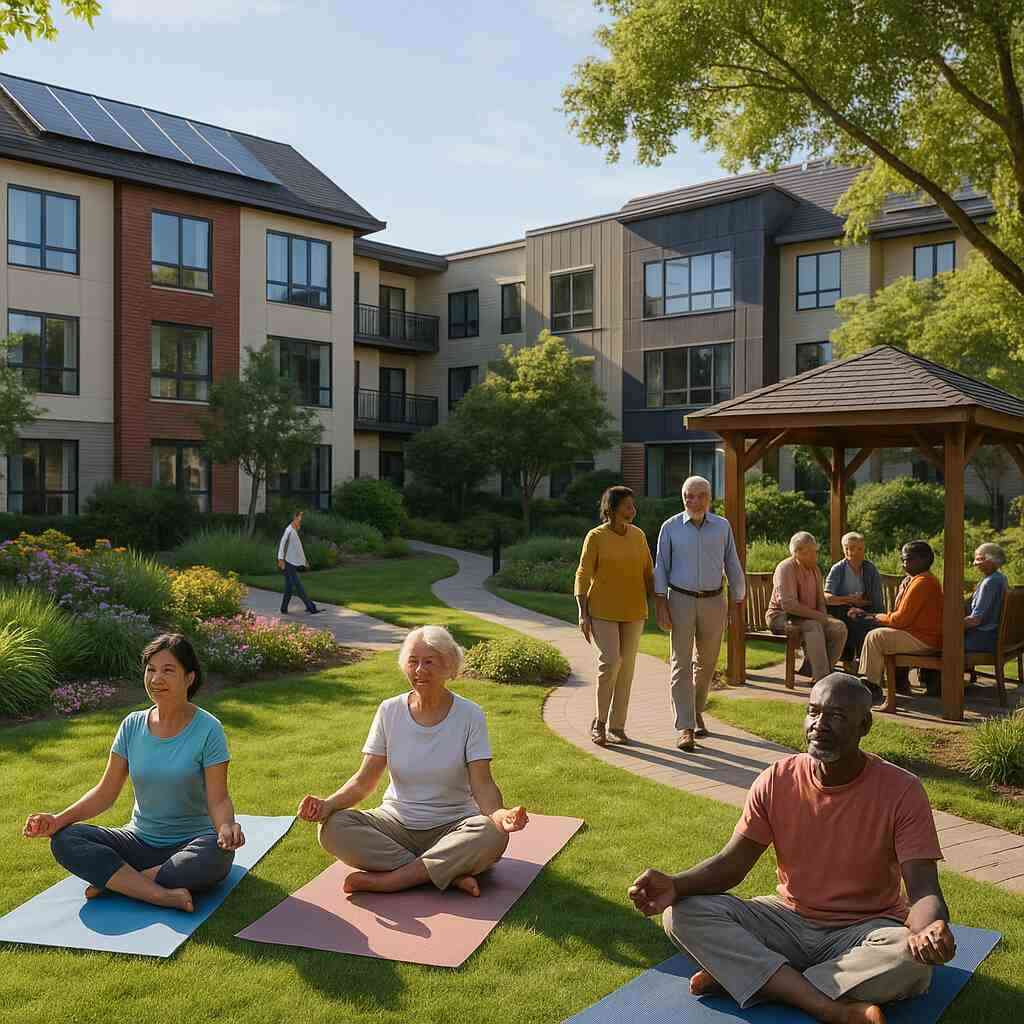
Senior wellness programs play an important role in enhancing quality of life by promoting physical health, mental well-being, and social connectivity. These programs encompass activities focused on fitness, nutrition, and stress management, as well as initiatives that foster socialization and intellectual engagement. By addressing the holistic needs of seniors, wellness programs help individuals maintain their independence and health, contributing significantly to their overall satisfaction and happiness. Facilities that prioritize these programs demonstrate a commitment to fostering a supportive environment where seniors can thrive. Learn more about what these offerings look like in practice at Hidden Wellness Benefits in Senior Living Facilities Near Me.
In-Home Senior Care: Aging in Place with Dignity
In-home senior care services offer a practical alternative for those who wish to age in place with dignity. These services provide personalized assistance in the comfort of one’s home, focusing on safety, health, and daily living support. From housekeeping and transportation to personal care and medical management, in-home care adapts to the specific needs of each individual. This model of care underscores the importance of autonomy and familiarity, extending the compassion and attention essential for seniors who prefer to remain in familiar surroundings while receiving the support they need.
Financial Planning and Resources for Long-Term Care
Navigating Costs: From Rental Housing to Full-Time Care
Understanding the financial implications of different senior housing solutions is crucial for effective elder care planning. The spectrum of options-from rental housing for seniors to full-time care in skilled facilities-varies significantly in cost. Evaluating these costs alongside personal budgets helps families make informed decisions. Budgeting tools and resources can aid in planning for potential future expenses, ensuring that care remains affordable and sustainable over time. Considering various service packages also allows for flexibility in care arrangements, aligning financial capabilities with care needs effectively. For a detailed breakdown of what to expect, Top 10 Hidden Costs in Senior Living Facilities Today is worth reviewing.
Leveraging Government and Community Resources
Government programs and community resources play a pivotal role in supporting long-term care affordability. Leveraging these resources requires understanding the eligibility criteria for programs like Medicaid, Veterans Affairs aid, and other state-specific assistance offerings. How senior living facilities handle Medicaid can provide a valuable template for integrating public support with personal finances. Collaborating with community organizations can also unlock access to additional support services, enhancing care options without overburdening financial constraints.
Understanding Insurance and Financial Assistance Options
Insurance serves as a cornerstone for managing long-term care expenses and securing comprehensive coverage. Long-term care insurance policies can cover some costs associated with assisted living, memory care, or in-home services, providing a financial safety net for families. Thoroughly understanding the scope and limitations of these policies is essential for optimizing benefits effectively. Exploring other financial assistance options-including personal savings plans and investment strategies-offers additional ways to manage the economic aspects of long-term care preparation. Families can also find practical guidance at How to Fund Senior Living Facilities Without Selling Your Home.
Empowering Families in the Senior Living Decision-Making Process
Engaging Seniors in Their Own Care Decisions
Empowering seniors to actively participate in their care decisions is crucial for fostering dignity and satisfaction in long-term care settings. Encouraging open discussions about preferences, concerns, and expectations ensures decisions are tailored to individual desires. This participative approach not only strengthens seniors’ sense of control and independence but also builds trust and confidence in their care plans. Facilities that prioritize transparent communication and respectful engagement create a collaborative environment where seniors feel valued and understood.
Building a Support Network for Ongoing Care Management
Building a strong support network is essential for successful ongoing care management. This network includes family members, healthcare professionals, and community resources working together to provide coordinated care. Maintaining regular communication between all parties involved ensures that care strategies are seamless and effective. A robust support system helps manage challenges, enhances care delivery, and provides emotional reassurance to both seniors and their families, reinforcing an overall sense of security and stability.
Fostering Community Engagement and Social Connections
Community engagement and social connections significantly contribute to the well-being of seniors in long-term care settings. Activities that encourage interaction, creativity, and community service foster a sense of belonging, reducing feelings of isolation and enhancing life satisfaction. Structured programs that promote socialization can include group activities, volunteer opportunities, and cultural outings, creating vibrant community dynamics. These initiatives are fundamental to maintaining a positive atmosphere within senior living communities, underscoring the importance of inclusivity and connection. For more on how facilities cultivate these bonds, see Senior Living Facilities: Social Ties and Cognitive Health.
Frequently Asked Questions
Question: What factors should I consider when choosing between independent senior living and assisted living for my loved one?
Answer: When deciding between independent senior living and assisted living, it is essential to consider your loved one’s level of independence and care needs. Independent senior living is ideal for those who can manage their daily activities without significant assistance and prefer a self-sufficient lifestyle within a community. This option offers amenities like social activities and fitness centers. In contrast, assisted living provides extra support with daily activities such as bathing and medication management. Evaluating your loved one’s health conditions, lifestyle preferences, and social needs will help determine the most suitable option for a fulfilling life.
Question: How do memory care and skilled nursing facilities differ in terms of the level of care they provide?
Answer: Memory care and skilled nursing facilities cater to seniors with specific health needs but differ in their focus. Memory care units are tailored for individuals with memory-related challenges such as dementia and Alzheimer’s. They provide structured environments with specialized staff to support cognitive functions and ensure safety. Skilled nursing facilities, on the other hand, offer more comprehensive medical care, catering to individuals who need continuous medical supervision and rehabilitation services. They provide around-the-clock care and have healthcare professionals available for treatments and therapies, ensuring a robust support system for more intensive needs.
Question: How does the integration of technology impact the quality of care in modern long-term care facilities?
Answer: The integration of technology significantly enhances the quality of care in today’s long-term care facilities. Tools like remote monitoring and telehealth have become integral to ensuring safety and efficiency in care delivery. These technologies allow for real-time health tracking and virtual consultations, facilitating prompt medical interventions when needed. This not only improves the responsiveness of care but also supports seniors’ desire for autonomy by allowing them to stay connected with healthcare providers without leaving their homes. Embracing technological advancements ensures personalized elder care solutions that adapt to the evolving needs of seniors.
Question: What makes life plan communities a popular choice in the context of Understanding Long Term Care Facility Options in 2026?
Answer: Life plan communities have become a popular choice within the spectrum of long-term care options due to their ability to provide a continuum of care. These communities offer various levels of care, from independent living to assisted and skilled nursing, allowing residents to receive appropriate support without relocating as their needs change over time. This continuity provides peace of mind for families, ensuring that seniors can enjoy a stable and familiar environment while receiving personalized care. Life plan communities represent a flexible option that supports lifelong residency and adaptability, making them an appealing choice for many.
Question: How can Senior Living Facilities assist families in navigating the financial planning required for long-term care?
Answer: Senior Living Facilities offers comprehensive resources to help families navigate the financial planning necessary for long-term care. Understanding the costs associated with various senior care facilities is crucial for effective planning. Our platform provides information on different financial assistance options, including long-term care insurance, Medicaid eligibility, and veterans’ benefits, to ensure affordable and sustainable care solutions. Additionally, we offer guidance on budgeting and leveraging community resources, helping families align their financial capabilities with their care needs strategically and with confidence.
Admin
Expert contributor specializing in senior living care. Dedicated to providing families with clear, actionable advice.