What Defines Quality Care at Senior Living Facilities Today

An Invitation to Rethink Quality Care in Senior Living
Beyond basic shelter how senior living facilities evolved into wellness ecosystems
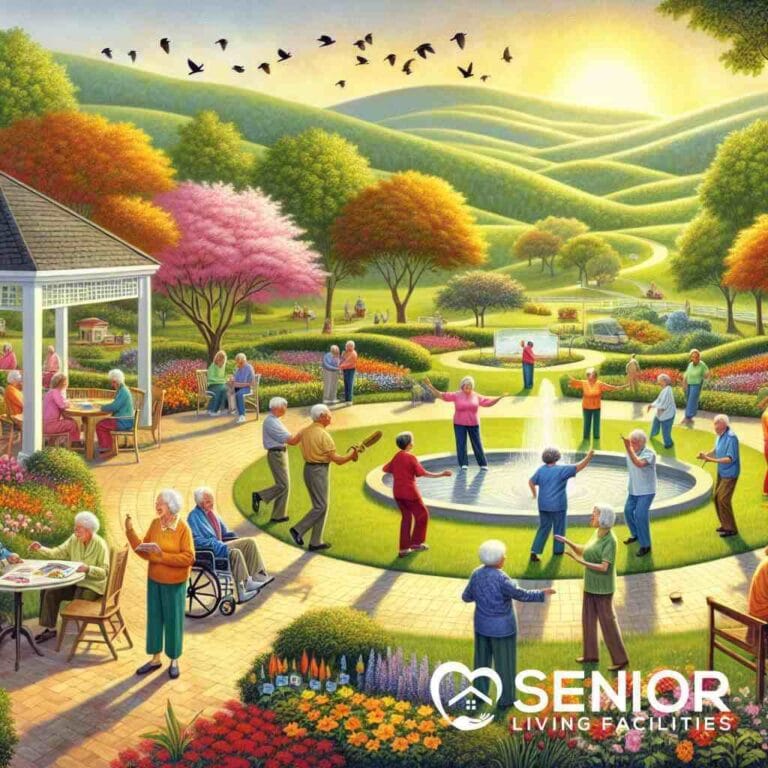
Contemporary senior living facilities no longer measure success by square footage or polished lobbies alone. They now weave medical expertise, social engagement, and purposeful design into one seamless tapestry of health. Prospective residents explore each senior’s living community through a wellness lens, evaluating preventive care programs, integrated therapy services, and stimulating common areas. Families often begin their research with a trusted national senior living facility directory that highlights how each property moves beyond shelter to holistic support. This shift from custodial care to vitality coaching reflects society’s growing respect for longevity, autonomy, and joy in aging.
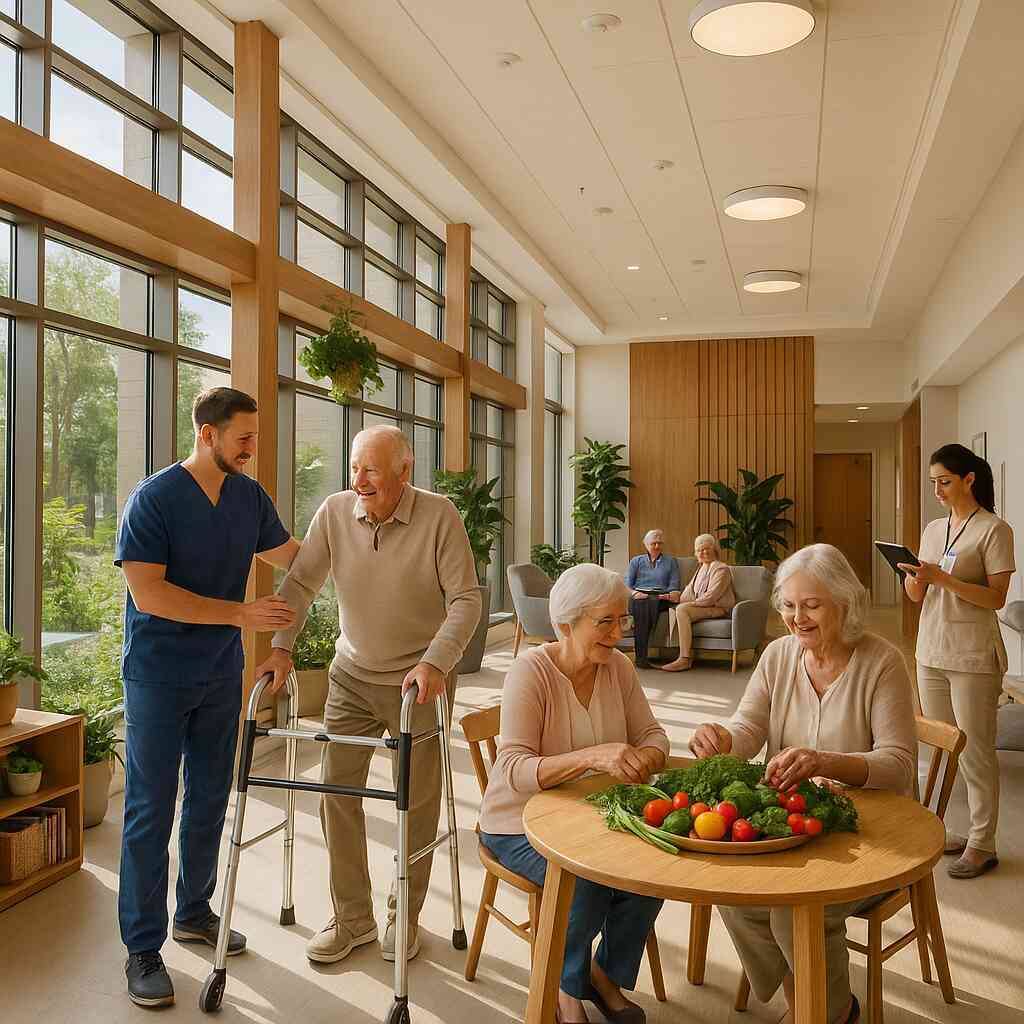
These ecosystems flourish because leadership teams recognize older adults as multifaceted individuals rather than passive patients. Before drafting assisted living plans, interdisciplinary clinicians complete holistic wellness assessments that account for mobility, cognition, emotional well-being, and spiritual needs. Culinary directors coordinate with registered dietitians to transform dining rooms into nutrition classrooms, replacing bland fare with vibrant farm-to-table menus. Life-enrichment coordinators leverage technology, art, and intergenerational partnerships to combat the isolation that once plagued traditional long-term care facility models. Even building engineers participate, integrating circadian lighting, adaptive bathroom fixtures, and dementia-friendly way-finding cues so residents navigate spaces confidently. Such coordinated efforts redefine quality care as a dynamic, proactive partnership rather than a static environment.
Why families searching for senior living near me now prioritize dignity autonomy and purpose
When families type “senior living near me” into a search engine, they pursue more than proximity; they seek environments where dignity is non-negotiable. Adult children tour properties expecting resident councils, transparent grievance systems, and cultural competency training that honors heritage and personal rituals. They compare housing options for seniors that range from senior apartment rentals to communities for seniors 55+, ensuring each setting supports individualized routines rather than regimented schedules. Transparent staffing ratios, respectful communication protocols, and flexible daily activities assure families that autonomy remains central to every caregiving interaction. Ultimately, purpose-driven programming-such as mentoring local students or tending community gardens-signals a commitment to meaningful living, not mere existence.
Expectations also rise because digital resources empower consumers to investigate everything from infection-control scores to fall-prevention innovations before setting foot on campus. A modern assisted living locator offers side-by-side comparisons of assisted living locations, highlighting technology that connects residents with telehealth providers while preserving privacy. Testimonials collected through resident-satisfaction surveys reveal whether a senior living facility cultivates genuine belonging or simply markets it. As a result, operators that champion autonomy-respecting service models and measurable quality metrics stand out in an increasingly competitive landscape. Families feel confident entrusting loved ones to communities that celebrate individuality, encourage personal growth, and align every policy with the pursuit of purpose.
From One Size Fits All to Person Centered Journeys
Mapping assisted living plans tailored to residents through holistic wellness assessments
Evolving senior living facilities begin each resident’s journey with a full-spectrum wellness assessment. Interdisciplinary clinicians evaluate mobility, cognition, nutrition, and emotional resilience in one coordinated session. Families join, supplying life story details that shape future goals. The resulting profile becomes a living blueprint, updating whenever health status shifts. Such personalization supports evidence-based caregiving protocols while honoring preferences. Readers can explore practical checklists for assessing the quality of elder care services before any move. Armed with objective criteria, families compare assisted living locations confidently. Person-centered senior care stops feeling abstract and starts feeling achievable.
Once assessments conclude, teams translate insights into assisted living plans tailored to residents. A dietitian aligns menus with metabolic needs and cultural tastes. Physical therapists schedule therapy-led mobility programs that fit personal energy rhythms. Social workers coordinate transportation so hobbies remain accessible beyond the campus gates. Technology specialists sync wearable devices to nurse dashboards, enabling proactive chronic disease management. Monthly care conferences include the resident’s voice, ensuring each tweak respects autonomy. This cyclical process transforms care plans from static documents into collaborative roadmaps toward thriving longevity.
Cultural competency and autonomy respecting service models in communities for seniors 55 plus
Quality care rises when communities for seniors 55+ embrace cultural competency as a daily practice. Dining calendars honor regional flavors, religious fasting periods, and comfort foods linked to childhood memories. Caregivers greet residents in preferred languages, strengthening trust from the first good morning. Holiday celebrations feature inclusive rituals, allowing everyone to share traditions without judgment. Such intentional gestures reduce loneliness and reinforce belonging within each senior’s living community.
Autonomy follows naturally when staff shift from doing for residents to doing with residents. Morning routines allow flexible wake times rather than institutional bells. Residents choose between yoga, gardening, or quiet reading instead of mandatory group exercise. Even medication times adjust slightly when clinically safe, reinforcing self-determination. These small freedoms differentiate progressive senior housing options from traditional nursing homes for the elderly.
Aging in place philosophy weaving independence and long term care facility continuity
Aging in place philosophy links independence with seamless access to higher support when needed. Designers integrate wide doorways, step-less showers, and grab bars long before mobility declines. Smart sensors detect subtle gait changes, flagging fall risk early. On-site clinics provide rehabilitation services, so residents avoid disruptive transfers elsewhere. The result is continuity; friends, routines, and familiar caregivers remain constant as health needs evolve.
This continuum extends beyond bricks and mortar. Senior apartment rentals may belong to the same network as an adjoining long-term care facility. Residents who transition retain their care team, medical records, and community connections. Family portals display updates across all levels, streamlining communication. Consequently, senior living near me searches represent a lifelong neighborhood rather than a temporary address.
 Clinical Rigor Safeguarding Health and Hope
 Clinical Rigor Safeguarding Health and Hope
Licensed nurse staffing ratios and evidence based caregiving protocols that elevate outcomes
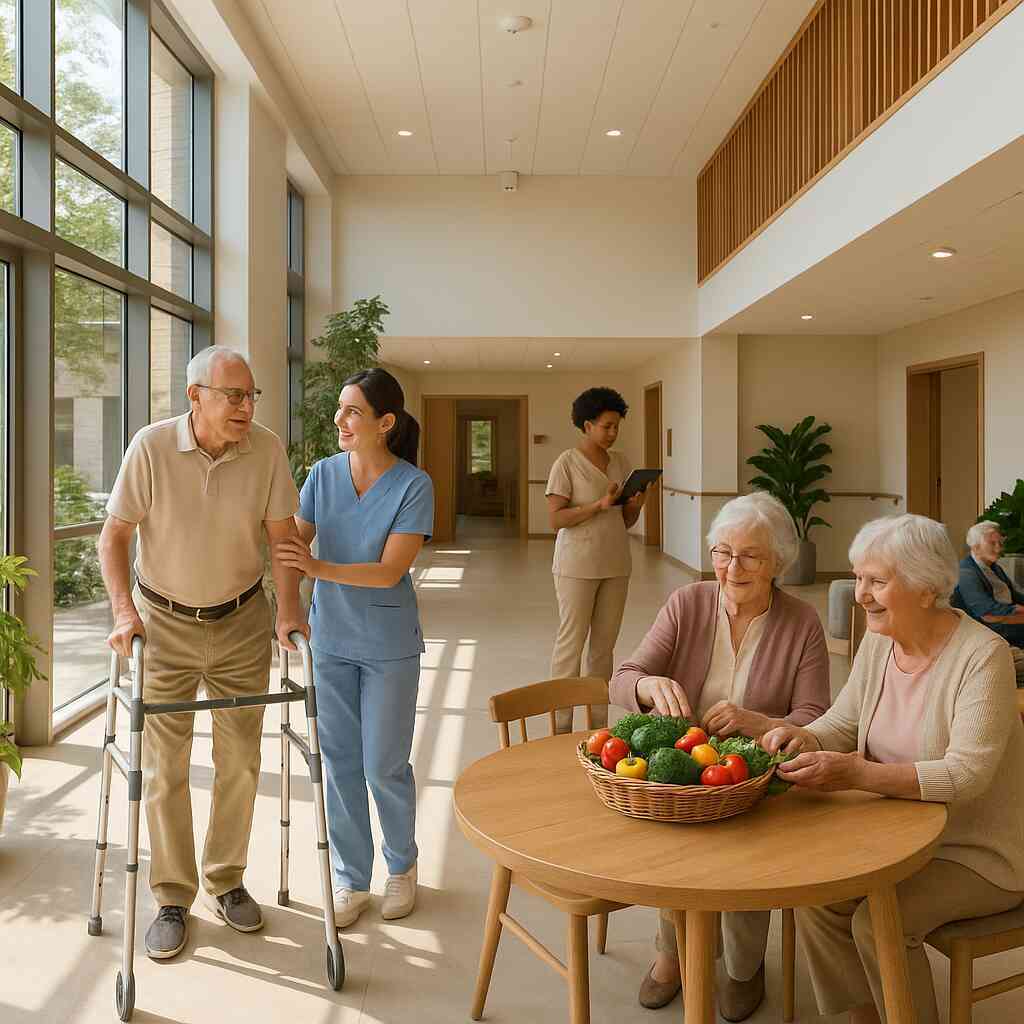
Adequate licensed nurse staffing ratios remain the backbone of quality care in senior living facilities. Research shows that consistent RN coverage lowers avoidable hospital transfers and pressure injuries. Progressive operators publish daily ratios, inviting families to verify clinical depth before choosing a long-term care facility. Transparent data aligns with excellence benchmarks in modern senior living and reassures regulators that residents receive attentive oversight. Strong ratios also empower nurses to follow evidence-based protocols rather than crisis triage.
Well-defined clinical pathways guide nurses through routine wound care, hydration checks, and cognitive screenings. Interdisciplinary teams review outcomes monthly, refining protocols when trends emerge. Such real-time refinement keeps care plans current with medical literature. Families witness a culture of learning instead of complacency. Ultimately, evidence-driven practice transforms caregiving from reactive to preventive, boosting resident vitality.
Medication management accuracy proactive chronic disease management and fall prevention strategies
Medication errors threaten safety in nursing homes for the elderly. Modern dispensing carts use barcode verification to match resident IDs with electronic orders. Automated alerts flag potential drug interactions instantly, allowing nurses to consult pharmacists before doses reach residents. This closed-loop process drives medication management accuracy and reduces rehospitalizations.
Proactive chronic disease management follows the same tech-enabled mindset. Remote vitals monitoring transmits blood pressure and glucose data to on-site clinicians every morning. Nurses intervene early, adjusting care plans before conditions escalate. Concurrently, physical therapists teach balance exercises that dovetail with fall prevention strategies in senior living. Coupled with upgraded flooring that absorbs impact, these programs cut fracture rates and preserve confidence.
Therapy led mobility programs rehabilitation services on site and dementia friendly design principles
Therapy-led mobility programs start with individualized gait analyses conducted by licensed physical therapists. They prescribe strength routines that integrate seamlessly into daily activities of living, not just gym sessions. Residents practice sit-to-stand movements during social games, turning exercise into engagement. Occupational therapists adapt kitchens and hobby rooms so fine-motor tasks remain achievable, reinforcing independence.
On-site rehabilitation services eliminate disruptive trips to outside clinics. Speech-language pathologists address swallowing issues in familiar dining rooms, boosting nutritional intake. For memory care wings, dementia-friendly design principles guide every doorway and color palette. Clear sightlines reduce confusion, while noise-absorbing materials ease agitation. Together, design and therapy build an environment where mobility and cognition can flourish side by side.
Infection control best practices and emergency response readiness anchoring resident safety
Vigilant infection control best practices guard communal living spaces. High-touch surfaces receive hospital-grade disinfection multiple times daily, and ultraviolet robots sanitize vacant rooms overnight. Staff undergo routine competency drills on hand hygiene and personal protective equipment, reinforcing habits that halt pathogen spread before outbreaks occur.
Emergency response readiness complements infection protocols. Facilities conduct tabletop and live evacuation exercises that include residents with mobility devices. Backup generators support ventilators and refrigerated medications during power disruptions. A secure digital dashboard tracks resident locations and acuity levels, ensuring first responders have access to accurate information quickly. By integrating infection control with all-hazards planning, senior living near you can promise safety without sacrificing comfort.
Life Enrichment: The Heartbeat of Meaningful Days
Integrated wellness programming blending physical cognitive and mental health support for older adults
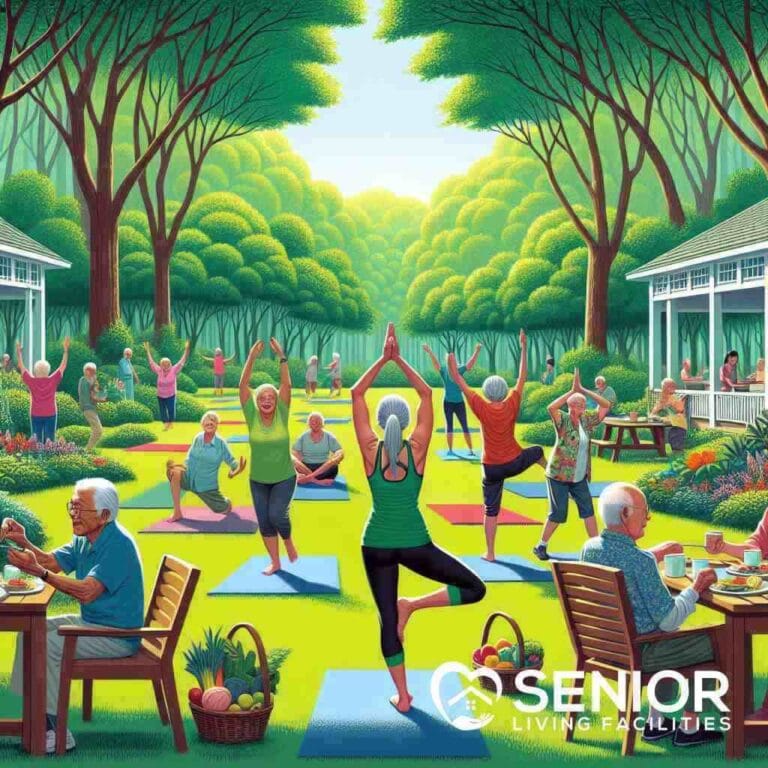
Effective wellness programming now anchors the daily rhythm inside leading senior living facilities. Interdisciplinary teams weave movement, mindfulness, and memory training into one seamless schedule. Residents practice tai chi beside brain-fitness stations, then join group reflections led by licensed counselors. This triad approach nourishes body strength, cognitive agility, and emotional balance simultaneously. Families see tangible proof that quality care reaches far beyond routine activities of daily living assistance.
The best seniors living community models personalize each component. Fitness coaches adapt resistance routines for arthritis while neuropsychologists adjust cognitive games for mild impairment. Mental health support for older adults appears through peer circles that destigmatize anxiety and grief. Because programs flex with health status, residents maintain progress rather than plateau. Such dynamic design epitomizes person-centered senior care in communities for seniors 55+.
Nutrition forward meal planning for seniors and farm to table inspiration within senior housing options
Culinary teams elevate dining from simple sustenance to preventive medicine. Dietitians collaborate with local growers, bringing vibrant produce directly to senior housing kitchens each morning. Menus spotlight anti-inflammatory herbs, heart-healthy grains, and culturally cherished comfort foods. Every plate aligns with assisted living plans that track sodium, protein, and glycemic targets. Residents savor flavor while clinicians monitor metrics discreetly.
Seasonal cooking demonstrations transform dining rooms into interactive classrooms. Garden clubs harvest herbs for pesto workshops, reinforcing purpose and sensory stimulation. Rental housing for seniors benefits as well, because open café layouts invite neighbors to share recipes and memories. These farm-to-table rituals strengthen community bonds while promoting longevity. They also prove that nutrition-forward care fits elegantly within any housing option for seniors.
Resident driven life enrichment activities calendar fostering social engagement
Vibrant calendars spring from resident councils, not corporate templates. Elders propose book swaps, podcast studios, or virtual travel clubs based on personal passions. Staff act as facilitators, ensuring supplies, safety, and inclusive access. This resident-driven model combats loneliness more effectively than prescriptive schedules ever could. Social engagement becomes organic, joyful, and sustainable.
Prospective families often review calendars to gauge authenticity. Many now use the interactive guide to evaluate life inside retirement communities before scheduling tours. They compare how each senior living facility balances creative expression with spiritual rituals and intergenerational outreach. Transparent feedback loops allow quick adjustments when interests shift. As a result, life enrichment remains fresh, relevant, and empowering.
Senior safety technology solutions and telehealth in assisted living locations are expanding care access
Safety technology quietly safeguards independence without eroding dignity. Discrete motion sensors learn normal movement patterns and alert nurses to anomalies. Wearable devices track hydration and send subtle cues to residents before dehydration sets in. Integrated dashboards allow licensed clinicians to review data alongside medication records, supporting proactive chronic disease management. Peace of mind rises, yet privacy remains protected.
Telehealth suites further extend medical reach inside assisted living locations. Residents meet cardiologists or therapists through high-definition portals while care aides remain present for support. This model reduces disruptive travel and keeps personal physicians involved. Families searching for seniors living near me appreciate immediate access to specialists and swift response during urgent situations. Together, tech and human empathy co-create a safer, healthier future for seniors living near you.
Digital Transparency Strengthening Trust and Accountability
Family communication portals in nursing homes for the elderly delivering real time connection
Modern family portals transform nursing homes for the elderly from closed institutions into open, collaborative networks. Secure apps stream medication updates, dining choices, and therapy milestones to approved relatives instantly. Because information flows continuously, families replace worry with informed participation, even when they live far away. Staff respond to portal messages quickly, fostering shared decision making and reinforcing accountability. Consequently, residents sense unified support rather than fragmented oversight.
These portals also integrate with the broader ecosystem of senior living facilities, syncing calendars and telehealth appointments across campuses. Relatives comparing locations can first search assisted living options near you to confirm whether portals meet their connectivity expectations. Transparent communication metrics-like average response times-appear in promotional materials, reducing uncertainty before move-in. By highlighting tech-enabled openness, each senior living facility demonstrates respect for resident voice and family advocacy. Trust, once earned slowly through visits, now builds daily through data-driven dialogue.
Quality assurance audits data dashboards and continuous improvement in senior apartments
Quality assurance once meant thick binders reviewed quarterly; today, interactive dashboards track performance inside senior apartments minute by minute. Facilities measure fall rates, dining satisfaction, and environmental safety, then display trend lines for staff and regulators. When metrics dip, teams launch rapid-cycle improvement projects, aligning actions with evidence-based caregiving protocols. Residents receive summarized reports through community meetings, reinforcing a culture of transparency. Because everyone sees the same data, excuses fade and solutions emerge.
Senior apartment rentals that embrace open dashboards attract discerning families seeking reliable senior housing options with medical oversight. Auditors appreciate graphical proof that corrective actions continue until benchmarks hold steady. Maintenance crews schedule work orders directly from safety alerts, preventing small defects from escalating. Furthermore, executives compare campuses nationwide, sharing successful interventions in real time. Continuous improvement becomes contagious, turning compliance into a competitive advantage.
Privacy conscious monitoring tech and licensed clinical oversight ensuring peace of mind
Discreet sensors mounted behind artwork quietly learn each resident’s usual movement patterns. When anomalies arise-like prolonged bathroom stays-licensed nurses receive silent alerts on encrypted tablets. Because cameras are rare and data obfuscated, dignity stays intact while safety remains paramount. Families appreciate that monitoring supports autonomy rather than replacing human presence. Regulators also recognize that privacy conscious design satisfies ethical and legal standards.
Clinical oversight rounds out the protection strategy. Algorithms flag subtle health changes, yet only credentialed clinicians interpret findings and update assisted living plans. This human-in-the-loop approach balances innovation with professional judgment, avoiding alarm fatigue. Residents feel secure knowing technology never overrides personalized care. Ultimately, transparency about who sees what data-and why-cements confidence across the entire seniors living community.
Closing the Loop on Quality: A Collective Commitment
 Closing the Loop on Quality: A Collective Commitment
Resident satisfaction surveys and evidence driven adjustments fueling excellence
Resident satisfaction surveys illuminate strengths and reveal hidden gaps inside senior living facilities. Teams analyze patterns in meal enjoyment, therapy outcomes, and staff responsiveness. Because every voice counts, surveys include digital forms, phone interviews, and accessible paper versions. Data moves swiftly from dashboards to action plans, preventing minor frustrations from becoming systemic issues. Continuous listening ensures quality care in senior living never stagnates.
Survey findings only matter when leadership adapts. Managers share results with resident councils, building trust through transparency. They then align adjustments with recognized best practices and benchmark peers. To deepen perspective, many communities study resources like what defines eldercare success today, linking local insights to national standards. Follow-up polls measure whether changes boost engagement, tighten safety, and refine person-centered senior care. This rhythmic cycle converts feedback into lasting excellence.
Community partnership among providers regulators and advocates raising safety standards
Quality improvement thrives when providers, regulators, and advocacy groups collaborate rather than compete. Task forces combine clinical data from nursing homes for the elderly with policy expertise from state agencies. Consumer advocates contribute lived experience, ensuring rules respect dignity and autonomy. Regular roundtables foster quick consensus on emerging safety needs, such as novel fall-prevention technologies. Shared goals replace territorial mindsets.
Partnerships also accelerate the adoption of evidence-based caregiving protocols across every long-term care facility. Joint training sessions certify staff on infection control, cultural competency, and emergency readiness. Grants support pilot programs that test smart-sensor monitoring or dementia-friendly design upgrades. If metrics confirm success, cooperatives scale innovations statewide, benefiting large senior housing campuses and smaller rural sites alike. Collective accountability strengthens public confidence and protects residents.
Choosing senior living near you confidently with the Senior Living Facilities platform
Families often feel overwhelmed by endless web searches for senior living near you. The Senior Living Facilities portal simplifies discovery with an intuitive assisted living locator covering all fifty states. Users filter housing options for seniors by care level, social programming, and clinical oversight. Side-by-side comparisons clarify whether a community offers therapy-led mobility programs or robust mental health support for older adults. Transparency turns anxiety into informed action.
After narrowing choices, families connect directly with communities or request personalized guidance from our experts. Advisors explain assessment processes, licensed nurse staffing ratios, and aging-in-place design features. Because the database updates continually, listings reflect current inspection scores and resident feedback. Should a new provider emerge, authorized representatives can easily submit senior residence listing details for review. With credible information at their fingertips, families select a senior living facility that matches health goals, lifestyle preferences, and budget parameters without hesitation.
Frequently Asked Questions
Question: How do Senior Living Facilities turn holistic wellness assessments into person-centered senior care across the senior living facilities listed on the site?
Answer: Senior Living Facilities partners only with communities that begin every resident journey with holistic wellness assessments covering mobility, cognition, nutrition, and emotional health. These assessments feed directly into assisted living plans tailored to residents, ensuring dietary needs, therapy-led mobility programs, mental health support for older adults, and cultural preferences are honored from day one. When you use our assisted living locator, you’ll see assessment practices, licensed nurse staffing ratios, and rehabilitation services on-site highlighted in each profile so you can confirm true person-centered senior care before scheduling a tour.
Question: In the article What Defines Quality Care at Senior Living Facilities Today, integrated wellness programming was highlighted. How can I compare communities for seniors 55+ that truly deliver integrated physical, cognitive, and mental health support?
Answer: On SeniorLivingFacilities.com you can filter housing options for seniors by wellness categories such as integrated wellness programming, nutrition-forward meal planning for seniors, and mental health support for older adults. Each seniors living community page lists sample life enrichment activities calendars, farm-to-table dining details, and therapy schedules so you can easily compare communities for seniors 55+ offering social engagement that matches your expectations. Side-by-side comparison tools even reveal fall prevention strategies in senior living and dementia-friendly design principles, helping you identify which community most closely aligns with the quality care standards described in the blog.
Question: What evidence-based caregiving protocols and senior safety technology solutions should I look for when searching for senior living near me, and how does Senior Living Facilities surface that information?
Answer: Quality care in senior living today relies on evidence-based caregiving protocols like barcode-verified medication management accuracy, proactive chronic disease management dashboards, and infection control best practices. Senior safety technology solutions such as discreet motion sensors, telehealth in assisted living locations, and emergency response readiness plans further protect residents. On our platform, every long-term care facility profile includes a Safety & Clinical Rigor section where you can verify licensed nurse staffing ratios, fall rates, and the presence of telehealth suites or smart sensors. That transparency allows you to choose seniors living near you with confidence.
Question: How do family communication portals and quality assurance audits in senior apartments strengthen trust, and where can I see proof of these features in Senior Living Facilities?
Answer: Family communication portals in nursing homes for the elderly provide real-time updates on medication changes, dining choices, and therapy milestones, replacing uncertainty with collaboration. Quality assurance audits, displayed through data dashboards, show continuous improvement in areas like dining satisfaction and fall prevention. When browsing senior apartments on SeniorLivingFacilities.com, look for badges indicating live family portals and published quality assurance scores. We require our partner senior housing options with medical oversight to upload current audit summaries, so you can verify transparency and accountability before making a decision.
Question: How is the aging in place philosophy reflected in assisted living plans and housing options for seniors featured on Senior Living Facilities?
Answer: Communities that embrace the aging in place philosophy design residences with step-less showers, wide doorways, and grab bars, then layer rehabilitation services on-site and licensed clinical oversight to support changing needs. Senior Living Facilities highlights these design and service elements in each listing under the Aging in Place tab. You’ll find details about therapy-led mobility programs, continuum-of-care campuses that link senior apartment rentals with higher-acuity wings, and autonomy-respecting service models that let residents remain in familiar surroundings even as health requirements evolve.
Admin
Expert contributor specializing in senior living care. Dedicated to providing families with clear, actionable advice.