
What Is Aging in Place and When Is Senior Housing Better
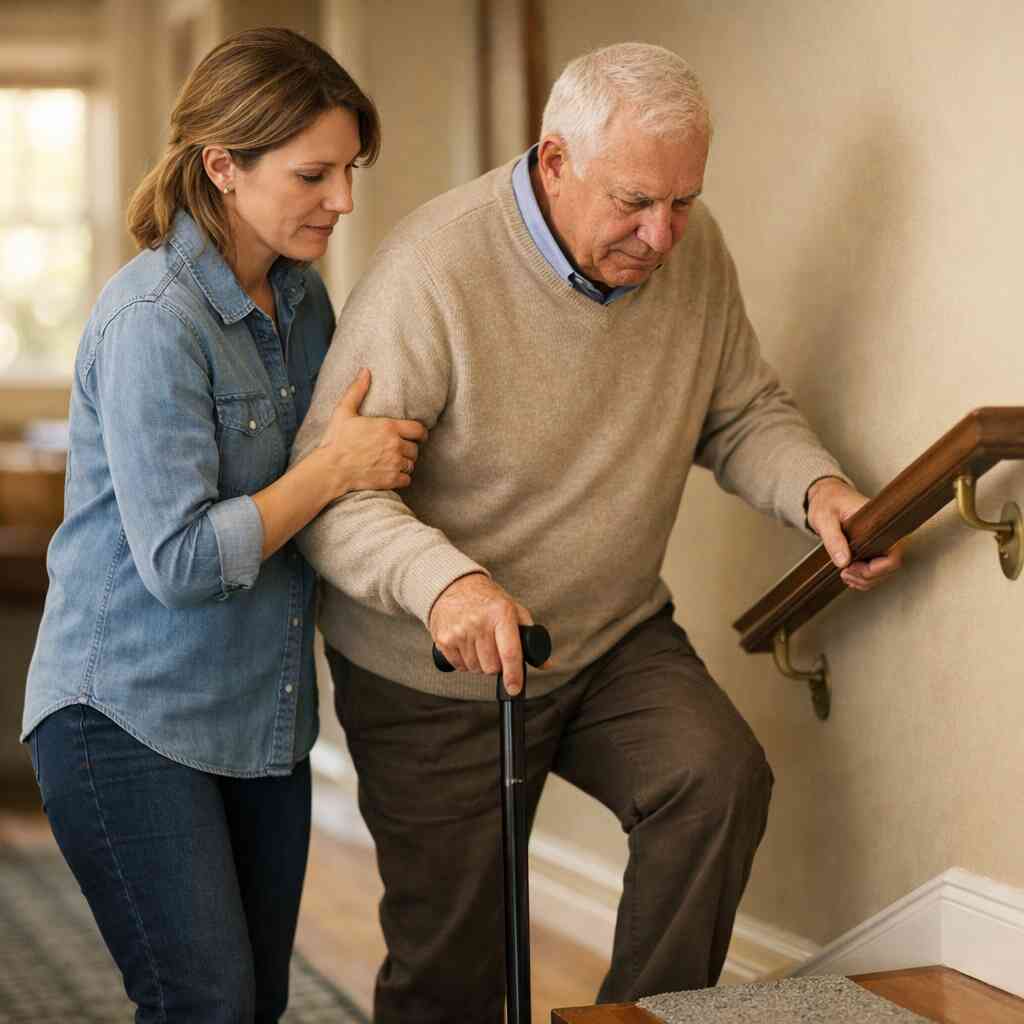
You notice Mom leaving the stove on again. Or Dad’s mail stacks up unopened by the door. That uneasy feeling usually starts before anyone says the words senior living facilities out loud. If you are reading this because home no longer feels quite as safe, that tension is real. It is also more common than families admit.
Aging in place sounds simple: stay home, keep your routines, and keep control. Yet the hard part is knowing when those routines still support life and when they quietly become a burden. That line can blur fast, especially when memory slips, falls, or medication errors enter the picture.
We hear this from families almost every week. The home still looks familiar, but the support behind it has started to fray. In Orlando, a daughter told us her father still insisted he was “fine,” even as frozen dinners replaced meals and the front steps became a daily obstacle. By the time she called, she was not asking about comfort anymore. She was asking about safety.
When staying at home quietly stops feeling safe
The small changes families notice first and why they matter more than memory slips alone
The first warning signs are often small: a sink full of dishes, missed bills, or spoiled food in the refrigerator. These changes matter because they show a decline in daily function, not just forgetfulness. That distinction matters when you are weighing housing options for seniors, senior citizen housing, or elderly housing.
Memory slips can happen with normal aging. However, trouble with grooming, cooking, and managing medications points to a deeper issue. In many cases, the real concern is not memory alone. It is whether the home setup still matches the person’s abilities.
How to tell aging in place from denial when chores, meals, and medications start slipping
Aging in place works when a person can still manage most daily life with limited help. Denial looks different. It shows up when someone insists everything is fine while the laundry piles up and appointments get missed. That gap between confidence and reality is where families get stuck.
Here is the part most families miss: the question is not whether your loved one wants to stay home. The question is whether the home now needs a system of support that does not exist. If that support only works when a daughter, son, or neighbor fills every gap, the plan may already be failing.
The hidden home risks that turn familiar rooms into senior housing decisions for seniors 55+
A home can become risky in ways people do not notice at first. Loose rugs, poor lighting, steep stairs, and high bathtub walls all create fall hazards. Add confusion about medications, and a familiar room becomes a source of repeated danger. That is why many families start comparing 55+ apartments, rental housing for seniors, and senior apartment rentals before a crisis forces the issue.
In Phoenix, one son described his mother’s hallway as “fine” until he watched her grab the wall to steady herself three times in one afternoon. That is how these decisions usually begin: not with a dramatic event, but with a pattern.
Why a senior living advisor can help families see the difference before a crisis decides for them
A good senior living advisor helps you see the situation clearly. They can compare a senior living facility, independent living communities, and assisted living locations without pressure. They also understand when a free senior living referral may save weeks of confusion. That support matters when emotions are high and everyone is tired.
Senior Living Facilities offers a senior living directory that can help families compare options across all 50 states. It is especially useful when you need a broader view of senior living near me choices. You do not have to sort through every possibility alone. You do need a clearer picture before the next problem arrives.
What aging in place can really handle and where it starts to strain
The daily support that makes rental housing for seniors or senior apartment rentals workable
Aging in place can work well when the person only needs light support. Maybe that means meal delivery, transportation help, or weekly housekeeping. In the right setting, even senior apartment rentals can fit that level of independence. Some communities for seniors 55+ also offer social connection without full-time care.
The key is consistency. If support is predictable and modest, staying home may remain practical. If help keeps expanding, the home can start to feel like a patchwork. That is often when families begin comparing independent living communities to other senior living options.
When home care, respite care, or a visiting caregiver is enough and when it is not
Home care can be a smart bridge. A visiting caregiver can help with bathing, dressing, light meals, or medication reminders. Respite care can also give family caregivers a needed break. For a person with stable needs, that combination may be enough.
It stops being enough when care needs become frequent or unpredictable. If your loved one needs supervision for safety, or if missed medications create repeated issues, home care alone may not solve the problem. A visiting caregiver cannot be everywhere. That is often the moment families start asking about how assisted living plans support daily care.
Why mobility limits, loneliness, and fall risk change the equation faster than most families expect
Mobility loss changes everything. A person who cannot safely get to the bathroom at night, climb steps, or stand long enough to cook faces daily strain. Then loneliness enters the picture. Isolation often deepens confusion, depression, and inactivity, even when the person looks physically “okay.”
Here is what almost no online guide mentions: families often focus on medical needs, but social decline can be just as serious. A quiet house can become a hard place to live when nobody checks in. That is one reason aging in place versus senior living community choices deserves careful thought.
How long-term care insurance, Medicaid senior housing, and VA benefits for senior care can shape the choice
Money shapes options more than people expect. Long-term care insurance may help cover certain support services, depending on the policy. Medicaid senior housing programs can help some lower-income seniors, though eligibility rules vary widely by state. VA benefits for senior care may also help eligible veterans and surviving spouses.
Funding does not just affect cost. It affects timing, location, and the level of care a family can realistically sustain. If you are comparing long term care insurance and senior homes, the important question is not what sounds ideal. It is what remains workable month after month.
The point where senior housing becomes the wiser move
Signs the home is no longer the least stressful option for everyone involved
Sometimes the home is the hardest place, not the easiest. If family members are rotating overnight visits, managing pills from a distance, or constantly cleaning up near-misses, stress has already moved in. So has risk. That is usually when senior housing becomes the calmer option for everyone.
A practical sign is caregiver burnout. Another is repeated emergencies that could have been prevented with a more supportive setting. When the whole family is living around one person’s decline, the home stops serving everyone well. That is the point where senior citizen housing starts to look less like surrender and more like relief.
Why assisted living plans often fit better than a patchwork of helpers at home
Assisted living plans are built for people who need help with daily tasks but do not need constant medical supervision. That makes them a strong fit when meals, bathing, dressing, and medication reminders have become regular needs. For many families, that structure is far more stable than patching together multiple helpers at home.
If you are comparing choices, start with assisted living before trying to solve everything yourself. The right community can offer routine, social contact, and a safer environment. It can also reduce the emotional strain of becoming the default care manager.
When independent living communities or a continuing care retirement community CCRC can preserve freedom without the burden of upkeep
Not every move means higher care. Sometimes the real goal is less housework, less isolation, and less maintenance. That is where independent living communities for active seniors can make sense. They often work well for older adults who are mostly independent but tired of repairs, yard work, and home upkeep. 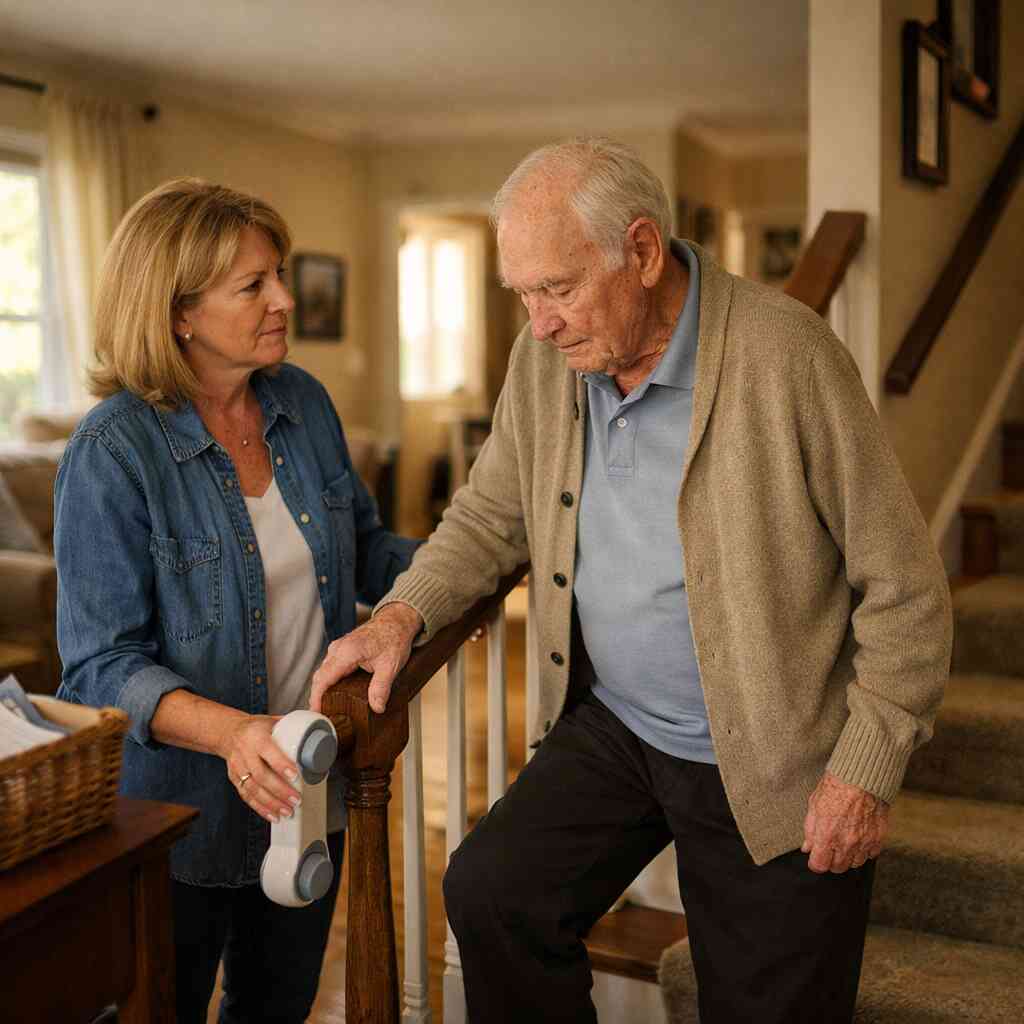
A continuing care retirement community (CCRC) can also appeal to families who want flexibility over time. These communities may offer a range of care levels in one setting, which can reduce future disruption. If you are comparing continuing care retirement community options for seniors, focus on continuity and long-term fit, not just amenities.
The moment memory loss points toward memory care near me, Alzheimer’s care facilities, or dementia care homes
Memory loss changes the standard. If wandering, paranoia, repeated confusion, or unsafe behavior appears, the conversation shifts toward supervision. At that point, what is memory care becomes a very practical question, not a theoretical one. The safest choice may be a setting designed for that level of oversight.
When families search for memory care near me, they are usually looking for more than security. They are looking for a place that understands rhythm, redirection, and calm structure. If you are seeing signs that point to memory care and when it becomes the right choice, do not wait for another scare to confirm it.
Sorting the right setting without getting lost in industry jargon
Assisted living vs nursing home and the difference between skilled nursing and assisted living
This is where families get confused. Assisted living vs nursing home is not just a pricing issue. It is a care-level issue. Assisted living supports daily life. A nursing home provides more medical oversight and hands-on support, often after a hospital stay or with complex health needs.
The difference between skilled nursing and assisted living matters because the wrong fit creates frustration fast. If someone mainly needs help with bathing, meals, and routines, assisted living may be enough. If they need ongoing clinical attention, skilled nursing facilities may be more appropriate.
How to think about skilled nursing facilities, a long-term care facility, and Medicare skilled nursing coverage
A long-term care facility and a nursing home are often used interchangeably, though the term can vary by state and context. These settings are generally for people with more intensive needs. Medicare skilled nursing coverage can help after a qualifying hospital stay, but it is limited and specific. It does not pay for every kind of long-term custodial care.
Families should read coverage rules carefully before making assumptions. A hospital discharge planner may use broad language, but the details matter. If you are comparing assisted living versus skilled nursing, ask what level of medical oversight the person truly needs.
Where board and care homes, residential care facilities, and affordable senior living tend to fit
Board and care homes and residential care facilities often serve a smaller number of residents. That smaller setting can feel more personal for some families. It may suit someone who wants a quieter atmosphere and does not need a larger campus.
Affordable senior living is often a top concern for families trying to balance support and budget. The trick is to match need to setting, not chase the lowest number alone. If you are exploring board and care homes and residential care options, look closely at staffing patterns, supervision, and the feel of the home.
What to look for in pet-friendly assisted living, luxury senior retirement communities, and senior living with no waitlist
Preferences matter too. Some people need pet-friendly assisted living because a companion animal steadies their day. Others want luxury senior retirement communities with upgraded dining, fitness, or apartment finishes. A few families need senior living with no waitlist because the move cannot wait.
Those preferences should never replace safety and fit. Still, they do affect quality of life. In places like Florida senior living or California assisted living, the range can be wide. If you are comparing lifestyle and access, start with what your loved one will actually use.
The next move that protects dignity and keeps the plan realistic
Questions to ask assisted living before you tour so you can compare assisted living locations with confidence
Touring without a plan can overwhelm you. Go in with a short list. Ask about staffing patterns, medication support, emergency response, visitation rules, and how residents transition if needs change. The best questions to ask assisted living before touring locations are the ones that reveal how the community really works.
Use these questions as a starting point:
- How do you handle medication reminders and care changes?
- What happens if my loved one’s needs increase?
- How do you support families during the transition?
- What services are included versus added later?
- How do you screen for safety and fit?
How to use a senior living directory or assisted living locator without getting overwhelmed
A senior living directory should reduce stress, not add to it. Start with location, care level, and budget range. Then narrow by lifestyle needs, such as pets, memory support, or proximity to family. An assisted living locator can help you compare assisted living locations faster, especially when you are short on time.
If you want a broad place to begin, a free senior living referral can save hours of searching. You can also compare a senior living facility by care type instead of by marketing language. That keeps the process grounded in real needs.
Why CMS star ratings, senior housing regulations, and state-specific rules in places like Florida senior living, California assisted living, and Texas nursing homes matter
Quality checks matter. CMS star ratings help families review nursing home performance based on health inspections, staffing, and quality measures. State licensing rules also matter because senior housing regulations vary widely. Florida, California, and Texas each have different requirements and oversight structures.
If you are reviewing senior living facilities in Florida, senior living facilities in California, or senior living facilities in Texas, check the latest state guidance. That matters as much as the tour itself. A polished brochure never replaces licensing records.
How families can make a calm decision between aging in place and senior living facilities without waiting for a crisis
The calmest decisions come before the worst day. Talk now, while everyone can still think clearly. Compare home support, assisted living plans, and more structured care options side by side. If needed, use What Is Aging in Place and When Should Seniors Switch as a guide for the bigger picture.
You do not need to solve everything today. Start with one honest conversation and one practical comparison. If you need help, Senior Living Facilities can point you toward options that match real needs, not wishful thinking. A thoughtful plan protects dignity, and it keeps the next move from becoming an emergency.
Frequently Asked Questions
Question: What is aging in place, and how do I know when senior housing is better for my loved one?
Answer: Aging in place means staying at home while adding the support needed to remain safe and comfortable. It can work well when daily needs are light and consistent, but it may stop working when tasks like meals, bathing, medications, or mobility become difficult to manage. If you are seeing missed bills, fall risks, confusion with medications, or growing caregiver burnout, senior housing may be the safer and more realistic option. Senior Living Facilities helps families compare senior living options, including independent living communities, assisted living locations, and memory care near me searches, so you can match the setting to the actual level of support needed.
Question: How can Senior Living Facilities help me compare assisted living vs nursing home options and choose the right level of care?
Answer: We help families understand the difference between skilled nursing and assisted living so they can avoid choosing too much or too little care. Assisted living plans are usually a better fit for someone who needs help with daily routines, while a nursing home or long-term care facility may be more appropriate when medical oversight is more complex. Through our senior living directory and assisted living locator, you can compare assisted living locations, review care types, and narrow options by location, lifestyle, and support needs. If you are asking how to choose a nursing home or whether a senior living facility is the better fit, our team can help you sort through the details without pressure.
Question: What should I look for if I am searching for memory care near me, Alzheimer’s care facilities, or dementia care homes?
Answer: If memory loss is causing wandering, repeated confusion, unsafe behavior, or increased supervision needs, it may be time to explore what is memory care and whether a more structured setting is needed. Families looking for memory care near me often want a community that offers calm routines, secure environments, and staff who understand the needs of people with cognitive decline. Senior Living Facilities can help you compare memory care communities, senior living facilities, and residential care facilities so you can focus on fit, safety, and comfort. We encourage families to ask clear questions during tours, review senior housing regulations, and compare options carefully before making a decision.
Question: Can Senior Living Facilities help families find affordable senior living, senior living for low-income seniors, or Medicaid senior housing?
Answer: Yes. Cost is one of the biggest factors in deciding between aging in place and moving to senior citizen housing or elderly housing. Some families may qualify for Medicaid senior housing, VA benefits for senior care, or support through long-term care insurance, depending on the situation and program rules. We also help people compare senior living costs by state, understand general affordability differences, and review options like affordable senior living, 55+ apartments, rental housing for seniors, and senior apartment rentals. Our goal is to help you find a practical match, not just a nice-looking brochure, so the plan can remain realistic over time.
Question: How does the blog What Is Aging in Place and When Is Senior Housing Better relate to the communities and services Senior Living Facilities offers?
Answer: The blog is designed to help families decide whether staying home still makes sense or whether a move to a seniors living community would reduce stress and improve safety. It connects directly to the kinds of choices we help people compare every day, including communities for seniors 55+, independent living communities, assisted living plans, board and care homes, continuing care retirement community options, and skilled nursing facilities. Senior Living Facilities offers a free senior living referral and a broad senior living directory across all 50 states, making it easier to compare the best senior living near me options without getting lost in search results. Whether you are looking for pet-friendly assisted living, senior living with no waitlist, or support from a senior living advisor, we are here to help you take the next step with confidence.
Question: What questions should I ask assisted living communities before touring, and how can Senior Living Facilities make that process easier?
Answer: Before touring assisted living locations, it helps to ask about staffing patterns, medication support, emergency response, care changes, visitation, and what is included in the monthly structure versus what may be added later. Those questions to ask assisted living are important because they reveal how the community actually works day to day. Senior Living Facilities can help you prepare by comparing assisted living locations in one place, narrowing choices by care level and budget, and connecting you with communities that better match your needs. If you are also considering respite care, luxury senior retirement communities, or senior living near me options in places like Florida senior living, California assisted living, or Texas nursing homes, our platform can help you organize the search and keep it focused on real needs.
Admin
Expert contributor specializing in senior living care. Dedicated to providing families with clear, actionable advice.