
What Is Aging in Place and When Should Seniors Switch
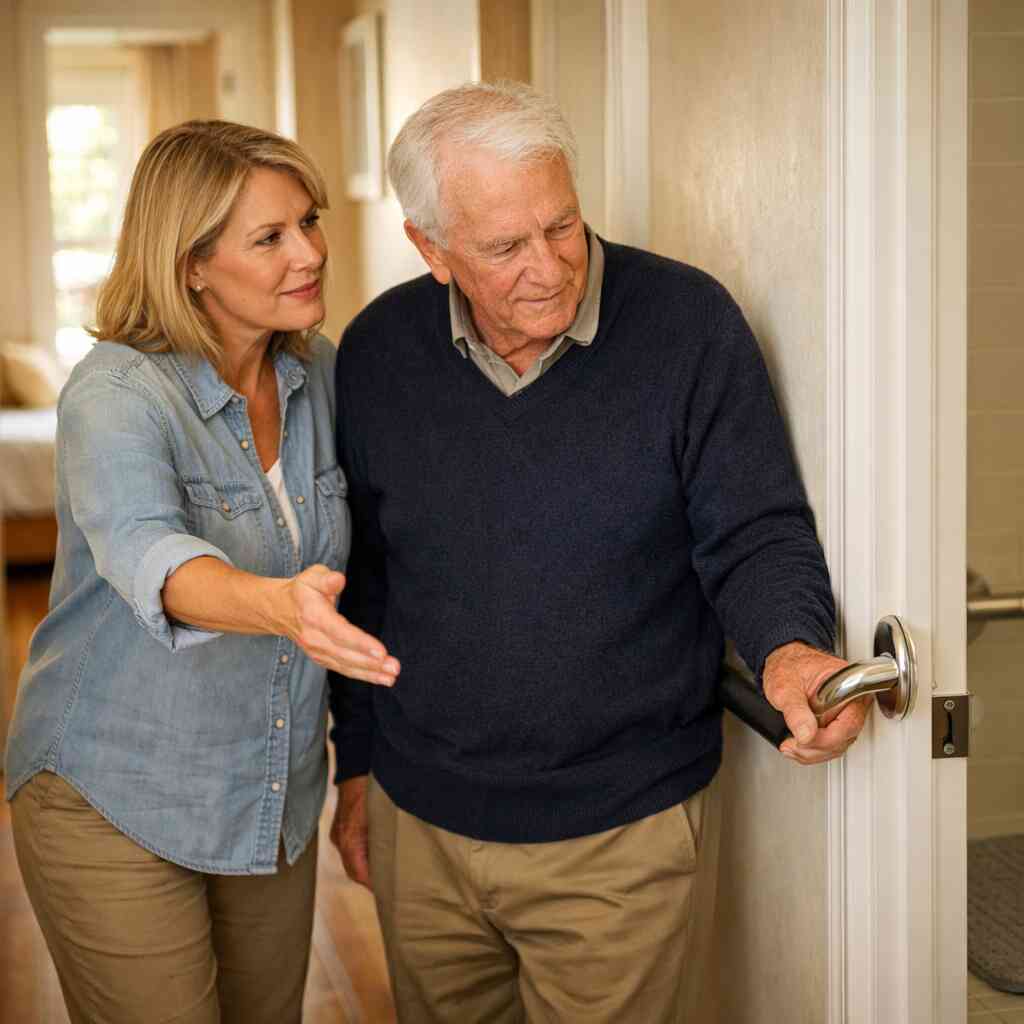
When aging in place stops feeling steady
The quiet warning signs that home is becoming harder to manage
Aging in place sounds simple until the routine starts fraying. You may notice clutter stacking up, bills being paid late, or the kitchen staying too quiet. That shift can feel small at first, then start to feel heavy. If you are reading this because Mom’s house no longer feels quite right, that worry makes sense.
The signs aging in place is no longer safe at home are often practical, not dramatic. A stairway that once felt normal may now feel risky. Mail may pile up. Groceries may expire before anyone uses them. These changes do not always mean a crisis, but they do mean the setup is asking more than it should.
One daughter in central Florida told us her father stopped going to the garage because the step felt “different.” That was the clue. The real problem was not the step itself. It was balance, confidence, and the way one small hazard had started to shape his whole day. That is how change often appears.
How fall risk, missed medications, and isolation change the picture
Falls are never just about falling. They often reveal weakening strength, slower reflexes, poor lighting, or tired judgment. Fall prevention for older adults matters because a single stumble can trigger weeks of trouble. Missed medications can be just as serious. If pills are skipped, doubled, or forgotten, the home starts carrying too much risk.
Isolation changes the picture in quieter ways. A person can look “fine” and still be struggling. Meals get smaller. Phone calls get shorter. Days blend together. In-home care vs assisted living becomes a real comparison when safety and connection start slipping at the same time.
Here is the part most families miss. Loneliness can make people less likely to ask for help. That delay matters. A senior may downplay symptoms to keep living independently, but the home becomes less forgiving when memory, mobility, or hearing changes. If you want a deeper overview, the guide to aging in place versus senior living community choices can help frame what aging in place really means.
Why a strong home can still be the wrong setup for changing needs
A beautiful home does not automatically become a safe one. Wide hallways, a first-floor bedroom, or a walk-in shower help. Still, a strong house can be the wrong fit when needs outgrow the layout. That happens often with arthritis, early dementia, or repeated fatigue. The structure stays the same, but the person living there does not.
We hear this from families who say, “The house is fine.” Sometimes they are right. Yet housing options for seniors are not only about the house. They are about the level of support required to live there well. A home can be familiar and still be mismatched to changing needs.
That mismatch can be especially sharp after a hospital stay. A person may return home weaker, more confused, or more dependent than before. At that point, the issue is not sentiment. It is fit. A home that once preserved independence may now create avoidable strain.
Where senior home safety and caregiver support at home can only go so far
Senior home safety improvements can buy time, and sometimes they buy a lot of it. Grab bars, brighter lighting, better flooring, and medication reminders can all help. So can family check-ins and caregiver support at home. But there is a limit. When care needs become daily, layered, or unpredictable, home support starts to behave like a patch instead of a plan.
A practical rule helps: if you are stacking services to cover every hour, the home may no longer be the simpler option. That is especially true when you are coordinating meals, transport, bathing, and medication across multiple helpers. The logistics alone can wear everyone down.
If you want a quick benchmark, think in terms of load, not love. Love may keep a person at home longer. Load determines whether the arrangement still works. When the burden grows beyond what family and aides can safely manage, it may be time to compare senior living facilities and other senior living options.
The decision point between staying home and choosing a senior living facility
How to compare aging in place with independent living communities and 55+ apartments
This is where many families get stuck. They want to honor independence, but they also want relief. Aging in place works best when daily life is still mostly self-directed. Independent living communities and communities for seniors 55+ can offer a lighter lifestyle when the person no longer wants home maintenance, lawn care, or isolation.
Think of the difference this way. Aging in place keeps the same address and adds support around it. Independent living changes the setting to reduce friction. A move to 55+ apartments, senior apartment rentals, or other senior citizen housing can also bring social contact and simpler living without the clinical feel of a care setting.
Here is a simple comparison:
OptionBest forMain tradeoffAging in placeMostly independent seniorsHome upkeep and safety risks remainIndependent living communitiesActive seniors who want convenienceLess hands-on care than assisted living55+ apartmentsSeniors wanting age-friendly housingLimited help with daily careIf you are comparing senior living facilities, start with lifestyle, not labels. The right choice should reduce friction, not add it.
When assisted living locations make more sense than rental housing for seniors
There comes a point when rental housing for seniors is not enough. If bathing, meals, dressing, or medication management need regular help, assisted living locations often make more sense. They are designed for people who need support but do not need 24-hour nursing. That distinction matters.
Families often search for affordable senior living and end up comparing apartments to assisted care. Those are not interchangeable. Assisted living can include help with daily tasks, meals, housekeeping, and social programs, depending on the community. If you are narrowing choices, a strong assisted living locator can help you compare assisted living plans in your area.
One family in Texas delayed the move because the apartment felt cheaper and familiar. Then the bathroom became a hazard, and the stove became a concern. They finally realized the issue was not space. It was supervision. That is often the breaking point.
The difference between skilled nursing and assisted living when health needs rise
People often use these terms interchangeably, but they are not the same. Assisted living vs nursing home is one of the most important comparisons you can make. Assisted living is usually for people who need help with daily living. Skilled nursing facilities are for people who need more medical oversight and rehabilitation. That is the core difference between skilled nursing and assisted living.
Here is a clean comparison:
Care typeTypical needSettingAssisted livingHelp with bathing, meals, reminders, and routinesResidential environmentSkilled nursingOngoing medical care, rehab, and complex supervisionClinical care settingNursing homeOften used for long-term medical supportHigher-acuity facilityIf you are trying to understand the difference between skilled nursing and assisted living, ask one question: does the person need daily medical care or daily living support? If the answer is medical care, a long-term care facility or nursing home may be more appropriate. For a deeper comparison, the difference between assisted living and skilled nursing resource explains the distinction clearly.
What memory care near me really means for dementia care homes and Alzheimer’s care facilities
When families search for memory care near me, they are usually looking for more than a building. They are looking for structure, supervision, and calm. What is memory care? It is specialized support for people with dementia or Alzheimer’s disease who need a secure environment and staff trained for memory-related behaviors. Memory care near me for dementia support usually points to communities that reduce wandering risk and support daily routines.
The phrase also covers different settings, including dementia care homes and Alzheimer’s care facilities. Those may be standalone or part of larger senior communities. In some areas, board and care homes or smaller residential care facilities serve this need too. The right fit depends on behavior patterns, supervision needs, and family expectations.
A spouse in California once told us the hardest part was not the memory loss. It was the unpredictability. One day felt manageable. The next day felt unsafe. That is often when families stop asking whether home is possible and start asking what kind of support actually protects dignity.
When a continuing care retirement community CCRC can reduce future moves
A continuing care retirement community (CCRC) can help when you want fewer disruptions later. These communities often combine independent living, assisted living, and skilled nursing in one setting. That can reduce future moves if health changes over time. For some families, that stability is the deciding factor. A CCRC is not the right answer for everyone. Some people want flexibility. Others want one predictable campus with more than one level of care. If you are comparing senior housing options for a spouse or parent whose needs may change, a CCRC can feel like insurance against future stress. If you want more background, the continuing care retirement community (CCRC) for future care resource breaks down how these communities work. The key question is simple: do you want to plan once, or plan again later? 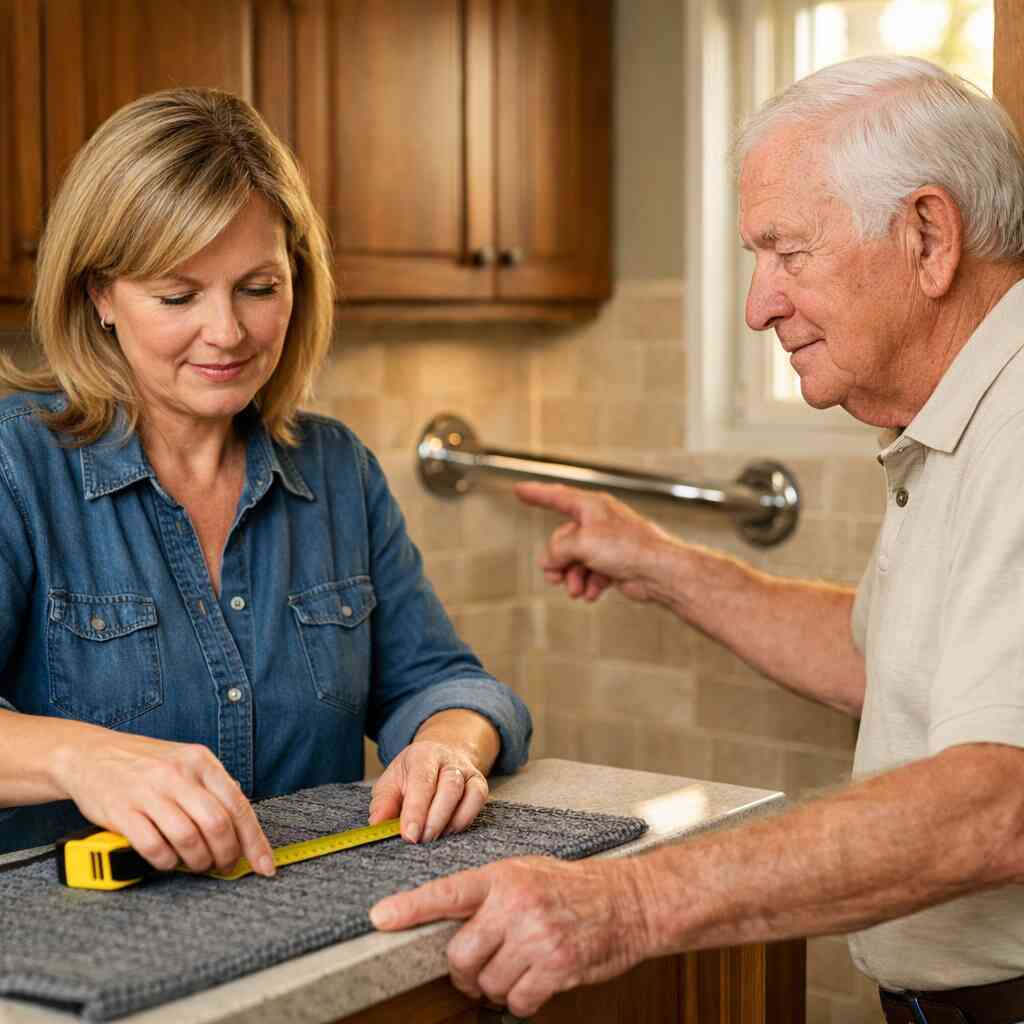
How long-term care insurance, Medicaid senior housing, and VA benefits for senior care affect the choice
Money changes the conversation fast. The cost of assisted living can shape every decision, especially when care needs rise. Some families use long-term care insurance to help offset senior housing costs. Others look at Medicaid senior housing or Medicaid senior housing options in 2026 when income is limited. Veterans may also qualify for VA benefits for senior care or housing support.
These programs do not work the same way, and rules vary by state. Medicare skilled nursing coverage is also often misunderstood. It may help after a qualifying hospital stay, but it usually does not pay for long-term custodial care. That distinction surprises many families.
If finances are part of your decision, use trusted comparisons like the cost of assisted living by state and the long-term care insurance and senior housing costs guide. For benefits questions, check the VA benefits for senior care and housing support overview. Also remember that senior living for low-income seniors may include state or local programs that are easy to miss.
What to do next when the house is no longer the safest plan
The home modification checklist that can buy time without delaying needed care
If you are not ready to move yet, make the home safer now. Home modifications for seniors can buy valuable time. Start with the basics and focus on where accidents happen most. Bathrooms, stairs, and kitchens deserve the most attention. Do not try to solve everything at once.
A practical checklist includes:
- Install grab bars in bathrooms.
- Improve lighting in hallways and entryways.
- Remove loose rugs and clutter.
- Add non-slip mats.
- Simplify medication storage.
- Put frequently used items within easy reach.
- Test smoke and carbon monoxide alarms.
These changes support senior home safety without pretending the house can solve every problem. If someone still needs help after these fixes, the issue is not the house anymore. It is the care level.
Questions to ask assisted living before you tour any community
Before you visit, write your questions down. Families often forget the details once emotions take over. That is normal. Focus on how the community handles real life, not just the lobby. If you need a starting point, use how to ask questions before choosing assisted living.
Ask about:
- How care plans are reviewed
- How medication support works
- How staff respond after hours
- What happens if needs increase
- Whether pets are welcome
- How residents stay socially connected
- Which charges are included and which are not
This is also where questions to ask assisted living matter more than brochures. A polished tour can hide a lot. Clear answers usually tell you more than décor ever will.
How to use a senior living directory, senior living advisor, or senior placement services wisely
A senior living directory can help you compare options fast. A senior living advisor can narrow the list based on care needs, budget, and location. Senior placement services may also help families who feel overwhelmed. Used well, these tools save time and reduce second-guessing. Used poorly, they can push you toward the first available bed.
That is why a free senior living referral should be treated as a starting point, not a final answer. Compare several communities. Ask how they matched your needs. Then verify the details yourself. A strong directory helps you sort through the best senior living near me without losing sight of what matters most.
This is especially useful if you are comparing Florida senior living, California assisted living, or Texas nursing homes. Local rules, climate, and care availability can change the shortlist quickly.
Why CMS star ratings, senior housing regulations, and state directories matter in the final comparison
Numbers do not tell the whole story, but they help. CMS star ratings offer a useful look at quality measures for nursing homes and some care settings. The ratings reflect health inspections, staffing, and other factors. They do not replace a tour, but they do help you compare. For a deeper look, the CMS star ratings for senior care facilities guide is a good starting point.
Also pay attention to senior housing regulations in your state. Licensing rules differ for assisted living, memory care, and skilled nursing. State directories can help you confirm that a community is properly listed and operating under current requirements. That matters more than glossy marketing ever will.
What we have seen in 2026 specifically is this: families who verify details early feel calmer later. They know where the community stands. They know what is regulated. They know what is only promised.
The clean handoff from uncertainty to a decision that protects dignity and peace of mind
This decision is emotional because it touches identity. Home can mean safety, memory, control, and pride. Leaving it can feel like loss, even when it is the wiser move. That is why the goal is not surrender. The goal is protection.
If you are still comparing senior living facilities, use the process instead of guessing. Check care needs, finances, and safety together. Look at assisted living locations, independent living communities, skilled nursing facilities, and retirement homes side by side. Then choose the setting that keeps life steady, not just familiar.
If you need help sorting the options, start with one community comparison today and one honest family conversation tonight. You do not have to solve everything at once. You only need enough clarity to take the next sensible step, and a trusted senior living advisor can help with that.
Frequently Asked Questions
Question: What are the signs aging in place is no longer safe, and when should seniors switch to other housing options for seniors?
Answer: The biggest signs are usually practical: missed medications, frequent falls or near-falls, poor meal routines, clutter that creates hazards, isolation, and difficulty keeping up with daily tasks. If a parent is no longer managing the home safely, it may be time to compare aging in place with independent living communities, assisted living locations, or even a long-term care facility depending on care needs. Senior Living Facilities helps families sort through senior housing options by location, level of support, and lifestyle so you can move from uncertainty to a clearer plan. If home modifications for seniors and caregiver support at home are no longer enough, we can help you compare choices like 55+ apartments, retirement homes, and assisted living plans in one place.
Question: How does Senior Living Facilities help families choose between in-home care vs assisted living and assisted living vs nursing home?
Answer: We make the comparison easier by helping you match care needs to the right setting. In-home care vs assisted living often comes down to how much daily help is needed, while assisted living vs nursing home depends on whether a person needs help with routines or more clinical oversight. If a senior needs reminders, meals, bathing help, or supervision, assisted living locations may be the right next step. If medical needs are more complex, skilled nursing facilities or a nursing home may be more appropriate. Senior Living Facilities gives families a way to search, compare, and connect with communities while keeping the decision centered on safety, dignity, and fit—not just labels.
Question: What is memory care, and how do I find memory care near me for a parent with dementia?
Answer: What is memory care? It is specialized senior support for people living with dementia or Alzheimer’s disease who need structure, supervision, and a secure environment. Families often search memory care near me because they want a setting that reduces wandering risk and supports daily routines. Depending on the community, this may include dementia care homes, Alzheimer’s care facilities, or residential care facilities with memory support. Senior Living Facilities helps families compare these options alongside board and care homes and other senior living facilities so you can find the right level of support in your area. We always encourage families to ask questions to ask assisted living communities and memory care providers about staffing, supervision, and daily routines before making a decision.
Question: How do cost of assisted living, Medicaid senior housing, Medicare skilled nursing, long-term care insurance, and VA benefits for senior care affect the decision?
Answer: Finances are often part of the timing decision, especially when a senior is moving from aging in place to a community setting. The cost of assisted living can vary widely, and senior living costs by state are one reason families compare options carefully. Some households use long-term care insurance, while others explore Medicaid senior housing or senior living for low-income seniors if income is limited. Veterans may also qualify for VA benefits for senior care, and Medicare skilled nursing coverage may help in certain short-term situations, depending on eligibility. Senior Living Facilities helps you compare affordable senior living, senior citizen housing, and assisted living plans without guessing. We also recommend reviewing trusted resources like the Genworth Cost of Care Survey and checking local senior housing regulations before making a final choice.
Question: How can I use Senior Living Facilities to compare assisted living locations, independent living communities, and continuing care retirement community (CCRC) options in the blog What Is Aging in Place and When Should Seniors Switch?
Answer: This blog is really about helping families decide when home still works and when a new setting would better protect safety and quality of life. If a person is mostly independent, independent living communities, communities for seniors 55+, or senior apartment rentals may be a good fit. If they need help with daily tasks, assisted living locations may be more appropriate. If future health changes are a concern, a continuing care retirement community (CCRC) can reduce the stress of planning another move later. Senior Living Facilities helps you search by location, compare housing options for seniors, and connect with communities in all 50 states. We can also help you narrow choices like pet-friendly assisted living, luxury senior retirement communities, senior living with no waitlist, Florida senior living, California assisted living, or Texas nursing homes, depending on what matters most to your family.
Admin
Expert contributor specializing in senior living care. Dedicated to providing families with clear, actionable advice.