
What Makes Senior Living Facilities Useful for Veterans Day
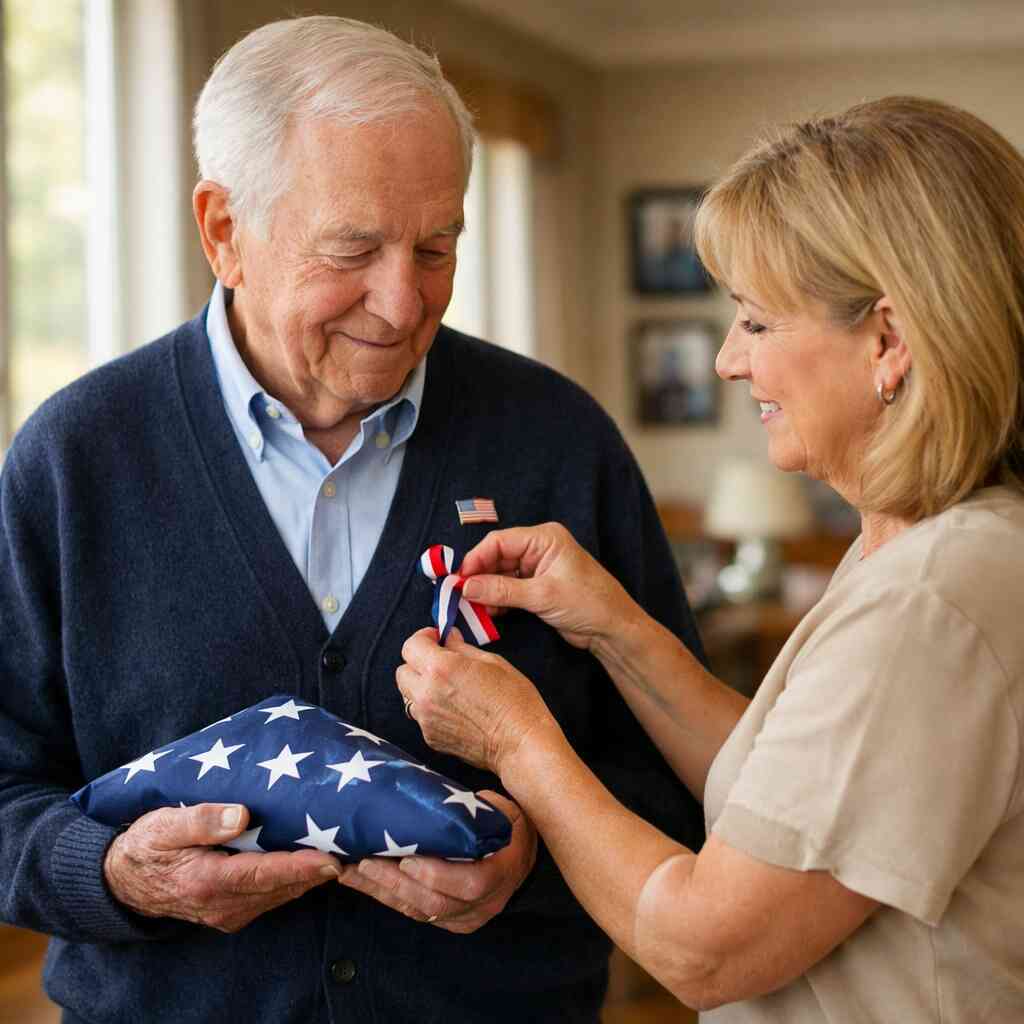
Why Veterans Day can change the senior living conversation overnight
The call often starts quietly. A daughter notices Dad still sits straight-backed at breakfast, even when his knees ache. Then she realizes his service stories sit beside very real care needs. That is the moment Veterans Day changes the conversation. It stops being a tribute and becomes a planning conversation, too.
If you are reading this because that shift feels heavy, your reaction makes sense. Families often feel proud, guilty, and unsure all at once. You may want to honor military service without overlooking safety, memory loss, or mobility changes. That tension is normal, and it deserves a calm, practical answer.
The moment a family sees service pride and caregiving needs in the same room
One family we worked with during a holiday visit noticed something small but important. Their father kept rising too quickly from his chair, then gripping the table for balance. He had spent years insisting he was “fine.” The family finally saw that pride and vulnerability were living in the same room. That kind of clarity can change everything.
Veterans Day often opens that door because it invites reflection. It makes families ask what respect looks like now, not just in the past. Sometimes respect means finding housing options for seniors that support dignity, routines, and medical oversight. Sometimes it means looking beyond a familiar house toward senior living facilities that can support changing needs.
A senior living facility can be useful on Veterans Day because it turns gratitude into action. You can honor a veteran while also exploring communities for seniors 55+, rental housing for seniors, or even senior apartment rentals. For some families, the conversation includes affordable senior living, elderly housing, or retirement homes. For others, it becomes a search for a senior living facility with stronger care coordination.
What honoring military service looks like inside senior living communities for veterans
Honoring veterans in senior living communities is not only about flags and ceremonies. It is also about respect in daily life. That includes consistent routines, clear communication, and staff who understand that military identity can shape trust. In practice, veteran-friendly senior living should feel calm, orderly, and personal.
Some communities create space for military service recognition for seniors through small but meaningful details. They may invite residents to share stories, display service photos, or gather for simple observances. The best senior living communities for veterans do not force celebration. They make room for it. That matters more than decoration.
If you are comparing veteran-friendly senior living communities, remember that respect should show up in the care plan too. Ask whether the community understands VA benefits for senior care, memory care for veterans, and aging in place for veterans. Also ask about senior citizen housing near me and elderly housing for military veterans. Those questions reveal whether the community understands the whole person.
Why a veteran-friendly senior living search often starts with the question nobody asked before
Here is the part most families miss. The first question is rarely “What is the nicest place?” It is usually “What does Dad need now that he never needed before?” That single question changes the search. It turns the focus from appearance to support.
A veteran-friendly senior living search should start with daily reality. Can he dress safely? Can she remember medications? Is he isolated in a large house? Is she still driving when she should not? Those are the questions that point toward assisted living plans, independent living communities, or more supportive care.
For many families, the search also includes local context. If you are in Florida, California, or Texas, you may notice different housing patterns, different licensing rules, and different community options. That is where a senior living directory becomes useful. It helps you compare assisted living locations, senior living costs by state, and the kinds of communities that fit your family’s needs.
What a veteran-ready senior living community actually needs to get right
A veteran-ready community does not need to be fancy. It needs to be honest. It should match support level to need, respect the veteran’s habits, and avoid overselling services. Families get hurt when they choose based on one glossy tour instead of the full picture.
The best communities know that veterans may have unique histories. Some live with hearing loss, mobility limits, chronic pain, or PTSD. Others are active and independent but want social connection and less home upkeep. The right setting depends on the person, not the label.
Assisted living vs nursing home for veterans when daily support is the real issue
This is where families often feel stuck. Assisted living vs nursing home for veterans is not just a paper comparison. It is about how much support a person needs each day. Assisted living usually helps with bathing, dressing, meals, and reminders. A nursing home, or long-term care facility, is built for more complex medical supervision.
If your parent still walks safely and only needs help with daily routines, assisted living for veterans may fit better. If the person needs ongoing skilled care, wound support, or close nursing oversight, skilled nursing facilities for veterans may be more appropriate. That distinction matters because the wrong setting can feel either too limited or too restrictive.
Care settingBest forTypical focusFamily question to askAssisted livingHelp with daily livingSupport, meals, supervisionCan my parent stay safe and social here?Nursing homeHigher medical needSkilled care, monitoringDoes my parent need round-the-clock nursing?Board and care homesSmall-group livingPersonal attentionWould a smaller setting feel less overwhelming?If you want a deeper comparison, see assisted living for veterans. It helps families decide with less guesswork and more clarity.
When independent living communities for veterans make more sense than a care facility
Not every veteran needs hands-on care. Some just want freedom from home maintenance, stairs, and isolation. That is where independent living communities for veterans can make real sense. They often suit active adults who want meals, social life, and simpler routines without full care services.
These settings can also appeal to veterans who value independence above all else. A person may not want a care facility. He may want a private apartment, fewer chores, and neighbors nearby. In that case, 55+ apartments, senior apartment rentals, or retirement homes may be better than a more clinical environment.
We have seen families overlook this option because they assume “senior living” always means high care. It does not. Sometimes the right answer is a lighter touch. If that sounds familiar, independent living communities for veterans may be the better search path.
How memory care near me and skilled nursing facilities fit different levels of need
Memory loss changes the whole conversation. If you are searching for memory care near me, you are likely trying to protect safety, reduce wandering risk, and preserve dignity. Memory care facilities are designed for residents with dementia or Alzheimer’s-related needs. They usually use structured routines, secure layouts, and trained staff. What is memory care? It is specialized residential support for people whose memory loss affects daily life.
By contrast, skilled nursing facilities focus on medical complexity. They may serve people recovering from illness or those needing regular clinical oversight. The difference between skilled nursing and assisted living matters here. One centers on medical care. The other centers on support with daily living. Families should not blur the two.
A woman in South Florida called after her husband got lost on a familiar walk near the house. She had tried to manage alone for months. Once she saw how quickly the risk had grown, she stopped asking if he needed help and started asking which setting could keep him safe. That shift is painful, but it is often the right one.
For more guidance, compare memory care for veterans and skilled nursing facilities for veterans. Those two pages can help you sort out the level of care you actually need.
Why CCRC and respite care can matter for veteran caregivers and aging in place
Some families are not looking for a permanent move yet. They are trying to keep a veteran at home safely for as long as possible. In that case, continuing care retirement community (CCRC) options and respite care can both matter. A CCRC can support changes over time, from lighter support to more intensive care. Respite care gives family caregivers a break.
That break matters more than people admit. Veteran caregivers often carry loyalty so deep they ignore exhaustion. But burnout does not announce itself politely. It shows up as missed medications, short tempers, and constant fear. Respite care for veteran caregivers can reduce that pressure and buy time for a better decision.
If your family wants flexibility, CCRC options for veteran caregivers are worth a look. So are respite care for veteran caregivers. Aging in place is not always wrong. It just needs support that is honest about what the home can no longer do alone.
The benefits families can feel without making big promises
Benefits matter, but they are not magic. Families often hope VA programs, Medicaid, Medicare, or long-term care insurance will solve the whole problem. Usually, they do not. What they can do is shape the housing options for seniors and make certain paths more realistic.
A smart search asks what funding can support, what care level is required, and what the family can handle emotionally. That is the real decision triangle. Cost, care, and comfort all matter. Ignore one, and the plan wobbles.
How VA benefits for senior care can shape the housing options for seniors
VA benefits for senior care may influence where and how a veteran can live, but the details matter. Aid and Attendance and other programs can help eligible veterans or spouses with care-related expenses. They do not automatically cover every senior living facility. That is why families should verify the rules carefully.
A veteran who wants assisted living may have more options if benefits help offset some of the burden. A spouse may also need guidance on what documentation is required. This is where a trusted VA benefits for senior care resource can save hours of confusion. The rules can feel dense. That is normal.
If you are sorting through senior living costs by state for veterans, do not assume one benefit package works everywhere. Location, level of care, and eligibility all matter. A veteran living in Texas may face a different set of practical choices than someone in California or Florida.
Where Medicaid senior housing and Medicare skilled nursing usually enter the picture
Families often confuse Medicaid and Medicare. They are not the same. Medicare skilled nursing usually covers short-term, medically necessary care after a qualifying hospital stay. Medicaid senior housing may help with longer-term support in some cases, depending on the state and program rules. 
This is why many people feel trapped between terms instead of choices. Medicare can help in one season of care. Medicaid may help in another. Neither is a blanket answer for every senior living facility. That is why you should ask directly what the community accepts and what level of care it bills for.
If the person needs ongoing help with activities of daily living, the funding conversation should happen early. A late conversation creates stress. A clear conversation creates options. If you need help, ask a senior living advisor to explain the difference before you tour.
Why affordable senior living for veterans and long-term care insurance are part of the same decision
Affordability is not just about finding a lower number. It is about finding the right mix of payment sources. Affordable senior living for veterans can come from benefits, savings, insurance, or a combination of all three. Long-term care insurance for veterans can also reduce pressure, but policy rules vary widely.
Families sometimes focus only on sticker shock. That is understandable. But the smarter question is whether the monthly structure fits the care needs. A modest assisted living plan may still be cheaper than disjointed home care plus emergency help. In other cases, a smaller board and care home may be the better fit.
For a broader money map, see affordable senior living for veterans. It can help you think about budget without losing sight of dignity.
How senior placement services and a free senior living referral can reduce guesswork
Families get overwhelmed fast. There are too many names, too many claims, and too little time. That is why senior placement services can help. A good senior living advisor listens first, then narrows the list. A free senior living referral can also help families compare communities without starting from zero.
Here is what almost no online guide mentions: speed matters. When a discharge planner says a move must happen soon, or when the caregiver is exhausted, every extra search step feels heavier than it should. A referral service can reduce that load by filtering for care level, budget, and location.
If you want a guided search, senior placement services for veteran families can save time. A free senior living referral for veterans can do the same. That support is practical, not flashy.
What to ask about senior living with no waitlist, pet-friendly assisted living, and board and care homes
Some families need immediate placement. Others need a pet to stay with Mom. Others need a quieter setting than a large campus. That is where details like senior living with no waitlist, pet-friendly assisted living, and board and care homes become important. Small details can decide whether a move feels humane or traumatic.
Use a short checklist when you call:
- Is there current availability?
- Are pets allowed, and under what rules?
- Do you support veterans with mobility or memory issues?
- How many residents share a caregiver in board and care homes?
- What happens if care needs increase?
These questions may sound simple. They are not. They reveal whether the community can actually meet the person’s day-to-day needs. If you are still comparing, ask directly about questions to ask assisted living about veteran services. That one conversation can save weeks.
The next move that turns gratitude into a real care plan
Gratitude becomes useful when it turns into decisions. That does not mean rushing. It means asking better questions, checking the right records, and choosing with care. You do not need a perfect plan. You need a workable one.
This is the point where families often get more confident. The fog starts to lift. You can compare places, funding sources, and care levels without pretending every community is the same. That is how a Veterans Day conversation becomes a real care plan.
Questions to ask assisted living about veteran services before you tour
Before you tour, ask direct questions. Keep them short. Keep them specific. This protects you from vague promises and helps you compare assisted living locations fairly.
Try asking:
- Do you support veterans with service-related needs?
- What experience do you have with memory care or mobility support?
- How do you handle medication reminders?
- How do you coordinate with families and outside providers?
- What should we know about service animals or pets?
If the community hesitates, pay attention. Clear answers matter. So does tone. You want a place that respects veterans without turning them into a marketing theme. For a fuller list, review questions to ask assisted living about veteran services.
How to compare senior living costs by state without getting stuck on one number
People often ask for one price. There is no honest single number. Senior living costs by state vary based on staffing, services, location, and room type. The Genworth Cost of Care Survey remains a useful benchmark for national trends, but it is only a starting point. Real quotes still depend on local conditions.
Comparing by state helps you avoid false assumptions. Florida senior living may look different from California assisted living or Texas nursing homes. A beachfront city, a suburban county, and a rural town will not price the same way. That difference is normal, not suspicious.
If cost is your biggest concern, start with senior living costs by state for veterans. Then compare the plan, not just the bill. A lower monthly number means little if the care level is wrong.
What CMS star ratings, senior housing regulations, and state licensing boards can tell you
CMS star ratings can help you compare certain skilled nursing facilities, but they are not the whole story. They reflect health inspections, staffing, and quality measures. Always check the latest report. Also review state licensing boards, because senior housing regulations vary by state and facility type.
This is where families need discipline. A beautiful lobby does not guarantee good care. A polished sales pitch does not replace a license review. Ask whether the place is in good standing, and verify anything that sounds too neat.
For a deeper look, use CMS star ratings for senior care. If you need licensing help, contact the relevant senior housing regulations and licensing resource and check the state board directly.
When to look at Florida senior living, California assisted living, or Texas nursing homes for state-specific needs
State context matters more than many families expect. Florida senior living often comes up because of retirement migration and a large eldercare market. California assisted living can involve different regional costs and licensing patterns. Texas nursing homes may present another set of options, especially in larger metro areas and suburban counties.
You do not need to live in those states to learn from them. You just need to understand that location shapes availability and rules. If you are searching regionally, use local pages and compare options in the same market. That avoids apples-to-oranges confusion.
For targeted searches, use veterans and senior living near me in Florida, senior living communities near me in California, or veterans and senior living near me in Texas. If you are in Alabama, that search can help too. Local detail matters.
How to use a senior living directory and a senior living advisor to find best senior living near me
A good senior living directory saves time because it organizes choices in one place. But a directory alone cannot tell you which option feels right. That is where a senior living advisor helps. The advisor can filter for care level, budget, location, and special needs, then help you compare the best senior living near me options without starting from scratch.
Start with the facts:
- Care level needed.
- Budget range.
- Location limits.
- Memory or mobility concerns.
- Preference for pets, privacy, or small settings.
Then use a directory to narrow the field. Finally, make two or three calls. That rhythm keeps the process grounded. If you want an organized search path, a senior living directory paired with best senior living near me style location tools can keep the decision manageable. And if you want help connecting the dots, Senior Living Facilities can guide that search with practical, veteran-aware support.
You do not have to solve everything today. Start with one call, one comparison, and one honest question.
Frequently Asked Questions
Question: How does What Makes Senior Living Facilities Useful for Veterans Day help families compare senior living facilities for veterans?
Answer: This blog helps families turn Veterans Day reflection into a practical search. It explains how to compare senior living facilities by care level, daily support, and respect for military service, instead of relying only on appearance or a quick tour. If your loved one may need assisted living for veterans, independent living communities for veterans, memory care for veterans, or skilled nursing facilities for veterans, the article shows how to think through the right fit. It also points families toward useful tools like a senior living directory, a senior living advisor, and senior placement services for veteran families so they can compare housing options for seniors with more confidence. The goal is not to rush anyone, but to help families ask better questions and find a veteran-friendly senior living option that supports dignity, safety, and routine.
Question: What should families ask when looking for veteran-friendly senior living, assisted living vs nursing home for veterans, or how to choose a veteran-friendly nursing home?
Answer: Families should ask direct, practical questions about care, service recognition, and support. For example: Does the community understand VA benefits for senior care, memory care needs, and mobility concerns? How do they support aging in place for veterans, and when do they recommend a higher level of care? What experience do they have with assisted living plans, senior citizen housing near me searches, or long-term care facility transitions? If you are comparing assisted living vs nursing home for veterans, the most important question is not which place looks nicer, but which setting matches the person’s daily needs. A veteran-friendly nursing home or residential care facility for older veterans should be honest about what it can and cannot provide. Senior Living Facilities helps families organize these questions so they can compare options clearly and avoid guesswork.
Question: Can Senior Living Facilities help with VA benefits for senior care, Medicaid senior housing, Medicare skilled nursing, and long-term care insurance for veterans?
Answer: Yes, the platform is designed to help families understand how different funding sources may affect housing options for seniors. While Senior Living Facilities does not replace legal, financial, or benefits counseling, it can help families start the search in a more informed way. The article explains that VA benefits for senior care may help eligible veterans or spouses with care-related costs, while Medicaid senior housing and Medicare skilled nursing serve different purposes and follow different rules. Long-term care insurance for veterans may also help reduce pressure, but policy details vary. That is why the platform focuses on helping families compare senior living costs by state, evaluate affordable senior living choices, and match the right care setting to the person’s needs. A trusted search process begins with clarity, and Senior Living Facilities is built to provide that structure.
Question: Does the site help families find senior living with no waitlist, pet-friendly assisted living for veterans, or communities for seniors 55+?
Answer: Yes, these details matter a lot, and the blog highlights why. Some families need senior living with no waitlist because a discharge or caregiving situation is urgent. Others want pet-friendly assisted living for veterans because a companion animal is part of daily comfort and stability. Some are simply looking for communities for seniors 55+, senior apartment rentals, 55+ apartments, or retirement homes that offer more independence and less home upkeep. Senior Living Facilities helps families filter for these practical needs through a senior living directory and guided search support. That makes it easier to compare independent living communities, board and care homes, and other elderly housing options without starting from zero. The platform’s value is in helping families match the person’s lifestyle, needs, and priorities with the right community type.
Question: How can families use senior living costs by state, CMS star ratings, and senior housing regulations to choose the best senior living near me?
Answer: The best search starts with facts, not assumptions. Senior living costs by state can vary widely based on location, services, and care level, so families should never rely on one number alone. The Genworth Cost of Care Survey can help set expectations, but real quotes still depend on the community and the person’s needs. CMS star ratings can be useful when comparing certain skilled nursing facilities, but they do not tell the full story on their own. Families should also review senior housing regulations and state licensing boards to confirm a facility is in good standing. Senior Living Facilities helps users compare these details in one place so they can narrow down the best senior living near me without feeling overwhelmed. Whether someone is looking at Florida senior living, California assisted living, or Texas nursing homes, the platform gives families a practical way to compare and connect with communities that fit their situation.
Question: How do senior placement services and a free senior living referral for veterans make the search easier for family caregivers?
Answer: Senior placement services can save families time, reduce stress, and make the search feel manageable. A good senior living advisor listens to the family’s needs first, then helps narrow the list based on care level, location, budget, and special concerns like memory care near me, respite care for veteran caregivers, or continuing care retirement community (CCRC) options for veterans. A free senior living referral for veterans is especially helpful when families are under time pressure or do not know where to begin. Senior Living Facilities exists to simplify that process without adding pressure. The platform supports families who are comparing housing options for seniors, looking for affordable senior living for veterans, or trying to understand what is memory care and the difference between skilled nursing and assisted living. In short, it gives families a clear starting point so they can make thoughtful, compassionate decisions for the veteran in their life.
Senior Living Facilities Editorial Team
Expert contributor specializing in senior living care. Dedicated to providing families with clear, actionable advice.