
Why Senior Living Facilities Matter for Memorial Day 2026
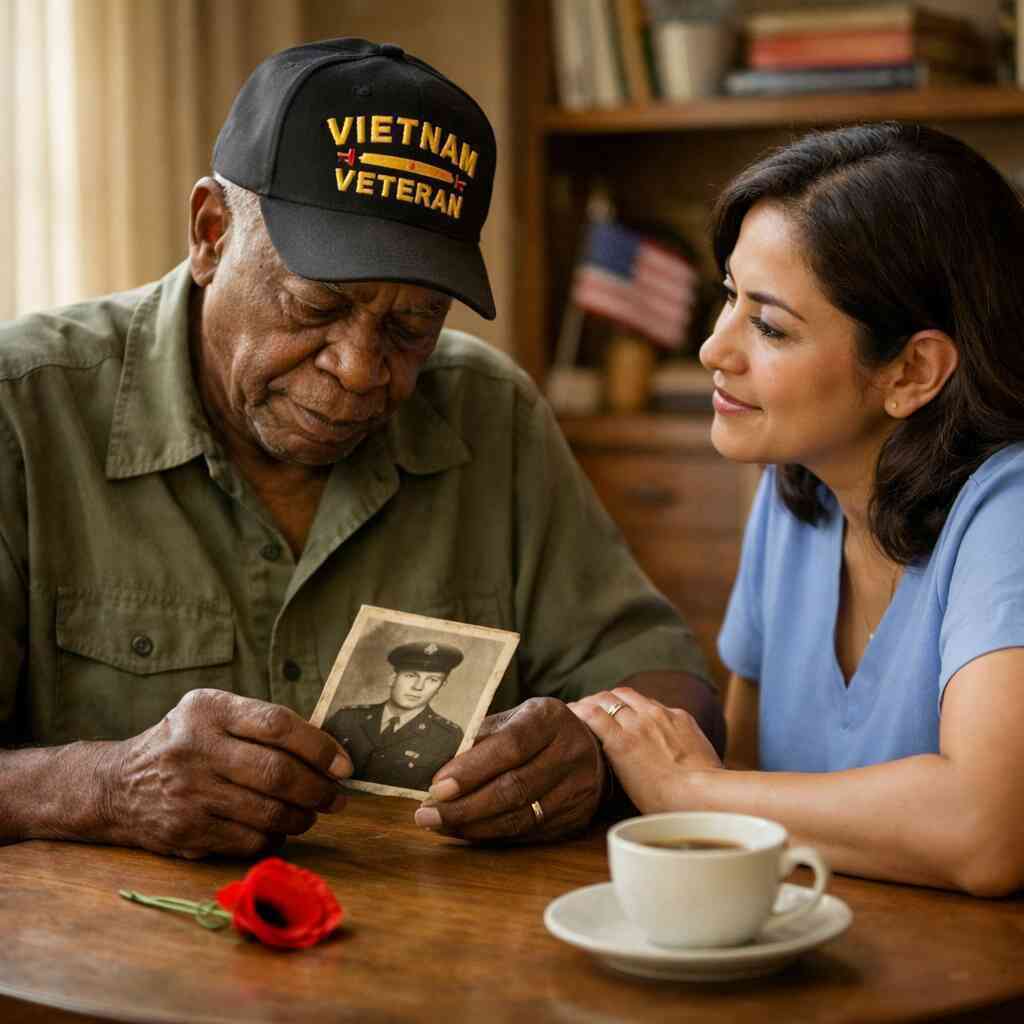
When the Red Poppies Fade, Senior Living Communities Keep the Flame of Remembrance Alive
The red poppy has long been a symbol of honor and memory, but for far too many older adults, Memorial Day arrives and leaves without a single knock at the door. You may picture a veteran father spending the morning alone, thumbing through a faded photo album while a parade marches past his empty living room window. The holiday meant to unite a grateful nation can magnify isolation when an older adult lives without a community that actively remembers. Senior living facilities across all 50 states have become the place where the flame of remembrance is nurtured rather than snuffed out by solitude. These communities understand that the deepest heartache often surfaces not in loud grief but in the quiet hours of a holiday designed for togetherness. For families searching for a senior living facility that truly sees their loved one, Memorial Day becomes a powerful lens through which to view what genuine care looks like. The commitment to honoring veterans and fostering social connection transforms an ordinary facility into a true home.
The silent heartache of holidays for isolated older adults
You might notice that Mom no longer sets the table for a holiday meal and tells you she simply does not feel up to celebrating. This quiet retreat from tradition often masks a deeper sadness tied to losing a spouse, missing long-departed friends, or feeling invisible. Research consistently shows that loneliness increases during national holidays, especially for seniors living alone in their long-term homes. The stillness of an empty house on a day when neighbors gather for barbecues can deepen a sense of being left behind by the rhythms of life. Without a community of peers, the emotional weight can lead to disrupted sleep, poor nutrition, and a declining interest in personal care. Senior living communities actively counter this silent heartache by weaving daily connection and holiday meaning into the fabric of residential care. They ensure that no resident spends Memorial Day facing four walls with only painful memories as company.
The human need for shared remembrance becomes acute when the calendar turns to patriotic observances. An isolated older adult may struggle to find transportation to a local ceremony or may feel too frail to attend even if a ride exists. In a senior housing near me for patriotic holiday visits, the celebration comes to the resident rather than requiring the resident to seek it out. Activities directors organize on-site events that respect mobility limitations while restoring the dignity of participation. From flag ceremonies broadcast in common areas to small-group discussions about military history, the programming fills the void that isolation carves out. When a resident hears familiar patriotic music and sees staff members honoring the day, the message is clear: you matter, your past matters, and you remain part of this nation’s story. That profound reassurance is vanishingly hard to deliver in a single-family home without daily support.
Why Memorial Day stirs deep memories of service and sacrifice for aging veterans
For the veteran who served in Korea, Vietnam, or even World War II, the bugle call of Memorial Day reaches into places that ordinary conversation never touches. The smell of barbecue smoke drifting through an open window can transport an aging veteran back to a mess tent or a forward operating base. These sensory triggers arrive unbidden and can produce a mix of pride, guilt, and aching loss that feels overwhelming without someone to interpret them. Professionals in senior living environments recognize that Memorial Day is not simply a federal holiday but a powerful emotional anniversary for those who wore the uniform. They create spaces where a veteran can speak about a fallen buddy without judgment and without the urgency to change the subject. This validation is a form of late-life healing that isolated living rarely provides.
Aging veterans often hold tightly to rituals of remembrance that younger family members may not fully understand. The simple act of polishing a pair of dress shoes for a Memorial Day observance can serve as a touchstone of identity when so much else has been stripped away by age. In senior living communities, these personal rituals are honored and, often, shared during group events that invite residents to teach staff and neighbors about their service. Many facilities maintain honor walls displaying military portraits and branch insignia, transforming hallways into galleries of living history. When a veteran sees that his nursing home has set aside time for a moment of silence, he knows he resides somewhere that values sacrifice beyond slogans. This intentional respect replaces the loneliness of a solitary flag placed on a porch with the collective warmth of a grateful community.
When aging in place means facing the day alone without shared tradition
Aging in place sounds comforting in theory, but on Memorial Day the phrase can translate into hours of unbroken solitude with a television as the only companion. The children may live three states away, and well-meaning neighbors are often absorbed in their own family gatherings. You worry that Dad will skip lunch because preparing food alone on a holiday feels heavier than it does on an ordinary Tuesday. The absence of shared tradition nibbles at his sense of purpose and can accelerate the cognitive and physical decline that family members dread. The difference between aging in place in a house and aging in place within a thriving senior community is the presence of built-in tradition that no one has to manufacture alone. In a residential care facility, the holiday arrives with a schedule of activities that residents can join or observe from a comfortable chair, surrounded by familiar faces.
The isolation of aging in place becomes particularly dangerous during holidays like Memorial Day when heat, dehydration, and missed medications can go unnoticed for hours. A senior living community offers the scaffolding of daily support that makes traditional observances possible without risking health. Regular wellness checks happen behind the scenes while residents enjoy a holiday cookout or a remembrance ceremony. Meals arrive on time and are often themed to match the patriotic spirit, providing nutrition and festivity in equal measure. The loneliness that so often drives families to reconsider housing options for seniors is replaced by a quiet sense of belonging that no amount of video calls can replicate. When a resident joins neighbors in a moment of silence to honor fallen soldiers, the day gains meaning that far exceeds what solitary reflection can offer.
The overlooked risk of patriotic holidays for seniors living without community
Family members often do not realize that patriotic holidays carry specific emotional and physical risks for older adults living in isolation. The uptick in depression-related emergency room visits among older adults during holiday weeks is a documented pattern within the healthcare community. A senior who spent years serving the country may experience what clinicians call an anniversary reaction, where grief and trauma resurface at full force without warning. An empty home offers no structured diversion and no watchful eye to notice when sadness slips into dangerous withdrawal. Furthermore, hearing fireworks without understanding the context can frighten a senior with cognitive decline, leading to panic, wandering, or falls. Recognizing these risks is the first step toward choosing a living arrangement where safety and emotional well-being go hand in hand.
Senior communities are designed to mitigate these hazards through scheduled routines and therapeutic engagement that keeps residents grounded. Staff members are trained to spot the subtle shifts in mood that can precede a crisis, especially in veterans who may not readily ask for help. Fireworks displays are often held at predictable times with ample explanation, reducing the likelihood of a traumatic startle response. Group events that channel patriotic feeling into structured remembrance give veterans and non-veterans alike a healthy outlet for complex emotions. The overlooked risk of holidays is not merely about logistics; it is about the very real danger of losing a loved one to despair when community could have been the buffer. For families weighing senior living Memorial Day planning ideas, the message is clear: safety belongs to those who do not spend the holiday alone.
From Quiet Halls to Hallowed Moments, How Every Type of Senior Living Honors Memorial Day
The spectrum of senior living options in the United States ranges from vibrant independent living campuses to intimate board and care homes, yet every setting finds its own authentic way to mark Memorial Day. In an assisted living location, you might see a wall of honor draped with bunting and framed photographs of residents who served in the armed forces. Just down the hall, a memory care community may be dimming the lights for a sensory-friendly remembrance using familiar hymns from the 1940s. What unites these varied approaches is a shared commitment to treating Memorial Day not as a marketing event but as a sacred pause in the rhythm of residential life. The best communities treat the day as a living lesson, inviting younger staff members and visiting families to receive the stories that older adults are eager to pass on. When you tour a community and ask how Memorial Day is observed, the quality of the answer tells you everything about the depth of that community’s soul. The following look at each care type reveals how quiet halls are transformed into hallowed spaces of gratitude and connection.
Honoring veterans in assisted living facilities with ceremonies and shared stories
An assisted living facility becomes a place of profound dignity when the morning of Memorial Day begins with a flag-raising ceremony led by a resident veteran. You may find an 85-year-old former Navy officer wearing his cap with quiet pride as his neighbors gather on the patio to recite the Pledge of Allegiance. Activity coordinators often invite a local high school choir or a scout troop to attend, bridging the gap between generations with music and presence. Veterans who rarely speak about their service sometimes open up when a flag pin is placed on their lapel by a teenager who genuinely wants to listen. These ceremonies are carefully designed to be brief enough for residents who fatigue easily yet rich enough to bring tears to the eyes of visiting relatives. For many families seeking affordable assisted living, the discovery that a community invests in such rituals confirms they have found a place that sees the person, not merely the patient.
Following the formal ceremony, assisted living staff often facilitate a storytelling hour where residents share personal memories of military service or of loved ones lost in conflict. A certified activities professional might prompt the group with a gently worded question about the meaning of a folded flag or the taste of coffee from a mess kit. The stories that emerge bind residents together in a web of shared experience that transforms neighbors into friends. Staff members document some of these stories, with permission, to share with family members who can no longer visit every week. This narrative care approach is a form of honoring aging veterans in assisted living communities on Memorial Day that leaves a lasting imprint long after the red, white, and blue decorations come down. It reminds everyone present that assisted living is not a place where life dwindles but where legacies are preserved and celebrated.
How memory care facilities use reminiscence therapy for Memorial Day reflection
In a memory care community, the act of remembrance takes on a dual meaning, calling to mind both a nation’s fallen heroes and the precious fragments of personal history that dementia threatens to erase. Reminiscence therapy taps into the well-preserved long-term memories that many residents with Alzheimer’s disease or other dementias retain long after short-term recall fades. A music therapist may begin a Memorial Day session by playing the anthems of each military branch, watching for the subtle recognition that lights a resident’s face. The sound of a trumpet playing “Taps” can awaken a connection that words cannot reach, allowing a former soldier to stand a little straighter in his wheelchair for a few sacred moments. Families who witness this transformation often report that it is the first time in months they have seen a specific spark of their loved one’s original personality. For those exploring dementia care homes, the application of reminiscence therapy during patriotic holidays is a powerful indicator of staff training and compassionate philosophy.
Memory care programming on Memorial Day extends beyond music to include tactile and visual stimuli that evoke a sense of time and place. A staff member might pass around a worn leather aviator’s cap or a piece of silk from a parachute, inviting residents to touch and talk about what the object brings to mind. Small American flags are placed in residents’ hands not as mere decoration but as tools for grounding in the present moment while linking to the past. The goal is never to quiz or pressure but to welcome whatever memories surface, whether they are accurate in date and detail or purely emotional in texture. This gentle approach lies at the heart of Memorial Day remembrance in retirement homes and memory care. It honors the whole person, not just the parts of the mind that still function typically.
Reflecting on military service in dementia care settings through gentle, guided activities
Guided activities in dementia care settings balance patriotic meaning with the reassurance of routine that residents with cognitive decline deeply need. A simple craft project, such as arranging red, white, and blue flowers in a vase, becomes a multi-sensory opportunity for expression without frustration. The flowers’ texture and smell anchor the activity in the present while the colors evoke the flag and all it represents. Staff members sit beside residents, offering hand-over-hand assistance when fine motor skills falter, and narrating their movements with a calm, steady voice. This collaboration is a form of therapeutic engagement that reduces agitation and promotes a sense of accomplishment. Activities of daily living support during patriotic holidays includes helping a resident comb hair and don a special shirt for the afternoon sing-along, infusing ordinary care with a festive purpose.
For male residents who may have served decades ago, the opportunity to salute a flag held by a staff member can be a deeply emotional capstone to a day of reflection. A dementia care director once described watching a former Marine, largely nonverbal, rise from his chair with perfect posture when he heard the first notes of the Marine Corps Hymn. That moment of recognition, however brief, affirmed that the core of the man remained intact beneath the layers of illness. Care partners are trained to respond not with surprise but with quiet affirmation, matching the resident’s dignity with their own respectful composure. The lesson for families exploring memory care near me is that true holiday programming reaches the person behind the diagnosis. It transforms a day that might otherwise be confusing into a day of gentle heroism and tender recognition.
How skilled nursing facilities plan patriotic celebrations that engage and comfort
Skilled nursing facilities, which provide round-the-clock clinical care for residents with complex medical needs, are often the places where the most fragile veterans reside. The planning for Memorial Day in a nursing home must integrate infection control protocols with the human imperative to celebrate and remember. Many facilities set up small, bedside flags for residents who cannot leave their rooms, ensuring that even a bedbound veteran wakes to a symbol of a grateful nation. The intercom system may carry a broadcast of the national anthem, and staff pause in the hallways to place a hand over their hearts. Families receiving a video call during the observance often see their loved one mouthing the words to “America the Beautiful” alongside a certified nursing assistant. These nursing home Memorial Day ceremonies and safety measures show that clinical intensity does not preclude cultural sensitivity.
Larger group celebrations in skilled nursing are planned with careful attention to residents’ positioning, sightlines, and tolerance for stimulation. A therapy team might organize a seated parade where residents in wheelchairs move through a decorated corridor lined with staff members waving flags and cheering. The sound level is monitored to avoid triggering respiratory distress or sensory overload, and hydration stations are placed along the route. A short, simple speech by the facility’s administrator honors the residents’ generation and particularly those who served, acknowledging that the freedoms enjoyed today were paid for by their courage. The event concludes with a moment of silence that feels, in a skilled nursing context, profoundly intimate. Residents who spent years dreading holidays because they felt “too sick to celebrate” discover that an environment built for their medical needs is also built for their heart’s need to belong.
Independent living communities keep holiday traditions alive across generations
Independent living communities function as vibrant villages where residents organize much of their own programming, and Memorial Day is no exception. A resident-run veterans’ club may plan a flag dedication ceremony, inviting fellow neighbors to submit the names of family members killed in action to be read aloud. The resulting roll call, spoken by the shaky but steady voice of a retired schoolteacher, weaves personal loss into the fabric of the community’s collective memory. Grandchildren who visit for the weekend often join in the preparations, folding paper stars or helping to set up chairs in the courtyard. This intergenerational cooperation keeps holiday traditions alive in a way that feels organic rather than orchestrated. It also shows families that an independent living community is a place where an older adult can both give and receive, remaining a vital contributor to a shared culture.
The dining staff at independent living campuses often prepare a special Memorial Day brunch that incorporates recipes from different branches of the service. You might find creamed chipped beef on toast served alongside a sign explaining its Navy origins, inviting residents to talk about their own memories of military mess halls. The act of sharing a meal on a patriotic holiday anchors the community in the simple truth that food, fellowship, and gratitude belong together. Residents who no longer cook elaborate holiday feasts no longer miss them, because the community’s kitchen becomes their own. After the meal, a local historian may give a talk in the library about a pivotal battle, with residents nodding in recognition because they lived through that news cycle as young adults. These traditions become the reason many residents say they wish they had moved to independent living communities keeping Memorial Day traditions years before they did.
Board and care home Memorial Day ceremonies create intimate moments of gratitude
Board and care homes, typically serving fewer than ten residents in a family-style setting, bring an intimacy to Memorial Day that larger facilities cannot replicate. The owner-operator often sits at the same table as the residents, leading a simple prayer of thanks for those who gave their lives and for the opportunity to live together in peace. A single poppy placed beside each plate becomes a powerful focal point for a conversation that flows naturally because everyone knows everyone else’s name and story. A resident who lost a brother in Vietnam may share a memory while the caregiver listens with full attention, not glancing at a clock or a smartphone. This scale of care makes board and care homes a compelling option for seniors who find large gatherings overwhelming but still crave meaningful holiday connection. In such a setting, the phrase “aging in place” finds its truest expression, anchored in a family of choice.
The small size of a board and care home also allows for highly personalized remembrance activities that would be difficult to coordinate in a larger assisted living location. One California board and care home operator, for example, takes residents each Memorial Day to visit a nearby veterans’ memorial, pushing wheelchairs along a quiet path lined with rosemary for remembrance. The outing is brief enough to avoid fatigue but profound enough to mark the day as something separate from ordinary routine. Back at the home, residents choose a favorite military song to play on the living room record player, and the afternoon drifts into a peaceful camaraderie. This gentle rhythm illustrates that honoring veterans in senior living does not require a grand stage, only a grand heart. For families who want their loved one to experience dignity, intimacy, and genuine regard, board and care homes offer a Memorial Day that feels like a family gathering even when blood relatives cannot attend.
Family visits and social connection in senior housing on Memorial Day
Family visits during Memorial Day weekend carry an emotional weight that both visitors and residents feel keenly, and the environment shapes how that weight is held. In an assisted living facility, a private dining room may be reserved for a family barbecue where grandchildren can eat watermelon and listen to a grandfather’s war stories. The presence of trained staff nearby relieves family members of the anxiety that they might miss a sign of discomfort or a medical need. This support transforms the visit from a caregiving chore into a true social connection, which is exactly what a holiday should foster. Families who have not visited in months often discover that their loved one seems more engaged and content than during a hasty phone call. The community’s holiday atmosphere cues the senior to feel festive and valued, which in turn eases the family’s guilt and opens the door to genuine conversation.
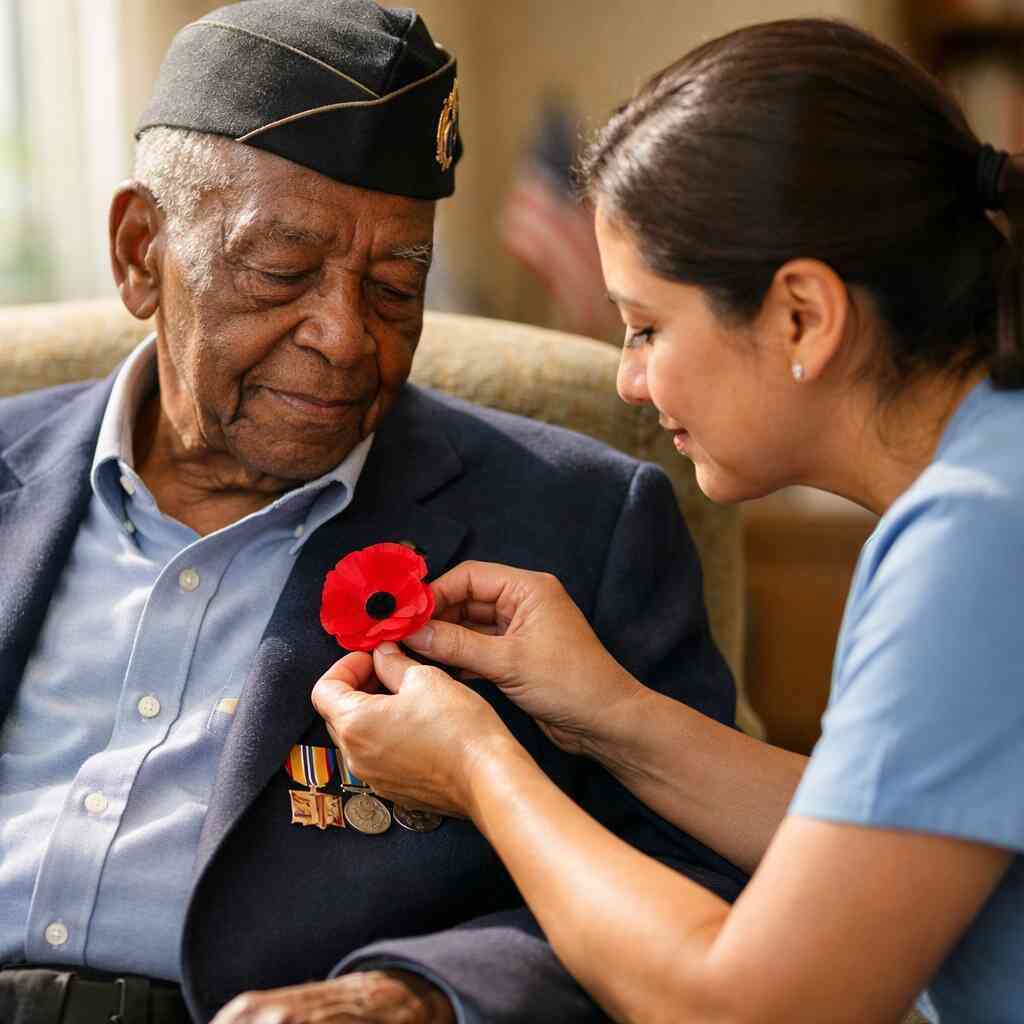
For seniors in memory care, family visits on Memorial Day can be optimized with a bit of coaching from the staff, who might suggest bringing a familiar object like a Navy cap or a vinyl record of military hymns. These props serve as bridges into the resident’s world, especially when verbal communication is impaired. The visit becomes less about asking questions and more about being together in a sensory-rich environment that the facility has prepared with patriotic visuals and music. A simple walk through a garden decorated with small flags can be a multi-generational act of remembrance that needs no words. The emotional safety net provided by the community allows the family to simply be family, not dementia caregivers, for a few sacred hours. That respite for the family, in turn, recharges their capacity to continue supporting their loved one throughout the rest of the year.
Memorial Day dining specials in continuing care retirement communities
Continuing care retirement communities, which combine independent living, assisted living, and skilled nursing on one campus, treat the Memorial Day meal as a centerpiece of communal life. The culinary team often unveils a menu inspired by regional American cuisine, from Southern barbecue to New England seafood, paying homage to service members from every corner of the country. Tables are set with linen and small floral arrangements in red, white, and blue, signaling that the day is special even for residents who no longer track the calendar with ease. A short toast before the meal, offered by a resident veteran or the executive director, invites everyone to pause and give thanks before lifting a fork. The dining room hums with conversation across tables, knitting together residents from different levels of care who might not otherwise interact. This intentional blending reinforces that a senior citizen housing community is not a collection of silos but a unified neighborhood bound by shared tradition.
In the memory care dining room within a CCRC, the meal is specially modified to accommodate swallowing difficulties while preserving the visual appeal of the holiday. Pureed foods are shaped to resemble recognizable entrees, and bright berry desserts provide a sensory pop of red and blue without requiring a fork. Care partners sit down to eat with residents, modeling the social engagement that memory loss often obscures, and guiding hands gently when needed. This approach reflects a philosophy that dignity extends to the table, especially on holidays when food carries emotional significance. Families who share the meal experience a powerful demonstration of the community’s commitment to whole-person care, seeing that the love behind the effort is as nourishing as the meal itself. Dining specials in a CCRC do more than fill stomachs; they remind every resident that they remain a cherished guest at life’s table.
Pet-friendly senior communities and holiday gatherings
A growing number of senior living communities recognize that a beloved dog or cat can make the difference between a lonely holiday and a comforting one. Pet-friendly assisted living facilities encourage residents to bring their furry companions to outdoor Memorial Day gatherings, where a small dog in a patriotic bandana becomes a magnet for smiles and conversation. The presence of animals lowers blood pressure and invites physical touch that many older adults crave but rarely receive, especially on emotionally charged days. A cat curled up on a resident’s lap during an indoor flag ceremony provides a steadying, familiar warmth that no decoration can replicate. For veterans who suffer from post-traumatic stress, a therapy animal present during the festivities can ground them when the sound of a ceremonial rifle volley triggers a buried memory. The inclusion of pets in the holiday plan is not a frivolous extra but a recognition that comfort wears many forms.
Communities that are not already pet-friendly sometimes partner with local animal shelters to bring therapy dogs for Memorial Day visits, blending the holiday theme of service with the healing power of animals. Residents who once trained military working dogs or served as canine handlers often light up when a German Shepherd or Labrador Retriever enters the room, recounting stories from their service days to anyone who will listen. The interaction provides a bridge to the past that is simultaneously joyful and respectful, allowing grief and gratitude to coexist in the same moment. Staff members capture these moments with photos that they send to families, creating a reassuring record that the holiday was marked with genuine feeling. For families shopping for housing options for seniors, a community’s openness to animals signals a broader openness to what makes life meaningful for each individual. A pet-friendly policy on Memorial Day reminds everyone that healing comes on four legs as well as two.
Safety and engagement during Memorial Day in senior apartments
Senior apartment rentals that cater to adults 55 and older often operate with a lighter staffing model than assisted living facilities, yet they still prioritize safety and engagement during the holiday. Property managers commonly organize a potluck picnic in the community room, inviting residents to contribute a dish while the management provides grilled fare and drinks. The setting is casual, but behind the scenes, staff have ensured that walkways are clear, bathrooms are accessible, and someone is designated to monitor residents for signs of heat-related illness. This balance of autonomy and oversight typifies the appeal of senior apartments for an active older adult who values independence but appreciates a helping hand. A resident who might otherwise spend the day indoors, alone with a deli sandwich, finds motivation to dress up and join neighbors in creating a new shared memory. Engagement on Memorial Day is not imposed but invited, which respects the resident’s dignity while gently pulling against isolation’s undertow.
Safety in a senior apartment community on Memorial Day goes beyond physical precautions to include emotional well-being. Resident services coordinators often check in personally with known veterans or residents who have recently lost a spouse, knowing that the holiday can trigger both pride and deep sadness. A simple knock on the door with a small flag and a sincere “thinking of you” can redirect a day from despair to connection. For those with mobility limitations, a volunteer may offer to escort the resident to the community room or to arrange a phone call with a remote family member. These small acts accumulate into a culture of neighborly care that distinguishes a senior apartment community from an ordinary housing complex. It proves that safety lives in the web of relationships as much as in grab bars and emergency pendants.
Your Guide to Making This Memorial Day the Year of a Meaningful Move
The decision to move a parent or spouse into a long-term care community often crystallizes during a holiday weekend when the contrast between loneliness and belonging becomes impossible to ignore. You drive away from a visit with a knot in your stomach, replaying the image of Mom sitting alone in her recliner while the rest of the neighborhood celebrates together. That knot is not guilt; it is clarity, and it can be the fuel for a loving, well-timed transition to a more supportive environment. This guide provides a roadmap for using the Memorial Day season as a moment of thoughtful action, not hasty reaction. From asking the right questions about veteran programs to leveraging respite stays that let you and your loved one test the waters, every step is designed to replace uncertainty with confidence. The senior placement services available through a trusted senior living advisor can help you honor your family member’s past while securing a safer, more connected future. Memorial Day can be the year when remembrance actually leads to renewal.
Why a holiday visit might be the best time to consider long-term care placement
A holiday visit peels back the polite veneer that many older adults maintain during brief weekly check-ins. When you arrive for a Memorial Day barbecue at Dad’s house, you see the refrigerator stocked with expired groceries and the mail piled up unopened on the kitchen counter. These details, so easily hidden in a ten-minute phone call, speak loudly about the daily struggles that aging in place has become. The holiday context also reveals how few social connections remain; a full day may pass without a single neighbor stopping by. This stark observation can provide the evidence your siblings need to move past denial and into collaborative decision-making. A holiday visit, hard as it is, becomes a gift of clarity that points directly toward the need for 55+ apartments with built-in support or a move to assisted living.
The emotional climate of Memorial Day itself often prompts families to consider what it truly means to honor a loved one’s legacy. You may realize that honoring Dad’s service in the Army means ensuring he receives the daily care and camaraderie he earned, rather than leaving him to fend for himself. The patriotic framing of the weekend makes conversations about veteran benefits and long-term care more accessible, because the topic of service is already on everyone’s mind. You can gently ask, “Dad, would you like to live somewhere that honors what you did for this country every day, not just on holidays?” That question, posed with love, can turn a stubborn resistance into a willingness to explore senior citizen housing options. When the visit ends, you leave not with a vague worry but with a concrete plan to contact a contact senior living advisors for holiday placement.
Questions to ask about veteran programs in senior housing
Before you tour a community, arm yourself with a short list of targeted questions that uncover how deeply the organization supports its veteran residents. Ask directly: “Do you have a designated staff member who coordinates VA benefits and connects families with the Aid and Attendance program?” The answer will reveal whether the facility has invested in the administrative expertise to help veterans access funds that can dramatically reduce the cost of assisted living. A well-prepared community will be able to explain the documentation needed for a VA application and may even have a relationship with a local veterans service officer. If the response is vague or dismissive, you have learned something crucial about how hard you will have to fight for the benefits your loved one deserves. These questions to ask about veteran programs in senior housing separate communities that genuinely serve veterans from those that merely tolerate them.
Beyond financial benefits, inquire about daily programming that acknowledges and supports a veteran’s unique life experience. A good follow-up question is: “How does your activities calendar address the social and emotional needs of veterans, especially those with post-traumatic stress?” Listen for specifics, such as a monthly veterans’ coffee hour, a partnership with a local VA clinic, or staff training on military culture. Communities that have thought through these details will also be able to describe how they handle triggers like unexpected fireworks or loud noises during events. This line of questioning shows the community leader that you are an informed family member who views your loved one’s military service as integral to his identity, not a box to check on a move-in form. The answers you receive will help you decide whether a particular assisted living location, nursing home, or retirement home is worthy of your loved one’s story.
How senior living advisors guide families toward communities that honor the past
A senior living advisor acts as a compassionate translator between a family’s emotional needs and the vast landscape of senior care options. When you share that your father served in the Navy and wants to connect with other veterans, the advisor filters through the database of communities for seniors 55+ to surface those with active veterans’ clubs. They know which facilities in Florida have a chaplain who conducts a Memorial Day service and which Texas nursing homes host a veterans’ honor ceremony every November. This insider knowledge spares you the exhausting trial-and-error of cold-calling communities and deciphering marketing brochures. A skilled advisor also picks up on the unspoken concerns you may have, such as a mother’s fear of losing independence or a father’s reluctance to leave his dog behind. They match those emotional requirements with communities that offer pet-friendly policies and a continuum of care that protects autonomy as long as possible.
The advisor’s value extends beyond the initial search to include coaching you on how to navigate the holiday timeline effectively. They may advise scheduling a respite stay over Memorial Day weekend to give your loved one a low-pressure introduction to community life. Because they have guided thousands of families through this transition, they can anticipate the objections your parent will raise and help you script responses that are honest but gentle. They also stay current on the Genworth Cost of Care Survey data and state-by-state Medicaid senior housing policies, so financial conversations are rooted in reality rather than wishful thinking. Families who enter the process without a trusted guide often spend months in limbo, whereas those who use a senior living referral service make a decision with both speed and confidence. The Memorial Day holiday, heavy with emotion, becomes a catalyst for positive change rather than a season of paralysis.
Using a full-service senior living directory for Memorial Day planning
A full-service senior living directory gives you the power to search, compare, and connect with communities in all 50 states from the privacy of your own home. On a quiet Memorial Day afternoon, when the house feels emptier than usual, you can open a laptop and begin entering your location to pull up a list of nearby communities. The directory should allow you to filter by care type-independent living, assisted living, memory care, or skilled nursing-so that you see only the options relevant to your needs. You can compare the amenities each community offers for patriotic holidays, reading descriptions of flag ceremonies, veteran recognition programs, and family event schedules. This side-by-side assessment gives you a clear picture of the senior living community holiday traditions that matter most to your family.
Beyond the immediate holiday planning, a comprehensive directory connects you to resources that address the financial side of a move, such as information on long-term care insurance and VA benefits for senior care. You can read profiles of luxury senior retirement communities and affordable assisted living facilities in the same session, helping you calibrate expectations to your budget. The directory often includes direct links to CMS star ratings and state inspection reports, allowing you to verify the quality of any nursing home or skilled nursing facility that appears in your search. This transparency builds trust and reduces the risk of moving a loved one into a senior living facility that looks good in photos but falls short in care. By the time the holiday weekend ends, you can have a short list of communities to visit and a plan for the conversations ahead.
Respite care stays over the holiday weekend offer a taste of tomorrow
A respite care stay is a short-term residential arrangement, typically lasting from a few days to a month, that allows an older adult to experience community living without a permanent commitment. Memorial Day weekend presents an ideal window for this trial run because the enhanced holiday programming gives the visitor a best-foot-forward view of daily enrichment. You can arrange for Mom to stay in a furnished assisted living apartment, where she will attend the community’s flag ceremony, eat holiday meals with new companions, and wake up to a schedule of gentle activities. At the same time, you get a break to rest, attend your own family gatherings, and observe how the facility handles care transitions and medication management. Many families report that a successful respite care stay was the turning point that softened a resistant parent’s heart toward moving. Respite care stays over Memorial Day weekend at senior apartments are a gift of both experience and permission.
The benefits of a respite stay extend to the caregiving family, who often live in a state of chronic hypervigilance that the holiday weekend only intensifies. For a few days, you can sleep through the night knowing that a trained professional is monitoring your loved one’s blood sugar and responding to any midnight confusion. This restorative rest often provides the clarity needed to make a long-term decision from a place of love rather than exhaustion. When you pick Mom up after the weekend, you can ask concrete, specific questions: “Did you like having your meals with others? How did you feel when they played the national anthem?” These conversations are far more productive than abstract debates about whether “it’s time.” A respite stay turns a hypothetical “someday” into a tangible “maybe now,” and that shift is often the most important step a family takes.
Senior veteran benefits and holiday recognition make honor more affordable
Veterans and their surviving spouses frequently qualify for benefits that can significantly reduce the monthly expense of senior living, yet many families are unaware these programs exist. The VA Aid and Attendance benefit, for example, provides a monthly cash payment added to a veteran’s pension to help cover the cost of assisted living, nursing home care, or in-home assistance. Eligibility criteria include wartime service, a medical need for daily help, and income and asset limits that a senior living advisor can help you interpret. When a community highlights its veteran recognition program, it often signals a willingness to assist with the paperwork and connect you to local VA-accredited representatives. This alignment between holiday honor and financial practicality is one of the most meaningful ways a senior living facility demonstrates integrity. Families can begin the application process over the holiday period and often have the benefit approved within a few months.
Beyond Aid and Attendance, other state-specific veteran programs and Medicaid waivers can pay for residential care facilities and continuing care retirement communities. A senior living advisor familiar with veteran benefits for affordable assisted living near me can explain how these benefits interact with other funding sources like long-term care insurance or a retirement pension. The key is not to assume that a nursing home or assisted living facility is financially out of reach before exploring every avenue of support. Communities that genuinely value veterans will proactively mention benefit options during the initial tour, rather than waiting for a family to ask. This transparency transforms the frequently stressful conversation about money into a collaborative planning session grounded in dignity. When Memorial Day focuses the nation’s gaze on sacrifice, it is appropriate that the systems of care designed for older adults rise to meet that sacrifice with tangible financial relief.
Affordable assisted living options for aging veterans
Affordable assisted living does not mean settling for less; it means finding a community that wisely stewards resources while delivering genuine care rooted in respect for military service. Many states offer Medicaid waivers that cover the cost of assisted living for low-income seniors, including veterans who have spent down their assets on medical needs. Veterans service organizations like the American Legion and VFW also maintain emergency assistance funds that can bridge a gap in rent during a period of crisis. The senior living directory on our platform includes filters for communities that accept Medicaid and those that offer sliding-scale fees based on income. This feature empowers families to compare options without feeling the shame that financial strain so often inflicts. Affordable senior living is a reality in every region of the United States when you know where to look and how to leverage the benefits your veteran has earned.
The human face of affordable assisted living is a retired Army cook living in a modest but immaculate studio apartment, helping to plan the community’s holiday menu and leading a weekly walking club. His rent is covered largely by a combination of Social Security, a small pension, and the Aid and Attendance benefit, leaving a small monthly surplus for coffee shop outings with new friends. He tells visiting families that he wishes he had moved sooner, before a fall sent him to the hospital and scared his children half to death. His story is a testament to the fact that cost should never be the sole barrier to living in a safe, connected environment. Memorial Day is the perfect season to begin the financial discovery process, because the holiday’s focus on gratitude naturally opens doors to the benefits that gratitude has put in place. With the right guidance, a move that once felt impossible becomes a testimony to a nation’s commitment to those who served.
Frequently Asked Questions
Question: How can Senior Living Facilities help my family find a community that truly honors veterans on Memorial Day?
Answer: Senior Living Facilities offers a full-service senior living directory spanning all 50 states, allowing you to search, compare, and connect with senior living facilities that prioritize Memorial Day observances in senior living communities. Our team of senior living advisors understands that honoring veterans in assisted living facilities requires more than a flag in the lobby. We guide you toward communities with robust veterans’ programs, including on-site flag ceremonies, storytelling hours, and staff trained in military culture. By asking targeted questions about veteran benefits for senior care and holiday programming, we help you identify assisted living locations, nursing homes, and memory care near me that weave respect for service into their daily fabric. When you use our free senior living referral, you gain an advocate who ensures your loved one’s sacrifice is remembered not just on patriotic holidays but every day.
Question: What types of Memorial Day activities do senior living communities typically offer, and how does Senior Living Facilities help me evaluate them?
Answer: The best senior living communities transform Memorial Day into a tapestry of meaningful events. Independent living communities often host resident-led flag dedications and intergenerational Memorial Day events at retirement homes, while assisted living facilities may organize patriotic ceremonies with local scout troops. Memory care facilities use reminiscence therapy for Memorial Day reflection, playing service anthems and passing tactile military objects to spark connection. Skilled nursing facilities plan patriotic celebrations that are medically safe yet emotionally rich, and continuing care retirement communities (CCRCs) feature Memorial Day dining specials that unite residents across care levels. Senior Living Facilities helps you assess these offerings by teaching you which questions to ask assisted living directors and how to spot red flags in a community’s holiday calendar. Our senior living directory includes detailed profiles, and our advisors can arrange respite care stays over Memorial Day weekend so your loved one can experience the traditions firsthand before making a long-term decision.
Question: I read the blog post called Why Senior Living Facilities Matter for Memorial Day 2026. How does Senior Living Facilities address the emotional risks of isolated seniors on patriotic holidays?
Answer: The blog post highlights a critical point: national holidays can magnify loneliness, depression, and even anniversary reactions in veterans living alone. Senior Living Facilities tackles this by connecting families with housing options for seniors that are built around continuous social connection. Our advisors prioritize communities that practice active engagement during Memorial Day, from board and care home Memorial Day ceremonies offering intimate family-style gatherings to pet-friendly senior communities that welcome therapy animals to ease anxiety. We also show you how to evaluate safety and engagement during Memorial Day in senior apartments, ensuring that even independent settings have staff check-ins and neighborly support systems. By using our platform, you replace isolation with a safety net of trained professionals who understand that meaningful Memorial Day traditions are a form of preventive care. For aging in place with meaningful Memorial Day traditions to truly be achieved, it must be done within a community that actively watches over its residents.
Question: Can Senior Living Facilities help me find affordable assisted living options for my aging veteran parent, especially when finances are tight?
Answer: Absolutely. Senior Living Facilities specializes in helping families navigate affordable assisted living options for aging veterans. Our platform includes filters for Medicaid senior housing, communities that accept VA benefits for senior care, and facilities offering sliding-scale fees. We educate you on the VA Aid and Attendance benefit, which can provide a monthly cash payment to cover assisted living costs, and connect you with senior living advisors who can explain how long-term care insurance and state-specific programs work. When exploring senior living for low-income seniors, we ensure you see all possibilities, from 55+ apartments with supportive services to skilled nursing facilities that accept Medicare. Our cost of assisted living comparisons, grounded in data like the Genworth Cost of Care Survey, give you a realistic picture. By leveraging veteran benefits and our extensive network, many families find that a dignified, connected senior lifestyle is within reach. We believe that honoring veterans means making quality care accessible, not out of reach.
Question: How do I know if a senior living facility is truly prepared to care for a loved one with dementia during emotionally charged holidays like Memorial Day?
Answer: Caring for someone with dementia during patriotic holidays requires specialized sensitivity. You need to look for communities that practice reminiscence therapy in memory care and provide activities of daily living support during patriotic holidays without overwhelming residents. Senior Living Facilities guides you to dementia care homes and Alzheimer’s care facilities that train staff in gentle, guided activities-like sensory-rich crafts and military music sessions-that honor the past without causing agitation. When you ask what is memory care, we go beyond definitions to show you how skilled nursing facilities and continuing care retirement communities handle triggers like fireworks or unexpected loud noises. We recommend asking about staff-to-resident ratios on holidays, whether the community dims lights for calming observances, and how they involve families during visits. Our directory also highlights memory care near me with positive CMS star ratings and genuine resident testimonials, so you can trust that your loved one’s emotional safety is prioritized.
Admin
Expert contributor specializing in senior living care. Dedicated to providing families with clear, actionable advice.