
Why Senior Living Facilities Recommends CMS Star Ratings
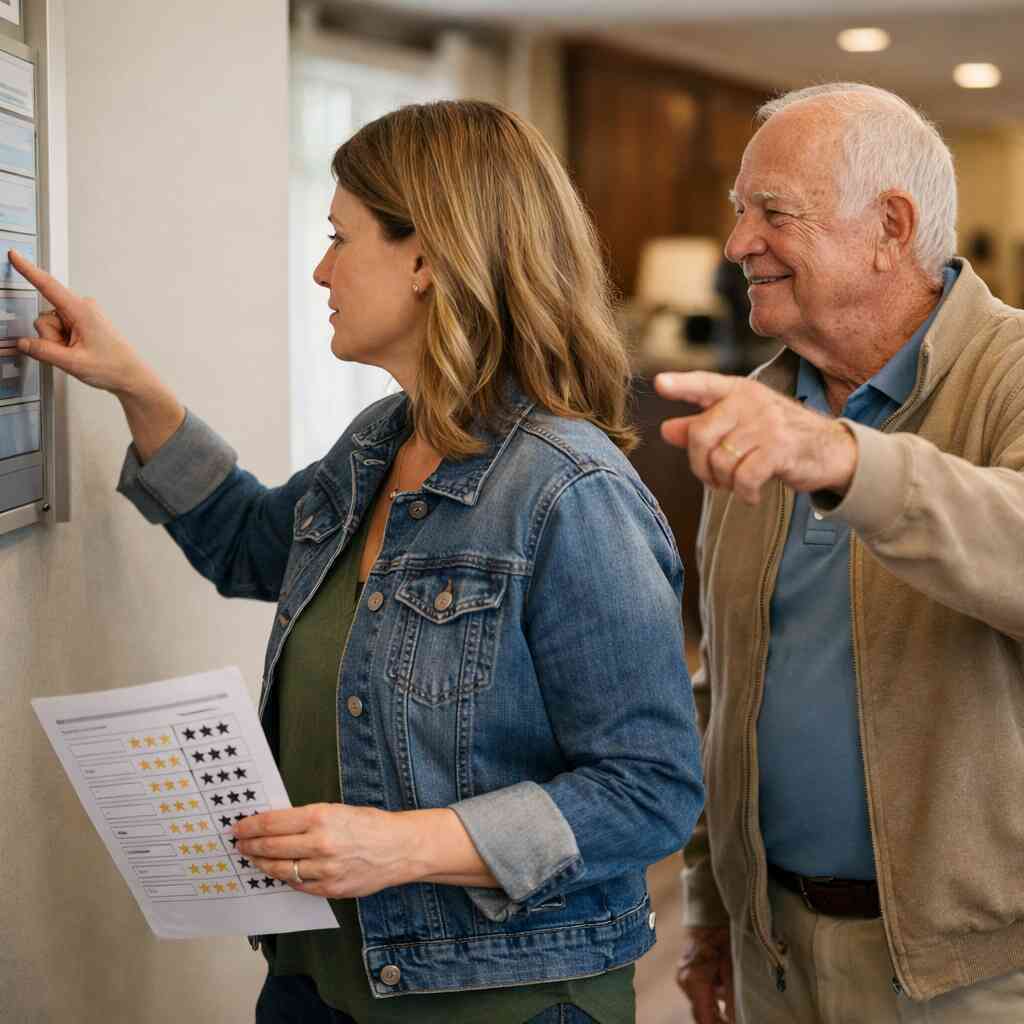
When CMS star ratings are the clue families wish they had sooner
You notice Mom is missing meds. Dad is weaker after dinner. Suddenly, every search result feels too vague. If you are reading this late at night, that uneasy feeling makes sense. Choosing a senior living facility is emotional, and the internet rarely helps enough. CMS star ratings can calm the panic, but they should never be the whole decision.
Why a five-star badge can calm the panic but never tell the whole story
A five-star badge feels reassuring because it is simple. You see it, and you think, “Maybe this place is safer.” That reaction is normal, especially when you are comparing senior living facilities near me and every listing sounds polished. Still, a badge cannot show how a team communicates during a rough night. It also cannot show whether the setting fits your parent’s real needs.
Here is the part most families miss: a high rating can point you in the right direction, but it cannot replace a tour, your own questions, or a care-level review. On one recent call, a daughter in Tampa told us the stars looked excellent, yet the hallways felt busy and rushed when she visited. The rating helped her narrow choices. The visit helped her decide.
The three rating buckets that shape most nursing home quality ratings
CMS star ratings usually rest on three buckets: health inspection ratings, staffing ratings in nursing homes, and quality measure ratings. Each bucket tells a different story. Together, they create the nursing home quality ratings families often use first. That matters because a facility can do well in one area and struggle in another. You want the full picture, not a single number.
Think of it like checking a car before a long drive. The tires matter. So does the engine. So does how it handles in rain. The same idea applies to CMS Five-Star Quality Rating System for nursing home quality ratings. It gives you a smarter starting point, especially when you are comparing a long-term care facility, a nursing home, or skilled nursing facilities.
Where families usually get tripped up when comparing senior living facilities near me
Families often mix up care types. A senior living facility may offer independent living communities, assisted living plans, or memory care near me searches that lead to very different buildings. Others assume a higher star count means the place is right for every need. That is where trouble starts. The star rating measures nursing home performance, not every kind of senior housing.
The search phrase matters too. When you type “best senior living near me,” you may see retirement homes, residential care facilities, and even 55+ apartments mixed together. That creates confusion fast. The question is not only which place scores higher. It is also which setting matches daily help, medical oversight, and family expectations. We hear this from families almost every week.
How Senior Living Facilities uses ratings as a filter, not a final verdict
At Senior Living Facilities, we treat ratings like a filter. They help remove poor matches early. They do not make the final decision for you. That approach saves time, especially when you are comparing a senior living directory, an assisted living locator, or free senior living referral options. Ratings help narrow the field before you start asking the harder questions.
This is also where a senior living advisor and free senior referral help conversation becomes valuable. A good advisor does not push. A good advisor helps you compare reality, not just marketing. If your parent needs aging in place support now but may need more care later, that filter can prevent a painful move twice.
What the ratings are really measuring behind the scenes
Families usually see stars. What they do not see is the work behind them. CMS looks at records, staffing patterns, and quality outcomes that are tracked in Medicare nursing home ratings. That makes these ratings useful, but also easy to misunderstand. The details matter because they show risk, consistency, and accountability.
How health inspection ratings reveal problems that brochures never mention
Health inspection ratings come from surveys and compliance reviews. They often reveal issues brochures never mention. A bright lobby says nothing about medication errors, infection control, or missed documentation. That is why these ratings matter so much when you are learning how to choose a nursing home. They help expose what glossy photos hide.
On a tour in South Florida, a family once noticed fresh flowers and quiet music. Then they asked about the latest inspection findings. The tone changed. That does not mean the building was bad. It means the inspection data gave them a better lens than the brochure ever could. If you are comparing Florida senior living, California assisted living, or Texas nursing homes, that lens is essential.
Why staffing ratings in nursing homes matter when care needs change overnight
Staffing ratings matter because care does not always stay predictable. Someone may need extra help after a fall, a medication change, or a sudden hospital discharge. If staffing is thin, that pressure shows quickly. This is one reason CMS star ratings carry weight for Medicare skilled nursing and skilled nursing facilities. Care needs can change fast.
Families often ask about the difference between skilled nursing and assisted living. Staffing is a major part of that answer. In skilled settings, the clinical load is heavier. In assisted living, the model is usually more social and supportive, not hospital-like. If you want a deeper comparison, the skilled nursing basics resource helps explain where those lines sit.
What quality measure ratings can hint at and what they cannot prove
Quality measure ratings can hint at patterns. They may suggest fewer falls, fewer pressure injuries, or better short-term recovery markers. Still, they cannot prove every resident feels well cared for. They also do not show whether your loved one will connect with the team or feel comfortable at meals. Numbers are useful. They are not magical.
This is where emotional judgment still matters. A family may need assisted living vs nursing home guidance, but the quality measure scores alone cannot settle that. They cannot tell you if a place feels calm at 7 p.m. or tense during shift changes. You need both data and lived experience. That is the honest way to compare senior living facilities.
How Medicare nursing home ratings differ from assisted living locator search results
Medicare nursing home ratings apply to nursing homes and Medicare-certified skilled care settings. They are not the same as assisted living locator search results. Assisted living is usually regulated by the state, so listings may show amenities, care notes, and general services instead of CMS data. That difference confuses a lot of families. It also creates false comparisons.
If you are searching for assisted living locations, keep the frame clear. A senior living directory may list pet-friendly assisted living, luxury senior retirement communities, or senior living with no waitlist. Those details are helpful, but they do not equal CMS ratings. For assisted living, the real questions are usually about supervision, support, and fit. For nursing homes, ratings play a much larger role in the decision.
Why CMS Five-Star Quality Rating System matters most for skilled nursing facilities and Medicare skilled nursing
The CMS Five-Star Quality Rating System matters most where medical oversight is highest. That means skilled nursing facilities and Medicare skilled nursing. In those settings, daily care, clinical records, and staffing can affect safety more directly. A weak rating should make you pause. A strong rating should still prompt a tour.
Families in Chicago, Phoenix, or Orlando often call after a hospital discharge. They need placement quickly. That urgency can lead to shortcuts. The five-star system helps slow things down just enough to compare real options. That is especially important when the choice involves a long-term care facility or a nursing home after rehab.
The comparison that saves families from choosing the wrong level of care
This is where the wrong match causes the most regret. People often choose a setting that is too light, then face another move later. Or they choose a setting that is too clinical, then pay for services they never needed. The smartest move is matching care level to daily life, not just to the search result.
Assisted living vs nursing home when daily help is needed but medical care is limited
Assisted living vs nursing home is one of the most searched comparisons for a reason. Assisted living usually fits seniors who need help with meals, bathing, dressing, or reminders, but not constant nursing. Nursing homes fit people with heavier medical needs, complex rehab, or round-the-clock supervision. That is the core difference between skilled nursing and assisted living. 
Care settingBest fitMedical supportTypical living styleAssisted livingHelp with daily tasksLimited clinical careApartment-like, socialNursing homeComplex medical needs24/7 nursing oversightMore clinical, supervisedIf you want a fuller breakdown, the assisted living vs nursing home care differences guide can help. It is especially useful when you are weighing assisted living plans against post-hospital care. The right choice keeps dignity intact.
What memory care near me should look like when dementia care becomes the priority
When memory loss grows, families stop asking only about amenities. They start asking what is memory care and how it works day to day. Memory care communities are built for structure, supervision, and routines that reduce confusion. That is very different from general assisted living. It also changes how you judge safety.
A good memory care environment should feel calm, easy to read, and secure. Look for consistent staffing, simple layouts, and meaningful engagement. If you need a deeper checklist, the what is memory care near me and how do I compare it article gives a practical starting point. That search often leads families toward dementia care homes or Alzheimer’s care facilities, but the fit still matters more than the label.
Where independent living communities fit for active older adults who want fewer chores
Independent living communities serve active older adults who want less upkeep. They are not a medical setting. They are more like a housing choice with fewer chores and more convenience. You may see them listed as communities for seniors 55+, senior apartment rentals, or 55+ apartments. Those are housing options for seniors, not care-heavy settings.
This category can work well for aging in place with more freedom. It also fits retirees who want social life, fitness programs, or easier maintenance. If the person does not need hands-on care, independent living communities may be enough. For many families, this is the least disruptive path. It preserves autonomy while removing daily burdens.
When a continuing care retirement community CCRC can reduce future moving stress
A continuing care retirement community CCRC can reduce future moving stress because it blends levels of care. That matters when you want to plan ahead without guessing the future. A resident may start in independent living, then later move into assisted living or nursing support on the same campus. That kind of continuity can ease transitions. It also helps adult children sleep better.
Still, not every CCRC works the same way. You must review contracts, care access, and entrance structure carefully. For a closer comparison, the continuing care retirement community CCRC article can help. It is especially relevant when you want one plan for several stages of aging.
How board and care homes and residential care facilities compare for smaller settings
Board and care homes offer a smaller, more intimate setting. Residential care facilities may also serve this role, depending on the state. These settings can feel more home-like than larger senior living facilities. That appeals to families who want fewer residents and a quieter pace. It can also help when someone is overwhelmed in bigger communities.
The tradeoff is that services may be narrower. A small home may not fit advanced medical needs. That is why details matter before you commit. If this path interests you, the board and care home options for aging parents guide can help you compare the atmosphere and care model more clearly.
Why senior housing regulations and state rules can change the picture in Florida California and Texas
Senior housing regulations vary by state. That changes staffing, licensing, and what a community can promise. Florida senior living rules may differ from California assisted living oversight or Texas nursing home expectations. So, a star rating should never be the only lens. State law still shapes daily care.
That is why local research matters so much. A listing in Miami may not behave like one in Irvine or San Antonio. Even language around Medicaid senior housing, respite care, or senior citizen housing can shift by state. If you are comparing across regions, state-specific pages matter. They help you avoid assuming every facility follows the same rulebook.
The decision map that turns a rating into a real next move
Star ratings are useful only if they lead somewhere. The goal is not to admire a score. The goal is to make a safer, calmer choice. That means using ratings alongside costs, funding, family needs, and honest questions. This is where the decision becomes real.
Questions to ask assisted living before you trust the star count
Before you trust the star count, ask direct questions. The right questions to ask assisted living can reveal more than a brochure ever will. Ask about staffing patterns, medication support, move-in timing, and how they handle changing needs. Also ask who answers after hours. Those answers matter more than polished sales language.
A few strong questions include:
- How do you support residents who need more help over time?
- What happens if my parent’s needs increase quickly?
- How do you handle meals, bathing, and medication reminders?
- What is included in the care plan review?
- How often do families receive updates?
For more detail, use the questions to ask assisted living before choosing a community resource. It helps you move from curiosity to clarity.
How to compare assisted living plans with senior living costs by state and long term care insurance
Cost is part of the decision, even when nobody wants it to be. Senior living costs by state can vary widely. The Genworth Cost of Care Survey remains a helpful benchmark for seeing broader trends, not exact quotes. Assisted living plans may bundle services differently, so two communities can look similar on paper and still cost differently in practice. That is why line-by-line comparison matters.
Long-term care insurance can also change the math. Some policies help with assisted living or nursing care, while others have limits. If you want to compare the numbers, the senior living costs by state and care level page is a practical place to start. It can help you see how affordable senior living options stack up without guessing.
When affordable senior living Medicaid senior housing or VA benefits for senior care should enter the conversation
Money concerns are not secondary. They are often the reason families delay decisions. Affordable senior living, Medicaid senior housing, and VA benefits for senior care may all play a role, depending on eligibility and care level. That is especially true when a parent has limited income or changing health needs. These funding sources can widen the options.
If you are exploring access paths, do not wait until a crisis. Talk through what might apply now. The affordable senior living for low-income seniors and VA benefits for senior care resources can help you think clearly. Families in Arizona, Georgia, and Texas often find this step changes everything.
How a senior living advisor or senior placement services team can help without pushing you
A good senior living advisor should feel steady, not salesy. Senior placement services exist to reduce confusion, not create pressure. They can help you compare assisted living locations, nursing home quality ratings, and memory care choices more efficiently. That support matters when you are tired and emotionally taxed. It also helps when your shortlist is too long.
Senior Living Facilities works in that spirit. We help families compare options across all 50 states, then connect them with communities or guidance that fit. A free senior living referral can save hours of scattered searching. If you want help framing the decision, a senior living advisor and free senior referral help conversation can make the process feel much more manageable.
The final check before you choose a nursing home memory care community or retirement homes with confidence
Before you decide, do one final pass. Check the CMS stars. Visit in person if you can. Ask how staff respond under pressure. Match the setting to actual care needs, not hopes. That is how you avoid the wrong move.
Use this last checklist:
- Confirm the level of care matches current needs.
- Review state licensing and senior housing regulations.
- Ask what happens if needs increase.
- Compare the community’s atmosphere with your loved one’s personality.
- Verify whether the cost fits the long-term plan.
If your search is still broad, keep comparing through the how to compare senior living facilities resource. You do not have to solve everything today. Start with one careful call, one honest tour, and one clear comparison.
Frequently Asked Questions
Question: Why does Why Senior Living Facilities Recommends CMS Star Ratings matter when I am comparing senior living facilities near me?
Answer: Because CMS star ratings give families a clearer starting point when the search results feel overwhelming. They help you compare nursing home quality ratings, Medicare nursing home ratings, and the basics of how well a long-term care facility is performing in areas like health inspection ratings, staffing ratings in nursing homes, and quality measure ratings. At Senior Living Facilities, we use those ratings as a filter, not a final answer, so you can narrow down the best senior living near me options without relying on marketing alone. That approach is especially helpful when you are choosing a senior living facility quickly after a hospital stay, a change in mobility, or a sudden need for more help.
Question: How does Senior Living Facilities help me compare assisted living vs nursing home options and understand the difference between skilled nursing and assisted living?
Answer: We help families sort out care levels before they make a costly mistake. Assisted living usually supports daily needs like meals, bathing, dressing, and reminders, while a nursing home or skilled nursing facilities setting is better for people who need 24/7 nursing oversight, rehab, or more complex medical support. If you are comparing assisted living plans, assisted living locations, or using an assisted living locator, it helps to remember that CMS star ratings are designed to inform nursing home comparisons more directly than assisted living searches. Senior Living Facilities guides you through the real-world differences, so you can match the care setting to your loved one’s needs instead of guessing based on a beautiful building or a polished brochure.
Question: What should I ask a senior living advisor or senior placement services team before trusting a facility’s star rating?
Answer: A strong senior living advisor should help you ask the right questions, not just point to a star count. You should ask about staffing patterns, how care plans change when needs increase, what happens after hours, and how the community handles medication support, meals, and family updates. These are some of the most important questions to ask assisted living or nursing home teams because a rating cannot tell you how a place feels during a real day or how responsive the team is during a stressful moment. Senior Living Facilities helps families compare options through a free senior living referral process so you can get practical guidance, not pressure. That is especially useful when you are looking at a senior living directory, senior living with no waitlist, or pet-friendly assisted living choices and need help understanding what fits best.
Question: Does Senior Living Facilities only help with nursing homes, or can you also compare independent living communities, memory care near me, and continuing care retirement community CCRC options?
Answer: We help with a wide range of housing options for seniors, not just nursing homes. Families often come to us looking for independent living communities, retirement homes, residential care facilities, board and care homes, elderly housing, senior citizen housing, 55+ apartments, communities for seniors 55+, or even luxury senior retirement communities. We also help families explore what is memory care, compare memory care near me options, and understand when Alzheimer’s care facilities or dementia care homes may be the better fit. For people who want to plan ahead, a continuing care retirement community CCRC can be a smart way to reduce future moving stress because it may offer more than one level of care on the same campus. Senior Living Facilities is designed to help you compare across all of these senior living facilities choices with clarity and compassion.
Question: How do senior housing regulations, senior living costs by state, Medicaid senior housing, and VA benefits for senior care affect my decision?
Answer: These factors can completely change which communities are realistic and which are not. Senior housing regulations vary by state, so a Florida senior living community, California assisted living option, or Texas nursing home may operate under different rules, staffing expectations, and licensing structures. Costs also vary by region, which is why many families look at senior living costs by state and use resources like the Genworth Cost of Care Survey as a benchmark. If affordability is a concern, affordable senior living, senior living for low-income seniors, Medicaid senior housing, VA benefits for senior care, and long-term care insurance may all become part of the conversation. Senior Living Facilities helps families understand these layers so they can compare assisted living locations, skilled nursing facilities, and other housing options for seniors with fewer surprises and more confidence.
Admin
Expert contributor specializing in senior living care. Dedicated to providing families with clear, actionable advice.