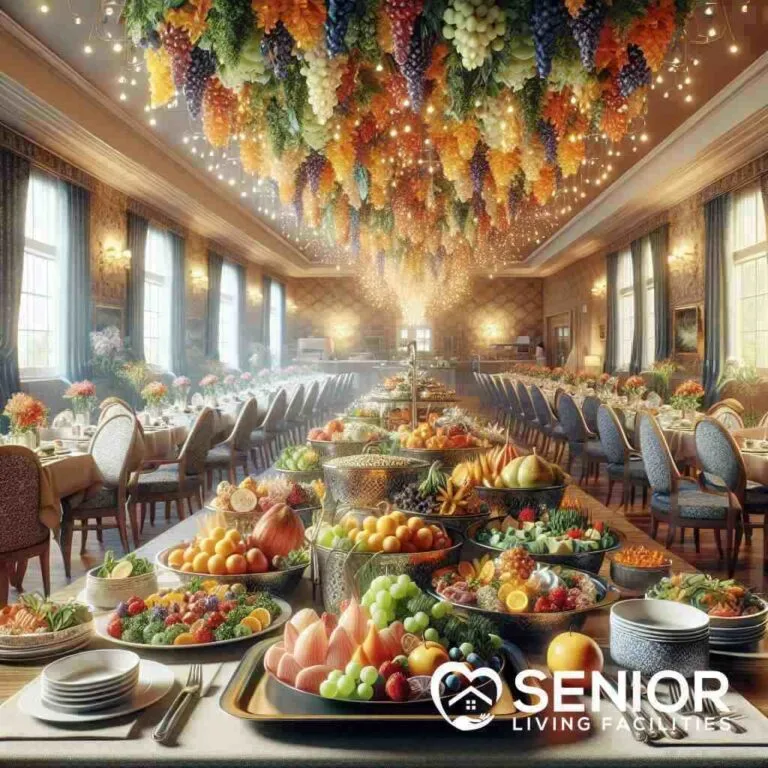
Winter 2026 Senior Living Facilities Guide to Wellness
Kindling Warmth: An Inviting Prelude to Winter Wellness in Senior Living Facilities
Setting the Seasonal Scene for Every Senior Living Community
Every senior living community feels a hush when the cold arrives. Hallways glow with softer light, and blankets appear on every lap. These sensory shifts remind staff that winter wellness in senior living facilities demands intention. Residents deserve continued vibrancy, not a seasonal slowdown. Administrators weave festive décor with purposeful health reminders to make that happen.
Curated music lists brighten communal areas and spark conversation. Scented diffusers carry evergreen notes that stimulate memory. Bulletin boards display cold weather health tips for seniors in bold, readable fonts. This multisensory approach primes residents for proactive choices and signals that safety is synonymous with comfort.
Aligning Caregiver Mindsets with Holistic Cold-Weather Goals
Caregivers anchor winter strategies by embracing whole-person thinking. Physical safeguards hold value, yet emotional warmth fortifies resilience. Staff huddles review heart health support in long-term care facility protocols, and team leads encourage open discussion about each resident’s seasonal preferences. That collaboration fuels personalized planning.
Mentorship moments allow new employees to learn the subtle cues of chill-related stress. Recognizing cold fingers during bingo or a slower gait after a snow forecast prevents bigger issues down the line. Collectively, caregivers transform routine tasks into opportunities for connection, and that holistic mindset spreads from break rooms to resident bedrooms seamlessly.
How the Assisted Living Locator Supports Proactive Planning
Families often feel overwhelmed when snow threatens travel. A reliable assisted living locator shortens decision time and reduces anxiety. Our platform highlights senior living near me filters that showcase indoor pools, generator capacity, and pharmacy partnerships. Users can review photos, compare amenities, and message communities directly.
The search also reflects localized hazards such as icy roads or power outages, helping families choose environments built for cold extremes. Those insights demonstrate why senior living winter wellness resources remain invaluable. Preparedness begins with knowledge, and knowledge becomes comfort.
The Cold-Weather Resilience Blueprint for Every Senior Living Facility
Hydration and Vitamin D Strategies for Senior Housing in Low-Sunlight Regions
Winter air is drier than most residents realize, quietly dehydrating them throughout the day. Staff schedule warm herbal tea carts twice daily to encourage sipping, and clear pitchers of citrus-infused water sit at eye level beside elevators. Dietitians rotate vitamin D-rich foods such as salmon and fortified cereals to reinforce internal defenses.
Sunlight breaks, although brief, still matter. Activities coordinators lead brisk patio strolls when wind chill allows, and portable UV lamps illuminate craft rooms during overcast stretches. Seniors in Alaska communities gain comparable benefits to their southern counterparts through these measures. Consistent exposure keeps bones strong and moods steady.
Vaccination Clinics and Respiratory Wellness Protocols in Senior Living Communities
Flu season prevention in assisted living succeeds through good timing. On-site vaccination clinics are set up in recreation halls with welcoming décor and gratitude boards. Nurses administer injections beside comforting music to ease anxiety, and consent discussions include family members through video calls, fostering trust.
Beyond vaccines, respiratory wellness in senior living community settings depends on air quality. Maintenance staff monitor HVAC filters weekly and document results. Humidifiers maintain optimal moisture to reduce cough triggers, and mask stations appear during visitor surges, blending safety with hospitality. Clear communication reinforces shared responsibility throughout the facility.
Fall Prevention Engineering for Icy Walkways and Interior Transition Zones
Exterior pathways can turn into slick hazards overnight. Facilities install heated mats at entrances to melt ice before shoes touch the surface. Colored traction tape marks door thresholds, alerting both eyes and feet. Inside, low-pile carpets reduce stumbling risk while still allowing mobility aids to glide freely.
Regular inspections detect loose handrails or dim bulbs immediately. Environmental services log findings within digital dashboards, prompting swift repairs. Residents practice balance drills daily with guidance from physical therapists. This combined engineering-and-behavior approach curbs incident rates dramatically, restoring confidence and preserving outdoor independence.
Winter Emergency Preparedness for Long-Term Care Facility Teams
Snowstorms can occasionally sever power or supply chains. Every senior living facility should maintain a multi-day stockpile of meals, medications, and batteries. Quarterly drills rehearse generator startup, oxygen concentrator prioritization, and backup communication trees. Residents join tabletop exercises, turning practice into genuine empowerment.
Administrators coordinate with municipal emergency managers for real-time alerts, and staff cross-train so dietary aides can assist nursing units during staffing gaps. Such redundancy safeguards continuity. Post-event debriefs capture lessons and embed continuous improvement across campuses.
Secure Transportation to Medical Appointments When Storms Strike
Canceled appointments can jeopardize chronic condition management. Transportation coordinators secure contracts with four-wheel-drive shuttle companies whose drivers receive geriatric sensitivity training, ensuring smooth transfers even during flurries. Paratransit vehicles carry traction aids and portable heaters for added protection.
When roads close entirely, telehealth appointments step in. Resident tablets connect to specialists without anyone leaving a warm room. Social workers notify pharmacies to synchronize medication deliveries accordingly. These layered solutions guarantee uninterrupted care, regardless of the forecast.
Immunity on the Menu: Culinary Arts for Strength and Comfort
Nutritious Winter Soups That Delight Senior Dining Palates and Boost Defenses
Few aromas soothe quite like simmering soup. Chefs craft butternut squash bisque with Greek yogurt, doubling protein while reducing sodium. Lentil and kale stew provides iron that supports energy metabolism. Residents vote on weekly soup spotlights, giving them ownership over their nutrition.
Texture modification remains thoughtful throughout. Pureed versions retain vibrant flavor for residents with dysphagia, while soft diced vegetables satisfy others. Warm bowls also aid hydration, an often-overlooked benefit. Culinary teams document resident favorites, inspiring seasonal cookbooks shared with families.
Immune-Boosting Menus Woven Into Assisted Living Plans and Rental Housing for Seniors
Dining directors integrate turmeric, garlic, and cruciferous vegetables into daily offerings. Breakfast frittatas include broccoli florets and vitamin C-rich peppers. Afternoon snacks feature yogurt parfaits topped with antioxidant-rich berries. These choices reflect the immune-boosting menus central to assisted living plans.
Menus appear on digital kiosks in large fonts with clear allergen icons. Residents in rental housing for seniors appreciate transparency about nutritional value. Weekly chef chats explain ingredient selections, reinforcing ongoing education. Informed diners consistently make health-forward choices as a result.
Smart Supplementation Strategies Including Zinc and Herbal Infusions
Dietary assessments sometimes reveal micronutrient gaps. Registered dietitians collaborate with physicians to recommend zinc or vitamin B12 tablets, scheduling administration alongside existing medication passes to ensure compliance. Herbal infusions such as echinacea or elderberry tea complement pharmacological support.
Education sessions advise residents to consult their clinicians before adding over-the-counter products, preventing interactions with anticoagulants or antihypertensives. This transparency fosters trust, and ongoing efficacy monitoring allows timely adjustments. Documenting outcomes strengthens evidence-based practice across the care team.
Community Knitting Clubs Meet Farm-to-Table Gardens Growing Indoor Microgreens
Engagement flourishes when creativity meets nutrition. Knitting clubs gather beside hydroponic towers sprouting basil, arugula, and radish greens. Members harvest leaves for lunchtime salads, witnessing farm-to-table results firsthand. Simultaneously, the tactile craft activity enhances finger dexterity and cognitive focus.
Interdisciplinary staff photograph these events and share them on internal channels. Family members admire colorful scarves and vibrant salads alike. This combination reinforces purpose, social connection, and nutrient density in one cheerful package.
Heat From the Heart: Adaptive Movement and Fitness Rituals
Cozy Fitness Routines and Indoor Exercise Programs for Senior Living Communities
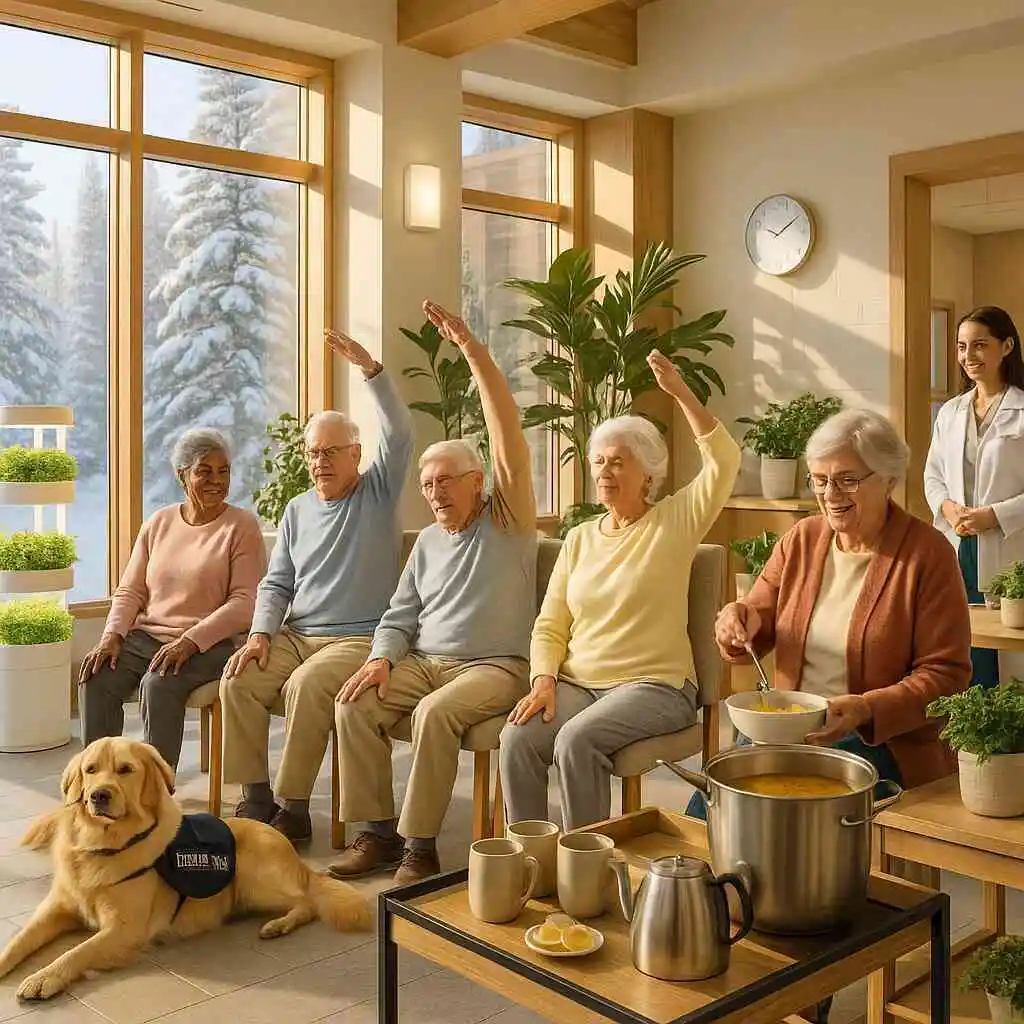
When frost fills the windows, movement shifts indoors. Fitness instructors design chair-based cardio sessions built around cozy routines suited to older adults. Upbeat playlists encourage steady rhythms without joint strain, and participation trackers celebrate consistency over intensity.
Using modular resistance bands, residents progress at individualized paces. Staff project virtual nature walks onto large screens, stimulating imagination during marches in place. These indoor exercise programs build stamina and lift moods across the community.
Arthritis-Friendly Movement Flows and Adaptive Yoga in Independent Living Communities
Arthritis can intensify with temperature drops. Adaptive yoga uses warm studios, gentle props, and mindful breathing to counteract that effect. Certified instructors cue modifications that protect wrists and knees, and flows emphasize isometric holds that build strength without abrupt transitions.
Residents practice self-paced sequences on apartment balconies during sunny interludes, and peer mentors lead evening stretching circles to reinforce habit formation. Independent living communities on icy Michigan campuses report decreased morning stiffness and improved sleep quality from these programs.
Heated Indoor Pool Therapy and Aquatic Heart Health Support
Water buoyancy offloads joints, enabling a fuller range of motion. Facilities maintain pool temperatures within therapeutic ranges suitable for cardiovascular training. Structured classes mix slow laps with aqua aerobics choreography, and heart rate monitoring devices ensure safe exertion levels throughout.
Physicians often prescribe aquatic sessions for post-surgical rehabilitation. Attendance logs feed into electronic health records, allowing data-guided progression. Residents relish the novelty of summer-like sensations inside snow-lined buildings, bridging seasonal divides in a memorable way.
Wearable Tech Prompts That Keep Seniors Moving in Senior Apartment Rentals
Pedometers and smartwatches buzz gentle reminders after extended sitting. Gamified leaderboards appear on hallway monitors, sparking friendly competition across floors. Maintenance technicians join the challenges, fostering interdepartmental camaraderie. These prompts sustain momentum well beyond scheduled classes.
Activity data also flows into care plans, alerting nurses to sudden drops in movement that may indicate illness or depression. Early detection becomes possible before symptoms worsen. Senior apartment rentals thus transform into connected health ecosystems rather than merely places to live.
Pet Therapy Walks in Enclosed Green Spaces Bringing Winter Sunlight Indoors
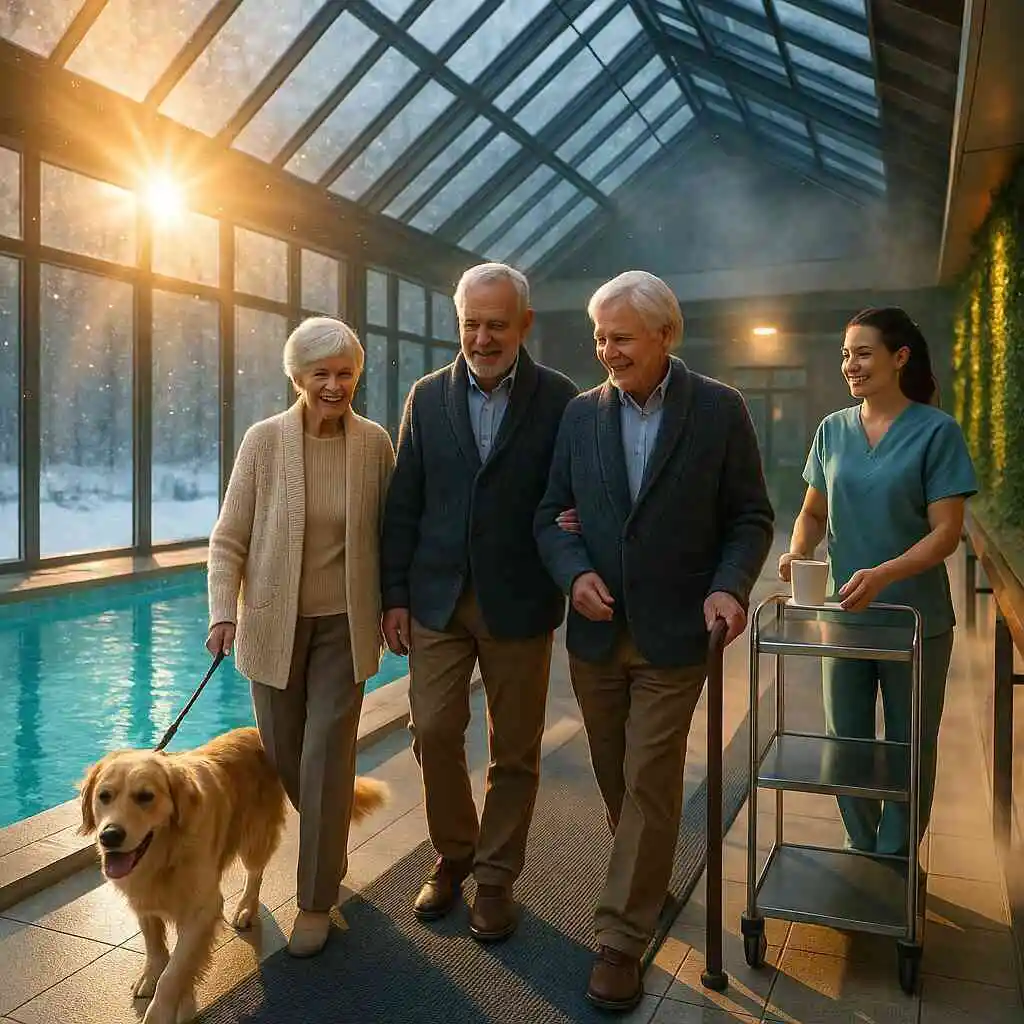
Therapy dogs parade through indoor atriums filled with skylights. Walking circuits integrate synthetic turf, benches, and citrus trees that thrive under grow lights. Residents who practice leash handling gain balance confidence, and animal companionship naturally lowers blood pressure.
After strolls, participants gather for grooming sessions that reinforce fine motor skills. Photos of wagging tails decorate newsletters, spreading warmth throughout the facility. Even residents who prefer to observe feel emotionally lifted by the joyful atmosphere.
Luminous Minds: Emotional and Social Vitality Through Darker Months
Seasonal Affective Disorder Care Within Nursing Homes for the Elderly
Shorter days can dim spirits quickly. Nursing homes deploy dawn-simulation lamps near bedside tables to gently rouse residents. Psychologists screen for seasonal affective disorder during routine rounds, and early identification leads to counseling referrals or medication adjustments.
Group discussions normalize fluctuating moods and reduce stigma. Staff also schedule additional creative arts sessions, channeling feelings into expressive outlets. Mental health support during dark winter months becomes embedded in the culture this way, rather than being a reactive response.
Meditation Classes and Grief Support Groups During the Holiday Season
Mindfulness instructors guide breathing exercises that anchor present-moment awareness. Soft chimes mark intervals, cultivating tranquility that lingers beyond class. Parallel grief support groups honor memories of loved ones who are absent during the celebrations.
Participants light battery candles while sharing stories, creating communal empathy. Social workers facilitate resource sharing for coping outside of meetings. These safe spaces transform a potentially isolating season into a pathway toward healing.
Digital Bridges: Telehealth Counseling and Virtual Family Rooms in Senior Living
Technology extends human connection across miles. Tablets host telehealth counseling sessions, granting residents privacy and immediacy. Virtual family rooms projected onto large screens let grandchildren play charades with grandparents in real time.
Staff troubleshoot connectivity issues quickly to ensure seamless interaction. Residents schedule recurring calls and integrate digital visits into their weekly rhythms. Emotional well-being metrics improve markedly in communities where remote access is prioritized.
Social Connection Activities That Spark Joy in Communities for Seniors 55+
Themed trivia nights pit floors against each other in friendly rivalry. Baking workshops engage sensory memories through vanilla and cinnamon fragrances. Intergenerational reading circles invite local students to practice literacy skills alongside residents.
Participation data informs program refinement, tailoring offerings to evolving preferences. Communities for seniors 55+ report renewed enthusiasm and lower turnover as a result. Joy becomes the ultimate wellness indicator.
Caregiver Burnout Relief Resources Built Into Daily Staffing Rhythms
Resident happiness relies on caregiver vitality. Leadership institutes micro-break policies that promote stretching and hydration for staff. On-site quiet rooms feature massage chairs and dim lighting for brief resets during long shifts.
Peer recognition boards celebrate small victories and nurture a supportive culture. Employee Assistance Programs offer confidential counseling as well. By safeguarding caregivers, organizations sustain compassionate service delivery throughout the entire winter season.
Technology, Safety, and Peace of Mind: The Winter Shield
Real-Time Environmental Sensors Monitoring Temperature and Air Quality
Internet-connected sensors track hallway temperatures, humidity, and carbon monoxide levels continuously. Dashboards alert maintenance teams before comfort thresholds are breached, and automatic door closers reduce heat loss when readings dip.
Residents feel reassured seeing green status lights outside their rooms. That transparency builds trust in facility leadership and engineering integrity, keeping comfort consistent despite external volatility.
Respiratory Wellness Dashboards Integrated With On-Site Clinics
Clinical teams access aggregate data on coughing incidents, oxygen saturation trends, and HVAC performance. Dashboards visualize problem areas that need intervention. A sudden spike in coughing incidents, for example, promptly triggers humidifier deployment.
These proactive steps shorten illness duration and reduce hospital transfers. Families appreciate data-driven stewardship, and the transparency reinforces trust in the facility’s approach. Technology and compassionate care work together naturally in this model.
Personalized Alerts and Hydration Reminders Delivered Through Resident Tablets
Customized software sends residents friendly notifications with cartoon animations when fluid intake lags. Users select preferred beverages from pre-loaded options, personalizing their reminders. Gamification badges reward streaks of adequate fluid consumption.
Caregivers track compliance remotely and intervene when alerts escalate. Over time, urinary tract infection rates decline, validating the program’s effectiveness. Small digital nudges yield significant physiological results.
Data-Driven Insights Guiding Personalized Assisted Living Locator Recommendations
Aggregated, anonymized data reveal which amenities most influence resident outcomes. Algorithms within our portal match prospective families with communities that excel in relevant metrics. A family seeking asthma management, for instance, receives prioritized listings featuring advanced air purification systems.
The assisted living locator thus evolves from a simple directory into a genuine decision tool. Continuous feedback loops refine its accuracy, helping families find communities that fit both lifestyle needs and clinical requirements.
Embers Carried Forward: A Closing Reflection on Year-Round Wellness
Transforming Seasonal Strategies Into Evergreen Best Practices
Winter initiatives teach timeless lessons about anticipation, collaboration, and adaptability. Heated pathway concepts inspire summer hydration stations. Respiratory dashboards evolve into pollen alerts come spring. Organizations that document these insights embed them into policy manuals for lasting impact.
Routine audits ensure practices persist beyond initial excitement. Leaders who champion a culture of review and reinvention see residents experience consistent excellence regardless of the season.
Leveraging Community Feedback to Refine Future Senior Living Initiatives
Surveys distributed after each major storm capture resident satisfaction with transportation, meals, and entertainment. Town-hall meetings encourage open dialogue, converting critique into innovation. Success stories travel across campuses through newsletters, accelerating adoption elsewhere.
Metrics drawn from these conversations feed strategic planning committees. Data meets narrative, guiding resource allocation wisely. Continuous improvement depends on genuine listening.
Connect, Compare, and Thrive With Senior Living Facilities
Families, caregivers, and administrators can connect with Senior Living Facilities advisors for tailored guidance. Our experts translate broad recommendations into site-specific action plans.
Search, compare, and thrive alongside a national network committed to dignified aging. Together we kindle warmth that never fades, ensuring every season feels inviting, safe, and inspiring. You can also list your community or explore our senior living blog for additional resources.
Frequently Asked Questions
How does Senior Living Facilities help my family find communities that excel at winter wellness, including cold weather health tips for seniors?
Our assisted living locator starts by asking for your zip code, then cross-references more than 50 data points related specifically to cold climates – generator capacity, indoor walking paths, heated entrance mats, and on-site hydration stations, among others. We flag communities that already follow the cold weather health tips outlined in our guide and display them at the top of your results. Because we cover all 50 U.S. states, you can instantly compare senior living near you in both snowy and mild regions, read verified family reviews about winter programs, and connect directly with an admissions team for a virtual or in-person tour – all from one dashboard.
What winter emergency preparedness measures should a long-term care facility have, and how does Senior Living Facilities verify them before listing?
A robust plan includes multi-day inventories of meals and medications, backup power for oxygen concentrators, secure transportation contracts for medical appointments during storms, and quarterly staff drills. When a community applies to be featured on Senior Living Facilities, we request written copies of its winter emergency preparedness playbook, proof of generator maintenance records, and photographs of heated or salted walkways for fall prevention on icy paths. Only facilities that meet or exceed these benchmarks appear in search results, giving families confidence well before the first snowflake falls.
Your Winter 2026 guide emphasizes cozy fitness routines for older adults. How do you verify that the indoor exercise programs you list actually exist?
During our credentialing process, we require each community to submit a seasonal activity calendar detailing chair-based cardio, adaptive yoga, heated indoor pool therapy, and pet therapy walks in enclosed green spaces. We verify these calendars through random video spot-checks and resident testimonials. If a facility drops a program – say, the heated pool closes for repairs – we update its profile immediately so families always have accurate information. This hands-on approach means you are reviewing real, current offerings that support arthritis-friendly movement, heart health support in long-term care facilities, and engagement for communities for seniors 55+.
Can Senior Living Facilities guide us toward flu season prevention in assisted living, including on-site vaccination clinics and respiratory wellness protocols?
Absolutely. Our search filters allow you to prioritize flu season prevention by showing only properties that run annual vaccination clinics, maintain hospital-grade HVAC filtration, and publish transparent respiratory wellness dashboards. We also list the dates of upcoming vaccination events so you can plan accordingly. Because our database covers senior living options in every state, you can instantly compare each facility’s respiratory protocols – saving weeks of individual phone calls and site visits.
How does your assisted living locator incorporate hydration reminders and vitamin D strategies when recommending senior housing in low-sunlight regions?
We collect information on smart technology deployed inside each senior housing property, such as tablet-based hydration reminders, wearable UV exposure trackers, and indoor UV lamp stations. Communities that provide daily herbal tea carts, vitamin D-rich menu rotations, and clear supplementation policies receive a special winter wellness badge on our platform. By combining nutritional program data with environmental sensor reports, our locator steers families toward properties that actively combat dehydration and low-sunlight challenges – crucial for immune-boosting menus and overall senior wellness.
Admin
Expert contributor specializing in senior living care. Dedicated to providing families with clear, actionable advice.